REVIEW · HANOI
13-Day Vietnam Itinerary | Discover the Best of Vietnam | Top 1
Book on Viator →Operated by Authentic Adventures · Bookable on Viator
Rice fields, bay cruises, and fast flights. This 13-day Vietnam itinerary strings together Hanoi, Lan Ha Bay, Hoi An, Hue, Ho Chi Minh City, and the Mekong Delta with a plan that’s built for people who want to see a lot without doing the logistics grind yourself. What makes it interesting is the mix: UNESCO sights in the mornings, time on boats, and real local life in places like Mai Chau and the Mekong waterways.
I especially like the value-first setup: private-room accommodation, air-conditioned transport, a tour guide, entrance fees for the listed sights, and meals counted across the days. I also like the small group size (up to 12), which helps on crowded sites and keeps the day from feeling like a cattle call. Plus, the support from the team has a strong reputation in the way they handle questions and changes, including contact people like Tran and Mr Tran Son.
One thing to consider: this is not slow travel. You’ll start early on key days, and you’ll move between regions often, including domestic flights—perfect if you like momentum, less perfect if you want days that feel wide open.
In This Review
- Key highlights to know before you go
- Price and logistics: what the $1,389 buys you
- Hanoi arrival and the first taste of local life
- Hoa Binh to Ha Long: the travel day that sets up the cruise
- Lan Ha Bay sunrise: Tai Chi and the early-morning views
- Temple of Literature and flying south to central Vietnam
- Marble Mountains, Non Nuoc Village, and the coconut-water day in Hoi An
- Hue over Hai Van Pass: Khai Dinh, the Citadel, and Thien Mu Pagoda
- Da Nang downtime and the flight into Ho Chi Minh City
- Ho Chi Minh City highlights plus the Cu Chi Tunnels afternoon
- Mekong Delta: My Tho, Ben Tre, Can Tho, and the Cai Rang market
- Group size, timing, and comfort tips that actually help
- Who this 13-day Vietnam tour suits best
- Should you book Authentic Adventures’ 13-day Vietnam itinerary?
- FAQ
- How long is the Vietnam tour?
- Which areas of Vietnam does this itinerary cover?
- Are flights included or is it all overland travel?
- Does the tour include entrance fees?
- What kind of accommodation do you get?
- Are meals included?
- How big is the group?
- What’s not included in the price?
Key highlights to know before you go

- Small group limit (12 people) for smoother days on boats and in temples
- Lan Ha Bay sunrise includes Tai Chi on the sundeck plus morning views before heading back
- Meals and entrance fees are built in (with breakfast, lunch, and dinner counts included)
- Domestic flights are included, reducing long overland time between central and south Vietnam
- A real north-to-south route that hits Hanoi, Hoi An, Hue, Ho Chi Minh City, and the Mekong Delta
- Dietary needs can be handled if you flag vegetarian, vegan, or gluten-free in advance
Price and logistics: what the $1,389 buys you

At $1,389 per person for about 13 days, the big question is whether this tour feels like a good deal once you factor in what’s included. In this case, a lot is already packaged: domestic flights, private-room accommodation, air-conditioned vehicle transport, a tour guide, entrance fees for the included stops, and a meal plan (12 breakfasts, 7 lunches, 3 dinners).
That matters because Vietnam adds up fast when you’re piecing it together yourself—especially when you mix city days, heritage sites, long-distance transfers, and boat time. You’re paying for the organizer to handle the connections: hotel transfers, drivers, and the timing that gets you to the right port or gate without last-minute stress.
The other “hidden value” is the way the itinerary reduces decision fatigue. You’re not trying to figure out which ticket to buy for each sight, or how to structure travel day after travel day. You still get some free time in Hanoi, Da Nang, and Ho Chi Minh City, but the core route is pre-set.
You can also read our reviews of more tours and experiences in Hanoi.



Hanoi arrival and the first taste of local life

Your trip starts in Hanoi with airport pickup from Noi Bai International Airport. From there, the tour keeps you moving, including a day trip drive toward Hoa Binh province and into Mai Chau.
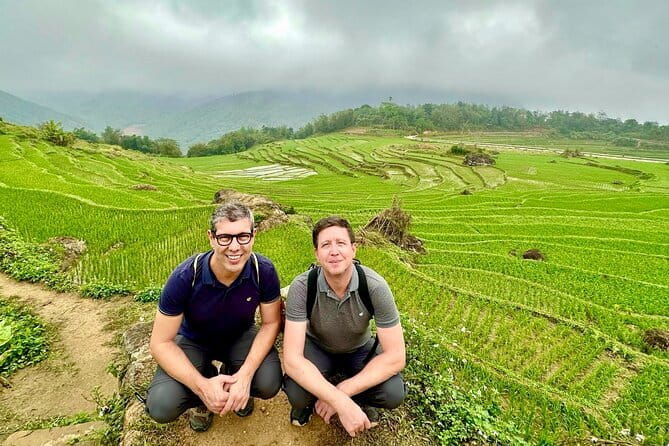
On the way, you’ll pass through areas lined with tapioca and sugar cane fields, then start seeing the terrain shift toward terrace paddies as you approach the Mai Chau valley. That kind of “in-between” scenery is part of why this route works—you’re not only doing cities.
When you arrive at Mai Chau, you head to the Lac village local center. There’s time to rest, plus a local lunch that’s specifically called out: spring rolls and banana flower salad. That’s a small detail, but it’s the kind of practical authenticity people often want more than another photo stop.
Possible drawback: because this day includes travel time plus meals plus a village stop, the pacing can feel full for anyone who prefers to ease in gently. If you’re arriving jet-lagged, consider bringing a simple plan for quiet downtime at the hotel later that evening.
Hoa Binh to Ha Long: the travel day that sets up the cruise
After your Mai Chau experience, the itinerary transitions back toward Hanoi, then pushes north for Ha Long Bay and the cruise in Lan Ha Bay.
The timing on the Ha Long travel day is set up with a pick-up from Hanoi’s Old Quarter around 8:00–8:30. Then you head toward Tuan Chau port, where you board a transfer boat that brings you to the cruise. You get a welcome drink and check-in to your accommodation onboard.
Once you’re on the water, the cruise route is built around island scenery—Gia Luan area, Thoi Quyt island, Ke Ga, and Finger—plus the general feel of moving through Lan Ha and Ha Long Bay waters rather than doing a single static view.
What you’ll like here: the tour doesn’t treat the cruise as a quick sightseeing checkbox. It gives you a full day structure that includes onboard time, then early-morning viewing the next day.
Lan Ha Bay sunrise: Tai Chi and the early-morning views

This is one of the standout moments in the schedule. You wake up early, join a Tai Chi session on the sundeck area, and watch the sunrise in Lan Ha Bay.
The plan calls out wake-up at 6:15, then breakfast around 7:00–7:45. That morning window is the part people remember because it’s calm and visual—before crowds, before heat builds, and before the day’s sightseeing energy ramps up.
After that, you continue with more bay-view time and then return to Hanoi in the late afternoon, arriving around 17:00. The evening after that is free time in Hanoi, which is a smart reset. You’re not forced to “do one more thing” immediately after an active day.
Consideration: early starts aren’t optional here. If you’re the type who needs a slow wake-up, pack for it: a light layer for the morning deck, sunscreen for later, and something for your commute comfort on travel days.
Temple of Literature and flying south to central Vietnam

Back on land, the itinerary hits the Temple of Literature in Hanoi—UNESCO-listed and deeply tied to Vietnam’s exam and scholarly traditions. It’s one of the most meaningful “first-day culture” choices in the capital because it’s not just architecture. It’s also a clear entry point into how education and learning were valued historically.
After that, the tour transitions you to Da Nang by domestic flight, then connects you to your Hoi An stay. This is where the plan saves you time. Instead of losing half a day (or more) in traffic and overland transfers, you use the flight to keep the pace reasonable.
If your goal is to cover Hanoi plus central Vietnam without spending the whole trip on the road, that flight jump is a practical win.



Marble Mountains, Non Nuoc Village, and the coconut-water day in Hoi An

Hoi An isn’t treated as a single evening stop. You get a full day around the area, with two very different experiences built in.
First: the Marble Mountains (Ngu Hanh Son). The itinerary includes time at Non Nuoc Village at the foot of Marble Mountains, which gives you a sense of how people live around the site rather than viewing it from afar.
Then: Cam Thanh’s Bay Mau Coconut Forest, known for its green water and local ecosystem. This is the day that feels more “hands-on” in a good way. It’s not only about stones and temples; it’s about waterways, small boats, and the texture of rural crafts and daily life.
Finally, the day ends in Hoi An ancient town with sightseeing through the historic walking area. Hoi An works best when you slow down, even if the tour timeline keeps things scheduled. You’ll still have time to wander, stop for a snack, and watch the streets change as evening approaches.
One thing to plan: Hoi An can be hot and humid. Bring lightweight clothes and footwear you’re comfortable walking in for a couple hours.
Hue over Hai Van Pass: Khai Dinh, the Citadel, and Thien Mu Pagoda

From Da Nang to Hue, you cross the Hai Van mountain pass. The itinerary frames it as one of the most beautiful routes, and even without obsessing over superlatives, you can expect the drive itself to be part of the experience.
Once in Hue, you visit the Tomb of Khai Dinh—known for its unique design and for being the final resting place of a Nguyen emperor. From there, you continue to Hue Imperial City (the Citadel), with time for guided storytelling about the Nguyen dynasty.
The day concludes with Thien Mu Pagoda, an active Buddhist monastery on the bank of the Perfume River. The schedule calls out its 7-story pagoda, which makes it easy to orient yourself because it’s an obvious landmark.
Why this day feels worth it: Hue often gets reduced to one or two sites, but this route gives you three in the same day—tombs, imperial power, and a living monastery. That triangle is a strong way to understand what Hue represents.
Da Nang downtime and the flight into Ho Chi Minh City

There’s a lighter-feeling day in Da Nang after breakfast. The itinerary leaves this time more open, giving you hours for wandering on your own rather than being locked into another checklist of stops.
Then comes the transfer to the airport and a domestic flight into Ho Chi Minh City, with hotel check-in around 14:00. The rest of the day is yours to explore at your own pace.
This kind of break is important on a route like this. If everything were fully scheduled every day, you’d burn out. The trip uses a couple of “your time” windows to keep the pace from feeling like a nonstop train ride.
Ho Chi Minh City highlights plus the Cu Chi Tunnels afternoon
Ho Chi Minh City gets a packed but well-chosen one-day plan. It includes:
- Saigon Notre Dame Cathedral
- Saigon Central Post Office
- War Remnants Museum
- Cu Chi Tunnels in the afternoon
The cathedral and post office are architectural stops, and the museum is the heavy, reflective piece. Then you head to Cu Chi Tunnels, a network of underground passages used during the Vietnam War.
This mix matters. It keeps the day from being only aesthetic sightseeing, while also not turning the trip into a single-topic history marathon. Still, it is a lot to process in one day. The museum followed by the tunnels can feel intense.
Practical advice: wear comfortable shoes, and if you feel overloaded, take quiet pauses. Even 5 minutes outside a museum hall can help.
Mekong Delta: My Tho, Ben Tre, Can Tho, and the Cai Rang market
After Ho Chi Minh City, you head into the Mekong Delta region with a multi-stop day trip structure.
The first morning focuses on My Tho. You explore the area and take a boat journey along the Mekong River (the schedule calls it out as a boat trip along the Mekong). After that, you continue to Ben Tre, famous for coconut groves.
Ben Tre is where the itinerary leans more local: you take a boat ride along narrow canals, see coconut palms, and visit local workshops tied to traditional production.
Then the day continues onward to Can Tho for accommodation, with time to unwind after a full schedule.
The next morning includes the Cai Rang Floating Market, starting with breakfast and then heading to the market around 8:30. Floating markets can be tricky to time well—this itinerary builds in the morning energy and keeps the stop long enough to actually observe the flow of boats and activity.
Later that afternoon, you return to Ho Chi Minh City around 14:00.
What you’ll like most: the Mekong route works as more than scenery. It’s boats, canals, and hands-on workshop moments, which tends to feel more real than just looking out from a bus window.
Group size, timing, and comfort tips that actually help
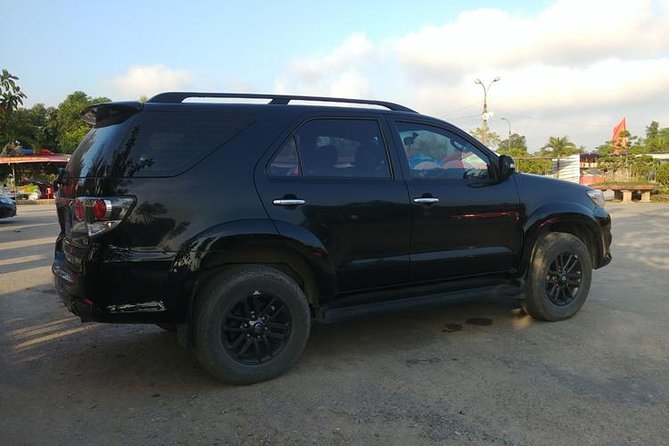
This tour runs with a maximum group size of 12, which is a meaningful difference from larger bus groups. You move with an air-conditioned vehicle, and pickup is offered at hotels, so you’re not trying to navigate transport at each transfer point.
You’ll also notice the schedule includes clear start times and early morning moments. For example, there’s an itinerary start around 7:00, and some days include early wake-ups for bay viewing.
To keep the trip comfortable:
- Pack a light layer for morning air on boats, even if afternoons are hot
- Bring a small bag for water and sunscreen during city walking days
- Expect temples and heritage sites to require respectful clothing (cover shoulders and knees if you can)
- If you have dietary requirements, flag them when booking—vegetarian, vegan, and gluten-free are supported
For families, one review notes the company handled a trip with kids as young as 2 and a half, so the team seems used to practical needs. Still, the route is busy, so plan your kid energy the same way you’d plan yours.
Who this 13-day Vietnam tour suits best
This is a strong match if you want a north-to-south overview without doing heavy planning. The route covers Hanoi, Mai Chau, Lan Ha Bay, Hoi An, Hue, Ho Chi Minh City, and the Mekong Delta, with domestic flights built in to reduce friction.
It’s also a good pick if you value structure. A lot of people like tours because they want days to work out—where to go, what to see, and when to meet. Here, guides and drivers are part of the package, and the support has been praised in the way it responds to questions and adjusts to requests.
If you prefer slow travel, deep time in one city, or lots of evenings free for wandering without the next morning plan already on your mind, this route may feel like too much.
Should you book Authentic Adventures’ 13-day Vietnam itinerary?
Book it if you want a well-run sampler of Vietnam with meals and key entrances included, a small group, and domestic flights that keep the trip efficient. It’s especially worth considering if you’re short on vacation time but still want the big hits: Hanoi culture, Lan Ha Bay sunrise, Hoi An heritage, Hue royal sites, Cu Chi history, and Mekong water life.
Don’t book it if you’re the kind of traveler who needs lots of unplanned time and hates early wake-ups. This itinerary has momentum baked in.
If you’re on the fence, think about your ideal trip: do you want the freedom to choose everything each day, or do you want a plan that removes the guesswork and lets you focus on the places? This one leans clearly toward the second option.
FAQ
How long is the Vietnam tour?
It runs for about 13 days.
Which areas of Vietnam does this itinerary cover?
You’ll spend time in Hanoi, Mai Chau, Lan Ha Bay / Ha Long Bay, Da Nang, Hoi An, Hue, Ho Chi Minh City, and the Mekong Delta (including stops such as My Tho, Ben Tre, Can Tho, and Cai Rang Floating Market).
Are flights included or is it all overland travel?
Domestic flights are included as part of the package.
Does the tour include entrance fees?
Yes. Entrance fees for the included sightseeing destinations are listed as included.
What kind of accommodation do you get?
Accommodation is provided as a private room.
Are meals included?
Yes. The package includes breakfast (12), lunch (7), and dinner (3), plus the tour provides meals on the listed days.
How big is the group?
The maximum group size is 12 travelers.
What’s not included in the price?
Tips, alcoholic drinks, soft drinks, and personal expenses are not included.