REVIEW · HANOI
3 Day 2 Night Trek
Book on Viator →Operated by Sapa Tribal Trekking · Bookable on Viator
Two nights, and the mountains take over. This Sapa trek pairs homestays with English-speaking local guidance so you experience rice terraces and tribal villages at a human pace, not a rushed checklist. In the best moments, your guide like Giang helps make the trip smoother too, from route planning to practical touches that keep you from scrambling.
The trip is also all about the walk itself: you’ll cover sections like 12 km on Day 1, follow streams and terraces, and spend evenings with families through shared meals, rice wine, and open-fire mountain life. The one consideration is effort and weather—this is best for travelers with moderate physical fitness, and the experience depends on good conditions.
In This Review
- Key things that make this trek worth it
- Why Sapa feels different when you walk with local guides
- Price and value: what $180 gets you (and why it’s not just a bargain)
- Day 1: Y Linh Ho, Lao Chai, Muong Hoa Stream, then a Dzay homestay sunset
- Day 2: Bamboo forest views to Red Dzao villages, then Ban Ho for Tay family life
- Day 3: Sunrise in Ban Ho, Nam Toong village, and back to Sapa
- What the homestay nights really add (wifi, hot showers, and open-fire evenings)
- Trekking reality check: distance, moderate fitness, and weather dependence
- Logistics that help: pickup, private tour setup, and starting point
- Who this trek fits best (and who should think twice)
- Should you book this 3-day 2-night Sapa trek?
- FAQ
- FAQ
- How long is the Sapa trek?
- Where does the tour start and what time do I meet?
- What meals are included during the 3 days?
- Is pickup available?
- Do I stay in a hotel or with local families?
- What languages are the guides?
- Is this a shared group tour?
- How fit do I need to be?
- Does weather affect the trek?
- Are service animals allowed?
Key things that make this trek worth it
- Homestays with real family time, including chances to chat, eat together, and enjoy an open fire with local treats
- Tribal village focus beyond the usual crowds, with stops like Y Linh Ho, Lao Chai, Ta Van, and Ban Ho
- English-speaking local guides, including guidance from Giang and support from her family members (like Zo and Ma)
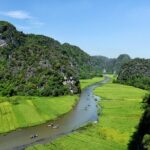
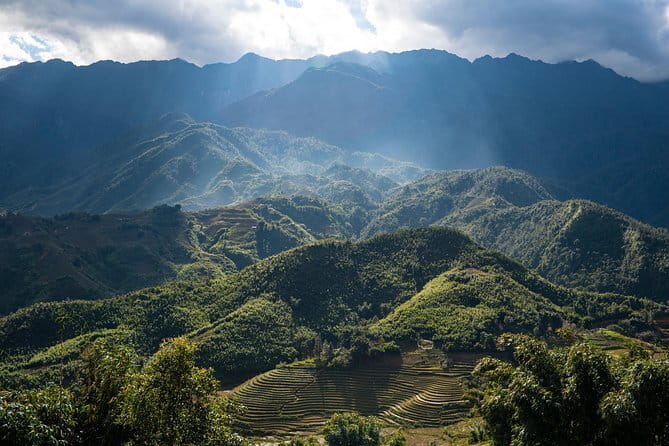
- Scenery built around rice terraces and valleys, including sections along Muong Hoa Stream and peaceful farming lanes
- Meals are handled on the ground, with breakfasts, lunches, and dinners included across the 3 days
Why Sapa feels different when you walk with local guides
Sapa’s famous, but it’s also easy to see it the “tour bus” way. This trek keeps you moving through the places that matter to the communities that live there—rice terraces, bamboo forest sections, and villages tied to H’mong, Dzao/Red Dzao, Tay, and Zay cultures. The result is that you’re not just looking at scenery. You’re watching daily routines and how people shape the land.
What I like most is the mix of walking time and people time. A big part of the value here is that you’re not stuck only in transport or only in tourist stops. You’ll trek through areas that are described as quieter, including portions where you’re unlikely to see many other tourists.
Your guide matters too. You’ll travel with one (or more) expert English-speaking local guide(s) who know Sapa’s surroundings, history, and culture across different tribal groups. In the reviews, Giang stands out for being helpful beyond the trail—she’s described as giving clear suggestions for getting to Sapa from Hanoi, arranging a taxi pickup from the bus office, and even helping with luggage storage. That kind of practical support is the difference between a trip that feels “put together” and one that feels like you’re solving problems mid-journey.
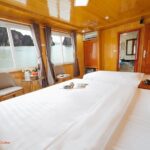
The other big practical point: you get to choose the feel of your night. The experience is set up either with homestays (with wifi and hot showers mentioned as an option) or with an authentic local house with a family. Either way, you’re not in a hotel bubble.
You can also read our reviews of more evening experiences in Hanoi
Price and value: what $180 gets you (and why it’s not just a bargain)
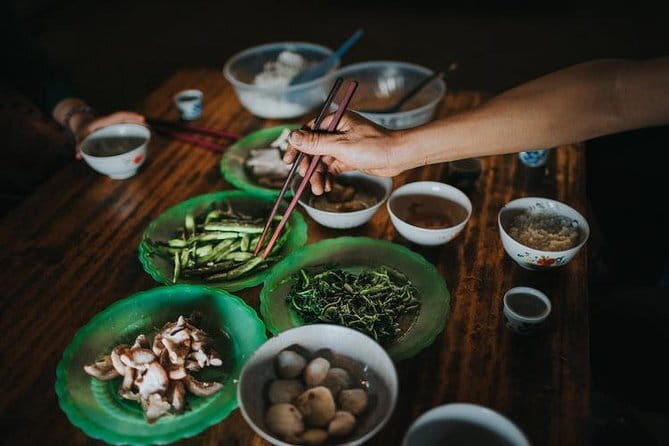
At $180 per person for about 3 days / 2 nights, you’re paying for more than a guided trek. You’re paying for guide labor, local community access, and the day-to-day logistics that let you spend the nights with families.
Here’s where the value makes sense for your wallet and your energy:
- Meals are included: breakfasts (2), lunches (3), and dinners (2). That matters because trekking days in mountain regions can make food costs add up quickly.
- Two nights in local housing: you’re not just sleeping. You’re joining family routines—sunset views, shared meals, and conversations by the fire are built into the experience.
- Route choices that avoid heavy tourist paths: the focus is on tribal villages and rice terraces, not only postcard stops.
There are two ways to judge if it’s “worth it” for you:
1) If you want the trail plus the cultural evening parts, this price often feels fair because you’d otherwise pay for separate tours, separate guides, and separate lodging in a less personal setup.
2) If you only want short walks and lots of comfort, you may find this is more effort than you want for the money.
From the info provided, booking is typically done about 65 days in advance on average. That’s a hint that the good dates and guide availability go fast in peak season.
Day 1: Y Linh Ho, Lao Chai, Muong Hoa Stream, then a Dzay homestay sunset
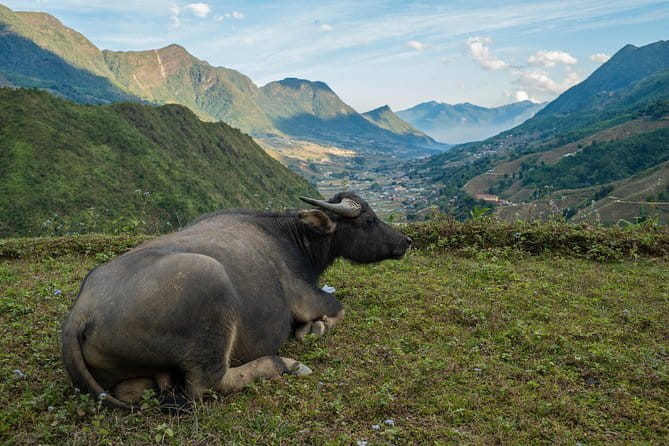
Day 1 starts with a cultural introduction before you even put on your trekking shoes. You’ll experience the colourful traditional costumes of H’Mong, Dzao, Tay, Zay, and Xa pho ethnic groups. This is the “orientation” part of the trip: you learn names, see clothing styles, and start to understand that Sapa isn’t one culture—it’s many.
Then you move into the trail world:
- You visit Y Linh Ho
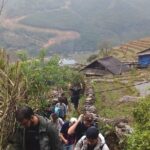
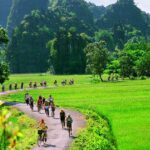
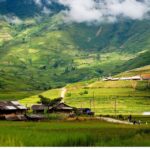
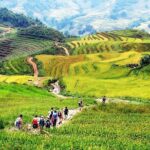
- You trek through the rice terraces and follow along Muong Hoa Stream
- You reach the Black Hmong village of Lao Chai
- You walk toward Ta Van, where Dzay people live
- The trekking distance is about 12 km, lasting around 3.5 hours
- You arrive in the late afternoon for a homestay check-in
What makes Day 1 special is the transition from view-heavy walking to people-heavy downtime. After checking in, you get to know the Dzay family. You’ll spend time enjoying mountain life and watching the sunset. This is also when the trip’s “back to basics” feel becomes real—less phone scrolling, more conversation, and a slower pace.
A small note on pacing: with 12 km and a few hours on foot, you’ll want to start the day rested. Bring comfortable footwear you trust. The guides and local host help with the day’s rhythm, but the physical rhythm is still yours to manage.
Dinner is described as either shared with the local family or enjoyed at the homestay in a quieter setup. Either way, you’ll be tired in the good way—ready for the kind of sleep that makes sunrise feel like a treat, not an obligation.
Day 2: Bamboo forest views to Red Dzao villages, then Ban Ho for Tay family life
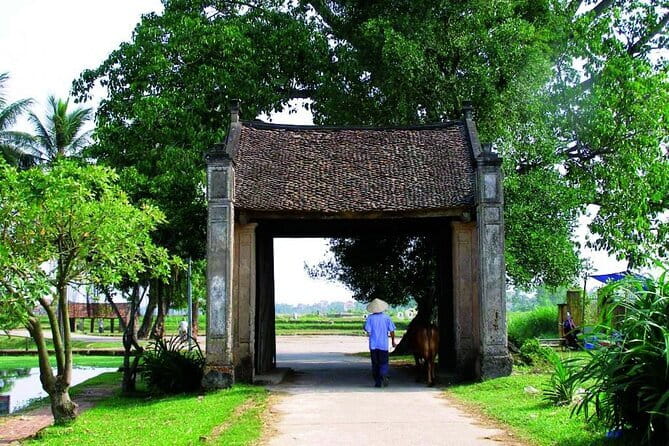
Day 2 begins with breakfast prepared by your host family or local house. Starting that way changes the whole day. You’re not waiting for a restaurant. You’re part of the household routine for a moment.
Then the trek focus shifts again:
- You walk through rice fields with big views
- You pass through a bamboo forest
- You stop for panoramic looks at Ta Van and Giang Ta Chai (home of Red Dzao people)
- You trek to Su Pan for lunch at the home of H’Mong or Dzao community members
- After lunch, you trek through rice terraces and a valley area described as peaceful, with fewer tourists
- You approach Ban Ho in the afternoon and check into a homestay with a Tay family
This is a day where the balance is hard to beat: scenery is a constant, but so are the pauses. The bamboo forest section is one of those “change in atmosphere” segments that helps the trek feel varied instead of repetitive. You’re also moving between communities, so you’re not only walking through “nature”—you’re walking through different versions of mountain life.
You also have optional ways to keep learning when you arrive:
- You may join farming or local food cooking with your local family
- Or you can keep the evening calm and have dinner in peace
That choice matters. Not everyone wants to be on full “cultural performance” mode every minute. If you’d rather just watch and listen, that’s built into the tone of the nights.
Day 3: Sunrise in Ban Ho, Nam Toong village, and back to Sapa
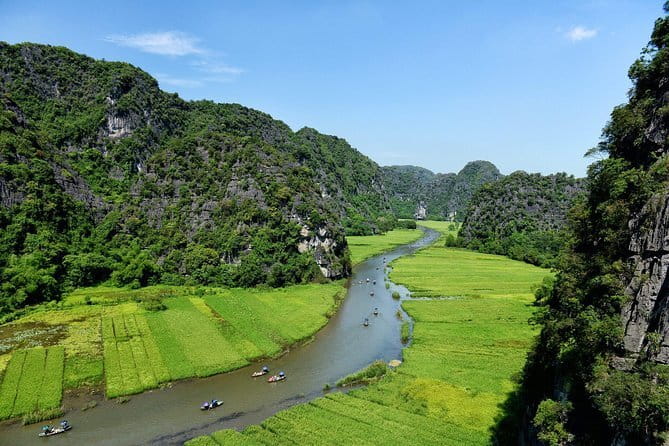
Day 3 starts early in the best way: watch sunrise, then eat breakfast prepared by the Ban Ho family. This is a common moment people remember because you see the same rice-and-valley views while the world is still quiet.
After breakfast, you trek through Nam Toong village, home of Tay and Red Dzao people. The day continues with another lunch stop, either at a restaurant or at a local house. Then you have time to meet local people and learn about their day-to-day way of life.
After lunch, you return to Sapa.
The emotional arc here is straightforward. Day 1 and Day 2 are where your legs build the trip. Day 3 is where you realize how connected you’ve become to the rhythm of the place. Walking out of the villages with that sunrise memory in your head tends to make Sapa stick with you long after you’re back in Hanoi.
You can also read our reviews of more hiking tours in Hanoi

What the homestay nights really add (wifi, hot showers, and open-fire evenings)

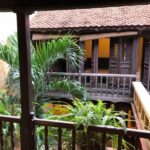
The homestay component is one of the main reasons this experience often earns high ratings. You’re not just sleeping near a village—you’re living alongside a family for the evening and morning routines.
The info provided notes two possibilities:
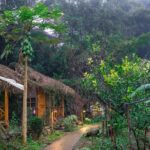
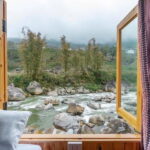
- homestays that may include wifi and hot showers
- or an authentic local house with a local family (a more basic but very real setup)
On top of that, there’s an evening social element described as huddling round an open fire with rice wine and local delights. The real win is that you’re encouraged to chat and get to know your host family. That’s how you learn more than just facts about ethnic groups. You get human stories, daily rhythms, and a better sense of what daily life means in this mountain region.
If you like “comfortable but meaningful,” you may prefer the homestay option. If you want the closest possible version of local life for a short time, the local house option is likely more your style. Either way, you’ll want to be mentally ready for mountain living: simple, family-centered, and different from a hotel experience.
Trekking reality check: distance, moderate fitness, and weather dependence
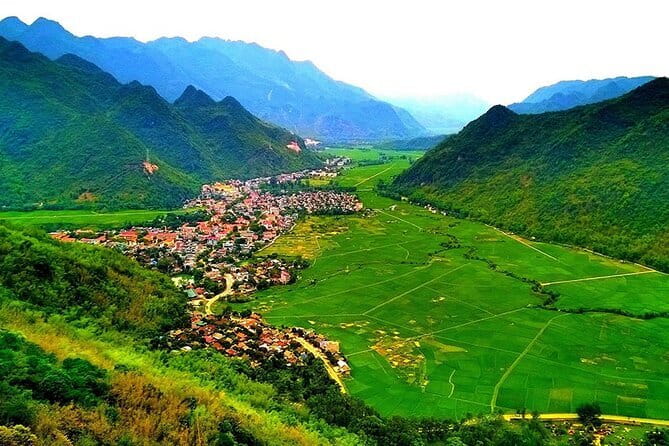
This is not an all-day hike with no stops. It’s guided, paced, and broken up by village visits and meal breaks. Still, you should be prepared for real trekking.
What we know for sure:
- Day 1 trekking distance is about 12 km and lasts around 3.5 hours
- The overall trip expects moderate physical fitness
- The experience requires good weather, and if conditions are poor it may be rescheduled or refunded
So if you’re coming from sea level, have knee issues, or get winded easily on stairs, you may want to rethink or speak with a doctor beforehand. The provided guidance recommends you consult your medical practitioner if you have any medical conditions.
Also, pack for mountain weather changes. Even when the sky looks calm in the morning, Sapa can shift. A light rain layer and warm layers tend to be smarter than relying on one outfit choice.
Practical tip: go in with the mindset that your day is planned in a sequence—breakfast, trek, views, lunch with a family or home setting, then another village check-in. When you treat the trip like a rhythm instead of a series of stops, it feels easier.
Logistics that help: pickup, private tour setup, and starting point

For many first-time Sapa visitors, the best part of the logistics is not having to think too hard. This experience offers pickup offered and you’ll start at 9:00 am from:
690 Đường Điện Biên Phủ, TT. Sa Pa, Sa Pa, Lào Cai, Vietnam
The activity ends back at the meeting point.
It’s also a private tour/activity, meaning only your group participates. That’s a big quality-of-life upgrade if you prefer a more personal pace, fewer crowd interruptions, or direct questions to your guide without waiting for a group consensus.
You’ll also receive a mobile ticket, and the start area is described as near public transportation. Service animals are allowed.
Who this trek fits best (and who should think twice)
This trek suits you if:
- you want tribal village culture through direct family interaction, not only viewpoint photos
- you enjoy walking through rice terraces and want quieter route segments
- you like the idea of homestays and meeting host families over meals and conversation
- you appreciate an English-speaking local guide who can explain what you’re seeing
It may not fit you as well if:
- you want a fully hotel-style experience with minimal walking effort
- you struggle with moderate hiking days (12 km on Day 1 is a real chunk)
- you’re traveling during a period where weather is unpredictable and you don’t have flexibility to reschedule
If you’re planning your bigger trip around Sapa, this also pairs well with a Hanoi base, especially since some guides like Giang can offer suggestions on how to get from Hanoi to Sapa and handle practical steps like taxi pickup and luggage storage.
Should you book this 3-day 2-night Sapa trek?
Yes, if you want Sapa the way locals live it—through villages, meals, and walking routes that feel less crowded than the standard track. The biggest selling points are the homestay evenings with families, the English-speaking local guidance (Giang is often praised), and the focus on communities tied to places like Lao Chai, Ta Van, Su Pan, and Ban Ho.
I’d book it if your body can handle a moderate trek and you’re okay with weather-dependent mountain travel. If you hate uncertainty or you need a super structured, comfort-first itinerary with minimal effort, you might feel stretched here.
FAQ
FAQ
How long is the Sapa trek?
It runs for 3 days (about 2 nights), with a 9:00 am start and finishing back at the meeting point.
Where does the tour start and what time do I meet?
The meeting point is 690 Đường Điện Biên Phủ, TT. Sa Pa, Sa Pa, Lào Cai, Vietnam, and the start time is 9:00 am.
What meals are included during the 3 days?
Breakfast is included 2 times, lunch is included 3 times, and dinner is included 2 times.
Is pickup available?
Pickup is offered.
Do I stay in a hotel or with local families?
You’ll stay either in homestays or in an authentic local house with a local family. Homestays may include wifi and hot showers.
What languages are the guides?
You’ll be accompanied by expert English-speaking local guides.
Is this a shared group tour?
No. It’s described as a private tour/activity, so only your group will participate.
How fit do I need to be?
The experience is suited to travelers with moderate physical fitness. Day 1 includes about 12 km of trekking over about 3.5 hours.
Does weather affect the trek?
Yes. The experience requires good weather. If it’s canceled due to poor weather, you’ll be offered a different date or a full refund.
Are service animals allowed?
Yes, service animals are allowed.
If you want, tell me your travel month and your fitness level (easy walking, moderate, or more challenging). I’ll help you decide if this timing and pace will feel good for you.