REVIEW · HANOI
2 Days Sapa Trekking In Cat Cat And Ta Van Village From Hanoi
Book on Viator →Operated by GADT Travel · Bookable on Viator
Early starts pay off in Sapa’s mountain villages. I like this tour because it mixes big scenery with real village time, plus an English-speaking guide who keeps the day running smoothly. I also really enjoy the Cat Cat village stop—easy enough to enjoy, but still part of the Sapa experience you came for.
The main thing to plan around is comfort and physical limits. The trekking is not for everyone, and weather can change the schedule; also, hotel quality can vary, and some past guests have flagged humid rooms and simple meal variety.
In This Review
- Key highlights to know before you go
- From Hanoi Old Quarter to Sapa: the AC bus plan
- Cat Cat Village: a Black H’mong stop at the foot of Fansipan
- Hotel night in Sapa: included sleep with real-world comfort tradeoffs
- Day 2 trek: Y Linh Ho to Ta Van in about 9 km
- What you’ll actually notice in Muong Hoa valley
- Price and logistics: does $94.88 feel fair?
- Guide energy and small-group pacing (and why it matters)
- Who this 2-day trek is for (and who should skip it)
- Should you book this Sapa trek to Cat Cat and Ta Van?
- FAQ
- How long is the trekking on day 2?
- What meals are included in the tour?
- Where do you get picked up in Hanoi?
- Is the cost for village entrances included?
- What kind of hotel stay is included?
- Do you need to be able to walk a moderate distance?
Key highlights to know before you go
- English-speaking guidance in Sapa, including clear support during the trek
- Modern AC round-trip bus with pickup from Hanoi Old Quarter
- Cat Cat village entry included, a strong start to your Sapa visit
- About 9 km of trekking in roughly 3.5 hours on day 2, plus lighter packing logistics
- Full meals included (breakfast, two lunches, dinner) to keep costs down
- Small group size (max 20) for an easier pace and fewer waiting gaps
From Hanoi Old Quarter to Sapa: the AC bus plan
This trip starts with a hotel pickup in the Hanoi Old Quarter area around 6:00 to 6:30. If your hotel is outside that area, you’ll meet at 30 P. Lý Thái Tổ instead, and you’ll get the exact pickup point with confirmation. Either way, you’re spared the hassle of figuring out transport on your own before the mountains.
Once you’re on the bus, expect a long-but-manageable ride with rest stops along the way. The schedule includes a first break on the highway around 9:30, plus a second stop at Lào Cai around 11:00 before heading onward. It’s not the kind of trip where you can nap for 2 hours and feel fresh—but the AC and planned pauses make it doable.
When the tour ends, the return is also by bus to Hanoi. The key detail: hotel drop-off is not included, so you’ll need to take your own transfer from the bus stop to your lodging. That’s a small catch, but it’s easy to solve if you pre-plan a taxi or ride option for the final leg.
You can also read our reviews of more hiking tours in Hanoi


Cat Cat Village: a Black H’mong stop at the foot of Fansipan
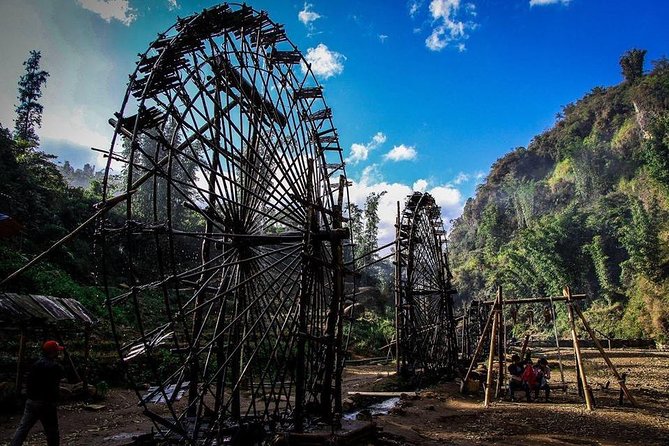
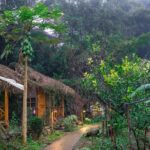
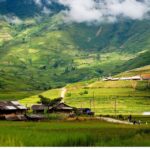
On day 1, you’ll head straight into the Cat Cat village experience. This is a Black H’mong village located at the foot of Mount Fansipan, and it’s one of the classic places to get a feel for how people live close to Sapa’s dramatic terrain. The tour includes entrance and sightseeing fees, so you’re not hunting for small tickets while you’re excited and cold.
What I like about this kind of first-day village stop is that it sets your expectations. You see village life early, then you get your trekking day on day 2 without the mental fatigue of trying to understand everything at once. Cat Cat also works as a gentle warm-up—less intense than the full trek day, but still active enough to feel like you’re doing something real.
One practical note: you’re leaving early from Hanoi, and Sapa can feel chilly even when the rest of Vietnam doesn’t. Bring warm layers and something for wind. You’ll be glad you did once you’re outside for photos and walking around.
Hotel night in Sapa: included sleep with real-world comfort tradeoffs
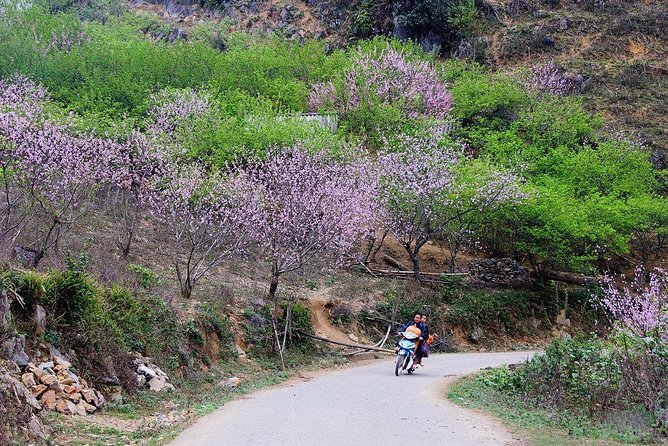
The tour includes one night in a 3-star or 4-star hotel, depending on what option you choose. You’ll also enjoy a breakfast the next morning, plus meals during the tour (dinner and two lunches). That matters because Sapa prices and menus can add up fast when you’re hungry after a day outdoors.
The best part here is planning simplicity: you don’t need to hunt for food or book restaurants mid-trip. You also get a useful gear trick on day 2—your large luggage is kept at the hotel, and you only carry a light pack for the trek. That’s a comfort win, especially if you travel with more than a day bag.
The caution is that lodging quality can be uneven. Some guests have complained about humid rooms and limited variety at the hotel meals. I’d treat this as “pack with flexibility.” If you’re sensitive to dampness, consider bringing a small towel and wearing breathable clothes that dry fast. And if you’re picky about dinner variety, plan to treat the included meal as fuel, not a food highlight.
Day 2 trek: Y Linh Ho to Ta Van in about 9 km
Day 2 begins with an easier morning routine. You’ll have breakfast at the hotel, check out, and get ready with a light pack. Since you won’t carry your full luggage, you can focus on trekking basics—water, a layer for warmth, and the gear listed by the tour.
Then the trekking portion takes center stage. The route is about 9 km over roughly 3.5 hours, and the tour includes time to stop at Y Linh Ho. Y Linh Ho is a village stop that helps break up the walk into something more meaningful than just moving between viewpoints.
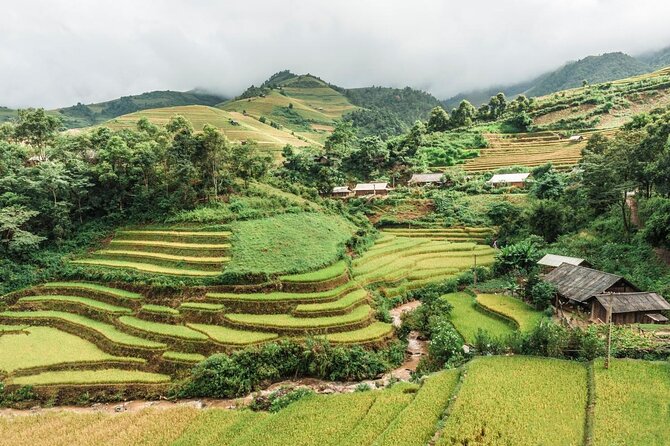
You’ll also pass through areas tied to the broader terrace-and-village route, including Lao Chai and the Muong Hoa valley terrain highlighted by the tour. Even when the trek pace is the main focus, those stops keep you looking up, not only down at your shoes.
After Y Linh Ho, you’ll trek onward to Ta Van village, home of the Dzay ethnic people. This village tends to feel more peaceful than the more tour-frequent spots, and you’ll get classic photo moments: rice fields and small houses close together. The timing here is shorter than the main walking chunk, so it’s a good final act before the bus ride back toward Hanoi.
What you’ll actually notice in Muong Hoa valley

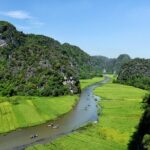
This tour is built around the Muong Hoa valley view corridor—terraced fields, village clusters, and that sense of scale you only get when you’re up close to mountain agriculture. The terraces can look very different depending on light and weather, so part of the value is seeing it as a lived farming system, not just a backdrop.
Because the weather in Sapa can be unpredictable, the tour also notes that timelines can change based on conditions. That’s normal mountain-tour reality. If rain hits, paths can get slippery, and the schedule may be adjusted for safety. It’s also why the tour doesn’t accept people with low physical health, children, or older travelers.
For your planning, pack with comfort in mind: trekking shoes, sunglasses, sun cream, and insect repellent are recommended. Also bring warm items like a scarf, hat, or cap, because Sapa is often cold from about September to March.
A few more Hanoi tours and experiences worth a look
- Doris Cruise 5 star cruise 2 days visiting Halong Bay Lan Ha Bay private balcony
★ 5.0 · 2,338 reviews





Price and logistics: does $94.88 feel fair?
At $94.88 per person, you’re paying for a pretty structured package: round-trip Hanoi–Sapa–Hanoi by modern AC bus, pickup from Hanoi Old Quarter, an English-speaking guide in Sapa, entrance/sightseeing fees, one hotel night, and full meals (dinner, breakfast, and two lunches). That’s a lot of fixed costs covered upfront.
Where you’ll likely spend extra is straightforward:
- Drinks with meals (not included)
- Personal expenses and tips
- A holiday surcharge: extra $20 per person on national holidays
Also remember the last-mile catch: drop-off to your Hanoi hotel isn’t included after the tour. That’s not a deal-breaker, but you should budget a taxi/ride for the final transfer.
Value-wise, this package makes sense if you want the convenience of everything handled—transport, guide, tickets, and meals—while still getting the satisfaction of an active day in the villages.
Guide energy and small-group pacing (and why it matters)
This is a small group tour, max 20 travelers, which changes the whole feel compared with big bus groups. It’s easier to move at a human pace, easier to ask questions, and you spend less time waiting around for the next photo stop.
The guide is also a big part of the experience. The tour provides an English-speaking tour guide in Sapa, and one named guide mentioned in feedback is May. The way she’s described—friendly, flexible, and professional—matches what you want on a trekking day when timing and small details matter.
Here’s the practical advantage for you: on a route like this, you benefit from knowing when to regroup, how to handle the weather, and what to do during village stops. Without that, you’d spend more time figuring things out and less time enjoying the views.
Who this 2-day trek is for (and who should skip it)
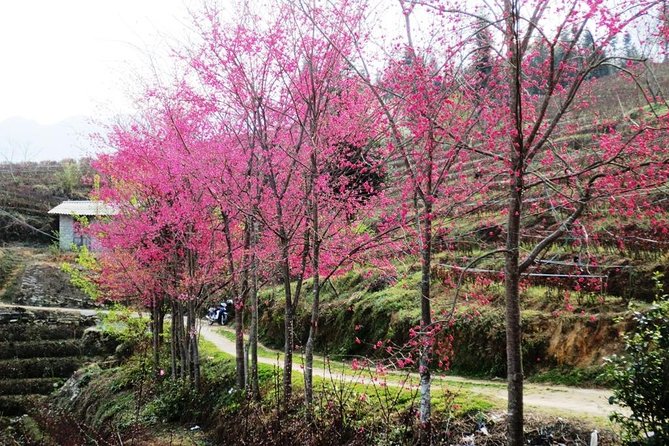
This tour is described as suitable for people with moderate physical fitness. You should expect real walking, including the main trek day of about 9 km. The tour also explicitly excludes children, older people, or anyone with low physical health due to trekking length and rain-related safety risk.
If you’re the type who gets through a half-day hike without drama, you’ll likely enjoy this. If you’re not steady on your feet or you’re worried about slipping in wet conditions, I’d rethink it or find a gentler option.
This is also a season-and-weather tour. Even if the schedule stays intact, you’ll feel the mountain conditions. Pack for cold and sun: warm layers plus sun protection plus insect repellent.
Should you book this Sapa trek to Cat Cat and Ta Van?
I’d book it if you want a guided, organized Sapa trip that still includes a real trek and two meaningful village experiences. The biggest strengths are the practical inclusions—AC bus, meals, hotel night, and village entrance fees—and the fact that day 2 gives you a solid walking workout without being an all-day slog with no structure.
I’d hesitate if you’re mainly after top-tier hotel comfort or complicated dining. The included hotel is a real cost saver, but comfort levels can vary, and humid rooms and simple meal variety have come up before. I’d also skip it if the 9 km trek sounds intimidating or if rain worries you.
One more decision helper: cancellation is free up to 24 hours in advance, and if weather forces a change, you’ll be offered a different date or a full refund. That lowers your risk if you’re flexible and planning ahead.
If you want, tell me your travel month and your hiking comfort level (easy, moderate, or tough). I’ll help you decide if the trek distance and cold-weather packing will fit you.
FAQ
How long is the trekking on day 2?
Day 2 includes a trek of about 9 km, taking around 3.5 hours.
What meals are included in the tour?
Meals included are dinner, breakfast, and two lunches.
Where do you get picked up in Hanoi?
Pickup is offered from hotels in the Hanoi Old Quarter area. If you’re outside that area, you’ll meet at 30 P. Lý Thái Tổ.
Is the cost for village entrances included?
Yes. Entrance and sightseeing fees are included.
What kind of hotel stay is included?
The tour includes one night in a 3-star or 4-star hotel, depending on the option you select.
Do you need to be able to walk a moderate distance?
Yes. The tour is for travelers with moderate physical fitness, and children, older people, or anyone with low physical health are not allowed due to the trekking length and rain danger.



More 2-Day Experiences in Hanoi
- Doris Cruise 5 star cruise 2 days visiting Halong Bay Lan Ha Bay private balcony
★ 5.0 · 2,338 reviews