REVIEW · HANOI
2 Days and 1 Night Sa Pa Trekking
Book on Viator →Operated by ADVENTURE INDOCHINA TRAVEL COMPANY LIMITED · Bookable on Viator
Sapa’s trails start before dawn. This 2-day, 1-night trek feels like a fast-forward button: a night bus out of Hanoi at 21:30, then an early arrival to Sapa around 04:30 so you can get moving. I like how the trip ties together transport, lodging, and guiding into one plan, with organized trekking and a homestay stay included.
I also like the human side. The trek is designed for questions and interaction, and the guides get named in feedback—people mention Nhu and Zhou for teaching moments, plus Thien for staying in touch and sorting travel details as you go.
One consideration: the rhythm is intense. You sleep on the bus, then do a day with breakfast at the homestay and a 6 km trek (about 8 hours total), so it’s not a sit-back-and-look trip.
In This Review
- Key things I’d put on your radar
- Night bus to Sapa: why that start matters
- Sapa town and your homestay stop: what to expect
- Day 2: breakfast at the homestay, then a 6 km village walk
- Guides, small group size, and the value of asking questions
- Food and the $69 value: what you pay for (and what you don’t)
- Hanoi pickup and old-town drop-off: easy ends, fewer headaches
- How hard is it, really? Fit, energy, and expectations
- What I’d pack and plan for before you go
- Should you book this 2 Days and 1 Night Sapa Trek?
- FAQ
- Where does the tour start and where do you get dropped off in Hanoi?
- What’s included in the price?
- How long is the trekking part on day two?
- Do I need to pay for tickets during the tour?
- Is the group small?
- What’s the cancellation window?
Key things I’d put on your radar
- 21:30 night bus from Hanoi that gets you to Sapa early (around 04:30)
- Homestay accommodation plus meals built into the program (2 breakfasts, 2 lunches, and dinner)
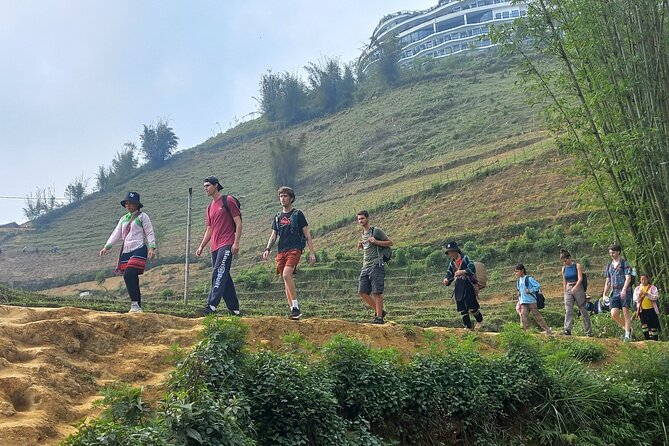
- Guided walking to two villages: Giang Ta Chai and Supan on the second day
- Small group size (max 10), which makes it easier to ask questions and move at a human pace
- Clear Hanoi pickup and old-town drop-off, so you’re not stuck far from the action
Night bus to Sapa: why that start matters

The trip begins with an overnight move from Hanoi. The schedule is set up so the bus leaves at 21:30, and you reach Sapa town roughly by 04:30. That matters because it turns Sapa from a distant day trip into something you actually get time to use.
You do not go directly from bus to trekking at midnight. There’s a morning gap built into the flow: after arriving around 04:30, you’re set up to sleep on the bus until the car transfer to your hotel. By about 06:00, the bus picks you up from the stop and takes you to where you’ll stay. In practical terms, it means you’ll be tired, but you won’t be thrown into a hike immediately.
Also note what this tells you about pacing. If you’re the type who likes to ease into a trip with a slow breakfast and a relaxed start, this itinerary is built for movement right away. You’ll want a plan for sleep and comfort during the ride.
You can also read our reviews of more evening experiences in Hanoi



Sapa town and your homestay stop: what to expect
The overnight portion is paired with homestay accommodation as part of the package. That’s a big value point because homestays usually come with two advantages: you save time on logistics, and you get a more local base than a standard hotel-only rhythm.
The program timing suggests you’ll have an early morning arrival, then settle in and start the next day with breakfast already arranged. On day two, you eat 07:00–08:00 at the homestay before heading out on foot. That’s a thoughtful setup because you’re not trying to hunt for food right before walking.
What I like about this structure is that it prevents the most common trekking problem: showing up hungry and rushing to organize essentials. Here, the “food part” is handled by the schedule, and the “walking part” is handled by the guide.
Comfort level is the only place you should keep your expectations flexible. The details provided do not describe bed type, bathroom setup, or room size. Homestays can range widely, so if you need very specific comforts, you’ll want to ask before you go.
Day 2: breakfast at the homestay, then a 6 km village walk
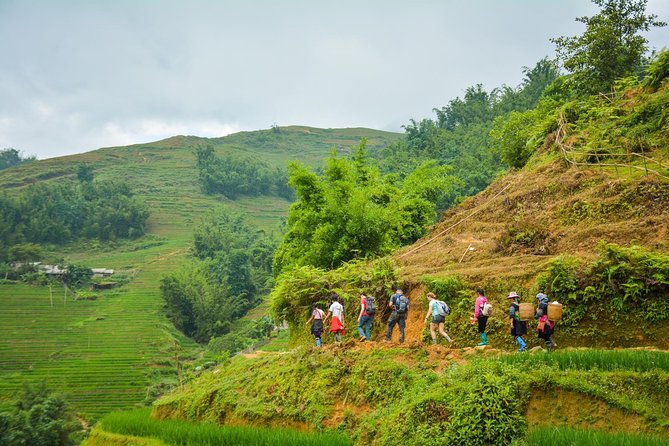
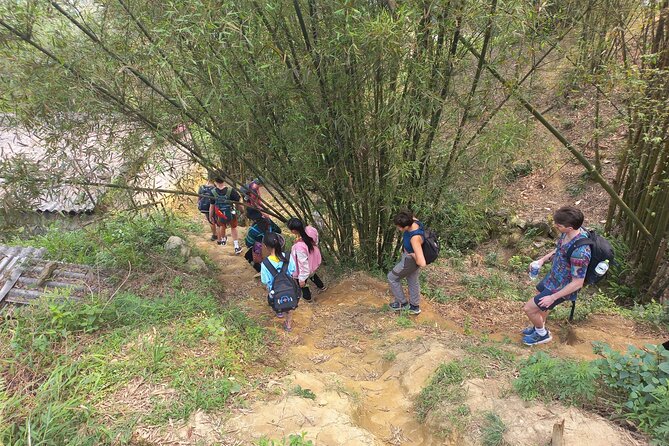
Day two is the heart of the experience. It starts with breakfast at the homestay between 07:00 and 08:00, then you trek to Giang Ta Chai Village and Supan Village in the morning.
The walking distance listed for visiting both places is 6 km. The program also lists about 8 hours for the day, which signals that the hike is not just straight-line walking. Expect time built in for village visits, path changes, and absorbing what’s around you.
Why this is a good design for most people: two villages are close enough to feel like a connected story, but different enough to keep it from feeling like a quick photo stop. It’s the kind of route that helps you understand daily life through real stops, not just scenic checkpoints.
One practical tip: with a full day that includes walking plus visits, bring the mindset of a steady effort. If you treat it like a casual stroll, you might end up frustrated when you hit the real pace of hiking paths. If you treat it like a workout with breaks for meaning, you’ll have a much better day.
Guides, small group size, and the value of asking questions
This tour caps at 10 travelers, and that’s not a random detail. Small groups typically make a huge difference on treks because it’s easier to match walking pace, manage questions, and keep the route from turning into a crowded stampede.
The guides are also a clear highlight in feedback. Names come up like Nhu, Zhou, and Trần Thiện, and people specifically call out that the guide helped them understand culture and daily life. There’s also praise for Thien, described as checking in and helping shape plans, which points to a responsive organization behind the scenes—not just a guide holding the front of the group.
If you like learning while you walk, this is the style that fits you. You get a structured route, but the group size makes it more realistic to ask questions and actually hear answers instead of speed-listening while everyone else rushes ahead.
Food and the $69 value: what you pay for (and what you don’t)
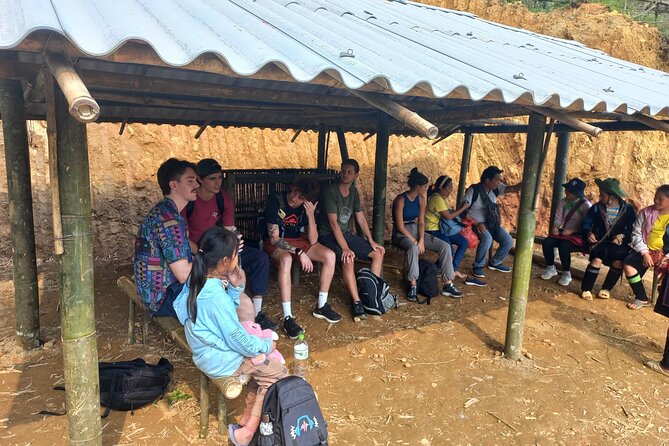
At $69 per person, the big value is that the essentials are included: dinner, 2 breakfasts, 2 lunches, homestay accommodation, and transport. The package also lists an air-conditioned vehicle, which matters because the overnight transfer days can turn uncomfortable quickly if you’re bouncing between random connections.
Let’s translate the included items into real travel savings:
- Meals reduce your daily search time (and the cost of snacks can add up on hikes).
- Homestay removes the need to find and book lodging in Sapa town on your own.
- Vehicle transfers reduce the risk of wasted time—especially when you’re working with an early arrival schedule.
What you should remember is what is not included: tips and laundry or other personal expenses. That means you’ll want a bit of cash or a plan for gratuities, and you’ll likely need to handle anything outside the set meal and lodging routine yourself.
The best way to judge value here is simple: if you would otherwise pay separately for transport, a night of lodging, and most meals, this price looks like a “logistics bundled” deal. If you already planned every part precisely and you only want the trek itself, you might prefer a narrower option. But for most people starting in Hanoi and wanting the whole experience packed in, this makes sense.
You can also read our reviews of more hiking tours in Hanoi


Hanoi pickup and old-town drop-off: easy ends, fewer headaches
The meeting point in Hanoi is listed at 6 Mã Mây, Street, Hoàn Kiếm. The drop-off at the end is 204 Đ. Trần Khánh Dư, Tràng Tiền, Hoàn Kiếm, which is described as very close to the old town. The practical benefit is that after the tour, you’re not dropped somewhere far away where you’d need a second transfer just to get back into easy walking range.
Pickup is also offered, and the tour uses a mobile ticket, which typically makes last-minute confusion less likely. The trip also notes that it’s near public transportation, which is helpful if you’re staying in central Hanoi and want backup ways to get to the start point.
One more small detail that matters: the start time is listed as 6:00 am. Even if your overnight bus is part of the plan, you should treat early morning timing as part of the package. Set alarms. Be ready. Treks do not forgive slow mornings.
How hard is it, really? Fit, energy, and expectations
The tour notes that most travelers can participate, which is encouraging. The trek itself includes a 6 km walk as part of day two. That suggests a moderate effort level: enough to feel like you did something real, not so extreme that it’s presented as an advanced expedition.
Still, the schedule isn’t gentle. You’re working with:
- an overnight bus (from Hanoi to Sapa),
- early morning arrival time,
- and then a full day that runs about 8 hours.
So this is a strong choice for you if you’re okay with early starts and you like structured days. It’s less ideal if you want to recover slowly after a long day of transit, or if you’re looking for a short hike with lots of downtime.
What I’d pack and plan for before you go

Because the provided details focus on timing and included items rather than gear lists, I can only offer general trek prep that stays realistic.
Plan on these basics:
- Comfortable walking shoes you’ve already broken in
- A small day bag for water, sunscreen, and personal items
- A warm layer for early mornings (morning starts tend to feel colder than midday, even without perfect weather info)
- Anything you’ll need for homestay comfort since the description doesn’t specify amenities
And bring a mindset shift: this kind of trek isn’t just about reaching viewpoints. It’s about spending time on paths that connect Giang Ta Chai Village and Supan Village, with guided context along the way.
Should you book this 2 Days and 1 Night Sapa Trek?
I’d book it if you want a simple, value-driven way to do Sapa without planning every transfer from scratch. The included homestay, the full meal package, the small group (max 10), and the guided structure around two villages make it a solid fit for first-time visitors who still want authenticity on foot.
You might think twice if you:
- strongly dislike overnight buses,
- need a super relaxed pace,
- or require very specific comfort details from a homestay (since room and facility specifics aren’t given here).
FAQ
Where does the tour start and where do you get dropped off in Hanoi?
The tour start point is 6 Mã Mây, Street, Hoàn Kiếm, Hà Nội. The end point is 204 Đ. Trần Khánh Dư, Tràng Tiền, Hoàn Kiếm, Hà Nội, and it’s described as very close to the old town, with an easy walk to many hotels.
What’s included in the price?
The price includes homestay accommodation, meals following the tour program (dinner, 2 breakfasts, and 2 lunches), plus transport by air-conditioned vehicle. You’ll need to handle tips and any laundry or other personal expenses.
How long is the trekking part on day two?
Day two includes trekking to Giang Ta Chai Village and Supan Village. The walking distance listed is 6 km, and the day runs for about 8 hours.
Do I need to pay for tickets during the tour?
No ticket admissions are required as part of the experience, and the program notes Admission Ticket Free.
Is the group small?
Yes. The tour lists a maximum group size of 10 travelers, which helps keep the trek manageable.
What’s the cancellation window?
You can cancel for a full refund up to 24 hours before the experience’s start time. If you cancel later than that, the amount paid won’t be refunded.