If you want Sapa beyond the selfie stops, this trek fits. You get rice terraces, village paths, and a real overnight with local families. It’s run with an English-speaking local guide, and the route is designed to steer clear of the busiest tourist corridors.
Two things I especially like: the pacing is flexible, with options for easier or tougher walking, and the homestay setup keeps it comfortable enough to enjoy the evening without feeling stranded. One consideration: you should be ready for a moderate physical fitness level and a weather-dependent schedule, since the trek needs good conditions.
In This Review
- Key highlights I’d plan around
- Why This Sapa Trek Feels More Real Than the Usual Day Trip
- Day 1: Rice Terraces, Muong Hoa Stream, and a Black Hmong Village Night
- Day 2: Ta Van Village, Bamboo Forests, Waterfalls, and the Zay Tribe
- Guides Like Giang and Xa Make the Difference
- Homestays, Hot Showers, and the Trade-Off Between Comfort and Connection
- Price and Value: What $105 Buys for Two Days in Sapa
- Who This Trek Suits (and When to Choose Something Easier)
- Planning Tips for Weather and Packing for a Two-Day Hike
- Should You Book This 2-Day 1-Night Sapa Tribal Trek?
- FAQ
- How long is the trek?
- What time does the trek start in Sapa?
- Where is the meeting point?
- Is this a private tour?
- Is pickup included?
- Where do we stay overnight?
- Will the homestay include wifi and hot showers?
- What villages and groups will we visit on the trek?
- Is the trek suitable for everyone?
- What happens if weather is bad?
Key highlights I’d plan around
- Morning start at 9:00 am in Sapa, with pickup possible and the trek beginning right away
- Rice terraces and Muong Hoa Stream walking on Day 1, then a Black Hmong village visit
- Ta Van Village, bamboo forests, and waterfalls on Day 2
- Zay tribe meeting and time to learn village life firsthand, not through a bus window
- Homestay or local family house with options that include wifi and hot showers in the homestay-style stay
Why This Sapa Trek Feels More Real Than the Usual Day Trip
The best part here is the way the experience is structured around small routes and local context. You’re not just collecting viewpoints. You’re walking through working rice terraces and water paths, then spending an evening where the day’s stories are part of the night.
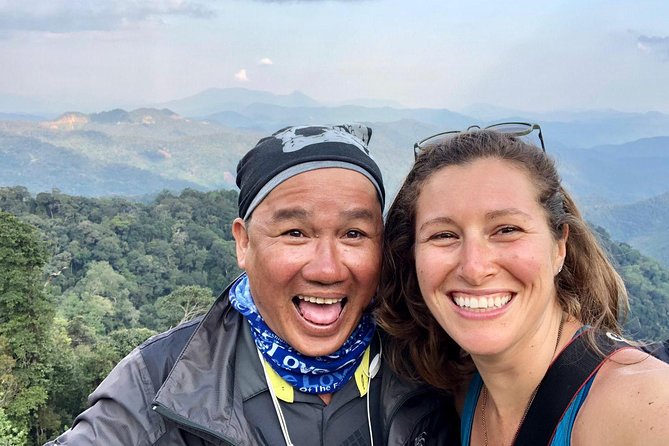
I also like the human scale of the tour. It’s a private tour, so it’s only your group, with an English-speaking native guide who can explain what you’re seeing as you go. Guides like Giang and Xa stood out in feedback for patient teaching and for turning the hike into something you actually understand.
One more practical plus: it’s built as a two-day, one-night rhythm. That means you’re not rushing through everything in a single long day, and you get time to slow down when the trail turns quieter.
You can also read our reviews of more evening experiences in Hanoi
Day 1: Rice Terraces, Muong Hoa Stream, and a Black Hmong Village Night
Your day starts with a meeting in Sapa at 9:00 am. The tour can meet you at your homestay or hotel in Sapa, or at the Lao Cai train station, which is the closest station to Sapa. Either way, you’re set up to start the trek without a long scramble to organize transport yourself.
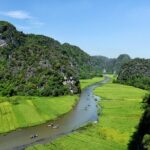
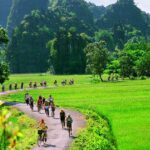
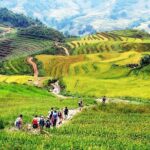
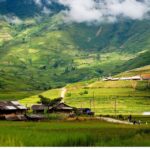
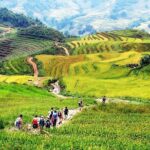
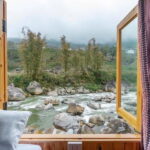
From there, you trek through rice terraces and along Muong Hoa Stream. This is the kind of walking that makes sense for the region: water, fields, and footpaths that connect settlements. Even if you’re new to trekking, the scenery is doing half the job for you, because the path naturally leads your eyes from one field to the next.
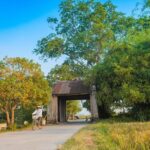
In the afternoon, you head to a Black Hmong village of La. You’ll spend time in village life rather than only passing through. This is one of the most meaningful parts of a Sapa trek because you get a pause from the “look and move” style of tourism.
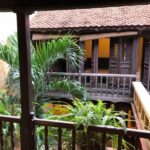
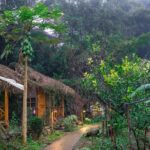
Then comes the overnight. You’ll stay either in a homestay or in a local house with a local family. In homestays, you can enjoy wifi and hot showers, and you’ll often have time to sit together—think conversation around a fire and time getting to know your host family. That evening contact is what turns a trek into a memory you keep.
Potential drawback for Day 1: if you’re expecting a simple walk with zero uneven ground, you might find some sections more demanding than you hoped. Reviews also note that guides can offer different walking options, so it’s worth telling your guide what pace you feel comfortable with.
Day 2: Ta Van Village, Bamboo Forests, Waterfalls, and the Zay Tribe
After a breakfast at 8:00 am, you pack up and say goodbye to your hosts. That transition is quick, so if you’re the type who likes to linger and take photos slowly, give yourself extra time in the morning.
Day 2 takes you to Ta Van Village. This is where the vibe often shifts from fields and stream paths toward forested walking. You’ll explore bamboo forests, and that changes the soundscape immediately. Instead of water and open views all the time, you get a calmer, shaded feel as the path bends through the greenery.
Then the trek continues through waterfalls and you’ll have the chance to meet the Zay tribe. This is the second big “learn from people, not panels” moment of the experience. You’re not just viewing a place—you’re being guided through how people live and what the surrounding land means in daily life.
Lunch happens early in the afternoon, and then you continue back toward the endpoint. The tour ends back at the meeting point in Sapa, so you don’t have to figure out how to get yourself out while you’re tired. That’s a small thing, but it matters when you’ve already done a full two days of walking.
The main thing to plan for on Day 2: conditions can change fast in northern Vietnam. If it’s wet or slippery, that “waterfall” section can feel more physical than it looks from a distance. Bring the mindset of a trail walk, not a stroll.
Guides Like Giang and Xa Make the Difference
The difference between a good trek and a great one is the person leading it. This tour runs with an expert English-speaking native private guide, and the feedback on guides is unusually consistent.
Giang gets praise for very strong English and for sharing history and culture in a way that makes sense while you’re walking. What stood out is that she’s not just reciting facts—she connects what you see in rice terraces and villages with how people live there.
Xa is another name that came up with clear themes: patience, teaching you about rice fields and culture, and making it easier to choose your comfort level while trekking. That flexibility matters because not everyone’s body or energy matches the same pace on a two-day hike.
Bottom line: if you care about understanding what you’re seeing, the guide is the core value. If you’re only in it for views and photos, you might still enjoy it—but you’ll get more from this trek when you ask questions and listen to explanations as you walk.
Homestays, Hot Showers, and the Trade-Off Between Comfort and Connection
This tour gives you a real choice about where you sleep. You can stay in a homestay, or you can choose to stay in a local house with a local family. In the homestay-style option, you can have wifi and hot showers, which is rare in the best kind of off-the-beaten-track experiences.
In a local house, the focus is even more on family life. You’ll likely spend more time in shared spaces and conversations, which can feel more intimate. Either way, you’re building a relationship rather than checking into a generic hotel.
One important “think before you choose” point: if you’re sensitive to shared spaces, consider what matters to you most—privacy, hot water, and ease of communication. The homestay option offers more comfort signals (wifi and hot showers), while the local-house choice can feel more culturally direct.
Also, this trek is tied to local support. The tour framing emphasizes that booking provides fair wages in a region where many people live under poverty pressure. That’s not a reason to ignore comfort needs. It’s a reminder that this is a people-first experience.
You can also read our reviews of more hiking tours in Hanoi

Price and Value: What $105 Buys for Two Days in Sapa
At $105 per person for about two days and one night, you’re paying for more than walking. You’re paying for guide time, a planned route that targets villages and less crowded paths, and the overnight stay arrangement.
Here’s how I think about value on a trek like this:
- You’re getting a guide who leads in English and adjusts walking options.
- You’re getting real contact time with host families, which costs real time to coordinate.
- You’re getting a structured itinerary that ends back where you started, which reduces stress.
You also see some added value signals like pickup offered and group discounts, plus the mention of a mobile ticket. Those details don’t sound glamorous, but they help you avoid the usual travel friction that can turn a good trek into a chore.
The only time I’d question the price is if you’re the type who wants fully guided comfort without any effort. This is still a trek through terrain and rural paths. For anyone who likes walking and wants a more human version of Sapa, the price feels fair for what you get.
Who This Trek Suits (and When to Choose Something Easier)
This experience is best if you want a moderate walking adventure and you’re open to learning as you go. The tour specifically calls for moderate physical fitness, so you don’t need to be a marathon athlete. You do need to be comfortable with a multi-day rhythm and uneven ground typical of rural trails.
It’s also a great fit if you:
- like getting out of the usual crowded routes
- enjoy village visits and conversation
- prefer an English-speaking guide who explains culture in real time
- want an overnight that feels connected rather than staged
If you’re dealing with medical issues, the tour advises you to consult your doctor before booking. That’s the right approach anytime trekking is involved, even when the pace is adjustable.
Reviews mention that guides can offer different levels—easy, medium, and hard—so you can match the day to your energy. If you’re somewhere in the middle (not super fit, not totally new), this flexibility is a big deal.
Planning Tips for Weather and Packing for a Two-Day Hike
The trek requires good weather. If conditions are poor, you’ll be offered a different date or a full refund. That matters because in Sapa, rain and mist can change trail footing and visibility quickly.
So plan like this:
- Wear comfortable trekking shoes with good traction.
- Bring a light rain layer and extra warm layer, since mornings and shaded forest areas can feel cooler.
- Keep a small daypack for essentials, since you’ll be moving between fields, streams, villages, and forest paths.
Since you’ll likely be going into village spaces, also keep your clothing respectful and practical. You don’t need special gear, but you do want to feel prepared to be outside for long stretches.
And because the overnight includes homestay-type facilities, it helps to pack toiletries and anything you prefer for your own comfort. The tour notes hot showers in the homestay option, but bringing your own basics keeps you from relying on guesswork.
Should You Book This 2-Day 1-Night Sapa Tribal Trek?
I’d book it if you want Sapa at walking speed, with a guide who can explain what you’re seeing and hosts who welcome you into village life. The standout strengths here are the English-speaking guides (Giang and Xa are frequent favorites), the chance to stay overnight in a local setting, and the route structure that balances fields, bamboo, waterfalls, and tribal meeting time.
I’d think twice if you’re looking for a low-effort experience with minimal trail time, or if you know you’re not comfortable with moderate hiking in variable weather. In that case, you might want a shorter, gentler option.
If your main goal is an authentic Sapa experience—rice terraces, village encounters, and an evening that feels like a conversation rather than a transaction—this is a solid choice for your two-day window.
FAQ
How long is the trek?
It’s a 2-day experience with an overnight, roughly spanning two days total.
What time does the trek start in Sapa?
Your guide meets you at 9:00 am.
Where is the meeting point?
The meeting point is listed at 690 Đường Điện Biên Phủ, TT. Sa Pa, Sa Pa, Lào Cai, Vietnam. Pickup options include meeting at your homestay or hotel in Sapa, or at Lao Cai train station.
Is this a private tour?
Yes. It’s a private tour/activity, and only your group participates.
Is pickup included?
Pickup is offered, and the guide can meet you in Sapa at your homestay or hotel, or at Lao Cai train station.
Where do we stay overnight?
You have a choice: either a homestay or a local house with a local family.
Will the homestay include wifi and hot showers?
In the homestay option, you can enjoy wifi and hot showers.
What villages and groups will we visit on the trek?
Day 1 includes a Black Hmong village of La. Day 2 includes Ta Van Village, bamboo forests, and a meeting with the Zay tribe.
Is the trek suitable for everyone?
The tour says it’s for travelers with moderate physical fitness. If you have any medical problems, you should consult your doctor before booking.
What happens if weather is bad?
The experience requires good weather. If it’s canceled due to poor weather, you’ll be offered a different date or a full refund.