REVIEW · HO CHI MINH CITY
Vung Tau/Ho Chi Minh: Nui Dat, Long Tan, Long Phuoc tunnel
Book on GetYourGuide →Operated by Duy Amma · Bookable on GetYourGuide
War history hits close to home. This half-day trip around Vung Tau connects the Long Tan Cross memorial with the village-built Nui Dat Kindergarten, then continues into the underground reality of the Long Phuoc Tunnel.
I especially like how this tour slows you down at the key sites instead of rushing past names and dates. You also get a real sense of place—air-conditioned comfort in the car, and then walkable grounds where the story becomes visual. One thing to consider: the subject is emotionally heavy, and the ground and tunnel areas call for comfortable shoes and a steady head.
In This Review
- Key things to know before you go
- How this half-day tour from Vung Tau really connects the dots
- Picking up, riding in comfort, and what’s included in the $75
- Hoa Long village to Nui Dat: seeing the base through the landmarks
- Nui Dat Kindergarten: war’s aftermath, shown through a 2002 project
- Long Tan Cross: 18 soldiers, one memorial you should take slowly
- Horseshoe Fire Support Base: where terrain meets strategy
- Long Phuoc Tunnel: underground spaces that change your sense of scale
- The guide makes the difference: Tony, Joe, Binh, and the art of respectful storytelling
- Price and value: why $75 can be fair for this route
- Who this tour fits best (and who should think twice)
- Should you book the Nui Dat, Long Tan, and Long Phuoc Tunnel tour?
- FAQ
- What’s included in the tour price?
- Where does the tour run from?
- What sites will I visit?
- Is the tour a full-day activity?
- What language is the guide?
- What should I bring?
- Is water provided?
- Are entrance fees covered?
- What is the memorial flower for?
- What’s not included?
- Is there a cancellation option?
Key things to know before you go
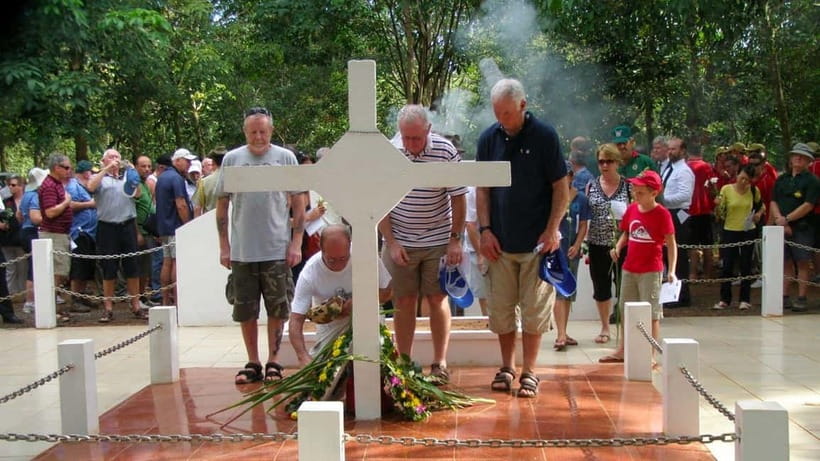
- Long Tan Cross memorial: a tribute specifically to 18 Australian soldiers who died in 1966
- Nui Dat Kindergarten (built in 2002): a project Australian veterans helped create for local children
- Nui Dat base landmarks: you’ll see old bunkers, Kangaroo Pad, SAS Hill, and more
- Horse Shoe Fire Support Base: Vietnam War-era support base territory
- Long Phuoc Tunnel network: underground passages that help you picture how fighting and survival worked
- English-speaking guidance: guides such as Tony or Joe lead with clear explanations and lots of Q&A
How this half-day tour from Vung Tau really connects the dots
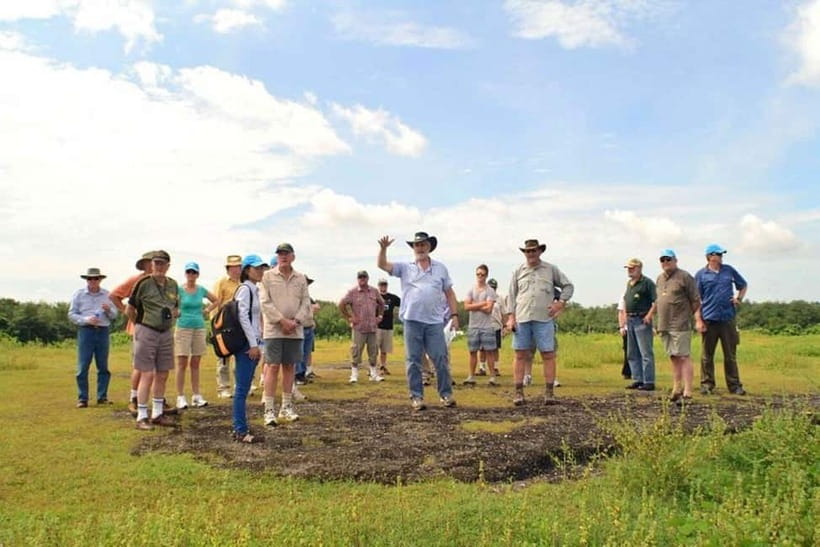
This is the kind of tour that works best when you go with a mindset of respect and curiosity. You’re not just ticking off “war sites.” You’re moving through a chain of locations that link an Australian military base at Nui Dat, the major engagement at Long Tan, and the wider underground infrastructure represented by the Long Phuoc Tunnels.
The value for you is that your guide turns a list of places into a workable story. A good example is what I’ve heard about guides like Tony and Joe: they’re ready with clear context, answer questions without hand-waving, and treat the topic seriously while still keeping the morning from feeling like a lecture. If you’ve ever left a history tour thinking, I get the basics, but I don’t really understand the geography—this route is designed to fix that.
Because it’s half-day, you’ll see a lot without burning the whole day. Still, it’s not a sit-back-and-watch-everything-from-the-window style trip. Expect some walking between viewpoints and sites, and plan for the fact that one or two stops can feel quiet and heavy.
You can also read our reviews of more tours and experiences in Ho Chi Minh City.



Picking up, riding in comfort, and what’s included in the $75
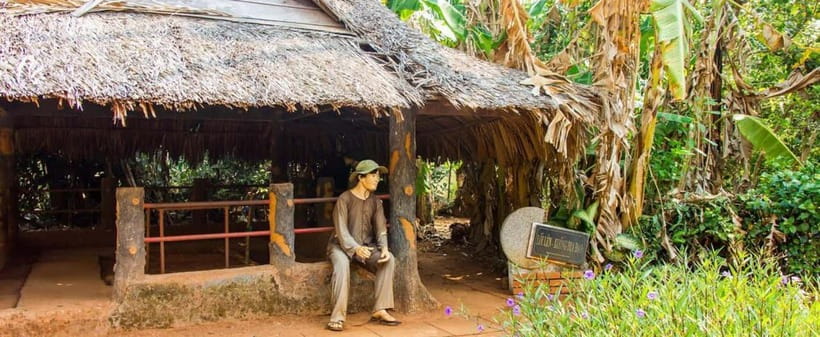
For $75 per person, you get a local English-speaking guide, travel permits/entrance fees, a set of memorial flowers for the Long Tan Cross site, drinking water, and transfer transport to and from the sites. Translation: you’re paying for the guidance and the access, not just for a car.
I like that the tour handles the small friction points. Entrance fees and permits are covered, so you’re not hunting for tickets or trying to decipher local signage on your own. And since water is included, you won’t get derailed halfway through by a basic need.
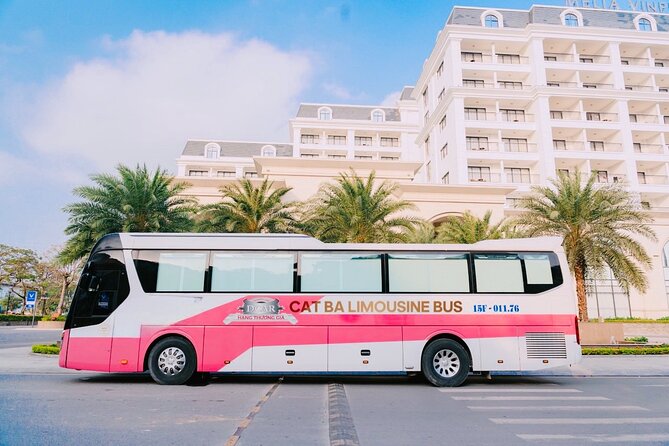
On the ride side, reviews highlight the practical comfort of an air-conditioned car, which matters in this part of Vietnam when you want your head clear for historical explanations. If you’re sensitive to heat, this isn’t the tour to treat casually.
One practical note: one review also flagged that pickup details and the private nature of the day weren’t crystal clear for them. That doesn’t mean it’s a problem for everyone, but it’s smart to confirm pickup timing and exact location when you book, so you can meet your guide without stress.
Hoa Long village to Nui Dat: seeing the base through the landmarks
The tour starts by heading to Hoa Long village—also known as VC Home—before you get to Nui Dat. This area is tied to how Australian forces established and operated in 1966. What makes this first stretch meaningful is that you’re not only seeing memorial-style sites. You’re seeing the shape of an operating base and the kinds of structures soldiers lived and planned around.
At Nui Dat, you’ll visit several specific remnants and points associated with the base, including:
- old bunkers
- Kangaroo Pad
- SAS Hill
- Lusbcome airfield
- the battalion’s flagpole
Even if you’re not a military history expert, these names help you build a map in your head. Old bunkers help you picture shelter and routine. Kangaroo Pad hints at the movement and tempo of operations. SAS Hill and the airfield reference how different units and activities fit into the same operational landscape.
The drawback for some people is that this section can feel less emotional and more technical, depending on your interests. If you only want memorials and photos, you might find yourself waiting for the next “big moment.” But if you want to understand how Long Tan happened in the first place—how bases worked, how troops deployed, how terrain mattered—this is where the story gets real.
Nui Dat Kindergarten: war’s aftermath, shown through a 2002 project
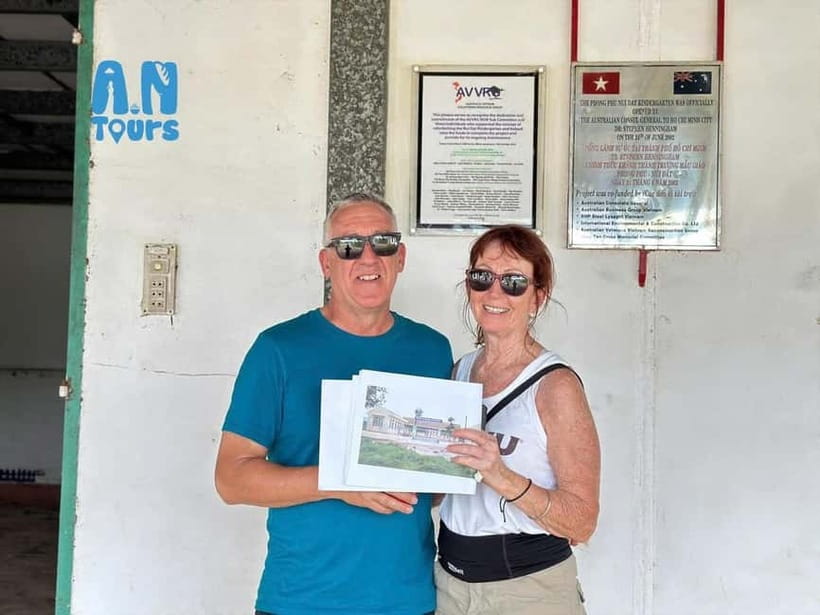
Then the tour does something important: it shifts from military infrastructure to civilian impact. You’ll visit the Nui Dat Kindergarten, built by Australian veterans for local children in 2002.
This stop is quietly powerful because it reframes the conversation. Instead of only focusing on the conflict, you get a chance to see what came after—an act that points to rebuilding and community care rather than only fighting. For many visitors, this is a moment where the day stops being only heavy and starts being human.
It’s also a useful “breather” in the itinerary. After walking around military-era areas, the kindergarten makes it easier to connect with locals today. You’re still in the same region, still in the same story arc, but the lens changes.
Bring a respectful attitude here. This isn’t a staged photo stop. The best approach is to look carefully, read any available plaques or signage, and let the meaning land without rushing.
Long Tan Cross: 18 soldiers, one memorial you should take slowly
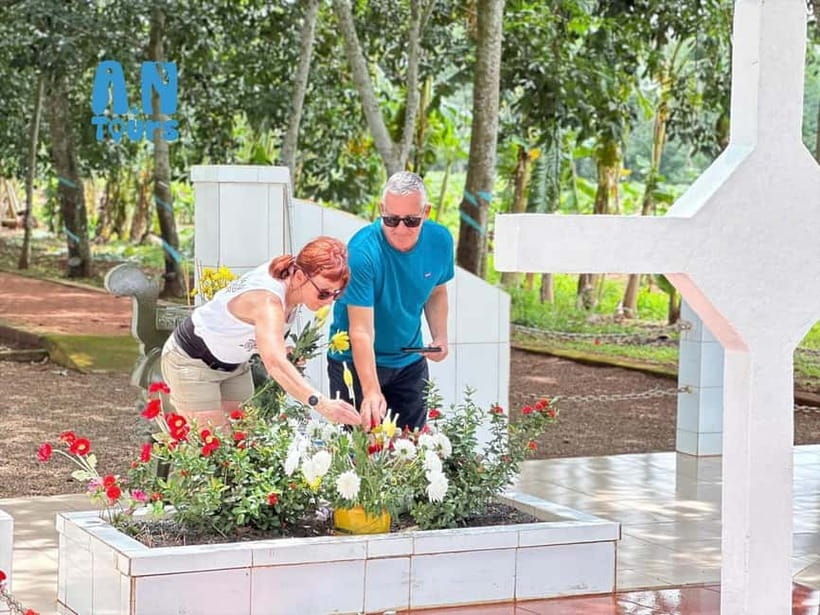
Next comes Long Tan village to visit the Long Tan Cross. This memorial was rebuilt by Australian veterans for 18 soldiers who passed away in the battle of Long Tan in 1966.
This is the emotional anchor of the tour. It’s the kind of place where your guide’s role matters most. A respectful guide can help you place the memorial in context—what the battle meant and why those names are honored here—without turning it into a show.
The tour includes flowers for the memorial site, which is a small detail that feels big in the moment. It gives you a concrete way to participate respectfully, rather than arriving empty-handed and unsure what to do.
If you’re someone who tends to rush through serious sites, slow down here on purpose. Take a minute before you move on. If you have questions, ask them. Guides like Tony are known for being great at answering questions and keeping the tone respectful, sometimes even with gentle humor that doesn’t undercut the meaning.





Horseshoe Fire Support Base: where terrain meets strategy
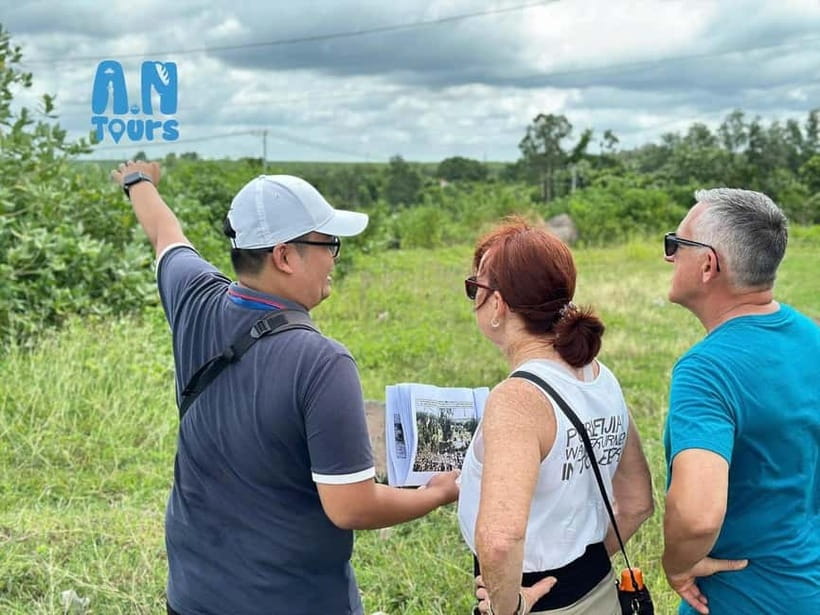
After Long Tan, you’ll visit the Horse Shoe Fire Support Base. This was used as a fire support base during the Vietnam War, and understanding that phrase helps you see what you’re looking at.
A fire support base isn’t just a name. It’s a place designed to enable support for operations—think of it as a practical hub that could help troops respond, coordinate, and survive. When you stand in places like this, the landscape starts to matter in a new way. Even if you don’t know military terms, the terrain and position help you understand why certain choices were made.
This stop can be easier for some visitors than the tunnel or memorial, because it’s more about reading geography. You’ll likely do better if you listen closely to how your guide explains the purpose of the base and how it fit into the broader campaign.
A small consideration: if you’re expecting the kind of built-up visitor center experience you might find elsewhere, this part can feel more open and grounded. You’re often looking at the land and thinking through what happened there, which can be great for understanding the real situation—but it’s not always comfortable if you’re not used to outdoor historical sites.
Long Phuoc Tunnel: underground spaces that change your sense of scale
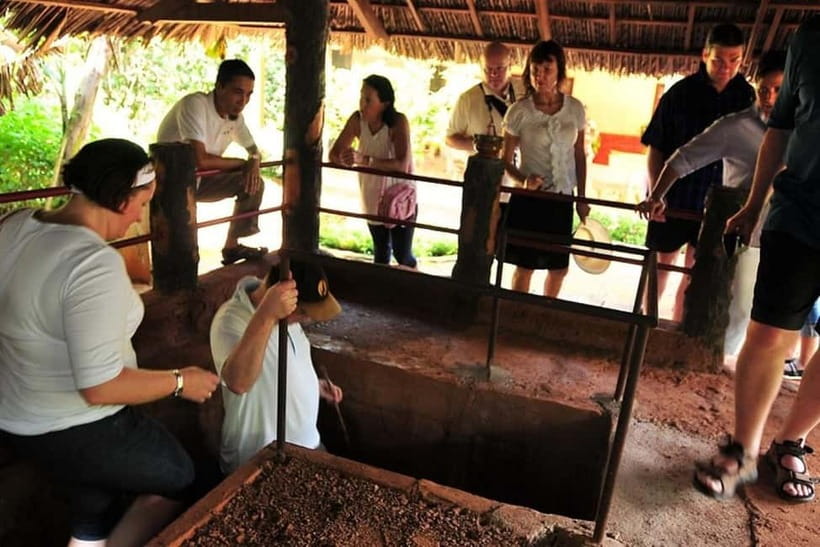
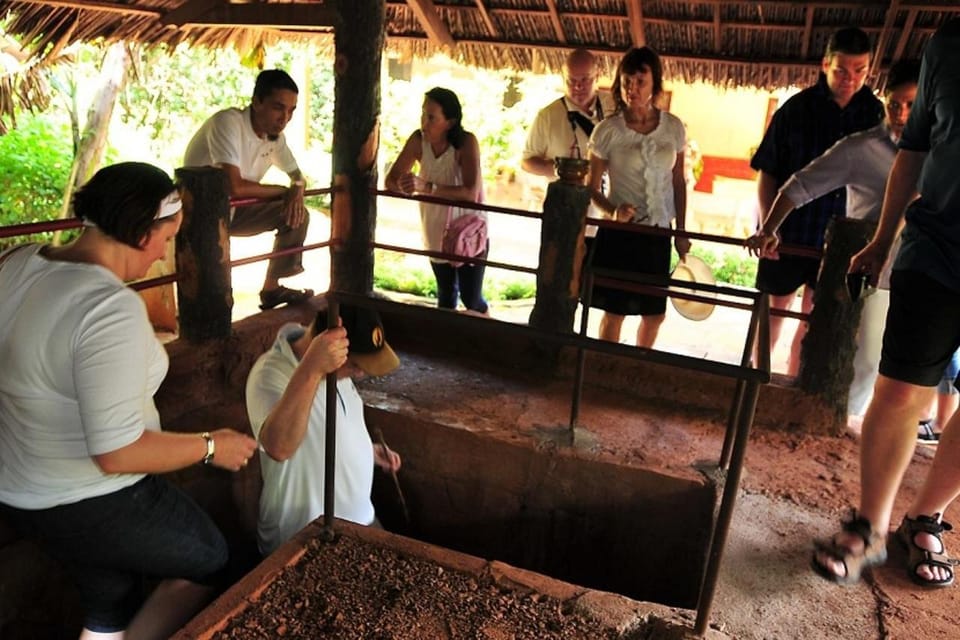
Then the tour turns to the Long Phuoc Tunnel, a complex network of underground tunnels.
This stop is where your imagination gets challenged. Tunnels change how you picture movement, protection, and survival. The underground setting makes you think about sound, tight space, and the effort it takes to move and communicate in cramped conditions.
I’ve heard that even visitors who usually find tunnel tours a bit much still end up appreciating this one. The reason: your guide can connect what you’re seeing to why underground networks mattered during the conflict. You don’t just walk through passages—you try to picture the lived reality.
Practical tip: wear comfortable shoes, and be ready for conditions you can’t fully predict underground. The tour includes water, but don’t count on everything inside being comfortable for long periods. Go at your pace and keep your breathing steady.
This is also one of the spots where a respectful guide helps. The aim isn’t shock value. It’s understanding the environment and what people faced.
The guide makes the difference: Tony, Joe, Binh, and the art of respectful storytelling
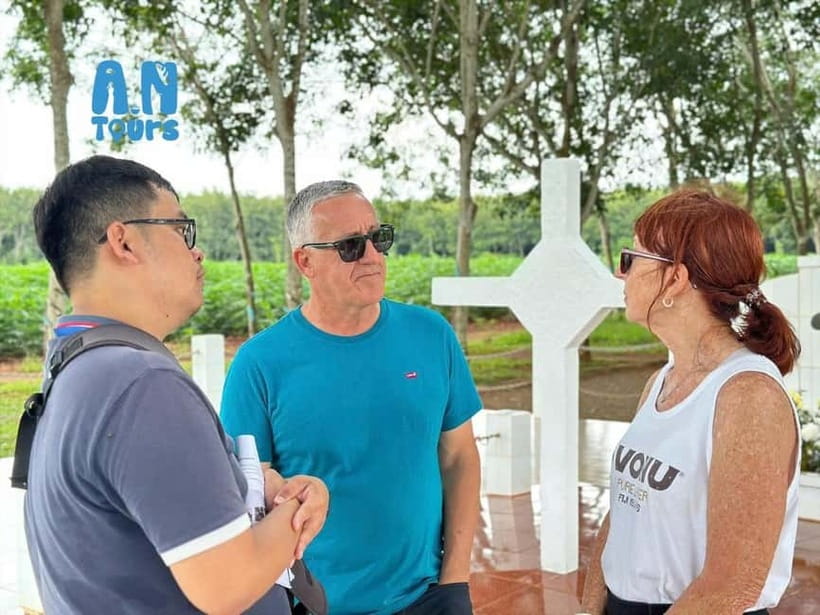
Across the day, you’ll rely on your guide to connect the sites in a clear, respectful way. The strongest feedback I’ve seen centers on guides like Tony, Joe, and Binh, with highlights including:
- clear English and easy communication
- a calm, professional approach
- an ability to answer questions without dismissing nuance
- a respectful perspective on the life of soldiers from both sides of the war
One review even mentioned Tony’s singing voice, which is a good reminder of the human side of the experience—your guide can keep you engaged without losing the seriousness of the subject. Another review mentioned a guide with a gentle heart who tried to make the day memorable.
That matters, because war sites aren’t only about facts. They’re about tone. A good guide helps you hold both ideas at once: the operational reality and the personal cost.
If you want the best experience, come with 2–3 questions. Simple ones work. For example: how did the base support operations? How did terrain affect what happened at Long Tan? What did tunnels change on the ground? Your guide is there to make those connections for you.
Price and value: why $75 can be fair for this route
At $75 per person, you’re paying for three big things:
1) a local English-speaking guide who can translate geography and context into something you can understand
2) transport/transfer plus entrance and permit coverage
3) small but meaningful extras like flowers and drinking water
Could you do something similar on your own? Maybe, but you’d likely spend time planning routes, working out what’s open, and searching for clear context once you arrive. This tour saves that hassle and adds the most important part—guided interpretation—so you don’t just see signs. You understand them.
Also, half-day tours tend to be efficient. You get a concentrated story arc without turning it into an all-day endurance test.
The one value-risk is your expectations. If you want a light, casual outing, the memorial and battle context won’t match that mood. But if you want history you can feel in the landscape, this price looks reasonable.
Who this tour fits best (and who should think twice)
This tour is a great match if you:
- care about understanding the Vietnam War from the Australian soldier perspective
- like guided context more than reading alone
- want an itinerary that includes both military locations and aftermath/community impacts (like the 2002 kindergarten)
- don’t mind that some moments are emotional and quiet
You might think twice if you:
- prefer only upbeat sightseeing with low emotional weight
- dislike tunnels and tight spaces
- need a fully sheltered, minimal-walking outing
But even then, the tour’s structure helps. It balances memorials, base landmarks, and the tunnel network so you’re not stuck in one mood for the entire morning.
Should you book the Nui Dat, Long Tan, and Long Phuoc Tunnel tour?
If you’re in Vung Tau or Ba Ria and you have a half-day window, I’d say yes—with one condition. Go with respect, wear comfortable shoes, and let the guide do the connecting work for you.
This is not a “grab a photo and leave” kind of tour. The Long Tan Cross and the Nui Dat Kindergarten make it more than a battlefield walk-through, and the Long Phuoc Tunnel gives you the physical sense of what life and conflict could mean underground. With an English-speaking guide like Tony or Joe, you’ll come away with a clearer map of how these places relate.
Book it if you want context, access, and a morning that stays human.
FAQ
What’s included in the tour price?
The price includes a local English-speaking guide, travel permits and entrance fees, flowers for the Long Tan Cross memorial, drinking water, and transfers.
Where does the tour run from?
It’s a half-day tour from Vung Tau/Ba Ria, with pickup referenced around the area including Ho Tram.
What sites will I visit?
You’ll visit Nui Dat (including key base landmarks), Nui Dat Kindergarten, the Long Tan Cross, the Horse Shoe Fire Support Base, and the Long Phuoc Tunnel.
Is the tour a full-day activity?
No. It’s listed as a half-day tour.
What language is the guide?
The tour includes a local English-speaking guide.
What should I bring?
Bring comfortable shoes, since you’ll be doing walking between several stops.
Is water provided?
Yes. Drinking water is included.
Are entrance fees covered?
Yes. Entrance fees and travel permits are included.
What is the memorial flower for?
Flowers are provided for the Long Tan Cross memorial site.
What’s not included?
Your other personal expenses are not included, and there may be a surcharge for holidays in Vietnam.
Is there a cancellation option?
Yes. You can cancel up to 24 hours in advance for a full refund.