REVIEW · HO CHI MINH CITY
Vam Sat Mangrove Forest Private Tour from Ho Chi Minh City
Book on GetYourGuide →Operated by Vietnam Adventure Tours JSC · Bookable on GetYourGuide
Mangroves that actually change your mood. This Vam Sat Mangrove Forest private tour takes you out of Ho Chi Minh City and into the Can Gio Biosphere Reserve, where the day mixes wildlife spotting, boat time, and a real break for lunch beside the water. It’s one of those trips where the scenery isn’t just pretty; it’s doing something, supporting bats, monkeys, birds, crabs, and more.
I love how the route has built-in variety: a rowboat on Giant Bat Lagoon plus guided mangrove walks that aim at specific animals. I also like that the guide’s explanations connect the dots about why this ecosystem matters, including the fact that Can Gio supports 52+ plant species and 200+ animal species.
One consideration: at $139 per person, it’s not a bargain day trip. You’ll want to go with the right expectations—wildlife viewing is never guaranteed, and part of the value is the guided experience and long transport.
In This Review
- Key highlights
- A 7-hour nature escape from Ho Chi Minh City
- The ride south: making the day start before you arrive
- Entering the Can Gio Biosphere Reserve the right way
- Giant Bat Lagoon by rowboat: quiet water, big energy
- Mangrove walks and that private riverside lunch break
- Vam Sat Eco Park: gibbons, monkeys, birds, and crab fishing
- Crocodile reserve and optional feeding with a fishing rod
- The Mekong Delta gateway market stop: fast taste of human water life
- Price and value: is $139 per person worth it?
- Who should book this Vam Sat private day trip
- Should you book it? My straight answer
- FAQ
- Where is Vam Sat?
- How long is the tour?
- What time is hotel pickup?
- What will I see at the Giant Bat Lagoon stop?
- Is lunch included?
- Can I try crab fishing?
- Is there crocodile feeding?
- What’s included in the price?
- Are children allowed?
Key highlights
- UNESCO Can Gio Biosphere Reserve: mangrove ecosystem with serious biodiversity
- Giant Bat Lagoon by rowboat: a calm ride that puts you close to the mangroves
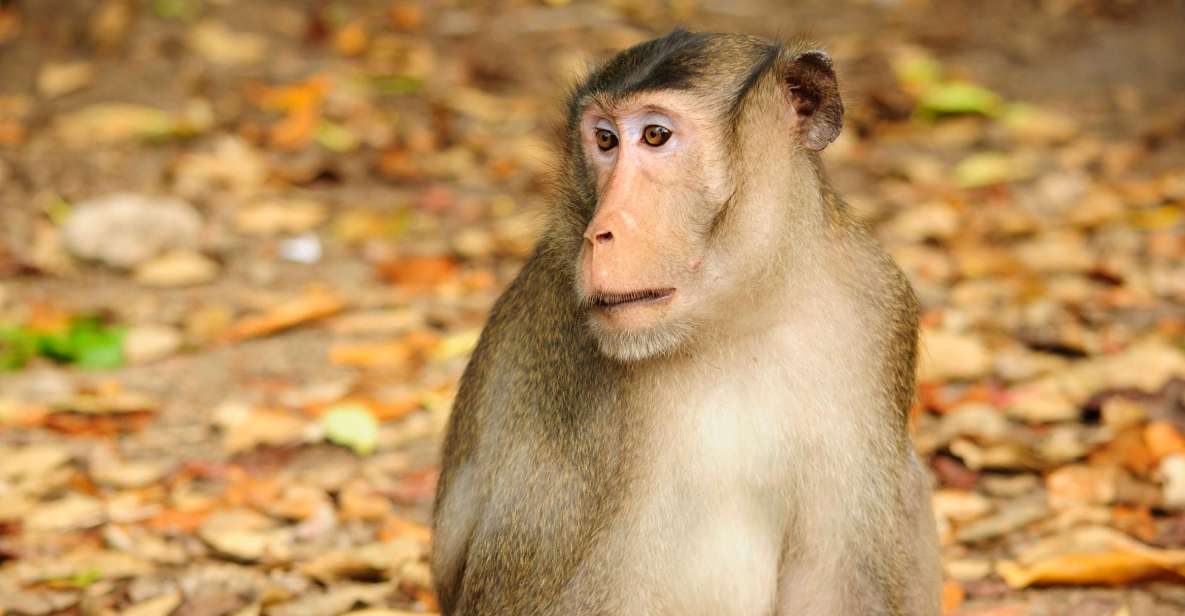
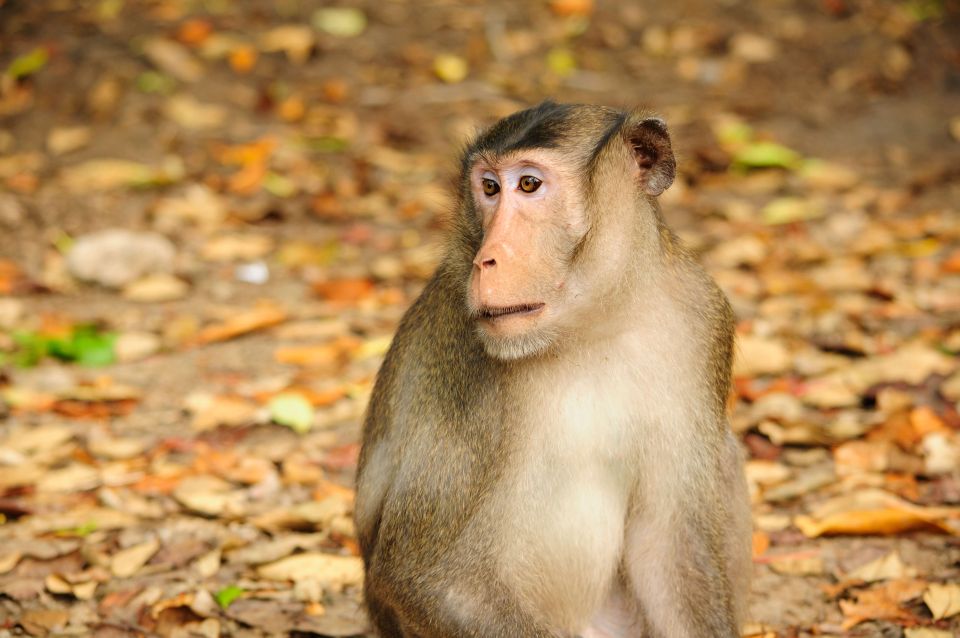
- Eco Park wildlife time: chances to spot gibbons, monkeys, and migratory birds
- Mouth-of-the-delta feel without the chaos: you zoom past canals toward a riverside market gateway
- Crocodile reserve + optional feeding: learn conservation context and do it only if you want
- A guide who makes it feel personal: English commentary, plus strong day-management (and guides like Phufoole or Mr Phu show up in standout days)
A 7-hour nature escape from Ho Chi Minh City
This is a full half-day plus, not a quick hop. Pickup is around 8:00 AM from your hotel, then you head south for roughly two hours to Can Gio. You’ll come back to Ho Chi Minh City at about 4:00 PM, so plan it as a main activity day and not as something to stack with evenings plans you care about.
The big draw is that you’re leaving the city feel behind and entering a working ecosystem. The Can Gio Biosphere Reserve is listed as UNESCO-designated, and the guide uses that context to frame what you’re seeing: mangroves as habitat, not just scenery. That shift matters. It helps you look slower and notice patterns, like animal movement near water edges and the way birds use the mangrove canopy.
Also, this tour works best as a guided day. You’re not wandering alone through a big natural area. You’re being directed where to look, when to pause, and how to interpret what you’re spotting.
You can also read our reviews of more city tours in Ho Chi Minh City

The ride south: making the day start before you arrive
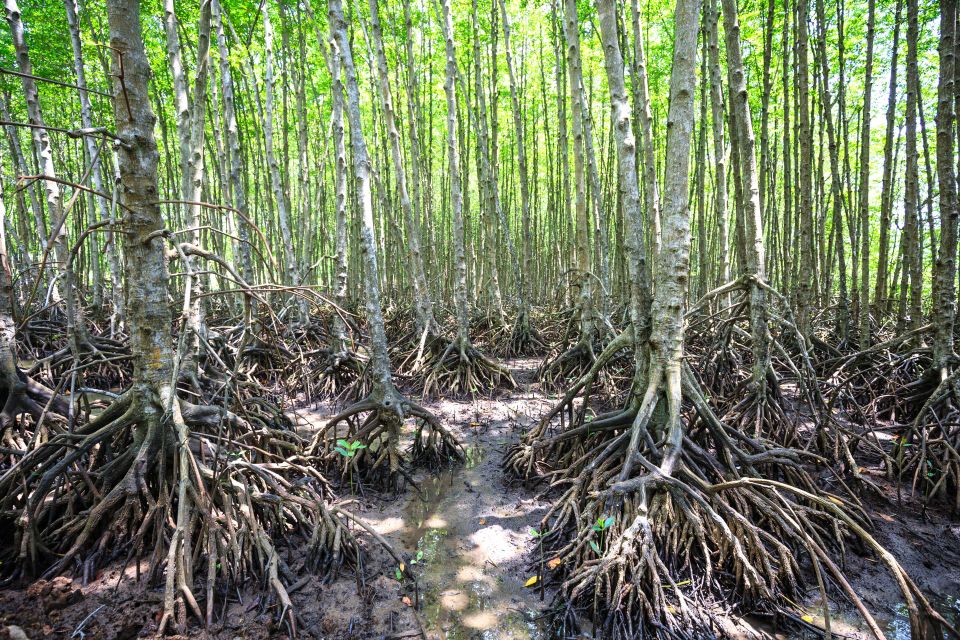
The day begins with air-conditioned car comfort and a real lead-in to the countryside. After the pickup around 8:00, you’ll travel about two hours to Vam Sat in Can Gio, with the guide making scenic stops along the way.
Why I like this part: the drive prevents the classic problem of day trips where you hit the first stop already tired and hungry. Here, you settle into the day. You also get a taste of how the landscape shifts toward the water-heavy world that feeds the mangroves and the delta beyond.
The itinerary also includes a moment later where you zoom past canals to a riverside market at the gateway to the Mekong Delta. Even though it’s brief, it’s a useful contrast: you get mangrove biology, then you get a human water-and-market rhythm.
If you hate sitting, or if you only enjoy very fast tours, you may feel the transport time. But in my opinion, that’s part of why the wildlife experience lands. You’re not just touring a local park. You’re traveling far enough to change the whole atmosphere.
Entering the Can Gio Biosphere Reserve the right way
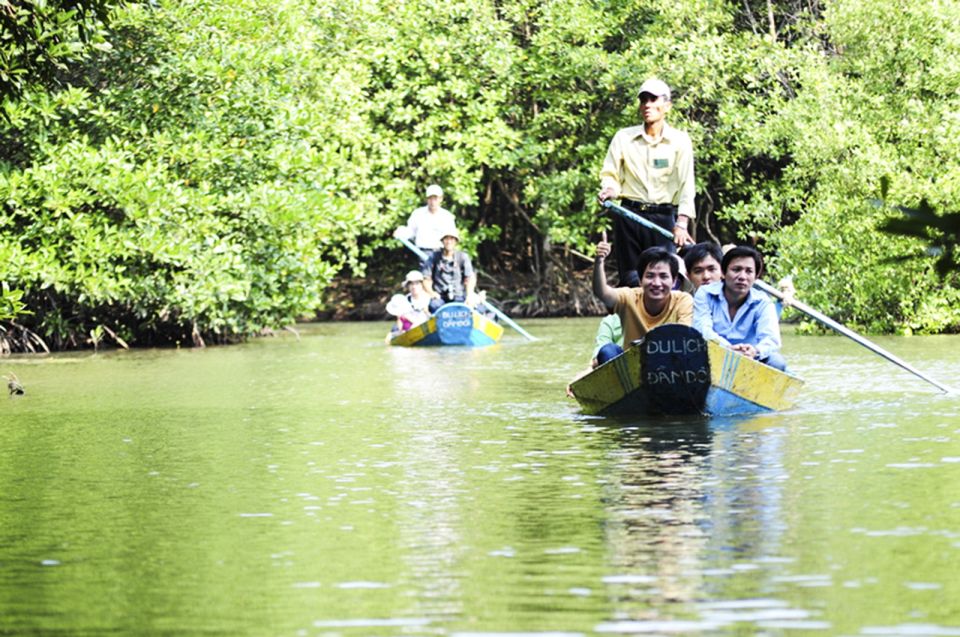
Once you reach the reserve area, the day turns from transit into explanation and immersion. The guide lays out what makes Can Gio a key Vietnam ecosystem: it’s home to 52+ flora species and 200+ fauna species. That’s a good number to keep in your head. It helps you understand why you keep seeing small movements and why wildlife spotting is often about patience and timing rather than big, obvious sightings.
You’ll then move into the mangrove zone and spend time learning about the area while you travel through it. The tour also includes traditional fishing hamlets, which add a human layer. Mangroves aren’t just a conservation story; they’re part of how people live and work along the water.
A small drawback to note: mangroves can be wet and sometimes humid. You’ll likely want clothes that are comfortable if your day turns a bit damp. The route itself seems built to keep you outdoors without rushing, but conditions can vary.
Giant Bat Lagoon by rowboat: quiet water, big energy
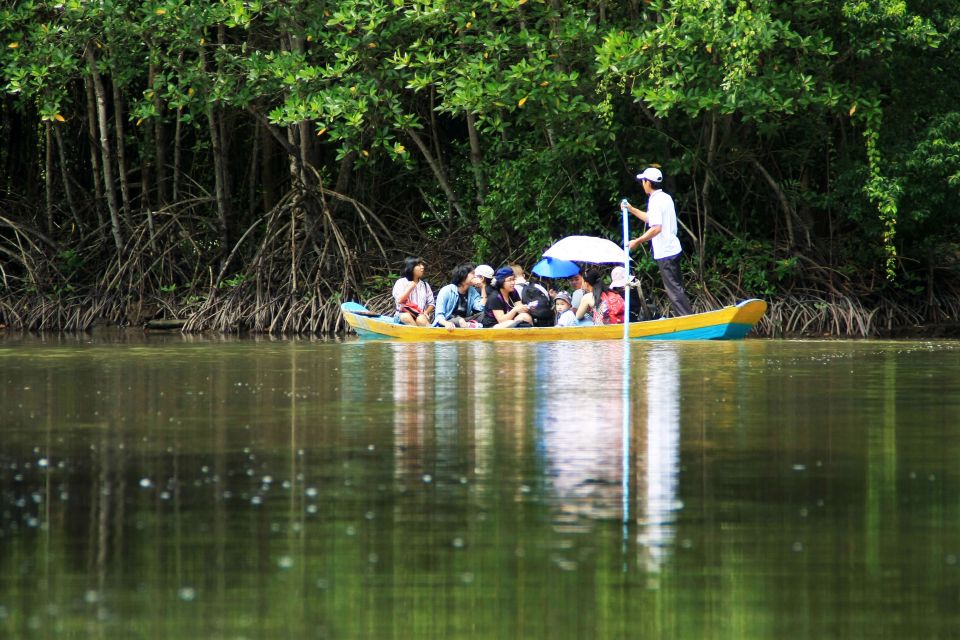
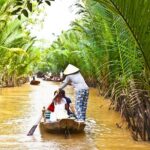
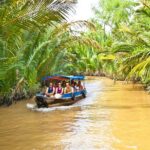
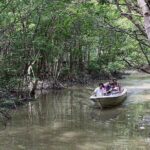
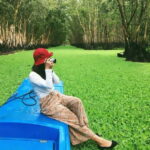
One of the signature stops is Giant Bat Lagoon, reached by rowboat. This isn’t a long, noisy speed-boat ride. It’s a calmer way to see the waterways and mangrove edges, and it suits wildlife watching because the noise stays lower.
What you can expect: the guide takes you out on the lagoon, then you get a short trek through the mangroves afterward. That combination works well. The boat ride lets you watch from the waterline, and the mangrove walk lets you switch your attention to what’s happening on the branches, at ground level, and along the edges where animals feed.
This is also where guides like Phufoole (from standout experiences) shine in their pacing. A good guide doesn’t just point at animals. They help you notice the small signs you’d miss—movement patterns, bird calls, and the way bats and birds share timing and space.
If you’re someone who gets disappointed easily when there aren’t obvious big animals on cue, temper that with a simple rule: in mangroves, the best sightings are often brief. The point is being there, not forcing a guaranteed checklist.
Mangrove walks and that private riverside lunch break
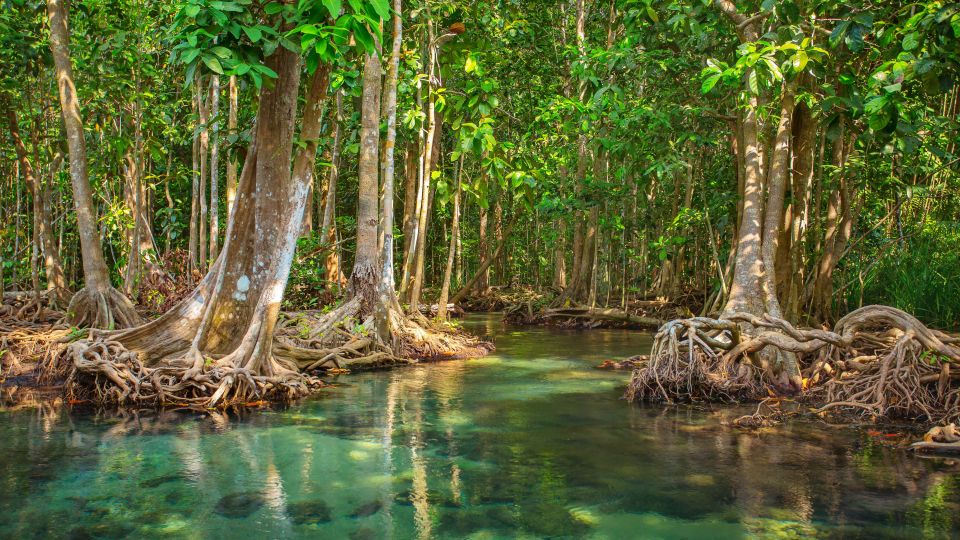
After the bat lagoon, you’ll have a short trek and then head to lunch at a private riverside location. Lunch is included, and it’s not just an afterthought in the schedule. This pause is built into the day so you can reset your senses and energy.
I like that the lunch setting matches the environment. When you eat somewhere that feels connected to the ecosystem, the day stops feeling like a series of stops and starts feeling like a route through one place.
Practical tip: treat lunch like your main break. You’re spending the day outdoors looking for wildlife, so it’s worth eating well and drinking water. You’re provided bottle of water, but you’ll still want to pace yourself if the humidity feels high.
Then, the afternoon continues into the eco-park segment, where wildlife spotting shifts from lagoon-and-trek to a more structured nature walk experience.
You can also read our reviews of more private tours in Ho Chi Minh City



Vam Sat Eco Park: gibbons, monkeys, birds, and crab fishing
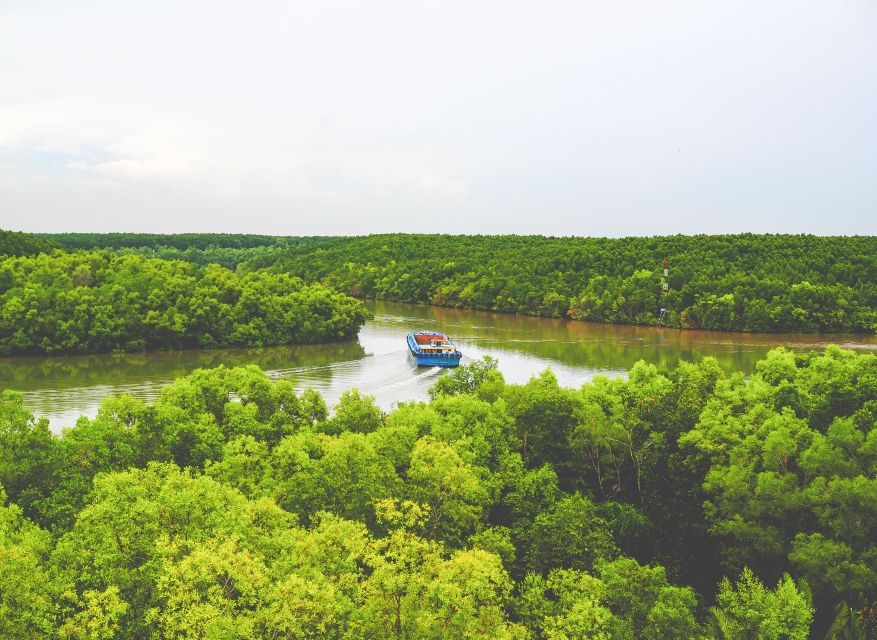
Next up is Vam Sat Eco Park and a guided mangrove walk aimed at wildlife. The tour’s best moments tend to be the ones where you’re actively looking, not just taking photos. You’ll likely spend time searching for gibbons and monkeys, plus local and migratory birds.
You might also have the chance to try crab fishing. This is one of those activities that makes the day feel hands-on. Even if you don’t get a big haul, it gives you a closer look at how mangrove life connects to local routines.
Here’s what I’d watch for in this eco-park section: don’t only focus upward. In mangroves, animal activity is often a balance between canopy movement and water-edge motion. A good guide will call out signs and keep you moving at the pace where you can actually spot things.
In some especially quiet days, the wildlife feels easier to see. The experiences that really stand out often happen mid-week, when the area is calmer and you’re less likely to feel rushed. If your schedule allows, that’s a smart way to increase your chances of a peaceful, less crowded-feeling day.
Crocodile reserve and optional feeding with a fishing rod
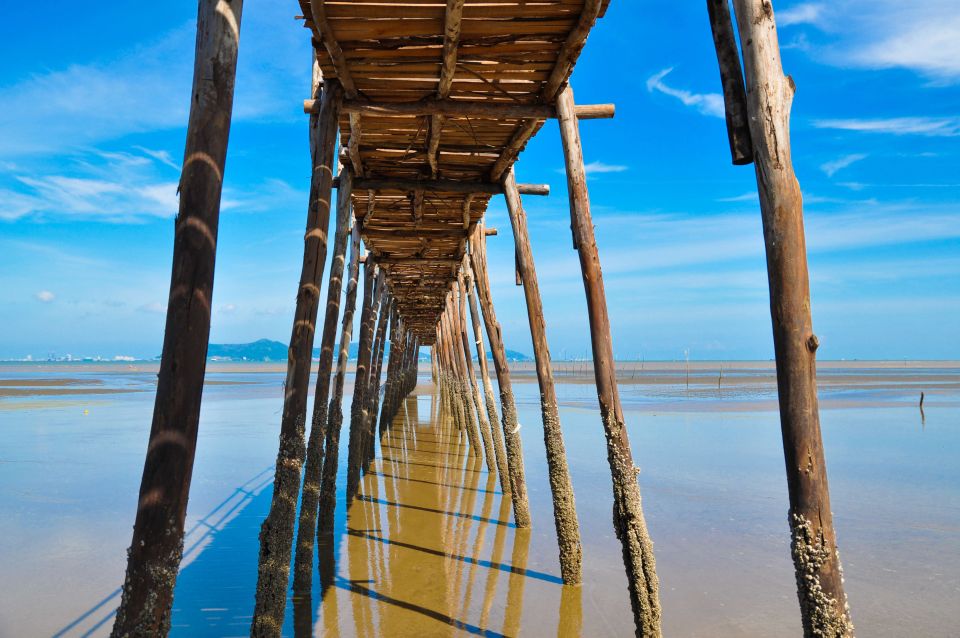
After eco-park time, the tour includes a visit to a crocodile reserve. There’s also an option to feed the crocodiles via a fishing rod if you wish. This is where the tour’s educational tone matters, because the day doesn’t present crocs as just entertainment.
You’ll be shown the conservation angle: crocs were once hunted to near extinction, and the reserve exists to help change that story. That context turns a potentially scary-feeling activity into a conservation lesson you can actually understand.
A simple consideration: if you’re uncomfortable with close animal feeding, skip it. The tour says feeding is optional, and you can still learn and watch without participating.
If you do feed, listen closely to your guide and stay aware of your position. In water-adjacent animal settings, you don’t want to improvise your stance.
The Mekong Delta gateway market stop: fast taste of human water life
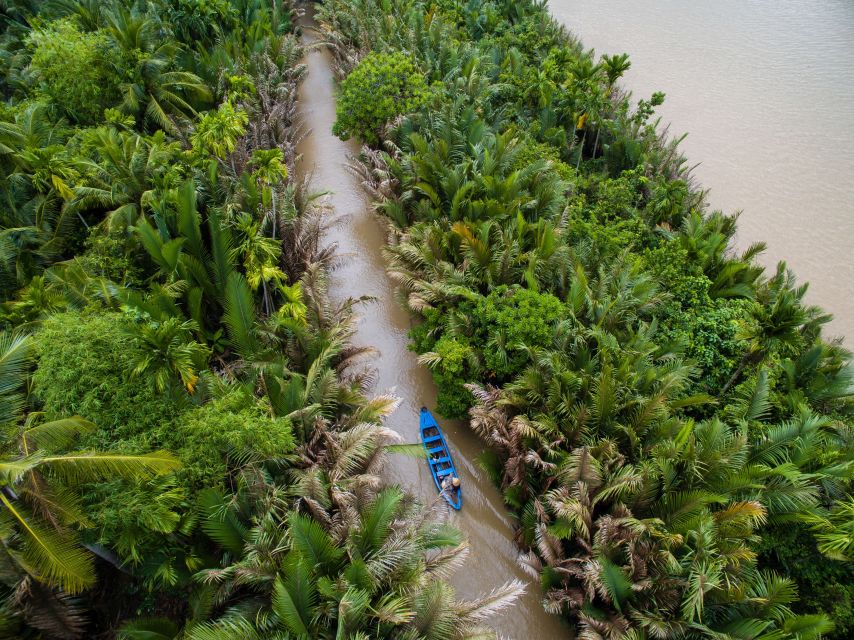
Halfway through the afternoon flow, you’ll zoom past canals to a riverside market at the gateway to the Mekong Delta. It’s not presented as a long market hour, so don’t plan to shop for hours. Think of it as a quick, visual contrast.
Why this matters: you see that the mangrove ecosystem is part of a broader system that supports transport, trade, and daily routines. Even a brief canal-side market stop helps connect the wildlife you saw earlier to the water-based economy that surrounds Ho Chi Minh City’s region.
If you’re a traveler who likes buying snacks and small souvenirs, keep your energy for a quick browse rather than treating it like a full market day.
Price and value: is $139 per person worth it?
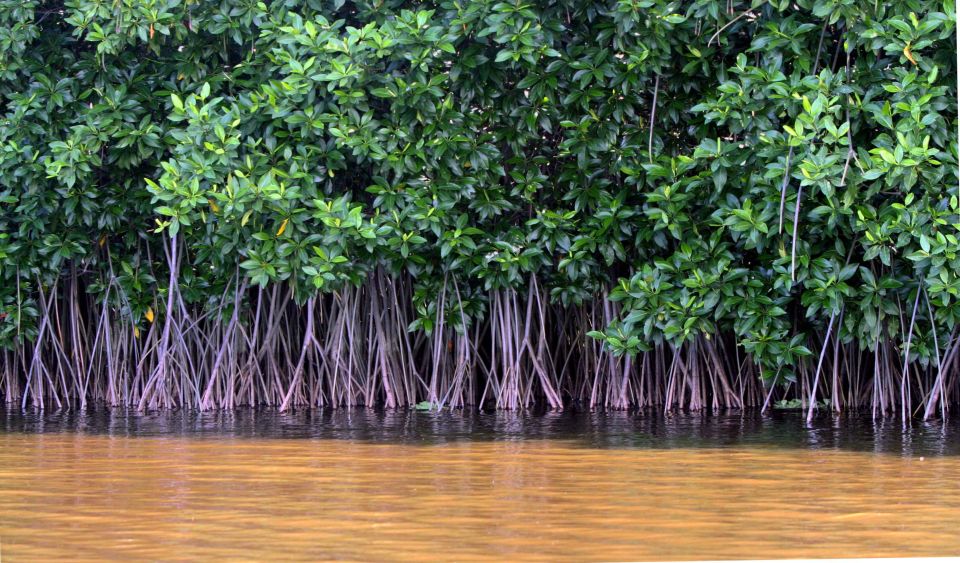
Let’s talk money plainly. The tour costs $139 per person, and it includes a lot: air-conditioned car, English-speaking guide, entrance fees, lunch, hotel pick-up and drop-off, and bottled water. It also includes the small but real convenience of skipping the ticket line.
Where the value shows up is not in one single item. It’s in the bundle:
- You’re getting transportation to a distant biosphere reserve (with stops along the way)
- You’re paying for a guide who manages wildlife-watching time
- You’re getting lunch included in a riverside setting
- You’re getting entry into multiple parts of the experience (eco-park and croc reserve)
Yes, it’s pricey for Vietnam standards. But if you compare it to paying for a guide plus separate transport plus entrance fees plus lunch, the math starts looking more reasonable. The experiences that land as favorites are often the ones where the guide makes the day flow smoothly, and where you get standout wildlife moments like bats, birds, monkeys, and even smaller sightings such as crabs and salamanders (when conditions line up).
My rule: if you want a guided wildlife day with structured stops and no stress about logistics, this price can make sense. If you mainly want cheap transport and flexible wandering, you may find a simpler day trip better aligned.
Who should book this Vam Sat private day trip
This tour suits you if:
- You like wildlife that’s part of a living ecosystem, not just a zoo checklist
- You want a guided day with clear focus: bat lagoon, eco-park walks, and a crocodile reserve
- You prefer comfort from hotel pickup to lunch included, rather than figuring everything out yourself
- You enjoy nature photography but also want someone to explain what you’re seeing
It may not suit you as well if:
- You hate long travel days or prefer ultra-short sightseeing
- You expect guaranteed big-animal encounters every minute
- You’re sensitive to animal feeding situations (you can skip feeding, but you’ll still visit the reserve)
A final note on age: unaccompanied minors aren’t allowed, and children must be accompanied by an adult. If you’re traveling with kids, you’ll need to book with an adult in the group.
Should you book it? My straight answer
Yes, I’d book the Vam Sat Mangrove Forest Private Tour if you want a structured, guided wildlife day outside the city and you’re okay paying for comfort and expert direction. The mix of UNESCO mangroves, rowboat time on Giant Bat Lagoon, eco-park wildlife searching, and the optional crocodile feeding creates a day that feels full without being chaotic.
If you’re on a tight budget, or if you’d rather explore solo with no fixed schedule, you might decide to look for a lower-cost option. But for most people who want a nature-focused day with good English guidance, this one is a strong match.
FAQ
Where is Vam Sat?
Vam Sat is in Can Gio District, south of Ho Chi Minh City, in Vietnam.
How long is the tour?
The tour lasts about 7 hours (check availability for exact starting times).
What time is hotel pickup?
Pickup is around 8:00 AM from your hotel or private address in Ho Chi Minh City.
What will I see at the Giant Bat Lagoon stop?
You’ll visit Giant Bat Lagoon by rowboat and then go on a short trek through the mangroves with your guide.
Is lunch included?
Yes. Lunch is included, served at a traditional riverside location during the day.
Can I try crab fishing?
The tour includes time in Vam Sat Eco Park, where you might be able to try crab fishing.
Is there crocodile feeding?
Yes, there is a crocodile reserve, and you can feed the crocodiles via a fishing rod if you wish.
What’s included in the price?
The tour includes air-conditioned car, English-speaking tour guide, entrance fees, lunch, bottled water, and hotel pickup & drop-off.
Are children allowed?
Unaccompanied minors are not allowed, and children must be accompanied by an adult.