REVIEW · HO CHI MINH CITY
Saigon City Motorbike Tour
Book on GetYourGuide →Operated by Vn biketour · Bookable on GetYourGuide
Seven million scooters make sightseeing interesting. This Saigon motorbike tour turns that loud, chaotic street energy into an organized ride through the city’s most important sights and everyday neighborhoods. You’ll cover multiple districts, see landmark architecture, and end up in places most visitors skip.
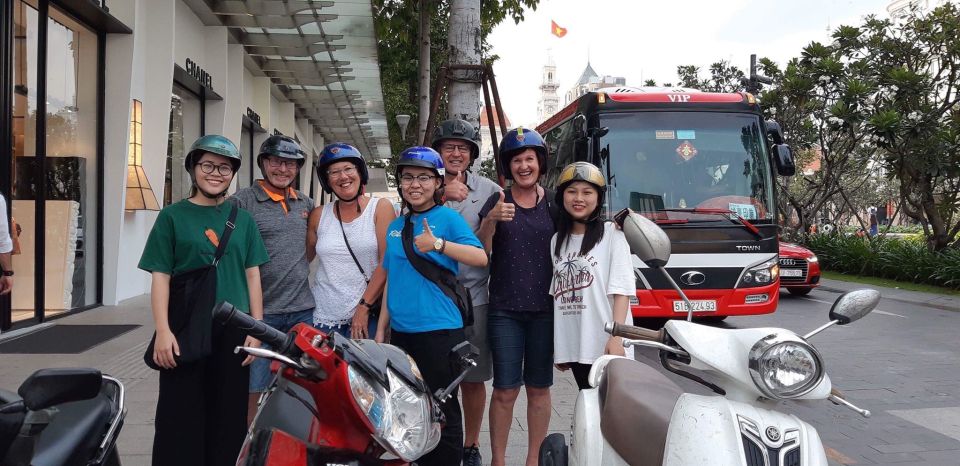
What I like most is the mix of classic sights and real local life. You’re not just staring at buildings—you’re getting guided context while you move through traffic, with stops that range from French-colonial Saigon to flower wholesale chaos in District 10. I also love the safety-first mindset reported by guides and drivers like Kain and Minh, who keep things controlled even when the road feels totally untamed.
One possible drawback: you’re on a motorbike for the full 4 hours. If you’re uneasy around scooters, or you don’t like sitting upright with helmets on, this may feel like more “adventure” than “relax.”
In This Review
- Key highlights at a glance
- Why Saigon Motorbikes Feel Like the Only Way to See Saigon
- Price and what you’re actually paying for (it’s not just a ride)
- Getting Set Up in Saigon: Pickup, Helmets, and the First Road Jitters
- District 1: Notre-Dame, the Post Office, and Nguyen Hue Street Energy
- District 3 and the Thich Quang Duc Monument: Memory in a Quieter Setting
- District 10 Flower Market: Wholesale Prices and Serious Color
- China Town in Districts 5 and 6: Markets That Run on Everyday Need
- Districts 8 and 4 by the Saigon River: Seeing Normal Life at Close Range
- District 7: Japanese and Korean Town and the Gated-Community Contrast
- How the ride feels: safe driving, real traffic, and what to do with your body
- Food and breaks: the included meal is part of the cultural story
- Which time slot should you pick: morning, afternoon, or evening
- Who this tour is best for (and who should think twice)
- Should you book this Saigon City Motorbike Tour?
- FAQ
- What’s included in the Saigon City Motorbike Tour?
- How long is the tour?
- What time slots are available?
- Where does pickup happen?
- Are there any restrictions on who can join?
- Can I get a refund if my plans change?
Key highlights at a glance
- District-by-district feel: You’ll visit at least seven districts, each with its own vibe and street life.
- Safe, skilled riding: The tour is built around professional drivers who navigate the traffic with defensive habits.
- Markets you can’t recreate alone: Birds and roosters, fabric, traditional Chinese medicine, and motorbike accessories.
- District 10 flower market: A wholesale stop with tropical and imported flowers and pricing that’s hard to beat.
- Saigon River neighborhoods: District 8 and 4 show daily routines on the water’s edge.
Why Saigon Motorbikes Feel Like the Only Way to See Saigon
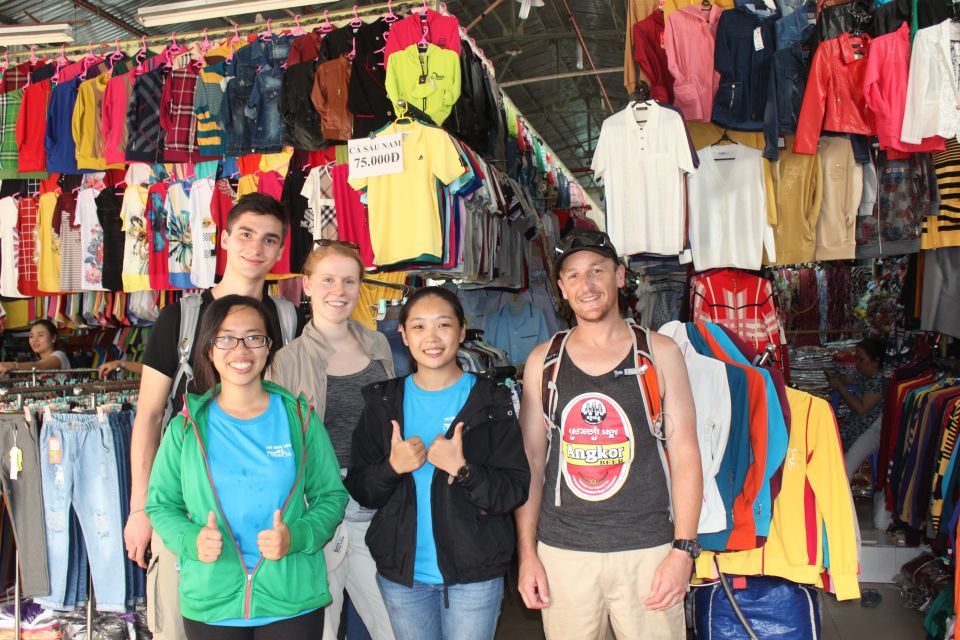
Ho Chi Minh City (still called Saigon by many) is a city you feel in your bones. The roads don’t behave like a calm “sightseeing city,” and that’s exactly why a motorbike tour makes sense. On foot, you can only cover so much, and taxis can’t always get you into the same close-to-the-street experience.
The big win here is that you ride with English-speaking guidance and real driving skill. You’re moving as the locals move, but with a plan—so you see more than just the main drag. And because the route crosses different neighborhoods, the city stops feeling like one big postcard and starts feeling like a set of separate worlds.
The traffic can look wild from the sidelines, though. Expect noise, fast motion, and constant horn-sound timing. The good news is you’re not thrown in alone—you get a helmet, a rain poncho if needed, and drivers who focus on staying safe and predictable.
You can also read our reviews of more city tours in Ho Chi Minh City



Price and what you’re actually paying for (it’s not just a ride)
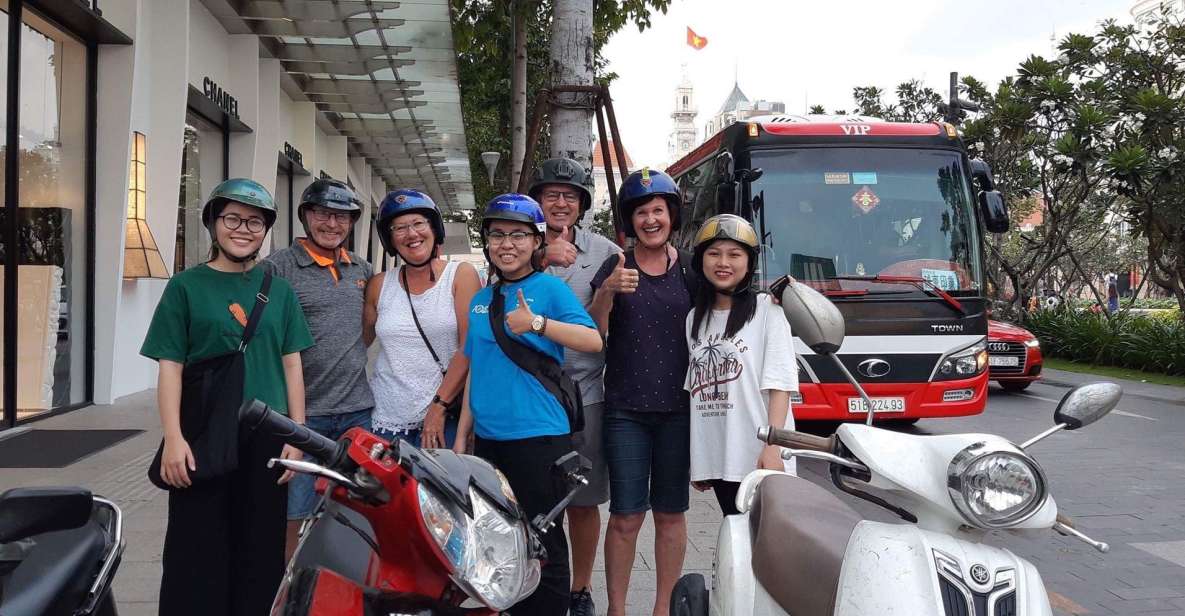
At $31 per person for a 4-hour tour, this is a strong value if your goal is to cover a lot of Saigon without doing logistics yourself. What’s included matters more than the sticker price.
You get:
- Pickup and drop-off at your accommodation in Saigon
- An English-speaking tour guide
- One main meal
- Local snacks, fruit, and unlimited drinks
- Helmet and rain poncho
That combination changes the math. You’re not just paying for transport—you’re paying for a guide who can translate what you’re seeing, plus time savings (pickup and a structured route) that would cost money and brainpower if you tried to recreate it on your own.
The main “consideration” is that it’s a shared, moving experience. If you’re looking for long stops in one place, or you want a quiet pace, you may find yourself wishing for more time per district. This tour is built for breadth, not slow wandering.
Getting Set Up in Saigon: Pickup, Helmets, and the First Road Jitters
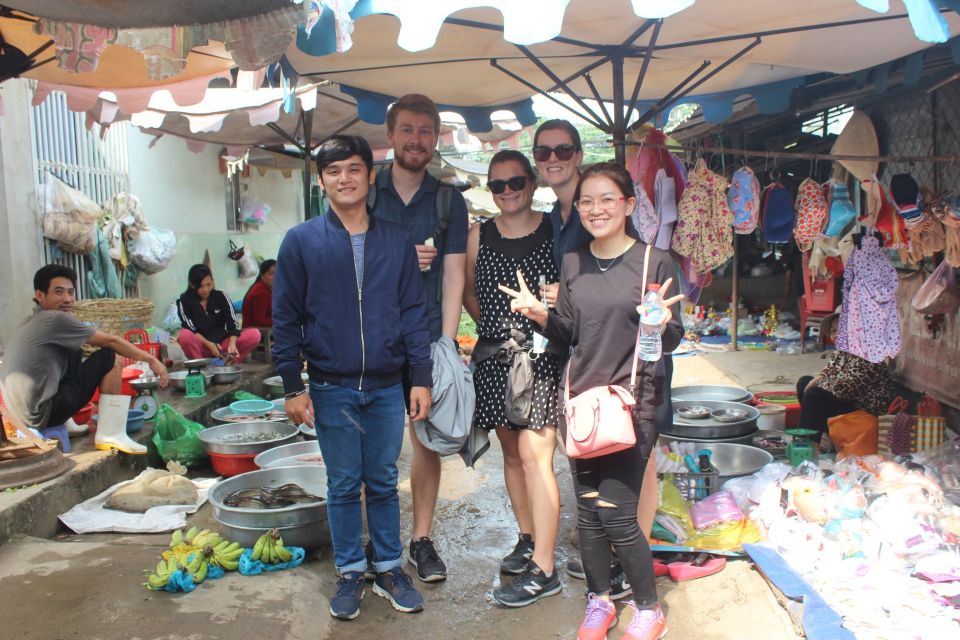
The day starts with pickup from your accommodation in Saigon. That’s a big deal in a city where navigation is its own sport. You don’t have to figure out meeting points or worry about how to reach each neighborhood on time.
Then comes the practical gear: helmet and a rain poncho. You’ll want comfortable shoes because you’ll hop off for photos and market walking, even though most of the time you’re seated. If you’re bringing a small day bag, keep it simple and secure—something you can handle with one hand while the other keeps balance.
The first few minutes are where your body decides if it’s comfortable with motorbike riding. You’re likely to feel the street rhythm quickly. The drivers’ approach is key here: defensive habits, calm lane choices, and a steady pace.
District 1: Notre-Dame, the Post Office, and Nguyen Hue Street Energy
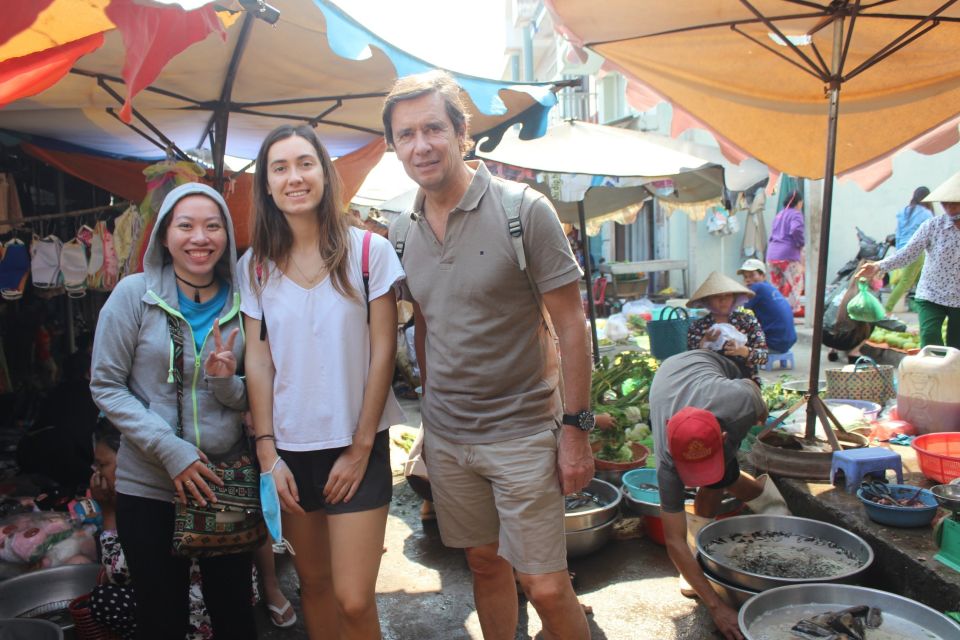
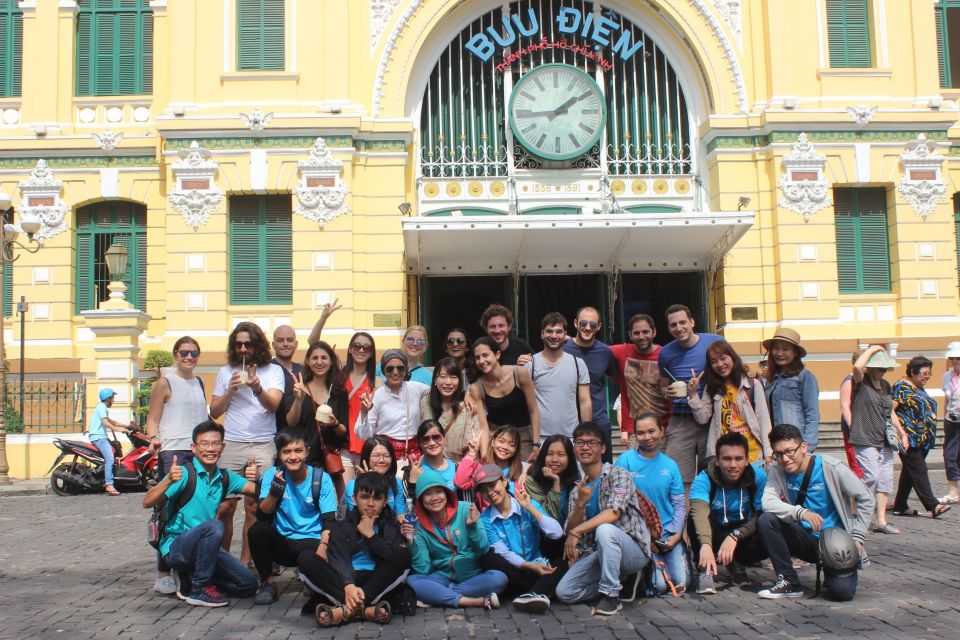
District 1 is where many visitors start, and this tour uses it as a foundation. You’ll see Saigon Notre-Dame Cathedral Basilica and the Central Post Office—two landmark buildings tied to Saigon’s French colonial era. Up close, the stonework and proportions feel less like a photo and more like a real urban landmark.
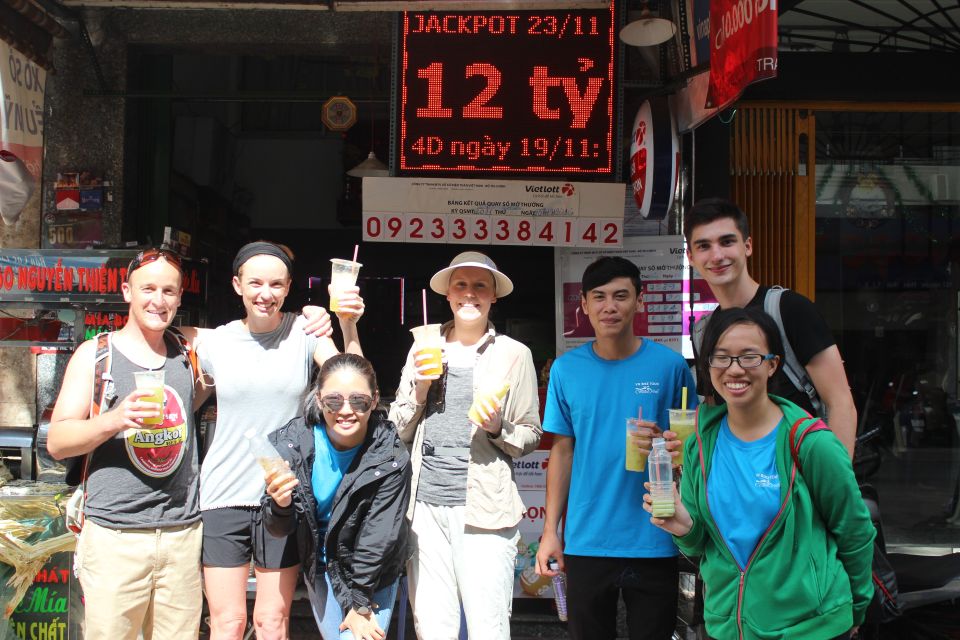
Then you head to the Student Bet coffee-style park. It’s a useful stop because it shows how casual hangouts work in daily Saigon life. Instead of only sightseeing, you’re observing how young people use the space, grab drinks, and pass time.
Finally, Nguyen Hue walking street gives you a different kind of city view: movement, storefront energy, and that feeling of a major street functioning as a social space. This is also a good place to ask your guide questions about what you’re seeing, because the area is built for pedestrian-style curiosity.
What makes District 1 special on this route is the contrast. Colonial architecture sets the “official” story, while the street life shows the living present.
District 3 and the Thich Quang Duc Monument: Memory in a Quieter Setting
District 3 shifts the tone. You’ll learn about the Venerable Thich Quang Duc Monument, tied to the monk Thích Quảng Đức, who burned himself to death in June 1963 as a protest against persecution of Buddhism during the Vietnamese War. This isn’t a quick photo stop—it’s a moment that changes how you look at the city.
After that, the tour moves through older parts of Saigon with long-standing architecture and building styles you don’t fully appreciate from outside the neighborhood. District 3 is also described as quieter and more tranquil in feel, and you’ll see French architecture villas in a middle-class area.
One practical note: memorial stops can take emotional space. If you’re traveling with teens or sensitive family members, it helps to go in with a willingness to pause and absorb, not just snap pictures and keep moving.





District 10 Flower Market: Wholesale Prices and Serious Color
District 10 is the flower lover’s payoff. You’re going to the best flower market in Saigon, specifically framed as a wholesale hub. If you’ve ever wondered what it looks like when flowers are treated like a working supply chain, this is your answer.
You’ll see many types of tropical and imported flowers. The tour also flags the pricing as the most reasonable in town, which matters because it’s easy to overpay for blooms when you only shop in tourist-friendly zones.
The market works well on a motorbike route because it’s the kind of place you’d miss if you stayed on the main streets. It also gives you a sensory break from monuments and big avenues.
If you want to take photos, do it before you lose your momentum to the crowd. Markets move fast, and your guide will keep you from getting stuck in bottlenecks.
China Town in Districts 5 and 6: Markets That Run on Everyday Need
Districts 5 and 6 are where Saigon gets more layered. This is the area often associated with China Town, and you’ll see how Chinese and Vietnamese communities live together and trade.
Expect active shopping streets and traditional markets, including:
- Roosters and birds market
- Fabric market
- Traditional Chinese medicine market
- Motorbike accessories market
This is where the tour stops feeling like “touring” and starts feeling like understanding a city’s shopping logic. The guide’s job here is important: they connect the dots between what you see on stalls and how daily life actually moves.
If you’ve never visited markets like this in Southeast Asia, pay attention to the sights even when you don’t plan to buy. You’ll learn what people prioritize—utility, supplies, and services—because these markets aren’t designed for tourists. They’re built for neighbors.
Also, keep in mind this is an active area, so plan for crowds and traffic sounds. It’s worth it, but it helps to stay mentally ready for sensory input.
Districts 8 and 4 by the Saigon River: Seeing Normal Life at Close Range
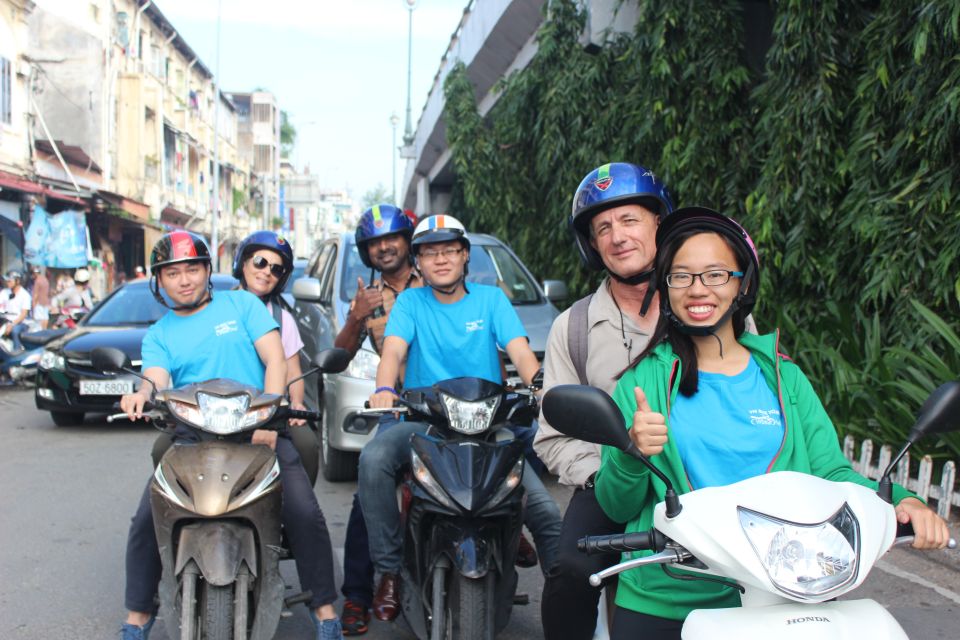
The tour then goes toward the Saigon River area, in District 8 and District 4. This part is framed as a deep view of normal local life, and you can feel that shift immediately because the scenery tells a different story.
Some people still live in slums on the other side of the river. Others are described as luckier with small homes in car-free zones. That contrast is the point. Saigon becomes less of a single brand image and more of a system with very different starting lines.
If you’re the kind of traveler who likes to understand how people live day to day, this is one of the most meaningful segments. Your guide helps you read what you’re seeing so you don’t treat it like a “scene.”
Practical advice: bring a respectful mindset and keep your camera use considerate. In neighborhoods like this, you’re a visitor moving through real routines.
District 7: Japanese and Korean Town and the Gated-Community Contrast
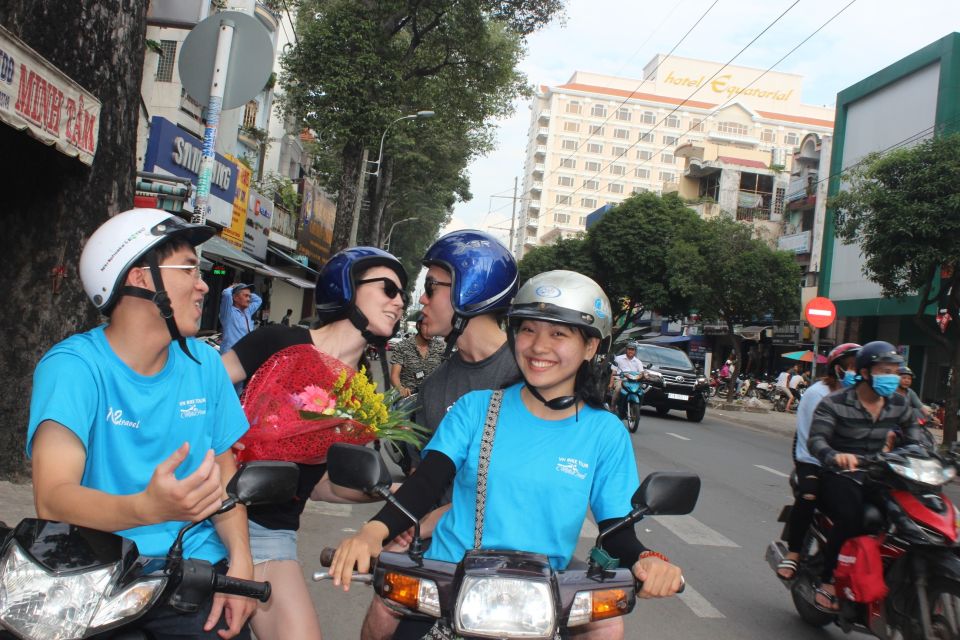
District 7 adds a final contrast layer. You’ll visit the typical expat area often called Japanese and Korean town. Unlike many parts of the route, this southern Saigon side is described as a brightly organized gated community.
That phrase matters: you’re seeing how the city can look and function when it’s built around protected residential zones and community planning. It’s not “better” in a moral sense—it’s simply different urban design, different boundaries, different daily rhythms.
From a tour-planning point of view, this makes sense as a closing note. You’ve already seen colonial landmarks, war memory, major markets, river life, and now you end with a structured expat neighborhood. Your brain gets a fuller map of Saigon’s range.
How the ride feels: safe driving, real traffic, and what to do with your body
Let’s talk about the motorbike part, because it’s the whole experience. This tour is built around the reality of Saigon’s streets—seven million motorbikes mentioned in the tour framing—and the challenge is staying safe while moving with traffic flow.
In practice, that means professional drivers and a defensive driving style. People describe guides and drivers as super professional and attentive, not reckless. Expect steady control rather than dramatic thrills.
How should you manage your posture?
- Keep your hands relaxed but ready to hold on
- Don’t fight the movement—let your body absorb it
- Wear shoes with grip (you’ll be stepping off for stops)
Also, for comfort: helmet fit is non-negotiable. Make sure it sits properly and doesn’t wobble. If it feels off, ask for an adjustment before you go.
If it’s raining, you’ll get a rain poncho. You might still feel damp from motion and wind, but it’s much better than being exposed. Bring a small towel if you hate wet clothing.
Food and breaks: the included meal is part of the cultural story
You get one main meal plus local snacks, fruit, and unlimited drinks. That’s a smart inclusion because food is the easiest way to learn the city beyond landmarks.
The meal also prevents you from turning the tour into a constant search for food. In 4 hours, hunger can wreck your patience and attention. Here, you can focus on what your guide points out and keep energy up during market and neighborhood stops.
Tell your operator about dietary requirements when you book. This is explicitly requested, which usually means they’ll work to accommodate you. If you have strong restrictions, mention them early rather than hoping for a last-minute fix.
Which time slot should you pick: morning, afternoon, or evening
You’ll usually choose one of three windows:
- Morning: 8:00 AM to 12:00 PM
- Afternoon: 1:00 PM to 5:00 PM
- Evening: 6:00 PM to 10:00 PM
Each slot changes the street vibe. Evening can bring different energy to streets and markets, while daytime can make details easier to see. Pick based on what you want most from the city atmosphere—morning movement, afternoon pace, or evening glow.
Who this tour is best for (and who should think twice)
This is ideal if you want:
- A fast way to cover several Saigon districts
- A motorbike ride without feeling like you’re winging it
- A guide who explains history and daily life as you go
It also works well for families who want a structured plan and safety-focused driving. Multiple guides are reported as being experienced with different kinds of passengers, and the tour includes helmets and ponchos to keep things practical.
Who might want to skip it?
- If you strongly dislike motorbikes or have trouble with balance and sitting for long periods
- If you want a slow, low-noise sightseeing day
If you’re unsure, go in ready to treat it like an organized street experience, not a museum hop.
Should you book this Saigon City Motorbike Tour?
If your goal is to understand Saigon fast—colonial landmarks, war memory, wholesale markets, Chinatown trading, river neighborhoods, and an expat-style contrast—then yes, I’d book it. For $31 you’re getting more than a ride: you’re getting pickup, a guide in English, a planned district route, and a meal plus snacks and drinks.
Book it especially if it’s your first or second day in the city. This route gives you a working sense of where different parts of Saigon “belong” in your head. And if you’re nervous about traffic, that’s exactly why this type of tour matters: you ride with drivers who treat safety as the main job.
If you want the calmest sightseeing day possible, choose something else. But if you like momentum, street-level views, and learning how Saigon works in real life, this one is a strong bet.
FAQ
What’s included in the Saigon City Motorbike Tour?
Pickup and drop-off at your accommodation in Saigon, an English-speaking tour guide, one main meal, local snacks, fruit, unlimited drinks, and helmet plus a rain poncho.
How long is the tour?
It runs for 4 hours.
What time slots are available?
Morning is 8:00 AM to 12:00 PM, afternoon is 1:00 PM to 5:00 PM, and evening is 6:00 PM to 10:00 PM.
Where does pickup happen?
Pickup is included from your accommodation in Saigon, and the tour starts and ends in Ho Chi Minh City.
Are there any restrictions on who can join?
Pets are not allowed. Comfortable shoes are recommended, and you should advise the operator of any dietary requirements.
Can I get a refund if my plans change?
Yes. Free cancellation is available up to 24 hours in advance for a full refund.