REVIEW · HO CHI MINH CITY
Saigon: City Highlights & Unseen Tour|Opt: Female Riders
Book on GetYourGuide →Operated by VIETNAM STREET FOODS TOUR · Bookable on GetYourGuide
Saigon makes more sense on two wheels. This 4-hour motorbike tour shows you how locals actually move through the city, with stops that feel story-driven, not checklisty. I especially love the way the route blends historic context (starting with the Thich Quang Duc monument) with a real food moment later, like grilled pork vermicelli and spring rolls or a comforting bowl of beef noodle soup.
You’ll also get a strong payoff in District 5 Chinatown. The Thien Hau Temple (built in 1760) and the church dating to 1865 give you two different lenses on faith and community history, all without slowing the day down. One possible drawback: you’re riding a scooter for the full 4 hours, so if you get motion-sick or hate heavy street noise, this may take some mental prep.
In This Review
- Key Things I’d Put on Your Radar
- Why a Female-Led Scooter Tour Works in Ho Chi Minh City
- Thich Quang Duc Monument: The Story That Changes How You See Saigon
- Flower Market Energy at Ho Thi Ky (and How to Enjoy It Like a Local)
- Nguyen Thien Thuat Apartments: Why Old Buildings Matter
- Chợ Campuchia: The Vietnamese-Cambodian Market Stop You’ll Remember
- District 5 Chinatown: Thien Hau Temple (1760) and the 1865 Church
- The Food Moment: Vermicelli, Spring Rolls, and Beef Noodle Soup
- Safety, Helmets, and Real Talk About Scooter Riding
- Picking the Right Time and Who This Tour Best Suits
- Price and Value: What $24 Buys You Here
- Who This Tour Might Not Be For
- Should You Book This Scooter City Highlights Tour?
- FAQ
- How long is the Saigon City Highlights & Unseen Tour?
- What’s included in the tour price?
- What food will I eat?
- Do you provide pickup and drop-off?
- Can I request a female rider in Ao Dai?
- Are oversize bags allowed?
- Is there cancellation protection?
Key Things I’d Put on Your Radar
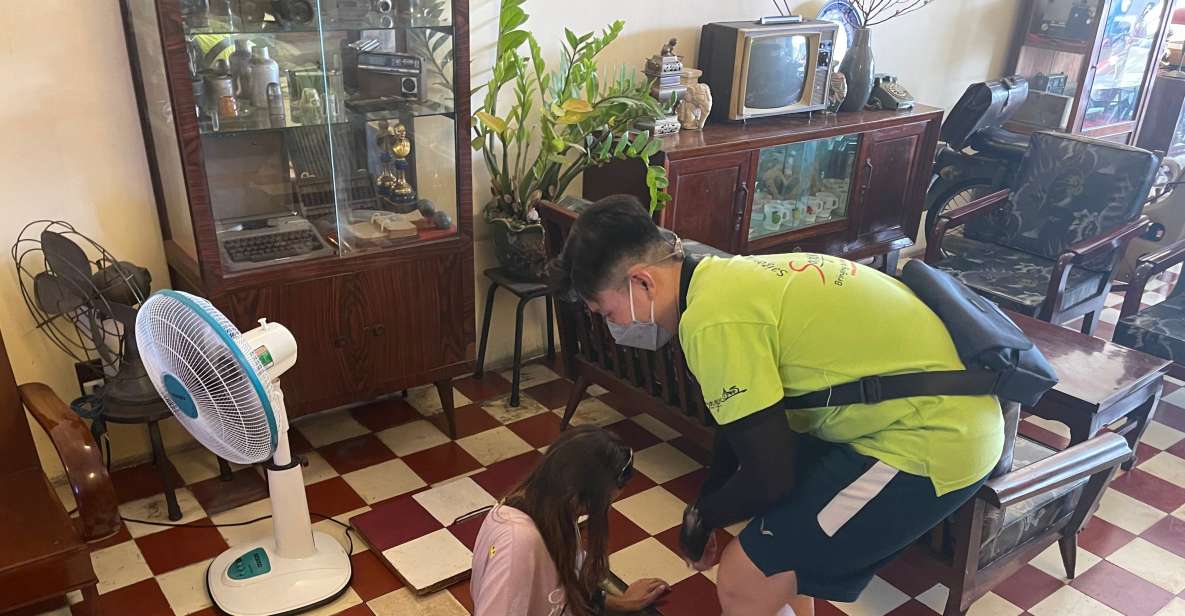
- Thich Quang Duc monument first for context before you see the city districts
- Ho Thi Ky Flower Market as a full-sensory photo stop (smell, color, and motion)
- Old Nguyen Thien Thuat apartment blocks to understand everyday Saigon life
- Chợ Campuchia where Vietnamese and Cambodian culture mix around food and shopping
- District 5 Chinatown anchors at Thien Hau Temple (1760) and the 1865 church
- Food that matches the ride: noodles, spring rolls, and a warm, filling meal
Why a Female-Led Scooter Tour Works in Ho Chi Minh City
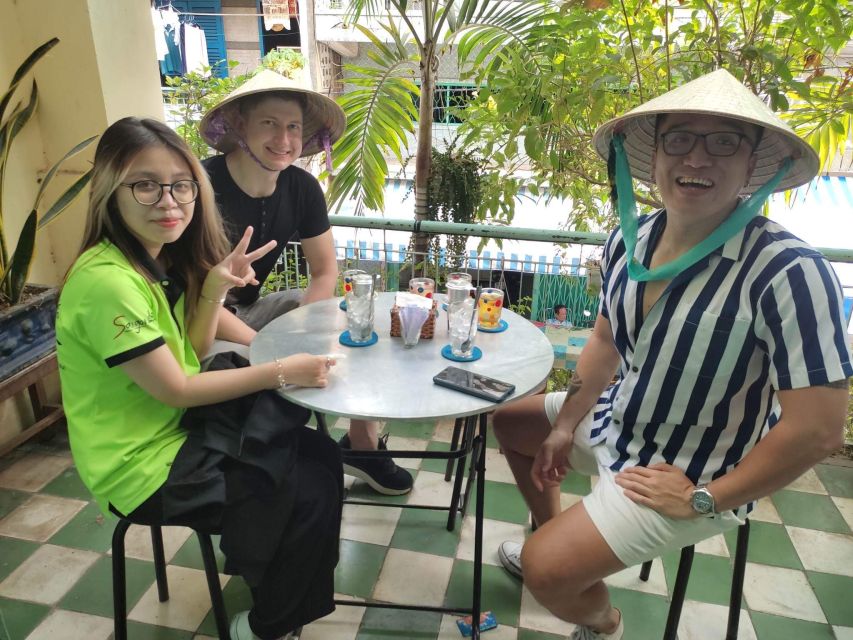
If you want Saigon without the stuck-in-one-neighborhood feeling, riding is the shortcut. Scooters let you glide between districts in a way walking can’t match, and your guide can explain what you’re seeing while you’re still close to it. This tour is built around that rhythm: brief passes, then stops where you can look, ask questions, and take photos before rolling on again.
I also like the female-guide angle here. English-speaking guides help a lot in a city where street signs and local slang can be a puzzle. And there’s a special option if you want a female rider in Ao Dai—just note you have to request it at least 6 hours ahead for the best chance. If it’s last-minute or the day is busy, riders can be randomly assigned.
Finally, I appreciate that the tour doesn’t treat the city like a museum. You’re not just viewing monuments; you’re moving through markets and neighborhoods that still function today. That matters because Saigon’s personality comes from daily life: the way people buy, cook, pray, chat, and rush to the next thing.
You can also read our reviews of more city tours in Ho Chi Minh City



Thich Quang Duc Monument: The Story That Changes How You See Saigon
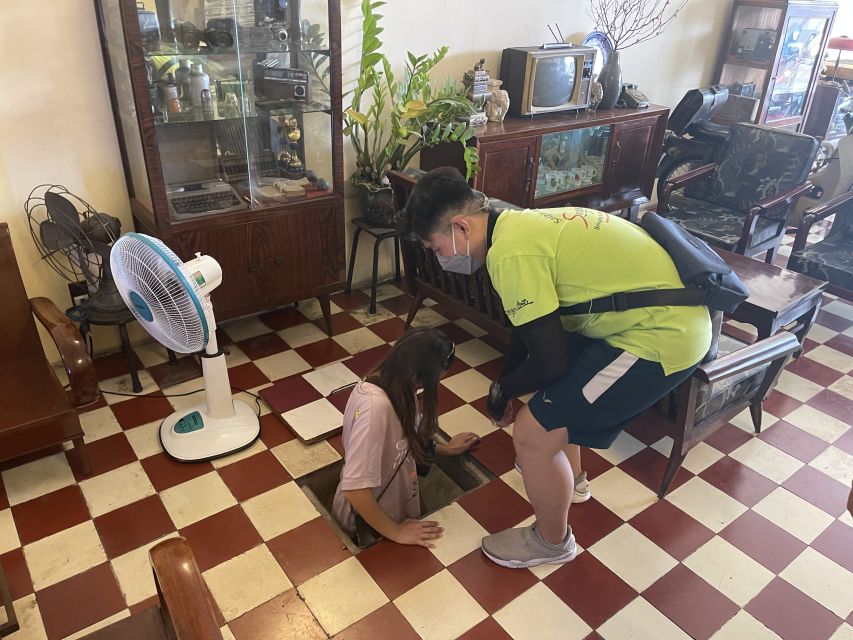
The day starts at the Thich Quang Duc monument, and the guide frames it with the story behind Thich Quang Duc, the Buddhist monk who self-immolated in 1963 as an act of protest. This isn’t a vague “history lesson.” It’s the kind of context that makes later stops feel more meaningful because you understand that faith and politics have shaped the city’s streets.
Why this opening works for you: it keeps the tour from feeling random. Saigon can look like constant motion—motorbikes, storefronts, crowds, construction. Starting with a heavy but important story gives the rest of the route a backbone.
A small practical note: monuments and memorials are often quieter places to pause. Dress respectfully, be ready for a short moment of reflection, and don’t rush your photos. Even if you’re in a hurry, take 2 minutes to read what’s there. It’s the kind of stop that pays off later when you realize why people build, repair, and protect certain places.
Flower Market Energy at Ho Thi Ky (and How to Enjoy It Like a Local)
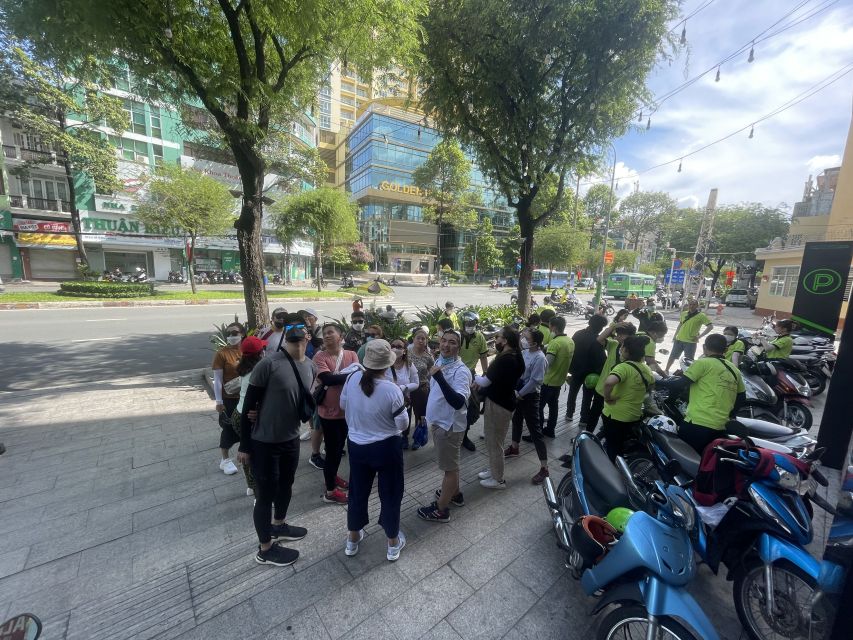
Then you’re in Ho Thi Ky Flower Market, described as the biggest flower market in Saigon—like a flower village hidden inside the city. This is one of those stops where the city smells before it even looks. Rows of flowers like roses, orchids, and lilies line the space, and vendors move with practiced speed.
What makes this stop valuable isn’t just the photos (though yes, it’s very camera-friendly). It’s that you’re seeing Saigon’s supply chain in real life: people buying blossoms for homes, ceremonies, and daily beauty. You’ll likely notice that the market isn’t some staged tourist corner. It feels like work, with color on top.
If you want to maximize the experience:
- Bring your patience for crowded aisles and quick vendor conversations.
- If you buy something, ask about what keeps best—guides can help with simple translation.
- Plan for photos that include people. Markets like this are about relationships, not just flowers.
Also, because you’re on a scooter tour, you can roll into the rest of the day without losing momentum. That’s the real advantage over a separate market visit where you end up spending half your day searching for transport.
Nguyen Thien Thuat Apartments: Why Old Buildings Matter
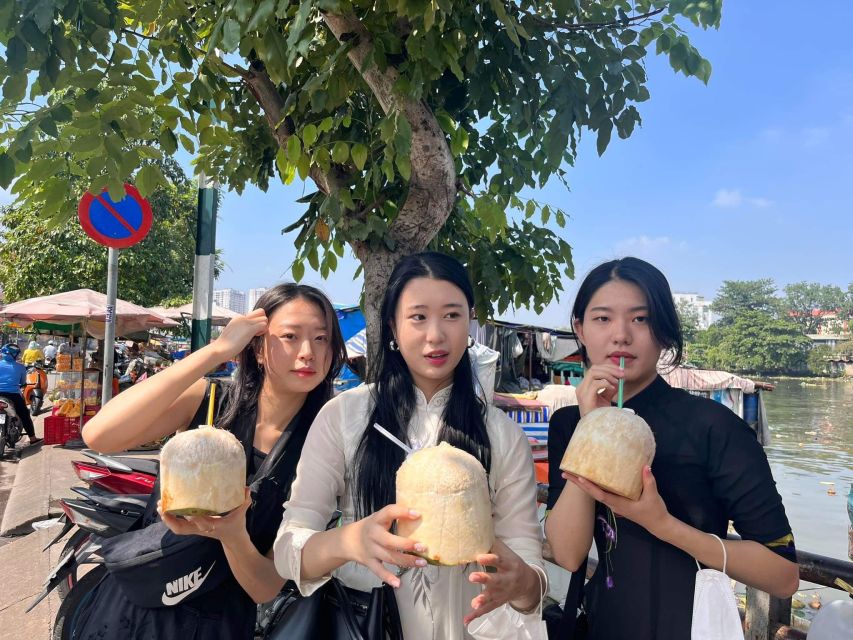
Next comes Nguyen Thien Thuat Apartments—old apartment blocks that are lived-in, not abandoned sets. This stop is a reminder that Saigon’s history isn’t only in temples and churches. It’s also in the buildings people rely on every day.
This is the kind of place where walking tours often fail you. You can’t really understand “normal life” from behind a bus window, and you don’t get close enough on foot to read details. On a scooter, your guide can stop at the right moments so you can look, take in the layout, and get a sense of how the neighborhood breathes.
A helpful mindset: don’t hunt for perfect architecture photos. Instead, focus on what you can learn from everyday infrastructure—entrances, balconies, how the street interfaces with homes. That’s where the city’s real story hides.
Chợ Campuchia: The Vietnamese-Cambodian Market Stop You’ll Remember
From there the tour shifts to Chợ Campuchia, a Cambodian market area. The point here is cultural mix. You’re looking at Vietnamese and Cambodian influences together, and that shows up through the snacks, spices, and the overall vibe of what people buy.
This stop works because it hits your senses. Markets are usually the quickest way to learn how a city eats and snacks, but here it’s also a lesson in regional connection. Saigon has long been a crossroads, and you feel that at street level.
What you should do during the visit:
- Try small bites rather than going big. You’ll sample more without overcommitting.
- Ask the guide what to try if you’re unsure about ingredients or spice level.
- If you’re buying spices, think about how you’ll carry them. Your scooter ride is part of the day, so keep purchases sensible.
One practical caution: market streets can be slippery or uneven. Go slow when you stop for photos, and keep your essentials tight. Your guide will manage timing, but you should still watch your footing.



District 5 Chinatown: Thien Hau Temple (1760) and the 1865 Church
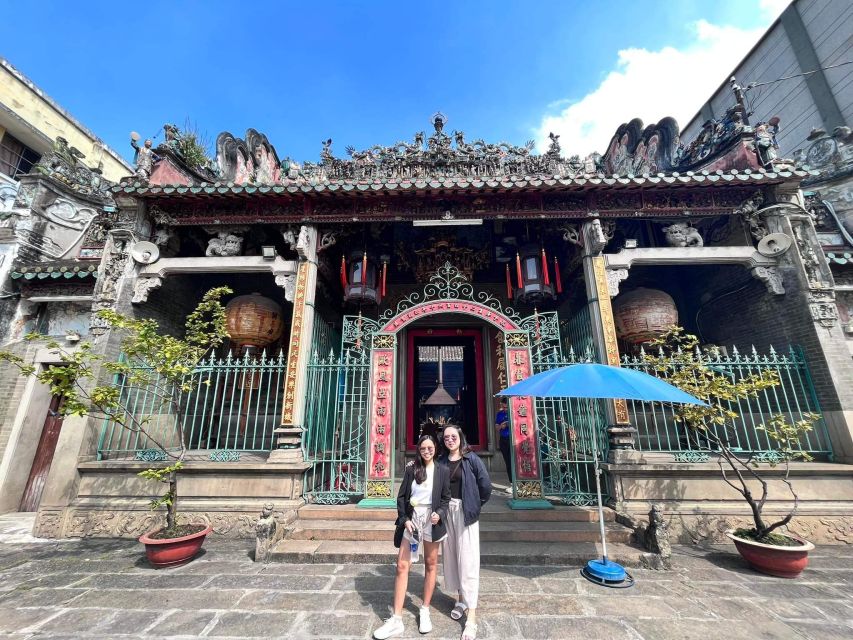
District 5 is where the itinerary becomes very human—religion, neighborhood identity, and community spaces. First up is Thien Hau Temple, described as the oldest temple in Chinatown and built in 1760. This is the kind of place where you don’t just look; you notice patterns: offerings, worship routines, and the way visitors move through.
Then you visit the oldest church in Ho Chi Minh City, built in 1865 by Father Phillippe, a priest associated with the Paris Missionaries Association of the Diocese of Canton. You’re seeing how different communities built their own spiritual hubs in the same broader city fabric.
Why this pairing matters for you: it shows that Saigon’s Chinatown isn’t one-story. It’s not just Chinese heritage in name; it’s the lived overlap of faiths, languages, and community roles across decades.
A respectful tip: temples and churches often have rules about movement and photography. Follow your guide’s cues, dress appropriately, and keep voice low inside quiet areas. You’ll get more understanding—and better photos—if you slow down.
The Food Moment: Vermicelli, Spring Rolls, and Beef Noodle Soup
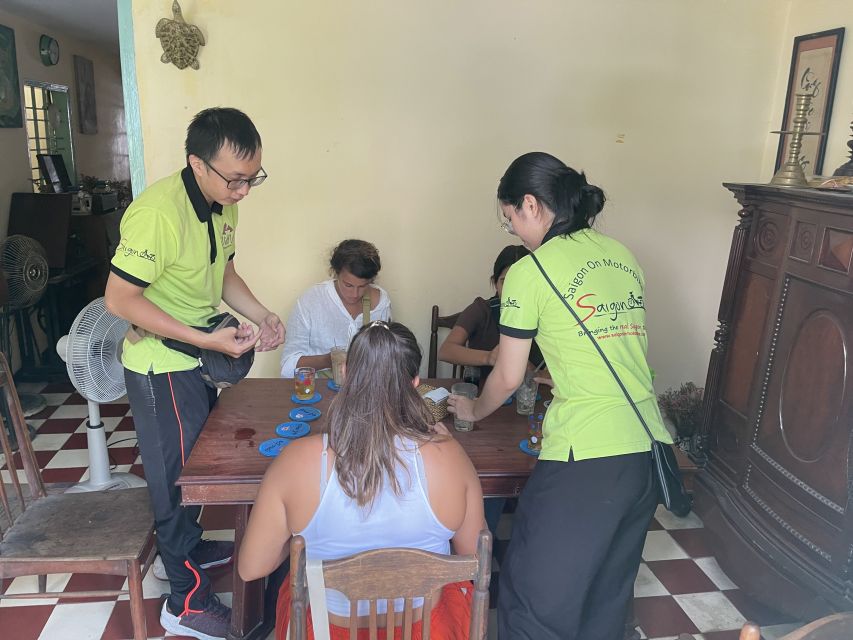
A scooter tour is only as good as its timing, and the tour’s food schedule makes sense. You’ll enjoy a meal that’s simple but satisfying: grilled pork vermicelli with spring rolls or beef noodle soup. Either way, you’re eating something that feels built for a real day out, not a tourist performance.
Why I like the “choose between two local standards” approach:
- It covers two common Saigon comfort zones: lighter noodles with fresh add-ons, or a warm soup meal when you want something soothing.
- If you’re traveling with someone who likes different flavors, it’s easier to agree on the meal.
- It keeps the day from turning into constant snacking. You get at least one proper reset.
Drinks are included too—two types plus the meal—so you don’t have to spend your ride budget on hydration.
If you’re picky about spice, tell your guide early. Guides often tailor food choices with you in mind, and it prevents the classic situation where the tour meal becomes the most expensive bowl of regret you’ve had all trip.
Safety, Helmets, and Real Talk About Scooter Riding

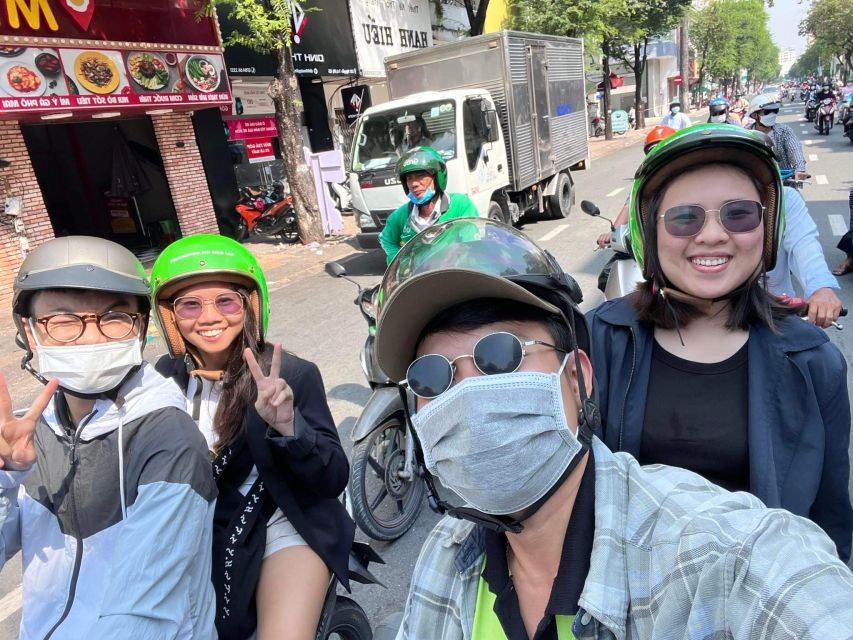
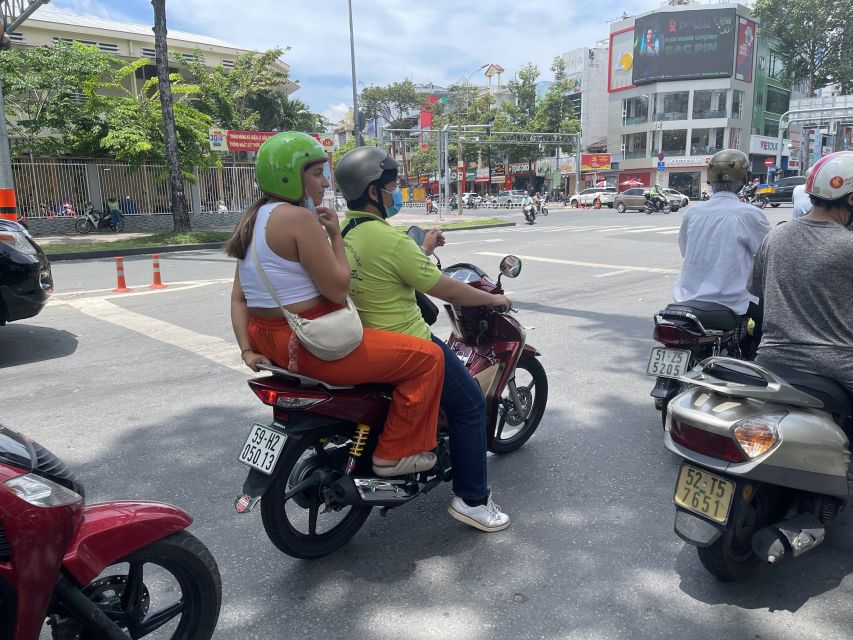
You’ll be on a scooter for the full 4 hours, and the tour includes high-quality open-faced helmets and a raincoat if needed. That’s not just nice-to-have. It’s the difference between enjoying the route and feeling tense the whole time.
The big advantage here is that your guide handles route flow and traffic decisions. People consistently highlight safe driving and calm control through heavy street conditions. When you ride with someone who’s used to Saigon traffic, you stop focusing on every scooter that passes you and start focusing on where you’re going.
Still, be honest with yourself about fit:
- If you’ve never ridden before, take it slow at the start. Your comfort improves once you’re moving with the group.
- Keep your posture relaxed. Tight shoulders make the ride feel longer.
- Bring sunglasses and a light layer. Even in warm weather, scooters can get dusty.
Also, note the luggage rule: oversize luggage isn’t allowed. Plan for a phone, wallet, and small items only. If you’re traveling with a big suitcase, this is one more reason to pack light for your city days.
Picking the Right Time and Who This Tour Best Suits
This tour is a strong match if you want:
- A 4-hour introduction to multiple districts without wasting time.
- A mix of culture, religion, and market life rather than only monuments.
- English-speaking guidance and a smoother ride than you’d manage on your own.
It also fits families better than you might expect, as long as everyone is comfortable riding for a few hours. Your guide will help pace stops, and the route is built around photo pauses and short breaks rather than long detours.
One detail that can help you decide: pickup and drop-off are included, but District 1, 3, 4 are the main coverage areas, with some exclusions. If you’re staying outside those districts, you might need to check the exact pickup option before committing.
Price and Value: What $24 Buys You Here
At $24 per person for a 4-hour guided scooter experience, the value comes from what’s packaged together. You’re not paying only for transport. You’re also getting:
- A private, friendly English-speaking guide
- Helmet + raincoat
- Two drinks plus one meal
- Accident insurance
- Pickup/drop-off in key central districts
For a lot of city tours, you end up paying separately for local transport, guide time, and food. Here, the meal and drinks are folded in, which makes the total cost easier to justify—especially in a city where a quick lunch can add up if you’re constantly buying as you go.
The best way to think about price: this isn’t a cheap “grab a seat and go” deal. It’s a controlled ride with structured stops at places you’d likely find only after some effort.
Who This Tour Might Not Be For
This isn’t the best choice if:
- You strongly dislike scooter riding or you get motion-sick.
- You need long, quiet museum-style breaks.
- Your day is all about staying purely in one neighborhood.
Also, if you’re hoping for a specific rider arrangement like a female Ao Dai rider, remember it’s request-based and can depend on timing and crowd levels. The tour can still be great even if the rider assignment differs from your wish—just don’t assume it’s guaranteed unless you request with enough lead time.
Should You Book This Scooter City Highlights Tour?
Yes, if your goal is to understand Saigon quickly and still eat well while doing it. The strongest reason to book is the mix: the story of Thich Quang Duc at the start, sensory market time at Ho Thi Ky and Chợ Campuchia, then Chinatown anchors at Thien Hau Temple and the 1865 church. That combination gives you a fuller picture than most “one district only” tours.
I’d especially book it if you like your sightseeing with momentum—short stops, then back on the road—plus you want the support of an English-speaking guide through real street conditions.
Skip it if you’re scooter-wary or you can’t handle traffic noise and a full 4 hours on the ride. If that’s you, there are other Saigon formats that keep you on foot or in a slower vehicle.
If you do book: pack light, wear comfortable clothes for riding, and treat the first stop as the key to the rest of the day. Once you get that, Saigon starts clicking into place.
FAQ
How long is the Saigon City Highlights & Unseen Tour?
It runs for 4 hours.
What’s included in the tour price?
You get a 4-hour motorbike tour, high-quality open-faced helmet and a raincoat if needed, 2 kinds of drink and 1 meal, accident insurance, an English-speaking guide, and pickup and drop-off in District 1, 3, 4 (with some exclusions).
What food will I eat?
You’ll enjoy grilled pork vermicelli with spring rolls, or beef noodle soup. Drinks are included too.
Do you provide pickup and drop-off?
Yes, pickup and drop-off are included for District 1, District 3, District 4, with some exclusions.
Can I request a female rider in Ao Dai?
Yes. Female Ao Dai riders must be requested at least 6 hours in advance. If the request is within 6 hours or on crowded days, riders may be randomly assigned.
Are oversize bags allowed?
Oversize luggage is not allowed.
Is there cancellation protection?
Free cancellation is available up to 24 hours in advance for a full refund.