REVIEW · HO CHI MINH CITY
Private VIP Cu Chi Tunnels Tour by Car, No Crowds
Book on Viator →Operated by Saigon Taste Tours · Bookable on Viator
Six hours can feel like a different world. This private VIP ride takes you out to the Cu Chi Tunnels and into the war-era spaces—documentary film, tunnel crawling, trap reconstructions, and a final snack of tapioca and hot tea. You also get an air-conditioned car and a guide focused on your group, not a herd.
Two things I really like: the countryside drive that helps you reset before you see anything underground, and the way the tour mixes explanation with hands-on experience—like crawling through tight passages and learning how the tunnels actually worked. You’ll also get a short documentary and clear diagram-style context before you go into the cramped sections.
One consideration: the tunnel part involves physically moving through very narrow passages, so if you’re claustrophobic or have mobility limits, plan for that reality ahead of time.
In This Review
- Key highlights you should care about
- Getting Out of Ho Chi Minh City Without the Chaos
- Cu Chi Tunnels: What You Actually See (and What It Means)
- The Documentary Film and Diagram Phase (Why You Should Pay Attention)
- Crawling Through the Narrow Passages: The Main Physical Moment
- Booby Traps, Trapdoors, and the Logic of Defense
- Handmade Weapons and Guerrilla Ingenuity
- Tea and Tapioca: Ending With Wartime Food Sense
- Optional Shooting Range: If You Want the Extra Adrenaline
- Price and Value: Is $97 Fair for 6 Hours?
- The Guide Factor: Why People Mention Names
- Who This Tour Suits Best
- Should You Book This Cu Chi Tunnels VIP Tour?
- FAQ
- How long is the Cu Chi Tunnels tour?
- How much does the tour cost?
- Is hotel pickup included?
- What’s included in the price?
- Is this tour private?
- What do you do at the Cu Chi Tunnels?
- Can you shoot an AK47 or MK16?
- What is the meeting point?
- Is cancellation allowed if plans change?
Key highlights you should care about
- Private car + only your group: more control over pace and questions
- Pre-tunnel context: documentary film and diagrams before you go underground
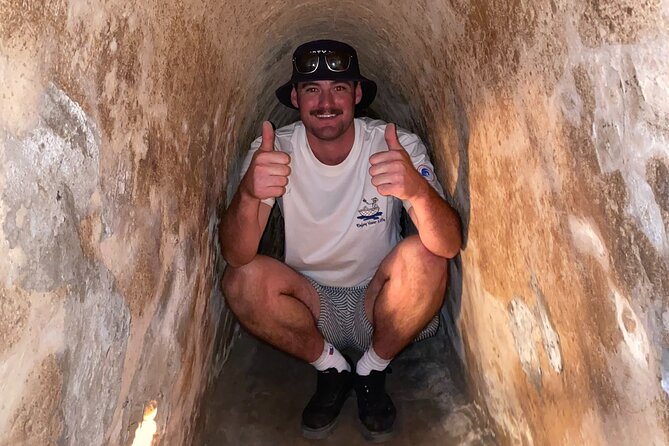
- The tunnel crawl is the main event: cramped passages, with reconstructed rooms to orient you
- Trap and weapons education: booby traps, trapdoors, and handmade gear
- Wartime food tasting: hot tea and tapioca at the final stop
- Optional shooting range: extra cost if you want it, with supervised setup
Getting Out of Ho Chi Minh City Without the Chaos
This tour starts with a simple win: you’re picked up and taken out by air-conditioned car or minivan, in a format built for privacy. Meeting at the Saigon Opera House area (07 Công trường Lam Sơn, Bến Nghé, Quận 1) is convenient if you’re already in District 1. If you’re staying elsewhere, pickup is still part of the deal—so you don’t waste time coordinating transit while everyone else is figuring it out.
The ride itself is more than a commute. You head beyond the usual tourist lanes into a calmer Cu Chi neighborhood, with green rice fields along the way. That matters because the tunnels hit hard—mentally and physically. A quiet drive helps you arrive ready, not rushed.
Once you’re there, the schedule is structured so you’re not wandering. The experience stays focused on Cu Chi itself and the war-era adaptations you came to understand.
You can also read our reviews of more private tours in Ho Chi Minh City



Cu Chi Tunnels: What You Actually See (and What It Means)
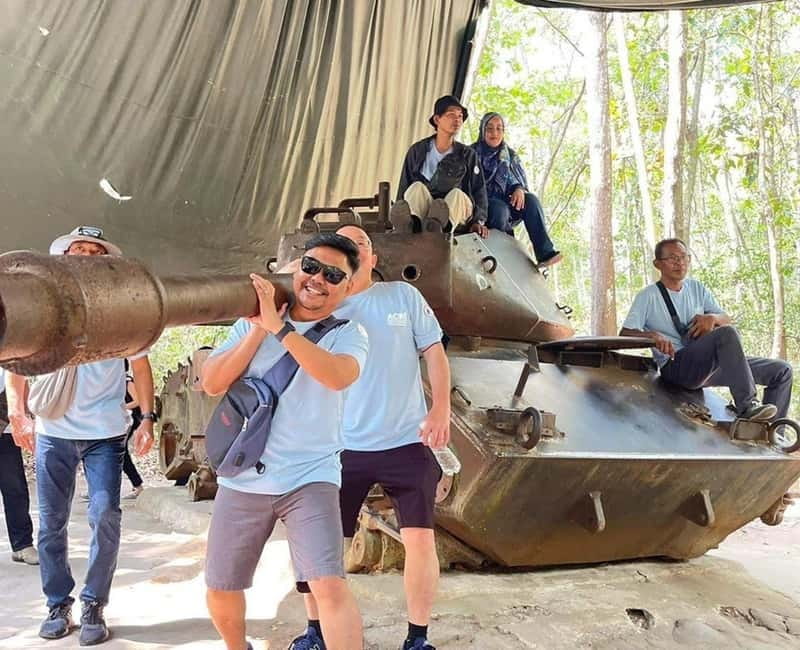
At Cu Chi, the tour doesn’t treat the tunnels like a theme park. It’s presented as a real survival system—built to protect people and keep operations going even under heavy bombing.
You’ll move through a sequence of short stops inside the tunnel complex, starting with orientation and background, then shifting into the physical reality of the tunnels. Expect multiple layers of explanation:
- how the tunnels were constructed for living and working spaces,
- what kinds of rooms and functions existed,
- and how guerrillas adapted tools and routines to war pressure.
If you like understanding a place, this works because it’s not just seeing holes in the ground. It’s seeing how people used those holes as infrastructure—rooms, hospitals, and weapons-related spaces are specifically part of the tour’s framing.
The Documentary Film and Diagram Phase (Why You Should Pay Attention)
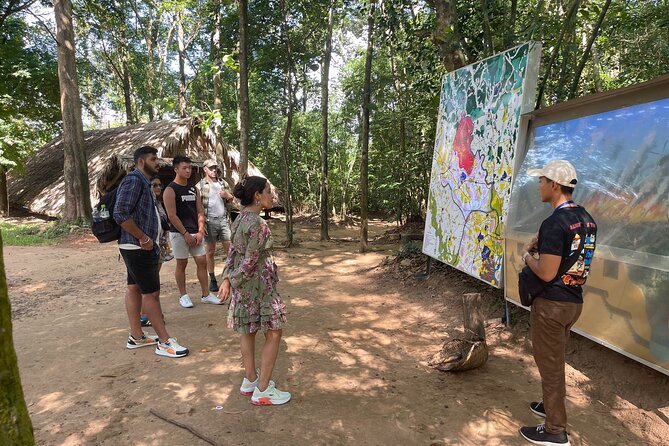
Before you crawl, you get a short documentary film about the Vietnam War. It sets the stage for what you’ll experience underground. Then the guide uses a diagram to explain how the system was constructed with practical spaces—so when you’re shown areas later, you’re not guessing what you’re looking at.
This part is worth it even if you think you already know the headlines. The tour’s value is in tying the visible reconstructions to the functions they served. When the guide walks you through these ideas, you’ll likely find it easier to follow the layout and understand why certain designs made sense under attack.
Tip: during the film and diagram explanation, keep your questions for after. You’ll get better answers when you can point to what you just learned and connect it to what you’re about to see.
Crawling Through the Narrow Passages: The Main Physical Moment
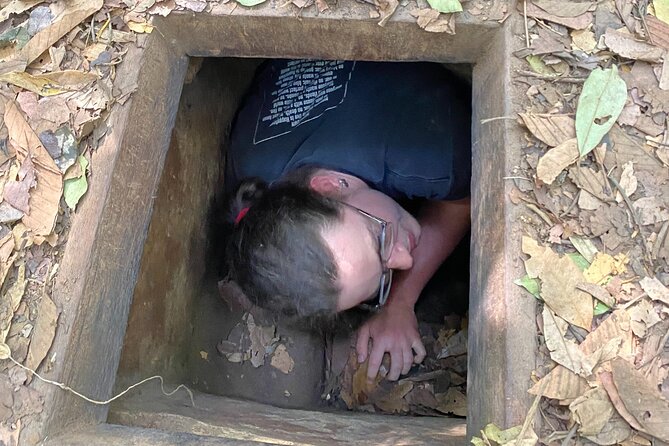
This is the moment most people remember: you’ll experience the narrow passages by crawling and walking through tight tunnels. The tour includes time specifically for that movement—so you don’t just stand and look.
There are a couple things to know going in:
- You’ll be moving in tight space. Even if the tunnel is not fully dark or extreme like a movie scene, it’s still narrow enough that body position matters.
- You’ll likely feel the difference between standing in open exhibits and being inside a system designed for survival under pressure.
The good news: there are reconstructed chambers you can see along the way. Those reconstructions help you orient your brain, so it’s not all claustrophobia with no context.
If you’re planning what to wear, pick comfortable clothing you can move in. If you’re worried about feeling stuck or constrained, this is the moment to be honest with yourself before you commit to the crawl.
Booby Traps, Trapdoors, and the Logic of Defense
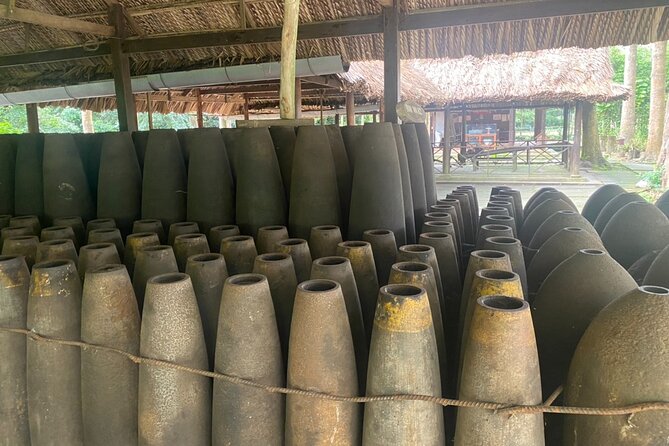
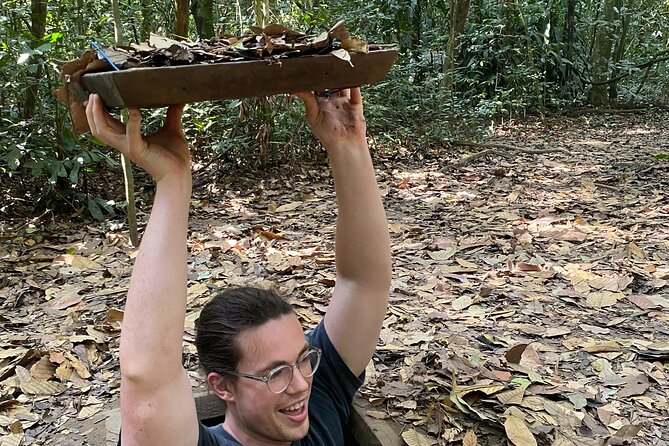
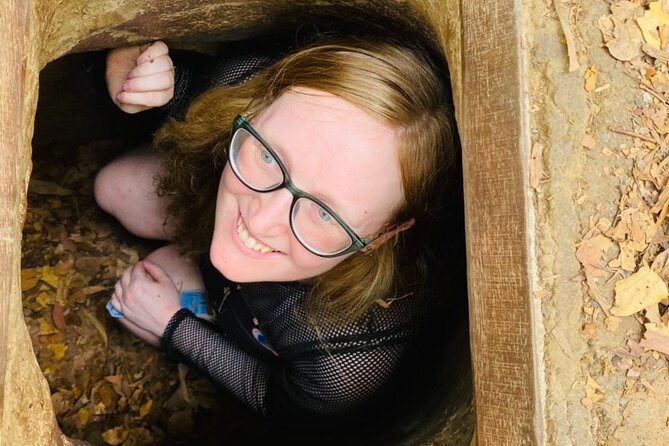
After the first tunnel experience, you’ll spend time looking at booby traps and trapdoors. The tone here is not about spectacle. It’s about function—how underground defenses were built into the landscape.
You’ll also see how traps and the environment worked together, which helps explain why simply approaching the tunnels wasn’t a simple matter. It’s the kind of information that changes how you interpret every narrow passage and every concealed opening.
The tricky part for some visitors is mental, not physical. It can feel unsettling to learn about traps, especially when you understand they were designed for real people in real conditions. That’s normal. If you feel that unease, take a breath and let the guide’s explanations bring it back to purpose and survival logic.
A few more Ho Chi Minh City tours and experiences worth a look




Handmade Weapons and Guerrilla Ingenuity
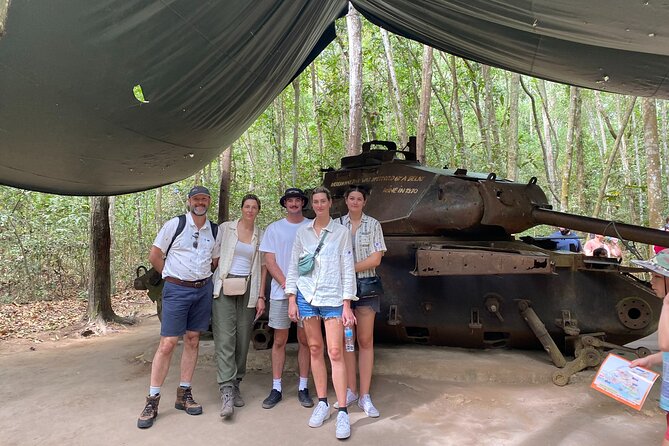
Another stop focuses on handmade weapons and traps, plus small details that show guerrillas were not only fighting—they were also improvising constantly.
One of the most specific points shared is how guerrillas made sandals from truck tires. That kind of detail gives you a clearer picture of day-to-day adaptation, not just battlefield gear. It’s practical engineering born from limited resources and pressure.
You’ll learn how items were adapted to the underground life, where regular supplies are hard to maintain. This is one of those sections where you’ll probably find yourself asking questions like:
- Why would a particular design be easier in the tunnel?
- How did they keep tools working under harsh conditions?
If you’re a curious learner, this is where the guide’s communication style matters most, and this tour has consistently highlighted guides who answer questions well and keep the pace comfortable.
Tea and Tapioca: Ending With Wartime Food Sense
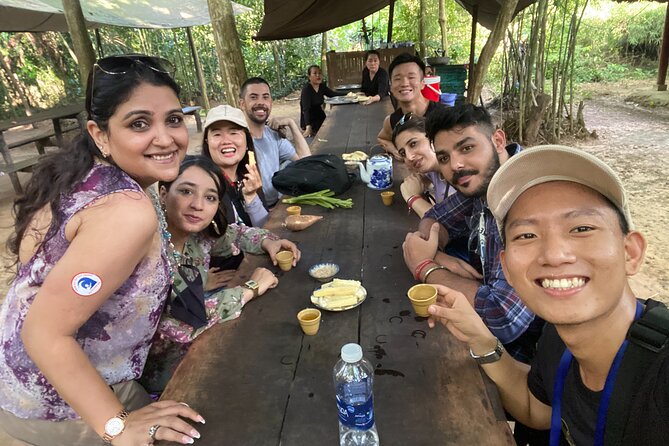
The final programmed stop inside the complex is a tasting: hot tea and tapioca, described as guerilla food during the war. It’s a simple end, but it connects the history to daily life.
This matters because many war experiences focus only on weapons and strategy. Here, you get a small taste of what people could eat while living under pressure. The snack is light, and it also helps you reset before you head back toward the city.
It’s included, along with bottled water. That’s a useful detail in the real world: after crawling and standing around, you’ll appreciate having hydration handled.
Optional Shooting Range: If You Want the Extra Adrenaline
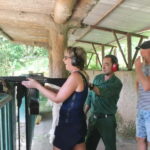
If you’re interested, there’s an optional shooting range visit with an extra surcharge. The tour description mentions trying to shoot AK47 or MK16 rifles in a well-supervised area.
I’d treat this as a personal add-on, not a core requirement. The main value of this tour is the tunnel system education and the physical experience of moving through the passageways. The shooting option can be fun and memorable, but it won’t replace the history-based content.
If you do add it, go in mentally ready to follow instructions closely. The tour sets it up as supervised, which is the key point—stay relaxed, listen carefully, and don’t rush.
Price and Value: Is $97 Fair for 6 Hours?
At $97 per person for about 6 hours, you’re paying for a few specific things that most shared tours don’t deliver:
- Private car/minivan transportation with pickup and drop-off at the Saigon Opera House area (and pickup is offered)
- Entrance fees included
- Bottled water and a light snack at the tunnels
- A guide who focuses on your group only
For a day trip, that’s not a bargain price. But it can be good value if you care about comfort, time, and attention. The private format matters most during the tunnel sections, where questions and pace can make the difference between feeling rushed and feeling like you truly understood what you saw.
If you’re traveling as a pair or family, private tours often stop feeling expensive and start feeling practical. For solo travelers, the value depends on whether you specifically want private pacing and avoid the group shuffle.
The Guide Factor: Why People Mention Names
One of the strongest signals in the supplied guide experiences is communication quality—friendly, knowledgeable, and willing to adapt. Named guides include Lily and Quyen, plus Harry, Sang, Hien, James, and Binh.
You’ll feel this most in two places:
- early explanation (film and diagram time),
- and the tunnel crawl/trap learning, where you’ll want answers that connect what you’re seeing to why it was built that way.
Guides also appear to be good at flexibility—handling schedule changes, responding to late requests, and keeping the tone engaging (including humor). That helps the tour feel human instead of like a scripted checklist.
Who This Tour Suits Best
This tour fits you if you want:
- a private structure (only your group participating),
- strong history framing paired with a physical experience,
- and a day trip that includes both the tunnels and the countryside drive.
It may not be the best match if:
- you’re very uncomfortable with cramped spaces,
- you want a mostly outdoor, easy walking itinerary,
- or you prefer a quick viewing experience with no hands-on tunnel crawling.
The tour description says most travelers can participate, but that line can still hide real differences in comfort. Be honest about your mobility and comfort level before you book.
Should You Book This Cu Chi Tunnels VIP Tour?
Yes, I’d book it if you want a day trip that’s structured, guided, and not swallowed by the usual group chaos. The biggest reasons are the private car approach, the pre-tunnel context (film + diagrams), and the fact that you don’t just read about traps and tunnels—you experience the narrow passageways and see reconstructed chambers.
If you’re on the fence, decide based on one question: are you comfortable with crawling through tight spaces? If yes, you’ll likely get a much more meaningful visit. If no, you might end up feeling stressed instead of informed.
If you do want the optional shooting range, confirm in your planning that it’s an extra cost and treat it as a bonus—not the main event.
FAQ
How long is the Cu Chi Tunnels tour?
It runs for about 6 hours.
How much does the tour cost?
The price is $97.00 per person.
Is hotel pickup included?
Pickup is offered, and the tour includes pick up and drop off at the center of Saigon. The meeting point listed is Saigon Opera House.
What’s included in the price?
Included are the entrance fee, bottled water, a light snack (tapioca and tea at Cu Chi), transportation by air-conditioned car or minivan, and a friendly professional guide.
Is this tour private?
Yes. It’s a private tour/activity with only your group participating.
What do you do at the Cu Chi Tunnels?
You watch a short documentary and get a diagram explanation, see booby traps and trapdoors, and spend time crawling/walking through cramped narrow passages. You also learn about handmade weapons and traps, including how sandals were made from truck tires, and you end with tea and tapioca.
Can you shoot an AK47 or MK16?
There is an optional shooting range experience for an extra cost, with supervised shooting mentioned for AK47 or MK16 rifles.
What is the meeting point?
The start meeting point is Saigon Opera House, 07 Công trường Lam Sơn, Bến Nghé, Quận 1, Hồ Chí Minh 710212, Vietnam, and the activity ends back at that meeting point.
Is cancellation allowed if plans change?
Free cancellation is offered. You can cancel up to 24 hours in advance for a full refund, and the experience requires good weather.