REVIEW · HO CHI MINH CITY
Private Cu Chi Tunnels and Ho Chi Minh City Tour 1 Day
Book on Viator →Operated by VN Bike Tour · Bookable on Viator
Cu Chi Tunnels plus central Saigon is a mix that really sticks. This private day tour is built for real conversation, with the kind of stop-by-stop pacing that lets you ask hard questions and actually hear the answers, especially when guides like Kate set the tone early. I like that you’ll move through Cu Chi’s underground world—secret refuge covers, hand-dug passages, and war-time living spaces—then shift gears to Saigon’s landmarks the same day.
Two things I especially appreciate: the private guide attention and the food included that isn’t just an afterthought (tunnel snack and lunch). One drawback to consider: you’ll be asked to crawl through narrow tunnels, so if tight spaces make you uneasy, ask ahead and decide with care.
In This Review
- Key things you’ll notice on this Cu Chi and Saigon private tour
- Price and the value you’re really buying (private car + meals included)
- Cu Chi Tunnels: the underground city that explains war, not just facts
- What you’ll eat at Cu Chi: boiled tapioca, pineapple leaves tea, plus where the taste comes from
- Saigon after Cu Chi: War Remnants Museum or Reunification Palace
- French architecture in Saigon: Notre Dame Cathedral and the Central Post Office
- Jade Emperor Pagoda: a spiritual stop during a packed day
- Private guide impact: why the names you hear matter
- A rare caution, plus practical advice for your comfort
- Should you book this private Cu Chi and Saigon day tour?
- FAQ
- What time does the tour start?
- How much does the private tour cost?
- Does this tour include pickup and drop-off in Saigon?
- What food is included during the day?
- Do we visit both War Remnants Museum and Reunification Palace?
- Is this a private group tour?
- Can I bring requests or tell them about allergies?
Key things you’ll notice on this Cu Chi and Saigon private tour
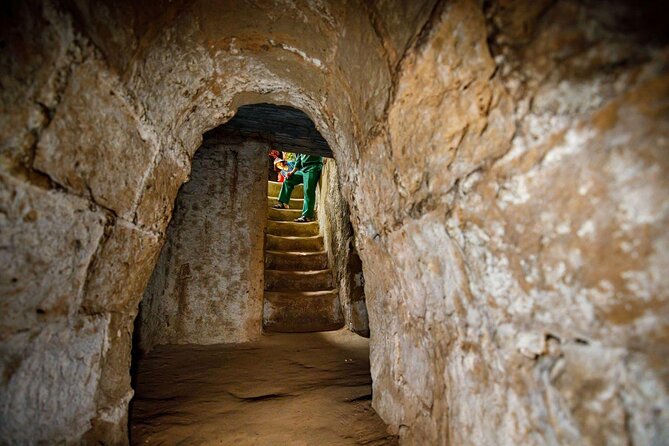
- Private guide time so you can ask follow-ups as you move from shelters to trap areas
- Hand-built tunnel experience focused on daily life, storage, and protected medical areas
- Tunnel-side snack: boiled tapioca plus pineapple leaves tea
- Flexible war stops in Saigon: War Remnants Museum or Reunification Palace
- French-era architecture in one loop: Notre Dame Cathedral and Saigon Central Post Office
- A spiritual pause at Jade Emperor (King of Heaven) Pagoda
Price and the value you’re really buying (private car + meals included)
The price is $130 per person, and for a private 1-day outing it only feels “fair” if the day is structured the way you’d hope: transport, guide, and meals handled. Here, you get a good quality air-conditioner private car plus free pickup and drop-off in Saigon, which matters in a city where traffic can eat your day.
You also get real food coverage, not just a water bottle and hope. The tour includes lunch and bottled water, plus a light snack at Cu Chi featuring boiled tapioca and pineapple leaves tea. There’s also tropical fruit from a local market stop, which is a nice add-on when you’re spending long hours sightseeing.
One small caution: the duration is listed as “7 to 8 minutes,” which doesn’t match how a Cu Chi + Saigon day operates. The start time is 8:00 am, so plan your energy like it’s a full-day schedule, and treat the duration as a likely typo on the listing side.
You can also read our reviews of more city tours in Ho Chi Minh City



Cu Chi Tunnels: the underground city that explains war, not just facts
Cu Chi Tunnels can be a lot to take in. What makes this tour work is the way it’s guided as a living system: you’re not just looking at holes in the ground—you’re getting an explanation of how people tried to survive, work, and treat injuries under constant threat.
On the Cu Chi portion, you’ll see countryside scenery that includes farming and jungle views, which helps put the tunnels in context: this wasn’t a museum setting; it was land people depended on. Then the focus tightens underground. Expect to learn about secret refuge coverage, the larger tunnel network, and the practical design choices that helped protect residents from attacks, including the story behind the French air raids mentioned in the tour format.
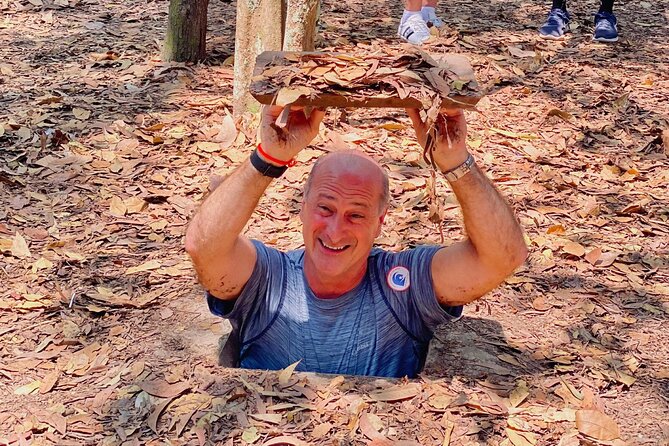
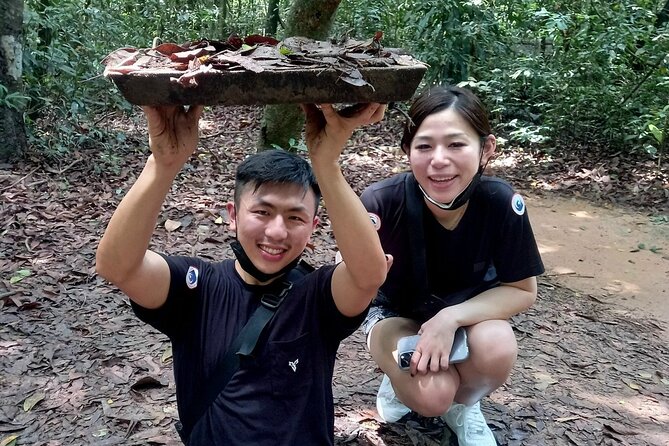
A key experience here is being led to crawl through narrow tunnels. This part isn’t just “for photos.” It gives you a physical sense of scale—how the space forces you to move carefully, and how that design served the people using it.
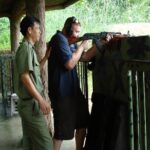
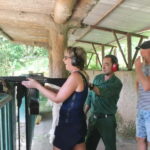
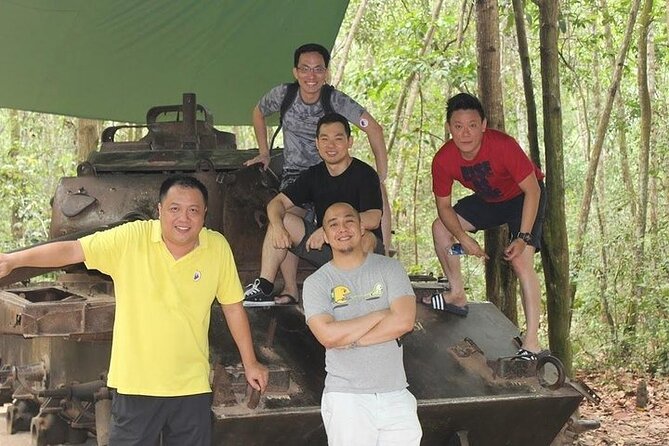
You’ll also hear about tools and tactics, including weapons and damaged self-construct traps. That phrasing matters: you’re getting an account that connects the tunnels to both defense and everyday survival, not just dramatic battlefield myths.
What you’ll eat at Cu Chi: boiled tapioca, pineapple leaves tea, plus where the taste comes from
Food on a war-history tour can either feel random or meaningful. Here it’s built into the underground experience. You’ll taste the main dish locals ate during the war: boiled tapioca served with pineapple leaves tea.
Even if you’re not a big “food memoir” person, this helps you remember the lesson of Cu Chi. It’s one thing to learn about traps and shelters; it’s another to pause and eat something that’s described as practical wartime nutrition. The tour also includes bottled water, so you’re not left guessing what you’ll be drinking during the day.
Later, you’ll also stop at a local market for tropical fruits. That’s a simple way to balance the heaviness of the tunnels with something fresh and everyday.
If you have any food allergies or special requests, the booking notes ask you to let the operator know. That’s worth doing early so the snack and meal plan can match your needs.
Saigon after Cu Chi: War Remnants Museum or Reunification Palace
By the time you return to Ho Chi Minh City, you’ll have the tunnels’ “how people lived” context in your head. Then Saigon adds the “how people remembered and rebuilt” layer—through either the War Remnants Museum or Reunification Palace.
If you choose the museum side, the emphasis is on the American war in Vietnam. Expect a heavier, document-and-artifact kind of experience that’s designed to show the costs of war and the long shadow it left behind.
If you choose Reunification Palace, you’re looking at a Saigon landmark tied to the end of conflict and major political change. It’s also a stop that’s valued for its historical and architectural identity, so you’re getting both story and setting.
Either way, this isn’t just a checklist of sites. It’s the same day guiding you from underground survival to above-ground history—so the narrative lands more clearly.
French architecture in Saigon: Notre Dame Cathedral and the Central Post Office
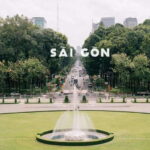
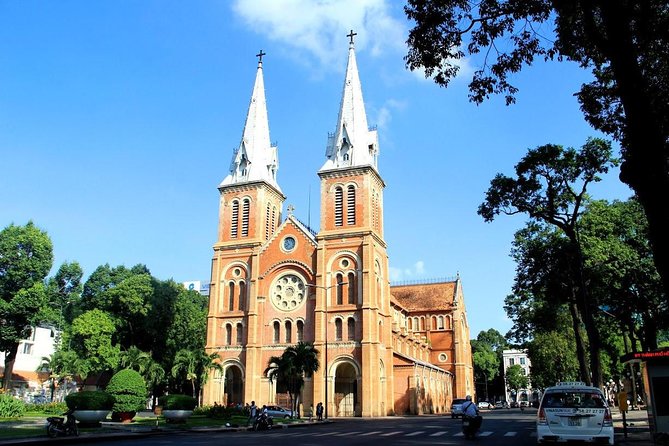
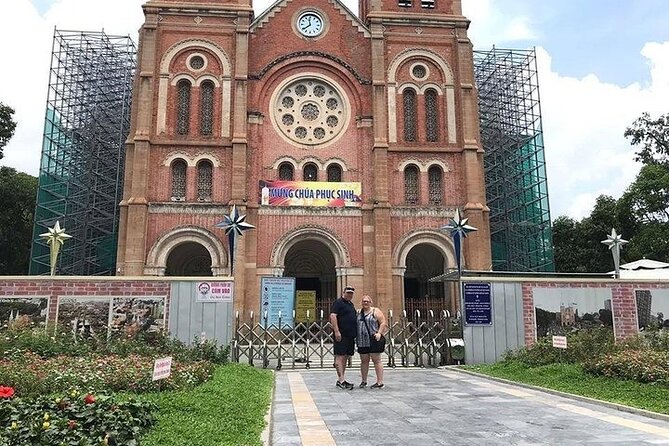
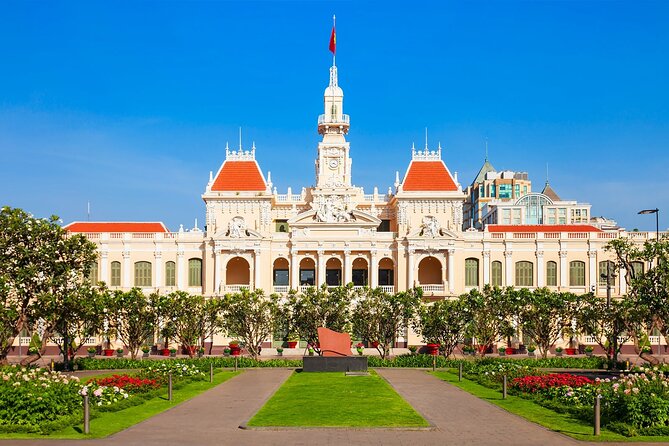
After the war context, the French-era buildings feel like a different kind of time travel. You’ll visit Notre Dame Cathedral and Saigon Central Post Office, both known for their French architectural delicacy.
This pair is useful because it slows you down. You get a chance to look at details—facades, symmetry, and the way colonial planning shaped the city center—without needing to interpret everything through an audio guide.
It also creates a gentle rhythm after Cu Chi and the war stops. Think of this as your visual palate cleanser: history continues, but in stone, not in tunnels.
You can also read our reviews of more private tours in Ho Chi Minh City





Jade Emperor Pagoda: a spiritual stop during a packed day
Your Saigon loop includes Jade Emperor (King of Heaven) Pagoda, described as the most spiritual place for local Vietnamese people within the tour’s wording.
This is the kind of stop that changes the energy of the day. Even if you’re not religious, you’ll likely appreciate the contrast: after war, you see a place where faith, tradition, and daily devotion have kept momentum for generations.
If you want to get the most out of it, I’d treat it like a quiet pause. Look, observe, then ask your guide what the different elements mean, especially if they can connect it to how locals use the space.
Private guide impact: why the names you hear matter
On a private tour, your guide is basically the product. In this case, the day is described as guided by an English speaking tour guide, and the private format means you get undivided attention instead of being rushed with a large group.
The guide names shared in customer notes make it clear this company puts effort into matching personality and explanation style. People praised guides like Law, Jackie Hieu, Khoa, Thao, James, Tri, Narm, Xuyen, Kien, Jacky Hieu again (in a separate note), and of course Kate.
What I like in this setup is that guides aren’t only reciting dates. They’re answering questions and shaping the day so Cu Chi doesn’t feel like a scare tactic—it feels like an education you can digest. That’s especially important for a topic this heavy.
And yes, the driver matters too. The day is structured with multiple stops, so smooth, safe transport in an air-conditioned car helps you stay present instead of stressed.
A rare caution, plus practical advice for your comfort
Let me be balanced. Most feedback emphasizes safety, organization, and guide quality. But there is one negative note that raises an issue about the company supporting an organization that, in the review’s words, abuses disabled people. I can’t verify details beyond that single claim, but it’s enough to flag: if this topic matters deeply to you, do a quick check on your own before booking.
For your own comfort, keep this in mind: crawling through narrow tunnels is part of the experience. If you’re claustrophobic, have mobility limitations, or expect tight-space discomfort, ask how the crawling section is handled and decide based on your limits.
Also, you’ll want to pack for a long day starting at 8:00 am. Wear clothes you can move in for walking and crawling, and plan for heat and humidity—especially around outdoor countryside sections near Cu Chi.
If you prefer easy logistics, you’re covered with hotel pickup and drop-off in Saigon and a mobile ticket format listed for the booking.
Should you book this private Cu Chi and Saigon day tour?
Book it if you want a single day that connects the underground war story to the landmarks of Ho Chi Minh City, with enough time for questions because it’s private. The mix of Cu Chi tunnels, War Remnants Museum or Reunification Palace, French architecture stops, and Jade Emperor Pagoda is a smart way to see more with less confusion.
I’d skip it or at least think twice if you know you can’t handle narrow tunnels, or if ethical concerns about the provider’s affiliations are a must-check item for you. The topic is intense; even with a friendly guide, you’ll be dealing with war history.
If your priority is value—private transport, an English guide, lunch, bottled water, and a Cu Chi snack included—this tour is built that way. For many people, that’s the difference between a day that feels rushed and one that actually lands.
FAQ
What time does the tour start?
The start time is 8:00 am.
How much does the private tour cost?
The price is $130.00 per person.
Does this tour include pickup and drop-off in Saigon?
Yes. The tour includes free pickup and drop-off service in Saigon.
What food is included during the day?
You’ll get lunch plus bottled water, and at Cu Chi there’s a light snack of boiled tapioca with pineapple leaves tea. You’ll also have tropical fruits at a local market stop.
Do we visit both War Remnants Museum and Reunification Palace?
The itinerary includes visits to either the War Remnants Museum or Reunification Palace.
Is this a private group tour?
Yes. It’s a private tour/activity, meaning only your group participates.
Can I bring requests or tell them about allergies?
Yes. Confirmation is received at booking, and the additional info asks you to let them know about food allergies or special requests.