REVIEW · HANOI
Morning Eco Sapa Bus limousine D-car 8-seat depart from Hanoi Old Quarter
Book on Viator →Operated by Amazing Nature Travel · Bookable on Viator
Sapa is a long road from Hanoi. What makes this transfer interesting is the 8-seat limousine setup and the door-to-door hotel drop right in Sapa Town. I like the small-group feel, plus the practical extras like Wi‑Fi and USB ports. The main drawback to keep in mind: service quality can swing, with occasional complaints about driver style and AC noise.
You’re looking at a straight shot over about 320 km, usually around 6 hours total door-to-door. The operator promises a fixed daily schedule and a proper comfort level for a mountain-going bus ride. One more consideration: Sapa itself can feel crowded, so if you’re not into tourist hotspots, you may want to weigh skipping Sapa in favor of places like Ha Giang.
In This Review
- Key points to know before you go
- 8-Seat Hanoi to Sapa Comfort: What the Limousine Setup Changes
- The Schedule That Gets You There by Midday (Usually)
- Seats, Wi‑Fi, USB Charging, and Air-Con: The Practical Comfort List
- Door-to-Door in Hanoi Old Quarter and Drop-Off in Sapa Town
- Break Time: What the Ride Gives You to Reset
- Sapa Reality Check: Crowds, Fansipan, and When to Consider Ha Giang Instead
- Who This Hanoi–Sapa Bus Works Best For
- Value for $34: Is This a Smart Buy?
- Safety and Service: What to Watch For on the Day
- Should You Book the Hanoi–Sapa Eco Bus Limousine?
- FAQ
- What time does the bus pick up in Hanoi?
- How long is the Hanoi to Sapa ride?
- Do I get door-to-door pickup and drop-off?
- Is Wi‑Fi available on the bus?
- Are USB ports included?
- What’s included in the price?
- What’s the price and currency?
- Is there a cancellation or change option?
Key points to know before you go
- 8 flight-style seats (not a packed 16-seat bus) for easier comfort over a long ride
- Door-to-door pickup from Hanoi Old Quarter and hotel drop in Sapa Town center
- Wi‑Fi + rechargeable USB ports so you can work, scroll, or plan the next day
- A scheduled break (about 20 minutes) to reset on the road
- Small group size with a maximum of 15 travelers for a calmer ride
8-Seat Hanoi to Sapa Comfort: What the Limousine Setup Changes
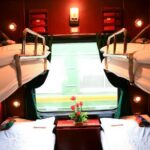
This ride is built around one idea: fewer people, more space. Most buses try to cram in as many seats as possible. Here, you’re on an 8-seat limousine with “flight seats” instead of the typical 16-seat layout. In real terms, that means you’re not elbow-battling with strangers every time someone shifts position. It also tends to make the cabin feel quieter and less chaotic during the drive.
I also like that the comfort isn’t just marketing. The vehicle is air-conditioned, and the operator includes a bottle of water. Small touches matter on a 320 km route where your body gets stiff if you’re constantly adjusting posture. If you’re prone to motion discomfort or you simply want your seat time to feel less punishing, this “fewer seats” design is the big selling point.
Still, don’t ignore the human variable. Transport rides live or die on the driver’s habits. One of the clearest cautions tied to this service is that there can be an uneven experience depending on the specific trip—things like AC settings and even road-style concerns have shown up in past accounts. That doesn’t mean every day is a problem, but it’s the kind of risk you should factor in.
A few more Hanoi tours and experiences worth a look



The Schedule That Gets You There by Midday (Usually)
The Hanoi–Sapa trip follows a fixed daily flow. Pickup runs between 06:30 and 07:00, with pickup at Hanoi Old Quarter hotels. The instruction is simple: be ready in the lobby about 10 minutes before departure, so you don’t hold up the group.
On the road, plan for about 5 hours of direct driving plus a 20-minute break, with total travel time around 6 hours. The timing aims for arrival in Sapa around 12:15 to 12:30, right near your hotel in the town center.
Why this matters: getting to Sapa before late afternoon is a real advantage. Midday arrival gives you options—walk out for food, check your room, and still have daylight if you want an early view or a short first hike. If you land in the evening, you often spend the next hours just orienting. This schedule tries to avoid that.
Seats, Wi‑Fi, USB Charging, and Air-Con: The Practical Comfort List

Let’s talk about what’s inside the cabin that actually helps on a mountain route.
You get:
- Air-conditioned vehicle
- Wi‑Fi available
- Rechargeable USB ports
- A bottle of water
- Experienced and professional mountain drivers (that’s the promise)
Wi‑Fi and USB ports matter more than you’d think on a ride like this. If you’re traveling with maps, translation, or just trying to line up your next stop in Sapa, a working connection can save you from dead time. The USB ports also make it easier to keep your phone charged for photos and for that all-important “what’s my next step” moment when you arrive.
One caution: AC controls can be a point of discomfort. There’s a reported issue where AC was switched on and off at intervals. Even if the vehicle is air-conditioned, you might still want a light layer for comfort because road trips in northern Vietnam can feel warm in the cabin one minute and chilly the next depending on settings and weather.
Door-to-Door in Hanoi Old Quarter and Drop-Off in Sapa Town

This service is designed around reduced stress: you’re not wrestling with public transport with luggage at dawn.
In Hanoi, your pickup is in the Old Quarter, and the plan is door-to-door from your hotel. The “door-to-door” part is key. With Vietnam transfers, meeting point logistics can turn into time-wasters. Here, you should be able to keep your morning simple: get ready, be in the lobby, and the limousine comes to you.
In Sapa, you’re also dropped to your hotel in the town center, which makes arrival way easier. Sapa is laid out around town, so landing close to where you’ll stay helps you get fed and settled quickly.
Small tip: in both Hanoi and Sapa, confirm the name and address you used for booking. Door-to-door works best when the driver has a clear destination and you have a clear hotel reception contact point.
Break Time: What the Ride Gives You to Reset

The route includes a 20-minute break during the approximately 5-hour drive segment. That short pause is important because it breaks up a long seated stretch. It’s often when you can grab something small to drink, stretch your legs, or use the restroom.
There’s also a sign that the operator usually tries to keep this ride practical rather than purely “sit and suffer.” Past accounts mention stops that fit the same purpose: restroom and quick snack/drink time. The more you rely on your phone for navigation and planning, the more valuable that break becomes—after a couple hours, your eyes and body need a reset.





Sapa Reality Check: Crowds, Fansipan, and When to Consider Ha Giang Instead

You’re going to one of northern Vietnam’s most famous destinations—Hanoi, Sapa, and Ha Long get the most attention for a reason. Sapa is high on the “must see” list, and it’s known for trekking and views. It also puts Fansipan (3,143 m) within easy reach by a cable car from town.
But here’s the nuance that helps you plan well: Sapa can be overcrowded. If you’re sensitive to crowds or you want a calmer base for photos and walking, you should go in with eyes open.
If you don’t like destinations that feel packed, the practical takeaway is that you could pair the region differently—like heading toward Ha Giang instead of spending your only mountain time in Sapa. This isn’t a judgment on Sapa. It’s about matching the place to your style of travel.
Even if you do come to Sapa, your time right after arrival is usually the moment when the town feels most manageable. With a midday arrival, you can often start with a short walk or viewpoint before the crowds intensify later in the day.
Who This Hanoi–Sapa Bus Works Best For

This transfer is a good match if you want comfort and simplicity, without paying for private car pricing.
It fits especially well for:
- Couples or friends who want space and fewer seatmates
- Solo travelers who prefer a calm ride with a small group size
- Anyone who hates arriving stressed, since you get pickup and hotel drop in both places
- People who rely on Wi‑Fi and USB charging to keep travel plans and phones running
It’s less ideal if you’re ultra-sensitive to cabin temperature changes, since AC behavior can vary trip to trip. It’s also not the best pick if you need a completely predictable, no-surprises transport experience. The service is generally positioned as premium, but the driver-related complaints in prior accounts are the kind of detail you shouldn’t ignore before you book.
Value for $34: Is This a Smart Buy?

At $34 per person, the value comes from a mix of comfort and logistics.
If you compare it to cheaper buses, you’re paying for:
- Fewer seats (8-seat limousine)
- Wi‑Fi and USB ports
- Door-to-door pickup and hotel drop
Those factors reduce your stress cost. They also reduce “hidden time”—time spent finding shuttles, waiting at a far-off pickup point, or hauling luggage through a confusing end-of-route area. For many travelers, that’s worth a surprising amount.
Could you find something cheaper? Probably. But if you’re going to Sapa early in the day and you want to arrive ready to walk, eat, and enjoy the first hours, the extra comfort and easier logistics can be a smart spend.
Just remember the non-negotiable part of price: you’re paying for a set schedule and a specific vehicle style. If your trip date is when you’re unlucky with AC settings or driver mood, you’ll feel that difference more sharply.
Safety and Service: What to Watch For on the Day

I’ll be straight here. The biggest negatives tied to this kind of route don’t usually come from the seat size. They come from driver behavior and cabin comfort.
Two things you can do to protect yourself:
- Dress in layers. AC can be unpredictable, and you’ll be happier with a light jacket or scarf.
- Keep your expectations realistic. This is a long mountain drive. Even with “professional drivers,” driving style and passenger-management can vary.
If you’re the type who gets anxious about road risk, consider whether a more expensive private transfer is worth it for peace of mind. Comfort helps, but it doesn’t eliminate risk entirely.
Should You Book the Hanoi–Sapa Eco Bus Limousine?
If you want a smoother Hanoi morning and a calmer arrival in Sapa Town center, I think this is worth considering. The 8-seat limousine, plus Wi‑Fi, USB charging, bottled water, and door-to-door pickup/drop, are the kind of upgrades that feel good on a 320 km journey.
Book it if:
- You care about comfort over long seated time
- You want the simplest logistics possible
- You’re okay with Sapa potentially feeling busy, or you plan your first hours wisely
Maybe skip it if:
- You need maximum predictability around driver style and cabin comfort
- You’re already thinking Sapa may not be your scene, and you’d rather spend your limited time elsewhere like Ha Giang
One more practical note: this experience is non-refundable and cannot be changed, so double-check your dates before paying.
FAQ
What time does the bus pick up in Hanoi?
Pickup is scheduled between 06:30 and 07:00, and you should be ready in your hotel lobby about 10 minutes before departure.
How long is the Hanoi to Sapa ride?
The journey takes about 6 hours total, with roughly 5 hours of driving plus a 20-minute break.
Do I get door-to-door pickup and drop-off?
Yes. Pickup is door-to-door at Hanoi Old Quarter hotels, and you’re dropped off at your hotel in the Sapa Town center.
Is Wi‑Fi available on the bus?
Yes, Wi‑Fi is available on board.
Are USB ports included?
Yes, the vehicle includes rechargeable USB ports.
What’s included in the price?
Included: door-to-door pickup, a bottle of water, experienced drivers, USB ports, and an air-conditioned vehicle.
What’s the price and currency?
The price is $34.00 per person, quoted in USD.
Is there a cancellation or change option?
No. This experience is non-refundable and cannot be changed for any reason.
If you want, tell me your travel month and whether you’re going to Sapa for trekking or mainly views. I can suggest the best way to structure your first afternoon after the 12:15–12:30 arrival.