REVIEW · HO CHI MINH CITY
Mekong Delta 2 Days: Floating Markets & Cultural Exploration
Book on GetYourGuide →Operated by MILLENIUM TRAVEL CO.,LTD · Bookable on GetYourGuide
Mekong Delta time feels different fast. This 2-day trip gives you Cai Be canals by boat and kayak-style paddling, plus a hands-on lunch in a garden orchard setting. I also like that you don’t just race between photo stops; you slow down enough to see how families live and trade. The main drawback is the early start from Ho Chi Minh City, so plan for a long travel day on Day 1.
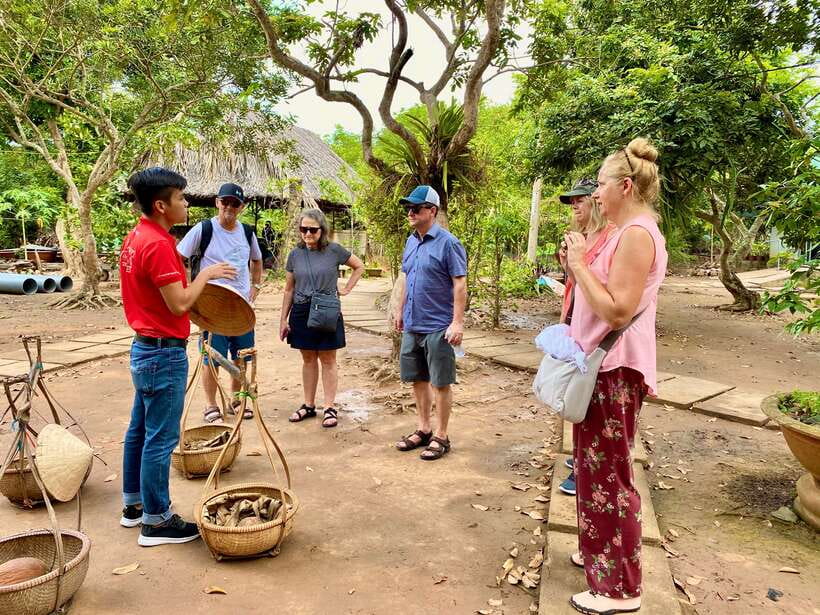
One of the biggest reasons this tour works is the guide time with you. Guides can make or break river travel, and here you’ll get an English-speaking guide—people have praised guides like Lilly, Peter, and Yudi for being friendly and helpful. In my view, that’s especially important when you’re switching between boats, bikes, village paths, and temple visits.
On Day 2, you’ll roll out on the Bassac River, then hit Cai Rang Floating Market and a Khmer temple in Can Tho’s orbit. One thing to keep in mind: the floating market experience can vary by day and conditions, and some people felt the number of boats they saw wasn’t as many as expected. Still, you’ll get the core idea of how the river market functions, then finish with calmer fruit-plantation time.
In This Review
- Key points you’ll care about
- Why this Mekong Delta trip feels like more than two days
- Price and what’s actually included (so you can plan right)
- Day 1: Ho Chi Minh City → Cai Be canals, villages, and orchards
- The Cai Be trading story on the Tien River
- Small villages, coconut sweets, and slow Southern rhythm
- Paddling through smaller canals (not just big-boat viewing)
- Lunch in a garden orchard: how the day turns hands-on
- Cycling orchard paths and meeting the people
- Back to Can Tho: why the overnight matters
- Day 2: Bassac River tributaries, Cai Rang floating market, and the Khmer pagoda
- Cai Rang Floating Market: what to watch for
- Noodle factory walk: connecting the market to food
- Munir Ansay Pagoda: Khmer temple details and respect
- Fruit plantation time and the ride back to Ho Chi Minh City
- Who this tour suits best (and who should look elsewhere)
- Should you book this Mekong Delta 2-day tour?
- FAQ
- What time does the tour start in Ho Chi Minh City?
- Where is the meeting point in Ho Chi Minh City?
- Is pick-up available from hotels in District 1?
- What meals are included in the 2-day itinerary?
- Do I need an entrance ticket for the pagoda and other stops?
- What should I wear or bring for a temple visit?
- Is this tour suitable if I have mobility issues or heart problems?
Key points you’ll care about
- Cai Be canals + small paddling routes for a closer feel than the big-tour formula
- Garden lunch you help prepare, then eat surrounded by orchard life
- Ba Kiệt’s ancient house and a real village-life stop, not just a photo wall
- Cai Rang Floating Market plus a noodle-factory walk for food-focused context
- Munir Ansay Pagoda visit with a Khmer temple structure you can’t miss
- Overnight in Can Tho so Day 2 isn’t a repeat of travel-fatigue
Why this Mekong Delta trip feels like more than two days
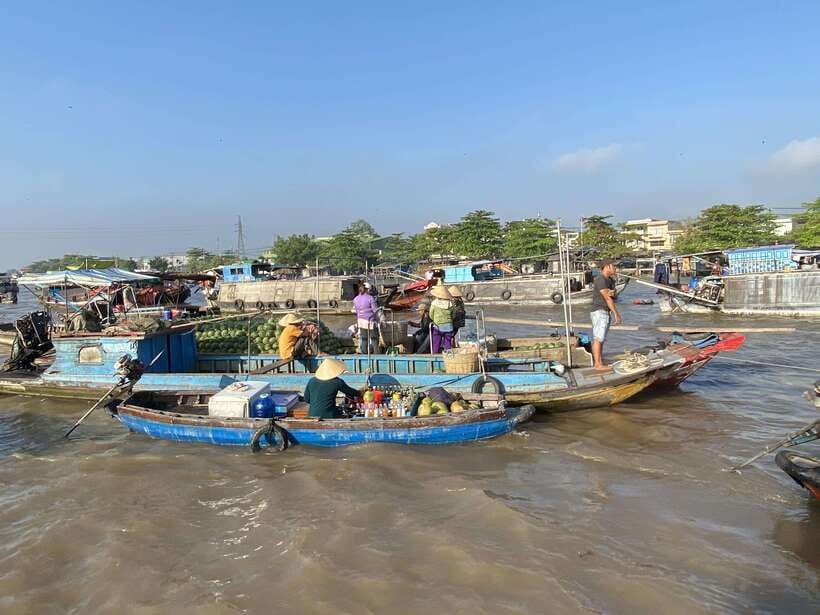
The Mekong Delta can be either a scenic postcard or a window into daily life. This itinerary aims for the second option. You spend time around Cai Be’s canal network and orchards, then switch to Can Tho for the bigger river moments like Cai Rang Floating Market and a Khmer pagoda visit.
The price—$112 per person for two days—looks low for what you get: ground transport, multiple guided river stops, boat time, entrance fees, and included meals. Value here isn’t about luxury. It’s about stacking the right experiences in a short window without making you do all the logistics alone.
If you care about food, this tour has extra payoff. One lunch is cooked by you with local instruction, and Day 2 includes a noodle-factory stop and fruit time after the market. For many visitors, that’s where the trip sticks in memory.
A few more Ho Chi Minh City tours and experiences worth a look
Price and what’s actually included (so you can plan right)
This tour is built around the idea that you shouldn’t need to think much during the day. Included in the package:
- Transportation and sightseeing as per the program
- Boat trip(s) on the Mekong Delta
- English-speaking guide
- Entrance fees
- Meals: 1 breakfast and 2 lunches
- 1 night in a twin/double shared room in Can Tho
What’s not included:
- Tips
- Personal expenses
- Travel insurance
For planning, I’d budget for small extras like bottled water, snacks between stops, and whatever you want to buy at canal-side stands. The included meals help a lot, but you still might want a drink or a sweet if your day runs hot.
Also note that the tour’s return time depends on traffic. So don’t schedule a tight flight the same evening without buffer.
Day 1: Ho Chi Minh City → Cai Be canals, villages, and orchards
Your day starts with a 07:30 pickup from the Ho Chi Minh City meeting point area (or optional hotel pickup in central District 1). The designated meeting point is:
112 Tran Hung Dao Street, Ben Thanh Ward, District 1, Ho Chi Minh City
Arrive at least 10 minutes early.
From there, you head to Cai Be. This isn’t just a transfer. It’s the lead-in to the river-world portion of the trip.
The Cai Be trading story on the Tien River
After you arrive in Cai Be, you’ll take a boat ride to the remaining site of a well-known wholesale floating market on the Tien River—an area that once shaped local commerce. The guide explains how trading habits changed as modern land transport and high-tech agriculture took over more of the flow.
That context matters. Without it, floating markets can look like pure entertainment. With it, you start seeing how the river economy used to work and why some older trading zones feel quieter today.
Small villages, coconut sweets, and slow Southern rhythm
Next comes village walking and small family-business stops. You’ll see a household-style operation where locals make coconut fudge and crispy rice popcorn. It’s the kind of taste stop that helps you understand what people snack on and sell nearby, not just what’s on a restaurant menu.
Then you’ll enjoy fresh fruit and get a feel for the slow rhythms of Southern Vietnamese folk music—music that’s closely tied to Mekong life.



Paddling through smaller canals (not just big-boat viewing)
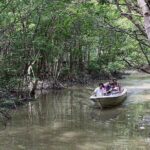
A major highlight is the canal time in the Upper Mekong Delta feel: paddling through small canals where you can look around, relax, and watch life from the waterline. The trip also includes time on Tan Phong Island, described as calm and nature-focused.
This is where the Mekong feels personal. Big tours can keep you at the surface. Here, the smaller routes make it easier to notice daily details—waterways used for moving, growing, and living.
Lunch in a garden orchard: how the day turns hands-on
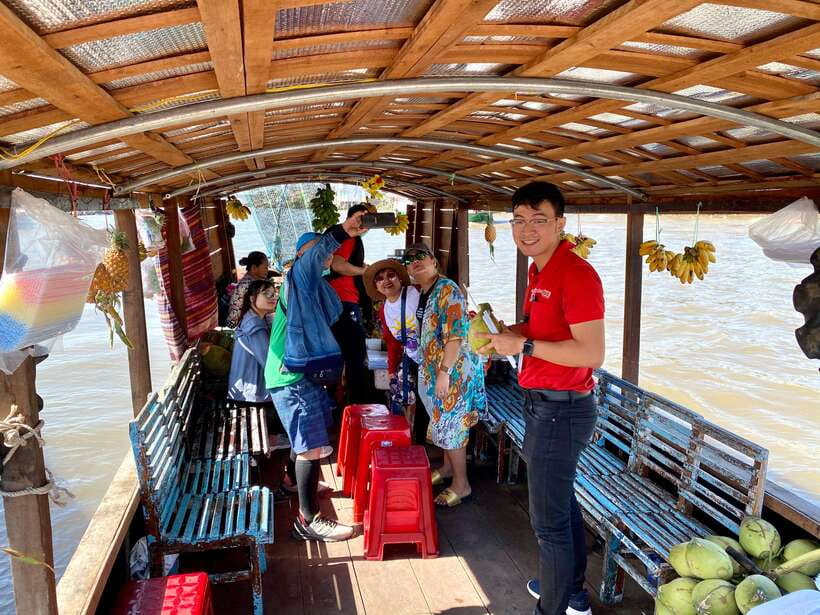
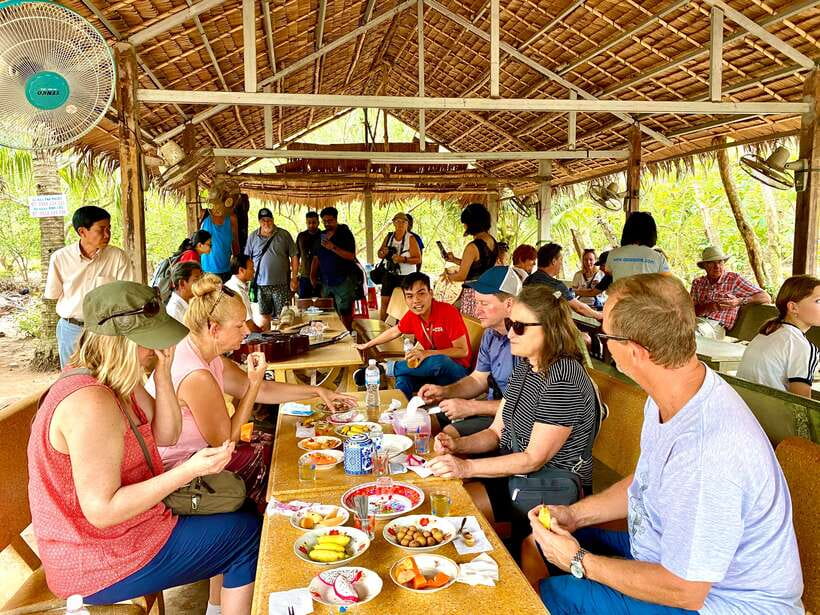
Lunch is one of the most memorable parts because it shifts you from observer to participant. You’ll cook Vietnamese specialties during your meal in the heart of the garden setting.
Even if you’re not a confident cook, this kind of experience is valuable because it gives you a practical sense of flavors and technique. You’re not just tasting; you’re learning how the meal comes together in a Mekong orchard environment.
Then you’ll eat the lunch you prepared, which helps the whole day feel connected. It’s not a random restaurant break—it’s a continuation of the village-and-orchard story from earlier in the day.
Cycling orchard paths and meeting the people
After lunch, you cycle through village paths lined with orchards. This part is less about speed and more about rhythm. You’ll be able to slow down and notice how trees, homes, and waterways connect in everyday life.
You’ll also meet local islanders to learn about daily living in the Mekong Delta. The tour description frames this as learning through conversation rather than a scripted demonstration, and that’s usually what makes it worthwhile.
Then you visit Ba Kiệt’s ancient house. This stop adds a cultural anchor to the day’s food-and-river theme. You’re not only seeing production (fruit, snacks, noodle-making on Day 2). You’re also seeing how people lived and preserved older structures in the village setting.
Back to Can Tho: why the overnight matters
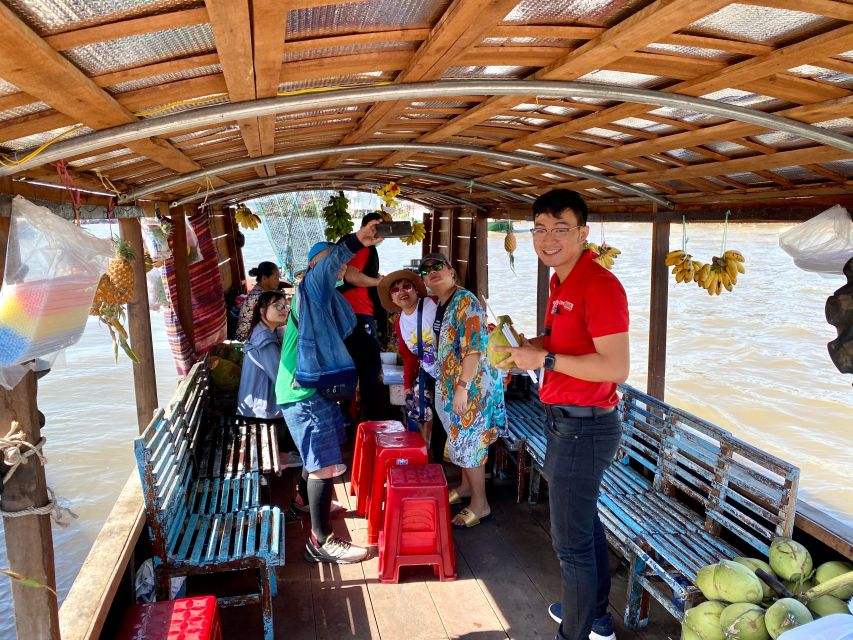
Once you’re done in Cai Be, you return by boat to Cai Be and connect to the bus to Can Tho. Then you overnight in Can Tho, which is the heart of the Mekong Delta region.
The overnight is more than convenience. It helps you recover so Day 2 doesn’t feel like an added burden. People have specifically praised the Can Tho accommodations as being high quality and restorative for the second day, which tells you this tour is designed to keep you functional—not just transported.
If you’re the type who gets cranky when you’re rushed, this sleep stop is a real advantage.
Day 2: Bassac River tributaries, Cai Rang floating market, and the Khmer pagoda
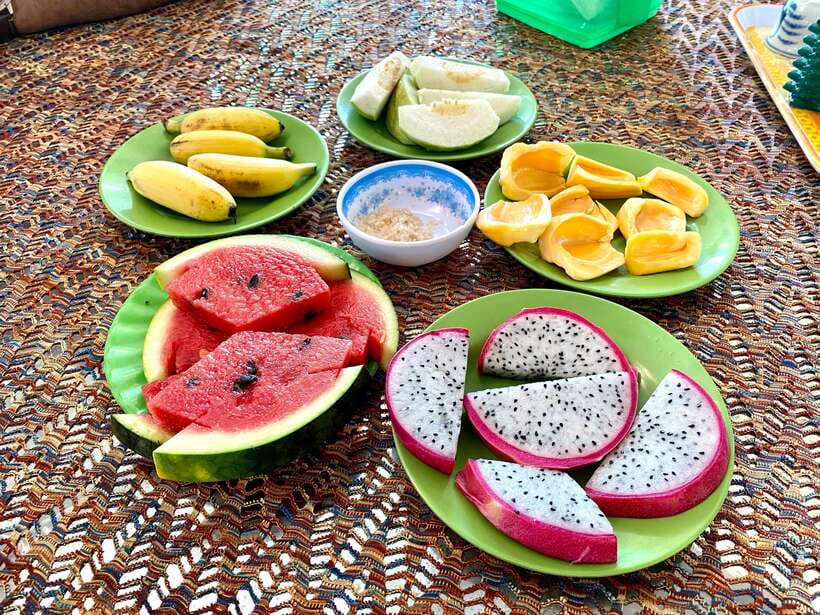
Day 2 begins with breakfast at the hotel, then a boat ride that explores tributaries connected with the Lower Mekong River, including the Bassac River. This is a calmer follow-up to the smaller canals from Day 1: you’re still on water, but the scale feels more like the region’s active river systems.
Cai Rang Floating Market: what to watch for
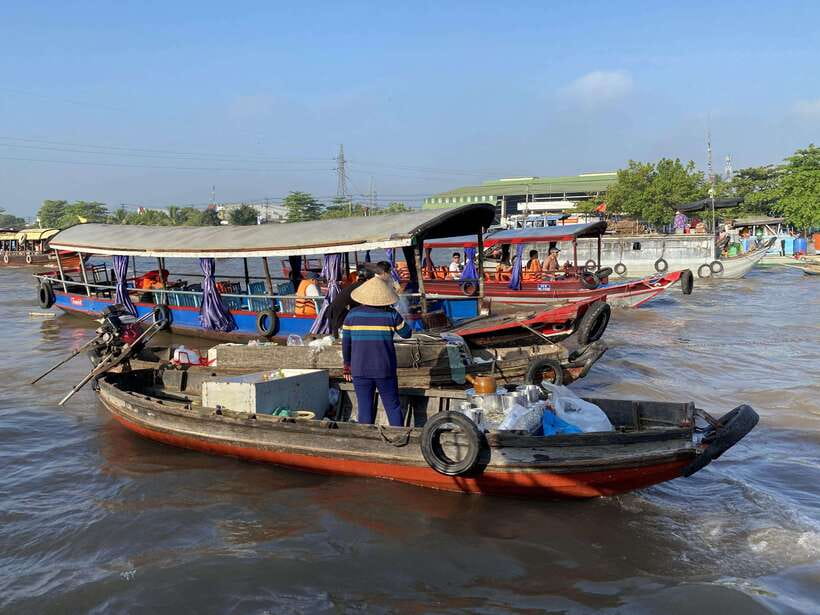
Cai Rang Floating Market is the star here. You’ll visit it as the most lively floating market in the area. You’ll see how boats and trading tie into the river’s geography, and you’ll get a front-row view of why this system historically mattered.
One practical note: expectations around boat counts can vary. Some people felt there weren’t as many boats during their market time as they hoped. So if you’re chasing a super-crowded viral scene, build in flexibility. Focus on learning how the market operates rather than counting boats.
Noodle factory walk: connecting the market to food
After the floating market, you’ll do a walking tour of a local noodle factory. This adds a layer most visitors miss: the market isn’t just trading fruit and goods. It connects to food production and daily eating habits.
Even if you don’t buy anything, this kind of stop gives you a better “food map” of the region.
Munir Ansay Pagoda: Khmer temple details and respect
Next is Munir Ansay Pagoda, a Khmer temple known for its unique structure. You’ll visit it by taking part in the program’s route that includes boat time later as well.
For your visit, dress appropriately: shoulders and knees must be covered. This isn’t optional. Bring something lightweight that you can rely on for temple etiquette, even on warm days.
Fruit plantation time and the ride back to Ho Chi Minh City
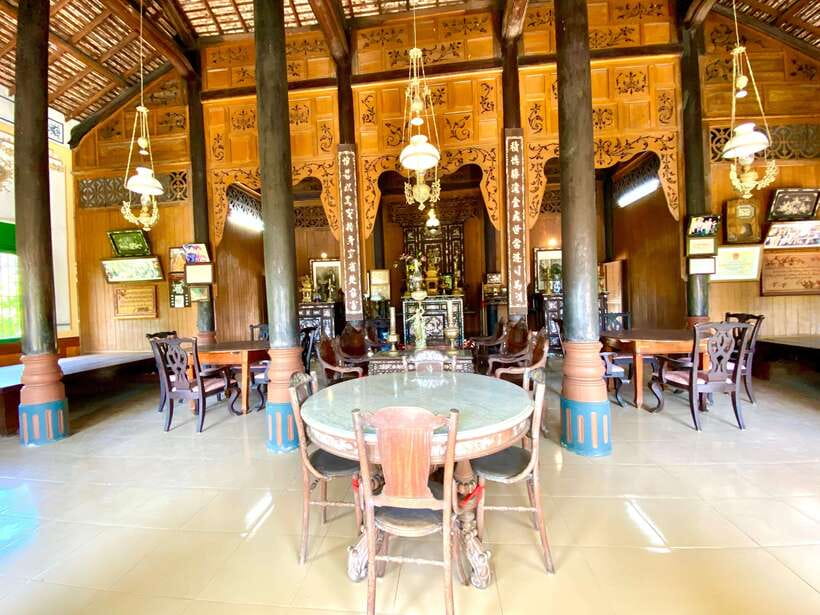
After the pagoda visit, you’ll go by boat to a fruit plantation and enjoy seasonal fruit. This is a nice shift from market intensity to slower, garden-grown tasting time.
Then the tour ends with lunch (included) and a return to Ho Chi Minh City after the program finishes. Again, the exact return time depends on traffic, so plan your evening with breathing room.
Who this tour suits best (and who should look elsewhere)
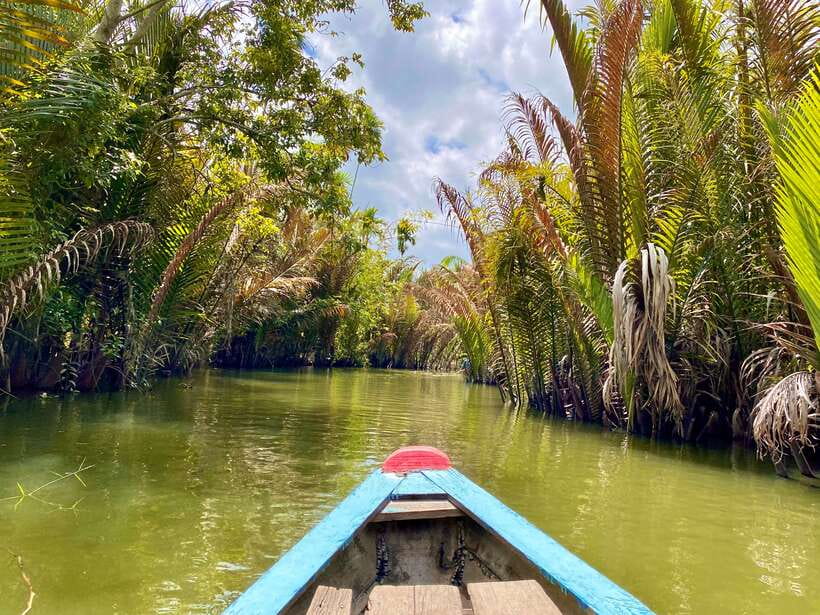
This works best if you:
- Want a 2-day overview of Cai Be + Can Tho without handling complicated logistics
- Care about food experiences, especially the garden cooking lunch and noodle-factory context
- Enjoy boats and want to mix bigger river routes with small canal paddling
- Prefer cultural stops (Ba Kiệt’s ancient house, Khmer temple visit) alongside markets
It’s not suitable for people with:
- Limited mobility or wheelchair users
- Heart problems
- Pregnant women
If you’re on a tight mobility budget, ask yourself honestly how comfortable you’ll be with cycling and moving between boats and village paths. The itinerary is active, even if the pace may feel relaxed.
Should you book this Mekong Delta 2-day tour?
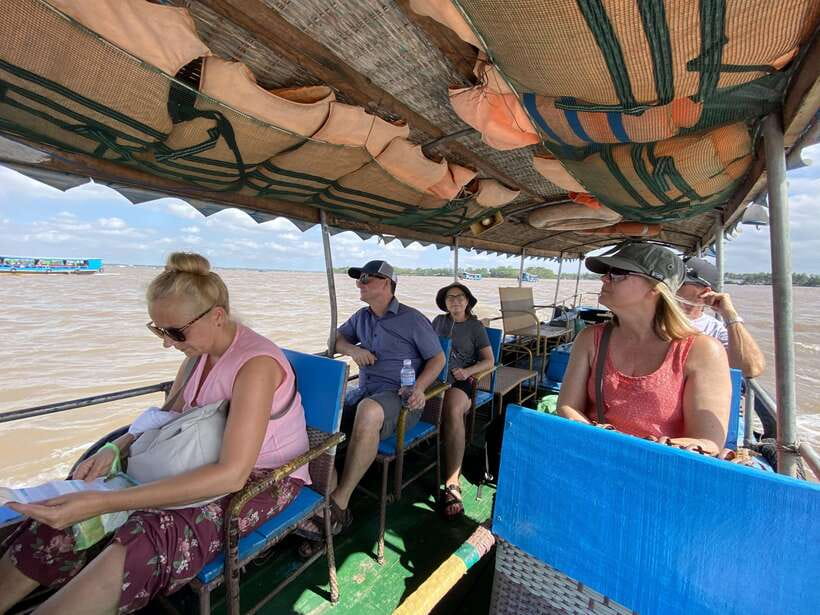
If you want the Mekong Delta to feel real—canals, orchards, food you help make, and cultural stops—this is a solid value for two days. I like that it mixes market life with village life and then gives you an overnight in Can Tho, so you’re not dragging yourself through back-to-back travel.
Book it if you’re excited by:
- Cai Rang Floating Market and Khmer temple history on Day 2
- Hands-on lunch cooking in the Cai Be orchard area
- Boat time on both Day 1 and Day 2, including Bassac River tributaries
Skip it or choose something else if you:
- Need a very easy, low-mobility itinerary
- Are traveling with health constraints like heart problems or pregnancy
- Expect a guaranteed super-crowded market scene every day
FAQ
What time does the tour start in Ho Chi Minh City?
The meeting time is 07:30 AM. You should arrive at the meeting point at least 10 minutes early.
Where is the meeting point in Ho Chi Minh City?
The meeting point address is 112 Tran Hung Dao Street, Ben Thanh Ward, District 1, Ho Chi Minh City.
Is pick-up available from hotels in District 1?
Pickup is optional, and it includes accommodation at a 3-star hotel in Can Tho plus round-trip pick-up/drop-off services from select locations in central District 1.
What meals are included in the 2-day itinerary?
Meals included are 1 breakfast and 2 lunches. You’ll also cook Vietnamese specialties during the lunch on Day 1.
Do I need an entrance ticket for the pagoda and other stops?
Entrance fees are included in the tour price.
What should I wear or bring for a temple visit?
For the Khmer pagoda visit, you must cover shoulders and knees. It’s also a good idea to bring comfortable shoes, sunglasses, and a sun hat.
Is this tour suitable if I have mobility issues or heart problems?
No. The tour is not suitable for limited mobility, wheelchair users, people with heart problems, or pregnant women.