REVIEW · HUE VIETNAM
Hue: Royal Tombs & Pagoda Private Tour By Dragon Boat & Car
Book on GetYourGuide →Operated by Hue Friendly Travel Company · Bookable on GetYourGuide
Hue’s royal tombs feel like a time machine, and the route is built for an easy win: dragon boat to Thien Mu, then air-conditioned car to three major emperors’ mausoleums. I especially like how the stops are different from each other—pagoda first, then architecture at full volume, then a quieter garden escape. One heads-up: the big sights have entrance fees that are not included, and some are cash-only at the gates.
I also like the pacing because it does not feel like a checklist stampede. You get time to wander Tu Duc’s lakes and gardens, then finish with the hands-on fun at the incense village where you can try making incense. The only drawback is timing: with multiple tombs and stops, you may end up closer to the longer end of the 3–5 hour window depending on how long you linger.
In This Review
- Key things I’d plan around
- From hotel pickup to a calm Perfume River glide
- Thien Mu Pagoda: Hue’s iconic landmark in the right light
- Minh Mang Tomb on Cam Khe Mountain: grand and well preserved
- Khai Dinh Tomb: the Vietnamese-European hybrid that surprises you
- Tu Duc Tomb in Thuy Xuan: gardens, lakes, and poetry vibes
- Hue Incense Village: watch craftwork and try making incense
- Price and logistics: what $12 buys (and what costs extra)
- The real secret: your driver/guide makes or breaks it
- Practical tips so you’re not scrambling
- Who should book this private Hue route?
- Should you book Hue: Royal Tombs & Pagoda by Dragon Boat & Car?
- FAQ
- What’s included in the tour price?
- Are the entrance fees included?
- How long is the tour?
- How long is the dragon boat ride?
- Does the tour include Thien Mu Pagoda?
- Which tombs are visited?
- Is there an optional Imperial City add-on?
- Is there English support during the tour?
- How does the pickup work?
- Is the booking flexible if my plans change?
Key things I’d plan around
- A 30-minute Perfume River dragon boat ride that sets a slower, more scenic start than driving straight to temples
- Thien Mu Pagoda first, so you see one of Hue’s signature religious landmarks before the tombs
- UNESCO-linked royal tombs with very different styles: Minh Mang, Khai Dinh, and Tu Duc
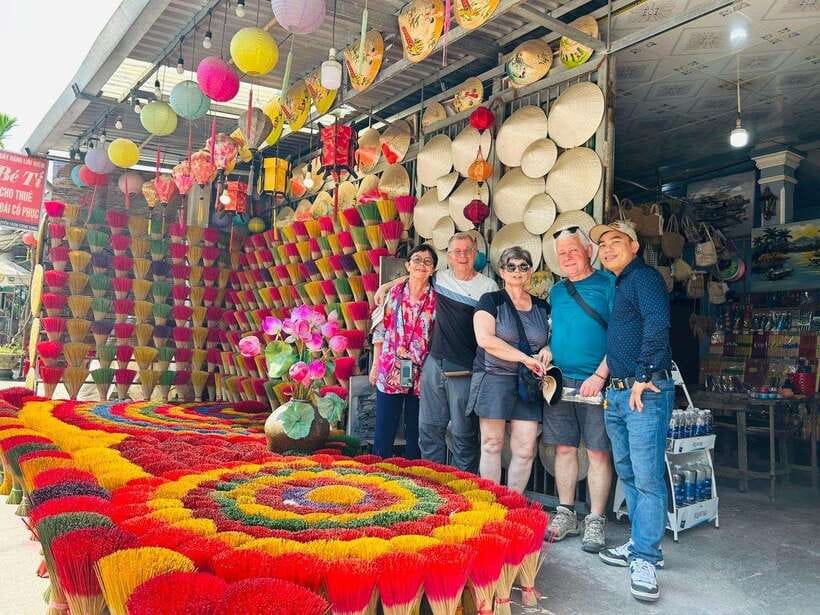
- Incense Village in Thuy Xuan where you can watch traditional craftwork and make your own incense
- Private, air-conditioned transport plus cold bottled water, with many guides going out of their way to help with tickets and recommendations
- English support that can range from an English-speaking driver to a full guide, depending on the option you choose
From hotel pickup to a calm Perfume River glide
The day starts with hotel pickup in Hue, then you head to the river for a traditional dragon boat ride—about 30 minutes. This matters more than it sounds. After the drive, you get a change of pace on the water, and it also helps you orient yourself around Hue’s most famous river corridor, the Perfume River.
The transport part is also practical. You’re in a new air conditioner vehicle with bottled water included, which is a big deal in Hue’s heat. And because this is a private setup, you are not forced to wait on a big group shuffling at each stop. Guides and drivers on this route are often praised for clean cars, careful timing, and clear communication in English—names that keep popping up include Duy and Hai, with others like Tommy and Vu also getting kudos for friendly, helpful explanations.
Quick reality check: the boat experience can be a mixed bag. One review flagged the ride as noisy and less special than expected. My advice is simple—go in expecting a short, scenic transfer to Thien Mu, not a luxury cruise.
You can also read our reviews of more boat tours in Hue Vietnam


Thien Mu Pagoda: Hue’s iconic landmark in the right light
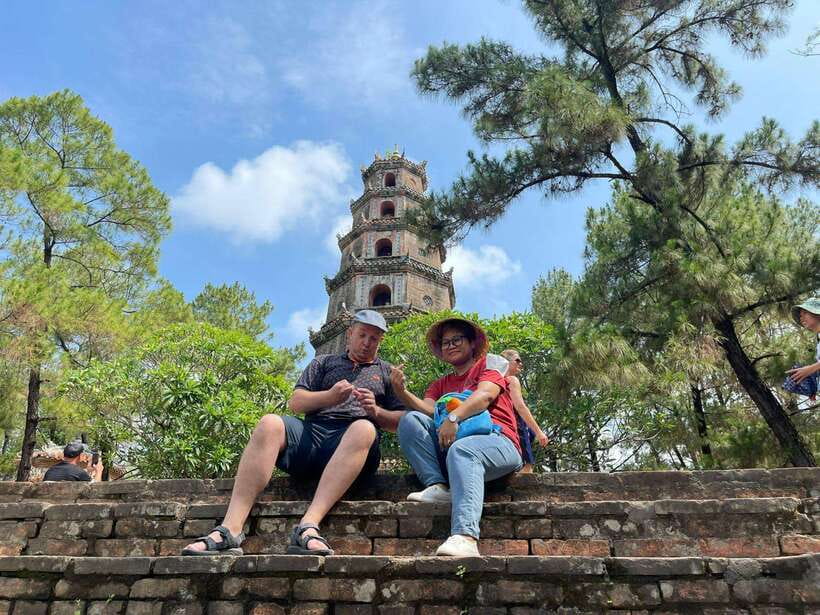
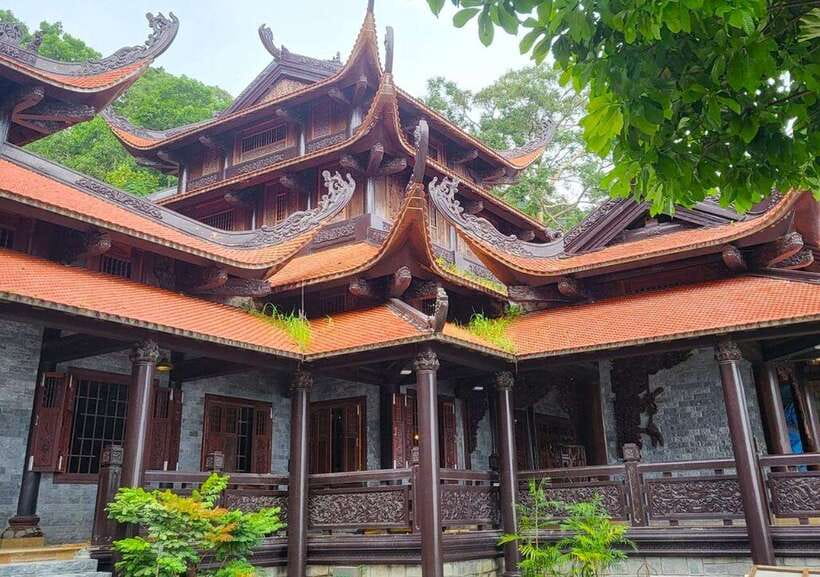
Your first real site is Thien Mu Pagoda. It is one of Hue’s oldest and most iconic religious structures, built in the 17th century, and it comes with serious local legend and spiritual weight.
Seeing it early in the route is smart. Pagodas can take on a different mood as the day heats up and crowds build. Starting here means you get your first big view and first big atmosphere before you switch into tomb mode.
What makes Thien Mu work for almost anyone is the combination: temple grounds that reward wandering and a setting tied directly to the river. And because the boat lands you in the right context, it helps the pagoda feel part of the broader Hue story, not just another stop on a route.
Minh Mang Tomb on Cam Khe Mountain: grand and well preserved
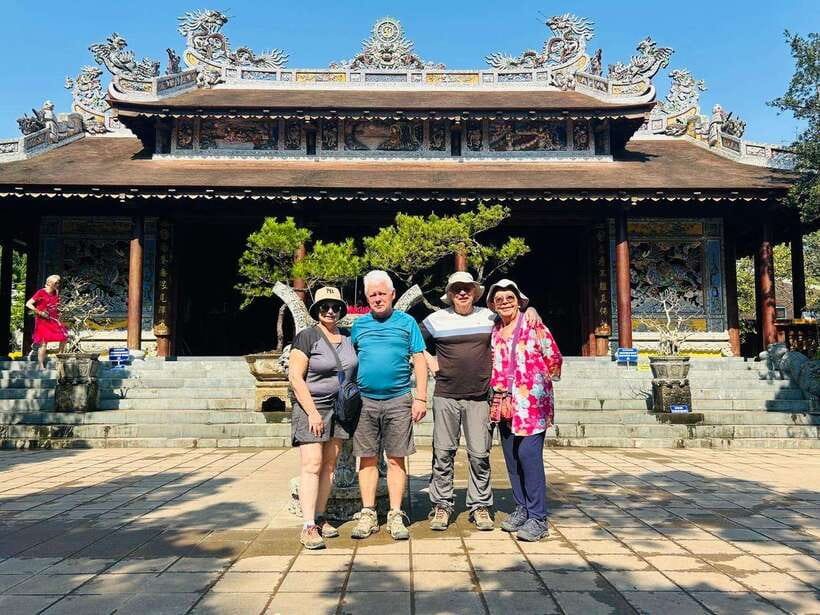
Next up is the Tomb of Minh Mang, the grand mausoleum of Emperor Minh Mang, the second emperor of the Nguyen Dynasty. You reach it by car, and the setting is part of the appeal: it is located on Cam Khe Mountain, and it is included in a UNESCO World Heritage complex.
This tomb is often a favorite for a reason: you get a strong sense of how formal and intentional royal design could be. Expect classic imperial layout, traditional architectural details, and landscaped areas that guide your eyes as you move through the grounds. It is also one of the more “complete” experiences if you like your monuments to feel preserved and coherent rather than scattered.
A practical tip: keep an eye out for architectural details you can compare across the three tombs. Minh Mang gives you the traditional royal baseline, so the later stop at Khai Dinh lands harder.
Khai Dinh Tomb: the Vietnamese-European hybrid that surprises you
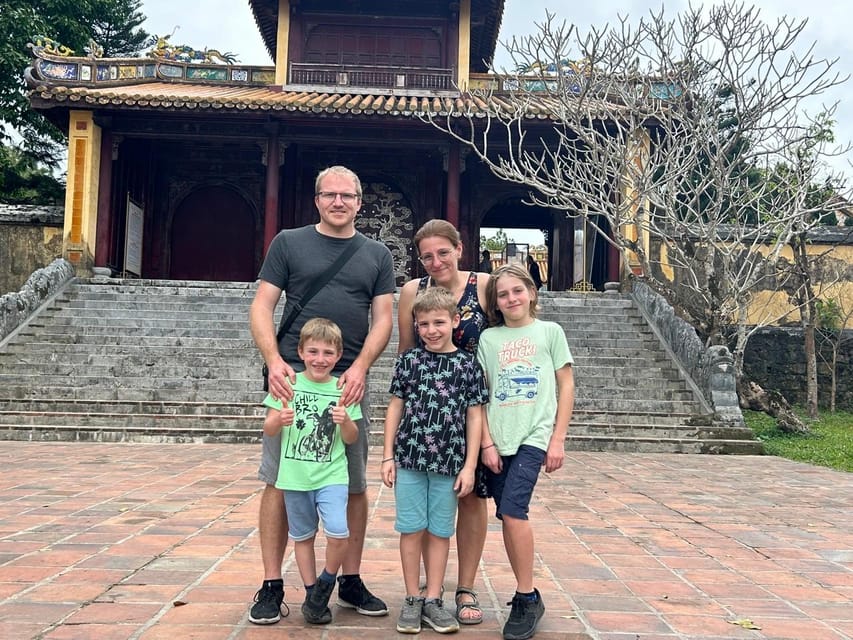
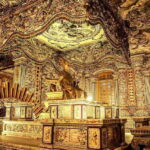
After Minh Mang’s classical feel, Khai Dinh Tomb throws in a curveball. This mausoleum, dedicated to the 12th emperor of the Nguyen Dynasty, sits on Chau Chu Mountain and is also a UNESCO World Heritage site.
The defining feature is the architecture blend: Vietnamese design mixed with European-style elements. That alone makes it a must-stop, especially if you find it hard to keep your attention in places where everything starts to look similar. Khai Dinh breaks the pattern.
One reason this stop gets love is contrast. You can stand in one area and feel the “royal official” mood of a traditional tomb, and then the next section reminds you how Hue absorbed outside influences during later periods. It is not subtle, and that’s why it works on a short itinerary.
If you want photos: plan to slow down here. The structure is complex, so you’ll want extra time to capture angles. The good news is this tour is set up for you to move at your pace—private means you are not pushed through by a rigid group schedule.
Tu Duc Tomb in Thuy Xuan: gardens, lakes, and poetry vibes
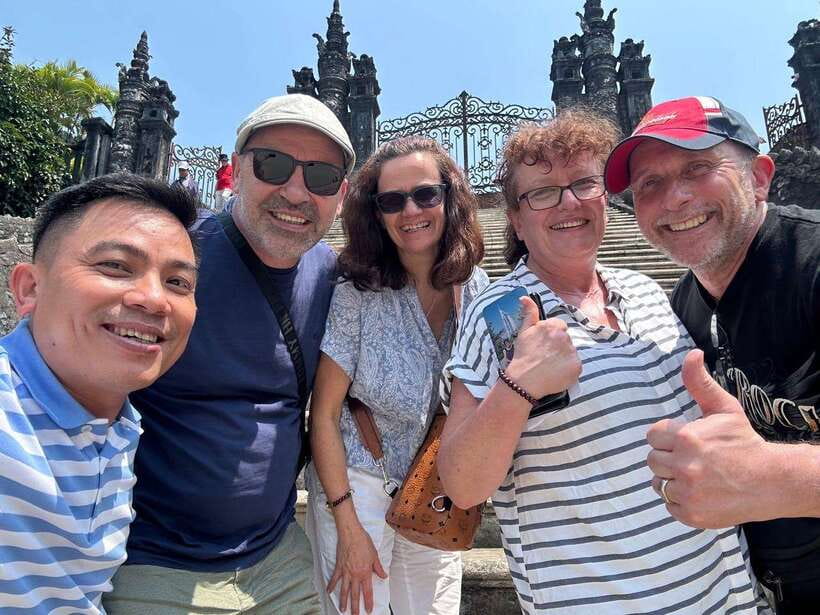
Then comes the Tomb of Tu Duc—Emperor Tu Duc’s retreat in a peaceful valley in Thuy Xuan Commune. Unlike a purely ceremonial stop, this one feels built for calm. It was used during his reign for writing poetry and relaxation, and that tone shows in the setting.
You’ll notice the difference the moment you shift from tomb architecture to the quiet garden experience. Tu Duc’s grounds are designed for strolling: lakes, gardens, and the sense of a secluded retreat rather than just a structure to pass by.
This is also a good emotional reset. If you’ve been staring at monumental stone and ornate details, Tu Duc lets you breathe. I think this is a key value of the tour: it mixes “big eye candy” with a slower, reflective stop so you do not burn out halfway through.
You can also read our reviews of more private tours in Hue Vietnam



Hue Incense Village: watch craftwork and try making incense
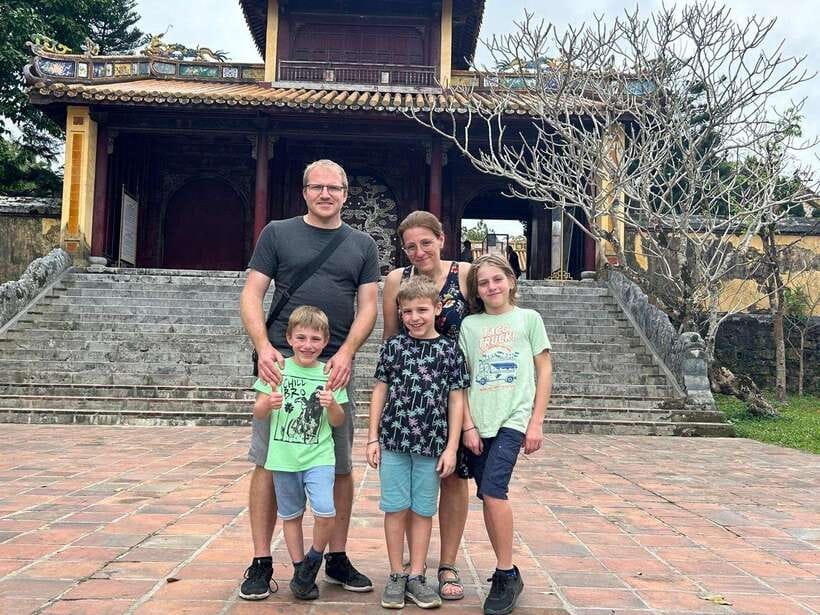
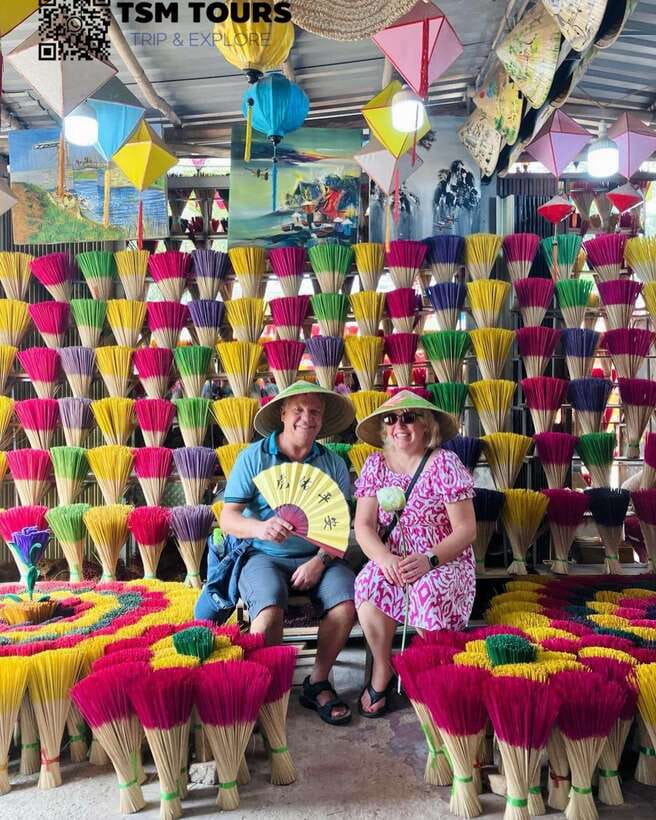
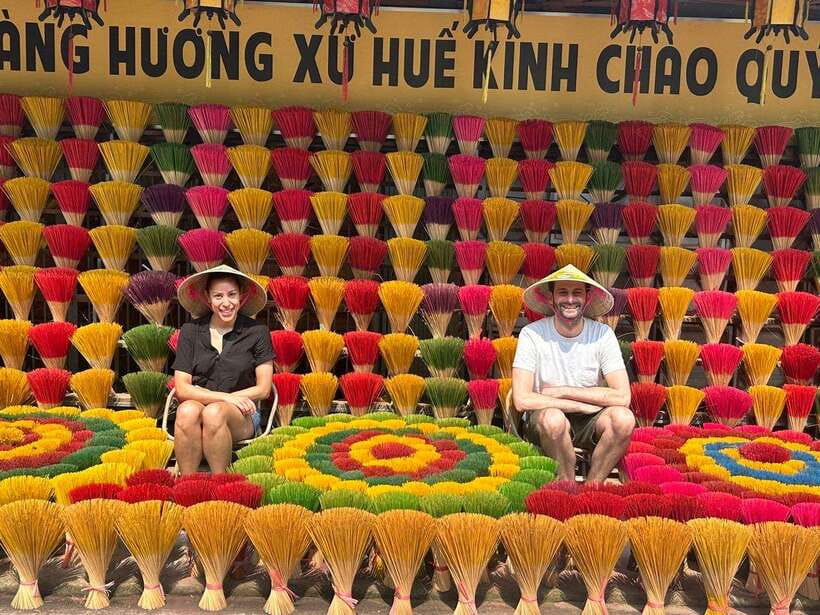
After the emperors’ tombs, you shift gears to culture you can touch—Thuy Xuan Incense Village. You’ll see how traditional incense is made, and you’ll get the chance to make your own incense.
This stop is valuable for two reasons. First, it gives you a break from tombs so the day feels varied. Second, it turns the visit into something you can take home, not just photographs. And because incense village colors and small details photograph well, you usually leave with more than one solid memory shot.
In practice, expect it to be hands-on and a bit more casual than the royal sites. If your guide (or driver acting as guide) is especially proactive, they may also help you with what to do, where to stand, and how to buy correctly without fuss. Names like Toan and Nhan came up as people who helped with tickets and made the route smooth, and the same kind of helpful attitude often shows up during cultural stops like this.
Price and logistics: what $12 buys (and what costs extra)
This tour is listed at about $12 per person for a 3–5 hour private experience, which is strong value for the combination of hotel pickup, private transport, and a dragon boat ride.
But the math only makes sense if you plan for the extra entrance fees. Entrance fees for the royal tombs (and the optional Imperial City add-on) are not included. Also, cash is required at the entrances for the royal tombs and the Imperial City. So budget for cash on hand.
There is also an optional upgrade: adding the Imperial City costs $8 (200,000 VND), paid when the trip ends. This matters because Hue’s main sights can overlap, and if you already love history and want more time in the center, it can be a worthwhile add. If you are tomb-obsessed and short on time, you might keep it simple and stick to what’s already packed into the route.
If you are choosing between options: the tour includes an English speaking driver, and a guide is included only if you choose the private option that has one. If you want more explanation at the tombs (architecture, symbolism, stories), pick the option that includes an English guide.
The real secret: your driver/guide makes or breaks it
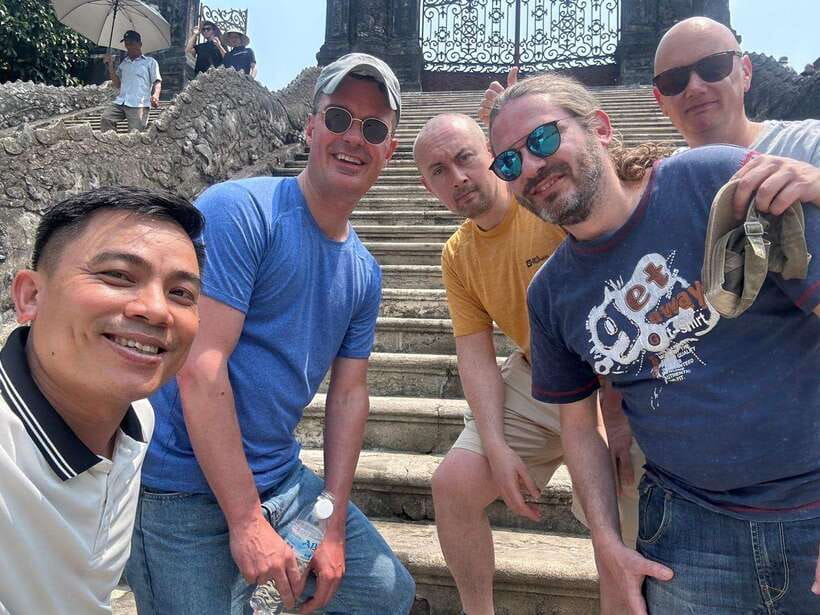
On this route, people often focus on the monuments. I do too—but the transport and explanations are what turn a good day into a great one.
A lot of high ratings mention English clarity, patience, and the ability to answer questions. Guides and drivers who showed up repeatedly in the experience include Duy, Hai, Vu, Hien, Nhan, Trung, Toan, Tommy, and Tuan. The consistent theme is that they help you connect what you’re seeing to why it matters, without rushing you.
I also like the small support touches. Bottled water is included, and some guides have brought extra cold water and even fruit during hot stretches. More than once, people praised help with ticket purchasing and with finding places quickly after each stop.
Practical tips so you’re not scrambling
- Bring cash for entrance fees. The gates are cash-only for the royal tombs and Imperial City.
- Wear light layers and comfy shoes. You’ll walk gardens and stone areas, and some ground can be uneven.
- Plan to go at your pace at Tu Duc and Khai Dinh. If you rush, you lose the best parts of the contrast between quiet and dramatic.
- If you care about commentary, confirm you’re booked in the option that includes an English speaking guide, not just a driver.
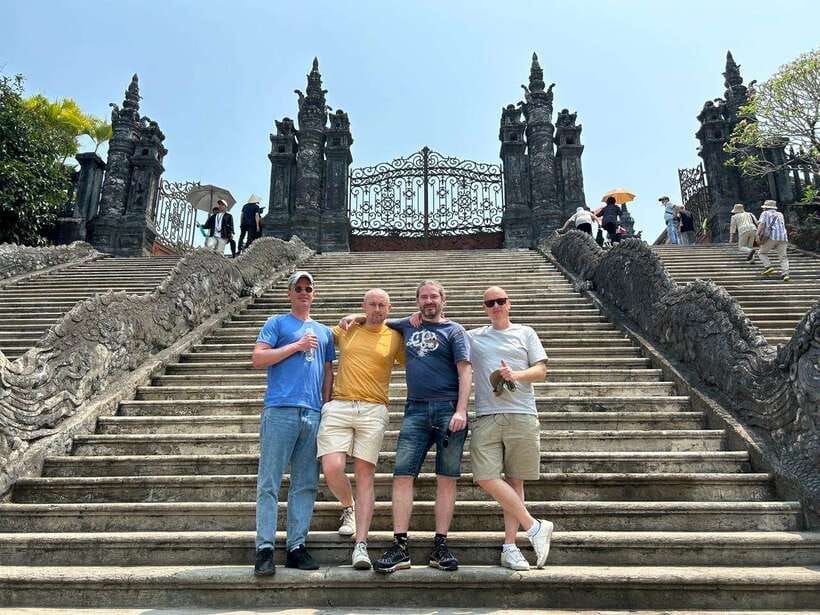
- Ask your guide for photo spots while you’re moving between locations. Many guides are good at positioning you for angles without wasting time.
Who should book this private Hue route?
I’d point you toward this tour if you want a high-value highlights day that mixes three royal tomb styles with a classic pagoda stop and a hands-on cultural activity. It is especially good if you are short on time in Hue but still want variety.
It also fits well if you like private pacing. Because it’s not a big group, you can spend longer in the places that grab you—like Tu Duc’s gardens—without apologizing for slowing down.
If you want a super “relaxing” day with minimal walking, this might feel a bit packed, since it includes multiple major monuments plus the incense workshop. You’ll still have breaks, but the day is not slow by default.
Should you book Hue: Royal Tombs & Pagoda by Dragon Boat & Car?
If you want the core Hue experience in one efficient pass, I’d book it. The value is strong because you get hotel pickup, private transport, a dragon boat ride, bottled water, and multiple UNESCO-linked royal sites in a compact time window. The route also gives you a satisfying contrast: Thien Mu Pagoda’s spiritual mood, Minh Mang’s royal classic design, Khai Dinh’s bold hybrid architecture, and Tu Duc’s quieter retreat feel.
Just go in with realistic expectations about entrances and the boat. Bring cash for fees, and treat the boat as the start-to-pagoda transfer rather than the main event.
If you line up the option that includes an English guide and you choose a day you can slow down at the tombs, this is the kind of Hue day you’ll remember for the mix of architecture, atmosphere, and hands-on culture.
FAQ
What’s included in the tour price?
Hotel pickup and drop-off, a private dragon boat, new air conditioner vehicles, an English speaking driver, tour activities as mentioned in the itinerary, and bottled water.
Are the entrance fees included?
No. Entrance fees are not included, and the royal tombs (and Imperial City, if added) require cash at the entrance.
How long is the tour?
The duration is about 3–5 hours.
How long is the dragon boat ride?
The dragon boat cruise is about 30 minutes along the Perfume River.
Does the tour include Thien Mu Pagoda?
Yes. Thien Mu Pagoda is included as your first stop, reached via the boat ride.
Which tombs are visited?
The tour includes the Tomb of Minh Mang, the Tomb of Khai Dinh, and the Tomb of Tu Duc.
Is there an optional Imperial City add-on?
Yes. You can add the Imperial City for an extra $8 (200,000 VND), paid when the trip ends.
Is there English support during the tour?
You’ll have an English speaking driver. A tour guide is included if you choose the private option that includes one.
How does the pickup work?
Hotel pickup in Hue is included, and you’re dropped back at your hotel at the end of the tour.
Is the booking flexible if my plans change?
The tour offers free cancellation up to 24 hours in advance for a full refund.