REVIEW · HOI AN
Hoi An: Rural Cycling Tour to Village with Basket Boat Ride
Book on GetYourGuide →Operated by Momo Travel Limited Company · Bookable on GetYourGuide
Hoi An rural life feels close up on this easy bike-and-boat tour. You’ll pedal past rice fields and see Tra Que herbs and gardens with real farming time, not a quick photo stop. The one catch: cycling is simple, but you still ride real roads, and rain can mean you’ll be a little wet since the tour runs rain or shine.
If you want Hoi An without the constant Ancient Town crowd noise, this is a smart way to spend your morning. Most rides are flat and broken into short segments, with plenty of stops to look, ask questions, and stretch. One other thing to consider: hotel pickup isn’t included, so you’ll need to get yourself to the meeting point at 77 Tran Phu street.
In This Review
- Key highlights that make this tour worth your time
- Why this rural Hoi An cycling route feels different
- Meeting at 77 Tran Phu street and getting set for the ride
- Pedal through countryside lanes, rice fields, and the real rhythm of farming
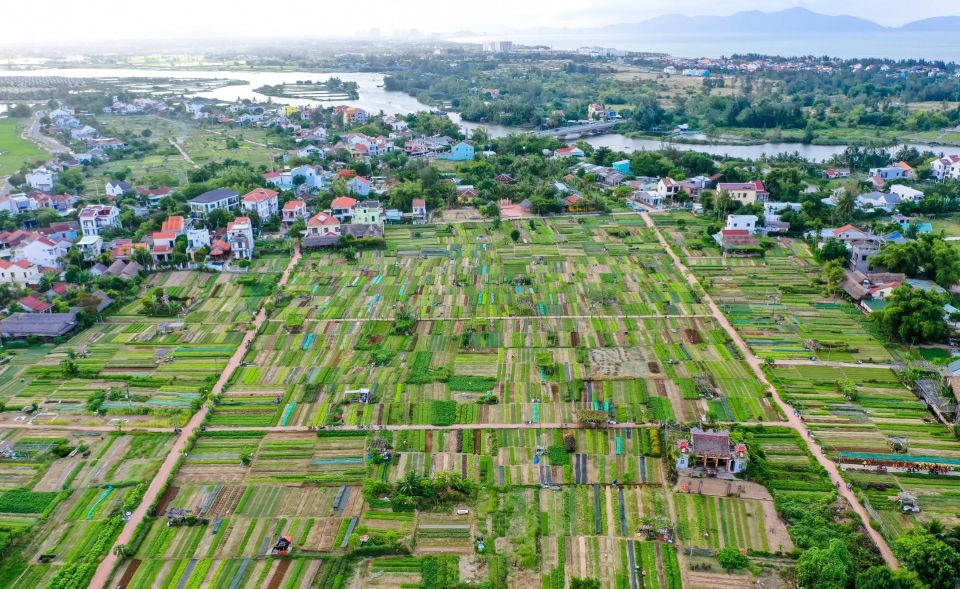
- Tra Que Vegetable Village: herbs, tea, and hands-on farming time
- A local market stop that helps you read Hoi An
- Coconut basket boat ride: quiet palms, 40 minutes of calm
- How easy is the cycling, really?
- What you get for $27: a value check that actually makes sense
- Who should book this tour—and who might skip it
- Should you book the Rural Cycling and Basket Boat Tour?
- FAQ
- Where is the meeting point?
- How long is the tour?
- Is hotel pickup included?
- What’s included in the price?
- Is it suitable if I’m not a regular cyclist?
- Will the tour run in bad weather?
- What should I bring?
- Can I get a refund if my plans change?
Key highlights that make this tour worth your time
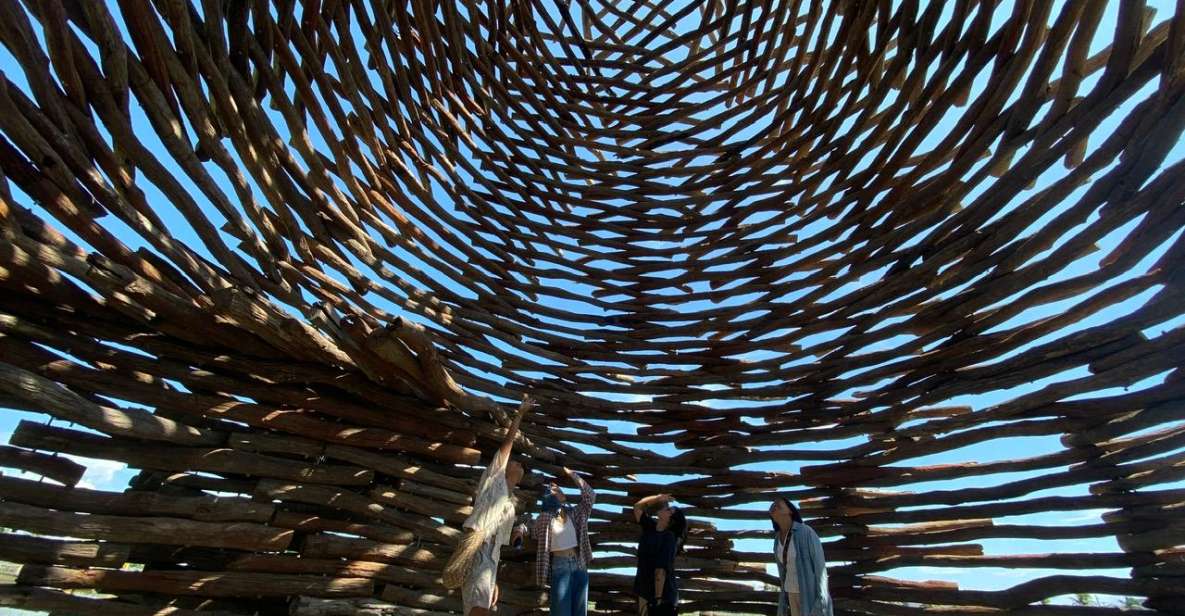
- Rice fields and water-buffalo moments on quiet lanes outside town
- Tra Que Vegetable Village with hands-on herb and garden time plus herbal tea
- Flexible pacing with frequent stops, so you don’t feel rushed
- A less-touristy basket boat ride through coconut-lined waterways for a calm, slow glide
- Local market visit to see daily life beyond the tourist sights
- English-speaking guide you can learn from fast, with guides like Kun, Nhat, and Hoang frequently praised
Why this rural Hoi An cycling route feels different
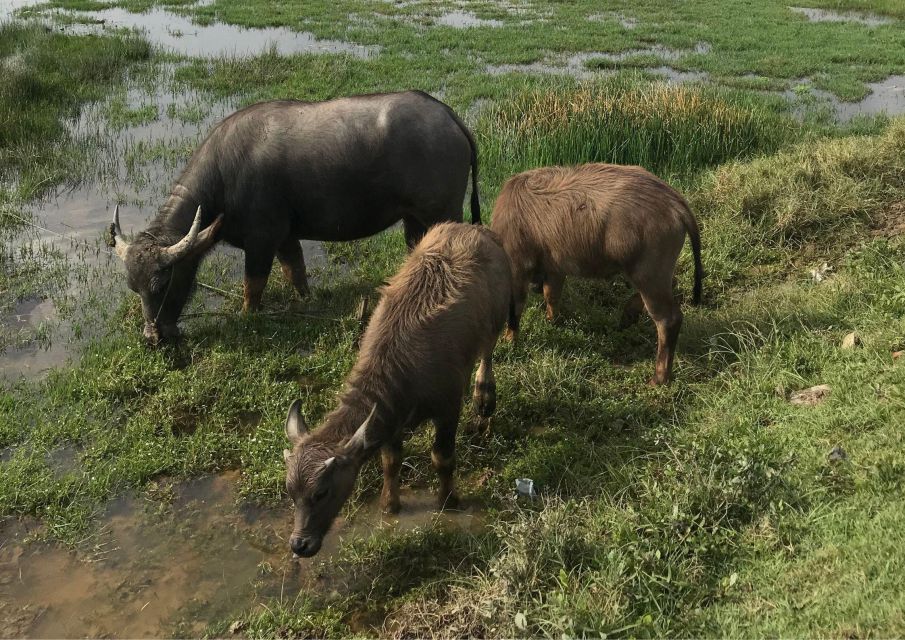
Hoi An can be gorgeous, but the center gets packed. This tour’s whole point is to get you out where the pace slows down. The riding takes you from busy roads to narrow countryside lanes, then into farming spaces where people work the land the way they always have.
The two parts that really land are the rural cycling and the Tra Que gardening time. The countryside makes the region make sense—rice isn’t just a background detail here. Then Tra Que shows you the herb-and-vegetable side of the local food story, including what gets grown, how it’s cared for, and why locals treat it as part of health and longevity.
The basket boat ride is the sweet finishing act. It’s short (40 minutes), but it’s quiet and scenic in a way that feels like you’ve stepped away from motorbikes for a while.
You can also read our reviews of more boat tours in Hoi An

Meeting at 77 Tran Phu street and getting set for the ride
You’ll meet at 77 Tran Phu street, in front of Quan Thang Ancient House. Plan to arrive a little early so you can check in, get comfortable, and not feel rushed before you start pedaling.
This is a “bring comfy clothes and a camera” kind of tour. Since it runs rain or shine, I’d also show up ready to get your shoes and legs a little damp if the weather turns. You won’t need anything fancy—just clothing you can move in, and gear you don’t mind holding onto during stops.
One practical note: since hotel pickup and drop-off aren’t included, you’ll want to know your easiest way to reach Tran Phu street. If you’re staying near the center, it’s usually manageable. If you’re farther out, plan transit ahead of time so the morning stays relaxed.
Pedal through countryside lanes, rice fields, and the real rhythm of farming
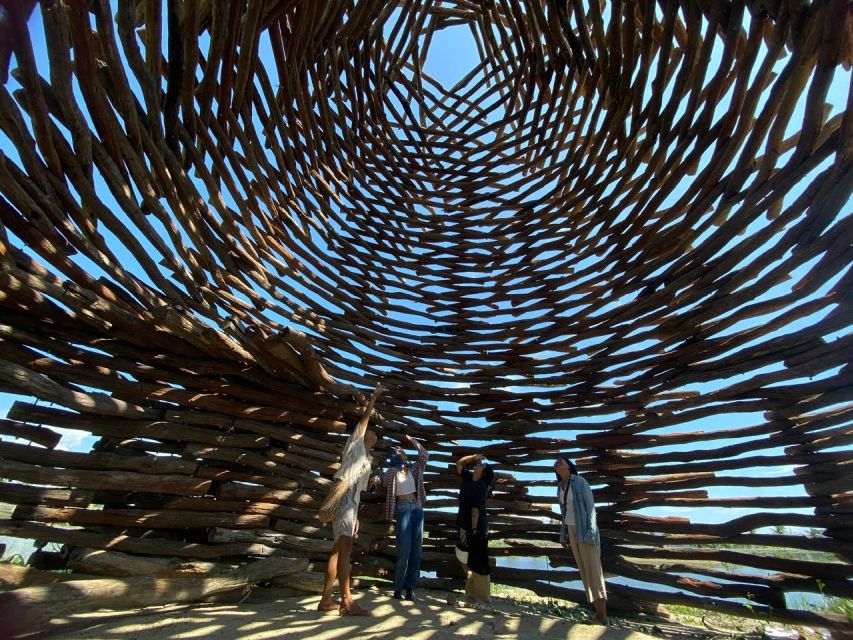
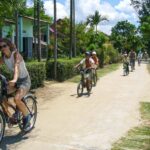
Once you’re on the bike, you start building the mental map of rural Hoi An fast. The roads you ride are narrow and green, with rice paddies coming into view as you get further from town. You’re not sprinting—this is an easy, scenic route with breaks.
Most riders find the cycling approachable. People consistently describe it as flat with short riding segments, and groups often include travelers in a wide age range. Yes, you might glance at a junction and think, that looks a bit intense. In practice, the guides keep things controlled, and the transition from town streets to countryside roads tends to feel manageable.
What I like about this section is how often the route gives you a chance to stop and look at what’s actually happening. You’re not only passing farms—you’re seeing the environment where food is made. Expect to see rice cultivation details and plenty of countryside “pause and notice” moments like water buffalo in the distance or paddies framed by palms and thin road edges.
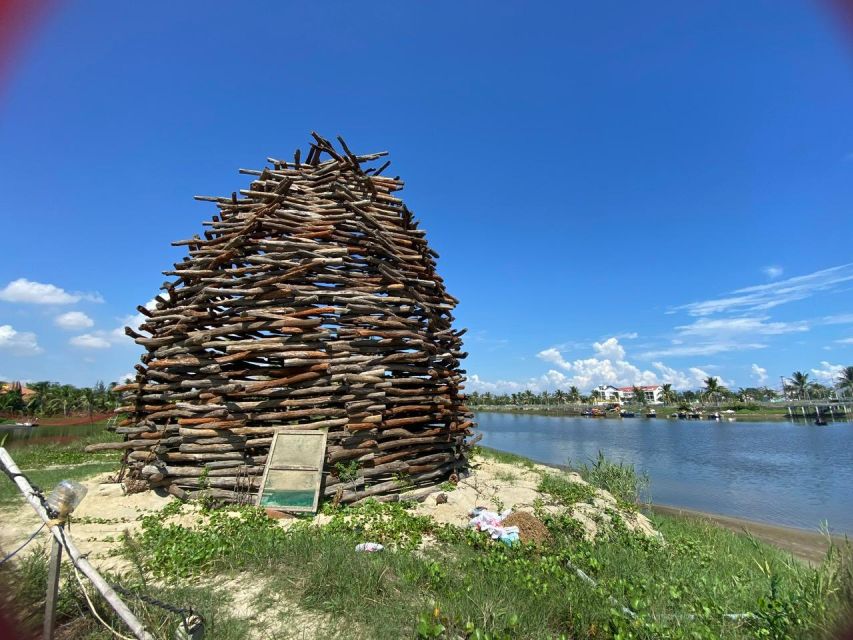
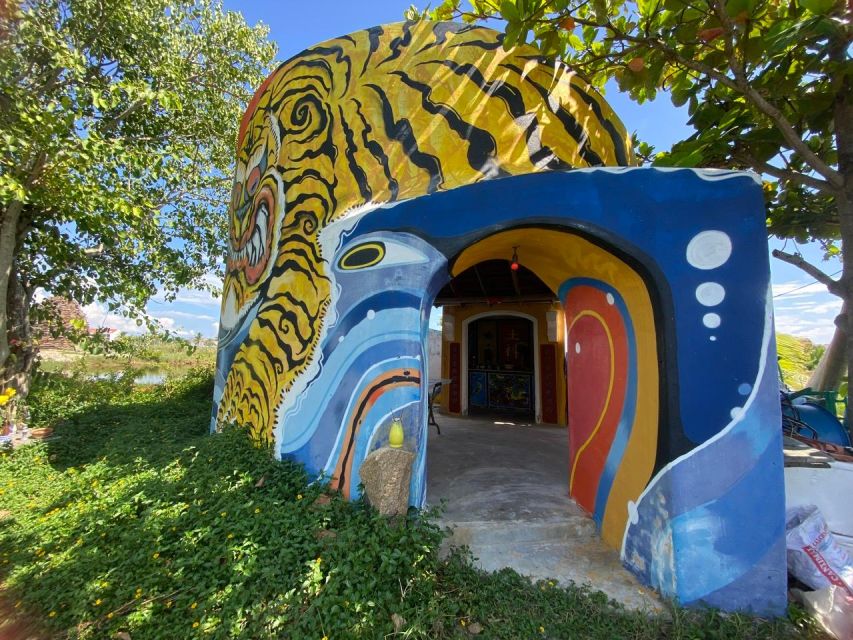
Also: depending on the day and the guide, you may add small cultural stops along the way, like a temple/pagoda area and even a driftwood craft spot. Don’t count on exactly the same mix every time, but the tour style is clearly built for variety, not just cycling.
Tra Que Vegetable Village: herbs, tea, and hands-on farming time
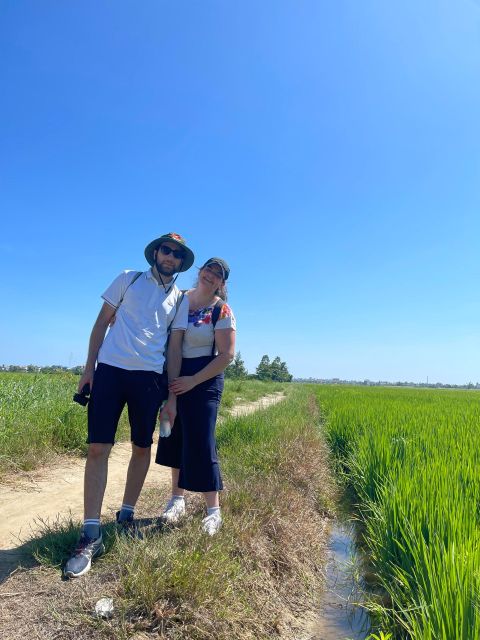
Tra Que is where this tour moves from scenic to meaningful.
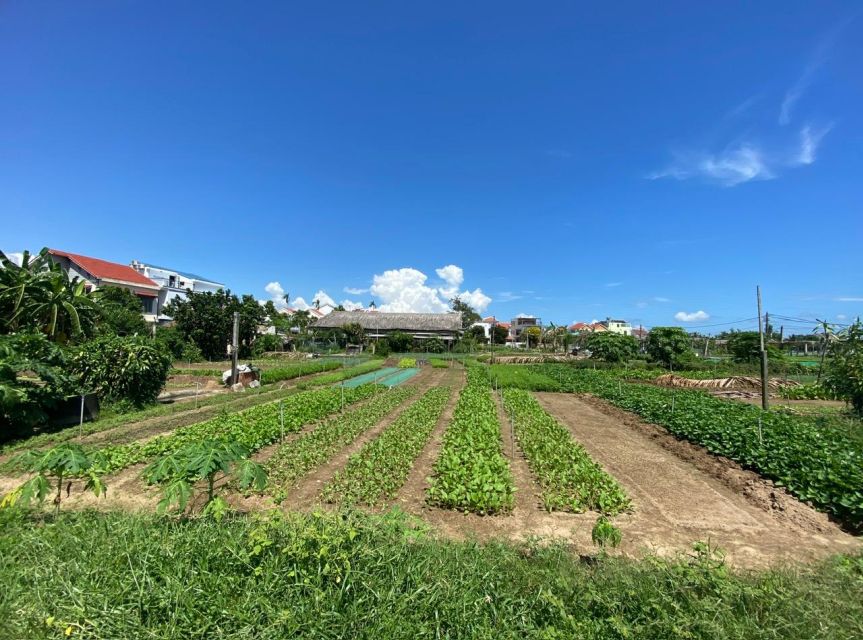
You’ll visit Tra Que Vegetable Village, known for herbs and vegetables grown with patient, careful methods. You’ll spend time admiring the garden areas and learning how cultivation works here—what gets planted, how plants are tended, and how long-term growing habits shape what you see.
The best part is the active component. You’re not just standing there with your phone. You may get involved with simple farming tasks such as watering plants or participating in garden activities, depending on what’s going on that day. Some guides encourage you to taste fresh herbs straight from the gardens or try the local botanicals in a way that connects you to the flavors behind the region’s cuisine.
You’ll also get herbal tea, which is a nice touch because it matches the theme. After you see plants up close, the tea feels less like a random refreshment and more like a small reward that makes sense.
For planning your expectations: Tra Que can be a bit “hands-on” in a good way, but it’s still a low-key village experience. You’re not doing hard labor. Think more along the lines of light participation, guided explanation, and time to look closely.
A local market stop that helps you read Hoi An
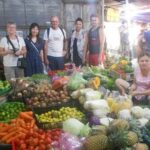
Between the garden and the boat, you’ll make a market visit. This is a simple stop, but it changes how you understand everything you’ve seen so far.
Markets in Vietnam are where you see daily routines in motion—what people buy, what’s fresh, and how food culture connects to the surrounding farms. Even if you don’t plan to buy much, the market stop gives your eyes context. It’s easier to see why certain herbs show up in meals and why vegetables matter so much in local food habits.
You’ll also get a chance to ask questions through your guide, since this is prime “everyday life” territory. If you like small details—how produce is arranged, what locals seem to choose first—this stop is usually the one that keeps paying off long after the tour ends.
You can also read our reviews of more cycling tours in Hoi An


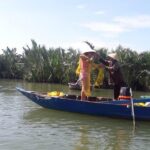

Coconut basket boat ride: quiet palms, 40 minutes of calm
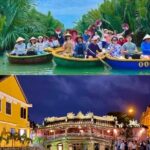
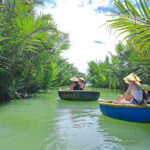
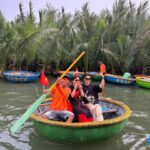
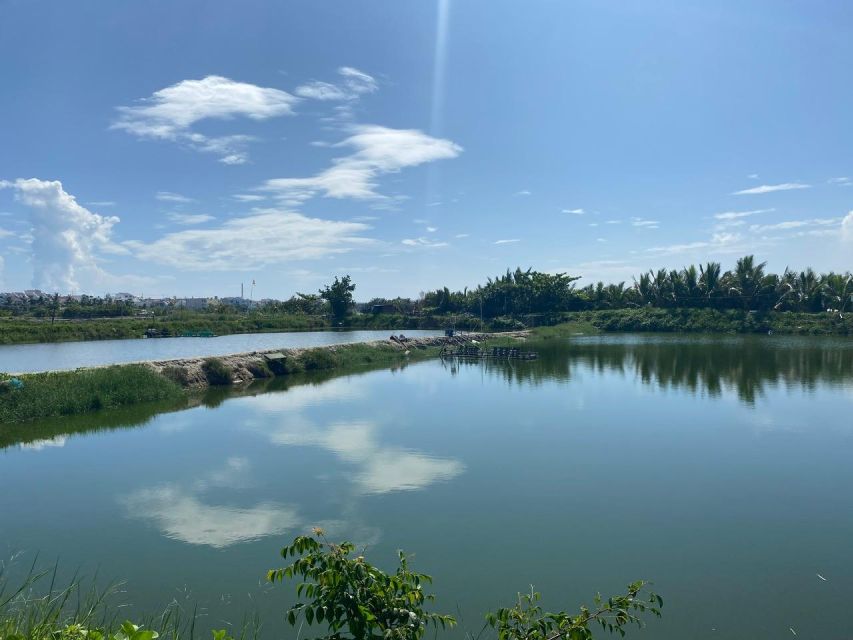
The final big highlight is the 40-minute basket (coconut) boat ride. This is often described as the peaceful part of the tour, and for a good reason: you glide through waterways lined with coconut palms, and you’re not dealing with the crowded, high-traffic feel you get at more popular tourist boat spots.
A local guide rows you along a tranquil river stretch, and the vibe tends to be slow and scenic. You’ll have time for photos and video without constantly dodging other boats.
Some riders also mention playful moments during the ride—like music in the background or the boat getting spun if you want that kind of fun. Don’t treat that as a guarantee, but do expect an experience that feels lighter than “transport from A to B.”
If you like being out on the water but don’t want the full-day commitment of a longer river trip, this is a well-sized finale. It closes the loop nicely: you started with countryside farming, then you finish floating through the same green ecosystem from a different angle.
How easy is the cycling, really?
Let’s talk about the part that decides whether this tour works for you: the bike.
From multiple accounts, the ride is flat and typically covers about 9 miles or roughly 10 miles, split into smaller sections. It’s not the kind of cycling where you’re locked into one long grind. You’ll get stops to regroup, look around, and let your guide explain what you’re seeing.
Traffic nerves can happen at the start, because you may ride through a few junctions that look intimidating on a map. In practice, most riders say the route feels safe and the guide helps you navigate. The guides also tend to keep a steady, relaxed pace—one that’s built for sightseeing, not training.
You don’t need to be a regular cyclist. If you can comfortably ride a bike at a moderate pace for short stretches, you’ll likely be fine. I’d still wear comfortable shoes and be ready to stop and start a few times, since rural roads can involve quick turn-offs, narrow lanes, and slow crossings.
And since it’s rain or shine, dress for weather first. In wet conditions, you’ll want clothes you don’t mind getting a little muddy or damp. A light layer is often a better idea than a bulky jacket that traps water.
What you get for $27: a value check that actually makes sense
$27 for a 3-hour half-day tour is the kind of price that’s usually only possible when the experience is planned tightly. Here, your money covers a lot of real pieces, not just “someone points and talks.”
Included items are:
- Bicycle
- Tra Que entry ticket
- Herbal tea
- Live English guide
- 40-minute basket boat ride
- Market visit
That’s a strong cluster of activities at a price that leaves room in your budget for other Hoi An meals and snacks. You’re also not paying extra for each segment separately, which matters when half-day tours start stacking up costs.
The only financial “gotcha” is the obvious one: no hotel pickup. But if you’re staying central, that’s usually a small trade-off for the low all-in price.
One more value point: many people highlight the guide quality. Different names come up often—Kun, Nhat, Hoang, Tom, Sun, and others—and that isn’t just personality bragging. Great guides help you understand what you’re seeing, keep you safe at tricky road moments, and move at a pace that feels enjoyable rather than rushed.
Who should book this tour—and who might skip it
This tour is a great fit if you want:
- A break from Ancient Town crowds
- Easy, scenic cycling outside the center
- Real farming and garden time at Tra Que
- A calm boat ride through coconut waterways
- A guide who can explain culture and daily life in English
It’s also a smart “first Hoi An” activity. You’ll get local context fast, which helps you plan the rest of your trip with fewer wrong turns and more confidence about where to wander next.
You might consider skipping if:
- You can’t ride a bicycle at all, even at a moderate pace
- You dislike any possibility of wet weather since it runs rain or shine
- You expect a purely guided history lecture with no hands-on village time (this is very experience-based)
One practical bike note: most people say the ride equipment is fine, but there’s at least one comment suggesting bikes could be newer. If bike condition matters a lot to you, you can ask the operator what the bikes are like that day and check the brakes and seat height before you roll.
Should you book the Rural Cycling and Basket Boat Tour?
Yes—if you want an authentic Hoi An morning that mixes countryside, gardens, and a boat ride without feeling like a jam-packed tourist checklist.
This is one of those deals where the time is used well: the cycling gets you out of the crowds, Tra Que adds real local texture, the market stop grounds the food theme, and the coconut boat ride gives you calm scenery to close the loop. The guide can make or break the experience, and the guide names you’ll hear most often from past guests—Kun and Nhat, plus others like Hoang and Tom—suggest you’re likely to get a friendly, attentive host.
Book it if you like the idea of pedaling through rice fields, getting your hands (lightly) involved in garden life, and finishing with a peaceful glide under coconut palms.
FAQ
Where is the meeting point?
Meet at 77 Tran Phu street, in front of Quan Thang Ancient House.
How long is the tour?
The tour lasts 3 hours.
Is hotel pickup included?
No. Hotel pickup and drop-off aren’t included.
What’s included in the price?
You get a bicycle, Tra Que Vegetable entry ticket, herbal tea, a live English guide, a 40-minute basket boat ride, and a market visit.
Is it suitable if I’m not a regular cyclist?
It’s generally described as easy riding with a mostly flat route and short segments, and many groups include people across different ages.
Will the tour run in bad weather?
Yes. The tour runs rain or shine.
What should I bring?
Bring a camera and comfortable clothes.
Can I get a refund if my plans change?
Yes. You can cancel up to 24 hours in advance for a full refund.
If you tell me when you’re going and where you’re staying in Hoi An, I can suggest the easiest way to reach 77 Tran Phu street without starting the day stressed.