REVIEW · HO CHI MINH CITY
Ho Chi Minh: Sai Gon – The City Of Bustle And Bright Lights
Book on GetYourGuide →Operated by Asian Travel Discovery · Bookable on GetYourGuide
Night Saigon moves fast, and so does this tour. In just four hours you’ll see the busy energy of the city after dark, then slow down at places that matter: Ben Thanh Market, the Jade Emperor Pagoda, Independence Palace, and key French-era landmarks.
I really liked Ben Thanh Market for feeling the day-to-night rhythm of Saigon in one stop, and I also liked the way the tour spotlights French-period architecture through places like the Independence Palace and the Central Post Office. It’s a smart mix of street-level life and big, historical rooms.
The one thing to keep in mind is time: you’re covering several major sights in one session, so you’ll get plenty of value but not a full-length, museum-style linger at every location.
In This Review
- Key highlights worth planning for
- A Four-Hour Hit of Saigon: Night Lights and Major Sights
- Ben Thanh Market: Where the City Buzz Starts
- Independence Palace: French-Era Luxury and the Rooms That Tell a Story
- War Museums: A Hard Stop That Adds Real Meaning
- Notre Dame Cathedral and the Central Post Office by Eiffel
- Jade Emperor Pagoda: Real Worship for Career, Love, and Babies
- Price and Logistics: Is $27 Worth It?
- What I’d Pack and How I’d Handle the Night
- Who This Tour Fits Best
- Should You Book This Saigon Night Tour?
- FAQ
- How long is the Ho Chi Minh: Sai Gon night tour?
- How much does the tour cost?
- What stops are included in the tour?
- Is hotel pickup included?
- What’s included in the price?
- What’s not included?
- Do you offer multiple language options?
- Is there a private group option?
- What’s the cancellation policy?
Key highlights worth planning for
- Ben Thanh Market energy that’s easy to experience without getting lost
- Jade Emperor Pagoda worship explained for career, love, and family prayers
- Independence Palace interiors with classic French-era luxury and lesser-seen rooms
- War Museums with emotional weight and concrete artifacts tied to the conflict
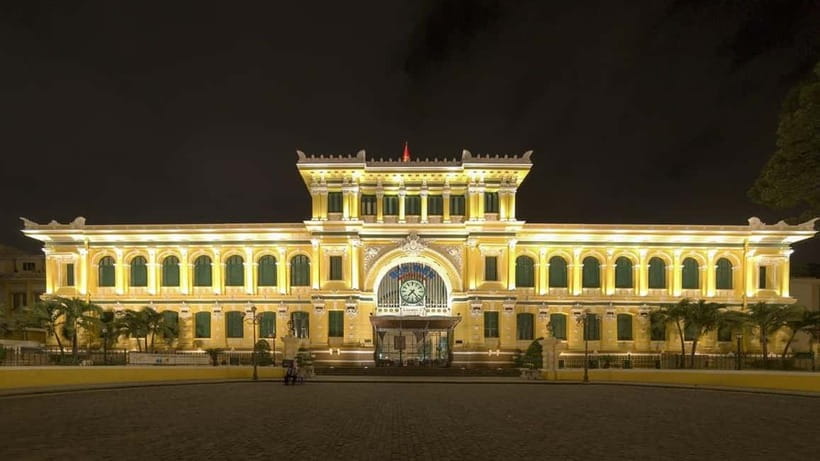
- Central Post Office by Gustave Eiffel plus photogenic French patterns
- Enough time at each stop so you can actually look, not just pass through
A Four-Hour Hit of Saigon: Night Lights and Major Sights
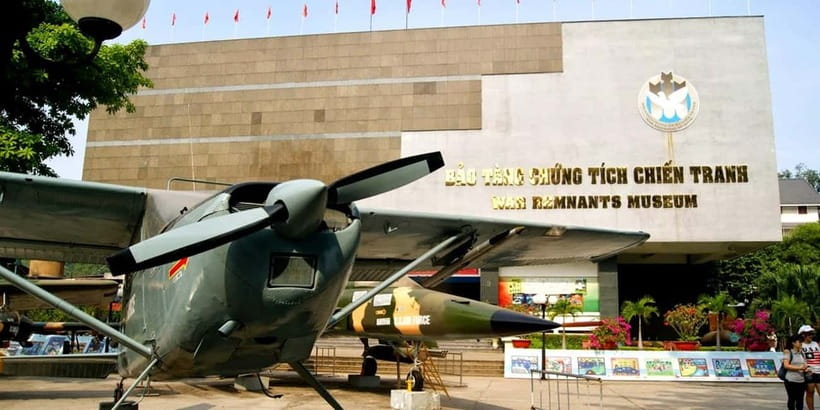
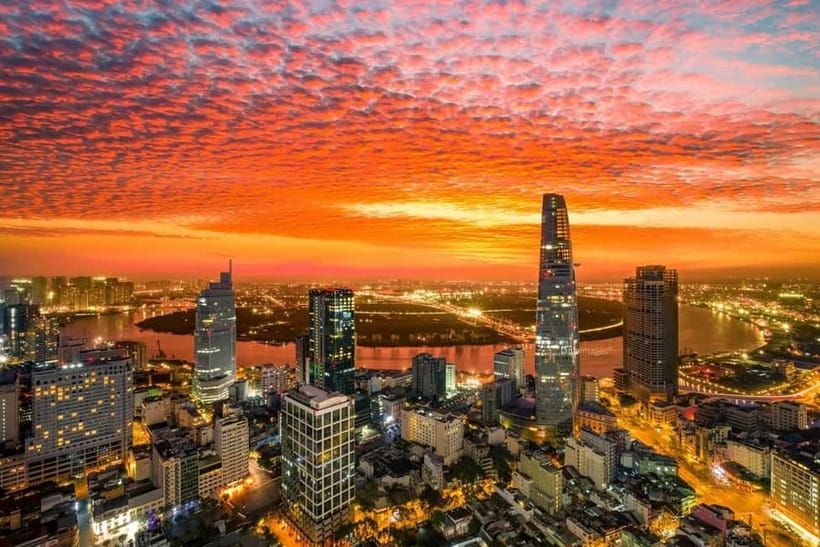
This tour is built for people who want to get their bearings fast in Ho Chi Minh City. You ride in an air-conditioned car, meet your guide, and then work through the city’s signature mix: traffic-and-lights streets, historic buildings from the French period, and stops that carry real emotion.
What makes the pacing work is that you don’t feel rushed at every single stop. The guide’s job is to help you understand what you’re seeing as you go, so the time you spend looking actually adds up. In my view, that’s the difference between a checklist tour and a tour that teaches you how to watch the city.
I also like that the tour’s not pretending everything is equally light and happy. The War Museums hit hard. You’re given a chance to register the scale of the suffering and the artifacts tied to the Vietnamese experience, not just snap a quick photo and move on.
And yes, the experience is for people who enjoy seeing a lot in one block of time. If you’re hoping for a relaxed, long-form wander with minimal stops, choose a slower style of tour instead. Here, the goal is efficient and memorable.
You can also read our reviews of more city tours in Ho Chi Minh City



Ben Thanh Market: Where the City Buzz Starts
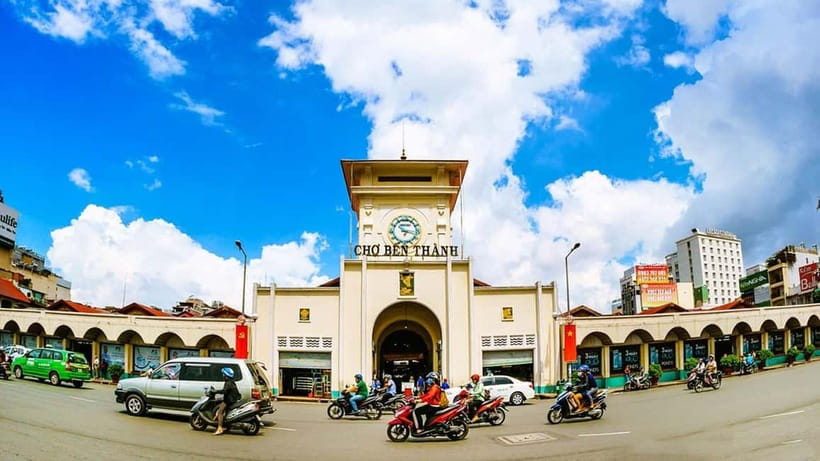
Ben Thanh Market is one of the places that instantly tells you where you are. Even when you come in knowing it’s famous, it still feels different than a typical shopping street. The action is right there in front of you—sellers focused on their products, shoppers moving with purpose, and the constant background chatter that makes the market feel alive.
What I like about starting here is that it sets the tone for the rest of the night. Markets show daily life. Later you’ll be in temples, palaces, cathedrals, museums—settings that reflect belief and power. Ben Thanh gives you the human baseline first.
Practically, you’ll want to go in with realistic expectations. This is not a curated museum market with one clean aisle. You’ll see variety all around you, and you’ll feel the momentum of local business. If you want souvenirs, it’s a good place to get your bearings for prices and styles—just remember you’re walking through a functioning local market, not a theme park.
The tour guide helps by pointing out what to look for so you don’t just wander and hope. And because the tour includes entrance fees, you’re not spending extra time figuring out what’s ticketed and what isn’t.
If you love street-level culture and you want the market experience without stress, this stop is a strong reason to book.
Independence Palace: French-Era Luxury and the Rooms That Tell a Story
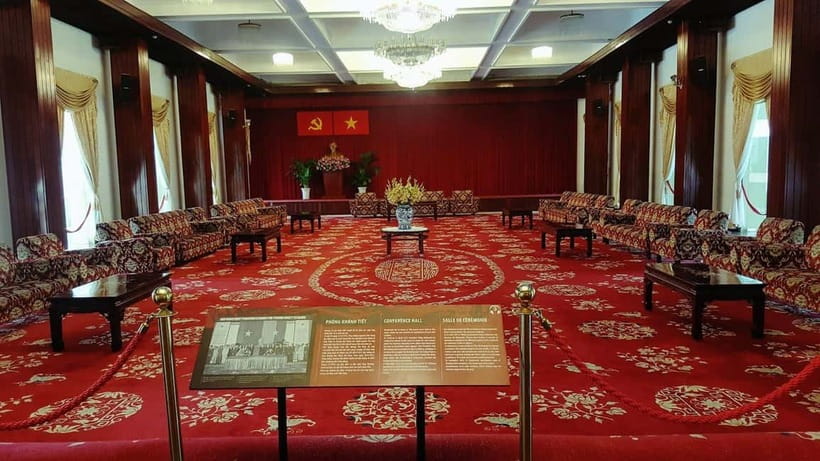
Independence Palace is where the tour leans into spectacle—but in a meaningful way. You’ll be able to admire the classic, elegant rooms surrounded by a large garden, and then you’ll move into spaces connected to how leadership and daily operations worked during pivotal moments in Vietnam’s modern history.
The standout here is that you’re not limited to the main showrooms. You also get access to secret rooms—areas tied to where the President of Vietnam worked historically. That detail matters because it turns the palace from a beautiful building into a place with practical context: people lived and worked there, with decisions being made behind doors you might otherwise never see.
Another reason this stop works so well on a night tour: the French period influence feels crisp and architectural. The design language is refined, and the interiors can feel expensive and rare because of their finishes and the careful layout. Even if you don’t consider yourself an architecture person, you’ll probably find yourself slowing down here and noticing how rooms connect and how the space is organized.
One small caution: because there’s a lot to see in one palace stop, you’ll get the best experience if you listen to the guide’s explanations and pace yourself. Don’t try to photograph everything. Pick a few angles that show scale—doorways, corridors, room transitions—because those visuals help you remember the place.
If you want your trip to connect beauty with history you can actually picture, Independence Palace delivers.
War Museums: A Hard Stop That Adds Real Meaning
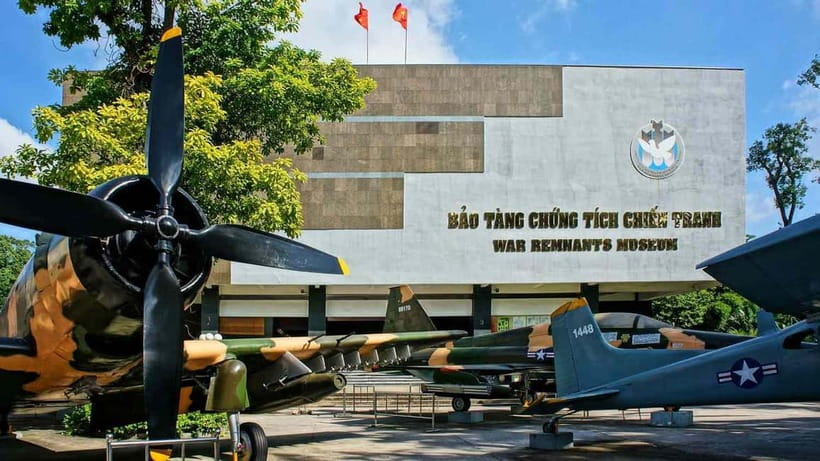
The War Museums are the emotional heart of this tour. This isn’t about grand, photogenic views. You’re there to feel the pain and loss Vietnamese people suffered during the war—and to understand it through weapons and artifacts used in the conflict.
I appreciate how this stop is handled as a serious component rather than a quick add-on. When you see the objects and the display context, it’s harder to treat the war as an abstract chapter in a book. The museum setting forces you to slow your thinking and recognize what it meant for people on the ground.
There’s also a practical benefit here. A lot of visitors come to Vietnam knowing the headline-level facts, but not how the experience is presented through local storytelling. A museum like this helps bridge that gap. Even if you don’t read every label, the overall message comes through.
The only consideration: bring yourself mentally. If you’re sensitive to heavy topics, know you’ll be exposed to the realities of suffering. For some people, that’s precisely why the tour is worth it. For others, it might feel like too much packed into a single evening. If you’re unsure, you can take a moment before entering and decide how much time you want to spend absorbing the displays.
Either way, this is the part of the tour that adds weight—and it’s the contrast that makes the lighter architectural stops feel more grounded.
Notre Dame Cathedral and the Central Post Office by Eiffel
After the intensity of the museums, the tour shifts into iconic architecture.
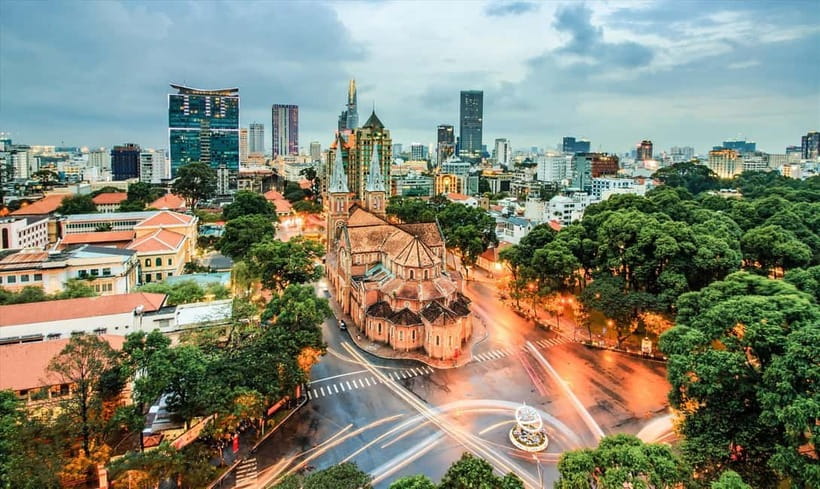
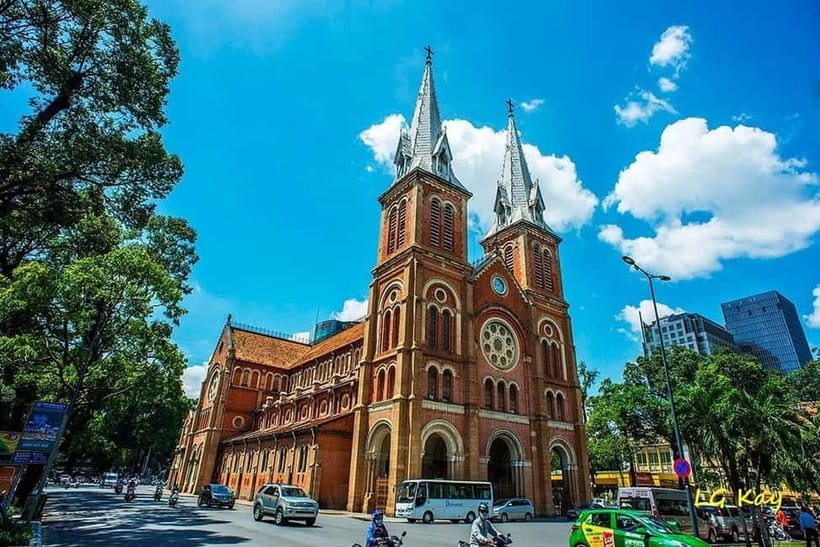
Saigon Notre Dame Cathedral—often referred to as Saigon Cathedral or Cathedral of the Virgin Mary—is a favorite spot for local couples to take wedding photos. That detail tells you something about the building’s ongoing role in everyday life, not just history. You’ll be able to admire architecture that has remained recognizable even after many years, which is exactly why it’s stayed on visitors’ radar.
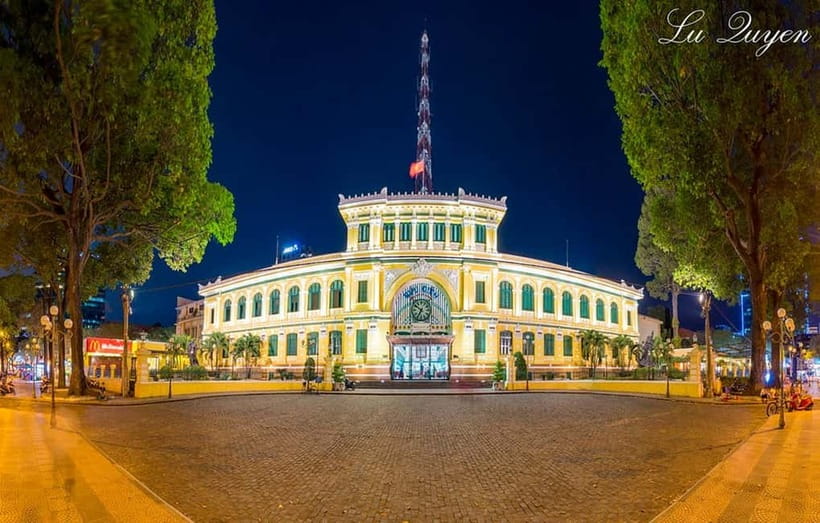
From there, you go to the Saigon Central Post Office, designed by Gustave Eiffel. That fact alone makes this stop click in your brain: the same engineering mind behind famous work in France left a footprint here. The building’s classic design and French-period patterns make it easy to appreciate at a glance, but the experience is better when you slow down and look at how the structure and decoration work together.
What I find practical here is that both the cathedral and post office give you visual checkpoints. They’re easy to orient around. If you want to remember the trip, these are places your photos will usually look meaningful, not random.
One note for your comfort: cathedral and post office buildings can be busy with other visitors, especially if you’re on a popular time slot. Keep your expectations flexible. Your guide helps you get to the key sightlines and keeps the momentum moving.
If you like architecture with a clear signature, you’ll probably love this section.



Jade Emperor Pagoda: Real Worship for Career, Love, and Babies
The Jade Emperor Pagoda is where you see a different side of Saigon—spiritual life with very visible devotion. This temple is one of the holiest places to pray for career or love, and it’s also a common place to pray for having babies.
That’s not just trivia. It gives context for what you’ll notice: people aren’t treating the visit like sightseeing only. They come with intentions, and you can feel that in the way the place is used.
I like that this stop rounds out the tour’s theme. You’ve seen the city through commerce (Ben Thanh), through politics and power (Independence Palace), through conflict and loss (War Museums), and through colonial-era architecture (cathedral and post office). Then Jade Emperor Pagoda shows belief and hope—practical prayers tied to real life.
A smart approach here is to treat it as a place of worship first. Keep your voice low, follow any guidance you’re given, and be respectful with photos. You don’t need to understand every ritual to understand the energy of devotion.
If you’ve never visited a major Asian temple before, this is one of the better ways to learn what’s going on—because the guide can explain what people come to pray for. That makes the details you see feel less confusing and more meaningful.
Price and Logistics: Is $27 Worth It?
At $27 per person for a four-hour tour, the value is mostly in two places: convenience and what’s included. You get pickup and drop-off around central Saigon, an air-conditioned car, a professional English-speaking guide, entrance fees, and bottled water.
That combination can save you time and small headaches. A self-planned route might cost less on paper, but you’d spend time figuring out ticket lines, transport, and sequencing—especially at night when traffic can be unpredictable. Here, the car and the planned stops reduce friction, and the included entrance fees keep you from getting surprised by costs later.
Two cost notes to watch: toll fees and any holiday surcharge in Vietnam are not included. So if you’re traveling during peak holiday periods, your final price can shift. Also, the tour includes pickup and drop-off in the city center, so if you’re far outside that zone, you might want to confirm how close the driver can get.
You also have a practical safety net with free cancellation up to 24 hours in advance and the ability to reserve now and pay later. That makes it easier to lock in a good night plan without committing instantly.
Overall, if you want a curated loop of major sights—especially with a guide who keeps each stop informative—this price feels fair.
What I’d Pack and How I’d Handle the Night
This tour works best if you dress for comfort and walking. Even though you’re using a car between stops, you’ll still be on your feet in markets, temples, and big public buildings.
I’d bring:
- Comfortable shoes (you’ll be moving through crowded areas)
- A light layer (some indoor spaces can feel cool)
- A small amount of cash for optional purchases at the market
- Your phone charger mindset (for photos, but don’t spend the whole time filming)
The most important tip: listen to your guide before you step into each place. The difference between seeing a door and understanding what it represents is huge in a palace and museum setting. In the reviews, the guide is praised for sharing lots of useful information at every stop, and I agree—that’s where you’ll get the extra value.
Also, pace yourself with photos. If you try to photograph everything, you’ll end up tired and forgetful. Pick a few key shots per stop, then spend the rest of your time actually looking.
Who This Tour Fits Best
This is a good match for you if:
- You want a 4-hour overview of Ho Chi Minh’s major sights without planning every detail
- You like the mix of local market life, sacred worship, and colonial-era architecture
- You’re comfortable handling heavy topics at a war museum
- You appreciate a guide who explains what you’re seeing (including the kind of experience where JK has been described as educational and friendly)
It’s less ideal if:
- You want an unhurried, slow walk with minimal stops
- You dislike tours that pack multiple landmarks into one evening
- You’d rather spend longer than a short visit at any single location
If you’re traveling as a private group, that can also be a win. You can keep the experience more tailored—useful for families or friends who want a tighter pace that still includes the same key sights.
Should You Book This Saigon Night Tour?
I’d book this tour if you want the best kind of first evening in Ho Chi Minh: a smart loop that shows the city’s energy and then gives you context through major historical and spiritual stops. For the price, the included entrances, the air-conditioned ride, and the guide-led explanations make it feel efficient and fair.
Skip it only if you’re the type who needs long time blocks in museums and prefers to wander independently. Otherwise, this is exactly the sort of guided night outing that helps you learn the city faster—then enjoy your next day with a clearer sense of what you’re seeing.
FAQ
How long is the Ho Chi Minh: Sai Gon night tour?
The tour duration is 4 hours.
How much does the tour cost?
The price is $27 per person.
What stops are included in the tour?
You’ll visit Ben Thanh Market, Jade Emperor Pagoda, Saigon Central Post Office, Saigon Notre Dame Cathedral, Independence Palace, and the War Museums.
Is hotel pickup included?
You’ll be picked up by car in front of your hotel, and you also get pickup and drop-off at the center of Saigon.
What’s included in the price?
Included: pickup and drop-off at the center of Saigon, a friendly professional guide, an English-speaking guide (with surcharge for other languages), AC car, entrance fees, and bottled water on the car.
What’s not included?
Not included: toll fees, anything not mentioned in the inclusions, and any surcharge for holidays in Vietnam.
Do you offer multiple language options?
Yes. The tour offers live guides in English and also Chinese, French, Japanese, Italian, Spanish, Korean, German, and Russian (with a surcharge for languages other than English).
Is there a private group option?
Yes, a private group is available.
What’s the cancellation policy?
You can cancel up to 24 hours in advance for a full refund.