REVIEW · HO CHI MINH CITY
Ho Chi Minh City: Vietnamese Homestyle Cooking Class
Book on GetYourGuide →Operated by Hoa's Kitchen · Bookable on GetYourGuide
A homestyle dinner happens fast. This Vietnamese cooking class in Ho Chi Minh City feels like you’re welcomed into Hoa’s Kitchen, guided step by step as you make classic dishes in a real home setup (homestyle and small group).
What I like most is how practical it feels: fresh ingredients, a cook-from-scratch pace, and clear instruction so you can actually recreate the flavors later. The class highlights no MSG and focuses on techniques you can repeat at home, not just eating a finished meal.
One thing to consider: there’s no pickup, and you cook on the shared kitchen workflow (not separate stations for each person). Still, that trade-off usually works in your favor because it keeps the atmosphere friendly and hands-on.
In This Review
- Key points
- Entering a Vietnamese home kitchen in District 4
- What you’ll cook: 2–3 dishes, Vietnamese classics, and flexible menu
- How the teaching works (and why it feels un-rushed)
- The food philosophy: fresh ingredients and no MSG
- Plant-based, vegetarian, gluten-free: how flexible is it?
- A realistic 3-hour flow: meet, cook, eat, then head back
- Logistics that matter: getting there and what to plan for
- Why the $39 price feels fair for what you get
- Who should book this Ho Chi Minh City cooking class
- Should you book Hoa’s Vietnamese Homestyle Cooking Class?
- FAQ
- Where is the meeting point for the cooking class?
- How long is the Vietnamese homestyle cooking class?
- How many dishes will I cook?
- Does the class include a market visit?
- Is pickup service available?
- Can the class accommodate dietary restrictions like vegetarian or vegan?
- Is there alcohol allowed during the class?
- How many people are in the group?
Key points
- Real home-kitchen setup in District 4, with a cozy, welcoming vibe and family-friend conversations
- Cook 2–3 dishes from scratch with step-by-step guidance from English-speaking Hoa
- No MSG ingredients and an emphasis on Vietnamese homestyle recipes and tips
- Diet-friendly menu options, including plant-based versions for several popular dishes
- Small group of up to 6, limited to keep it personal and not rushed
- Optional market visit only if you request it, for an extra fee
Entering a Vietnamese home kitchen in District 4
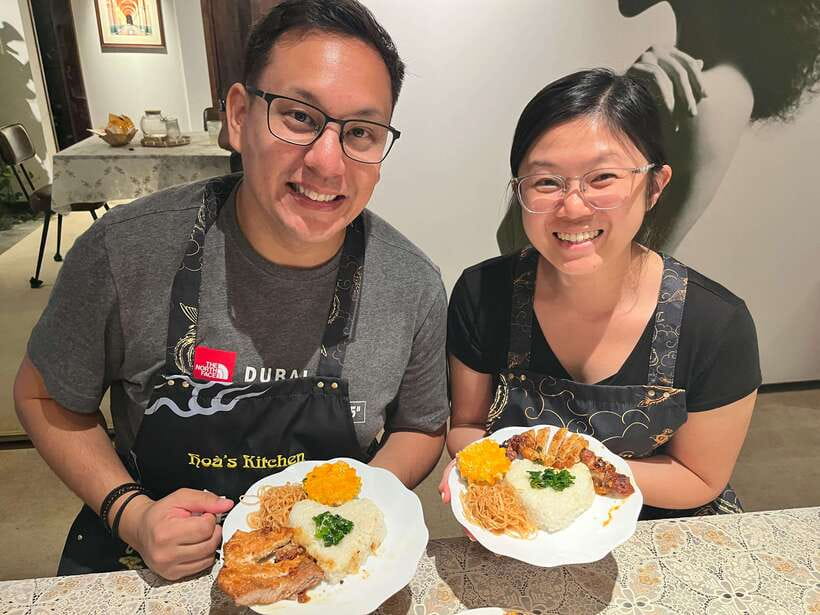
This is not a giant, assembly-line cooking show. The experience starts at 670/81 Doan Van Bo Street, Ward 8, District 4, where you meet at the location and finish right back at the same spot.
The “homestyle” part matters. You’re cooking in a home setting, not a studio, so the rhythm is warmer and more conversational. With a small group capped at 6, it’s easy to ask questions and get help before you make the same mistake twice.
Do note the format: there’s no separate station for every guest. That means you’ll share the workflow and kitchen space. If you like “everyone does their own thing at a personal counter,” you might find the shared setup a little less comfortable—but most people enjoy it because it feels like cooking with friends.
You can also read our reviews of more city tours in Ho Chi Minh City


What you’ll cook: 2–3 dishes, Vietnamese classics, and flexible menu
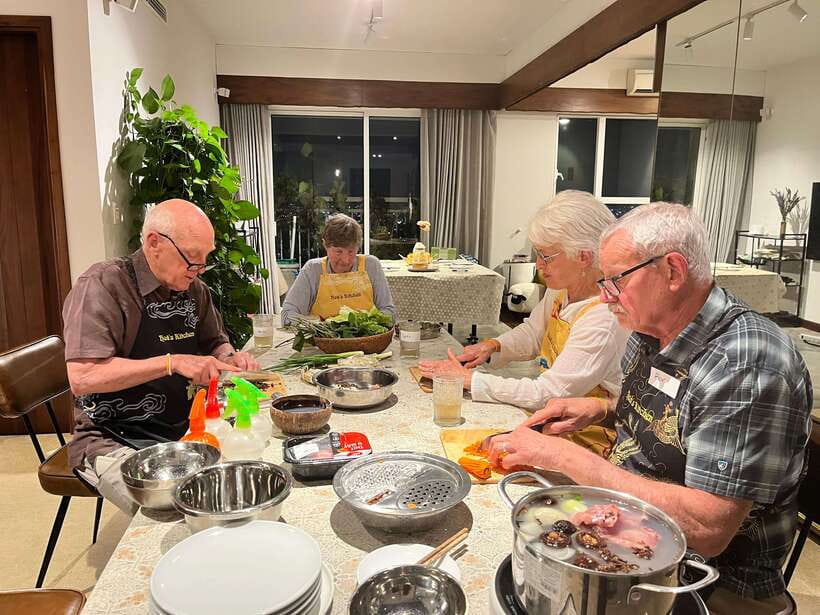
The class usually involves cooking 2–3 dishes from scratch together. You can expect the instructor to walk you through each step, then turn the work over to you so you’re doing the cooking, not just watching.
The menu choices are broad enough that you can steer the experience toward your tastes. Some offered dishes include:
- Bún thịt nướng / Bún bò Nam Bộ (stir-fried beef or grilled chicken/pork noodles)
- Bánh xèo (Vietnamese savory pancake with chicken/pork/prawn options)
- Phở gà (chicken noodle soup)
- Chả giò (fried spring rolls with chicken/pork)
- Bún cá (fish noodle soup)
- Mì xào bò (stir-fried noodles with beef)
- Bánh cuốn (rice crepe rolls)
- Gỏi (mango/papaya/pomelo/cabbage salads)
- Cơm tấm (grilled pork and broken rice)
- Cá kho (braised fish)
- Thịt kho (braised pork)
- Gà sả ớt (chicken with lemon grass)
If you want something specific, tell them at booking time. The class can also tailor to a gluten-free palate, or to special diets and allergies if you share the details in advance. That flexibility is a big deal because it shifts the class from generic “Vietnamese food” to the flavors you personally want.
In practice, many people end up loving the spring roll and noodle-soup side of the class. There’s a reason those dishes are memorable: they show Vietnamese technique clearly, and you leave knowing how to build the flavors layer by layer.
How the teaching works (and why it feels un-rushed)
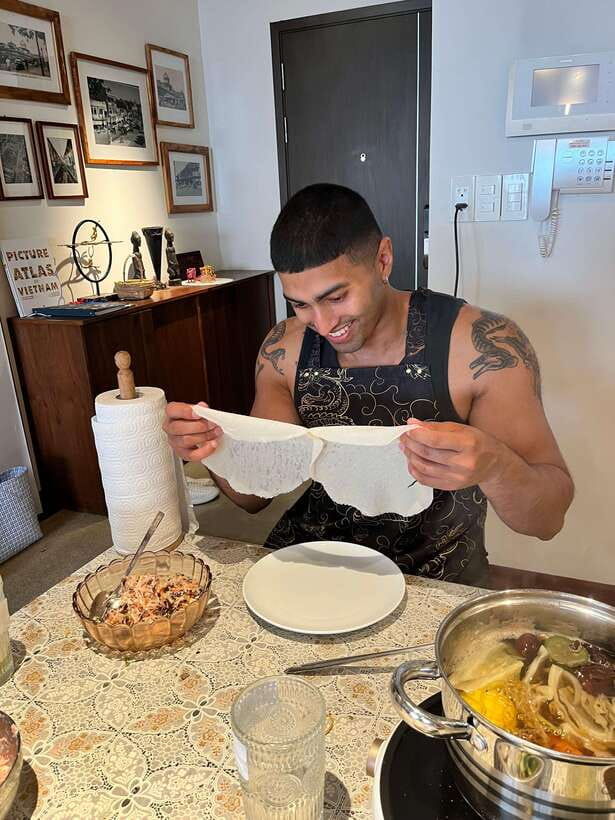
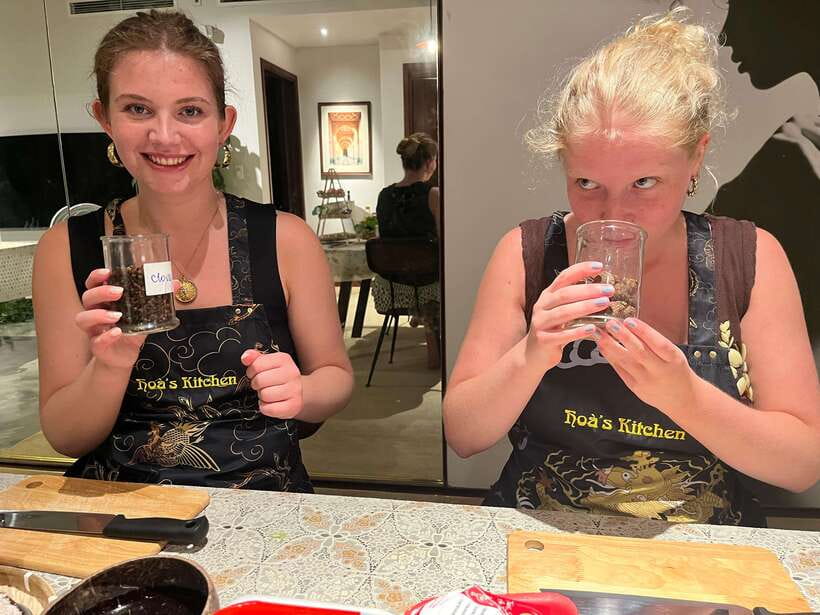
This is built around step-by-step guidance. The instructor guides you through the process, cooking together with you rather than sending you off on a solo mission. The kitchen workflow keeps moving, but it’s not frantic.
You’ll start from scratch, meaning the class spends time on key prep and foundational steps: cooking components, assembling, and finishing. The goal isn’t only to end with a good plate—it’s to help you understand what changes when you adjust ingredients.
A few teaching extras show up again and again in the experience: photos taken during the class, recipes shared after, and time to ask questions as you go. That matters because cooking is easier when you can compare your steps and timing to a clear reference later.
One more practical note: since you don’t have separate stations, you’ll likely take turns with tasks. That’s a small compromise, but it’s also what makes the class feel like a shared meal rather than a timed task list.
The food philosophy: fresh ingredients and no MSG
The class is explicit about quality—high quality ingredients and no MSG. In Vietnamese home cooking, flavor isn’t usually forced with shortcuts. Instead, you’re learning how aromatics, balance, and texture create the taste.
You’ll also find that “homestyle” doesn’t mean basic. It usually means realistic: recipes built around ingredients people can find locally. That’s helpful if you’re trying to copy the dishes at home without hunting for hard-to-find items.
Another strength is that you’re not only learning the dish, you’re learning variations. The class focuses on Vietnamese typical dishes, and the guidance can cover how recipes vary across the country. Even if you’re only making a few dishes in one night, that context helps you understand the cuisine better.
Plant-based, vegetarian, gluten-free: how flexible is it?
If you eat vegetarian or follow a plant-based diet, this class has a clear advantage. It can make plant-based versions of several dishes, including:
- Bún thịt nướng / Bún bò Nam Bộ (1)
- Bánh xèo (2)
- Phở gà (3)
- Chả giò (4)
- Mì xào bò (6)
- Gỏi (8)
The key is that they’re not just swapping one ingredient and calling it done. The menu supports plant-based versions specifically for certain items, which means you can plan around what you want to learn.
They can also tailor for gluten-free preferences and other allergies. The important practical move: mention dietary needs at booking, so the class can adjust the menu ahead of time.
One more helpful point: since this is a small group and not a large commercial class, accommodations tend to be more manageable. If you’ve ever been stuck in a “special meal” corner at a bigger event, you’ll likely appreciate the more personal setup here.
You can also read our reviews of more cooking classes in Ho Chi Minh City


A realistic 3-hour flow: meet, cook, eat, then head back
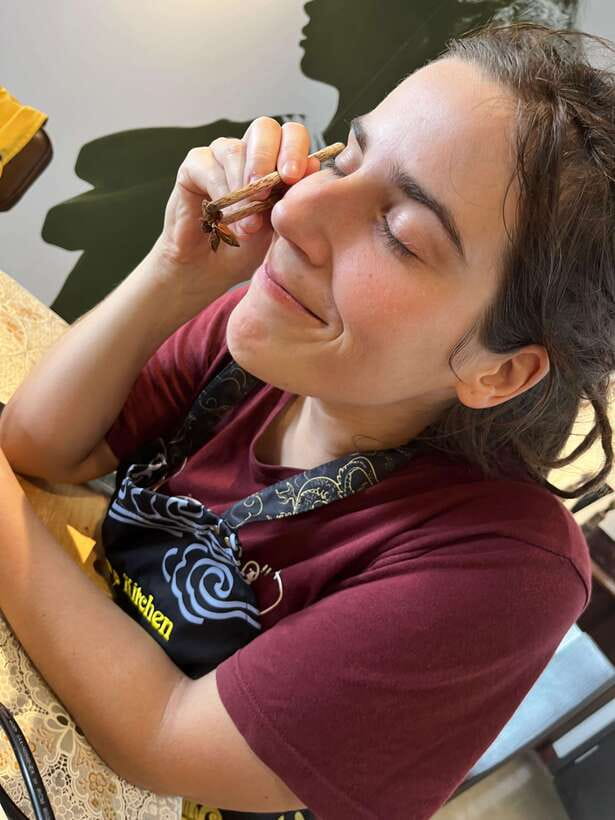
The class lasts about 3 hours, and you meet at the address in District 4. There’s no pickup service, so plan to get there yourself—most people use a ride-hailing app or local transport from their hotel area.
Here’s the practical rhythm you can expect:
- Arrive, get oriented, and start prep from scratch
- Cook together step by step, with you doing hands-on work
- Finish dishes and share the meal at the home setting
- Wrap up at the same meeting point where you started
You’ll likely cook 2–3 dishes, and the exact combination depends on the menu selection and what you request. Some people come for noodles or spring rolls; others want a balance of soup, savory pancake, and a fresh salad. Either way, the class is designed so you end up with a meal, not just ingredients.
Also, there can be cultural extras added depending on timing and situation. For example, one experience described a bonus dragon painting activity after cooking with an artist. If that kind of add-on appeals to you, it can turn a food class into a fuller Vietnamese evening.
Logistics that matter: getting there and what to plan for
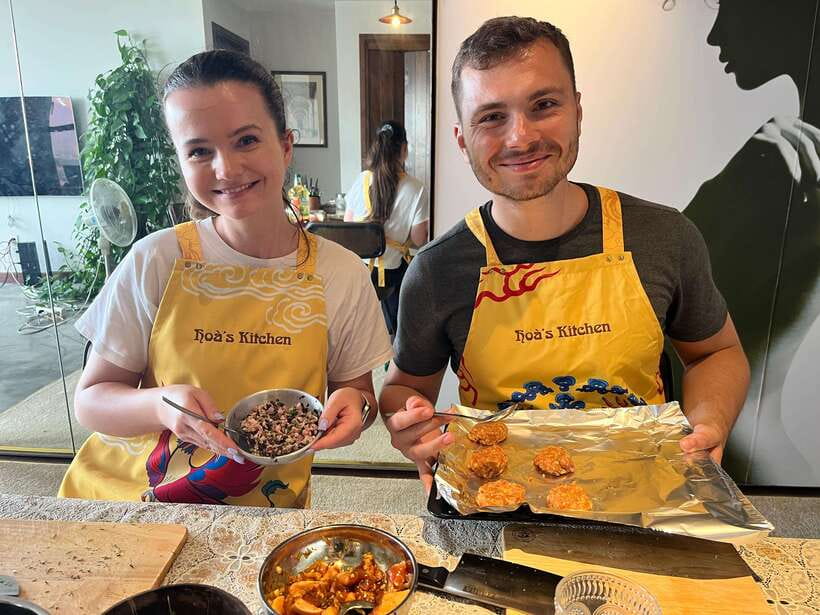
Because there’s no pickup, you’ll want to be comfortable navigating to a specific address in District 4. The meeting point is 670/81 Doan Van Bo Street, Ward 8, District 4. The activity ends back there too.
One review mentioned it was a short, inexpensive Grab ride for a group, which is a good sign if your hotel isn’t too far across the city. Still, your actual ride time depends on traffic, so give yourself a small buffer.
A couple extra rules are worth noting: alcohol and drugs are not allowed. The class is taught in English, and it’s marked as wheelchair accessible. There’s also a note that it isn’t suitable for people over 95 years, so check with the provider if that’s relevant for you.
Why the $39 price feels fair for what you get
At $39 per person for a 3-hour class, you’re paying for more than ingredients. You’re paying for instruction, a small-group home environment, and the chance to cook multiple Vietnamese dishes from scratch.
In many cooking classes, you might watch, sample, and then leave hungry. Here, the emphasis is on hands-on cooking and eating what you make. If you leave with 2–3 dishes you can realistically reproduce later, the value becomes clearer.
You’re also getting added materials: photos during the class and a recipe follow-up afterward. That turns the experience into something you can use after your trip, not just a one-night memory.
The no-MSG ingredient approach also reinforces value. It’s part of the class identity and shows they’re serious about how the food tastes and how it’s built.
Who should book this Ho Chi Minh City cooking class
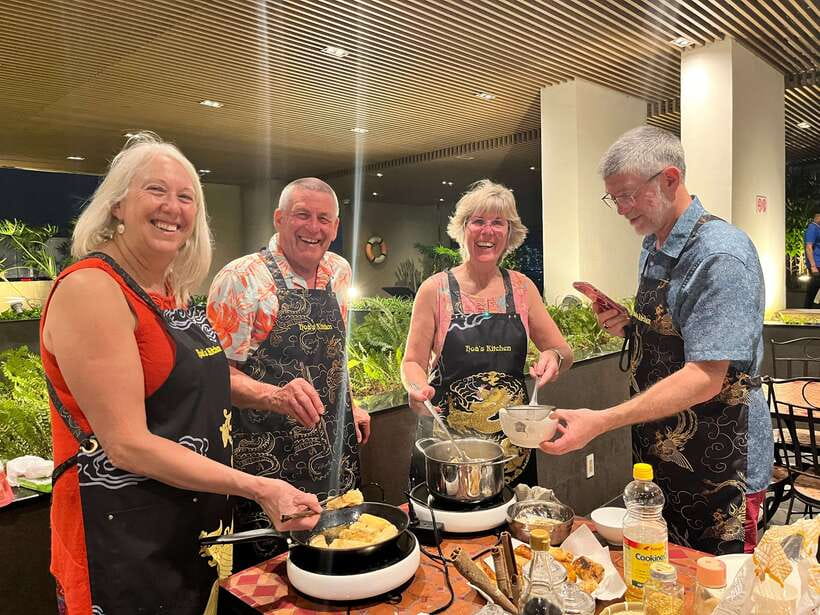
Book it if you want a Vietnamese cooking class that feels like a friend’s home dinner—small group, real instruction, and you leaving with practical skills. It’s especially a strong choice if you’re interested in classic dishes like phở, bún, bánh xèo, and spring rolls.
It’s also a good fit if you care about dietary options. The plant-based menu coverage covers several major dishes, and the provider indicates they can tailor for gluten-free and allergies if you share needs at booking.
If you’re looking for a high-energy performance or you want separate, private cooking stations, this might feel more like a shared household lesson than a staged event. But if you want warmth, pace, and real culinary technique, this setup is exactly the point.
Should you book Hoa’s Vietnamese Homestyle Cooking Class?
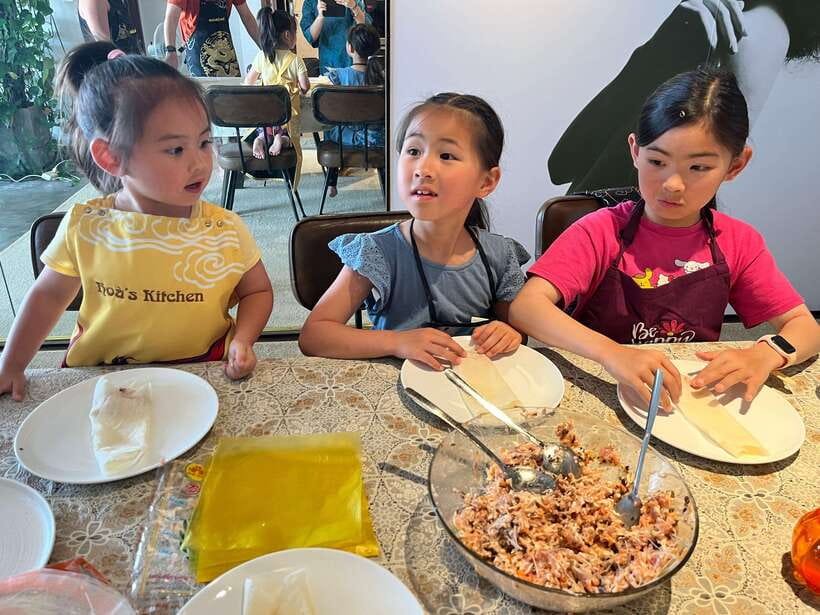
Yes, if your trip in Ho Chi Minh City includes room for an evening where you cook and eat Vietnamese homestyle food in a cozy, small-group setting. The price is reasonable for a 3-hour, hands-on class with no MSG ingredients and the chance to make 2–3 dishes.
I’d skip it if you specifically need pickup service, or if the idea of sharing a kitchen workflow feels stressful. Also skip if your food priorities are so narrow that you won’t be able to select dishes from the offered menu options.
If you want a memorable, practical way to learn Vietnamese cooking beyond the obvious tourist plates, this is a solid choice.
FAQ
Where is the meeting point for the cooking class?
You meet at 670/81 Doan Van Bo Street, Ward 8, District 4, Ho Chi Minh City, Vietnam. The activity ends back at the same meeting point.
How long is the Vietnamese homestyle cooking class?
The class lasts about 3 hours. Starting times vary, so check availability when you book.
How many dishes will I cook?
You will cook 2–3 dishes from scratch during the class, guided step by step by the instructor.
Does the class include a market visit?
A market visit is not included by default. It can be offered as a request with an extra fee.
Is pickup service available?
Pickup service is not offered. You’ll need to get to the meeting point on your own.
Can the class accommodate dietary restrictions like vegetarian or vegan?
Yes. Plant-based versions can be made for specific dishes: 1, 2, 3, 4, 6, and 8. The menu can also be tailored for gluten-free preferences and special diets or allergies if you share details at booking.
Is there alcohol allowed during the class?
No. Alcohol and drugs are not allowed.
How many people are in the group?
The group is small and limited to 6 participants.