REVIEW · HO CHI MINH CITY
Ho Chi Minh City: Street Food and Sightseeing by Motorbike
Book on GetYourGuide →Operated by CONNECT CULTURE CO.,LTD · Bookable on GetYourGuide
Saigon moves fast on two wheels. What makes this tour special is the motorbike route through small alleys plus the street food stops where all food and drinks are handled for you. The one real catch: you need to feel comfortable with traffic and the physical demands of a motorbike ride, since it is not suitable for pregnant women, wheelchair users, or anyone over 70.
I also like that the experience is built around culture as much as food—an old apartment in the oldest neighborhood, a Chinese temple stop, and multiple Chinatown market areas in District 5. Guides often bring real personality to the day too; names like Vincent, Seng, Vi, Peace, and Tim show up in past tours as English-speaking pros who keep things fun while sharing what you’re seeing.
Key Markets, Real Neighborhoods, and Street Snacks is the vibe. You’ll see flower chaos, lantern and medicine stalls, then shift gears for a floating-market-style stop and more evening eats in local spots.
In This Review
- Key Things You’ll Notice on This Tour
- Why Motorbike Street-Level Sightseeing Works in HCMC
- District 3’s Old Apartment: How Local Life Looks Up Close
- Flower Market, Chinese Temple, and the City’s Faith on Display
- District 5 Chinatown Markets: Lanterns, Medicine, and Everyday Shopping
- Floating Market-Style Stop and Old Saigon’s Night Food Loop
- What You’ll Eat: Beef Noodle Soup, Pancakes, and More Vietnamese Classics
- Price and Value: Getting More Than a Quick Snack
- Who This Motorbike Food Tour Suits Best
- FAQ
- How long is the motorbike street food tour?
- What does the tour cost?
- Where does pickup happen in HCMC?
- What’s included in the price?
- What food should I expect to try?
- What should I bring?
- Is the tour allowed if I’m pregnant or have mobility needs?
- Should You Book This Tour?
Key Things You’ll Notice on This Tour
- District 3 old-apartment visit: a look at how people actually live in the city’s oldest area
- Motorbike backstreet route: faster city movement, and you get off the main tourist paths
- Chinese religion stop at a temple: learn how different faiths show up in everyday neighborhoods
- District 5 Chinatown markets: flower market plus lantern, medicine, and food-oriented shopping streets
- Old Saigon night food focus: you’ll keep eating after the typical dinner rush ends
- Safety gear included: helmets and ponchos are part of the package, not an afterthought
Why Motorbike Street-Level Sightseeing Works in HCMC
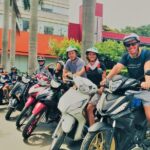
HCMC is one of those cities where walking and sightseeing alone can feel like you’re constantly fighting traffic flow. On a motorbike, the tour gets you through lanes and side streets that most visitors never see—so you get a more accurate sense of the city’s rhythm.
This format also makes the food part easier. Street food isn’t spread evenly across a neat walking loop. By bouncing between neighborhoods, you’re more likely to try a range of specialties without wasting half your day in transit.
The tradeoff is obvious. You’re riding behind a guide, not driving, and you need to be okay with the motion and the close-up feel of street life. If that sounds like stress, this may not be your best choice—even with helmets and ponchos provided. Also note: the tour is not listed as suitable for pregnant women, wheelchair users, or people over 70.
You can also read our reviews of more food & drink experiences in Ho Chi Minh City
District 3’s Old Apartment: How Local Life Looks Up Close
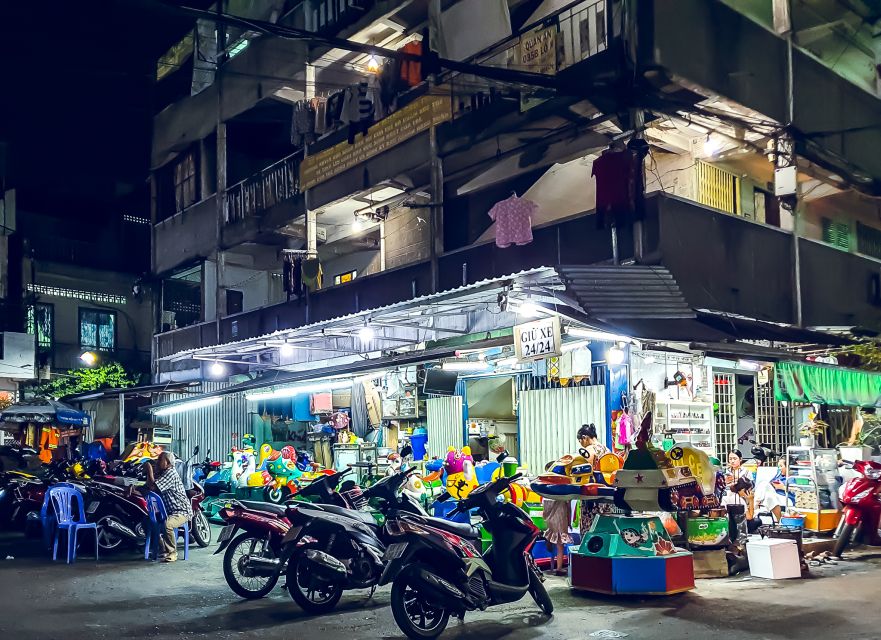
One of the most meaningful stops is an apartment visit in District 3, described as the city’s oldest district area. Instead of viewing heritage from a distance, you’re meant to see how residents live inside a typical home setup in the older neighborhood.
Why it matters: in HCMC, the big sights can sometimes feel like they belong to tourists more than locals. This stop pushes you toward everyday context—how people structure space, how daily routines fit into the built environment, and what “old” looks like when it’s still lived in.
What to watch for: you’ll likely be moving through tight spaces with real household details around you. Wear comfortable clothes and shoes you can manage without fuss. If you’re the kind of traveler who likes understanding the human side of a place, this is the moment that turns a food tour into a city tour with meaning.
Flower Market, Chinese Temple, and the City’s Faith on Display
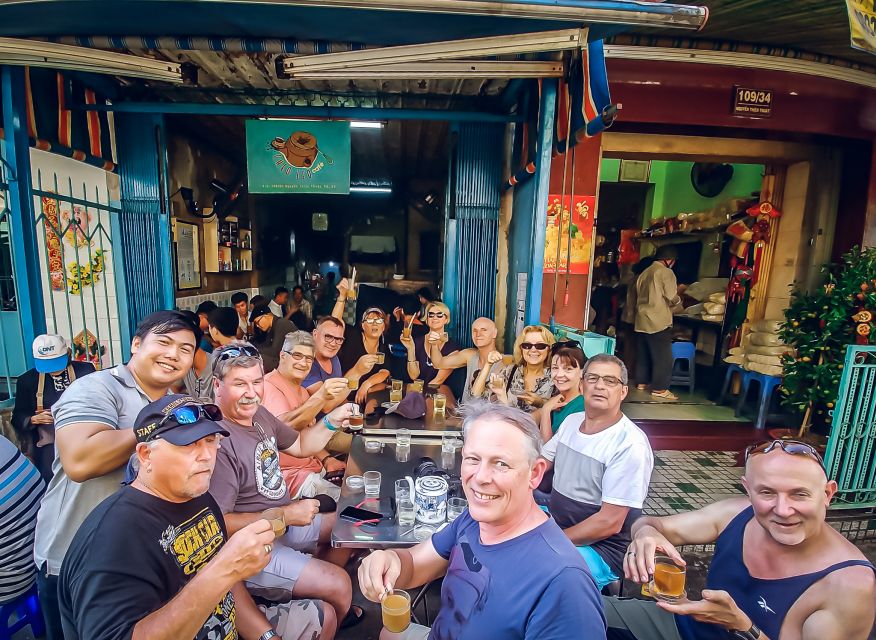
After the apartment visit, the route continues toward the large flower market, where you’ll see a huge range of blossoms for sale. Flowers matter in Vietnam in more ways than just pretty photos—markets like this connect commerce, ceremonies, and neighborhood life.
Next comes a typical temple that shows the religious culture of Chinese communities. This isn’t presented as a long lecture. You’ll learn the basics of how those beliefs show up locally, which helps you read the city better once you’re back on your own.
A practical note: temples and markets can get busy, and lighting can be tricky for photos. Bring your camera, but also bring patience. The best photos here come when you slow down and let the guide explain what you’re looking at—especially around temple areas tied to specific community practices.
District 5 Chinatown Markets: Lanterns, Medicine, and Everyday Shopping
District 5 is where the tour leans hard into Chinatown. On the morning or afternoon options, you explore what’s described as one of the biggest Chinatowns in HCMC’s District 5, then focus on specific market lanes.
You’ll get multiple angles of the area, not just one photo stop:
- the motorbike market
- the Chinese lantern market
- the Chinese medicine market
Why this is valuable: it shows Chinatown as commerce, not just scenery. Lanterns point to festivals and home decoration. Medicine markets show how traditional remedies remain part of daily culture. And the motorbike lanes remind you that street economy is practical, loud, and always moving.
If you like shopping for souvenirs, you’ll understand what to ask about and what to ignore. If you don’t plan to buy anything, you still get an education in how a neighborhood functions—what people sell, how they sell it, and what locals treat as normal.
Floating Market-Style Stop and Old Saigon’s Night Food Loop
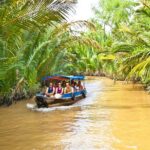
The tour also includes a floating market-style stop in the heart of old Saigon. Even if you’ve seen floating markets elsewhere, this one is being framed as a direct connection to the older core of the city—so it feels like a bridge between sightseeing and eating.
On the night food tour, the pacing shifts. Instead of stopping at places after locals have finished their business for the day, the guide takes you into busy local restaurants for more Vietnamese food. That means you’re more likely to eat where the energy is real, not where kitchens are shutting down.
There’s also a drive through the Saigon Old Mafia Area, which today is described as a big food paradise. That kind of route isn’t just novelty. It’s how you discover pockets where food culture lives in the neighborhood’s identity—less like a theme park, more like a map of where people go to eat.
A few more Ho Chi Minh City tours and experiences worth a look
What You’ll Eat: Beef Noodle Soup, Pancakes, and More Vietnamese Classics
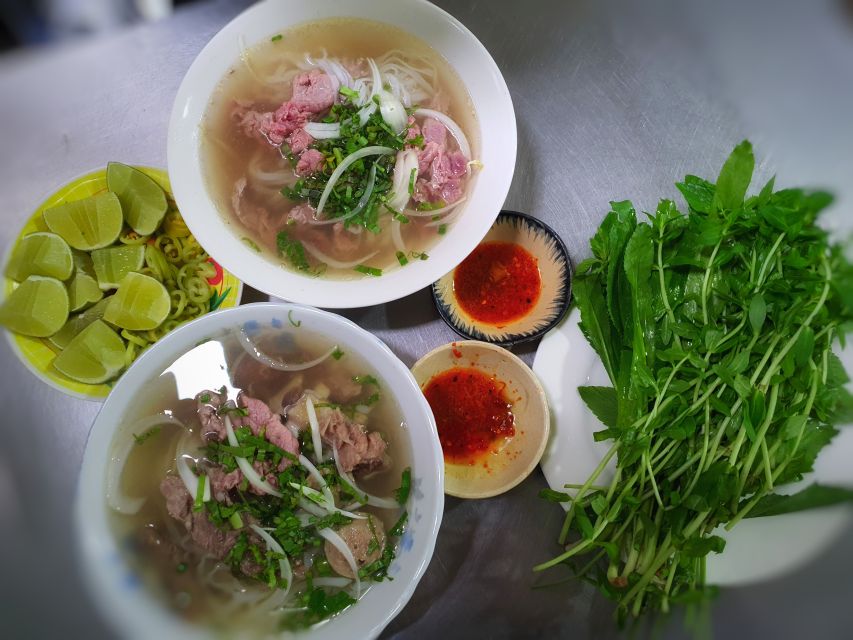
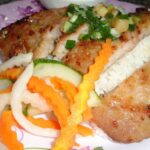
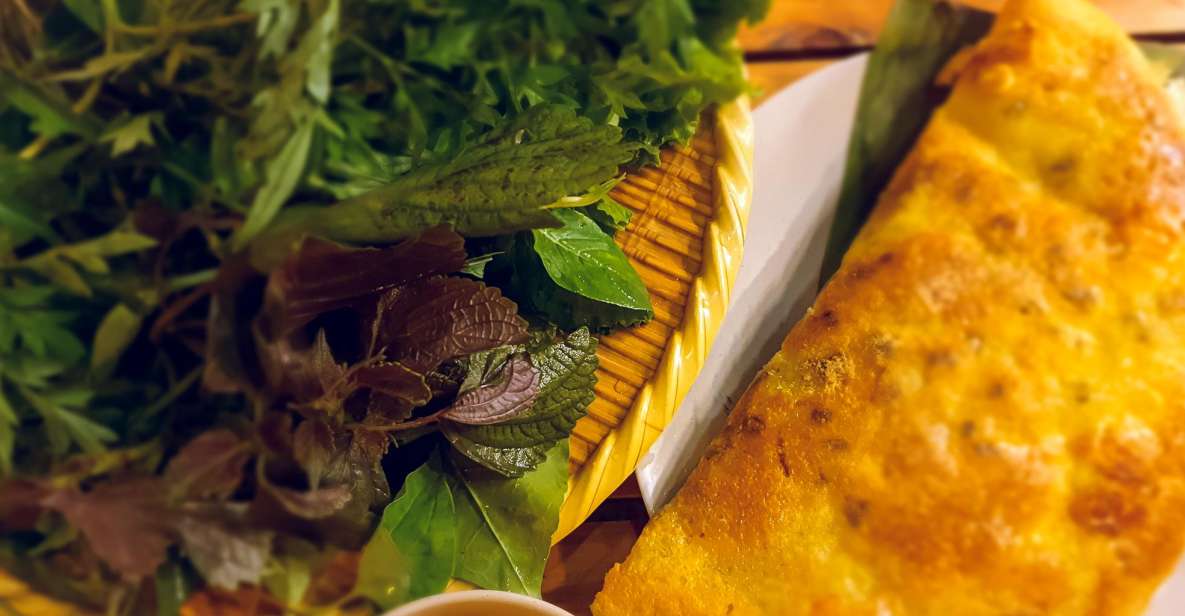
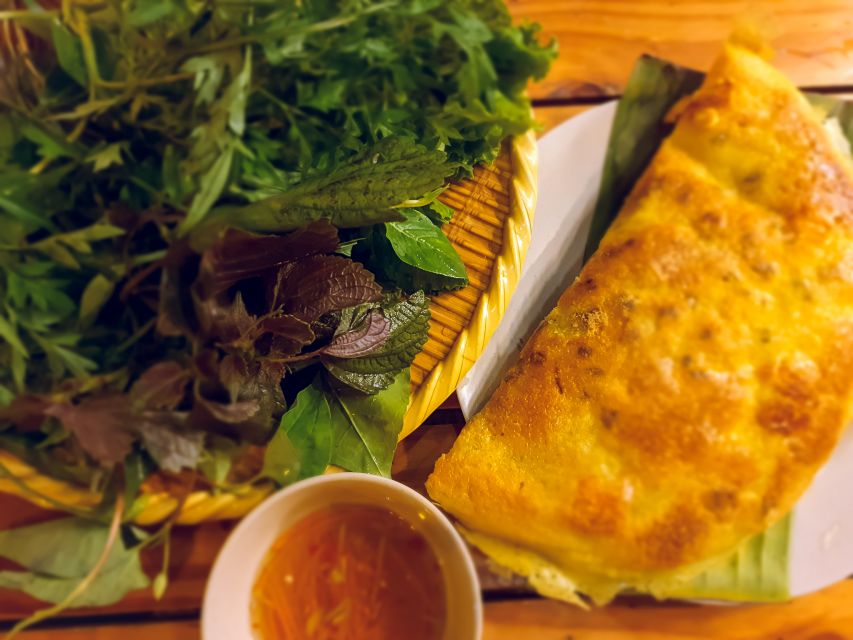
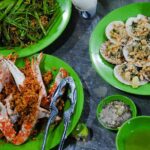
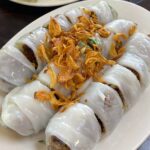
This is a street-food tour, so the star is what ends up on your plate. You can expect a mix of Vietnamese favorites such as beef noodle soup and Vietnamese pancakes, plus other local dishes during the ride between stops.
The value trick here is that the tour handles all food and drinks. At $16 per person, that’s the kind of deal that matters most when you’re in a city where street food can tempt you into spending more than planned. You get variety without needing to research each stall ahead of time.
From past tour experiences, coffee and savory bites are often part of the fun. One example: guides have helped people buy Vietnamese ground coffee to take home at prices far lower than some major market options. If coffee is your thing, ask your guide what’s best to buy and how to pack it.
Food reality check: street food tastes best when you’re open-minded. If you’re very picky about textures or spices, bring that preference up early so the guide can adjust what you order and how you move through each spot.
Price and Value: Getting More Than a Quick Snack
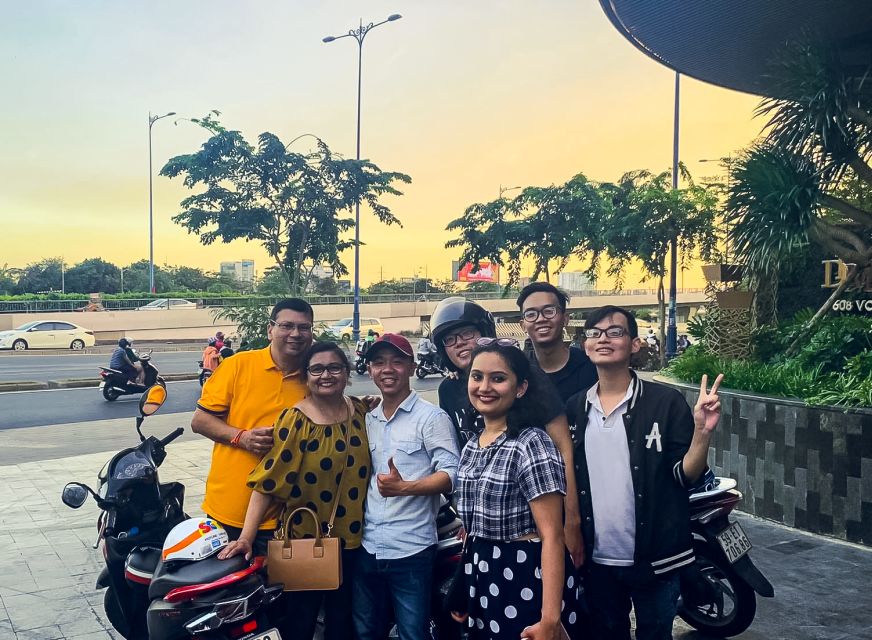
At $16 per person for roughly a 2-hour to 210-minute window (depending on the start time), this tour is priced like a budget-friendly introduction, not a premium museum-day. The reason it can work at this price is that the experience bundles a lot into one payment:
- pickup and drop-off in Districts 1, 3, and 4
- English-speaking guides
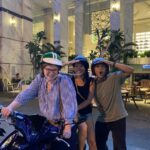
- motorbikes, helmets, and ponchos
- all food and drinks
- photos
Transport quality also gets strong feedback, with 95% of reviewers giving it a perfect score for transport. That matters because a bad ride experience can ruin even the best food.
If you’re outside the pickup zones, there’s a $5 USD per person surcharge for hotels not in Districts 1, 3, and 4. There’s also an option to upgrade transport to a car or van (extra surcharges apply), and a Female Ao Dai Rider upgrade is listed as $10 extra per person. You can also upgrade to a private tour option with an extra $5 USD per person.
If you’re traveling with rain risk in mind, the included ponchos are a smart touch. Comfortable clothes and shoes are still on you, though, so don’t plan to wear your fanciest outfit.
Who This Motorbike Food Tour Suits Best
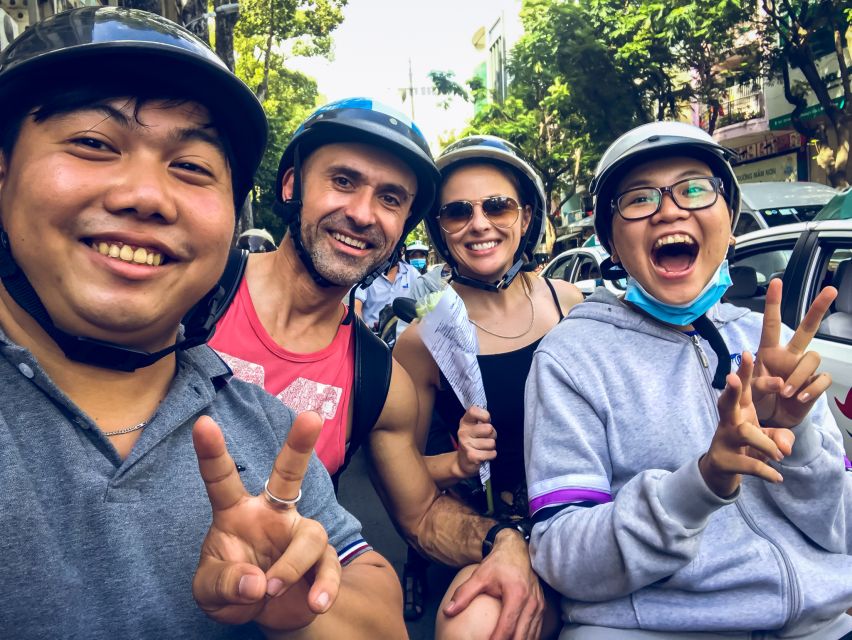
This is a strong fit for you if you want:
- a food-first city tour with multiple stops
- an easy way to see more neighborhoods without mapping everything yourself
- a cultural add-on (the apartment visit and Chinese temple stop)
It’s less ideal if you’re anxious about motorbikes, because the route depends on that mobility. It also isn’t suitable for people who are pregnant, wheelchair users, or over 70.
If you’re a solo traveler, this format can feel efficient and safe because you’re guided from place to place with gear provided. If you’re a couple, it can be a fun shared outing—especially at night when the food stops keep coming.
FAQ
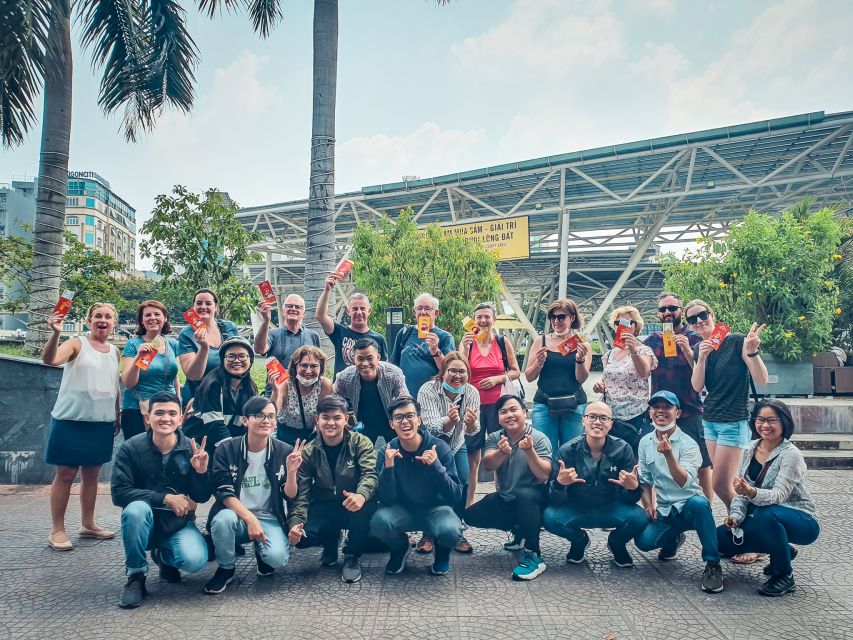
How long is the motorbike street food tour?
The duration is listed as 2 hours to 210 minutes, depending on the starting time. Check availability for the exact start and schedule.
What does the tour cost?
The price is listed at $16 per person. Extra surcharges may apply depending on transport upgrades, pickup distance, or private tour options.
Where does pickup happen in HCMC?
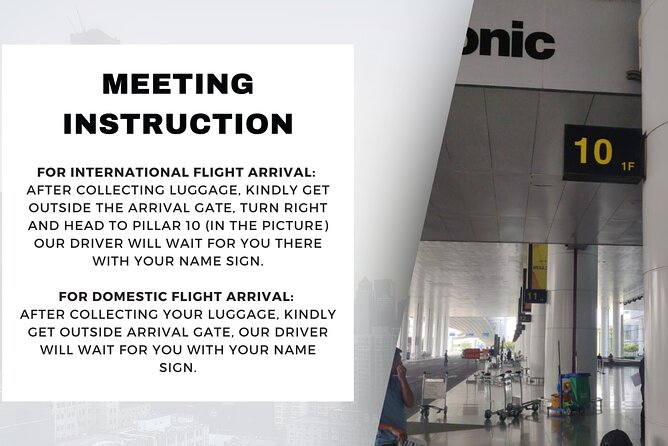
Free pickup is offered for hotels in Districts 1, 3, and 4. If you’re not in those areas, you may need to meet at the location given (including the meeting point at 212 Lê Lai, Phường Phạm Ngũ Lão, Quận 1, Hồ Chí Minh / Saigon Opera House area) and there can be a $5 USD per person surcharge for pickup outside the listed districts.
What’s included in the price?
You get an English speaking guide, motorbikes, helmets, and ponchos, plus all food and drinks on the tour. Photos are included too.
What food should I expect to try?
Expect Vietnamese street food such as beef noodle soup and Vietnamese pancakes, along with additional dishes provided during the stops and food-focused segments of the tour.
What should I bring?
Bring comfortable shoes and comfortable clothes, plus a camera if you want photos. Cash is also recommended.
Is the tour allowed if I’m pregnant or have mobility needs?
No. It’s listed as not suitable for pregnant women and wheelchair users. It’s also not suitable for people over 70.
Should You Book This Tour?
Yes, if you want the most efficient way to mix Saigon street food with real neighborhood culture. This tour is built around practical movement (motorbike), strong convenience (pickup where it’s offered, gear provided, and food handled), and multiple distinct stops like the old apartment in District 3 and District 5 Chinatown markets.
Skip it if you hate the idea of riding in traffic on a motorbike or if any of the listed unsuitability factors apply. If you’re comfortable with that basic format, this is one of the better value ways to understand HCMC beyond the usual main drag.