REVIEW · HO CHI MINH CITY
Ho Chi Minh City: Downtown Walking Tour with Local
Book on GetYourGuide →Operated by Momo Travel Limited Company · Bookable on GetYourGuide
Saigon can feel overwhelming fast. This easy-paced downtown walk makes the city click by connecting buildings to the big political shifts that shaped everyday life. You’ll move past famous landmarks and also a few lower-profile stops, with lots of chances to pause, look, and take photos (photo stops built into the route).
I especially like two things: the guide’s clear, human explanations as you walk, and the natural break built in at Cong Coffee so the tour doesn’t feel like a marathon. One drawback to plan around: it runs rain or shine, and it is a walking tour, so you’ll want solid shoes and a realistic pace.
In This Review
- Key highlights worth making room for
- Why this 3-hour Saigon walk is a smart way to orient yourself
- Former Opium Factory to Saigon Opera House: seeing colonial-era shadows
- Municipal Theatre, Ho Chi Minh Statue, and the CIA-linked stop
- Cong Coffee break: a pause that makes the rest of the tour better
- Saigon Central Post Office and Notre Dame Cathedral: big monuments with context
- Book Street to Independence Palace: where the story lands
- What you’ll learn from the guide (and why it sticks)
- Price and value: $14 for a licensed guide you can ask questions
- Logistics and comfort: what to expect from the walk itself
- Who this tour fits best
- Should you book this Ho Chi Minh City Downtown Walking Tour?
- FAQ
- How long is the tour?
- How much does it cost?
- Is the tour guided in English?
- Does the tour run in rain?
- What places will we visit?
- What’s included in the price?
- What is not included?
- Where is the meeting point?
- Is it suitable for wheelchair users?
- Can I cancel for a refund?
Key highlights worth making room for
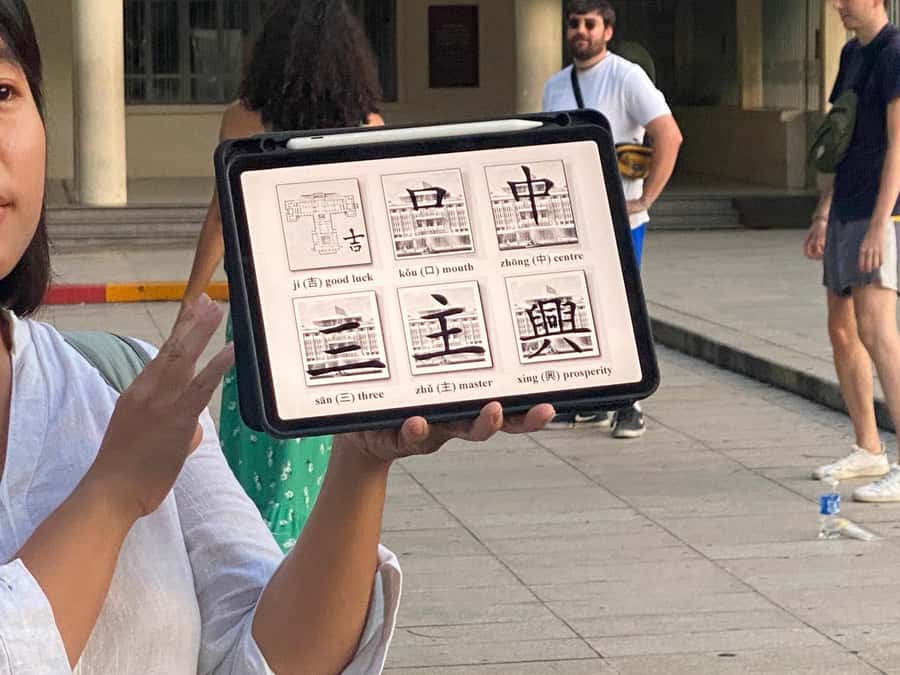
- Iconic sights plus quieter stops so you see more than the usual quick-photo circuit
- History told through architecture and streets, with practical takeaways for understanding the city today
- Photo-friendly pacing with stops that actually let you look, not just pass by
- Cong Coffee break to reset before the next stretch of the route
- A tip pack at the end to help you keep exploring after the tour ends
- English live guide (private group available if you want a smaller, more flexible experience)
Why this 3-hour Saigon walk is a smart way to orient yourself
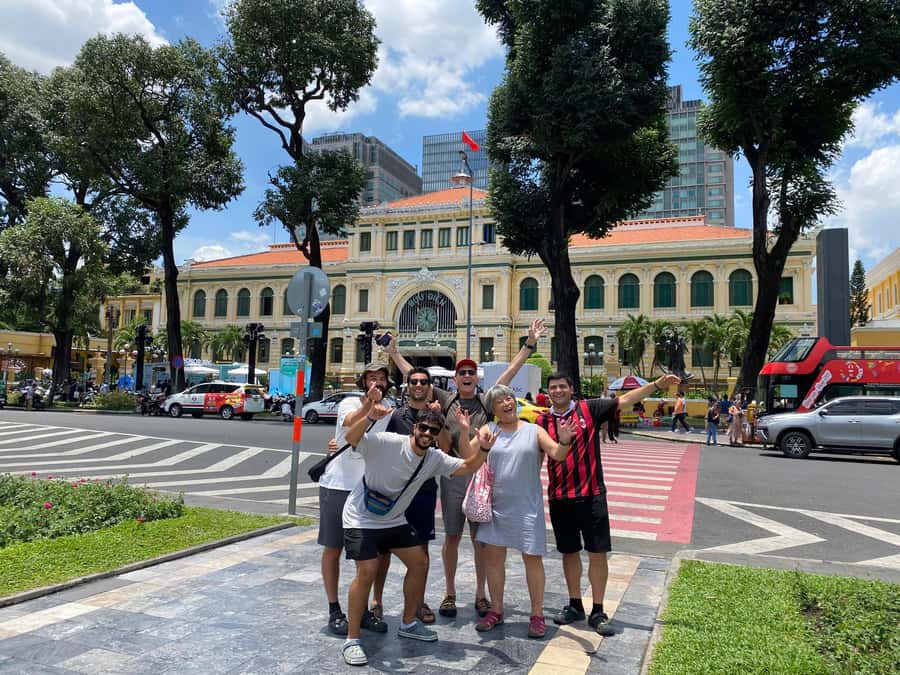
Ho Chi Minh City is big, loud, and layered. A walking tour like this works because it doesn’t just list sights; it helps you connect what you’re seeing to why it looks the way it does. In about three hours, you get the feeling of the city’s main “storylines” without spending your entire day figuring out directions.
This is also one of those tours where your time stays calm. The pace is easy, and there are regular photo moments, so you can slow down instead of sprinting to the next stop.
You can also read our reviews of more walking tours in Ho Chi Minh City



Former Opium Factory to Saigon Opera House: seeing colonial-era shadows
Early on, you head into some of the city’s most recognizable contrasts. You’ll start with the Former Opium Factory, a stop that signals how much of Saigon’s past wasn’t built to be comfortable or romantic. The value here is less about a single building fact and more about the way your guide frames what that era did to daily life and the city’s layout.
Then comes the Saigon Opera House, which feels like a different world the moment you’re near it. This is the kind of place that makes architecture feel important, because it’s not just a pretty facade. Your guide ties what you see to government eras and how culture got shaped in public spaces—exactly the connection that’s hard to make on your own.
Practical tip: If you’re the type who likes to photograph buildings, this is where you’ll appreciate the pauses. Come with enough battery and be ready to take a few minutes rather than rushing to capture everything in one shot.
Municipal Theatre, Ho Chi Minh Statue, and the CIA-linked stop
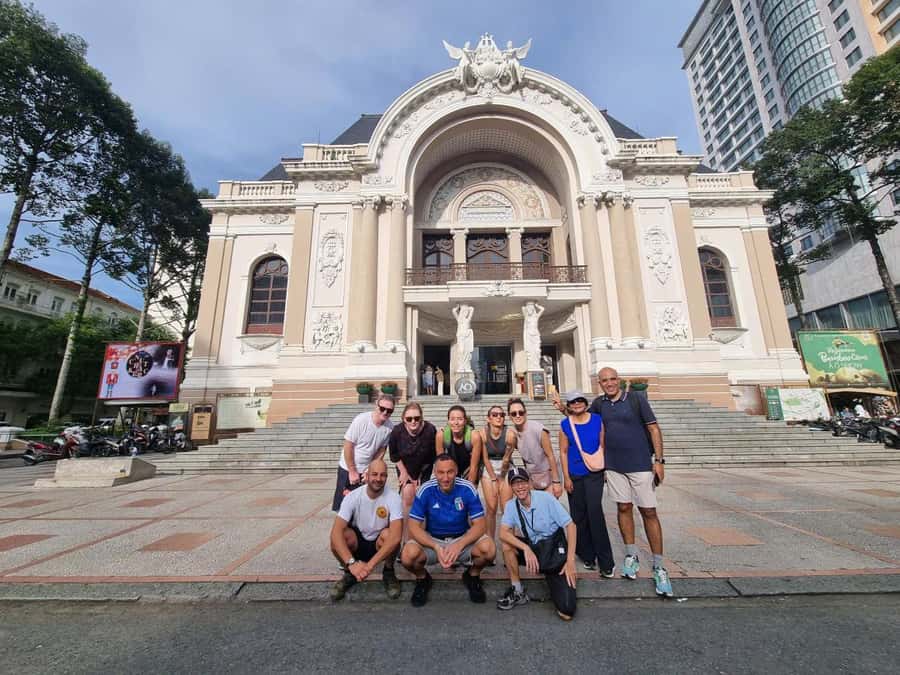
After the opera-house moment, you’ll shift toward landmark-heavy streets. The Municipal Theatre, Ho Chi Minh City photo stop is a good example of how the tour balances scale with clarity—this is where you get a quick orientation on what the area “is” in the city’s official history.
Next is the Ho Chi Minh Statue, which you’ll likely recognize immediately. What makes the stop useful is how the guide explains what political change does to the visual identity of a place—where monuments go, what symbols become public, and how those choices shape daily routines.
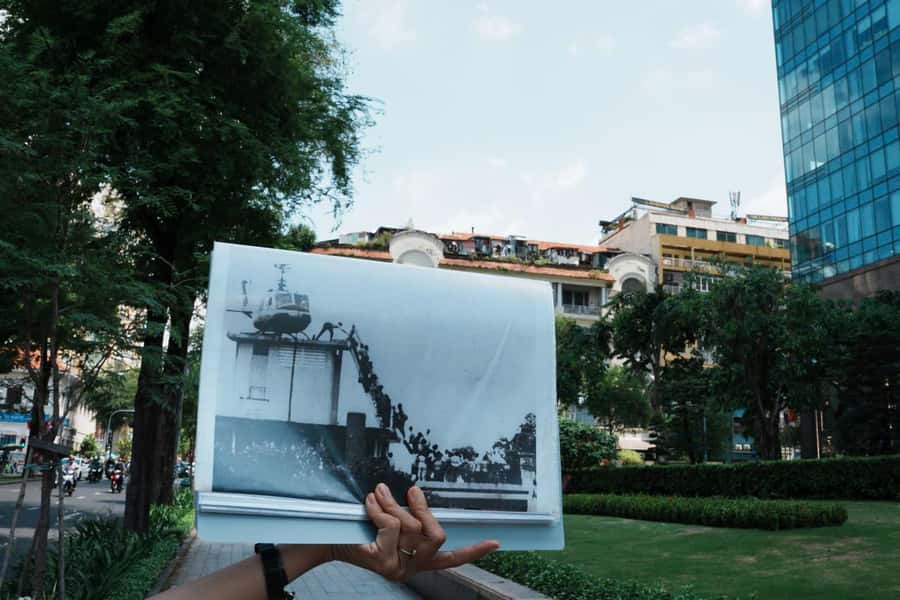
Then you’ll visit what’s billed as the Secret CIA Building. Even if you’re not chasing spy-thriller details, this stop helps you understand how outside influences show up in the city’s story. Your guide connects it to the broader American-war era themes, and you’ll hear the reasoning behind why people associate that building with that period of Saigon.
Consideration: This part of the walk includes emotionally loaded history. If you prefer your travel stories focused purely on art and food, you might want a moment to decompress before moving on.
Cong Coffee break: a pause that makes the rest of the tour better

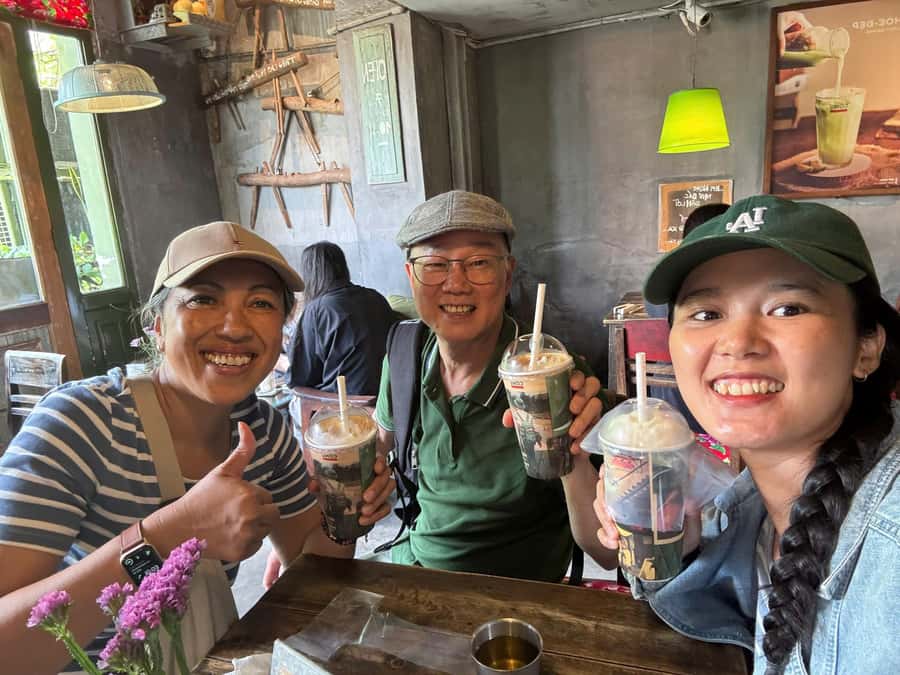
One of the strongest features here is timing. You get a break at Cong Coffee, which matters more than it sounds. After walking through big-history stops and taking multiple photo breaks, your brain needs a reset, not another “quick stop.”
I like that the break is built into the tour flow, not tacked on like an afterthought. It also gives you an easy moment to ask your guide practical questions while you’re still in the middle of the route—things like what neighborhoods are good next, where to spend more time, or what to skip.
Pro move: Use the coffee break to check what you want to do after the tour. If you’re early in your trip, ask for a short list of recommendations you can actually fit into the rest of the days you have.
Saigon Central Post Office and Notre Dame Cathedral: big monuments with context
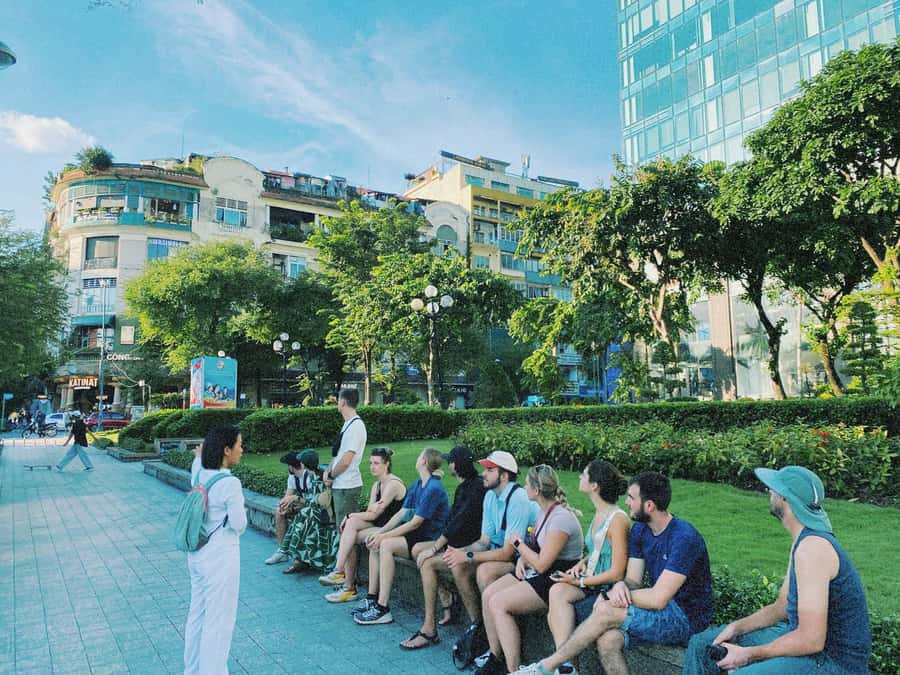
The tour then brings you into two of the city’s most famous landmarks area—starting with the Saigon Central Post Office. This stop is valuable because it shows how public infrastructure can carry the weight of political periods. Instead of just admiring the building, you’ll hear how government shifts influenced the city’s culture and everyday movement.
From there, you’ll move to Notre Dame Cathedral. It’s one of those sights that most people know by name, but the tour helps you see it as part of the larger Saigon story rather than a standalone photo location. The guide’s explanation makes you think about how places of worship, civic space, and political identity all overlap in the city’s visual language.
Photo note: These are high-visibility locations, so plan to take a few calm minutes rather than trying to get the perfect angle immediately. If you rush, you’ll miss the details your guide points out.
You can also read our reviews of more city tours in Ho Chi Minh City






Book Street to Independence Palace: where the story lands

Next up is Book Street, which adds a totally different flavor to the route. This stop is a nice reminder that history isn’t only in the big monuments. It’s also in how people live—through hobbies, daily errands, and the spaces where culture plays out outside official buildings.
Then you finish at Independence Palace, which is the “capstone” stop. Ending here makes sense because it helps you tie earlier stops together. The tour’s overall arc—government changes shaping the city—lands at a place that feels like a turning point in modern Saigon.
By the time you arrive, you’ll likely feel like you’re not just looking at landmarks. You’re seeing a timeline you can walk through.
What you’ll learn from the guide (and why it sticks)
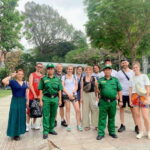
A walking tour like this lives or dies on the guide, and the experience here gets strong marks for delivery. On my tour, I was guided by Koi, and I liked the way he handled history with clarity and warmth. He explained the historical points with a focus that felt practical—especially around the American-war era themes—and he kept the pace friendly rather than lecturing.
I also appreciate that the tour doesn’t treat history like a textbook. You’ll hear how different government eras shaped architecture, culture, and daily life, which gives you a better mental map for the city after the tour. When you later visit other districts, you’ll notice the patterns your guide pointed out.
At the end, you get a pack of local recommendations and tips to save on your phone. That’s a small thing that can pay off fast, because it turns your tour into a launchpad for what comes next.
Price and value: $14 for a licensed guide you can ask questions
At $14 per person, the value is surprisingly strong for a 3-hour, English-language guided walk through major landmarks. You’re paying for two things: a licensed English-speaking guide and a structured route that saves you the hassle of figuring out what connects the sights.
You also get more than a route. You get conversation time—questions are part of the experience, and the guide’s explanations help you understand what you’re seeing instead of collecting random photos. That’s worth money, especially in a city where it’s easy to feel like you’re moving through places without context.
Gratuity isn’t included, so factor that into your total budget if you plan to tip.
Logistics and comfort: what to expect from the walk itself
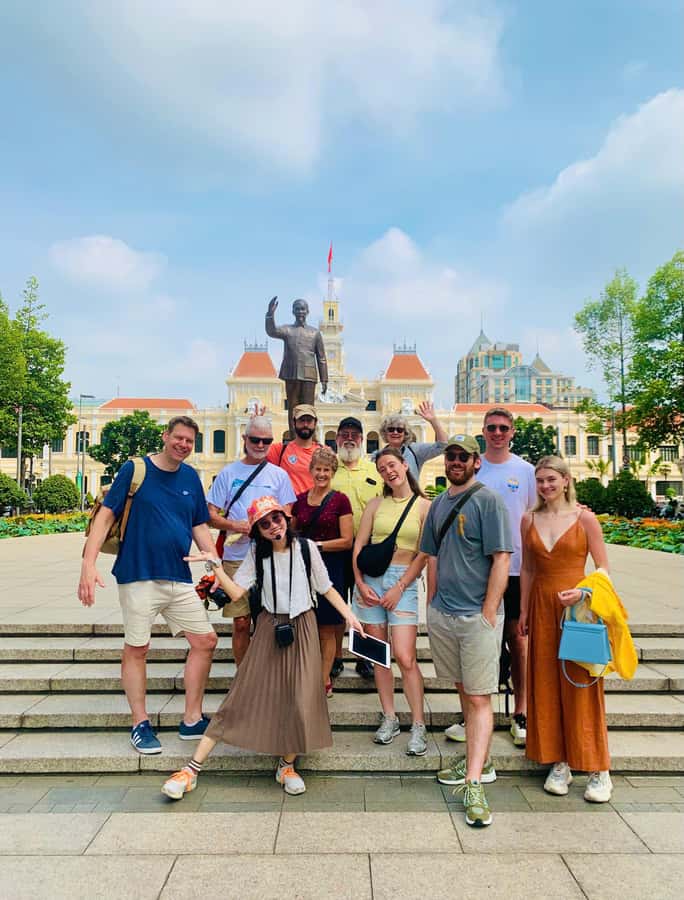
This is an easy-paced walk with plenty of photo stops and a relaxing break. Still, it’s downtown walking, which means you’ll want to dress for streets—comfortable shoes matter more than anything fancy.
The tour operates rain or shine, so bring a light rain layer or compact umbrella if that’s your style. If you hate weather surprises, you’ll still be fine, but you’ll be happier prepared.
Two additional notes matter for deciding: it isn’t suitable for wheelchair users, and it’s not recommended for people over 95 years.
Who this tour fits best
I’d recommend this experience if you want:
- A first-day orientation to Saigon’s major landmarks
- A route that explains how government eras influenced what you see
- A calm pace with photo stops and a real break for a drink
It also works well if you prefer guided context over self-guided scavenger hunts. If your travel style is more hands-on and story-driven, you’ll likely enjoy the way the tour ties architecture to cultural change.
Should you book this Ho Chi Minh City Downtown Walking Tour?
If you like walking, want English explanations, and care about understanding why Saigon looks the way it does, I’d say yes, book it. This is one of the better ways to get a “big picture” feel fast, without skipping the quieter details that make the city more than a postcard list.
Only skip it if you strongly dislike history-focused stops or if you can’t comfortably handle a rain-or-shine walking format.
FAQ
How long is the tour?
The tour lasts 3 hours.
How much does it cost?
The price is $14 per person.
Is the tour guided in English?
Yes. It includes a live English-speaking licensed tour guide.
Does the tour run in rain?
Yes. The tour operates rain or shine.
What places will we visit?
You’ll visit stops that include the Former Opium Factory, Saigon Opera House, Ho Chi Minh Statue, the Secret CIA Building, Cong Coffee, Saigon Central Post Office, Book Street, Notre Dame Cathedral, and Independence Palace.
What’s included in the price?
It includes an English-speaking licensed tour guide and local recommendation tips.
What is not included?
Gratuity is not included.
Where is the meeting point?
The meeting point may vary depending on the option booked. One listed option is 74 Hai Bà Trưng, The Manufacturer Courtyard, and another is near the Municipal Theatre, Ho Chi Minh City.
Is it suitable for wheelchair users?
No. The tour is not suitable for wheelchair users.
Can I cancel for a refund?
Yes. You can cancel up to 24 hours in advance for a full refund.