REVIEW · HANOI
Highlights of Hanoi Full-Day City Tour
Book on Viator →Operated by GADT Travel · Bookable on Viator
One day, five big landmarks in Hanoi. This small-group full-day tour pairs a local English-speaking guide with the kind of itinerary that helps you connect the dots between religion, politics, and daily life in Vietnam. I especially liked the included Vietnamese lunch and entrance fees, which keeps the day from turning into constant add-on costs. The main thing to watch: the Ho Chi Minh Mausoleum can be closed on certain days, and in those cases you’ll only visit the outside.
You also get the practical stuff done for you: hotel pickup/drop-off in the Old Quarter plus an air-conditioned bus. Still, follow the dress rules closely—no shorts for mausoleum/pagoda visits—because this is one of those days where you really want comfy shoes and a hat ready.
In This Review
- Key Points to Know Before You Go
- How This 8-Hour Hanoi Day Actually Works
- Old Quarter Pickup and Air-Conditioned Transport
- Stop 1: Tran Quoc Pagoda by West Lake
- Ho Chi Minh Mausoleum Complex: What You Can Expect (and What Changes)
- Vietnam Museum of Ethnology: A Different Kind of Hanoi
- Temple of Literature (Quoc Tu Giam): Vietnam’s Old School
- Lunch Break: Why the Included Meal Is More Than a Perk
- Hoa Lo Prison: History That Lands Hard
- Price and Value: Does $34.62 Make Sense?
- Group Size, Guide Quality, and a Reality Check on Languages
- Who This Tour Suits Best
- Should You Book This Hanoi Full-Day Tour?
- FAQ
- How long is the Hanoi full-day city tour?
- What’s included in the price?
- Where does the tour pick up and end?
- Is the Ho Chi Minh Mausoleum always included?
- What should I wear for this tour?
- What’s the maximum group size?
Key Points to Know Before You Go
- Old Quarter convenience: Pickup and drop-off are built into the day, so you start without wrestling transit.
- Entrance fees + lunch included: You pay one price and most of the ticket friction disappears.
- A learning mix, not just sightseeing: Tran Quoc Pagoda, Ho Chi Minh sites, ethnology museum, Temple of Literature, and Hoa Lo Prison all tell different stories.
- Museum time is structured: The Vietnam Museum of Ethnology includes both indoor and outdoor areas, so the visit doesn’t feel trapped in one room.
- Check mausoleum access ahead of time: Mondays/Fridays and planned maintenance can mean an outside-only visit.
- Group language dynamics: The tour is advertised as English-speaking, but you should confirm how languages are handled once you’re on the bus.
How This 8-Hour Hanoi Day Actually Works
This tour runs about 8 hours, and that time matters. Hanoi is one of those cities where locations are close enough to visit in a day, but far enough apart that self-planning can eat your energy—especially if it’s your first day and you’re still learning street names and shortcuts.
The day is paced with short stops and guided time blocks, not long wandering. That’s good if you want structure and clean logistics. You’ll see several major sites that are each meaningful in their own way, and you’ll also get help understanding what you’re looking at instead of just snapping photos and moving on.
One small tip for your mindset: treat this as a tour to understand Hanoi’s story, not a checklist to complete. The value comes from the connections the guide helps you make, especially around how history shaped the city’s architecture and institutions.
You can also read our reviews of more city tours in Hanoi



Old Quarter Pickup and Air-Conditioned Transport
Your morning starts with pickup between 08:00 and 08:30 from your Old Quarter hotel area or the Hanoi Opera House meeting point. If you’re staying outside the Old Quarter, plan for an additional transfer fee.
The ride is in an air-conditioned bus, and you’ll get bottled water. That sounds basic, but in Vietnam’s heat it changes how you experience the day. You arrive at the first sites fresher, not already drained from transit.
You’ll also use a mobile ticket and confirmation happens at booking. If you’re the type who likes everything tidy (like I am), this setup is the kind that reduces uncertainty.
If you’re thinking about pairing this with optional extras—cyclo rides or a water puppet show—note that the standard drop-off won’t include returning from those add-ons to your hotel. In other words, if you plan to add a show, you’ll want to decide where you want to end your day before you commit.
Stop 1: Tran Quoc Pagoda by West Lake
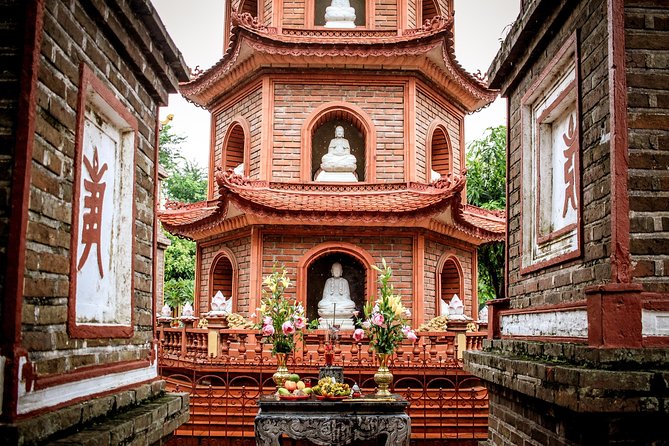
The day’s first major cultural stop is Chùa Trấn Quốc (Tran Quoc Pagoda), located near West Lake. It’s described as one of Hanoi’s oldest pagodas, dating back to the 6th century, which instantly gives this stop weight. You’re not just visiting a pretty temple—you’re stepping into a place that has existed long enough to survive multiple eras of Hanoi’s growth.
Because it’s near West Lake, the setting helps the visit feel less rushed. You’ll likely have around 30 minutes there, which is enough time to see the main features and listen to what your guide explains without feeling like you got dragged through in two minutes.
What I like about starting here is pacing. Before the heavier political stops, you get a calm, spiritual anchor for your day. It also helps you recognize how Buddhism and cultural tradition are woven into daily Hanoi life.
Ho Chi Minh Mausoleum Complex: What You Can Expect (and What Changes)
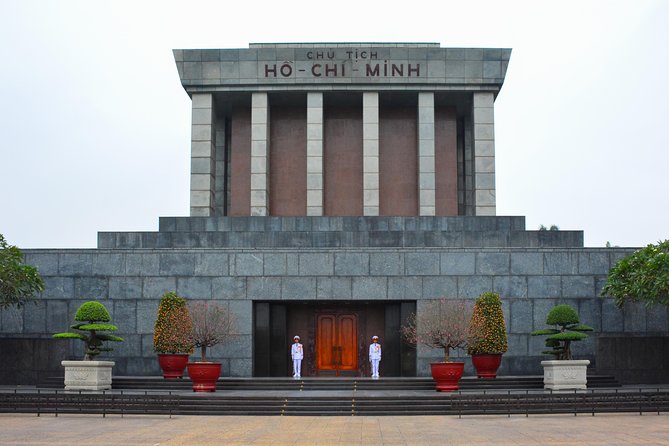
Next comes the Ho Chi Minh Mausoleum complex, including the mausoleum and the stilt house. This stop is built around Vietnam’s modern political history—your guide can help you connect the site to how the country remembers its leader and why this location carries such symbolic importance.
Timing and access are the big considerations. The mausoleum is closed on Mondays and Fridays, and when that happens, you can only visit the outside. The tour also mentions that mausoleum access can be affected by maintenance during planned yearly closures. One example given is a maintenance window from June 10, 2024 to August 13, 2024, with only an outside visit during that period.
So, here’s how to plan smart:
- Check what day you’re going (Monday/Friday matters).
- Don’t base your entire day on going inside.
- Be prepared for a respectful outdoor visit if access is restricted.
Dress code is also not optional. You should avoid shorts when visiting mausoleum and pagoda sites. Comfortable walking clothes help, and a hat and sunscreen are worth packing because you may spend time outdoors even on days when the inside isn’t accessible.
This is one of those stops where good behavior and patience matter more than rushing for pictures.
Vietnam Museum of Ethnology: A Different Kind of Hanoi
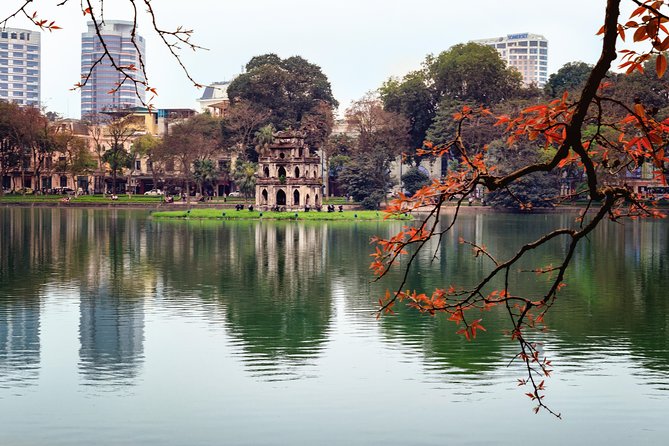
The Vietnam Museum of Ethnology is the mid-day pivot—less about monuments, more about people and culture. It’s described as one of the largest and most interesting museums in Hanoi and Vietnam, with both indoor and outdoor sections.
This is a great placement in the itinerary. After temples and political sites, the museum gives you a broader perspective. You’ll get about an hour here, which is enough time to grasp themes without feeling like you have to read everything.
What’s valuable for you: ethnology museums work best when you treat them as a guided overview. Your guide’s job is to help you see what matters, which usually means you leave with a better sense of the country’s cultural variety instead of just collecting random facts.
One practical note: museums can vary from comfortable to hot depending on layout and weather. Since the tour already includes water and air-conditioned transport, you’re set up decently. Still, bring your focus—this stop rewards attentive listening.
A few more Hanoi tours and experiences worth a look
- Ninh Binh Full-Day Tour from Hanoi to Hoa Lu, Tam Coc & Mua Cave Via Boat & Bike
★ 5.0 · 4,384 reviews





Temple of Literature (Quoc Tu Giam): Vietnam’s Old School
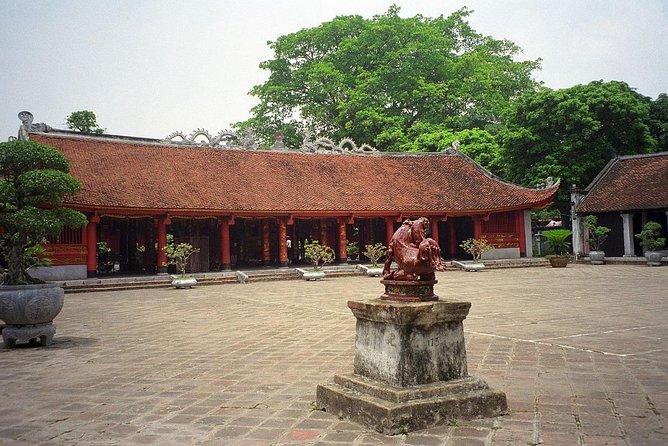
After lunch, you move to the Temple of Literature and National University, known as Quốc Tử Giám (Imperial Academy). It’s presented as the first university in Vietnam, which makes this site more than an architectural stop. It’s about learning, scholarship, and how education became part of the national identity.
You’ll have around an hour here, and the highlights mentioned include Literature Lake, Khue Van Pavilion, and the stele house. Those names are your cue that you’re not just seeing one building—you’re walking through a campus-like complex with symbolic features.
What I like about Temple of Literature is that it gives your day a mental break. Hoa Lo Prison and the mausoleum complex can feel heavy. This stop tends to slow you down, because the space invites you to look at details and absorb the atmosphere.
If you enjoy history through institutions (who studied here, how knowledge was recorded, why specific structures were built), you’ll likely find this stop one of the most satisfying parts of the day.
Lunch Break: Why the Included Meal Is More Than a Perk
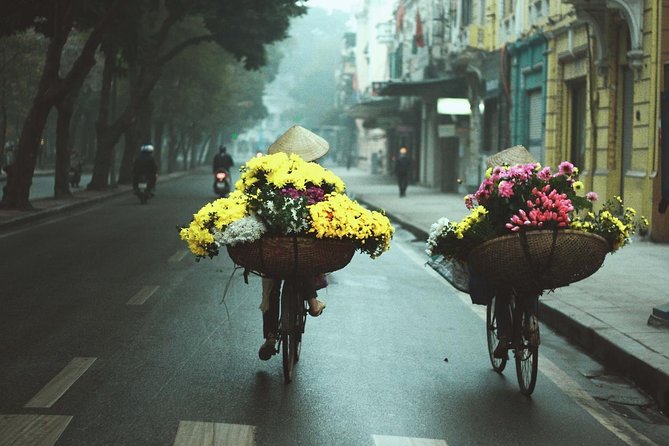
Lunch is included, and it’s described as a fresh Vietnamese meal at a local restaurant. You’re not just buying time here—you’re also avoiding one of the biggest first-day Hanoi problems: guessing where to eat while you’re tired from travel and still learning the area.
Having lunch slotted into the day is also strategic. It prevents the itinerary from turning into a long stretch of standing, walking, and decision-making.
What’s practical for you: wear clothes you can move in comfortably. Many of the sites involve walking on and around grounds, and after lunch you’ll continue to another major landmark. You’ll be glad you didn’t dress like you’re going to a dinner reservation.
The tour also provides bottled water, which helps you stay steady during the morning and early afternoon push.
Hoa Lo Prison: History That Lands Hard
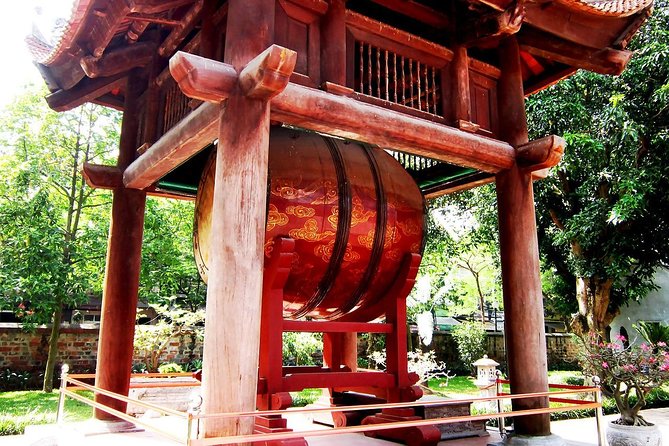
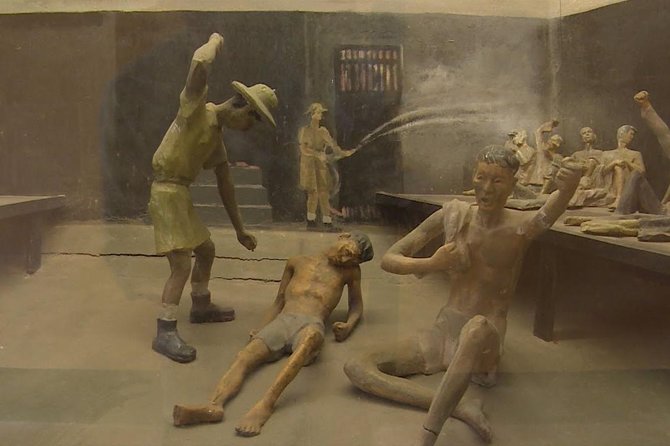
The final major stop is Hoa Lo Prison, described as one of the most terrible prisons in Vietnam in the 20th century. It was established in 1896 by the French colonial government to detain political prisoners.
This is the part of the day where you’ll want to slow down mentally. Prison sites aren’t light entertainment, even when they’re presented in an educational format. Your guide’s explanations matter here, because the place is emotionally loaded and easy to misunderstand if you only scan panels.
You’ll have about an hour. That’s enough time to walk through key areas and absorb the context without exhausting yourself completely.
If you’re sensitive to heavy topics, this is a good stop to prepare for. If you’re the type who likes understanding history through physical spaces—what people were forced to endure, how systems were built—then you’ll likely find this ending stop memorable.
Price and Value: Does $34.62 Make Sense?
At $34.62 per person, this tour is priced in a way that feels designed for real value, not just convenience. The reason it can work for your budget: entrance fees and lunch are included, and you get pickup/drop-off in the Old Quarter, plus transport and a guide.
Let’s think about what you’d otherwise pay or organize:
- You’d likely spend money on individual tickets across multiple sites.
- You’d also spend time figuring out transport and timing between distant landmarks.
- Lunch is one more cost you don’t have to plan under pressure.
So, the math tends to favor booking—especially for a first-time visitor who wants less friction and more structured time. The average booking window of 43 days in advance suggests many people plan this early, which often correlates with better availability and fewer last-minute compromises.
The main value risk isn’t the price. It’s expectations and conditions—like mausoleum access changes—and the practical reality that group language dynamics can vary on the day you go.
Group Size, Guide Quality, and a Reality Check on Languages
The tour caps at a maximum of 12 travelers, which typically keeps the experience more manageable than giant bus tours. You’re more likely to hear your guide clearly, ask questions, and move at a comfortable pace.
That said, one low-score experience in the feedback data mentioned a disappointment around getting grouped with a larger Vietnamese-speaking group even though an English-speaking guide was expected. I can’t fix that from here, but you can reduce the risk by confirming before you go how the language setup works when multiple groups board together.
A simple tactic: email or message the provider after booking and ask whether English stays English throughout the day, including on the bus. That one question can save a lot of frustration if language clarity is your priority.
Who This Tour Suits Best
This Hanoi day tour is a strong match if you want:
- A structured introduction to key sites in a single day
- Included lunch and entrance fees
- A guide who helps you connect the meaning of what you see
- Old Quarter convenience without having to plan transit
It’s less ideal if:
- You want maximum flexibility and long free time at each stop
- You’re very sensitive to heavy historical topics and need a lighter ending
- You specifically need mausoleum inside access and can’t adjust if it’s closed
If you’re visiting during a Monday or Friday, treat the mausoleum as an outside-only visit and adjust your photos and expectations accordingly.
Should You Book This Hanoi Full-Day Tour?
Yes, I’d book it if your top priority is getting the major historical and cultural stops done with minimal planning. The included lunch, entrance fees, and Old Quarter pickup are the kinds of things that make a tour worth the money, especially when you’re first arriving and everything feels a little unfamiliar.
I’d hesitate only if mausoleum inside access is your must-see, or if language clarity is non-negotiable for you. In those cases, ask the provider how languages are handled and double-check your visit day rules.
If you go in with comfy shoes, sunscreen, and a ready-to-learn attitude, this is a solid way to understand Hanoi in one focused day.
FAQ
How long is the Hanoi full-day city tour?
It runs for about 8 hours.
What’s included in the price?
Hotel pick-up and drop-off in the Old Quarter, transport by air-conditioned bus, an English-speaking tour guide, bottled water, Vietnamese lunch, and entrance fees.
Where does the tour pick up and end?
Pickup is from your hotel in Hanoi’s Old Quarter or from the Hanoi Opera House meeting point. The tour ends back at the meeting point.
Is the Ho Chi Minh Mausoleum always included?
No. On Mondays and Fridays, the mausoleum is closed, so you only visit outside. It can also be closed for maintenance during planned yearly periods, with outside-only viewing.
What should I wear for this tour?
Wear comfortable walking shoes and clothes. Do not wear shorts, since you visit mausoleums and pagodas.
What’s the maximum group size?
The tour has a maximum of 12 travelers.