Hanoi rewards curiosity at street level. This Old Quarter tour gives you a fast, surprisingly varied sweep of the city: a skyline view from above and then a roll back down into small lanes, local temples, and everyday food stops. I especially like how the route mixes the dramatic and the ordinary, so you stop seeing Hanoi as just scooters and storefronts.
Two things I really like: the local stories that make the Old Quarter feel lived-in (guides like Duong, Angelina, Dung, Jasmine, Linh, Quang, and Yến show up in past groups), and the simple treats included along the way, like coffee and a soft drink at the rooftop. One possible drawback: it moves at a walking pace, so if you want long, slow hangs in one place, this 3-hour format may feel a bit tight.
You also should plan for real Hanoi street conditions. You’ll be on sidewalks and in crowded areas, and it runs rain or shine, so bring the right shoes and expect some damp days.
In This Review
- Quick reasons to do this walk
- First Stop: Finding 72 P. Hàng Bạc and getting your bearings
- Rooftop coffee and a skyline overview of the Old Quarter
- Photo stop and scenic lanes: what the Old Quarter really looks like
- The viewpoint break: quick, useful, and worth the stop
- Ta Hien beer corner and a local temple: where the neighborhood breathes
- A local café moment: coffee, street food, and conversation
- Dong Xuan Market from a guided path, not a lost wander
- Long Bien Bridge and finishing at Ga Long Bien
- The tour value: why it costs $37 and what you really get
- Who this tour suits best (and who should think twice)
- A few practical tips to enjoy it more
- Should you book this Hidden Old Quarter tour?
- FAQ
- Where is the meeting point?
- How long is the tour?
- How much does it cost?
- What’s included in the tour?
- Do guides speak English?
- What should I bring, and does it run in the rain?
Quick reasons to do this walk
- Rooftop-to-alley contrast: skyline overview, then back down to the tight lanes people actually use
- Local guide storytelling: English guides such as Duong and Jasmine explain the city’s everyday life, not just landmarks
- Food stops that feel normal: coffee and street food, plus a local, family-run doughnut stop
- Dong Xuan market from a useful angle: you get a guided visit with time for photos and context
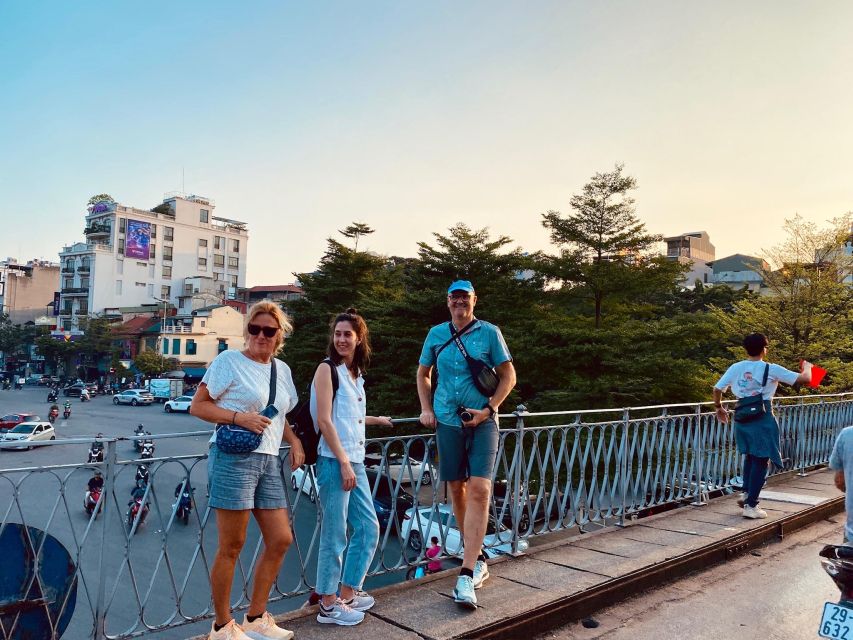
- Long Bien Bridge as a capstone: a short walk that changes the mood from Old Quarter lanes
- Designed to help you orient: by the end, you’ll know where things are and how the area works
First Stop: Finding 72 P. Hàng Bạc and getting your bearings
The tour starts at 72 P. Hàng Bạc in Hanoi’s Old Quarter. It’s a yellow building, and the meeting point is easy to spot once you’re in the right patch of streets.
That first moment matters. Old Quarter streets can look similar from a distance, so an early orientation helps you understand why some lanes feel like neighborhoods while others feel like tourist magnets. With a guide leading the way, you also avoid the common mistake of walking past the good stuff because you don’t yet know what you’re looking for.
You can also read our reviews of more tours and experiences in Hanoi.



Rooftop coffee and a skyline overview of the Old Quarter
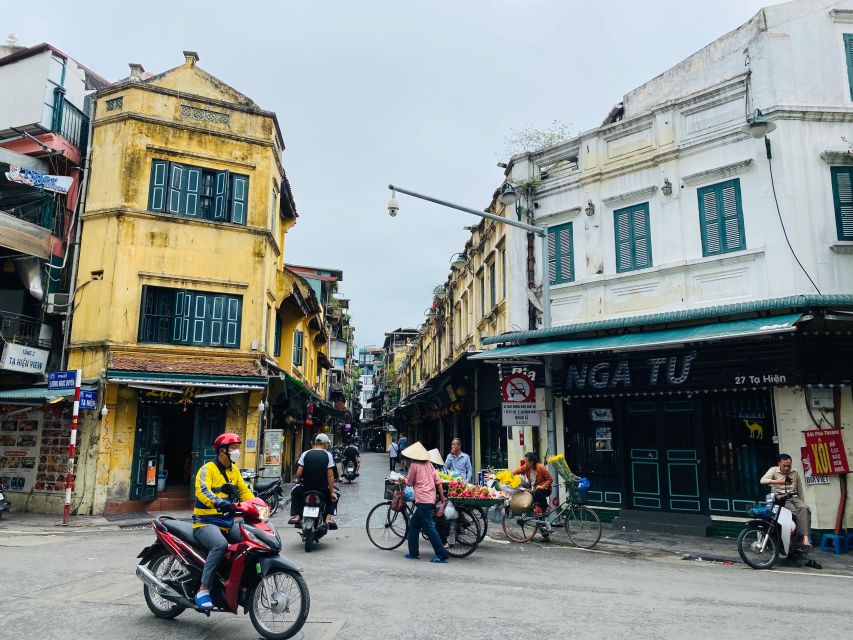
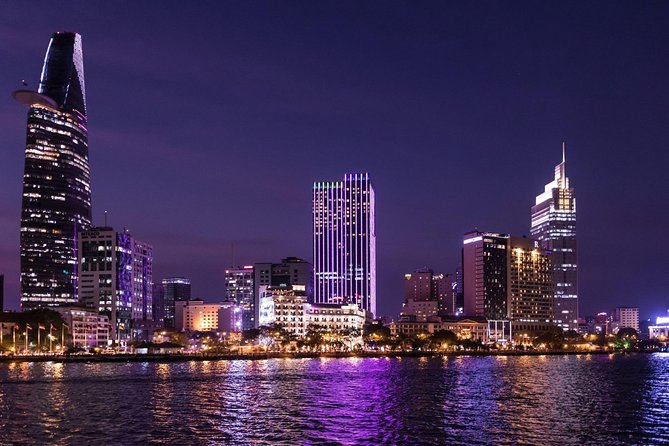
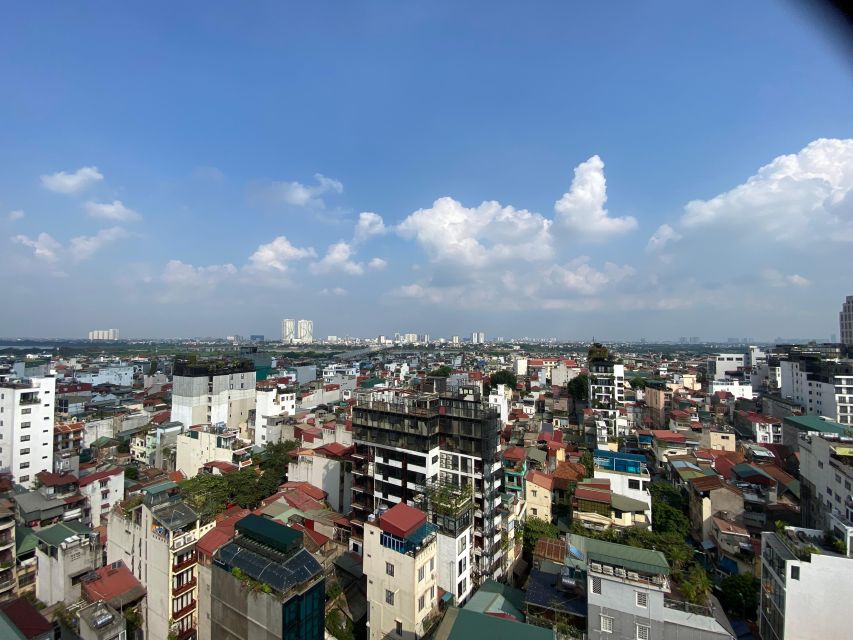
One of the most memorable parts is the climb up for a view from the highest skyline bar area, with coffee and a soft drink included. From up there, Hanoi suddenly makes sense: you can see the density, the street grid, and how the Old Quarter sits inside the bigger city.
Then the vibe changes fast. You’ll “roll down” from that open view into the narrower human scale of the lanes, where storefronts, daily routines, and small shrines all sit close together. If you’ve ever felt overwhelmed walking Hanoi on your own, this top-down-to-street-level rhythm is a smart way to reset your brain.
Photo stop and scenic lanes: what the Old Quarter really looks like
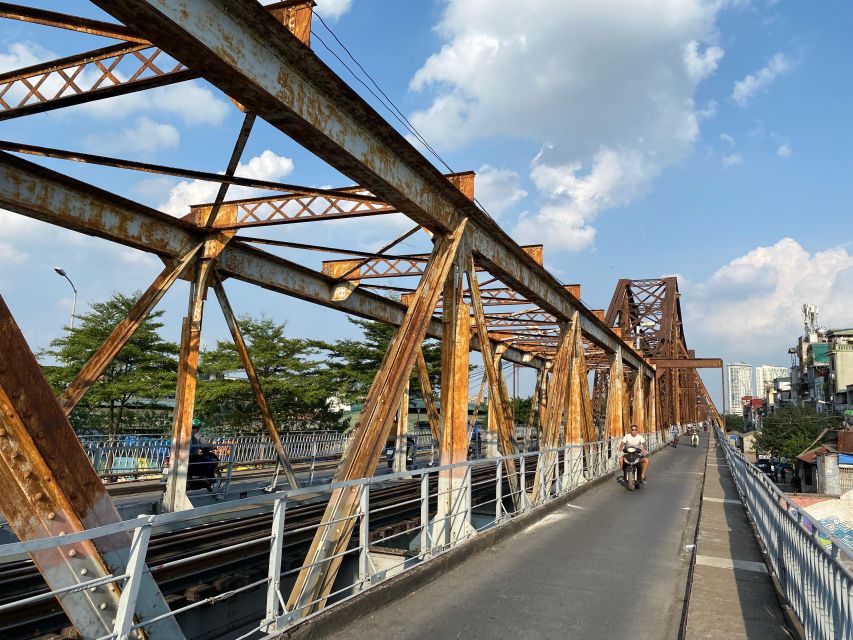
After the first orientation, you spend time walking through the Old Quarter with photo stops and sightseeing along the way. Expect the streets to show the full range of Hanoi energy: the gorgeous parts, the everyday good, the messy bits, and the shocking parts that you normally only notice after you’ve been here a few days.
This is also where the tour earns its name. The Old Quarter is the oldest continuously developed area, with over 1,000 years of history, and it doesn’t freeze in time. You’ll see how people adapt the neighborhood for today—signs, commerce, and daily life—while older layers still steer the street layout.
Practical note: wear shoes you can take on crowded sidewalks and uneven surfaces. This part is less about museums and more about reading the neighborhood with your eyes.
The viewpoint break: quick, useful, and worth the stop
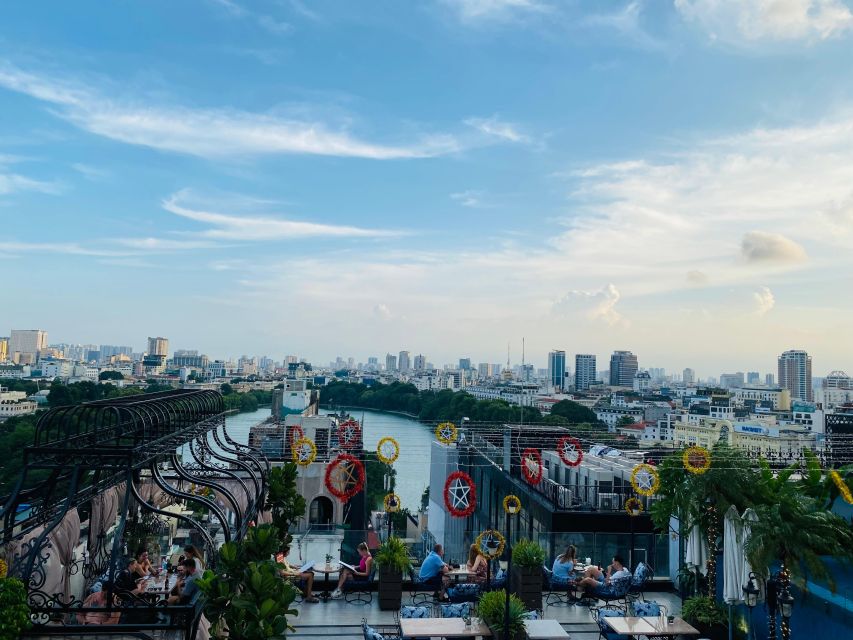
At the middle stage, you get a 20-minute viewpoint stop for sightseeing. It’s not designed as a long escape; it’s more like a visual punctuation mark. You look up, you reset your sense of direction, and then you continue into the smaller streets where the tour’s most interesting details tend to live.
This short timing is actually a strength for most visitors. In three hours, it’s easy to lose time. A planned viewpoint gives you a strong payoff without turning the tour into a slow march.
Ta Hien beer corner and a local temple: where the neighborhood breathes
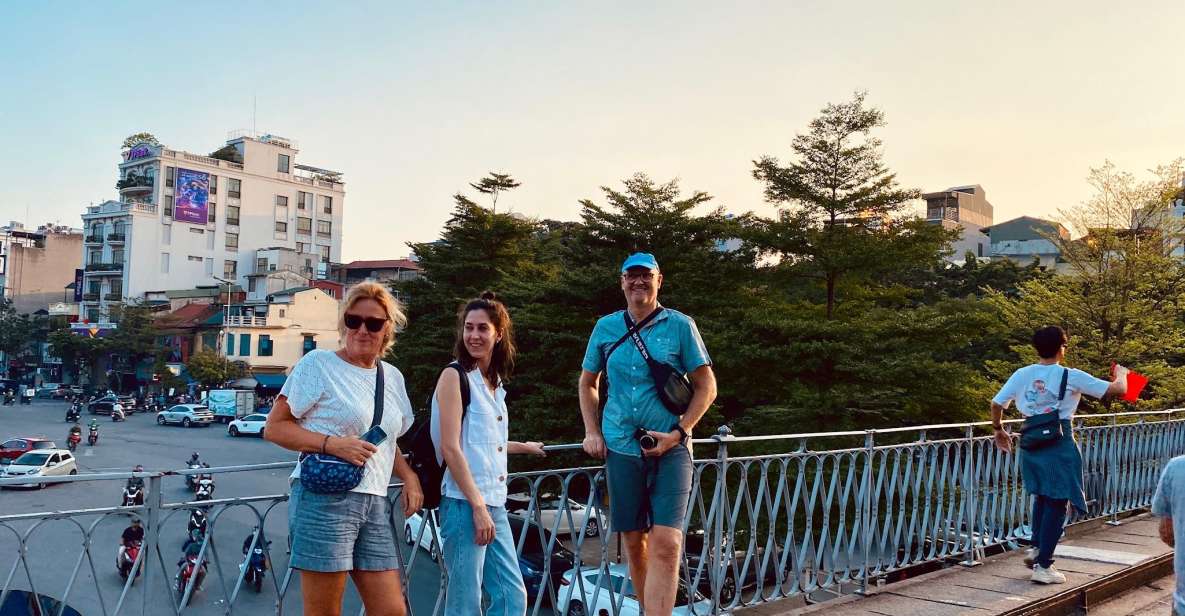
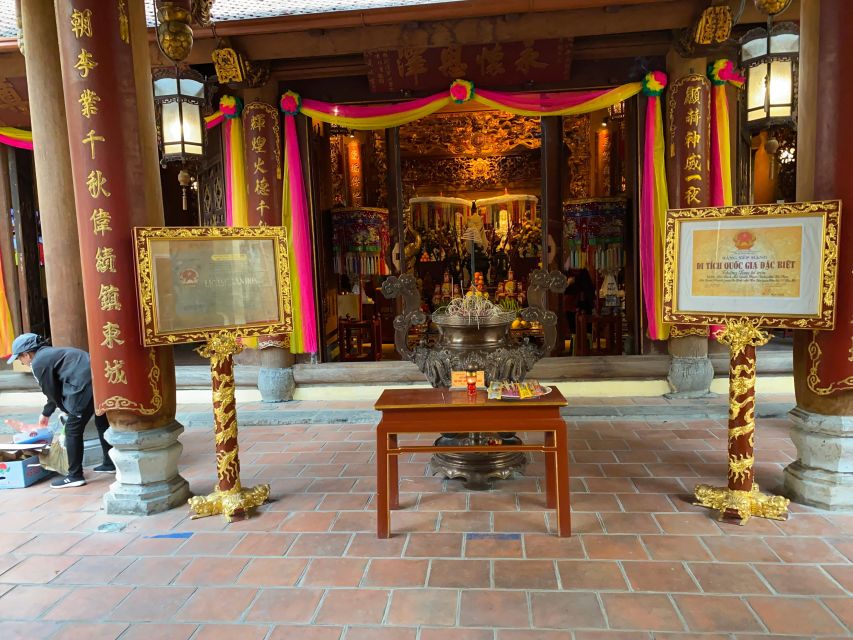
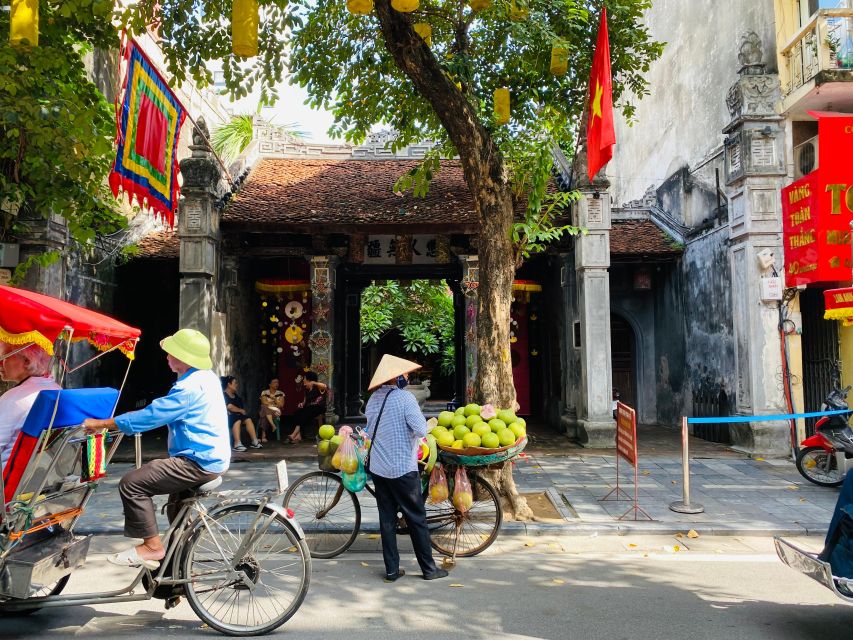
As you roll down into street level, you’ll pass through the Ta Hien beer corner area, plus a local temple stop. This is one of those classic Hanoi contrasts: nightlife and neighbor life, all within the same walking radius.
The temple isn’t just a photo moment. You’re being guided to understand how spiritual spaces and daily routines coexist. That’s the difference between seeing a landmark and understanding what the street is doing at ground level.
Caution: Ta Hien can be lively. If you’re sensitive to noise or crowds, keep your expectations realistic and bring a calm mindset. You won’t be stuck there long, but you will feel the energy.



A local café moment: coffee, street food, and conversation
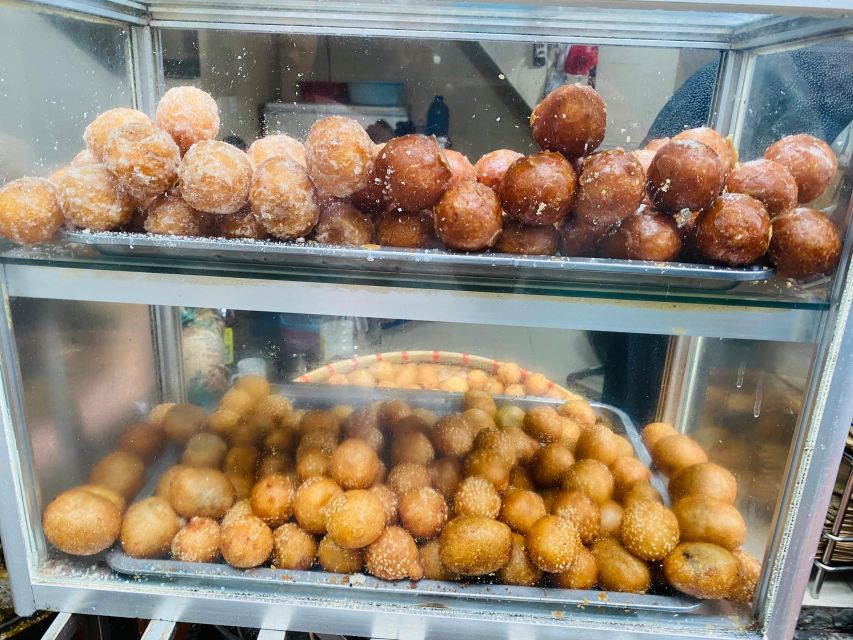
Next comes a local café stop, focused on coffee, street food, and guided discussion for about 15 minutes. This is where the guide’s personality really shows. Past groups praised hosts for sharing personal reflections and for making the tour feel like a conversation instead of a script.
This small break also helps with pacing. After rooftop height and tight lanes, your feet need a reset. And it’s a good moment to ask practical questions like what to eat next, where to go for an easier evening, or how to handle the market crowds.
Dong Xuan Market from a guided path, not a lost wander
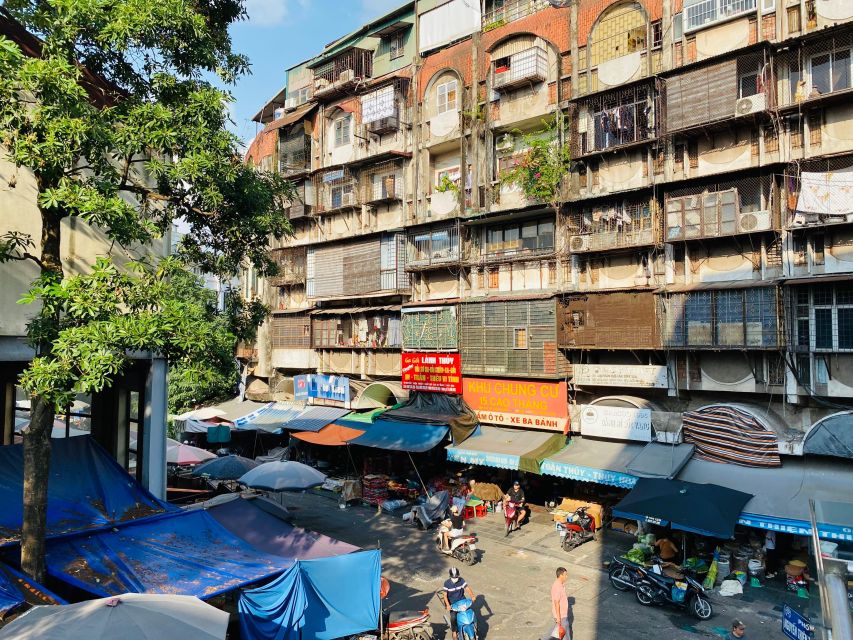
Then you head to Đồng Xuân Market for a short guided visit and sightseeing. The tour aims to show you the market in a way that’s useful, not random: you’ll get a hidden view angle and context for what you’re seeing without spending the whole time simply walking inside aisles.
Markets like this can be overwhelming when you’re on your own. You face piles of goods, family-run stalls, strong smells, and quick exchanges in Vietnamese. With a guide, you learn what matters, what to ignore, and how to move without bumping into people or spending your energy just figuring things out.
Time is limited here on purpose. If you want to return later for a longer shopping session, this tour gives you the orientation to do it confidently.
Long Bien Bridge and finishing at Ga Long Bien
The last stretch takes you toward Long Bien Bridge, with a short guided sightseeing and walk. The tone shifts again—away from Old Quarter lanes and toward a wider, more open landmark feeling.
You’ll finish at Ga Long Bien (Long Bien Train Station). That ending helps a lot if you’re planning the rest of your day. You get a clear geographic handoff from the dense Old Quarter to a different kind of Hanoi scene.
The tour value: why it costs $37 and what you really get
At $37 per person for 3 hours, the price is less about a long itinerary and more about saving you two things: time and confusion.
You’re paying for:
- A curated route through places you’d likely miss on your own (small lanes where locals live, plus the less touristy angles)
- A local English guide who explains what you’re looking at, including social and cultural context
- Included refreshments: coffee and a soft drink at the rooftop bar, plus a café stop with street food
For first-time visitors, this is a strong “arrive and understand” option. You don’t leave with a checklist of sites—you leave with a better sense of how Hanoi’s neighborhoods work, how people live, and where the city’s layers show up in everyday streets.
For repeat visitors, it can still be worth it if you want a guided shortcut to the parts you haven’t found yet—especially alleyways, temples, markets, and the Long Bien area.
Who this tour suits best (and who should think twice)
This Hidden Old Quarter experience fits best if you:
- Like walking and want a short, high-impact introduction to Hanoi
- Enjoy conversation and cultural context (many guides mentioned in past groups are praised for warmth and clear answers)
- Want practical local food stops rather than only sightseeing photos
Think twice if you:
- Prefer slow pacing or want to spend lots of time inside one market or one café
- Get easily uncomfortable in crowded streets or noisy nightlife zones like Ta Hien
A few practical tips to enjoy it more
Bring comfortable shoes and breathable clothing—this is real street walking. Also plan for weather: the tour operates rain or shine, so check forecasts and bring an umbrella or raincoat if needed.
If you’re the type who likes to keep photos turning, you’ll likely be happy. The route includes photo stops and viewpoint time, but it still keeps you moving, so charge your phone and consider a small power bank if you’re out all day.
Lastly, keep one mindset: this tour is about seeing how the Old Quarter works, not just collecting stamps. If you approach it like street-reading with a good guide, you’ll enjoy it far more.
Should you book this Hidden Old Quarter tour?
If you want a smart first pass through Hanoi’s Old Quarter that balances city views, local streets, food, and market context, I’d book it. The biggest reason is simple: you get a structured route with local storytelling, plus included drinks, in a time window that won’t eat your whole day.
I’d skip it only if you hate crowds, prefer long stops over walking, or already know the area so well that you’re only hunting for one specific landmark. Otherwise, this is a good value way to get your bearings fast and see Hanoi as more than a postcard.
FAQ
Where is the meeting point?
The meeting point is at 72 P. Hàng Bạc in Hanoi’s Old Quarter. It’s a yellow building and described as easy to find.
How long is the tour?
The tour lasts 3 hours.
How much does it cost?
The price is $37 per person.
What’s included in the tour?
You’ll get coffee & a soft drink at the rooftop bar, plus hidden gems and stories from locals. There’s also a local café stop with coffee and street food.
Do guides speak English?
Yes. The tour includes a live English-speaking guide.
What should I bring, and does it run in the rain?
Bring comfortable shoes and breathable clothing. The experience runs rain or shine, so check the forecast the day before and bring an umbrella or raincoat if needed.