REVIEW · HANOI
Hanoi: All-in-One Walking Tour Through a Train Street
Book on GetYourGuide →Operated by Vietnamtravelers · Bookable on GetYourGuide
Train Street is part theater, part history.
What makes this tour worth it is the way it stitches together Old Quarter traditions with French-era landmarks, then lands at the modern Train Street moment. I also love that it’s not just sights: you get practical local tips, a clear sense of where to eat and what to order, and time for egg or salt or coconut coffee. One drawback to consider is the walking mix of tight streets and street crossings—if you’re sensitive to crowds or you struggle with traffic, plan accordingly.
I like that this is a private, English-led walk (about 3.5 hours) with hotel pickup and drop-off, so you can focus on the city instead of your phone map. Entrance tickets are included, and the guide tells stories that help you read Hanoi’s layers, from Thang Long roots to today’s street life.
In This Review
- Key things I’d put on your short list
- Where this tour fits in your Hanoi plans
- Price and what you actually get for $34
- The flow of a 3.5-hour walking tour (and why the pace is the point)
- Ly Thai To Statue: the history doorway that makes everything else click
- Ngoc Son Temple: learning the meaning of a postcard-shaped spot
- Đình Kim Ngân and Thanh Hà Street: the older Hanoi that doesn’t shout
- Long Bien Bridge: why the French-era look is more than decoration
- Dong Xuan Market: the practical stop for senses, snacks, and local flow
- Train Street: the photo moment with rules and timing
- Coffee break: egg, salt, or coconut, chosen with local logic
- What guides actually do well on this route
- Comfort, safety, and who should think twice
- Should you book this Hanoi Train Street walking tour?
- FAQ
- How long is the Hanoi walking tour through Train Street?
- Is hotel pickup and drop-off included?
- Is this a private group tour?
- What language is the tour guide?
- Are entrance tickets included?
- Are food and drinks included?
- Is photography allowed during the tour?
- What should I bring with me?
- Who is the tour not suitable for?
- Is cancellation possible if my plans change?
Key things I’d put on your short list
- Three time periods, one route: Thang Long-era references, French-looking architecture along the way, and then the modern Train Street stop
- You learn how to move like a local: street-crossing coaching shows up in the experience, not just at the start
- Coffee is a real stop, not an afterthought: choose egg coffee, salt coffee, or coconut coffee
- Markets and riverside landmarks matter: Dong Xuan Market and Long Bien Bridge give Hanoi texture beyond the postcard lanes
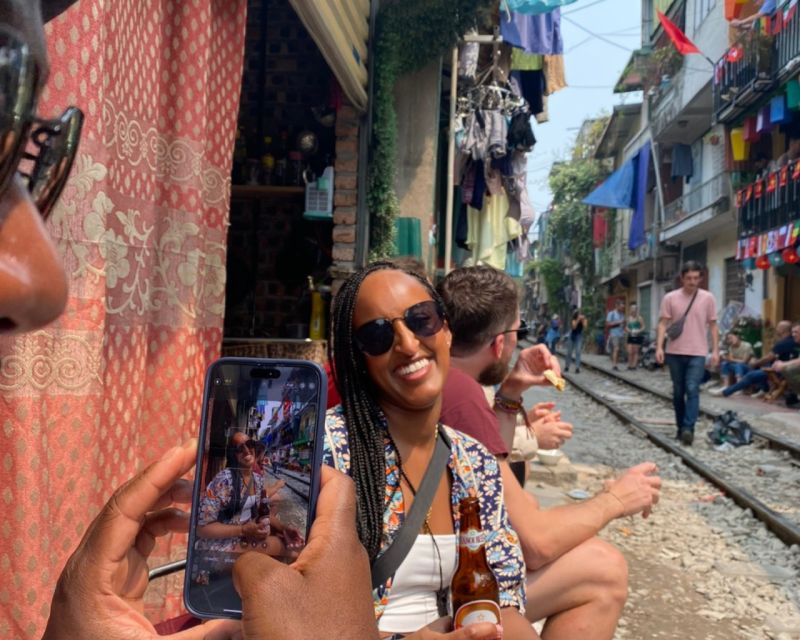
- Train Street timing without guesswork: you’ll be guided to the right moment to see the train pass
- There’s a strict photo rule indoors: photography inside is not allowed, so keep your phone ready for streets and exteriors
Where this tour fits in your Hanoi plans
If you’re here for a first look, this is a smart pick. The tour is designed like an orientation course: you start with a national-history anchor, move through temple and heritage-house areas, then hit a major bridge and a classic market scene before finishing at the area everyone talks about.
It’s also a good balance of “big name” and “how locals actually live.” You’ll hit major stops like Ngoc Son Temple and Long Bien Bridge, but you also get guided time in smaller streets and older lanes that are easy to miss if you’re wandering solo. A few guides on this route are known for mixing history with food suggestions, so you leave with ideas you can follow in the days after the tour.
And yes, Train Street is the headline. But the tour works because it doesn’t treat Train Street as a random circus stop. It places it into the broader Hanoi story—how the city’s past buildings and street patterns feed into what you see today.
You can also read our reviews of more walking tours in Hanoi



Price and what you actually get for $34
At $34 per person for about 210 minutes, this is solid value for Hanoi—mainly because you’re not paying just for someone to walk with you. You’re paying for:
- Hotel pickup and drop-off, which saves time and stress on arrival day
- Entrance tickets (so you’re not doing ticket math mid-walk)
- A live English guide who provides context and practical do’s and don’ts
- A route built around timing, including the Train Street stop
What you’ll pay extra for is mostly optional: food and drinks. Coffee is a planned part of the experience, but the actual drink cost isn’t included. I’d treat the tour fee as the structure, then budget a little for coffee and snacks so you can try what the guide recommends.
Also, the private-group format matters. Even if only one or a few people show up, you’re still getting a guide who can go at your pace and answer your questions without turning into a herd.
The flow of a 3.5-hour walking tour (and why the pace is the point)
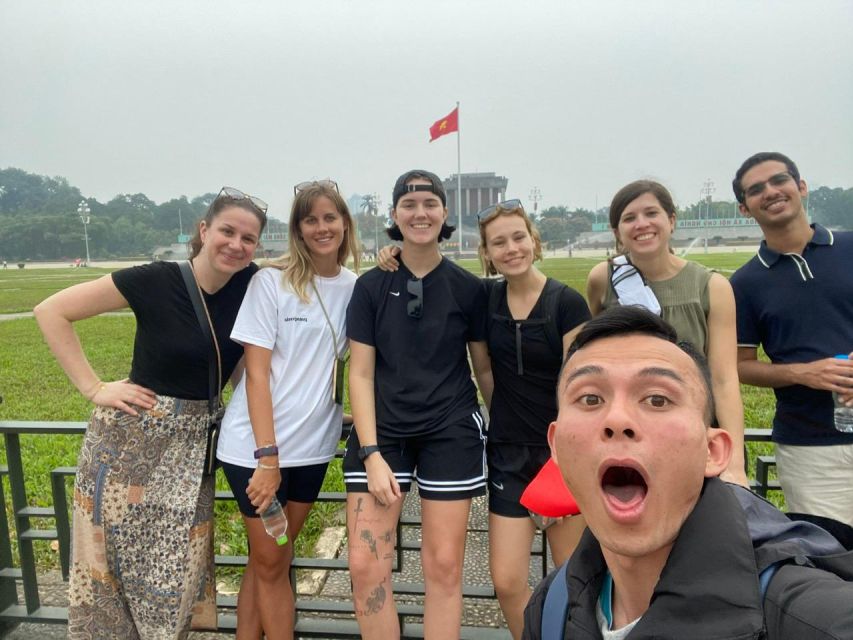
This tour is set up to keep you moving without rushing you like a theme park. You’ll spend time at each major stop—enough for photos outside, guided explanations, and short photo stops—then you’ll walk onward to the next layer of the city.
In Hanoi, the “hidden” challenge is crossing streets and getting from one pocket of the Old Quarter to another. A good guide will show you how to cross in a way that doesn’t feel like a motorbike rodeo. Some guides also adjust the route if conditions change (like rain or a local event), which is exactly when you want someone else handling logistics.
If you’re traveling with older folks, this can work well because it’s not one of those tours where everyone has to sprint for the next photo. The route still requires comfortable shoes, and it’s not designed for mobility challenges, but the structure helps.
Ly Thai To Statue: the history doorway that makes everything else click
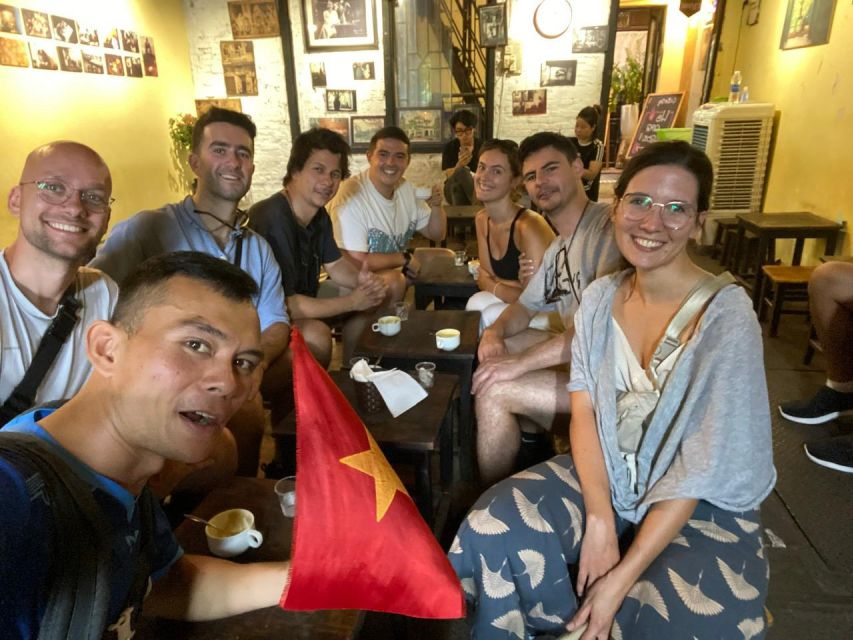
You start with the Ly Thai To Statue, with guided sightseeing for about 15 minutes. This matters more than it sounds. It’s a quick history doorway, connecting the city’s early identity (Thang Long) to what you’ll see in later stops.
Why I like this approach: when you later walk past older houses and religious spaces, you’re not just taking in architecture. You understand that the city’s story has continuity. That makes the rest of the tour feel like a guided reading, not random sightseeing.
Practical note: treat this first stop like your warm-up. Use it to ask questions about what you should focus on during the tour—especially if you’re comparing Old Quarter, French-looking areas, and modern sites like Train Street.
Ngoc Son Temple: learning the meaning of a postcard-shaped spot
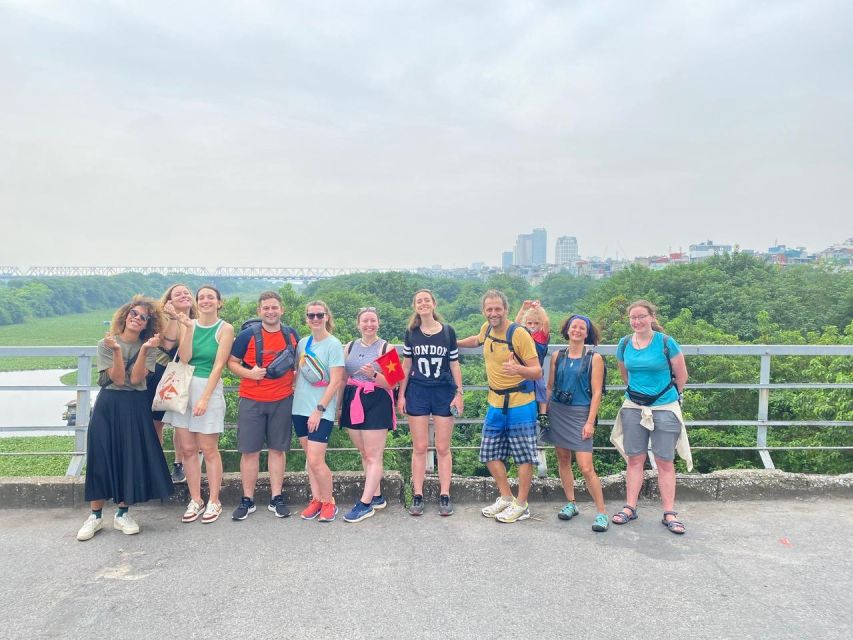
Next up is Ngoc Son Temple, with around 30 minutes for sightseeing and photos. This is one of those places where the setting and the stories tied to it are the real experience.
The value here is the guide’s framing. If you just show up and look around, you’ll still enjoy it. But if you listen to how the temple connects with Vietnamese culture and older traditions, you start noticing details you’d otherwise miss—symbols, the vibe of the area, and why people still treat it as part of daily life, not just a stop on a checklist.
This is also where the tour starts to balance “history” and “human scale.” You’ll feel the city’s rhythm here before you move toward bigger visual landmarks and busier spaces.






Đình Kim Ngân and Thanh Hà Street: the older Hanoi that doesn’t shout
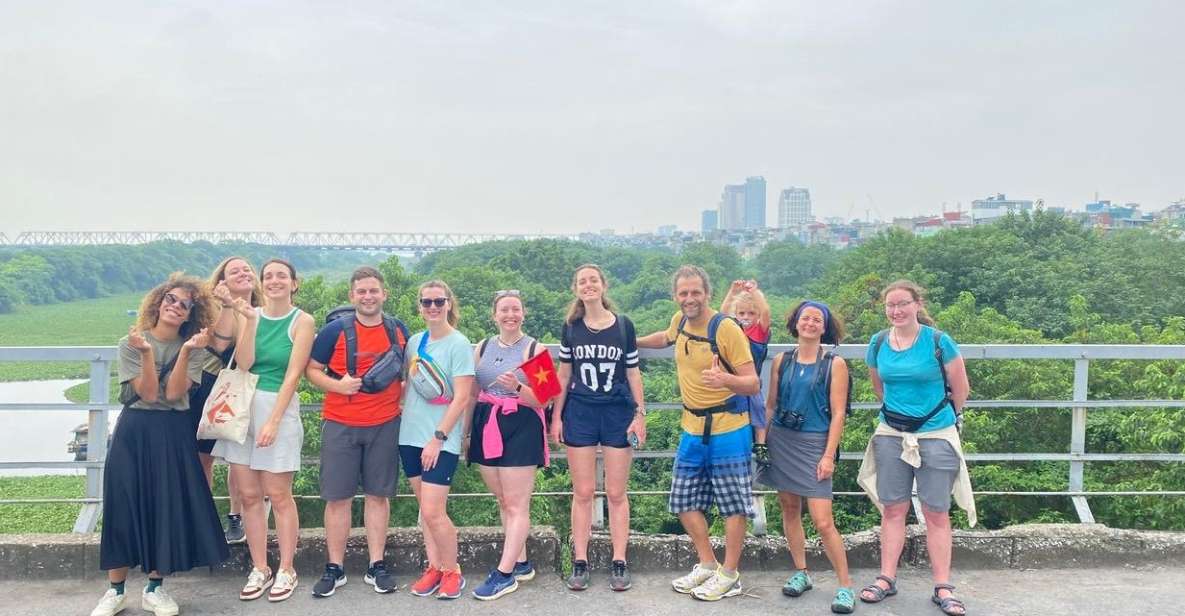
After Ngoc Son Temple, you’ll visit Đình Kim Ngân (also about 30 minutes). Then there’s a photo stop and sightseeing time on Phố Thanh Hà.
These stops are about texture. A temple and a statue can be obvious. But an older communal or neighborhood-style site gives you something different: you see Hanoi in how it organizes community space and everyday belief.
Drawback? These areas can be tight and crowded depending on the time of day. If you’re someone who hates feeling packed in during explanations, you’ll want to keep your expectations realistic. The upside is that the guide’s timing and pacing usually keeps it manageable.
Long Bien Bridge: why the French-era look is more than decoration
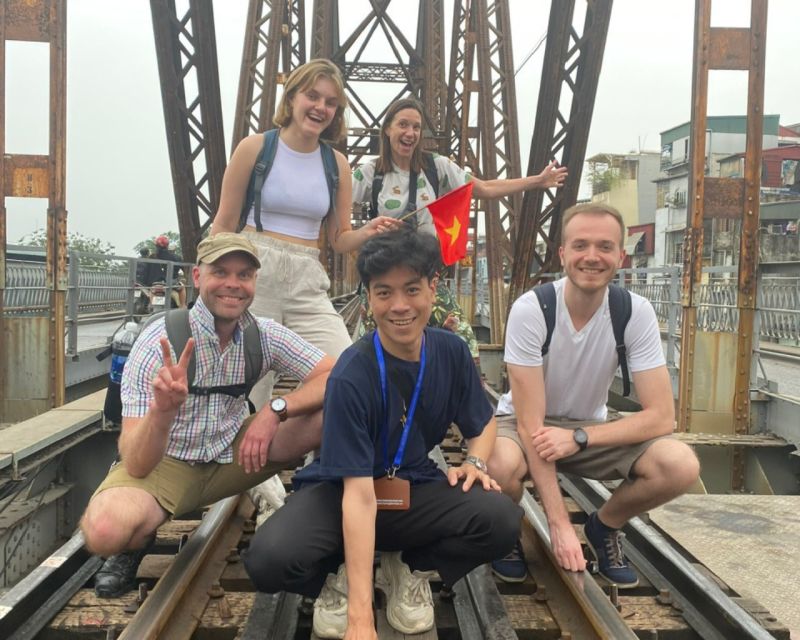
Then you get to Long Bien Bridge for about 30 minutes, including a photo stop and guided walk-through. This is a turning point in the tour because the visual style shifts. The bridge is one of the big “French-era” markers people talk about when describing Hanoi’s layers.
What I like about this segment is the perspective it gives you. You stop being stuck in the Old Quarter only, and you start seeing Hanoi as a city that grew and changed over time—physically, culturally, and economically.
Even if bridges don’t sound exciting, this one works because it links to the story of Hanoi’s development. If you’re the kind of traveler who likes seeing how cities evolve, this is a good moment to slow down and look longer than you planned.
Dong Xuan Market: the practical stop for senses, snacks, and local flow
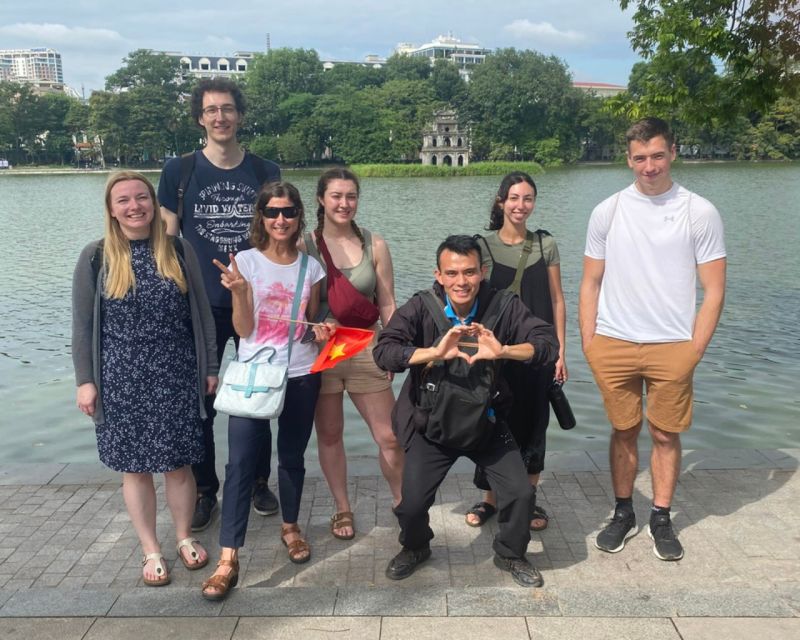
You’ll spend about 30 minutes at Đồng Xuân Market with a photo stop and guided sightseeing. Market time is often where tours either become chaos or become useful. This one aims for useful.
The guide’s job here is to help you read the market without getting lost in it. You’ll learn what to look for, what’s worth trying later, and how market energy differs from a museum-style stop. It’s also a great place for anyone who wants to shop, but isn’t sure where to start.
One thing to remember: markets are active. Your focus should be on watching how people move and what they buy. If you’re hungry, the market stop can also help steer you toward what to eat next, especially once coffee and snack suggestions come into play.
Train Street: the photo moment with rules and timing
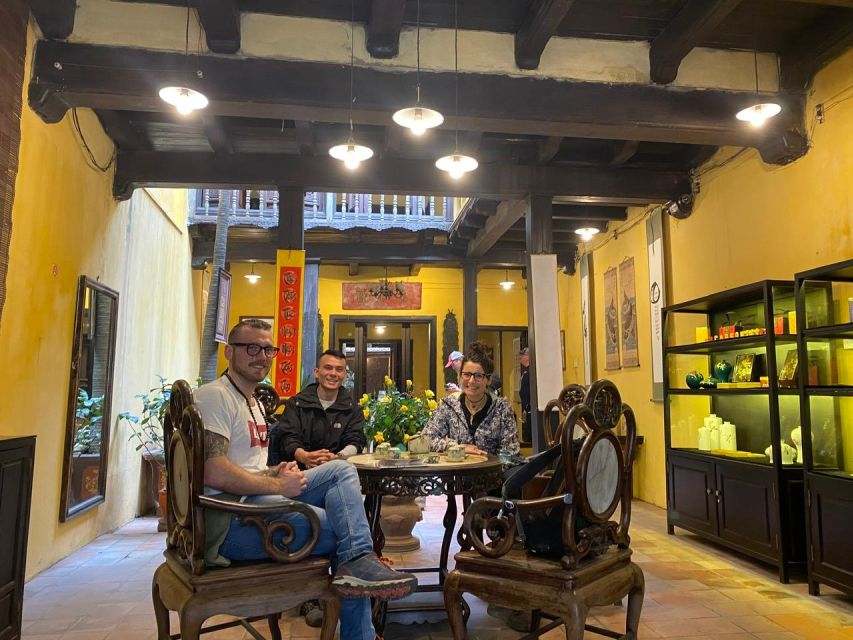
Finally, the tour hits Hanoi Train Street with guided sightseeing and a photo stop. This is the part that gets people planning their whole day around it.
Here’s the big value: you’re not just going there and hoping you catch the train. The tour is timed so you can watch a train pass and understand the area’s strange-but-real rhythm. Guides often coach how to handle the moment so you can take photos outside without turning the street stop into a stressful scramble.
Two practical reminders:
- Photography inside is not allowed. On Train Street, you’ll mostly be outside, but if your route includes indoor bits, keep that rule in mind.
- Bring comfortable shoes because the ground and crowd flow can change fast when you’re waiting for the train window.
Is it crowded? Usually, yes. Is it worth it? If you want to see Hanoi’s modern street life—right next to historic lanes—it is.
Coffee break: egg, salt, or coconut, chosen with local logic
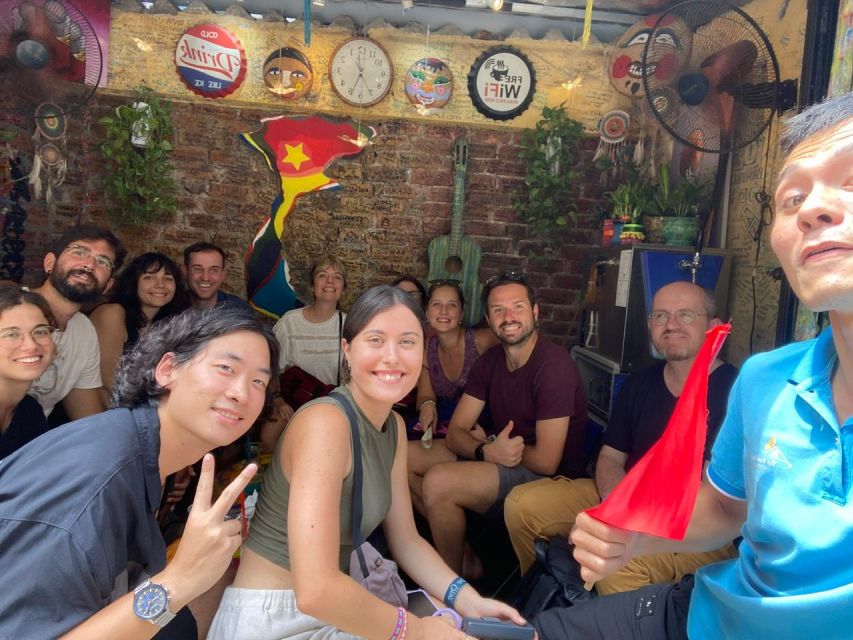
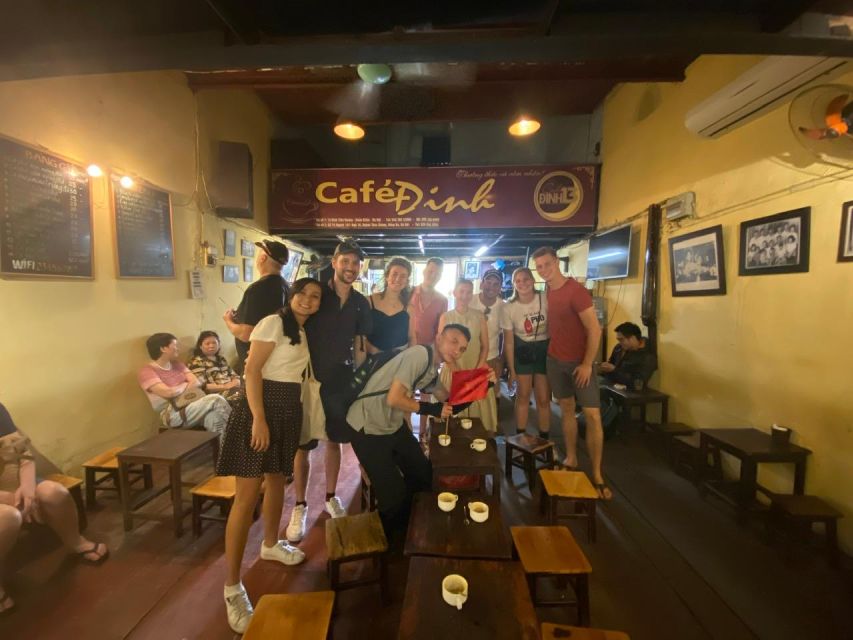
One of the most fun parts of the tour is egg coffee or salt coffee or coconut coffee. Coffee is the hinge between sightseeing and eating like a local.
Why it works: these aren’t just drinks you order to kill time. The guide’s recommendations help you choose based on what you like—richer, smoother egg coffee versus salt coffee’s punch, versus coconut options if you want something lighter.
Also, coffee is a natural pause point. After temples, bridges, and market noise, you get a seated moment to reset. It’s a small thing, but it keeps the whole afternoon from feeling like nonstop walking.
What guides actually do well on this route
Across the many private-group experiences I see reflected in this kind of tour, the best guides have three skills:
- They translate Hanoi’s layers into plain language. You don’t need a degree in Vietnamese history to follow the story.
- They give food and drink suggestions that you can use later. The coffee pick and market guidance often turn into your next meals.
- They stay flexible. If rain hits or something changes on the street, the guide adjusts so you still cover the key sites.
Some guides you might encounter on this route include Tee, Khoi, Mark, Min, Ming, Nam, Nathan, Minh, and Sarah, and the common thread is that the storytelling style feels personal and practical—less lecture, more street-level explanation.
Comfort, safety, and who should think twice
This is not a “bare minimum” walking tour. It’s a real walk with street crossings, photo stops, and some time on your feet.
It’s not suitable for:
- Pregnant women
- People with mobility impairments
- People under 120 cm
If you’re generally healthy but you tire easily, you’ll still want to go in prepared. Wear good shoes, carry a small water bottle if you like, and plan for a bit of street-stress like you would with any Old Quarter wandering.
Also, you’ll be dealing with traffic density. Even when the tour route is planned, you’ll still cross busy intersections. The guide’s instructions can make this feel much more manageable, but it’s still part of the experience.
Should you book this Hanoi Train Street walking tour?
Book it if you want a first-day, structured intro to Hanoi that doesn’t stop at famous sights. You’ll get a tour route that ties together temples, heritage houses/communal-style spaces, Long Bien Bridge, Dong Xuan Market, and Train Street, plus coffee choices and practical food tips. At $34 for a private, English-led, hotel-pickup tour with entrance tickets, it’s a good value—especially if you’d rather not spend half a day mapping your own route.
Skip it if you dislike crowds, struggle with walking and street crossings, or you need a fully accessible route. And if you’re only chasing one single photo spot, you might find this too story-focused.
If you do book, my advice is simple: come with comfortable shoes, show up ready to listen, and treat Train Street as the last stop in a chain. That’s when the tour makes the most sense.
FAQ
How long is the Hanoi walking tour through Train Street?
The tour duration is listed as 210 minutes, which is just over 3.5 hours.
Is hotel pickup and drop-off included?
Yes. Pickup and drop-off at your hotel are included, and you should wait in the hotel lobby.
Is this a private group tour?
Yes. The tour is described as a private group.
What language is the tour guide?
The tour is available with a live guide in English.
Are entrance tickets included?
Yes. Entrance tickets are included in the tour price.
Are food and drinks included?
No. Food and drinks are not included, but you will have a stop time for coffee.
Is photography allowed during the tour?
Photography inside is not allowed. Outside photo stops are part of the experience.
What should I bring with me?
Wear comfortable shoes, since you will be walking a lot.
Who is the tour not suitable for?
It is not suitable for pregnant women, people with mobility impairments, and people under 120 cm.
Is cancellation possible if my plans change?
Free cancellation is listed as available up to 24 hours in advance for a full refund.