REVIEW · VINH MOC TUNNELS
From Hue: Private DMZ Tour – Explore Vietnam War Sites
Book on GetYourGuide →Operated by Stop and Go Travel Company · Bookable on GetYourGuide
The DMZ feels uncomfortably close to history. This tour hits the Vinh Moc Tunnels and the key DMZ border sites with English-speaking guides who explain what you’re seeing and why it mattered. I also like that it’s private-door to door from Hue, so you’re not stuck in a cattle-car group. One thing to keep in mind: some days may not include every optional stop described, like the U.S. base and the wartime cemetery.
You’ll start with a morning pickup from your Hue accommodation, then ride out toward Dong Ha and the DMZ area with a local guide joining the car partway through. The driving time is real, but the sites are the point, and the day is structured so you’re not just passing through.
In This Review
- Key highlights you should care about
- Morning Pickup From Hue: The Day Starts Early for a Reason
- Dong Ha Connection: When Your Guide Joards the Drive
- Doc Mieu Base: Watching War Through the Ridge and the River
- Hien Luong Bridge at the 17th Parallel: A Border You Can Walk To
- Vinh Moc Tunnels: How Villagers Lived Underground
- U.S. Base and Wartime Cemetery: Double-Check the Day’s Stops
- The Lunch Break: Local Vietnamese Food, Pay Yourself
- Price and Value: Is $68 Fair for This DMZ Route?
- Who This Tour Suits Best (and Who Should Think Twice)
- Practical Tips Before You Go
- Should You Book This DMZ Tour From Hue?
- FAQ
- Where does the tour start?
- What sites are included during the DMZ tour?
- Is lunch included?
- What is included in the price?
- Do I need to speak Vietnamese to join?
- What should I bring?
- Is the tour private?
- Is this tour suitable for people with mobility impairments?
- How much does it cost?
Key highlights you should care about
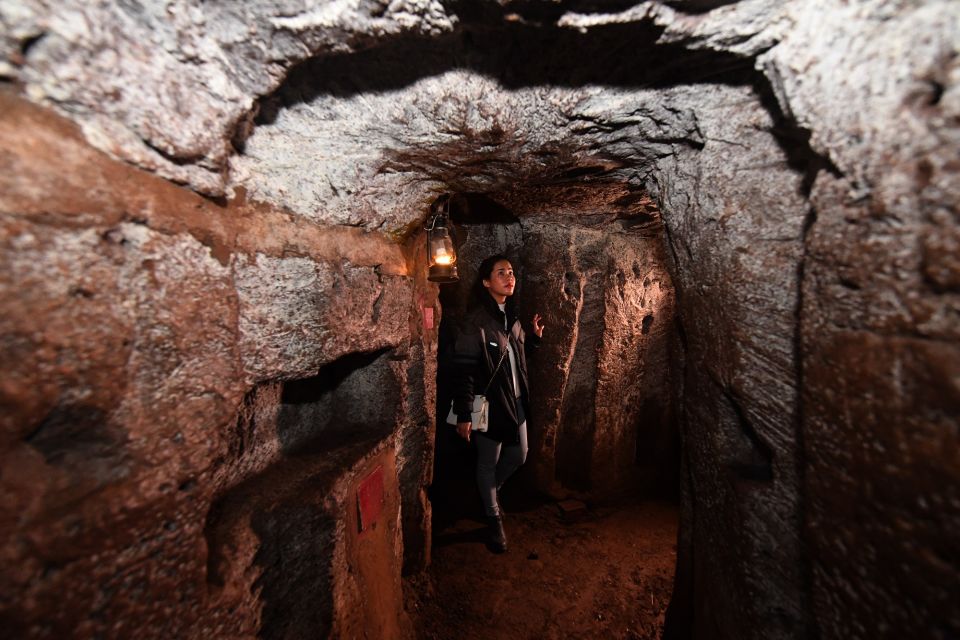
- Vinh Moc Tunnels: see how people survived bombardment by going underground
- Doc Mieu Base: understand how the U.S. built firebases on a ridge overlooking the DMZ and Ben Hai River
- Hien Luong Bridge at the 17th Parallel: a physical reminder of a divided country
- English guide Q&A: you can ask questions and get clear answers, not a rushed lecture
- Private car + pickup/drop-off: less hassle, more time on the sites that matter
Morning Pickup From Hue: The Day Starts Early for a Reason
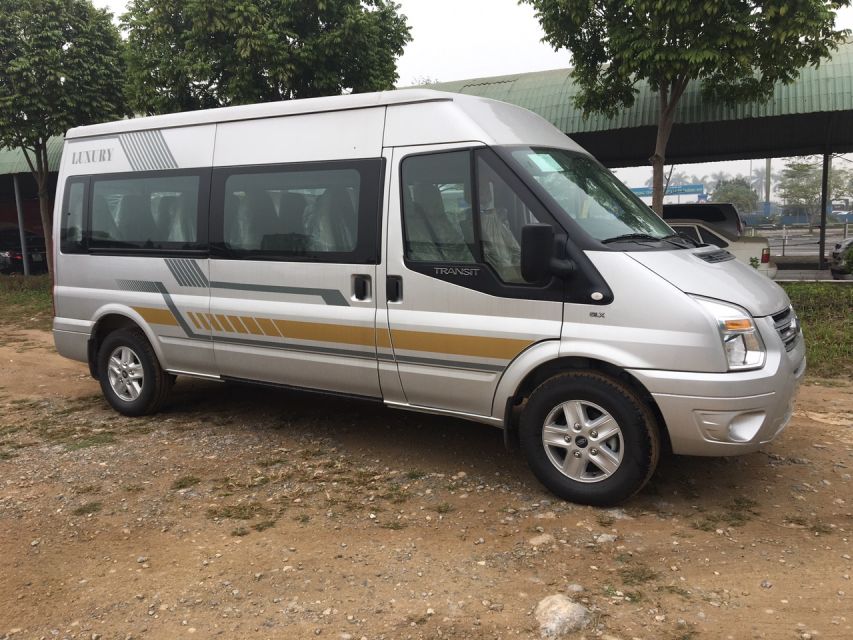
This is a morning trip out of Hue, with pickup from your accommodation. In practice, that matters because the DMZ sites work best when you get there before the day gets too hot or too busy. You’ll be in a private car, and you’ll have bottled water to keep things comfortable on the road.
A typical flow is: you’re picked up in Hue, then you head toward Dong Ha. At that point, your local guide boards the vehicle so you get proper explanations while you’re moving through the area rather than waiting until you arrive at the first stop.
I like the pacing because it’s not chaotic. You get a plan, and you’re also allowed to ask questions through the ride. That’s where the best part of the tour can happen: little context bits that help the sights make sense fast.
You can also read our reviews of more private tours in Vinh Moc Tunnels
Dong Ha Connection: When Your Guide Joards the Drive
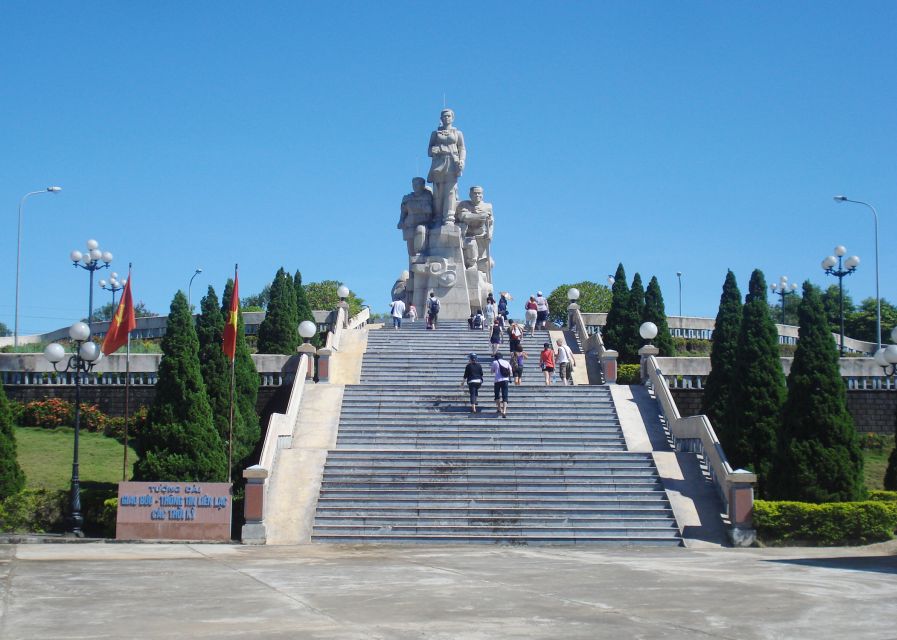
The guide joining from the Dong Ha area is a smart setup. It means you’re not starting with a long monologue before the DMZ actually begins. Instead, you get the story as the scenery becomes more relevant—rural roads, the feeling of distance, and the sense that this area wasn’t just a battlefield on a map.
You’ll hear in a very human way how the DMZ functions in both geography and history. Guides on this route include people like Hai, Thach, and Dung (danny), and the common thread is strong English and real conversation. I found that matters because the DMZ is heavy. You’ll want a guide who can answer the hard questions clearly, without turning it into a vague lecture.
Doc Mieu Base: Watching War Through the Ridge and the River
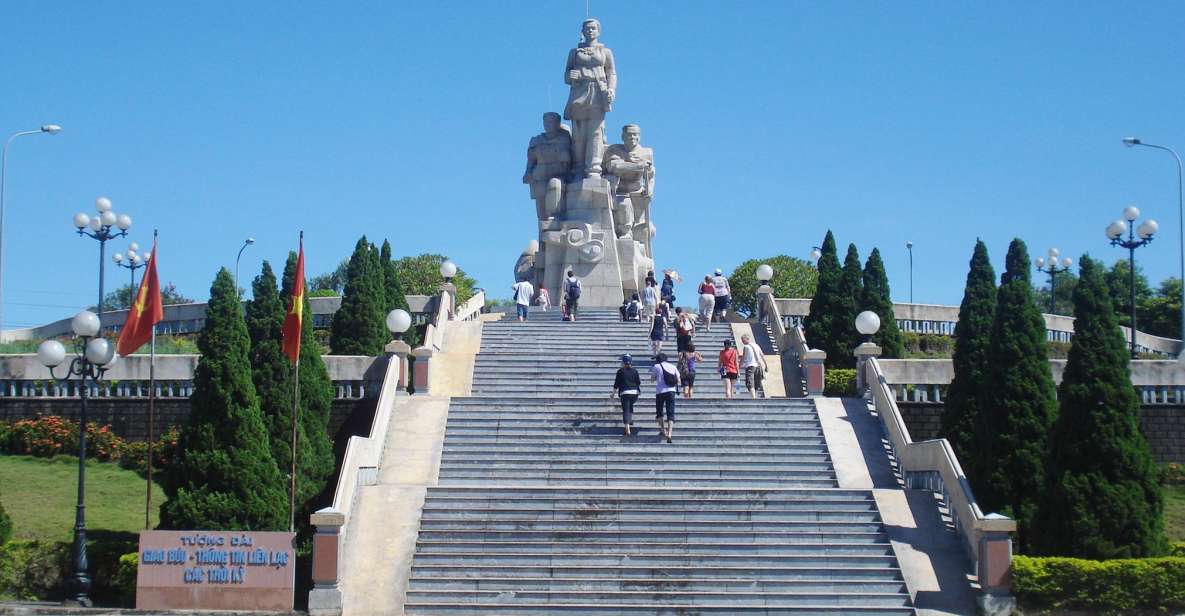
The first major stop is Doc Mieu Base, one of the front lines. This is the kind of place where views do the explaining. You’ll learn how the Americans set up firebases on elevated ground—on a ridge of hills—with sightlines across the DMZ and toward the Ben Hai River.
That “ridge and river” detail is important for you to understand because it changes how you imagine the fighting. When you see the terrain, you stop thinking only about dates and names and start thinking about why certain positions were strategically valuable. Even if you’re not a military-history person, the terrain gives you something concrete to hold onto.
Your English-speaking guide will walk you through the practical logic of the base: why hills mattered, why observation mattered, and how the DMZ became a contested zone. One review-style example that shows the tone: Mr Trung (driver) was described as kind and informative, and that kind of calm storytelling helps you process the seriousness without feeling rushed.
Hien Luong Bridge at the 17th Parallel: A Border You Can Walk To
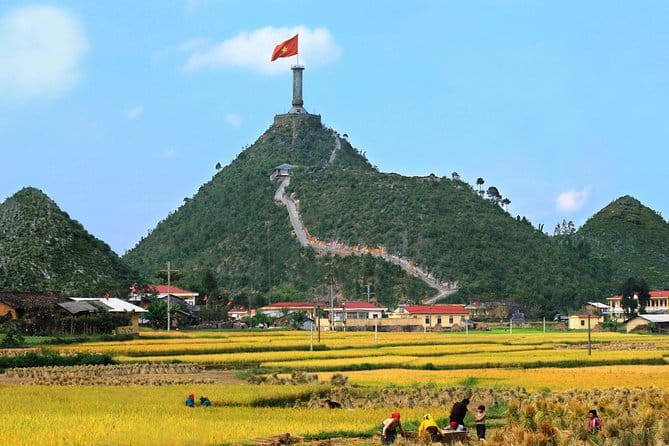
Next comes Hien Luong Bridge, located at the 17th Parallel. During the war, it was bisected between South and North Vietnam, which turns a simple bridge into a symbol you can stand next to.
This stop is valuable because it makes the border idea physical. It’s not an abstract political line. It’s a place where people would have felt the division in their daily lives, with families and communities on opposite sides of a war that didn’t stay safely in the past.
If you pay attention here, you’ll start connecting the dots between what you learned at Doc Mieu Base and what you see in the later tunnel area. The bridge gives you the “line in the landscape.” The tunnel stop shows you what life looked like when that line came with constant danger.
Vinh Moc Tunnels: How Villagers Lived Underground
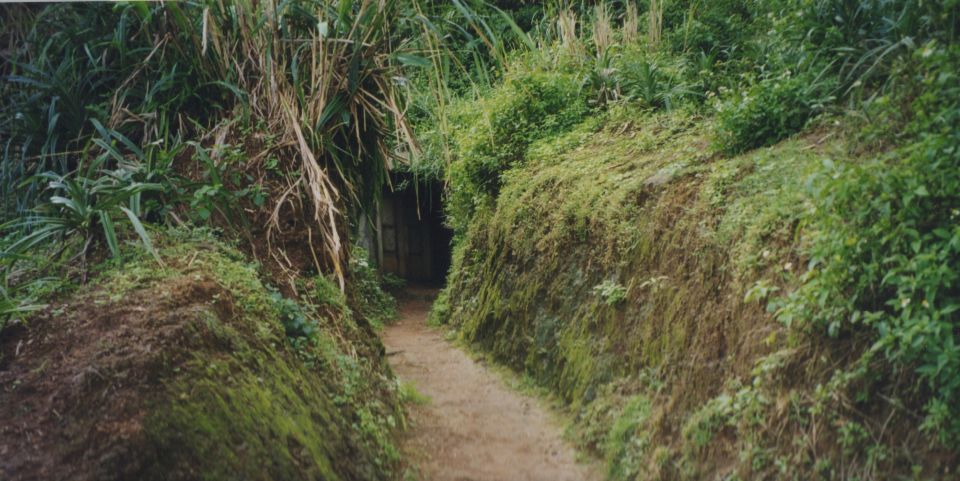
The biggest highlight is the Vinh Moc underground tunnels. This is one of the DMZ’s most unique historical sites because it shows survival from the inside—how villagers and families adapted when bomb attacks made ordinary life impossible.
Here’s what you should expect: you’ll hear how the tunnels worked as refuge, and how living underground changed routines, stress, and daily choices. It’s not just a technical visit. It lands emotionally, because the story is about ordinary people dealing with nonstop threat.
What I like about this stop is that it doesn’t ask you to “imagine” too much. The space itself supports the story. When you move through tunnel sections and hear the explanations, you naturally understand that this wasn’t some quick shelter. It was a way to keep going when the surface was unsafe.
Multiple guides got high praise for making this stop meaningful. Thach, for example, was described as extremely knowledgeable, and the tunnel visit was described as moving—because you can only guess at the fear behind those walls. Another guide, Hai, earned praise for excellent English and thoughtful answers to questions. That’s exactly what you want here: time to process and a guide who can explain without oversimplifying.
U.S. Base and Wartime Cemetery: Double-Check the Day’s Stops
The tour description includes visits to a U.S. base and a wartime cemetery in the DMZ area. However, I’d treat that as “ask for confirmation” rather than a guaranteed final word.
One experience included in the provided information pointed out that those stops (the American base and cemetery) were missing on their day, which made the trip feel less balanced and more expensive for what they actually saw—only tunnels and the bridge plus driving.
So what should you do? If you’re booking and those two stops matter to you, confirm the day’s planned schedule with the operator before you go. You’re paying for a specific set of stops, not just transportation to the general DMZ region.
This isn’t about being picky. It’s practical. If you’re going out to the DMZ and you care about U.S.-side interpretive sites and the cemetery component, you want to know your time there won’t be cut down unexpectedly.
The Lunch Break: Local Vietnamese Food, Pay Yourself
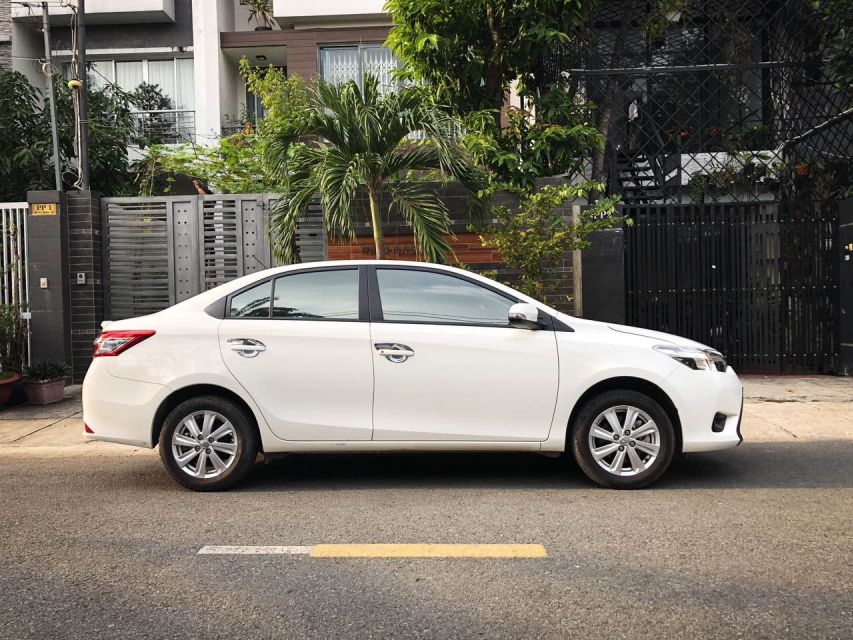
Before heading back to Hue, there’s a stop for lunch at a local restaurant. The key point: you pay for lunch yourself.
This is a common and usually good setup. You get a real break, and you can choose what fits your appetite. Just plan for it in your budget. I also suggest you keep your expectations grounded: this is not a luxury restaurant kind of lunch. It’s a practical meal during a long day.
Comfort matters on these tours, and lunch is part of that. You’ll likely have a good appetite after time at multiple DMZ sites and that road trip.
Price and Value: Is $68 Fair for This DMZ Route?
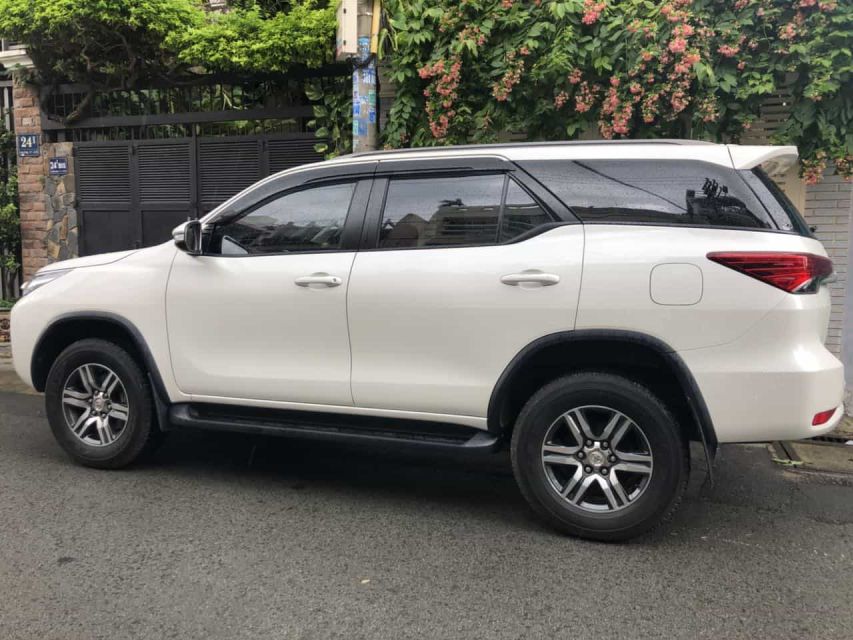
At $68 per person, the price lands in the “reasonable, but pay attention to what’s included” zone. Here’s what you actually get: hotel pickup and drop-off in Hue, a private car, an English-speaking guide, entrance fees, and bottled water.
That’s the value math. Private transport plus a guide plus entrance fees usually costs more than $68 if you tried to stitch it together on your own. And because the DMZ sites aren’t “drop in, wander, and figure it out” experiences, the guide matters a lot—especially for a subject that needs clear explanations and careful language.
The main value risk is not the price itself. It’s whether your day includes all the promised stops. If you end up only doing tunnels and the bridge, it can feel like the tour didn’t deliver enough to justify the full cost. If your schedule includes Doc Mieu Base plus the U.S. base and cemetery, the value improves a lot because the day covers both terrain and multiple interpretive angles.
Who This Tour Suits Best (and Who Should Think Twice)
This tour fits best if you:
- Want an English-guided DMZ day with structured stops
- Like asking questions and getting real answers, not just hearing facts
- Are especially interested in the Vinh Moc tunnels and how civilians coped during the war
It may not be ideal if you:
- Need mobility-friendly access, since it’s listed as not suitable for people with mobility impairments
- Hate long drives, because the road time is a real part of the day
Practical Tips Before You Go
- Wear comfortable shoes. You’ll be walking around historical areas, and you’ll want traction and support.
- Bring patience for a full day out of Hue. The payoff is the sites, not the route scenery.
- If U.S. base and cemetery visits matter to you, confirm those stops ahead of time.
Guides are often the difference-maker on emotionally heavy tours. From the information here, guides like Hai, Thach, and Dung (danny) are praised for strong English and for making time for questions. That’s another reason to choose this style of tour rather than trying to DIY it.
Should You Book This DMZ Tour From Hue?
I’d book it if you want a guided DMZ day that focuses on the places most people remember for a reason: Doc Mieu Base for the ridge-and-river perspective, Hien Luong Bridge for the 17th Parallel division, and Vinh Moc tunnels for civilian survival underground.
I’d hesitate if you specifically want a very tight checklist of every listed stop and you can’t be flexible. The information you have suggests that on at least one day, parts like the U.S. base and cemetery were not included. Quick confirmation before travel can protect you from disappointment.
If you’re going anyway, go with the mindset that this is not a casual sightseeing loop. It’s a serious history tour in a very real physical setting. When the guide is strong—and the English is clear—you’ll leave with a much better grasp of what happened here and why people still feel its impact.
FAQ
Where does the tour start?
The tour starts with hotel pickup in the morning from your accommodation in Hue.
What sites are included during the DMZ tour?
You’ll visit Doc Mieu Base, Hien Luong Bridge, and the Vinh Moc underground tunnels. The tour description also mentions a U.S. base and a wartime cemetery in the DMZ area.
Is lunch included?
No. Lunch at a local Vietnamese restaurant is a stop before returning to Hue, but you pay for it yourself.
What is included in the price?
The price includes hotel pickup and drop-off, a private car, an English-speaking guide, entrance fees, and bottled water.
Do I need to speak Vietnamese to join?
No. The guide provides the tour in English.
What should I bring?
Wear comfortable shoes. That’s the main practical item recommended.
Is the tour private?
Yes. The tour is described as private, with a private car and an English-speaking guide.
Is this tour suitable for people with mobility impairments?
No. It is not suitable for people with mobility impairments.
How much does it cost?
The price is listed as $68 per person.