REVIEW · HO CHI MINH CITY
From HCMC: Cu Chi Tunnels Non-Touristy Ben Duoc Tour
Book on GetYourGuide →Operated by Vietnam Adventure Tours JSC · Bookable on GetYourGuide
Crawling underground changes your perspective fast. This non-touristy Ben Duoc Cu Chi Tunnels trip from Ho Chi Minh City focuses on real guerrilla ingenuity: hidden bunkers, trapdoors, and tight passages that put the war in physical context. You’ll ride out into the countryside, hear the story in English, and then test your luck at the shooting range if you want.
I like how the tour pairs a clear setup with hands-on walking. You start with a short documentary film, then you move into the underground sections with guided explanations of how life and combat worked down there.
I also like that this is a small-group format, capped at 10 participants, so questions don’t get lost in the crowd. One more plus: you’re not stuck in a single exhibit room all day—you get a real change of pace, from rice paddies outside the city to crawling through tunnels.
The main drawback is physical. The underground sections are genuinely challenging, and if you have lower-limb or back issues, you should think twice before booking. The optional shooting part also costs extra if you want to use bullets, so the $19 price is for the core experience—not the trigger time.
In This Review
- Key things that make this tour worth your time
- Ben Duoc Tunnels vs the crowded Cu Chi script
- The ride out of HCMC: rice paddies, water buffalo, and real distance
- First real stop: a short film that sets your expectations
- Crawling the passages: why tight spaces are the point
- Trap explanations and the weapons room logic
- AK-47 shooting range: a fun add-on, but read the fine print
- Timing, pacing, and what happens when things run hot or late
- Price and value: why $19 can work for you
- Who should book—and who should skip
- Should you book the Ben Duoc Cu Chi Tunnels tour?
- FAQ
- What is the price and duration of the tour?
- How long is the drive from Ho Chi Minh City to the tunnels?
- What are the tour start times and return times?
- Is hotel pickup included, and where does it operate?
- What is included in the tour price?
- Is the AK-47 shooting included?
- How many people are in the group?
Key things that make this tour worth your time

- Ben Duoc focus on the lesser-visited tunnel system, not the busiest show-circuit areas
- English-speaking guide who keeps the war story understandable and lively (many guides are praised for humor and clarity)
- Actual crawling routes through the underground passages and into spaces tied to day-to-day life
- Trap and weapons explanations that connect the tactics to what you’re seeing
- Optional AK-47 shooting range for those who want a hands-on add-on (bullets are extra)
- Small group (max 10) for easier pacing and more time for questions
Ben Duoc Tunnels vs the crowded Cu Chi script
Cu Chi can feel like one big checklist if you go in expecting only photos. What I like about this Ben Duoc tour is the angle: it’s built around the tunnel system’s day-to-day function—how people hid, moved, and survived—rather than only showing highlights.
Ben Duoc is described as non-touristy, and the practical effect is that your time inside feels less rushed. You still get the core ideas: concealed routes, hidden spaces, and trap mechanisms. But the emphasis stays on understanding why the tunnels worked, and how the guerrilla fighters used them when the surface world was too dangerous.
This is also the kind of tour where the guide matters a lot. In the feedback, names like Pham, Ele, Phong, Bảo, Binh, Vinh, Jack, and Evi keep coming up. People praise them for clear English and for turning the topic into something you can follow without needing a Vietnam War textbook first. If you’re the type who likes asking questions, a smaller group makes that easier.
You can also read our reviews of more tours and experiences in Ho Chi Minh City.



The ride out of HCMC: rice paddies, water buffalo, and real distance
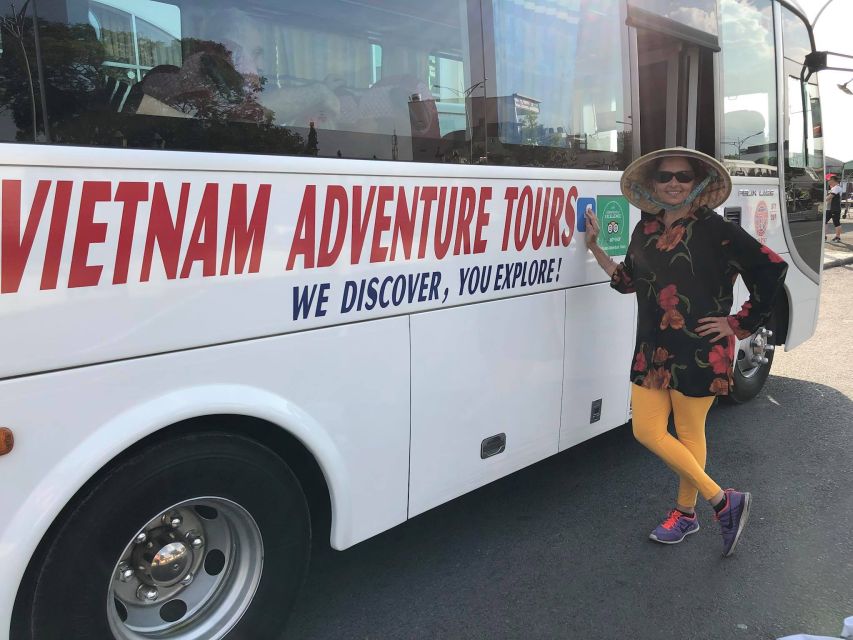
You leave Ho Chi Minh City on an air-conditioned bus or van. Pickup is typically around 8:00AM for the morning tour or 12:15PM for the afternoon tour, with drop-off back in the city at about 3:30PM or 7:00PM respectively. The total duration is listed as about 7 hours, which makes sense because you’re not just “dropping by” Cu Chi. You’re traveling, exploring, and getting back at a human pace.
The countryside drive is part of the value. You’ll see rice paddies along the road and even ducks and water buffalo swimming in rivers. That might sound like a postcard detail, but it helps ground what you see underground. When the guide starts talking about movement, hiding, and supply routes, you’re already picturing the landscape they were tied to.
A practical note: pickup is offered from centrally located hotels in District 1. If you’re elsewhere, you may need to use the meeting point at 123 Ly Tu Trong Street, District 1, and you need to be there before 8:00AM (morning) or 12:15PM (afternoon). There’s also no pickup from Tan Dinh and Dakao Ward for the standard option, unless you book a VIP option.
First real stop: a short film that sets your expectations
Once you arrive after about 1.5 hours by car, you begin with a short documentary film. It’s there to frame the tunnels before you crawl through them. I appreciate this approach because it reduces that awkward moment where you’re staring at a doorway and wondering what you’re supposed to be noticing.
The film covers the history and significance of the Cu Chi Tunnels during the Vietnam War. It gives you a mental map: who used the system, why it mattered, and what daily life could look like underground. Then the guide moves you into the real exploration with that context in hand.
This is also where you’ll start to understand the tour’s tone. It’s not presented as a simple thrill ride. It’s a history-and-technology walkthrough, with the physical constraints of the tunnels acting like your main “textbook.” If you like learning by seeing, this works well.
Crawling the passages: why tight spaces are the point
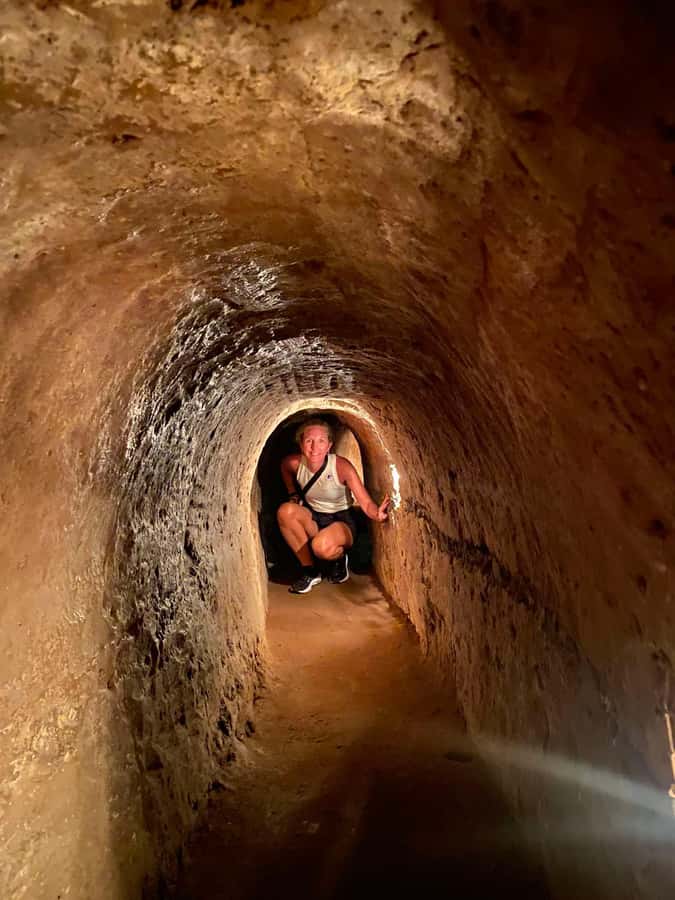
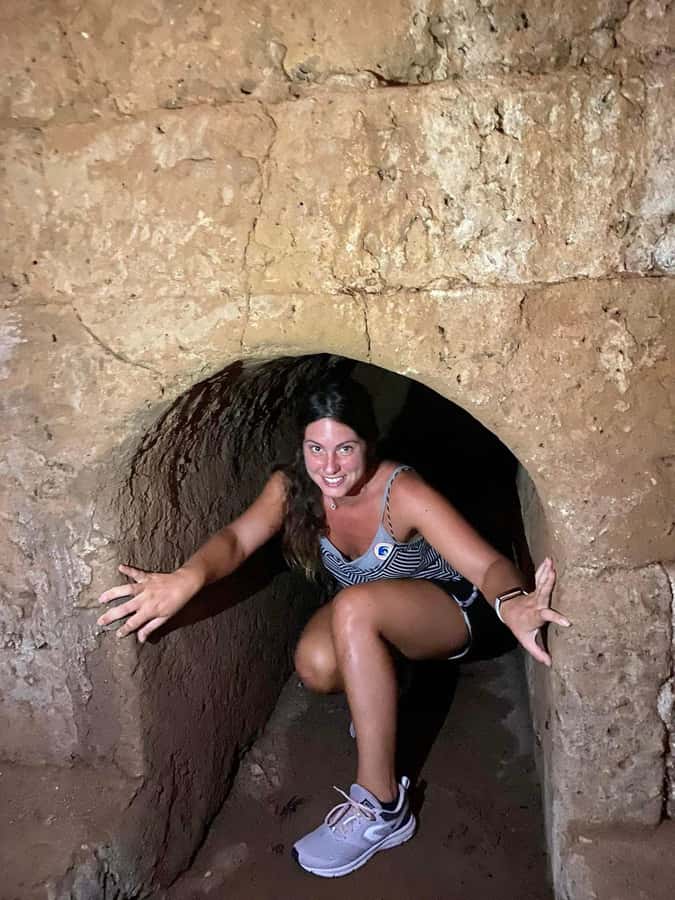
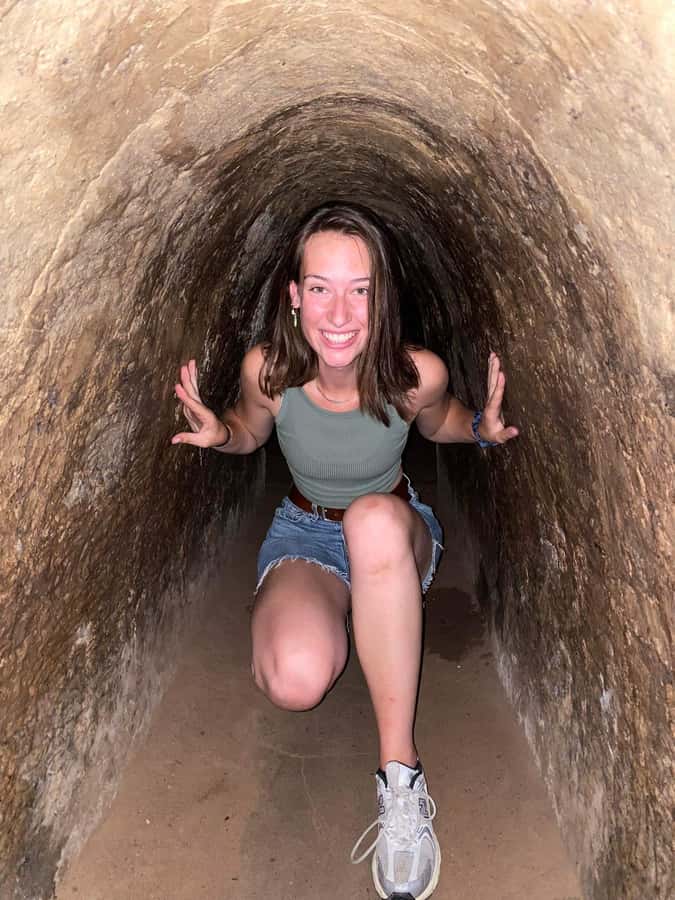
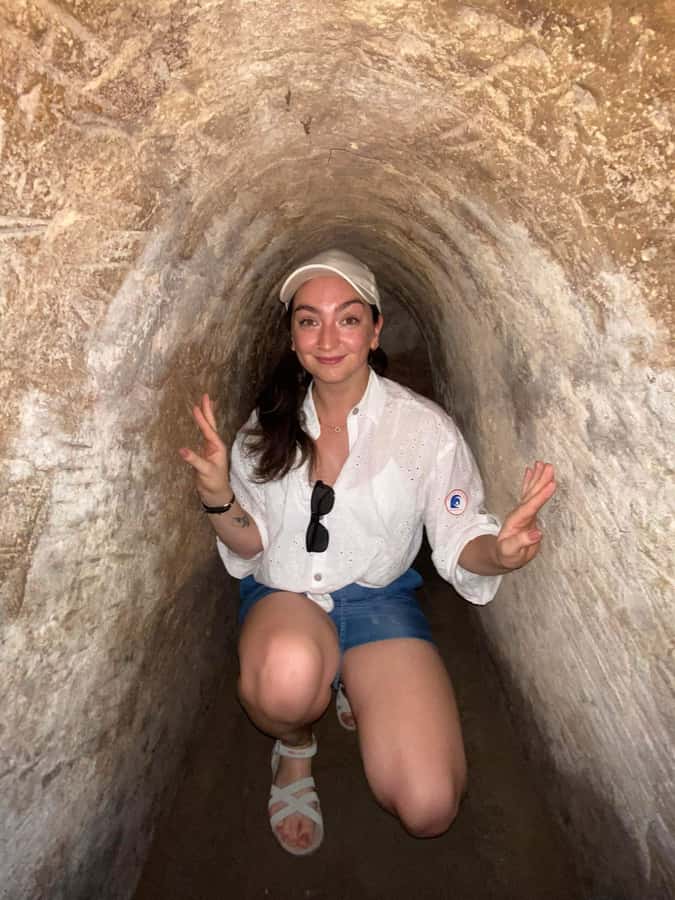
The core experience is the underground crawl through passages that guerrilla fighters used. Some segments are tight. Some sections are low. You’re not walking through a theme park tunnel—you’re moving through a working system, so your body notices the limits quickly.
On the way, you may see spaces tied to everyday life and organization, like a kitchen, living quarters, and a meeting room. That’s important because the tunnels weren’t only a hiding place. They supported communication, planning, cooking, and coping with constant pressure.
Here’s the part to plan around: the crawl distances are real enough that they’re repeatedly mentioned as challenging. If you’ve got lower-limb issues or back problems, don’t treat this as optional sightseeing. One comment explicitly warns against doing the tunnels if you have those issues. If that’s you, consider skipping the crawling and choosing a less physical Cu Chi option instead.
Still, even if you take it slow, the experience becomes memorable for the same reason the best history tours work: you get a direct sense of trade-offs—movement, concealment, and survival—without needing to guess.
Trap explanations and the weapons room logic
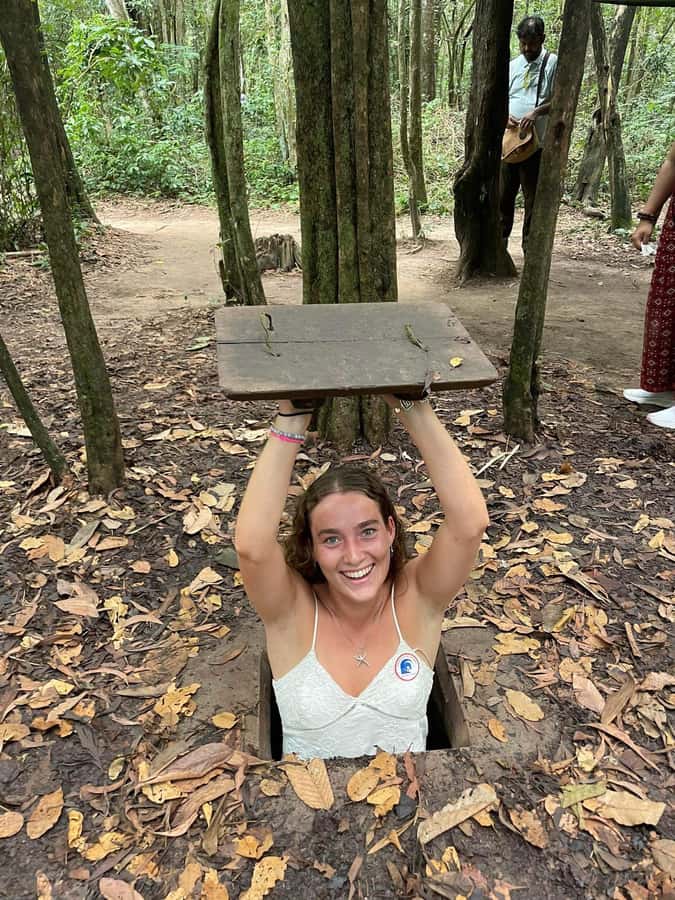
After the crawling sections, the tour shifts from movement to mechanisms: trap creation and setup, plus the weapons story.
You’ll learn about the different types of traps and how they were arranged. The key value here is the connection between tactic and terrain. When traps are explained while you’re still inside the tunnel context, they stop being “random scary gadgets.” You start understanding them as part of a system built around misdirection and risk control.
Then you visit the weapons room. This is where the guide’s storytelling matters again. People highlight guides for clear explanations, and that shows up in this stage: you hear about how Vietnamese forces made ingenious weapons work within the constraints they faced. Even if you’re not a history buff, it helps to see how problem-solving looks when resources and time are limited.



AK-47 shooting range: a fun add-on, but read the fine print

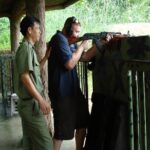
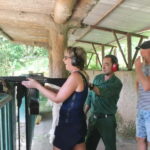
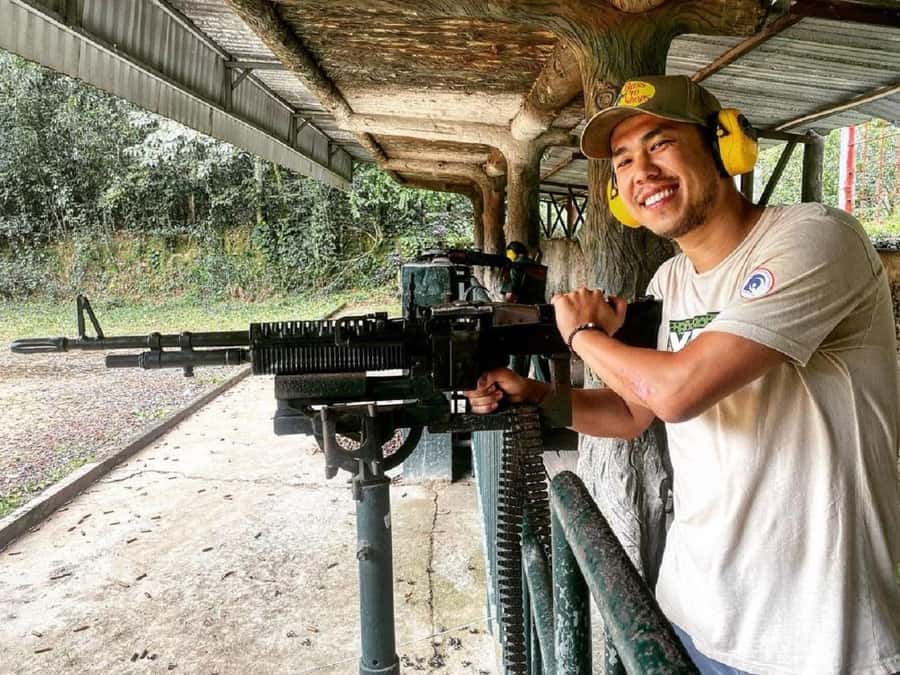
If you want the hands-on add-on, the tour includes time at a shooting range where you can try an AK-47. The included items say entry tickets are covered, and bullets are not included if you try shooting. In other words, the extra cost can add up once you decide to participate.
One rider noted that there’s a minimum bullet purchase (ten bullets mentioned). So if you’re curious but budget-conscious, treat shooting as a separate decision, not a default part of the $19 price.
Also, consider comfort and expectations. This is not an outdoor shooting school with long coaching sessions listed. It’s a short, included option inside a larger half-day structure. If you mainly want range time, this tour is probably not the best value compared with a dedicated range experience. If you want history first and shooting as a bonus, it fits nicely.
Timing, pacing, and what happens when things run hot or late
This tour is built around two start times, morning and afternoon, with a predictable return. Morning pickup is around 8:00AM and you’re back around 3:30PM. Afternoon pickup is around 12:15PM and you return around 7:00PM. That schedule is useful if you plan other activities in Ho Chi Minh City afterward.
Food and restroom timing are worth noting. After the morning tour, there’s a nearby eatery for restroom, and you can enjoy a light lunch on your own. Some departures also include a stop for food near the end that you pay for, and feedback suggests the stop is usually short. On hot days, the air-conditioned bus/van makes the ride manageable, even if Cu Chi feels like an all-day stop.
One potential snag to keep in mind: transport timing can be imperfect. There’s at least one report of the bus being late by about 20–30 minutes and communications not being crystal clear. That doesn’t seem to be the norm, but it’s smart to build a little buffer if you’re catching a flight immediately after the tour.
Price and value: why $19 can work for you
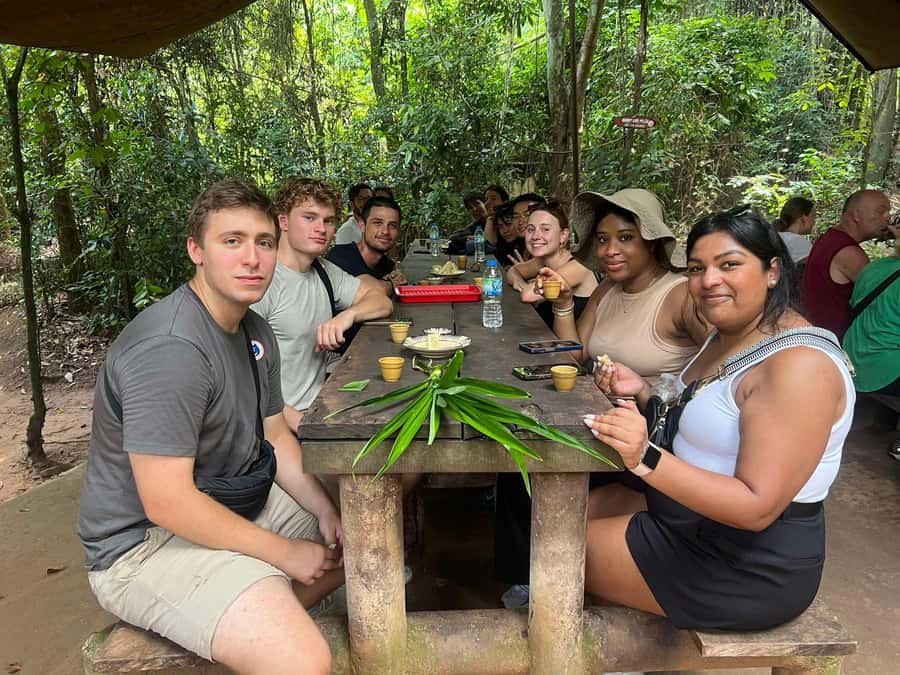
At $19 per person for a tour that runs around 7 hours, the value is mainly in the package, not in fancy extras. You get air-conditioned transportation, an English-speaking guide, entry tickets, bottled water and tapioca, plus hotel pickup and drop-off from central District 1 areas. The crawl experience and guided explanations are the centerpiece.
The optional shooting range is where costs can rise. Bullets aren’t included, and you may need to buy a minimum number. So if you ignore the shooting add-on, you’ll likely get close to the published value. If you shoot, budget extra for bullets.
Where this tour really shines is when you want Cu Chi but not the full-on, high-crowd version of it. The non-touristy Ben Duoc emphasis plus the small group size (max 10) can make your time feel less like waiting and more like learning.
Who should book—and who should skip
This tour is a great fit if you:
- want a history-focused trip that explains the tunnel system, not just photographs it
- like having an English guide you can ask questions of in a smaller group
- are physically willing to crawl through tight underground passages
- enjoy “see it, then understand it” pacing (film first, tunnels second, traps and weapons third)
It’s not a great fit if you:
- have lower-limb problems or back issues, since the crawling is repeatedly described as challenging
- want a relaxed sightseeing walk with no physical effort
- plan to rely on shooting as your main goal, since bullets cost extra and the range time is an add-on, not the main event
Should you book the Ben Duoc Cu Chi Tunnels tour?
If you’re choosing between a quick, crowded Cu Chi stop and something with a smaller-group feel, I’d lean toward this Ben Duoc version. It gives you the story structure (film), the physical understanding (crawling), and the explanation layers (traps and weapons) without turning the day into a stampede.
Book it if your schedule can handle pickup and a full half-day block, and if you’re comfortable with tight spaces. Skip or swap it for a less physical option if you’re dealing with mobility or back concerns. And if you’re tempted by the AK-47 range, decide ahead of time what you’re willing to spend on bullets so there are no surprises.
FAQ
What is the price and duration of the tour?
The tour is $19 per person and lasts about 7 hours. Starting times depend on availability.
How long is the drive from Ho Chi Minh City to the tunnels?
The ride is about 1.5 hours each way to reach Cu Chi Tunnels.
What are the tour start times and return times?
The morning tour includes pickup around 8:00AM and returns around 3:30PM. The afternoon tour includes pickup around 12:15PM and returns around 7:00PM.
Is hotel pickup included, and where does it operate?
Pickup is included from centrally located hotels in District 1, Ho Chi Minh City. Pickup is not offered from Tan Dinh and Dakao Ward for the standard option. If you’re not picked up, the meeting point is 123 Ly Tu Trong street, District 1 before 8:00AM (morning) or 12:15PM (afternoon).
What is included in the tour price?
Included are air-conditioned transportation, an English-speaking tour guide, bottled water and tapioca, entry tickets, and pickup and drop-off from centrally located hotels.
Is the AK-47 shooting included?
Shooting is optional, and bullets are not included if you try shooting.
How many people are in the group?
The tour is a small group limited to 10 participants.