REVIEW · HANOI
From Hanoi: Guided 2-Day Tour of Sa Pa with Lunch & Dinner
Book on GetYourGuide →Operated by Vietnam Nomadtrails · Bookable on GetYourGuide
Rice terraces and village life, in two days. This guided Sa Pa trip is interesting because you walk the Muong Hoa valley and sleep in a real ethnic homestay with family meals, then add a bit of village craft learning. One thing to plan for: the overnight bus and early timing, plus muddy trails if the weather turns.
You start with an overnighter from Hanoi (22h00), arrive early, shower and reset, then trek through rice paddies to lunch in a village restaurant and on to Ta Van for the homestay night. Day 2 continues through rice paddies and bamboo, crosses a suspension bridge, and finishes with a return to Sa Pa and then back to Hanoi around 16h00.
This is built for small groups (up to 10) and an English-speaking guide, often named Xin, who keeps things friendly and funny while you learn about local traditions. If you want a calm, hands-on North Vietnam mountain experience without hotel-hopping, this tour fits well.
In This Review
- Key things you’ll actually remember
- The basic shape of this Sa Pa trip (and why it works)
- Overnight sleeper bus: comfortable enough, but timing matters
- Day 1: arriving in Sa Pa, showering, then walking from 9h00
- Muong Hoa valley and Ly Chai lunch: the part you’ll talk about later
- Ta Van homestay night: family dinner, cooking class, and karaoke
- Day 2: breakfast with your hosts, then rice paddies and bamboo
- Fitness level: it’s not extreme, but the trail is real
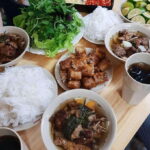
- Food and water: included meals are one of the best deal-makers
- Price check: $84 for bus + homestay is the real math
- Your guide and small-group vibe (and what to expect day-to-day)
- Who this Sa Pa trek suits best
- Should you book this 2-day Sa Pa tour?
- FAQ
- What time does the overnight bus leave Hanoi?
- Where is the meeting point in Hanoi?
- What’s included in the price?
- What meals do you get on the tour?
- Can I join a cooking class and handicraft activity?
- How hard is the trekking?
- Is there an extra fee around Lunar New Year?
- Who is this tour not suitable for?
Key things you’ll actually remember
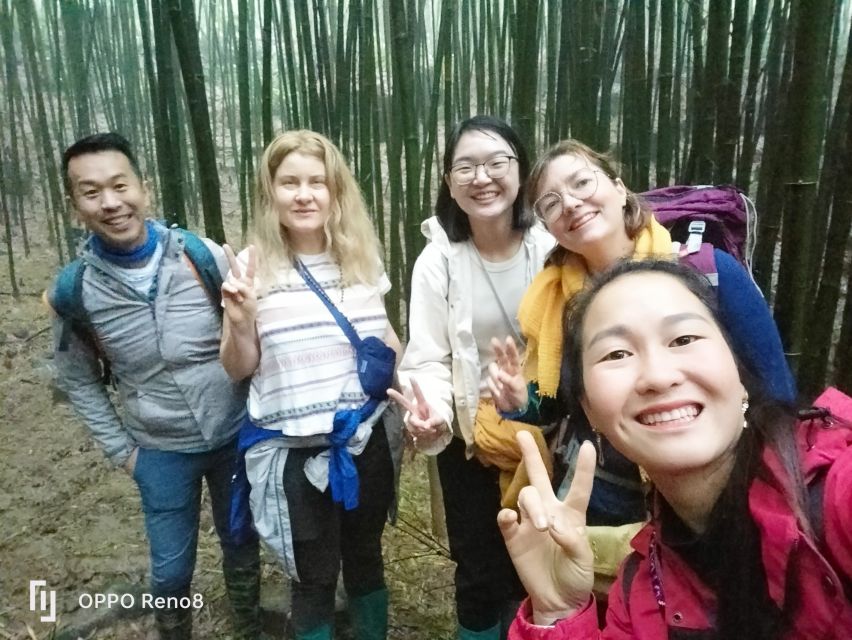
- Muong Hoa valley trekking with big views and lots of walking time
- Ta Van homestay night with the chance to join a cooking class and eat with the family
- Village visits by ethnic group including Black Hmong at Ly Chai and other hill-tribe communities
- Handicraft making experience tied to local hill tribe techniques
- Giang Ta Chai panorama plus a suspension bridge crossing
- Small-group pace (limited to 10) with an English guide who helps keep it easy
The basic shape of this Sa Pa trip (and why it works)
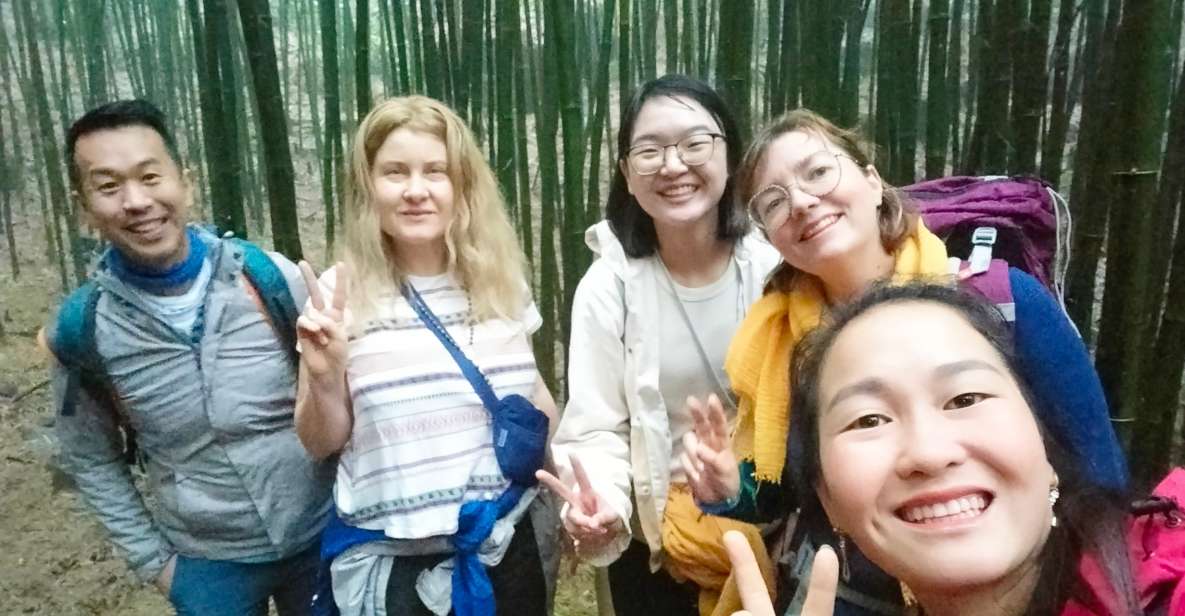
This is a classic “two days, real mountain life” format. You’re not just transferring from Hanoi to Sa Pa and doing a quick look-around. Instead, you spend a full day walking the valley, then a full day moving between villages and views, all while staying overnight inside an ethnic family’s home.
The value is in the package. For one set price, you get the overnight sleeper bus, the English guide, 1 night homestay, and a meal plan that covers both mornings, both lunches, and your dinner. That’s what makes it feel like more than a bus + sightseeing combo.
The only drawback is the schedule intensity. You’re up early on Day 1, and your Day 2 moves steadily through the morning. If you like slow starts and long cafe breaks, you’ll need to mentally budget for trekking mornings.
You can also read our reviews of more guided tours in Hanoi

Overnight sleeper bus: comfortable enough, but timing matters
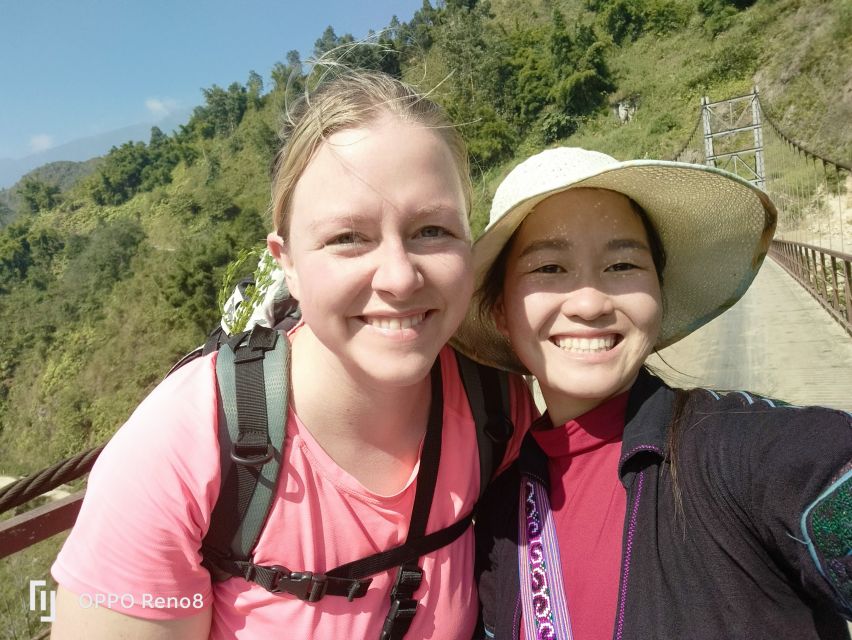
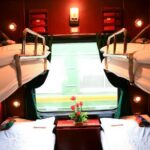
Your trip begins with the sleeping bus leaving Hanoi at 22h00. You’ll travel all night, then arrive in Sa Pa in the early morning. That early arrival is what allows the tour to start trekking around 9h00.
Here’s the practical bit that can catch people: there can be a window between when the bus drops you and when you’re picked up for the office where you can shower and store luggage. Plan to be patient. It’s not a problem, just part of the flow of getting people organized after the overnight ride.
Also note the meeting point rules in Hanoi. From Monday to Thursday, pickup may be arranged from nearby meeting points or sometimes from your hotel in the Old Quarters. From Friday to Sunday, you must be at the main meeting point by 21h30 at No 204 Tran Quang Khai, near Vietcombank, because of the walking streets and night markets.
If you hate arriving and not immediately knowing what happens next, this is the one moment in the itinerary where you should stay flexible and follow your guide’s instructions.
Day 1: arriving in Sa Pa, showering, then walking from 9h00
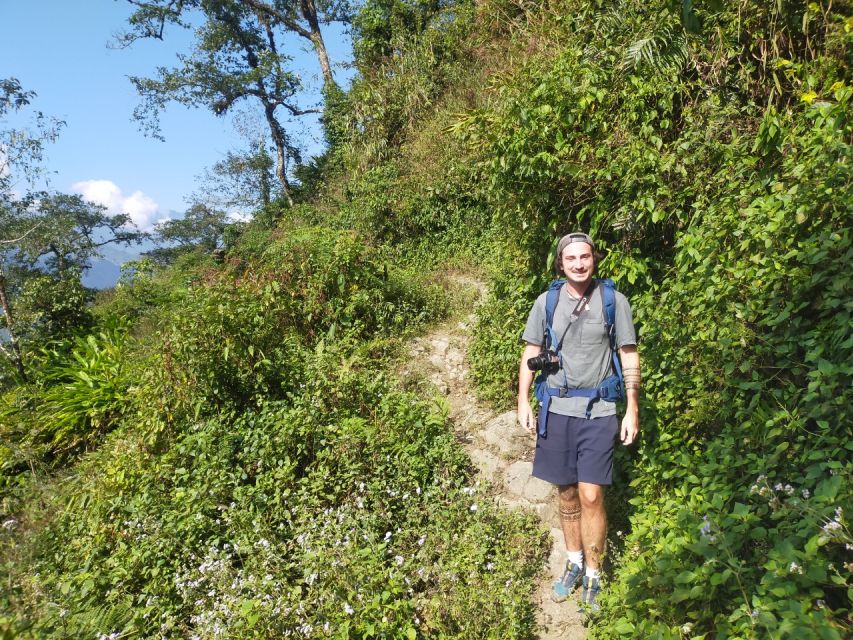
Once you arrive, the plan is simple: you get a free hot shower, luggage storage, and then you start trekking around 9h00. That early shower stop is underrated. It turns a long bus ride into something that feels more like a fresh start than a sweaty scramble.
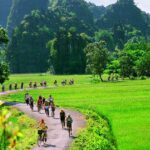
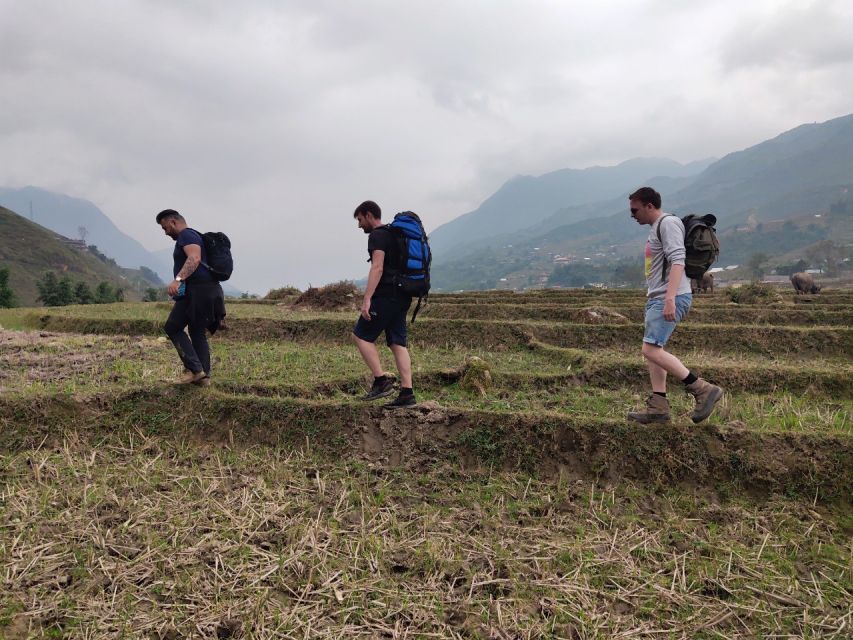
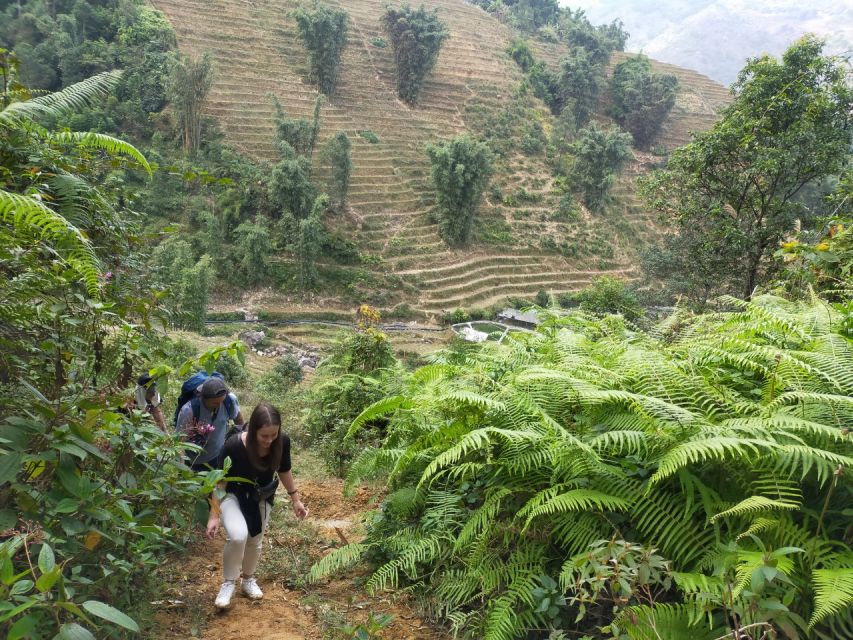
From there, your Day 1 route focuses on the rice terraces and the Muong Hoa valley. You’re walking through a mountain farming landscape, not a paved attraction. You’ll also be moving toward village areas rather than only viewpoint stops, so you get a stronger sense of how people live here.
The tour includes a lunch stop after reaching the Black Hmong village of Ly Chai. Expect the day to feel like a steady walk with breaks. If you pace yourself, it stays enjoyable.
Muong Hoa valley and Ly Chai lunch: the part you’ll talk about later
The Muong Hoa valley trek is the backbone of the experience. You’re following streams and terrace paths, with mountain scenery around you and plenty of “pause and look” moments. This is not just pretty scenery; it’s a working landscape. You’ll see the rhythm of rice fields and how the trails connect farming areas to villages.
At Ly Chai (Black Hmong), you stop for lunch at a local restaurant. This is one of those stops that helps the whole day feel real. Instead of eating in a tourist setting, you eat in a village context, which fits the tour’s theme of culture and daily life.
One thing I’d watch for: if rain hits, the trail can get slick and muddy. The route isn’t described as technical, but it’s still outdoors. Your footwear choice matters.
Ta Van homestay night: family dinner, cooking class, and karaoke
The main cultural moment on Day 1 is arriving at Ta Van for the homestay night. This is where the trip stops being “walking with a guide” and starts being “living in a family rhythm,” even if it’s only for a night.
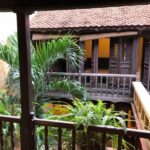
In Ta Van, you’re hosted by a cozy ethnic family. The tour includes your homestay stay and includes meals such as breakfast and dinner as part of the plan. There’s also the possibility to join a local cooking class with the family. That’s a practical way to learn what ingredients and techniques matter here, instead of just hearing stories.
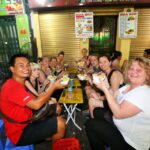
One bonus that you might not expect: you can end up with a fun evening session, including karaoke, depending on the household’s mood. It’s the kind of casual night that makes the trip feel human rather than staged.
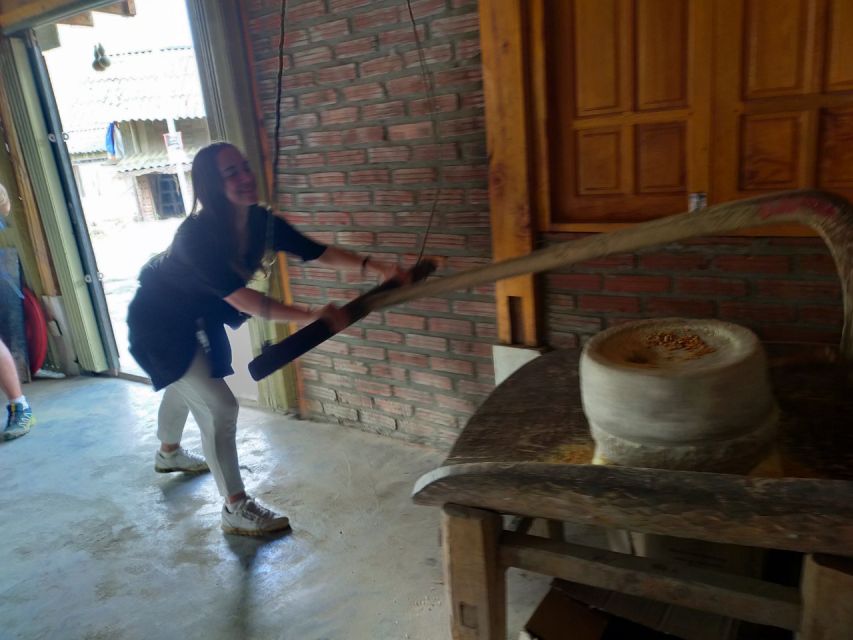
The tour also mentions learning or experiencing handicrafts tied to different hill tribe groups. In practice, this is usually a hands-on demonstration or a chance to watch techniques up close. If you care about how traditions survive day to day, this is worth paying attention during the visit.
A few more Hanoi tours and experiences worth a look

Day 2: breakfast with your hosts, then rice paddies and bamboo
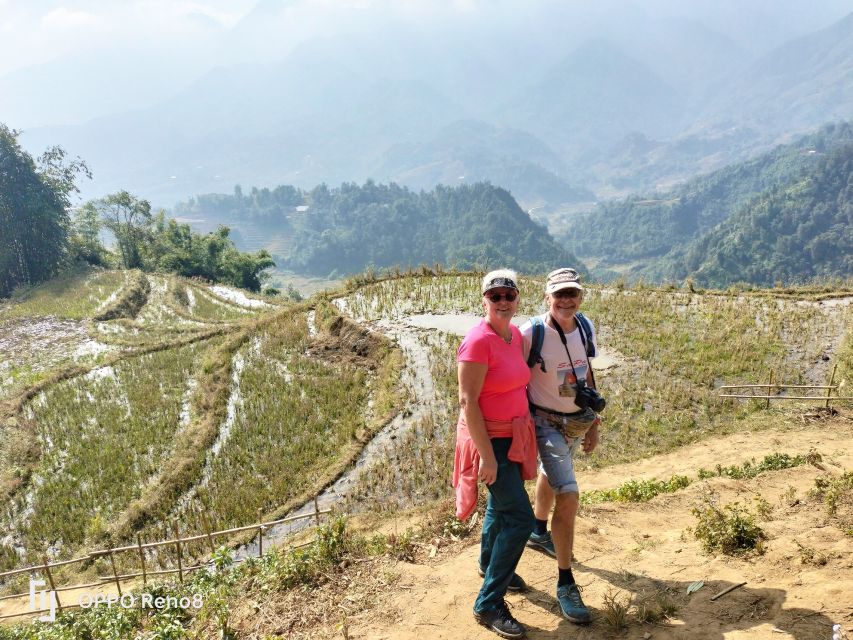
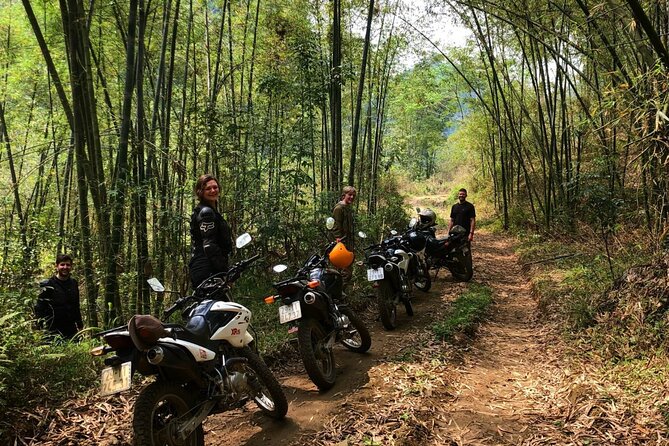
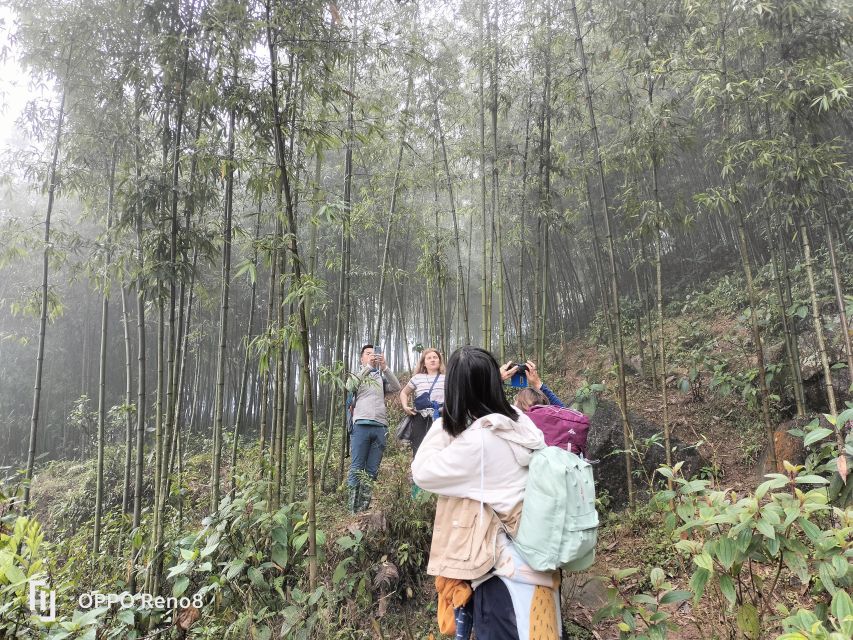
Day 2 starts with breakfast in the homestay. Then you head out again for trekking through rice paddies and a bamboo forest. This second day often feels like a mix of gentler walking and bigger moments—longer views and more village-to-trail transitions.
You’ll get a panorama view of Giang Ta Chai village. Even if the hike doesn’t feel hard, the views can hit quickly because of how the valley and terraces open up around you.
You’ll also cross a suspension bridge. It’s the kind of moment that breaks up the walking and gives you a clear “we’re moving through the valley” feeling. It’s also a good reminder to slow down. A few seconds of careful steps beat rushing.
Lunch is included at the point where you continue trekking up to the road. After that, your driver brings you back to Sa Pa. You then get a free window to shower and relax, before the return trip around 16h00 to Hanoi.
Fitness level: it’s not extreme, but the trail is real
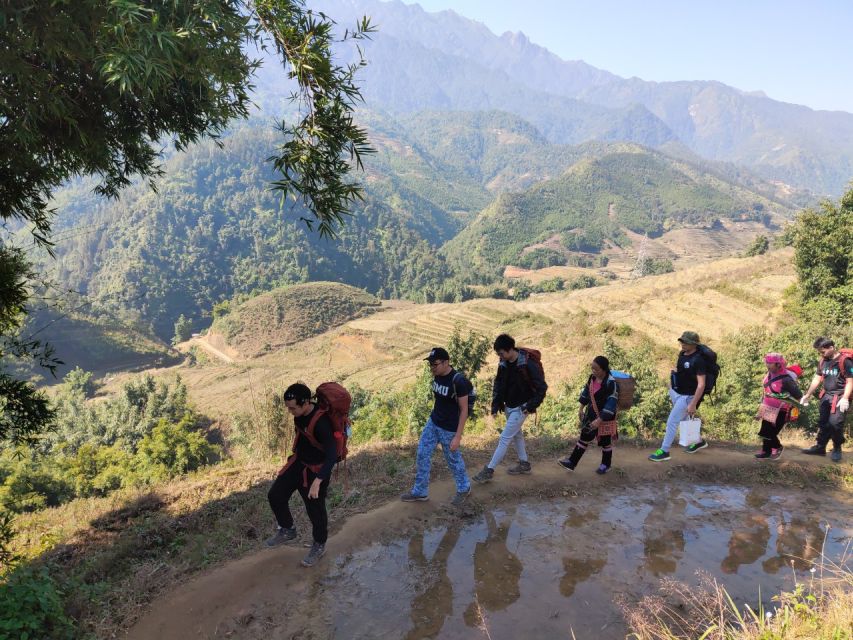
This tour isn’t marketed as a hard-core trek, and it’s fair to say the paths aren’t usually technical. But don’t mistake that for “any shoes work.” The trail can include mud, dust, and uneven ground.
A good approach:
- Wear hiking shoes with grip and don’t plan on sandals.
- Bring weather-appropriate clothing and plan for warmth at higher elevations.
- Use insect repellent because you’re outdoors and it’s Vietnam.
On the trail, you may also see local women walking along for part of the hike and helping when a section gets tricky. This is a normal part of community support in the area. At some point near the village areas, there can be brief selling moments. If you want souvenirs, handle it politely and set your budget before you get pressured.
Rain can change everything. If it’s wet, mud is more than a minor inconvenience. It turns “pretty walk” into “grippy shoes time.” If you show up dressed for city streets, you’ll feel it fast.
Food and water: included meals are one of the best deal-makers
The meal plan is very clear:
- 2 breakfasts
- 2 lunches
- 1 dinner
Plus 1 liter of mineral water per person per day.
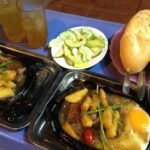
That coverage matters because trekking days easily turn into snack-spending days. Having your key meals handled keeps the trip simple. It also means your lunch stops are part of the village rhythm rather than you trying to find a restaurant mid-trek.
Soft drinks are not included, so if you like sodas or extra drinks, budget for that. But the core hydration is included via the mineral water allotment.
Price check: $84 for bus + homestay is the real math
At $84 per person, the tour can feel like good value if you break it down. You’re getting:
- Round sleeping bus tickets Hanoi–Sa Pa–Hanoi
- English-speaking guide
- 1 night homestay
- A full set of included meals
- Entrance fees and permissions (authorization)
- Mineral water daily
What’s not included:
- Soft drinks
- Government tax
- Travel insurance
- And a Lunar New Year surcharge if your dates fall between 26 Jan and 2 Feb 2025 (50 US$ per person, due at the meeting point)
So the value question becomes: do you want homestay + trekking + a guided cultural route bundled with the bus? If yes, this price stacks up well. If you were only planning to go to Sa Pa for the day, you’d probably pay more by piecing it together.
Your guide and small-group vibe (and what to expect day-to-day)
This tour is capped at 10 participants, so you’re less likely to get lost in a crowd. That helps on narrow paths and around village stops where your group size affects how smoothly things flow.
An English guide is included, and your guide may be someone like Xin, described as friendly and funny. That matters because trekking days can feel long if the guide is only giving basic instructions. A good guide also helps you interpret what you’re seeing and how people live in each village.
One small practical note: sometimes there can be a short wait if the group setup changes, like if you’re the only participant staying one night in the homestay. Build in the expectation that homestay and pick-up logistics are shared across multiple participants.
Who this Sa Pa trek suits best
You’ll likely enjoy this if you:
- Want cultural contact through homestay life, not just photos
- Like guided walks and don’t mind a steady pace
- Prefer small groups and an English guide
- Care about seeing rice terraces and village farming life up close
You should skip it if you:
- Have mobility limitations that would make muddy trail sections uncomfortable
- Are traveling with young children (not suitable for kids under 4)
- Are pregnant (not suitable)
- Are over 70 (not suitable)
Should you book this 2-day Sa Pa tour?
I’d book it if your ideal Sa Pa trip includes real walking, a homestay night, and village-focused stops where you can learn crafts and watch daily routines. The included meals and bus ride make it feel efficient, and the small group size keeps it more personal than most “big tour” options.
Don’t book it if you want a lazy schedule, or if you’re not willing to plan for outdoor conditions. The whole experience depends on your willingness to wear proper shoes and handle mud, dust, and early timing.
If you’re the type who enjoys doing one good thing well—trekking with context and staying with a family—this is a solid choice.
FAQ
What time does the overnight bus leave Hanoi?
The sleeping bus leaves Hanoi at 22h00.
Where is the meeting point in Hanoi?
You’ll either be picked up from nearby meeting points or from your hotel in the Old Quarters Monday to Thursday. From Friday to Sunday, you must be at the main meeting point at 21h30 at No 204 Tran Quang Khai, near Vietcombank.
What’s included in the price?
Included are round sleeping bus tickets (Hanoi–Sa Pa–Hanoi), an English-speaking guide, 1 night homestay, meals (2 breakfasts, 2 lunches, 1 dinner), entrance/permission authorization, and 1 liter of mineral water per person per day.
What meals do you get on the tour?
You get 2 breakfasts, 2 lunches, and 1 dinner as part of the itinerary.
Can I join a cooking class and handicraft activity?
The tour states you can have a local cooking class with the homestay family and an experience learning handicrafts of different hill tribe groups.
How hard is the trekking?
The trails aren’t described as too difficult, but conditions can change with rainfall. Expect outdoor walking where mud and dust are possible, so proper hiking shoes and weather-appropriate clothing matter.
Is there an extra fee around Lunar New Year?
Yes. There’s a Lunar New Year surcharge from 26 Jan to 2 Feb 2025 of 50 US$ per person, paid at the meeting point.
Who is this tour not suitable for?
It’s not suitable for children under 4 years, pregnant women, and people over 70 years.
If you tell me your travel dates (and whether you’re going Fri–Sun or Mon–Thu), I can sanity-check the meeting-point timing and help you plan what to pack for the hike conditions.