REVIEW · HANOI
From Hanoi: 2-Day Sapa Cultural Exchange Tour with Homestay
Book on GetYourGuide →Operated by VIETNAM OPENTOUR CO LTD · Bookable on GetYourGuide
Sleepy bus, big Sapa views, family dinner. I love the Muong Hoa Valley downhill trek toward Y Linh Lo, and I like how the walk naturally turns into real conversations in Dzay villages around Ta Van. I also like that an English-speaking guide keeps the cultural context clear while you’re moving. The only real consideration: Sapa weather can be foggy and cold, and the best viewpoints depend on what the day gives you.
This is the kind of trip where the timing matters. You’re on an overnight sleeping bus from Hanoi, then you’re hiking again the same day. If you show up with warm layers, good shoes, and a flexible mindset, you’ll have a memorable two days rather than a rushed checklist.
In This Review
- Key Things That Make This Tour Worth It
- From Hanoi to Sapa: The Sleeping Bus Part Isn’t Just Waiting
- Day 1: Y Linh Lo Downhill Through Muong Hoa Valley to Ta Van
- Ta Van Homestay Overnight: Basic Comfort, Real Family Time
- Day 2: Rice Paddies, Bamboo Forest, and the Red Dao View at Giang Ta Chai
- What You Should Know Before You Pack (Warmth and Shoes Are Everything)
- Price and Logistics: Does $100 Actually Make Sense?
- Who This Tour Fits Best (And Who Should Skip It)
- Should You Book This 2-Day Sapa Homestay Trek?
- FAQ
- Where does the tour pick me up in Hanoi?
- What’s the total duration of the tour?
- How big is the group?
- What language is the guide?
- How far do you trek on Day 2?
- What meals are included?
- Do homestays have private bathrooms and hot water?
- What should I bring for the hike?
- What currency should I use in Sapa?
- FAQ
- Can the itinerary change due to weather?
Key Things That Make This Tour Worth It

- Muong Hoa Valley trekking through rice paddies and hamlets on the way to Ta Van
- An overnight Dzay homestay in Ta Van, with dinner and breakfast included
- English guides who actively help with questions and photos (names like Chun, Sung, Lily, Za come up in guides’ stories)
- A shorter, scenic Day 2 (4 km in about 2 hours) with bamboo forest and a red Dzao/red Dzao view
- Weather can change the experience with fog, rain, and slippery sections affecting what you see
From Hanoi to Sapa: The Sleeping Bus Part Isn’t Just Waiting
The tour starts in Hanoi Old Quarter with pickup available around Tran Quang Khai Street (near Hong Ha Hotel) if you’re staying in Hoan Kiem district. From there, you board a sleeping bus for the ride up to Sapa. There are a couple of comfort stops along the way, and most people are basically trying to land in Sapa by lunchtime and start hiking the same day.
Why I think this matters for you: it saves you from paying for extra hotels and it keeps the schedule compact. You’re not “wasting” a full day commuting. Still, it’s not a sit-and-do-nothing day—your muscles get involved right away, so don’t treat the bus like a total recovery session.
Also, the group is small (limited to 15 participants), which usually means you’re not stuck in a giant train of people on narrow paths. That matters on village trails, where timing and spacing can turn into an accidental obstacle course.
A few more Hanoi tours and experiences worth a look


Day 1: Y Linh Lo Downhill Through Muong Hoa Valley to Ta Van
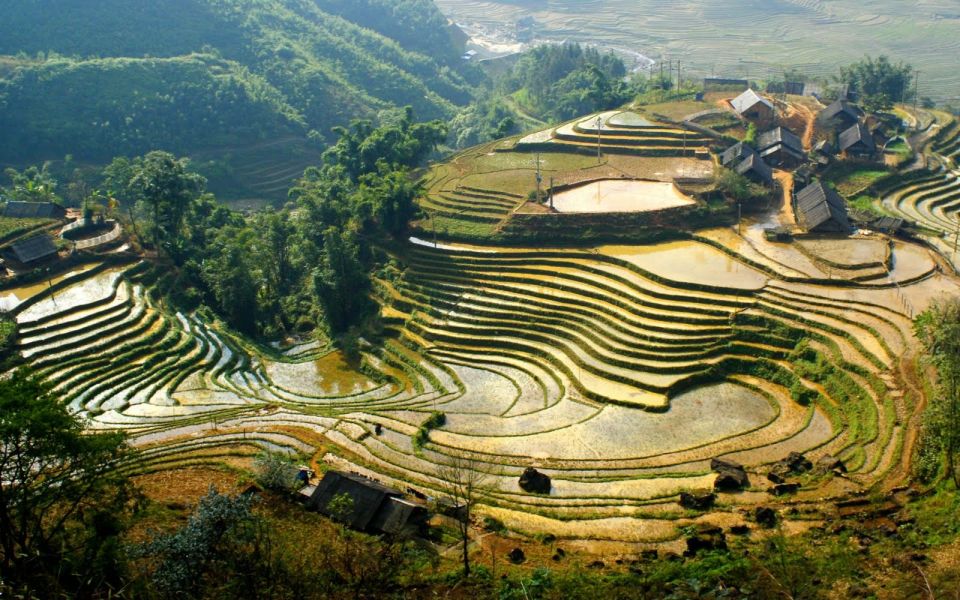
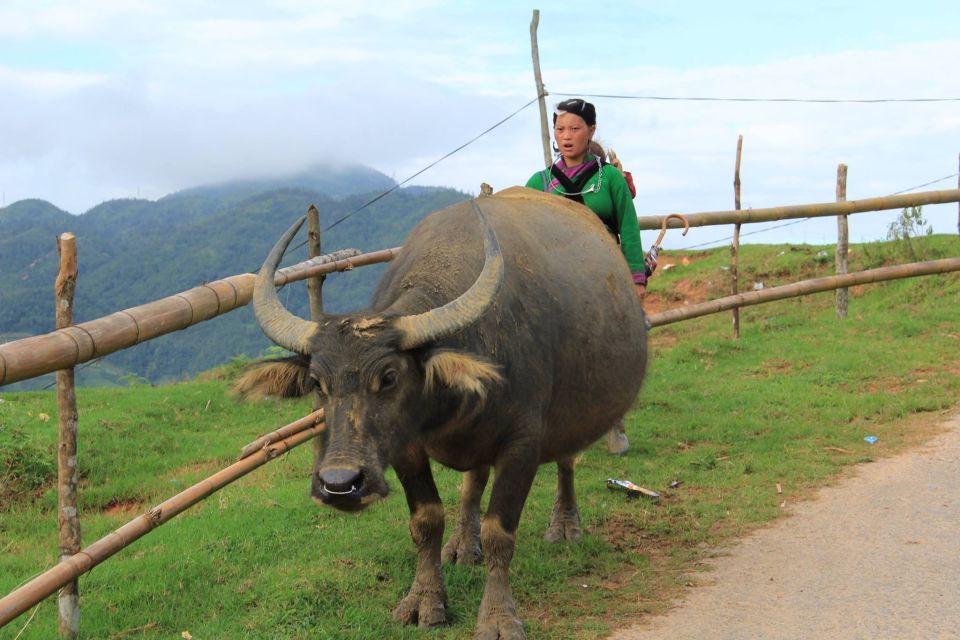
After lunch in Sapa, the hiking begins with a trek toward Y Linh Lo. Expect downhill movement through the Muong Hoa Valley, with rice paddies, small hamlets, and ongoing cultural learning built into the walking route. You’ll keep transitioning from scenic fields to lived-in village spaces where local tribal life is part of what you’re passing.
This is where I like the structure. Instead of one long “look at scenery” stretch, you get multiple visual moments and multiple chances to connect the landscape to daily life. That’s also why the trek-to-village pacing feels more human than just hiking for exercise.
You then continue trekking through villages and terraced fields toward Ta Van village, which is settled by the Dzay people. One of the most practical things here is the communication exchange component—on the route (including Lao Chai village), you have chances to talk with villagers. Even basic conversation in a village setting can shift the whole feeling of the day from sightseeing to participation.
A note on effort: day one can feel long. It isn’t described as a steep elevation grind, but you should plan for time on your feet. In wet conditions, some paths can turn slippery, so hiking shoes really help (and you’ll feel it on your ankles if you wear the wrong footwear).
Ta Van Homestay Overnight: Basic Comfort, Real Family Time

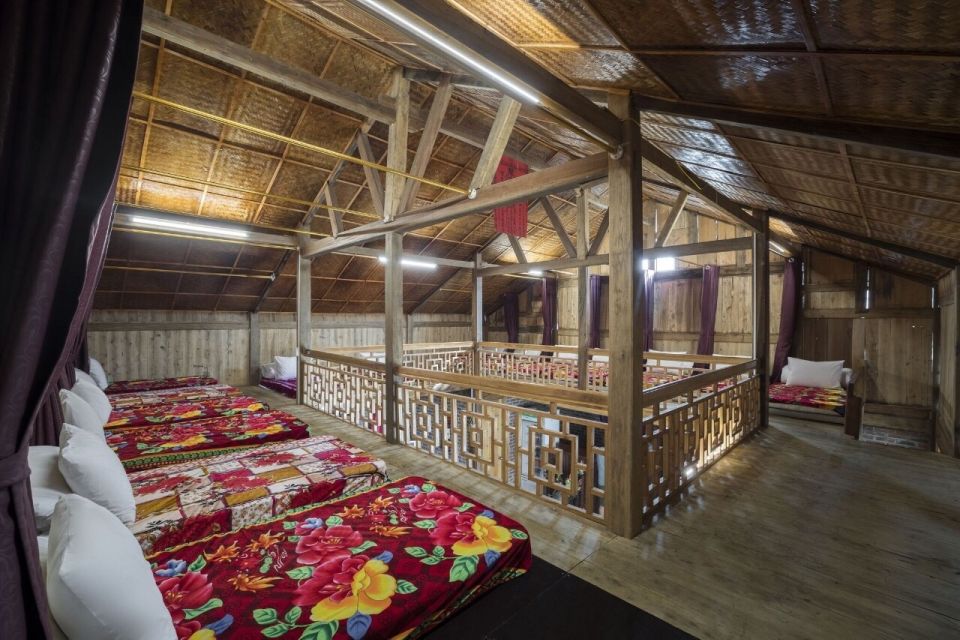
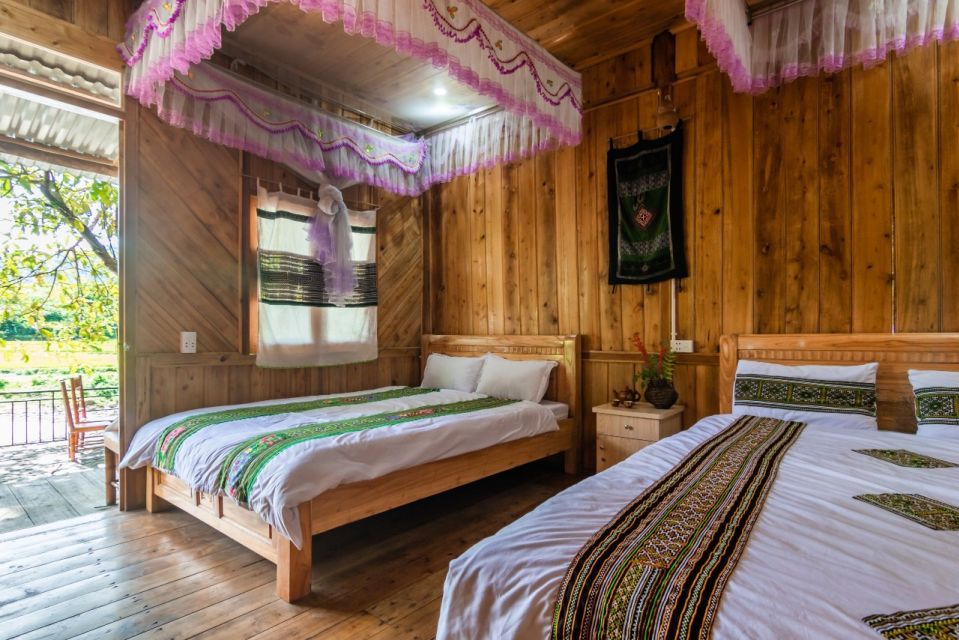
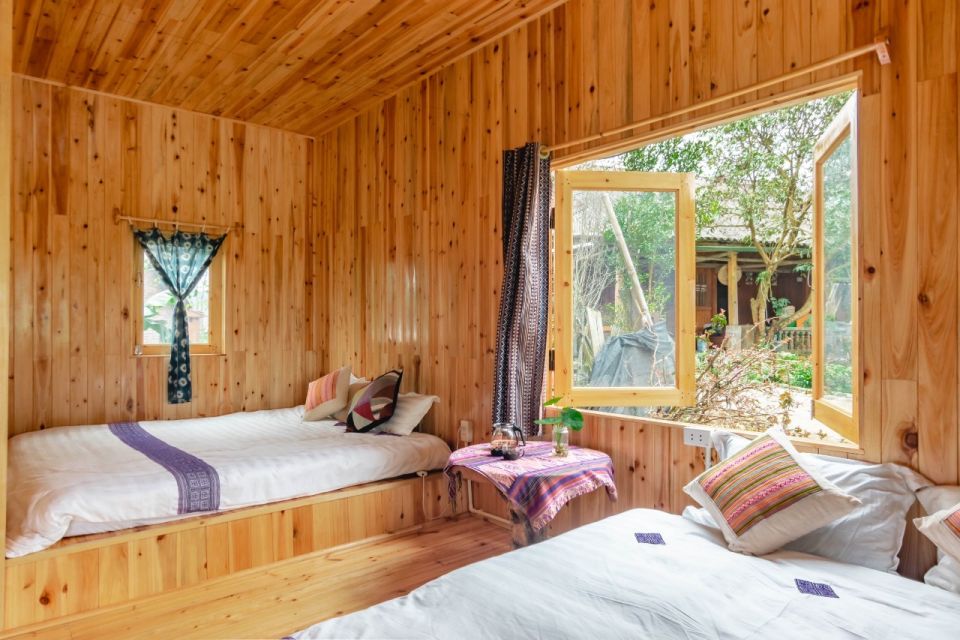
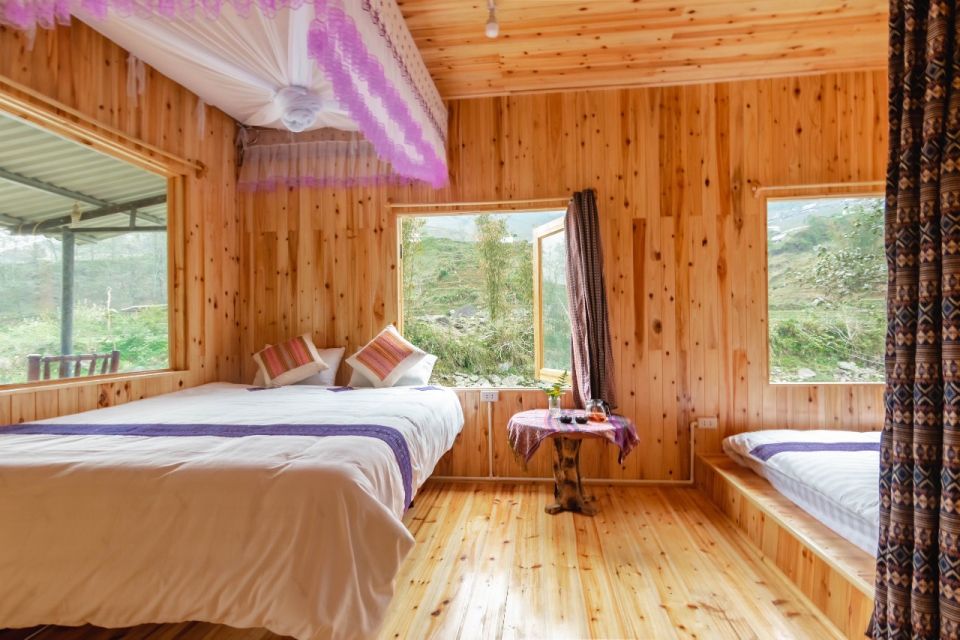
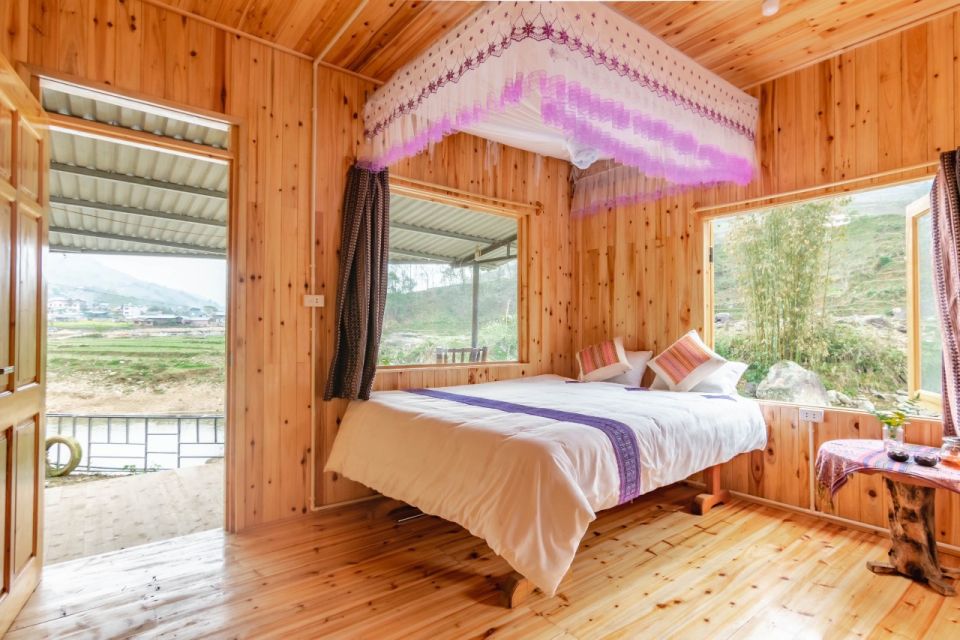
Here’s the main reason people book this style of tour: the overnight at a homestay run by a local Dzay family in Ta Van. Your stay includes a single basic bed with a mosquito net, plus access to a public bathroom with hot water. Facilities are simple, so don’t expect hotel-style comfort. But you’re getting what you came for—food, conversation, and an evening that isn’t built around schedules made for tourists.
Meals are part of the deal: dinner on day one, then breakfast prepared by the family on day two. More than the food itself, this is about rhythm. You go from the trail back into family life—rest, reset, then do it again the next morning.
What can help your expectations: people describe the homestay as feeling more like a hostel than a private luxury lodge. Still, the dinner is often a highlight, and guides are frequently nearby to help the group navigate what’s happening and keep the night from turning awkward.
Cultural exchange on this tour isn’t just a lecture at the start. It happens because you’re literally sharing time in someone’s home. And if something goes wrong—like feeling unwell—your guide may help in practical ways. One example from guide stories includes a guide supporting a visitor with a traditional treatment from her tribe. You might never need that, but it’s reassuring to know help is there.
Day 2: Rice Paddies, Bamboo Forest, and the Red Dao View at Giang Ta Chai
Day two starts with breakfast at the homestay, then you head out for a shorter trek: 4 km over about 2 hours. This is a big contrast to day one. You’re still hiking, but the pacing is more relaxed, and the emphasis shifts toward views and photo moments.
You’ll walk toward rice paddies where you can take photos of the surrounding scenery, then continue through a bamboo forest. Bamboo forests in the mountains tend to feel cool and quiet even when the day is bright. The trail also pauses for a panoramic view of Giang Ta Chai village, home of the red Dzao people (the tour uses red Dzao/red Dao wording).
Then you move on toward the Ciang Ta Chai Bridge and eventually reach the main road. At that point, a bus picks you up and returns you to Sapa town. You’ll have time to shower at your hotel, check out, grab lunch or a bite to eat, and relax until the group is ready for the ride back to Hanoi.
Why I like this ending plan: it gives you a clean break. You’re not hiking until the bus arrives. You get a chance to rinse off, deal with your bags, and keep your energy from collapsing right as the day ends.
What You Should Know Before You Pack (Warmth and Shoes Are Everything)
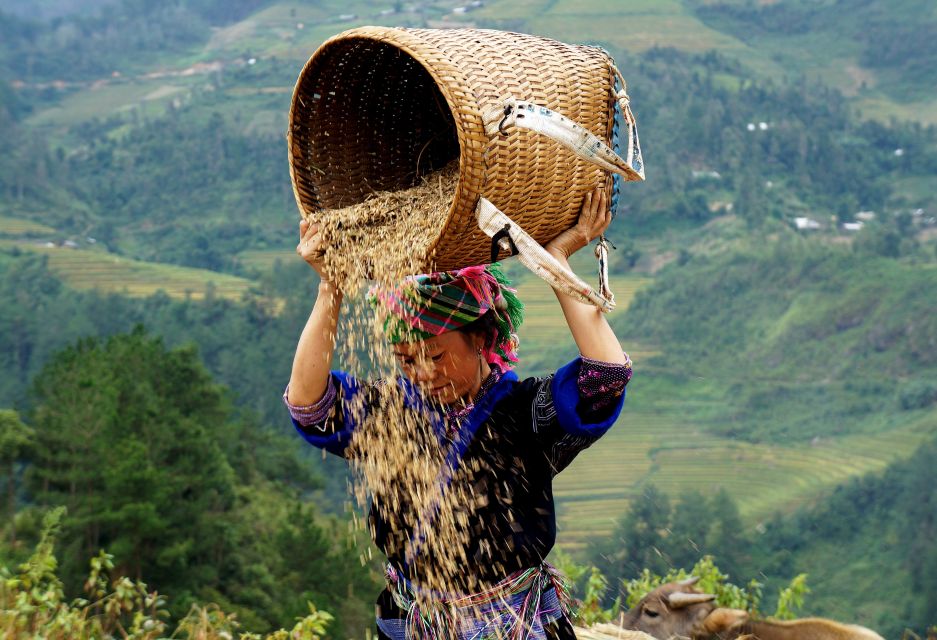
Sapa can be cold and unpredictable. It’s typically cold from September to March, and fog is common from December to March. That means you should dress for cold even if Hanoi feels warm when you start.
This is what I’d pack based on the tour’s real needs:
- Warm clothing (warm jacket, scarf, hat are specifically recommended)
- Comfortable shoes with grip (the trail can be slippery, especially after rain)
- Cash in Vietnam Dong (the banking system in Sapa sometimes struggles; USD, Euros, and Australian Dollars are accepted)
- Passport or ID card for identification
- A practical mindset about weather: the itinerary may shift due to weather and operating conditions
One more practical tip I’d borrow: bring water. Even if the tour includes meals, you’ll want something for the trail, especially if you’re moving for multiple hours on day one.




Price and Logistics: Does $100 Actually Make Sense?
At $100 per person for a 2-day experience, this tour is priced like a bundled deal. What you’re getting is not only the hiking. You’re also getting round-trip transportation between Hanoi and Sapa in an air-conditioned bus, a tour leader/guide (English), and a homestay overnight with basic sleeping gear and hot-water bathroom access.
Meals are included too: 1 breakfast, 2 lunches, and 1 dinner. When you compare that to what meals and transport cost separately in the region, the math starts to look more reasonable.
What’s not included:
- Beverages
- Travel insurance
- Personal expenses
So the value mostly depends on how you travel. If you’re the type who would otherwise pay for a separate night in Sapa and hire a guide, this gives you a ready package. If you already planned to do independent hikes and you’re traveling ultra-budget, the homestay and guided transport may cost more than DIY. But for most people, the combination of lodging-with-meals plus a guided cultural route is the win.
Small group size (up to 15) also helps the experience feel less chaotic on trails and in villages. For a mountain trek, group size is not a luxury detail—it affects comfort and your ability to actually connect with what you’re seeing.
Who This Tour Fits Best (And Who Should Skip It)
This tour is a strong fit if you want:
- Real time with a local family in Ta Van, not just a one-hour photo stop
- A guided trek with cultural explanations (in English)
- A structured 2-day plan that includes both hiking and downtime in Sapa town
It’s not a fit if you:
- Have limited mobility
- Are traveling with children under 6
- Are pregnant
- Can’t handle basic homestay facilities (simple beds, public bathroom)
If weather makes you nervous, don’t cancel automatically—just prepare. The tour itself notes that weather may change the itinerary. That’s not a gimmick; fog and rain are part of Sapa reality.
Should You Book This 2-Day Sapa Homestay Trek?
If you want the kind of trip where you walk into villages, share meals, and sleep under a mosquito net in a real home, this is a good bet. The itinerary is built to give you cultural learning on the move, plus a shorter Day 2 that focuses on views (rice paddies, bamboo forest, and Giang Ta Chai).
Book it if you’re willing to dress warm, wear grippy shoes, and accept that fog or rain might soften the viewpoints. Skip it if you need hotel-level comfort, want an easy stroll with no “day one feels long” possibility, or if you fall into the listed mobility/pregnancy/young-child limits.
FAQ
Where does the tour pick me up in Hanoi?
Pickup is available from hotels in Hoan Kiem district. The meeting point listed is 204 Tran Quang Khai Street, near Hong Ha Hotel.
What’s the total duration of the tour?
It’s a 2-day tour. Starting times can vary, so you’ll need to check availability for the exact departure schedule.
How big is the group?
The tour is limited to a small group of up to 15 participants.
What language is the guide?
The tour provides a live guide in English.
How far do you trek on Day 2?
Day 2 includes a trek of about 4 km that lasts around 2 hours.
What meals are included?
Meals included are 1 breakfast, 2 lunches, and 1 dinner.
Do homestays have private bathrooms and hot water?
The homestay includes a public bathroom with hot water, but facilities are described as basic and simple.
What should I bring for the hike?
Bring a passport or ID card, comfortable shoes, warm clothing (including a warm jacket, scarf, and hat), comfortable clothes, and cash.
What currency should I use in Sapa?
Vietnam Dong is recommended. The tour notes that US Dollars, Euros, and Australian Dollars are accepted in Sapa.
FAQ
Can the itinerary change due to weather?
Yes. The tour notes that the itinerary may change due to weather and changing operating conditions.
More 2-Day Experiences in Hanoi
- Doris Cruise 5 star cruise 2 days visiting Halong Bay Lan Ha Bay private balcony
★ 5.0 · 2,338 reviews