REVIEW · HO CHI MINH CITY
Explore 12- Saigon Street Foods With Your Ao Dai Guide
Book on Viator →Operated by Vietnam Vibes Tour · Bookable on Viator
Twelve bites, one Ao Dai day. This 4-hour Ho Chi Minh City street-food crawl turns dinner into a cultural walk, with Ao Dai moments and 12 dishes in the mix. You’ll move through alleyways and local spots that most people never find on their own.
I love how the experience is guided by warm, enthusiastic local hosts who keep things upbeat and safe, even in the chaos of Saigon traffic. I also like that you get real variety: grilled, crispy, sweet, and fresh items across different regions of Vietnam, not one-note street snacks.
One thing to consider: the food volume adds up fast. If you hate the feeling of being full early, come with a plan and save room for the end.
In This Review
- Key points to know before you eat
- Why this Ao Dai street-food tour feels like a real Saigon experience
- Getting around: pickup, motorbikes, and how “local” actually feels
- Stop one through the first round of flavors: sweet, chewy, and grilled
- Hue royal cakes and crispy spring rolls: when the tour turns playful
- The grilled backbone: bún thịt nướng and lemongrass beef skewers
- Mini bánh xèo, gỏi cuốn, and Mekong Delta rice crackers: textures you’ll remember
- Grilled meat bánh mì, Vietnamese flan, and local beer: the payoff round
- How much food you’ll really get (and why you should plan your day)
- Value check: what $30 buys in Saigon street food reality
- Who should book this tour, and who might skip it
- Should you book the Ao Dai Street Foods tour?
- FAQ
- How long is the Ao Dai street food tour?
- How many dishes are included?
- Is pickup offered?
- Is there a mobile ticket?
- How large is the group?
- Do I need good weather to go?
- What is the cancellation window?
Key points to know before you eat
- Ao Dai attire makes the tour feel like more than a meal stop, especially for photos and street-level context
- 12 dishes over 4 hours means you’re sampling a lot, not just getting a couple bites
- Motorbike/scooter travel gets you to local stalls quickly, with safety emphasized by the guides
- Regional variety shows up in items like Hue royal cakes and Mekong Delta-style rice crackers
- Small group size (max 15) helps the tour stay organized and easier to manage on the road
Why this Ao Dai street-food tour feels like a real Saigon experience

This tour is built around the idea that street food is culture you can taste. In Ho Chi Minh City, a lot of the best eating happens in small places—tiny kitchens, family-run stalls, and counters tucked just off the main streets. Instead of trying to figure that out yourself, you follow your guide through the city’s everyday rhythm.
What makes it work is the pairing of food with stories and local life. You’re not just told what something is—you get the context behind it: why people make it, when they eat it, and how it fits into the broader Vietnamese food map. That turns a snack run into a guided food lesson, without feeling like school.
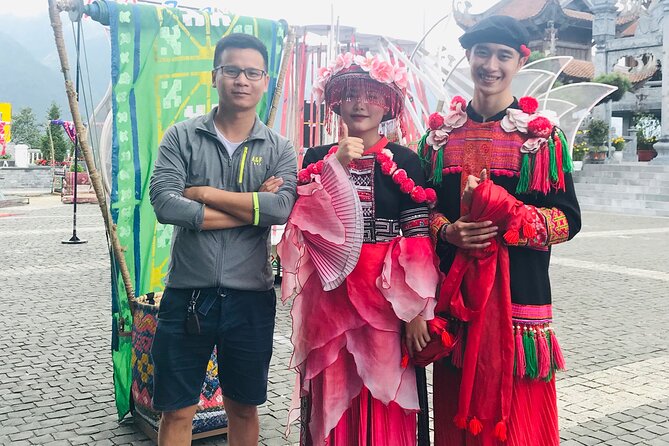
And yes, the Ao Dai angle changes the vibe. Walking in Vietnam’s iconic attire helps you slow down and notice details. It also gives you an easy conversation starter with stall owners, and it makes the whole thing feel like a proper “Saigon day,” not a quick checklist.
You can also read our reviews of more guided tours in Ho Chi Minh City


Getting around: pickup, motorbikes, and how “local” actually feels
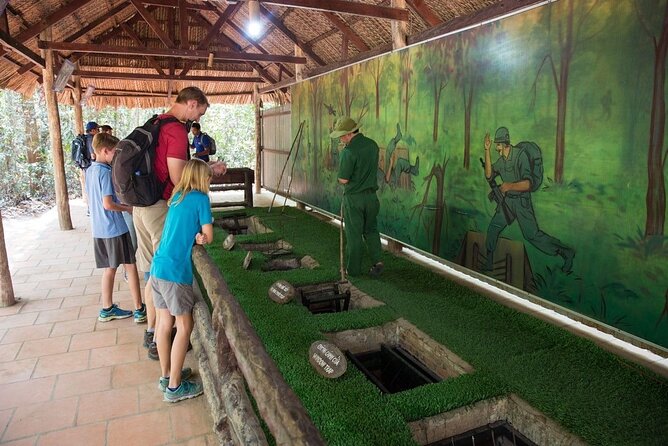
The tour offers pickup, and it’s near public transportation, so you’re not stuck figuring out logistics before you even eat. The bigger point, though, is how you travel between stops. In the city, you’ll likely hop onto a motorbike/scooter with your guide, which is a fast way to cover a lot of ground in a short time.
Motorbike travel also changes what you experience. You feel the energy of the streets up close—sounds, smells, and the constant flow of people heading to their next meal. It’s one of the reasons this style of food tour works so well in Saigon: the best stalls aren’t always on the easiest-to-walk-to routes.
Safety comes up in the guides’ approach. Reviews highlight that the experience feels well-managed on the roads, and that the guides are attentive about comfort. If you’re nervous about scooters, don’t ignore that feeling—this tour’s core mode is scooter/motorbike travel. But if you’re comfortable with it, you’ll find the pace surprisingly fun.
Stop one through the first round of flavors: sweet, chewy, and grilled
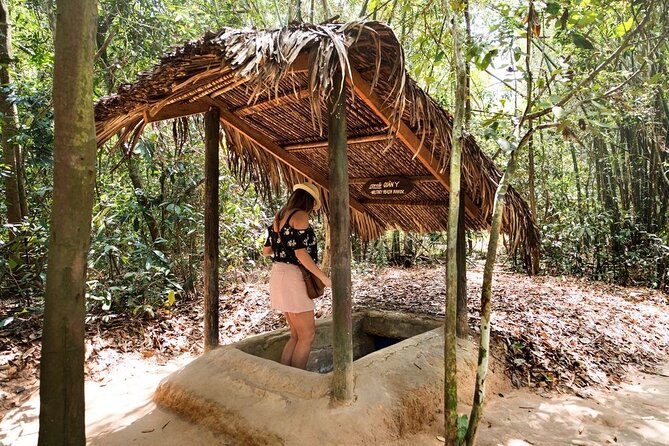
Your first stretch sets the tone with foods that show different Vietnamese flavor styles—herbal drinks, savory grilled bites, and textures that wake up your appetite quickly.
A standout on the menu is Nước sâm mía lau, a drink made with ingredients like sugarcane (“mía”) and medicinal herbs (“sâm”). It’s the kind of refreshment that makes street food feel more manageable, especially when you’re eating outdoors. Even if you don’t usually order drinks with herbal notes, this one can be a great gateway to Vietnamese tastes.
Then you move into a grilling and savory phase with grilled blood cockles with scallion oil. Cockles are popular in Vietnam, and grilling them brings out a deeper, smokier flavor than you’d expect. The scallion oil is key here—it adds aroma and helps cut through any strong sea flavor.
This early stage is practical: it gives you strong taste signals fast, so you can start recognizing what you like before the tour ramps into sweets and bread-based items later.
Hue royal cakes and crispy spring rolls: when the tour turns playful
After the first savory hits, the tour brings in Hue royal cakes in four types. Hue (the former imperial capital) has a reputation for refined sweets, and royal cake styles often show up as small, delicate bites. Having four types is a smart way to compare textures and sweetness levels without getting stuck with only one.
If you’ve never had Hue-style sweets, I’d treat this section like a tasting sampler. You don’t need to “pick your favorite” instantly. Let your palate adjust. One bite might feel richer; another might be lighter or more fragrant. The variety helps you understand why people associate Hue with food that feels careful and slightly ceremonial.
Right after that comes crispy spring rolls, which act like a palate reset. Crunch is a gift on a street-food tour—especially when you’re about to get even more items. Spring rolls also bring a familiar format, so it’s easy to enjoy even if your comfort zone is narrower than your curiosity.
The grilled backbone: bún thịt nướng and lemongrass beef skewers
Now you get to the heart of Vietnamese street eating: grilled meats plus bright, balancing flavors.
Bún thịt nướng brings you into noodle-and-grill territory. “Bún” is rice noodles, and “thịt nướng” is grilled meat—often paired with herbs and fresh elements that keep it from feeling heavy. This is the kind of dish that works perfectly in a multi-stop tour because it’s filling but not one-dimensional.
Next up is lemongrass beef skewers. Lemongrass is one of those flavors that instantly reads as Vietnamese. It’s citrusy, aromatic, and it makes grilled meat taste cleaner and more fragrant. Skewers are also practical for a tour: you can eat them without slowing the group down, and you get that charred edge that street grills are famous for.
This is one of the most satisfying parts of the tour because the flavors are bold without being complicated. If you only eat one “real meal” style item during the tour, aim for one of the grilled noodle or skewer moments.





Mini bánh xèo, gỏi cuốn, and Mekong Delta rice crackers: textures you’ll remember
Vietnam doesn’t do just one kind of street snack, and this tour leans into that. You’ll likely find a mix of fried-crisp bites, fresh wraps, and crunchy side snacks that keep you changing gears.
Mini bánh xèo is a great example of that flexibility. Bánh xèo is known as a savory fried pancake, and the mini size helps you try it without feeling stuck with one large portion. The menu also frames it as Central-Southern fusion, which hints at a flavor balance that may not match what you’d see in only one region.
Then you get gỏi cuốn, which are fresh spring rolls. Unlike fried snacks, these are built around herbs and freshness. They’re a palate cleanser in snack form: you get crunch (from wrappers and fillings), but the overall bite stays light and bright.
One of the coolest “where did this come from?” items is charcoal-grilled rice crackers from the Mekong Delta. Even though it’s a snack, it tells you something important: Vietnamese street food isn’t limited to Saigon recipes. The Mekong Delta influences show up in the rice-based crunchy sides people snack on across the south.
If you’re the type of eater who cares about why things taste the way they do, this is where the tour becomes more than eating—it becomes pattern recognition across Vietnam.
Grilled meat bánh mì, Vietnamese flan, and local beer: the payoff round
As you near the end, you’ll move into the most “I can’t believe I’m trying this in sequence” section of the tour.
Grilled meat bánh mì is the obvious crowd-pleaser for good reason. Bánh mì is bread-based street comfort food, and grilled meat adds smoky depth. The tour format matters here: instead of getting bánh mì once in a random place, you get it as part of a full tasting flow, so you can compare how the bread, meat, and sauces behave across the tour’s earlier flavors.
Then comes Vietnamese flan, a smooth dessert that keeps the finish from being too heavy. Flan is also an easy way to slow down and enjoy the last bites without the crunch and spice intensity of earlier items. If you’re eating outdoors, dessert can feel like the moment you finally breathe.
And yes, local beer is included. That’s a smart inclusion because beer pairs well with grilled and fried foods and also helps make the whole experience feel like a casual local meal rather than a staged tasting. Keep it moderate if you’re still moving around afterward.
How much food you’ll really get (and why you should plan your day)
Here’s the honest part: this tour packs in a lot. You’re sampling 12 dishes across multiple stalls/restaurants over about 4 hours. Even if each dish is a small portion, the total volume can hit you earlier than you expect.
One review specifically warned about being full quickly, and I think that’s the best advice to take. To enjoy the tour instead of fighting it, do these simple things:
- Eat a light breakfast or skip the large meal beforehand
- Bring water and take small breaks between bites
- Don’t try to “finish everything perfectly” just to prove something
The tour is designed to bring you back full, and it works. The main drawback is that the ending can feel intense if you started too hungry—or if you’re sensitive to rich flavors.
Value check: what $30 buys in Saigon street food reality
At $30 for around 4 hours, the value comes from the combination: multiple stops, guided context, and a full lineup of items (including beer). Many street-food experiences either focus on a few signature dishes or stay in one area. This one spreads your tastings across several styles and includes enough food that it can function like a full meal.
Also, small group size (maximum 15) matters more than it sounds. Bigger groups tend to stretch out the time you spend eating and talking, and they can make scooter transitions feel more chaotic. A smaller group tends to keep the flow smoother.
The other value angle is risk reduction. If you don’t know where to eat in Saigon, you risk spending money on places that look busy but aren’t great. This tour cuts that guesswork, and you get local-quality picks guided by people who know the scene.
Who should book this tour, and who might skip it
This tour fits well if you:
- Want to eat a lot in a short window without hunting down stalls yourself
- Like guided stories tied to food and daily life
- Enjoy scooter/motorbike sightseeing and don’t mind street-level chaos
You might skip it if you:
- Get very uncomfortable on scooters
- Have trouble with lots of food in one sitting
- Strongly dislike a mix of fried and grilled textures in the same tour window
I also think it’s a great first-time Saigon activity. It gives you an orientation to the city’s food culture fast—so later, when you walk around on your own, you’ll know what to look for and what to prioritize.
Should you book the Ao Dai Street Foods tour?
If your goal is authentic street food plus Vietnamese style (Ao Dai) plus a guided flow through Saigon’s best daily eating habits, I’d say book it. The biggest reason: 12 dishes in 4 hours with local hosts and a scooter-based route is hard to replicate on your own without wasting time.
Just come with the right expectations. You’ll eat a lot, you’ll spend time moving, and the pace is part of the experience. If that sounds like your kind of day, this is an easy yes for Ho Chi Minh City.
FAQ
How long is the Ao Dai street food tour?
The tour lasts about 4 hours.
How many dishes are included?
The tour includes 12 dishes plus local beer.
Is pickup offered?
Yes, pickup is offered.
Is there a mobile ticket?
Yes, you get a mobile ticket.
How large is the group?
The experience has a maximum of 15 travelers.
Do I need good weather to go?
Yes. The tour requires good weather. If it’s canceled due to poor weather, you’ll be offered a different date or a full refund.
What is the cancellation window?
You can cancel for a full refund up to 24 hours before the experience start time. If you cancel less than 24 hours before, it isn’t refunded.