REVIEW · DALAT
Experience specialty coffee with sustainable coffee farmers
Book on GetYourGuide →Operated by HuyEco Coffee & Culture · Bookable on GetYourGuide
Farm coffee tastes different when you meet the grower. At HuyEco Coffee & Culture in central Da Lat, you’ll get coffee education that starts with the farmers and ends with a cup you make yourself. I especially like the fact that Huy (the owner) keeps the focus on how flavor forms in the real world of growing, processing, and roasting.
I also love the hands-on flow: you taste five distinct coffees side-by-side, then roast your own beans and compare the results using different roast and brew styles. That structure makes it easier to understand coffee beyond the usual tasting-note talk.
One heads-up: Da Lat can feel chilly during a seated tasting and hands-on roasting, so bring a warm layer even if it looks mild when you head out.
In This Review
- Key highlights
- Where This Da Lat Coffee Workshop Really Wins
- HuyEco Coffee & Culture: Your Central Da Lat Start Point
- The Farmer-Led Story: How Sustainable Coffee Shows Up in Flavor
- The 5 Coffees You’ll Taste: Arabica, Robusta, and Processing Differences
- Roasting Your Own Beans: From Green to Dark Brown
- Brewing Light, Medium, and Dark: How to Taste Without Guessing
- Making Traditional Phin Coffee While Watching Da Lat
- Sustainability Is the Point, But the Experience Still Feels Fun
- Timing, Group Size, and What to Plan Around
- Price and Value: What $14 Buys You in Real Coffee Time
- Who This Workshop Is For (and Who Might Want Something Else)
- Quick Booking Checklist Before You Go
- Should You Book HuyEco Coffee & Culture?
- FAQ
- Where is the meeting point?
- How long is the experience?
- How much does it cost?
- What’s included in the ticket?
- What’s not included?
- How many people are in the group?
- What languages are available?
- Do I need to bring anything?
- Is there free cancellation?
Key highlights
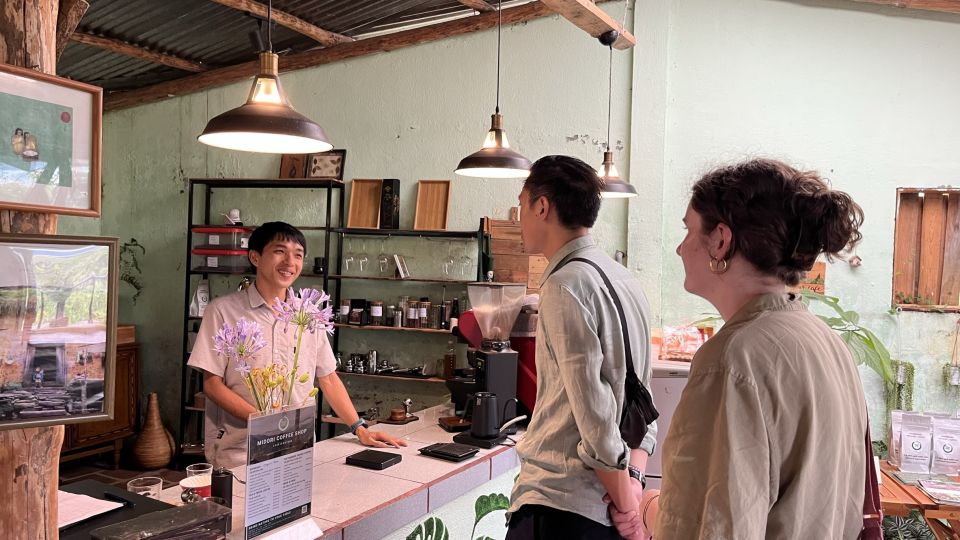
- Meet the coffee farmer behind the shop: Huy explains the work from farm to cup
- Taste 5 farm coffees including Arabica and Robusta with different processing styles
- Roast your own green beans and watch them change from green to dark brown
- Compare roast levels and brewing methods (Light, Medium, Dark)
- Make traditional Phin coffee while you watch Da Lat from the café area
- Small group size (max 10) keeps the session relaxed and question-friendly
Where This Da Lat Coffee Workshop Really Wins
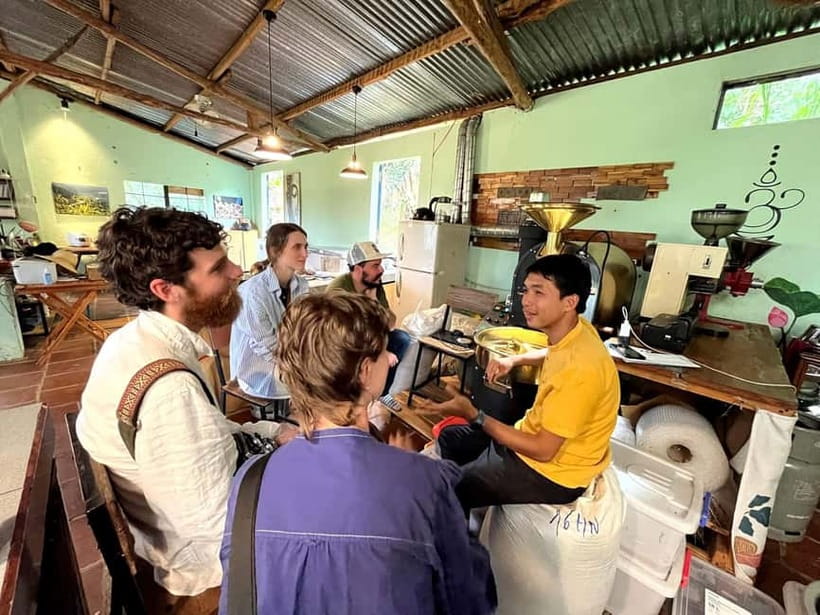
Da Lat has a coffee reputation, but this experience is different because it’s built around farm reality, not just a café demo. You’re not only tasting. You’re learning why some cups taste sour, sweet, or fruity, and why those flavors shift when beans are processed and roasted in different ways.
The other big win is how directly you connect cause and effect. Coffee can feel mysterious when you only taste finished cups. Here, you’ll roast beans yourself and then brew in different styles. That makes it easier to notice what changes flavor, not just what tastes good.
A few more Dalat tours and experiences worth a look

HuyEco Coffee & Culture: Your Central Da Lat Start Point
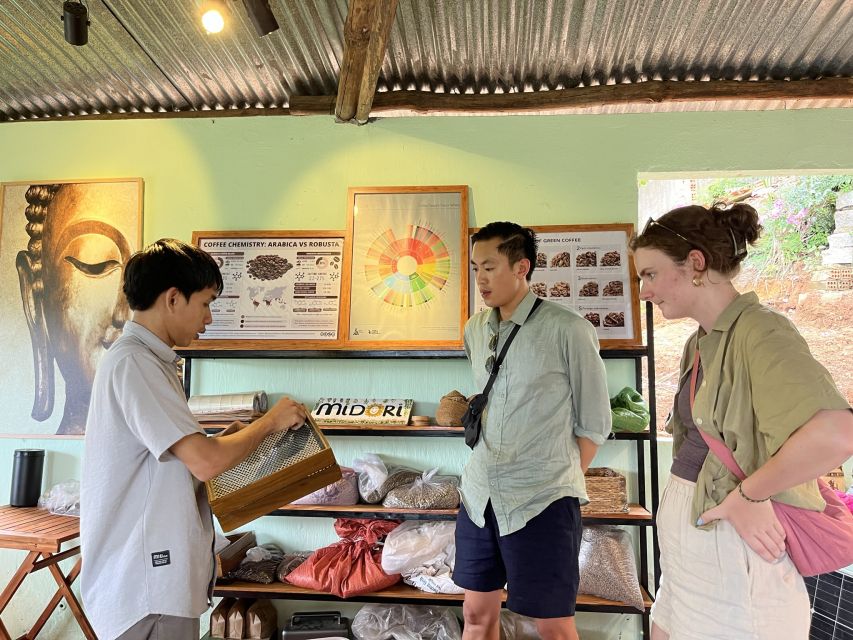
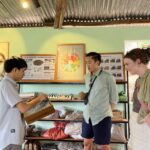
The meeting place is in the center of Da Lat at a café called HuyEco Coffee & Culture. On Google Maps, search that exact name so you don’t waste time circling streets. The location is convenient for getting there by foot, taxi, motorbike, or a booking app.
Once you arrive, the vibe is more calm living-room than busy tourist show. Many sessions happen in an atmosphere with pleasant café spaces and views from verandas, which helps you slow down. You’ll also likely notice the place is run with a personal touch, including friendly details like kittens that people often talk about in their feedback.
Practical tip: if you’re coming straight from warm midday streets, bring a layer. Several guests noted they felt cold enough that a jacket was offered.
The Farmer-Led Story: How Sustainable Coffee Shows Up in Flavor
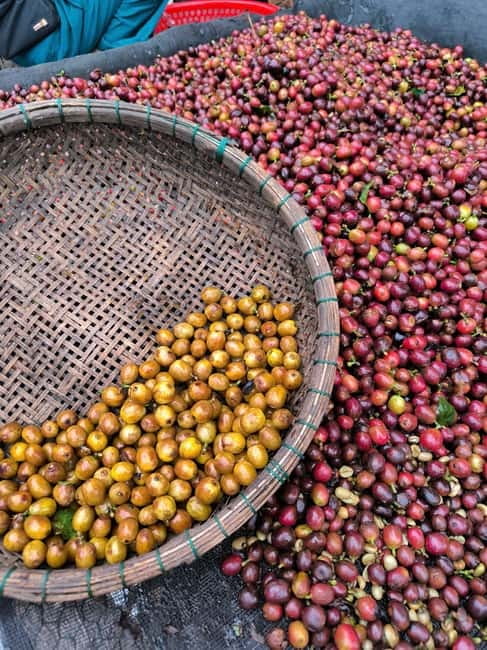
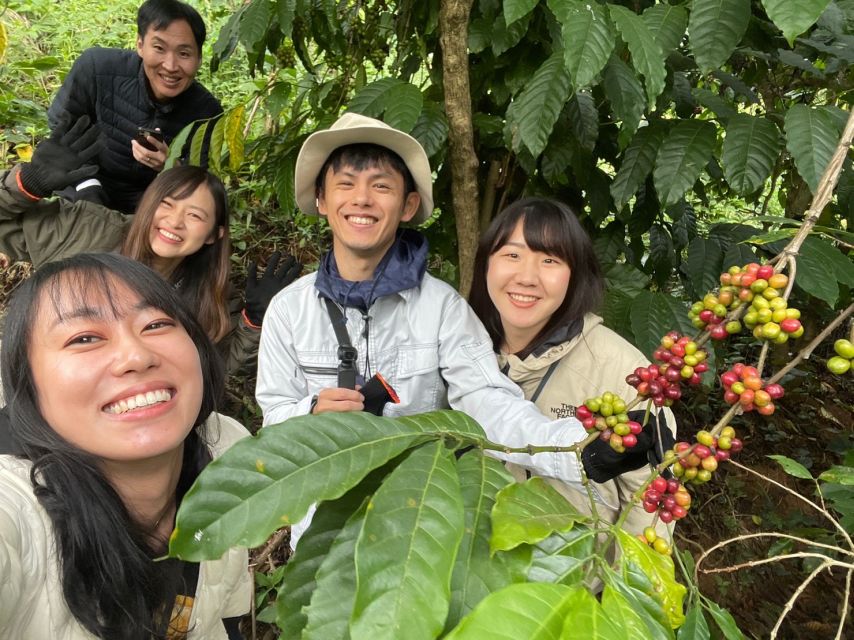
This tour is centered on sustainable coffee grown by Huy and his approach to farming. The point isn’t just to label it sustainable. It’s to connect sustainable practices to what happens in the cup.
You’ll hear how farmers grow coffee with sustainability in mind, and you’ll see how that work ties into the coffee’s character once it gets processed and roasted. Even if you’re not a coffee nerd yet, you’ll likely come away with a clearer mental map: farming choices influence bean quality, and bean quality affects how roasting and brewing behave.
This is also where the human factor matters. Huy runs the business himself, and that means you get answers that fit the reality of the farm rather than generic explanations. You can ask questions as the session moves along, and the pace stays friendly.
The 5 Coffees You’ll Taste: Arabica, Robusta, and Processing Differences
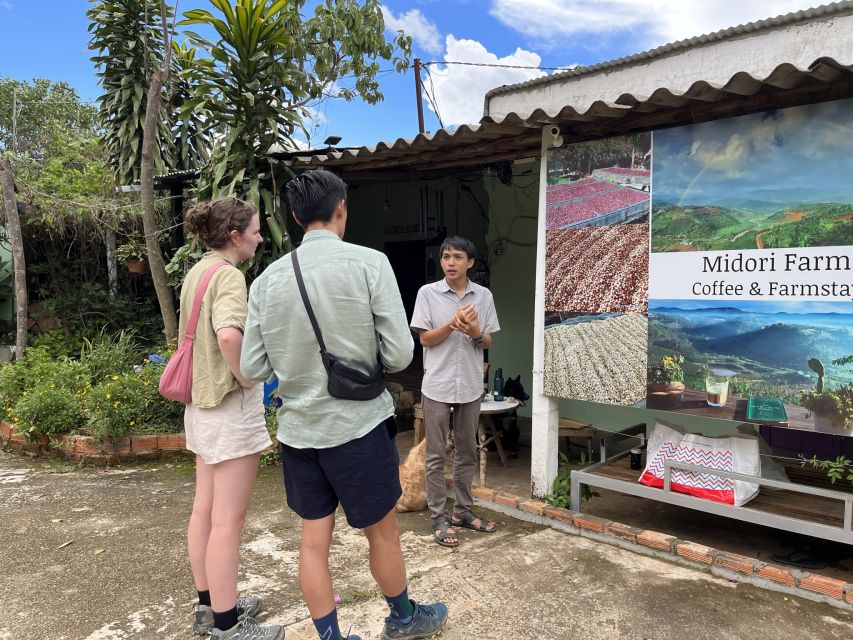
A major part of the experience is sampling five types of coffee from the farm. You won’t just drink one or two cups and call it a day. The tasting is built for comparison, so you can notice how different beans and methods create different profiles.
Here’s what makes the lineup useful:
- You’ll taste coffees including Arabica and Robusta.
- You’ll compare differences driven by processing and roasting choices.
- You’ll learn that the “same coffee” can taste totally different when it goes through different steps.
The session aims to help you find the original flavor of coffee—sour, sweet, and potentially fruity—when it’s not blended with anything else. For people who’ve had Vietnamese coffee that leans heavily sweet or mixed, this can be a quick reset. You start to recognize coffee as its own ingredient, not just a sweetened drink.
Roasting Your Own Beans: From Green to Dark Brown
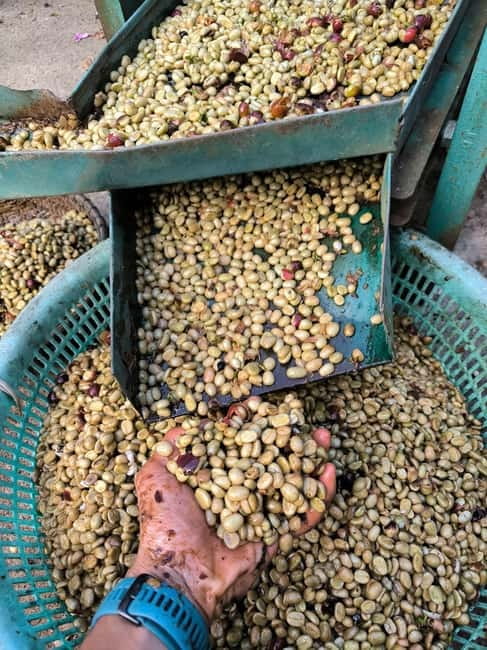
One of the most memorable parts is that you roast your own coffee beans. You start with green beans, and then you watch the roasting process transform them into what you recognize as dark brown coffee beans.
That hands-on step does more than look fun. It makes roast level feel real. Instead of hearing that “dark roast tastes smoky,” you experience the change process and connect the visual cues to what you later taste. It also makes the tasting more confident, because you’re not relying only on someone else’s explanation.
You’ll then use that roasting knowledge to compare coffees at different roast levels and brewing approaches. It’s a short, effective way to understand why light roasts and dark roasts don’t just taste different—they behave differently in brewing too.



Brewing Light, Medium, and Dark: How to Taste Without Guessing
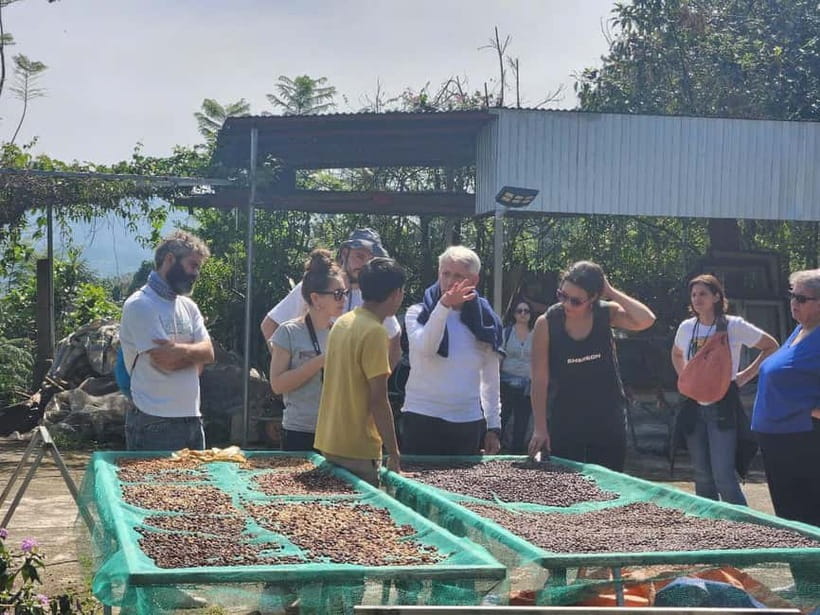
After roasting, the tasting moves into brewing style. You’ll taste coffee using different brewing techniques across Light, Medium, and Dark roast categories.
This is where I think the experience is especially valuable for you if you want to take coffee home and recreate better cups. The tasting gives you a practical vocabulary for describing flavor and a sense of how roast level affects:
- acidity (that brighter sour edge people notice)
- sweetness
- fruit-like notes
- how the cup feels on your tongue
Even if you don’t end up obsessing over tasting notes, you’ll likely walk away with a more reliable palate. You’ll be able to say, for example, which roast level fits your preference and which brewing method brings out the character you like.
Making Traditional Phin Coffee While Watching Da Lat
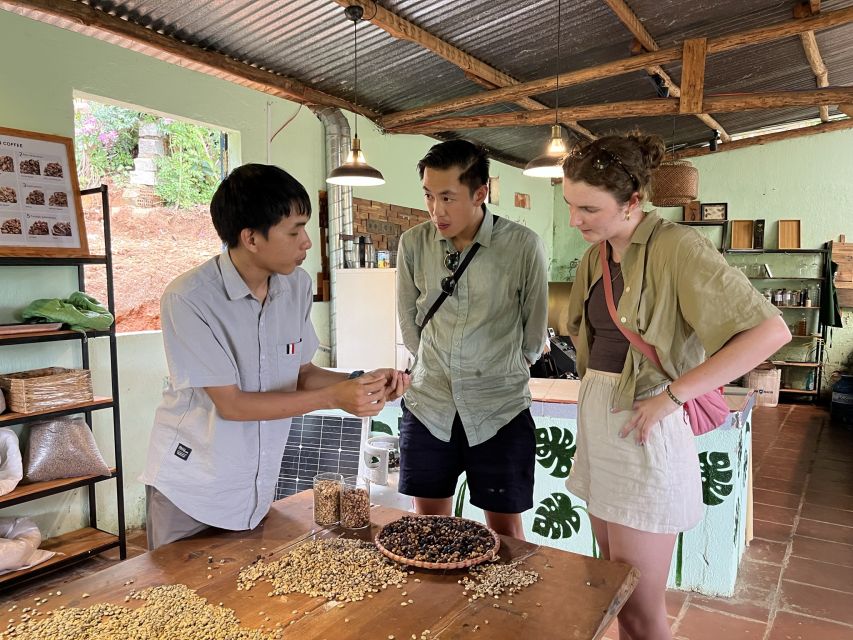
The session ends with you making your own traditional Phin coffee. That’s the classic Vietnamese drip-style method where the grounds and water interact slowly, producing a cup with its own rhythm.
Doing this at the end matters. Earlier tastings give you flavor references. Then the Phin step turns those references into something you can control. You’ll understand what you like before you brew, and that makes your final cup feel less random.
Add the setting—watching the city as you brew—and the whole experience feels like part workshop, part calm break from sightseeing.
Sustainability Is the Point, But the Experience Still Feels Fun
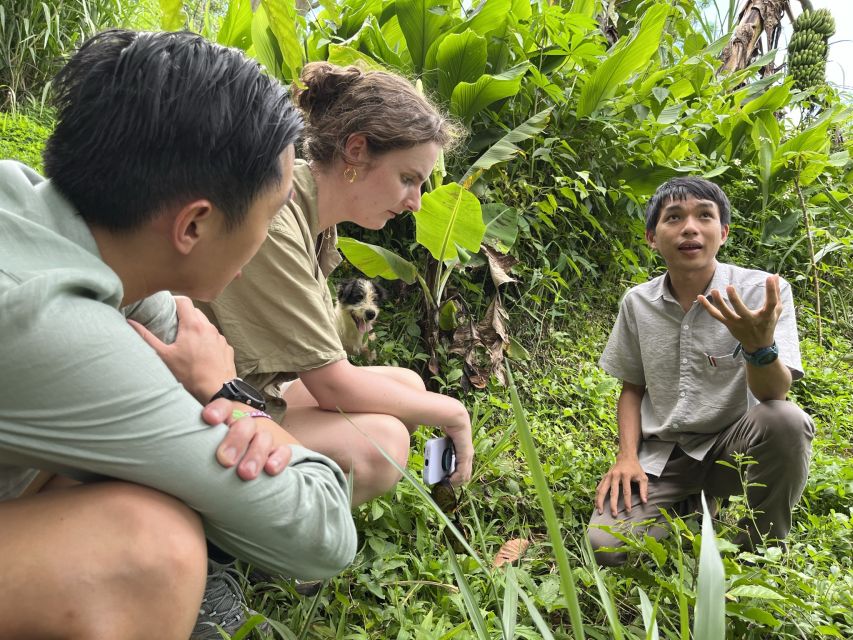
It’s easy for “sustainable coffee” tours to become lecture-heavy. This one doesn’t. The sustainability angle stays practical and tied to real steps: farming choices, processing differences, and roasting behavior.
What you’ll likely appreciate is that the sustainability message is not abstract. It’s communicated through how the coffee tastes and how it’s handled from start to finish. When you taste multiple coffees made using different methods, sustainability becomes easier to grasp because you can see what it might protect: quality, consistency, and flavor character.
The best part is that the session feels social and human. Several guests highlight the owner’s passion and friendly humor, which keeps the mood light even when the coffee details get technical.
Timing, Group Size, and What to Plan Around
The duration is listed as 90 minutes to 5 hours, depending on starting times and how the session runs. In practice, you should treat this as a flexible coffee block rather than a tight 90-minute appointment.
The group stays small, with a limit of 10 participants. That matters. With fewer people, it’s easier to ask questions and get real explanations instead of being stuck listening from the back.
If you’re planning the rest of your Da Lat day, I’d give yourself buffer time around the session. Da Lat traffic and short transfers can change your schedule quickly, and you’ll probably want a relaxed pace rather than rushing out for your next stop.
Price and Value: What $14 Buys You in Real Coffee Time
At $14 per person, this tour is strong value because it includes more than one drink and more than one “look” at coffee.
What’s included:
- 5 coffee drinks at the café
- tour guide ticket
On top of that, the experience is hands-on: you roast beans yourself and make traditional Phin coffee as part of the program. You’re not just sampling someone else’s work.
What’s not included:
- hotel or airport transfers
- extra drinks and food
So your true cost is basically the ticket plus whatever you choose to eat or drink on your own. For coffee lovers, that’s a fair trade: you’re paying for instruction, comparison, and hands-on roasting, not only for caffeine.
Who This Workshop Is For (and Who Might Want Something Else)
This suits you if you:
- love coffee and want to understand it beyond sweetened tourist versions
- enjoy hands-on learning like roasting and brewing
- like sustainable food stories that connect to real taste
- want a smaller, calmer activity in Da Lat rather than a big tour bus day
You might skip it if you want a heavy sightseeing agenda, because this is mainly about coffee at the café and related farm-focused explanations. Also, since it’s centered on coffee tasting, people who avoid coffee flavors or want fully caffeine-free options may need to consider whether the structure will match their preferences.
Quick Booking Checklist Before You Go
- Bring your passport (it’s listed as required)
- Plan for a session that can run up to 5 hours, even if it may feel shorter on the day
- Wear layers for Da Lat cool weather
- Use Google Maps search for HuyEco Coffee & Culture in central Da Lat
- If you’re coordinating transport, budget time for taxis or booking apps since transfers aren’t included
Should You Book HuyEco Coffee & Culture?
Yes, if you care about coffee and you like learning with your hands and your palate. For $14, you get a structured tasting of five coffees, plus roasting and making your own Phin cup, all in a small-group setting with Huy leading the session.
I’d book it especially if you’ve been to other parts of Vietnam and feel like coffee there was usually sweet or blended. This is one of the cleaner ways to chase the original coffee flavors—sour, sweet, and fruity—without shortcuts.
FAQ
Where is the meeting point?
The tour meets at HuyEco Coffee & Culture in central Da Lat. Search that exact name on Google Maps to find it.
How long is the experience?
The duration is listed as 90 minutes to 5 hours, depending on available starting times.
How much does it cost?
The price is $14 per person.
What’s included in the ticket?
The ticket includes 5 coffee drinks at the coffee shop and a tour guide ticket.
What’s not included?
Hotel or airport transfers are not included, and extra drinks and food are also not included.
How many people are in the group?
It’s a small group with a maximum of 10 participants.
What languages are available?
The live tour guide offers English and Vietnamese.
Do I need to bring anything?
Yes, you need to bring your passport.
Is there free cancellation?
Yes. You can cancel up to 24 hours in advance for a full refund.