REVIEW · DALAT
Đà Lạt Countryside Tour: Serene Escapes in the Outskirts
Book on GetYourGuide →Operated by Original Vietnam Easy Rider · Bookable on GetYourGuide
Da Lat can feel small once you’ve seen it from the city. This countryside day turns that around with a countryside loop outside town, delivered with practical pacing and clear English throughout. You’ll get a front-row seat to daily life far from the main streets, with stops built around views, crafts, and quiet monasteries.
What I like most is the way the day blends “wow” moments with hands-on culture. The Elephant Falls viewpoint from Linh An Pagoda makes the climb feel worth it, and the guides also keep the ride grounded and comfortable. One possible drawback: if your pickup timing is tight, keep a little buffer—there’s been at least one reported hiccup where the day started about an hour late due to guide arrangement.
In This Review
- Key Highlights That Make This Tour Worth It
- Why This Da Lat Countryside Day Feels Different Than “Just Sightseeing”
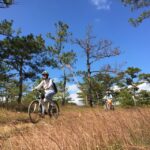
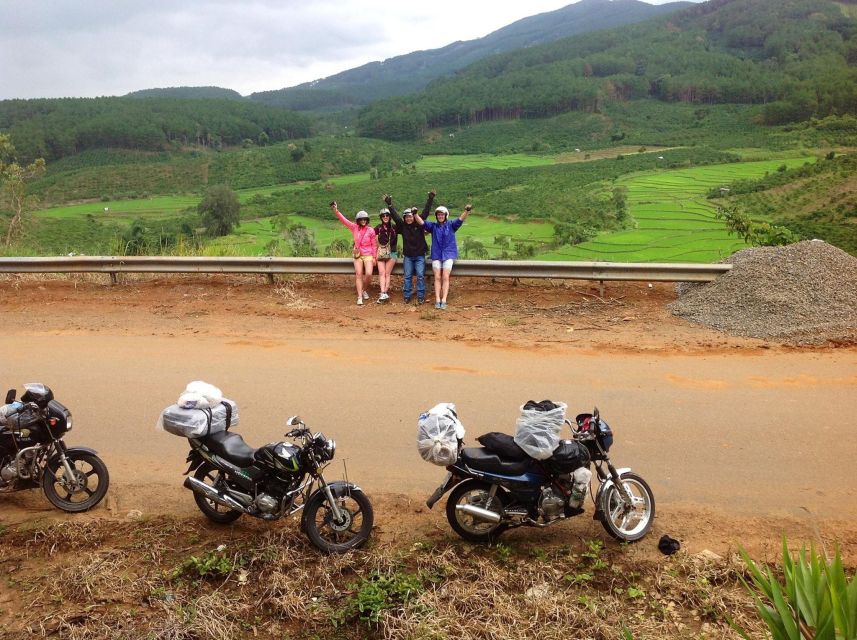
- The Motorbike Ride: Scenic, Practical, and Usually Comfortable
- Da Phu Pine Hill: The Soft-Start View That Sets the Tone
- Flower Village + Ta Nung Pass: Great Photos, Better Perspective
- Coffee Country: From Plantations to Weasel Coffee (With an Extra Charge)
- Rice Wine Making: Traditional Skills You’ll Understand More Clearly
- Silk Factory Stop: Tiny Cocoons, Real Craft Work
- Linh An Pagoda + Elephant Falls: The Climb That Changes the View
- Darahoa Village (K’Ho People): Indigenous Life in a Calm Setting
- Tuyen Lam Lake + Zen Monastery: A Peaceful Finish by Paradise Lake
- Price and What You’re Actually Buying for $40
- Who This Tour Fits Best (And Who Should Consider Something Else)
- Quick Booking Checklist Before You Go
- Should You Book This Da Lat Countryside Tour?
- FAQ
- How long is the Da Lat Countryside Tour?
- Does the tour include hotel pickup and drop-off?
- Is food or drinks included in the price?
- Is weasel coffee tasting included?
- Is the tour suitable for young children or pregnancy?
- What should I bring?
Key Highlights That Make This Tour Worth It
- Da Phu Pine Hill for pine-covered photo stops with wide, airy views
- Van Thanh Flower Village to see how large-scale flower growing works in practice
- Ta Nung Pass scenic drive moments that are made for short photo stops
- Coffee and weasel coffee farm experiences, including tasting for an extra charge
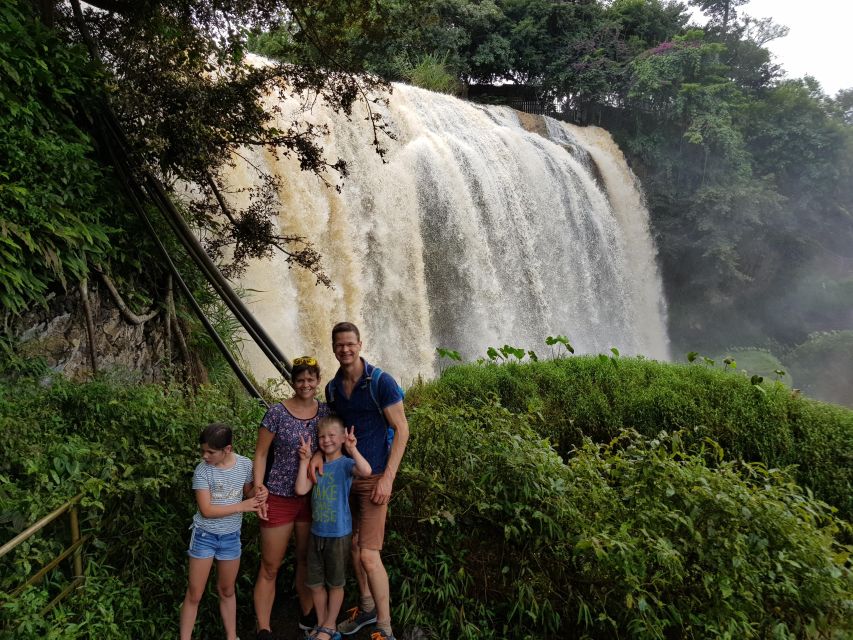
- Elephant Falls (Thác Voi) + Linh An Pagoda and the big 27-meter statue viewpoint
- Tuyen Lam Lake + Zen Monastery for a calm ending by Paradise Lake
Why This Da Lat Countryside Day Feels Different Than “Just Sightseeing”
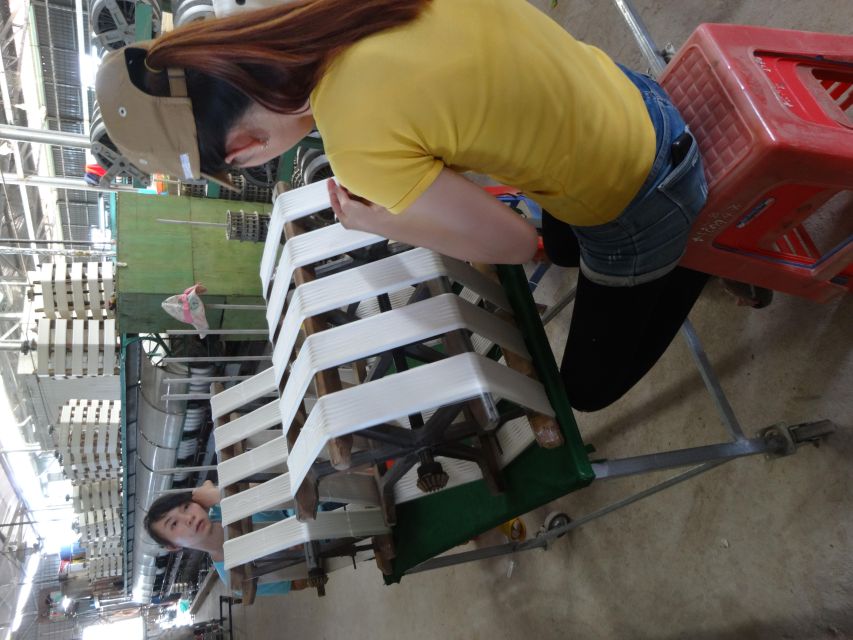
If you only see Da Lat from inside the city, you miss the real rhythm of the region. This tour is built for the outskirts—the places where people grow flowers, make silk, process coffee, and live close to temples and waterfalls. The best part is that it doesn’t rush you through scenery and then disappear. You actually get context for what you’re looking at.
You also leave with a clearer picture of how Da Lat’s cool-weather farming shapes daily life. One minute you’re on a motorbike path rolling past fields; the next you’re standing near working businesses like a silk factory and a coffee farm. It’s not a museum day. It’s a day of “Oh, so that’s how they do it here.”
And because the tour is done as a private group with a professional English-speaking guide, you’re not stuck with a one-size-fits-all script. If you’re curious, your guide can point out what matters. If you’re more relaxed, you can keep it simple and enjoy the drive.
You can also read our reviews of more tours and experiences in Dalat.

The Motorbike Ride: Scenic, Practical, and Usually Comfortable
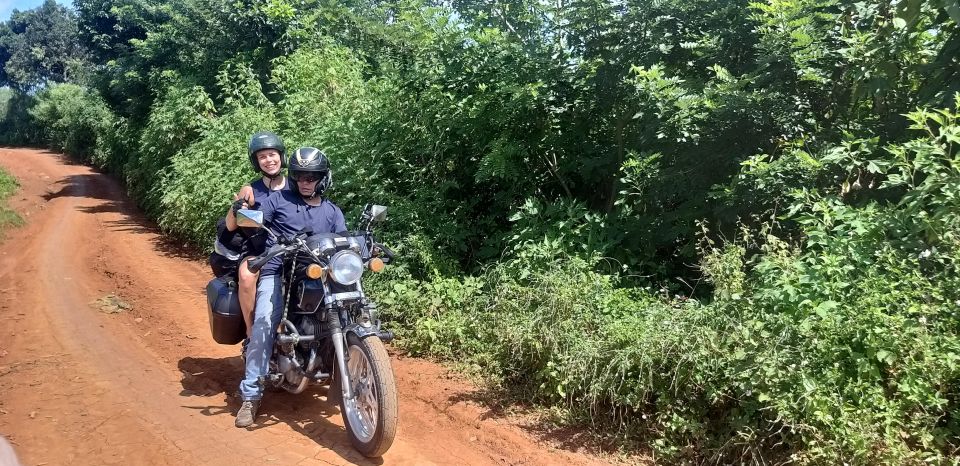
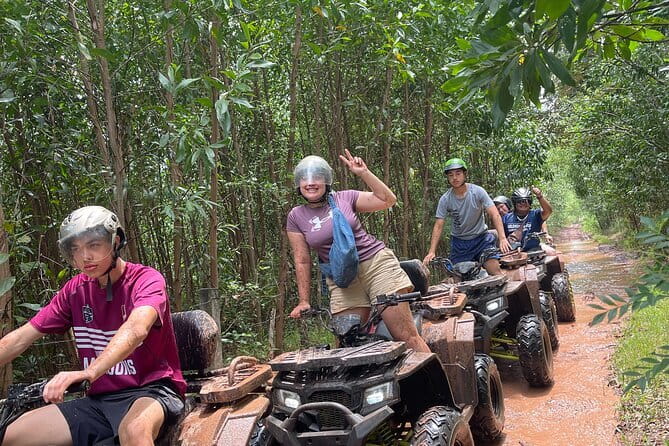
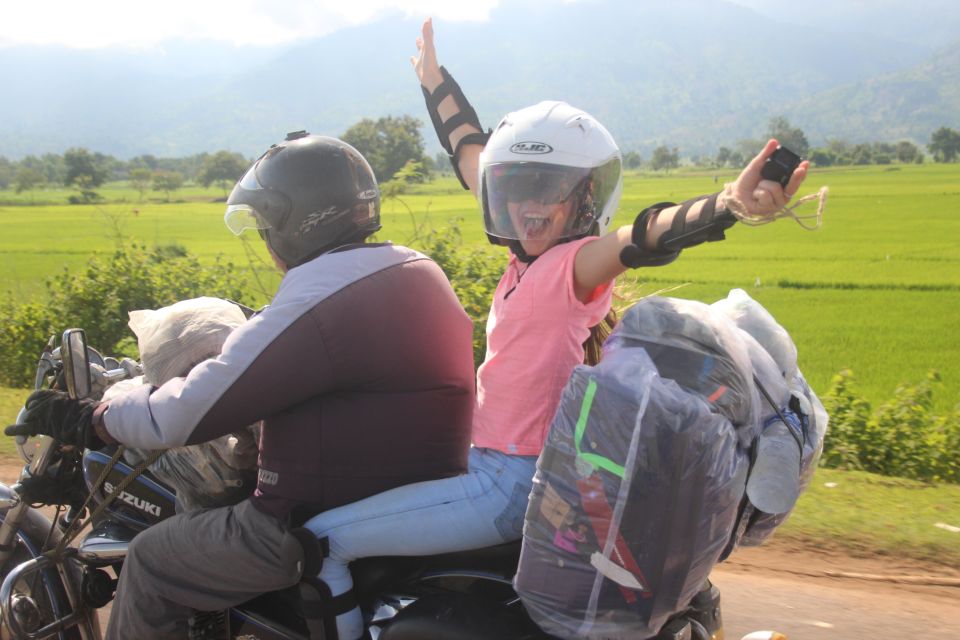
This is a motorbike-based day, with hotel pickup and drop-off included. That’s a big deal in Da Lat, where getting out to the countryside on your own can mean confusing routes and more hassle than you’d expect.
Safety and comfort are a real part of the experience. In one case, a first-time rider was nervous about motorbikes, but the guides checked in about comfort, kept speeds reasonable, and offered practical options like telling you when you want to stop for pictures or need a toilet break. That kind of communication matters because the countryside roads can change quickly—one turn and you’re suddenly in misty hills again.
My advice: if you’re uneasy, say so early. Ask your guide to match your pace. This is the kind of day where you’ll enjoy yourself more if you feel in control of your comfort level.
Da Phu Pine Hill: The Soft-Start View That Sets the Tone
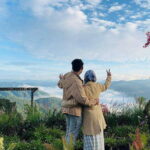
Your day kicks off with a stop at Da Phu Pine Hill—a pine-covered area where the air feels lighter and the views open out. This is one of those places where you don’t need an agenda. You just stand, breathe, and take a few photos before moving on.
Why it works: it’s a gentle start. Instead of immediately throwing you into temples, markets, or long walks, you ease into the countryside atmosphere with scenery that looks good without trying too hard.
Wear comfortable shoes here, even if your planned walking is light. Pine areas and hill paths can be slippery or uneven depending on the weather.
Flower Village + Ta Nung Pass: Great Photos, Better Perspective
Next up is Van Thanh Flower Village, one of Đà Lạt’s major flower-growing communities. You’ll see how structured and large-scale the farming is, and you’ll also get a sense of why this region is known for blooms. It’s not just pretty flowers for sale—it’s a working operation with people involved every day.
Then comes Ta Nung Pass, a scenic drive where the road itself becomes part of the experience. You’ll get panoramic moments that are ideal for short stops and quick photo bursts. This is where Da Lat’s geography starts to make sense: the hills guide the roads, the passes create viewpoints, and the countryside spreads out fast once you’re above the traffic and noise.
Tip: if you’re someone who likes photos, ask your guide for the best timing. Light shifts quickly in the hills.
Coffee Country: From Plantations to Weasel Coffee (With an Extra Charge)
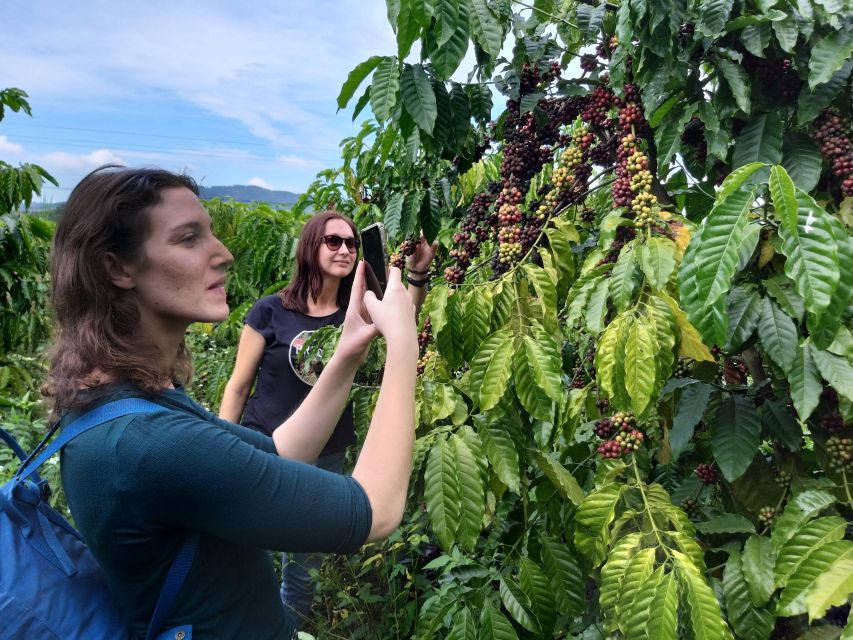
Coffee is a big thread in this day, and not just as a drink. You’ll visit a coffee farm and learn about the story behind coffee—how it’s grown and why it matters worldwide. It’s a good step if you like your travel experiences to connect to something you already know.
Then there’s the more unusual stop: a weasel (civet) coffee farm. Here, you can see how one of the world’s most expensive coffees is produced, and you can also taste it—but the tasting comes with an additional cost.
This is one of those moments where you’ll want to choose your level of participation. If you’re curious and don’t mind paying extra for the tasting, it’s a memorable “only here” experience. If you’d rather keep costs down, you can still enjoy seeing the process and learning the basics.
Practical thought: keep your expectations realistic. It’s not a luxury tasting lounge—this is about the production and the story, with tasting as an optional add-on.



Rice Wine Making: Traditional Skills You’ll Understand More Clearly
A stop for rice wine making adds another layer beyond farming. You’ll hear stories about the practice and get a sense of the fermentation process used to create rice wine.
What I like about this stop is that it gives you cultural context without forcing you into anything. Even if you don’t drink, it helps you understand how food and drink traditions work in local life.
If you’re sensitive to strong smells, just be aware that fermentation and alcohol production can have a noticeable odor during demonstrations.
Silk Factory Stop: Tiny Cocoons, Real Craft Work
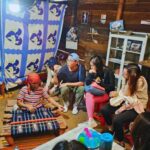
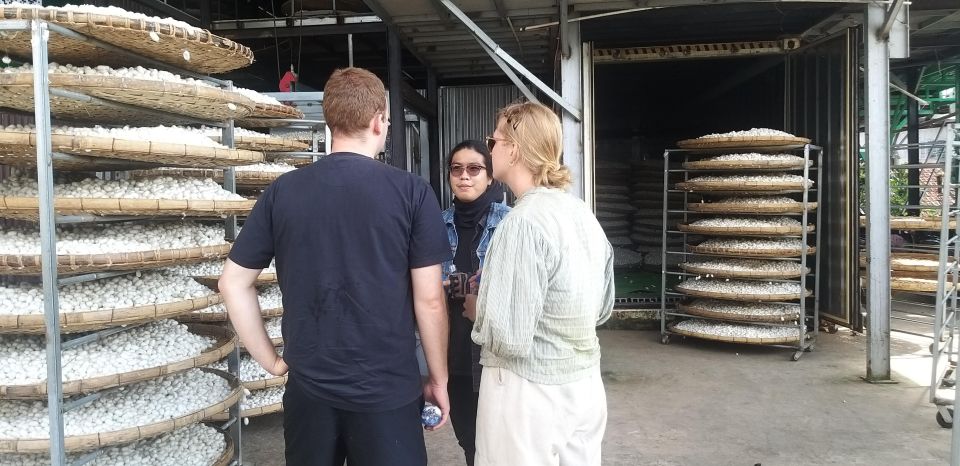
You’ll visit a silk factory where tiny silk cocoons are transformed into smooth threads. This is one of those steps that makes the word craft feel concrete. You get to watch a process that is both delicate and practical.
A silk stop also makes the day feel more “working countryside” than “only viewpoints.” You’re not just looking at nature—you’re seeing the kind of industries that support households in the hills.
If you like buying small souvenirs that mean something, this is usually one of the better moments to check what’s available—especially if you care about textiles and want to understand the process first.
Linh An Pagoda + Elephant Falls: The Climb That Changes the View
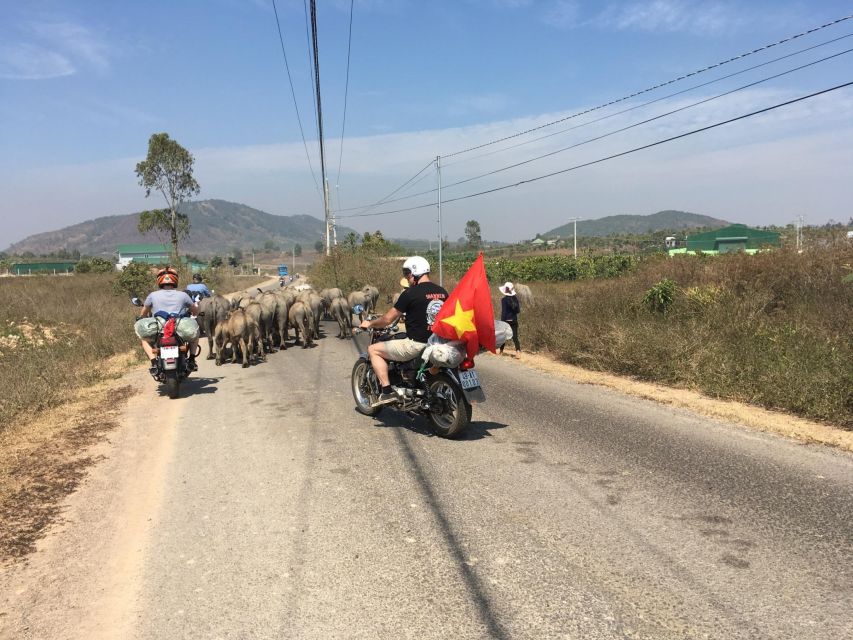
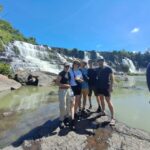
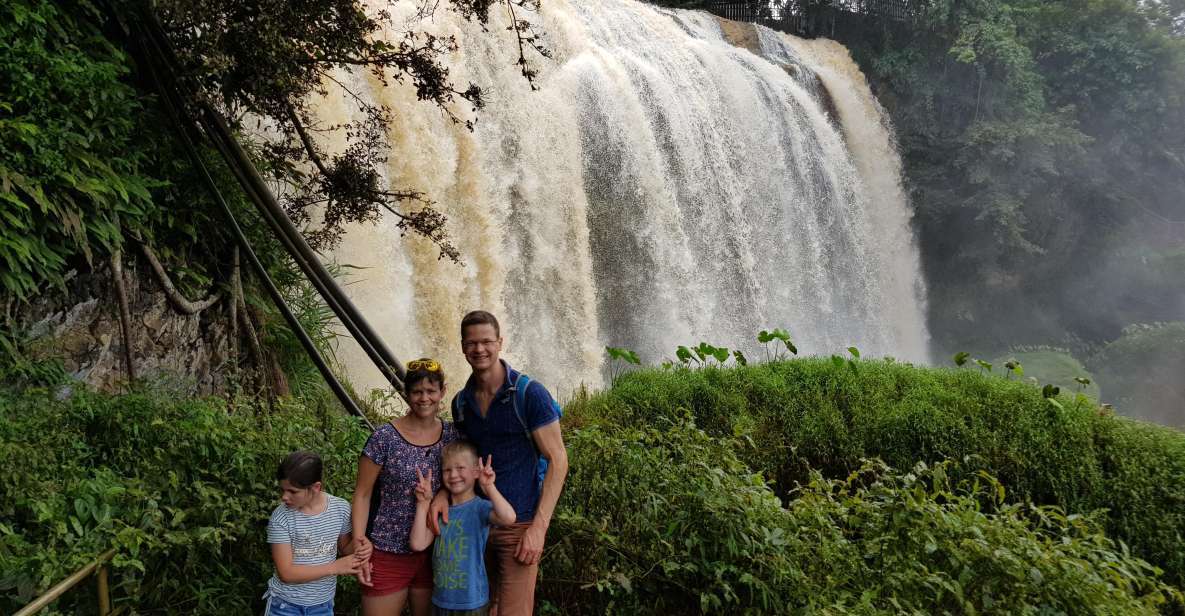
The day’s big nature-and-religion moment centers on Elephant Falls (Thác Voi), near Linh An Temple/Pagoda. Elephant Falls itself is known for its powerful cascade, and the location feels wild and clean compared to town.
Here’s what makes this stop special: you’ll go to Linh An Pagoda and climb to a 27-meter statue of Bodhisattva Avalokiteshvara. The reward is an elevated perspective over Elephant Falls, so you’re not just seeing water—you’re seeing how the falls fit into the surrounding valley.
How to plan for it: even if you’re not a hardcore hiker, you’ll want to be ready for stairs and uphill effort. Comfortable shoes aren’t optional for this part of the day.
If you’re traveling with anyone who doesn’t like climbs, tell your guide early. Sometimes guides can help you decide how to pace it, based on your comfort.
Darahoa Village (K’Ho People): Indigenous Life in a Calm Setting
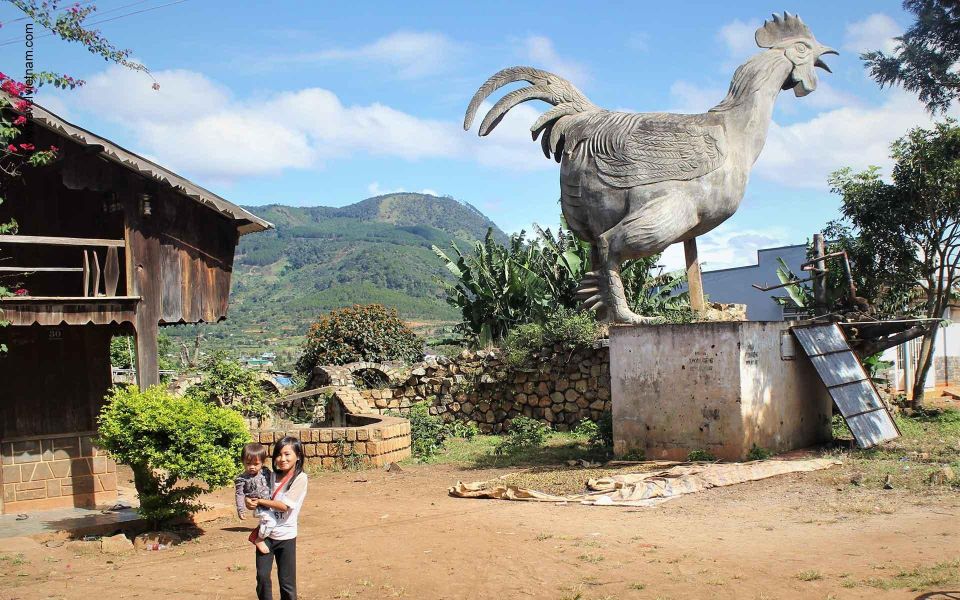
Next, you’ll visit Darahoa Village, home to the K’Ho indigenous people. This stop adds a cultural dimension that goes beyond manufactured tourist experiences. It’s a chance to see community life and learn stories tied to local identity.
The value here isn’t just “seeing people.” It’s that you’re seeing how the region’s culture connects with its land—hills, farms, temples, and daily work.
If you prefer respectful, low-pressure interactions, this style of village stop usually fits well, as long as you keep expectations simple: it’s cultural observation and learning, not a staged performance.
Tuyen Lam Lake + Zen Monastery: A Peaceful Finish by Paradise Lake
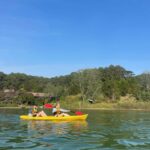
To wrap up, you’ll head to Tuyen Lam Lake, often called Paradise Lake. The setting is pine-covered and reflective, and it feels like a slower chapter after the day’s motion.
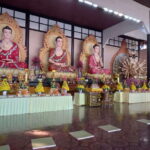
Your final stop is the Tuyen Lam Monastery with its Zen meditation space. You may also notice wind chimes—small sounds that quietly change the mood from sightseeing to settling down. This ending is smart travel design because you don’t want your final hour to be a sprint. Here, the day turns calm.
If you want a practical souvenir for the mind, this is it: stand by the lake, watch the hills reflected on the water, and let your brain stop scrolling.
Price and What You’re Actually Buying for $40
At about $40 per person for an 8-hour private tour, the value depends on what you want out of Da Lat. You’re paying for:
- Hotel pickup and drop-off
- An English-speaking guide
- Fuel and motorbike transport
- A day packed with multiple countryside stops
What you’re not paying for is also clear: food and drinks aren’t included. So budget for meals, snacks, or water. This matters because an 8-hour day can turn “no big deal” hunger into “why didn’t I plan” hunger.
I also like that this is a private group. For some people, that’s worth as much as the stops themselves, because you get flexibility and personal attention. In at least one experience, guides even adjusted pacing and offered ways to personalize the day based on what the rider wanted most.
Who This Tour Fits Best (And Who Should Consider Something Else)
This is a good fit if you:
- Want to see the real edge of Da Lat, not just the center
- Enjoy culture tied to farms and workshops (silk, coffee, rice wine)
- Don’t mind a full day with a motorbike ride
- Like temples and viewpoints that involve some stairs
It may be less ideal if you:
- Don’t feel comfortable riding a motorbike for hours
- Have mobility limits for the climb to the statue at Linh An Pagoda
- Are traveling with children under 5 or if anyone in your group is pregnant, since it’s listed as not suitable for those needs
Quick Booking Checklist Before You Go
- Bring comfortable shoes for temple steps and the viewpoint climb
- Plan to buy food and drinks yourself
- If you’re a first-time motorbike rider, tell your guide upfront and ask for a comfortable pace
- Save space in your day for photos—several stops are designed for quick view moments
Also, because one guide-arrangement delay has happened before, I’d keep your first half-day timing flexible if you have other plans the same day.
Should You Book This Da Lat Countryside Tour?
If you want a day that feels like Da Lat is more than cafes and city streets, I’d book it. You’re getting a strong mix: pine hill views, a flower-growing community, a coffee and silk angle, plus the big payoff of Elephant Falls from a high viewpoint. And the English guidance makes the whole thing easier to enjoy without guessing what you’re seeing.
I’d only hesitate if motorbike riding or uphill temple climbs are deal-breakers for you. If those parts are manageable, this is the kind of countryside day that leaves you with stories, not just photos.
FAQ
How long is the Da Lat Countryside Tour?
The tour lasts about 8 hours.
Does the tour include hotel pickup and drop-off?
Yes. Pickup and drop-off are included, and you just need to share your hotel name and address.
Is food or drinks included in the price?
No. Food and drinks are not included.
Is weasel coffee tasting included?
The weasel coffee tasting is available, but it has an additional cost.
Is the tour suitable for young children or pregnancy?
No. It is not suitable for children under 5 and not suitable for pregnant women.
What should I bring?
Wear comfortable shoes, since there’s walking and climbing involved.