REVIEW · THANH HA POTTERY VILLAGE
Experience Making Pottery with Local Craftsman in local home
Book on GetYourGuide →Operated by Hoi An Eco Travel · Bookable on GetYourGuide
Making pottery by hand here feels like time travel. You’ll learn a traditional mold-free technique and leave with a real take-home piece you shaped yourself. What I like most is how personal it feels when you’re welcomed into a local craftsman’s home, and how the instruction is simple enough for beginners to follow. One thing to consider: your session time is short (about 20 minutes for the making), so if you want extra detail, plan to pay for more time or keep your expectations focused on one main piece.
This is a great add-on to a day around Hoi An. You get a fun skill, a look at how Thanh Ha ceramics has been made for centuries, and a quiet village pause that doesn’t feel like a factory tour. If you’re hoping for a long, slow studio walkthrough, you might want to spend some extra time exploring Thanh Ha after your class, since the hands-on part is the main event.
In This Review
- Key things to know before you go
- Where Thanh Ha pottery starts (and why this class feels different)
- The hands-on session at Nguyễn Sáu Experience House
- Step-by-step: what you’ll actually do
- No experience needed, but here’s what helps
- Choosing your design: what you might be able to make
- The take-home souvenir: value you can hold
- Village time: Xuan My Communal House and Nam Dieu Temple
- Price and logistics: is it worth the money?
- What the class feels like in real life (based on the vibe people report)
- Who this is best for (and who should pick something else)
- Should you book this Thanh Ha pottery experience?
- FAQ
- How long is the pottery-making experience?
- Is prior pottery experience required?
- What’s included in the price?
- Do I need a ticket to enter Thanh Ha Village?
- Where do I meet for the class?
- Does the price include hotel pick-up and drop-off?
- Is there an extra fee on Vietnamese public holidays?
- What should I bring to avoid getting too messy?
Key things to know before you go
- Hand-built, no molds: The craft is shaped by hand and a foot pedal, so every piece comes out slightly its own way
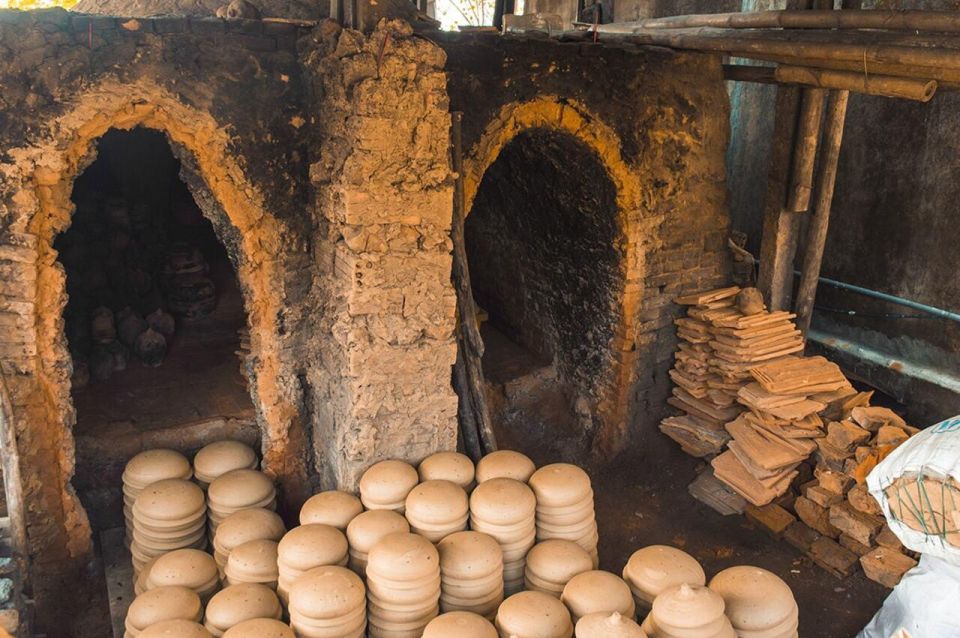
- Family-run tradition: Pottery here is treated as heritage, passed down for more than five centuries
- Beginner-friendly: You don’t need prior experience; you’ll follow an instructor step-by-step
- English instruction: An instructor guides the process in English so you can ask questions
- You pick your design path: You can choose shapes/designs and work on your own clay item
- Thanh Ha entry ticket is separate: You’ll need to buy the village ticket on site
Where Thanh Ha pottery starts (and why this class feels different)
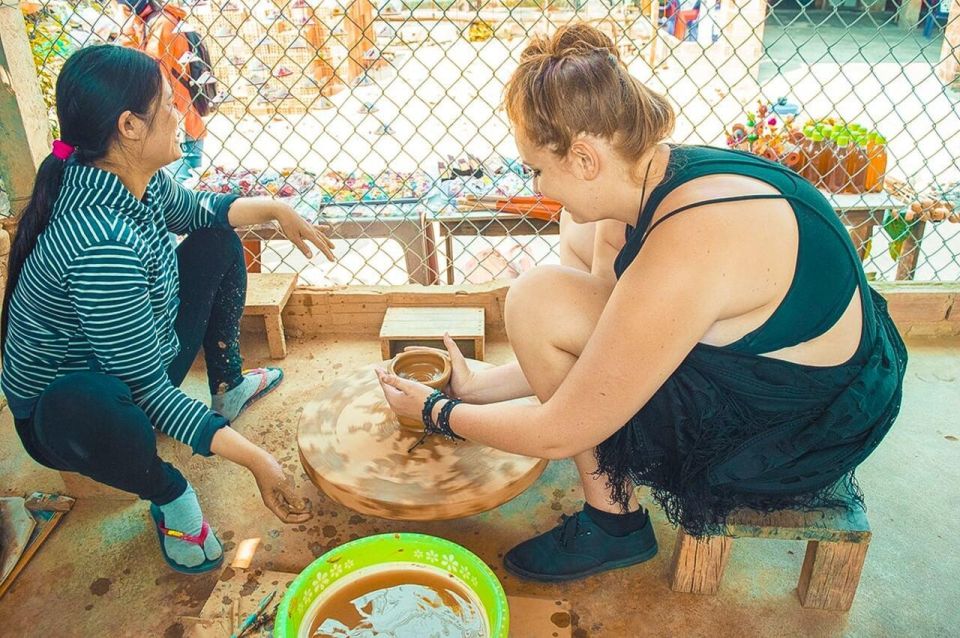
Thanh Ha pottery village sits just a short distance from beautiful Hoi An. The village is known for ceramics that have been made for generations, and in this experience you get close to the process without the usual “watch and leave” vibe.
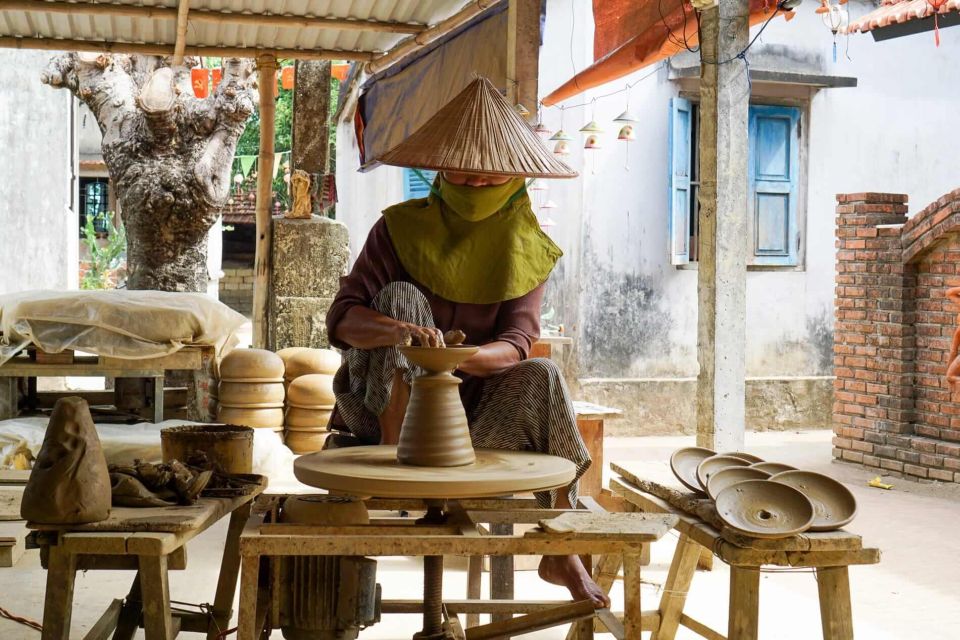
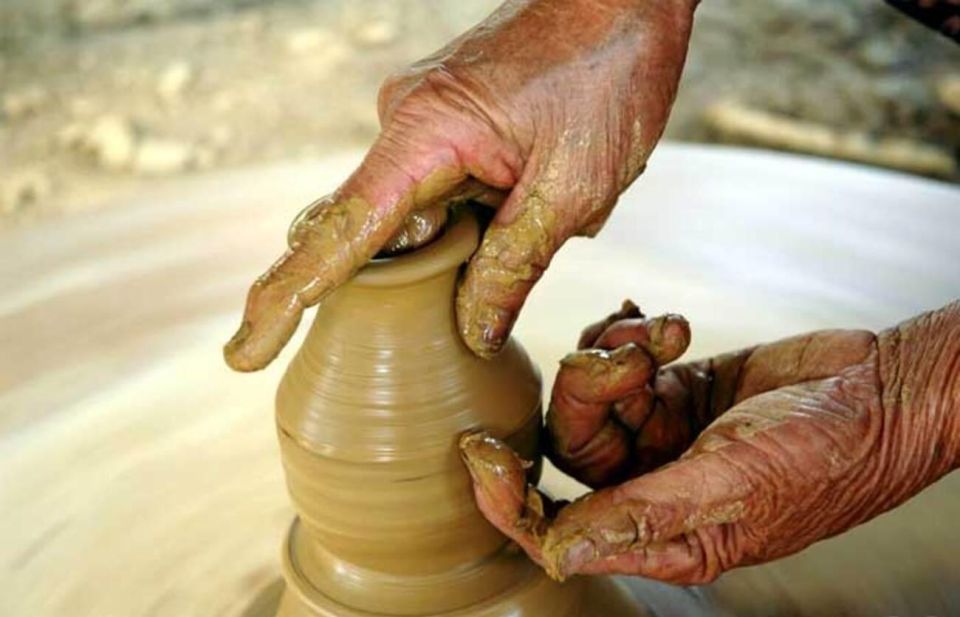
Here’s what makes it stand out: the artisans don’t rely on molds. Instead, they shape the pottery by hand and with a foot pedal technique. That matters because you can feel the difference. A mold can make production fast and uniform. Hand-building makes each item slightly unique, shaped by pressure, timing, and the way the clay responds while you work it.
And it’s not only about selling items. At Thanh Ha, pottery is treated like family tradition—something people keep alive over time. That’s why the welcome in the local craftsman’s home is part of the experience, not just a pre-class photo moment.
You can also read our reviews of more tours and experiences in Thanh Ha Pottery Village.
The hands-on session at Nguyễn Sáu Experience House
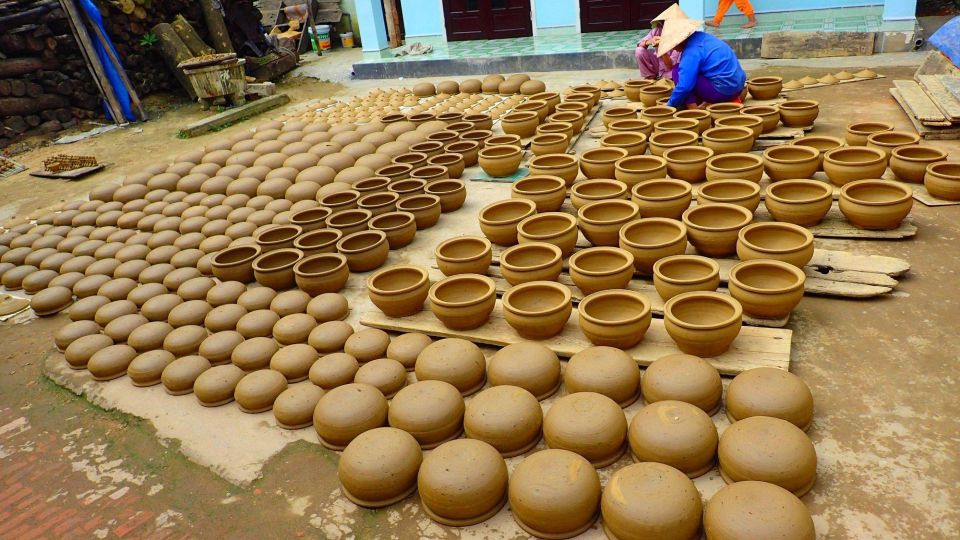
Your class meet-up is at Nguyễn Sáu Experience House, inside Thanh Ha Village. Expect to be welcomed into a local craftsman’s home first. Even before you touch clay, there’s usually a short look at local ceramics products—useful pieces like cups, jars, bowls, and pots are part of the craft tradition here.
Step-by-step: what you’ll actually do
The making portion is built around a straightforward progression. You start with clay, then you follow technique choices that lead you through shaping, finishing, and decoration. Based on how this experience is run, you can expect these stages:
- choosing clay
- choosing a pottery-making technique
- making your pottery item
- drying
- trimming
- painting and decorating
The hands-on class time is often around 20 minutes. Your overall experience is listed as 30 minutes, so expect a quick pace. You’ll have just enough time to create something you can recognize as yours—rather than spending the whole session on one tiny detail.
No experience needed, but here’s what helps
You don’t need prior pottery experience, and the instructor is there to guide you in English. Still, you’ll enjoy it more if you go in with two mindsets:
- Go for one good piece, not perfection. The method is hands-on and traditional, but your time is limited.
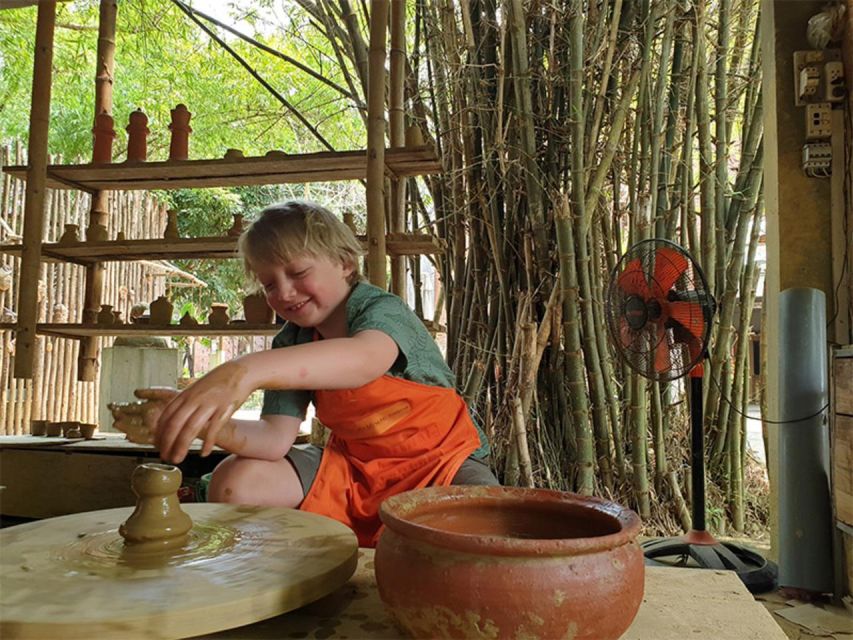
- Be ready to get a little messy. Clay work can leave marks. If you’re sensitive about clothing or stains, plan to wear something you don’t mind getting dusty or streaked. One participant specifically wished they had an apron—so bringing a protective shirt or asking if protective gear is available is a smart move.
Choosing your design: what you might be able to make
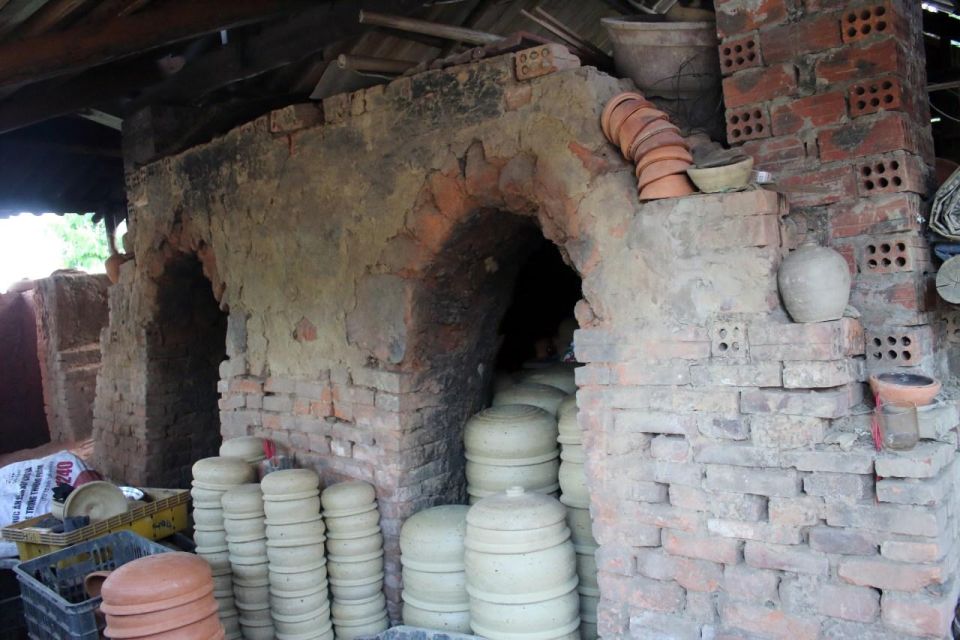
You’ll likely have options for what kind of ceramic item you make and how you design it. The experience notes that you can choose shapes and designs for fun, and you’ll learn the basics of shaping plus the finishing steps like trimming and decoration.
One review also points out that you could make more ceramics if you wanted, usually with a small added cost. If you’re the type who thinks, I’ll just make one… and then suddenly wants two, this option can be a nice surprise.
Still, don’t expect a workshop where you can try five different processes in depth. This is a short class. The value is in learning the basics and taking home a piece you made.
The take-home souvenir: value you can hold
You’ll receive one ceramic souvenir made by you. That’s a big part of the appeal. In many “try a craft” activities, you make something and it stays behind, or you just get a small sample.
Here, the point is practical and memorable: you shape it, decorate it, and you take it with you. Even if the item isn’t museum-level, it becomes a travel object with a story attached. When you remember how the clay moved under your hands, you’ll actually remember the day—not just the location.
Village time: Xuan My Communal House and Nam Dieu Temple
After the pottery portion, the experience includes a chance to visit The Xuan My Communal House and Nam Dieu Temple of the pottery founders. This part is by yourself, so you can go at an unhurried pace.
Why this matters: pottery in Thanh Ha isn’t just a skill—it’s tied to place and community. A quick look at these sites helps you connect the dots between the workshop and the people who built a livelihood around it.
Also, Thanh Ha is the kind of village where slowing down works. One review mentioned the village is pretty and sits along the river. That means you can turn the stop into a real break from Hoi An’s busier edges.
Price and logistics: is it worth the money?
The pottery-making fee is listed at $6 per person, which is genuinely good value for what you get: an English-speaking instructor, guided hand-building steps, and a take-home ceramic souvenir.
But there’s an important catch. The class fee does not include the entry ticket to Thanh Ha Village, which is 35,000 VND per person. You buy the ticket on the spot. So your all-in cost is a little higher than the $6 headline—but it’s still a reasonable day activity given you’re paying for instruction and a crafted item.
There’s also a note that on Vietnamese public holidays, an extra charge of 50,000 VND per person by cash may apply for booking. If your trip lines up with a holiday, build in a little extra buffer and have cash available.
One more practical point: there’s no hotel pick-up/drop-off listed. You’ll want to get yourself to Nguyễn Sáu Experience House inside Thanh Ha Village, either by walking if you’re close or by arranging your own local transport.
What the class feels like in real life (based on the vibe people report)
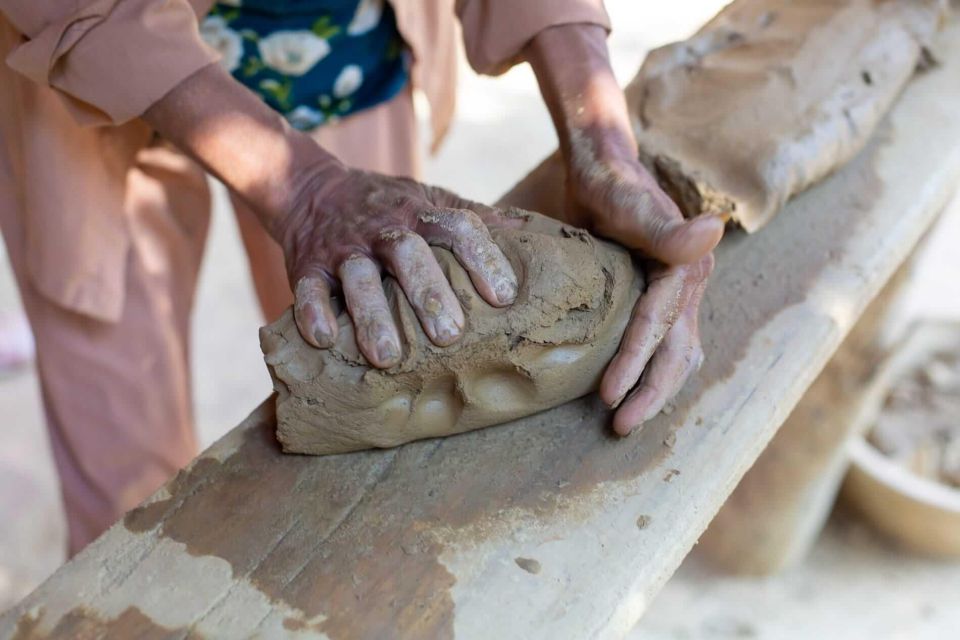
The standout theme from people who enjoyed this is how personal and friendly the instruction feels. The experience is in a local home, and the artisans genuinely like sharing their heritage, so the session tends to feel lighter, not stiff.
Also, the pace is relaxed in a good way. One review described it as fun and taken lightly, which matches what you’d expect from a short class where the goal is joy and basic skill—not stress.
The biggest “watch out” moments are small, but worth noting:
- If you arrive and feel unsure where to go, you might want to confirm the exact workshop location at Nguyễn Sáu Experience House before you start wandering.
- If you’re hoping for a long, detailed explanation of every step of their craft process, this activity focuses on you making a piece. You might still enjoy seeing products, but it won’t be a full technical masterclass.
Who this is best for (and who should pick something else)
You’ll probably love this if:
- you want a hands-on activity near Hoi An that doesn’t require any skills
- you care about craft traditions, especially mold-free hand-building
- you want an easy morning or afternoon add-on that ends with something you can take home
You might choose a different format if:
- you’re looking for a long workshop experience with deep explanations of the studio process
- you’re very detail-obsessed and need lots of time to refine one item (this class is short)
For most people, though, this hits the sweet spot: learn something real, keep it simple, and leave with a ceramic piece that reminds you of the day.
Should you book this Thanh Ha pottery experience?
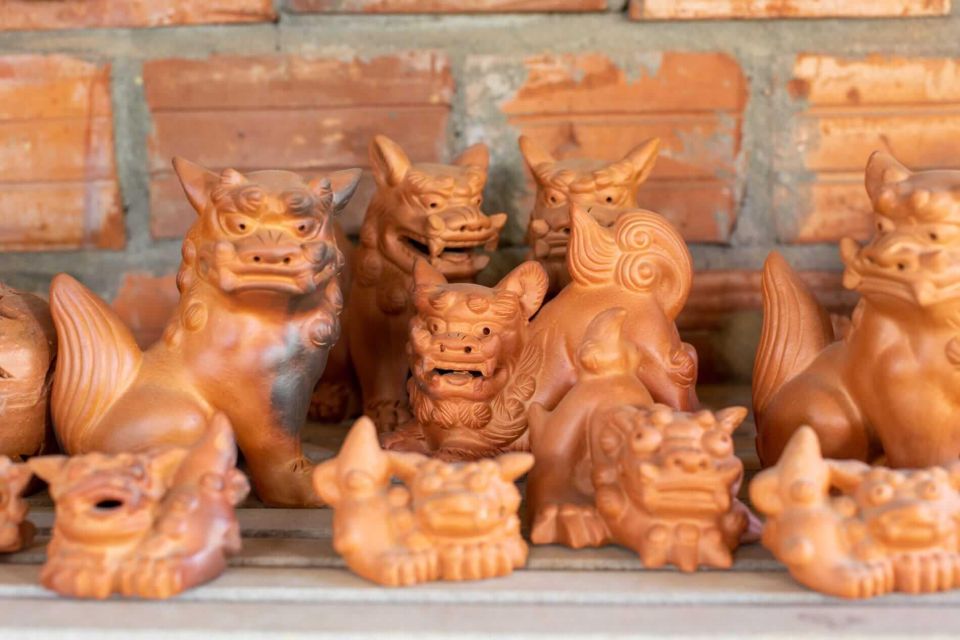
Yes, if you want a short, friendly class that gets you hands-on right away and ends with a take-home souvenir. The mold-free craft method, the family-home setting, and the English-speaking instruction make it an approachable way to experience Thanh Ha pottery without feeling intimidated.
Book it with two expectations set: the making time is brief, and you’ll have village sights to enjoy on your own afterward. If you show up ready to have fun, protect your clothes a bit, and focus on one main piece, this is an excellent value use of your time near Hoi An.
FAQ
How long is the pottery-making experience?
The overall experience is about 30 minutes, with the pottery making class often around 20 minutes.
Is prior pottery experience required?
No. The experience is designed for all skill levels, and you’ll be guided step-by-step.
What’s included in the price?
You get an English-speaking instructor, the pottery-making experience fee, and one ceramic souvenir made by you to take home.
Do I need a ticket to enter Thanh Ha Village?
Yes. The entry ticket to Thanh Ha Village is not included and costs 35,000 VND per person. You buy it on the spot.
Where do I meet for the class?
The workshop is at Nguyễn Sáu Experience House, inside Thanh Ha Village.
Does the price include hotel pick-up and drop-off?
No. Hotel pick-up and drop-off is not included.
Is there an extra fee on Vietnamese public holidays?
There may be an extra charge of 50,000 VND per person by cash for bookings on Vietnamese public holidays.
What should I bring to avoid getting too messy?
The activity involves clay handling, so you may want to wear clothes you don’t mind getting stained or dusty. If you can, bringing something to protect your clothes can help.
If you’d like, tell me your travel dates and whether you’re going on a Vietnamese public holiday, and I can help you plan the timing so you’re not rushing between Hoi An and Thanh Ha.