REVIEW · THANH HA POTTERY VILLAGE
Thanh Ha Village: Pottery Workshop with Locals
Book on GetYourGuide →Operated by Da Nang Happy Tour · Bookable on GetYourGuide
Clay work is surprisingly fun, and you don’t need a clue. Just a short ride from Hoi An, Thanh Ha Pottery Village lets you try traditional hand-shaping of pottery with locals, then paint what you made before you head back out into the village lanes. You’ll also get that rare feeling of doing something real, in a working craft place, not a staged demo.
What I like most is the hands-on pace: you get real practice shaping clay, not a quick photo stop. I also like how the experience stays friendly even with limited English, and how instructors like Sau and Emma (you may run into them at different times) keep things moving with patience and plenty of hands-on guidance. The only real drawback is that the village entry fee is separate, and you need to physically buy that ticket at the counter once you arrive.
In This Review
- What you’ll remember after the workshop
- Key things to know before you go
- Price and value: $8 for the hands-on part, plus a separate village ticket
- Getting there from Hoi An without turning it into a mission
- Inside Thanh Ha Pottery Village: the craft as a daily practice
- The class experience: choose clay, shape a piece, then paint it
- Step 1: see examples, then start shaping
- Step 2: decorate with paint
- Step 3: firing and timing
- Wandering after the pottery: quiet streets and two easy cultural stops
- Who this workshop is best for (and who should skip it)
- Logistics that matter: tickets, time, and what to pack
- How to get the most out of your pottery souvenir
- Should you book Thanh Ha Pottery Village?
- FAQ
- What’s included in the Thanh Ha pottery workshop?
- Is the Thanh Ha Village entrance fee included in the $8 price?
- How long does the activity take?
- Do I need any prior pottery experience?
- Will I be able to paint my pottery?
- Where does the experience meet?
- Is it suitable for people using wheelchairs?
What you’ll remember after the workshop
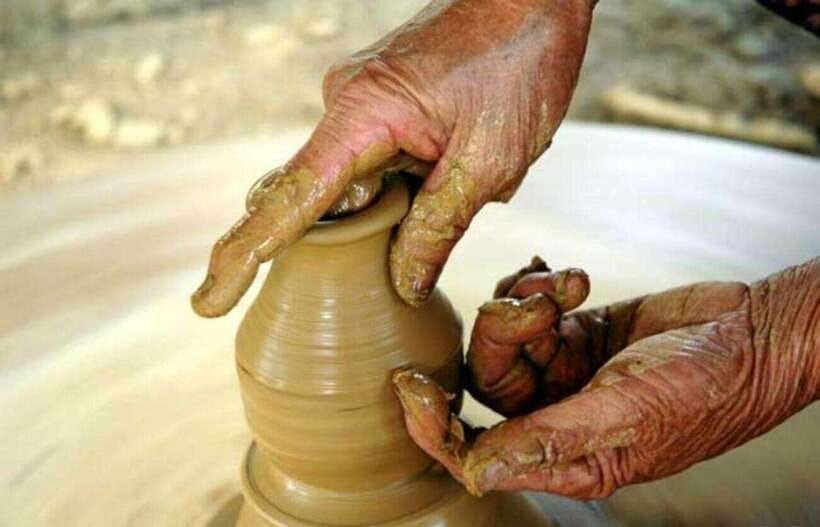
You’ll leave with something you made yourself, and that counts for a lot. I also love that the village is calm and old-school, with time built in to wander after the class, including options like Xuan My Communal House and Nam Dieu Temple if you want a little cultural add-on. If you’re expecting a long, formal ceramics class, keep your expectations practical: this is a simple workshop, and you may finish sooner than you want unless you choose extra time to complete your piece.
Key things to know before you go
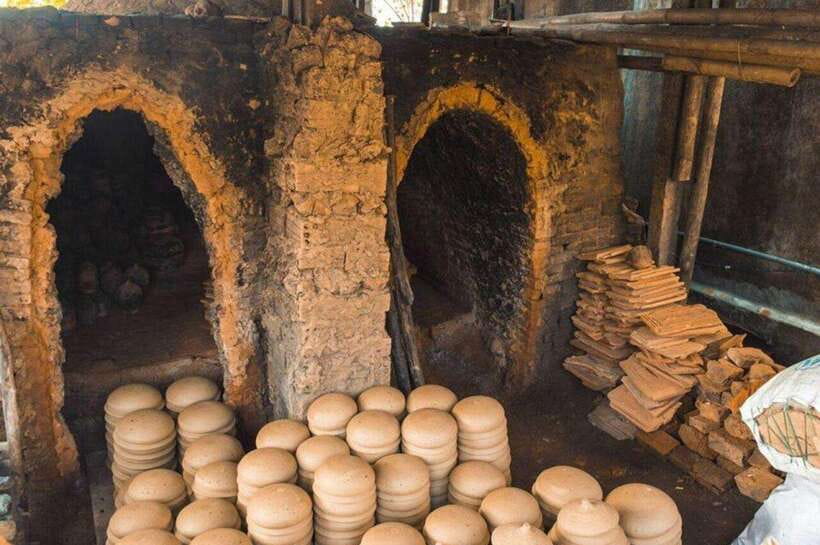
- You shape by hand with guidance, and the craft here uses methods that don’t rely on molds
- Painting is part of it, so your souvenir isn’t just plain clay
- A small local studio feel means you’re not stuck in a big crowd
- Entrance fee is separate: plan to pay 35,000 VND at the ticket counter
- Kiln timing can be funny: in at least some sessions, pieces are fired using air-fryer style equipment
- Limited English support, so gestures and simple instructions matter
You can also read our reviews of more tours and experiences in Thanh Ha Pottery Village.
Price and value: $8 for the hands-on part, plus a separate village ticket
At $8 per person, this workshop is good value because you’re paying for instruction, your clay time, and a souvenir you make yourself. The included extras matter too: you get a little gift, and you end up with a finished piece (with your own decoration) rather than just watching a process.
The catch is the village entry ticket. The workshop price does not include the 35,000 VND Thanh Ha Village ticket, and you’ll need to stop at the ticket counter after you arrive. The good news: the experience is set up so you’re not spending half your time hunting paperwork. But don’t assume you can skip paying the entry fee entirely.
Also budget for what isn’t included: hotel pickup/drop-off and food and drinks. This is best as a morning or early afternoon activity that you pair with other Hoi An sights, then you eat on your own plan.
Getting there from Hoi An without turning it into a mission
This activity starts at Nguyen Sau Pottery Workshop, near Terra Cotta Homestay and Hostel. That matters because Thanh Ha is not in the center of the Ancient Town, so you’ll want a simple plan for transport.
In practice, you’ll likely go by Grab or taxi from central Hoi An. Once you’re near the meeting point, look for the pottery workshop area and the local staff directing people in. One practical note: some people do report that places can sound confusing and that multiple workshops advertise nearby. If that happens, stay calm. Go to the location named for your booking and follow the staff there.
You do not need special skills. But you do want comfortable clothes. Clay is messy, and the workshop is hands-on.
Inside Thanh Ha Pottery Village: the craft as a daily practice
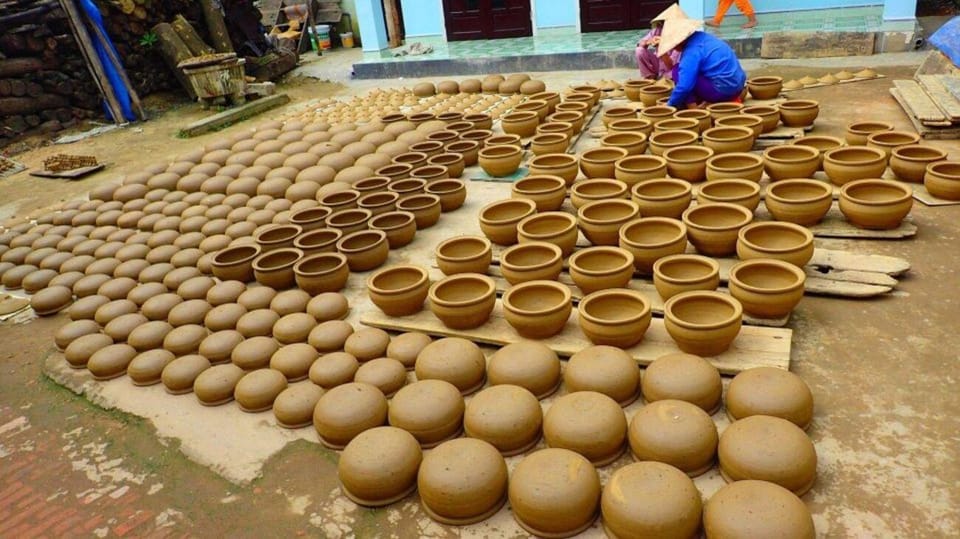
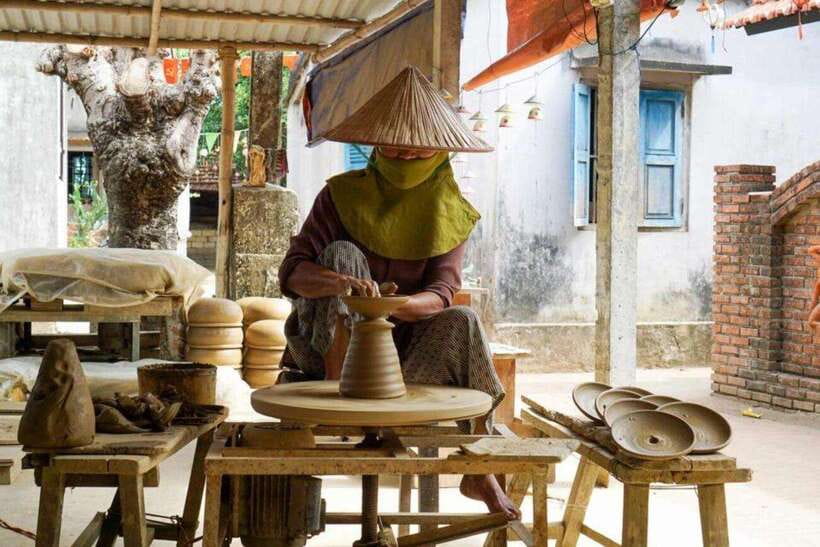
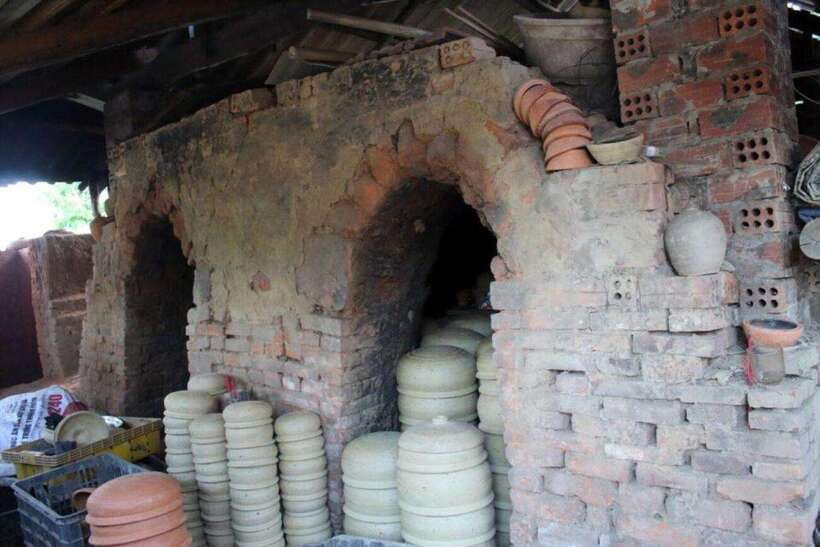
Thanh Ha Pottery Village is where pottery isn’t a hobby business. It’s a family tradition that’s been going for centuries. The big idea is simple: families here make practical items—cups, bowls, pots—by hand, shaping clay without molds, using a mix of skill and process.
When you arrive, you’re welcomed into a craftsman’s home or workshop space. You’ll see finished items and in-progress work, which helps you understand what you’re actually making. This is part of the value: you get context, then you get your turn.
If you like authentic places where you’re not herded like a number, this village fits that. The lanes are quiet enough that after your class you can actually slow down and walk.
The class experience: choose clay, shape a piece, then paint it
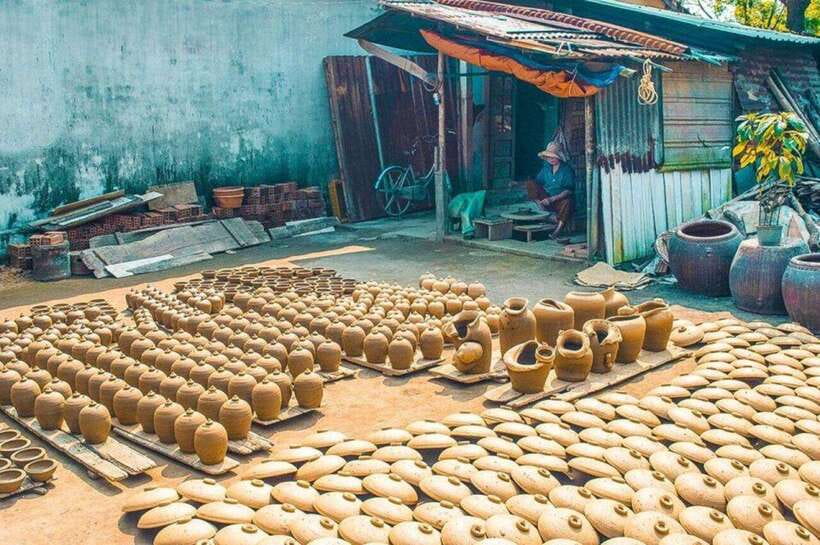
This workshop is short on paper—about 30 minutes total, with around 20 minutes of pottery-making—but in real life the experience expands a bit because you’ll be shown steps, you’ll paint, and you’ll likely wait for your piece to be handled and prepared for firing.
Step 1: see examples, then start shaping
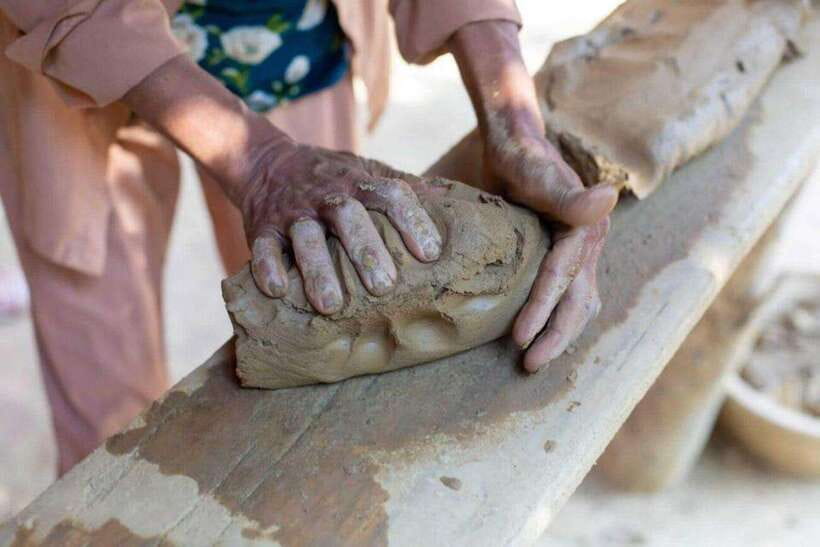
You’ll get guidance on the basics: how to choose the clay and how to shape your piece. Even if your hands feel clumsy, that’s normal here. The instruction is practical—how to hold, how to press, how to form something that looks like it should exist.
You may make one or more items depending on the pace and the group. Some sessions mention making a couple of pieces, and some include extra options like whistle-shaped creations. The key is that you get to leave with what you made and decorated.
Step 2: decorate with paint
Painting is included. This is one of the most satisfying parts because your work transforms fast. You can make it simple and cute or go more detailed if you’re the artistic type.
Do note a common practical detail: the workshop includes your primary souvenir, and staff may offer options to paint extra items. That’s not unusual in craft workshops, and if you do want more than one souvenir, you’ll probably be able to purchase additional pieces for a reasonable add-on.
Step 3: firing and timing
Firing is handled by the workshop. You won’t run the kiln yourself. In some sessions, pieces get fired using air-fryer style equipment that’s set up like a mini-kiln, which sounds odd until you see how it works. Either way, it’s set up so you can finish painting and then head out with your souvenir afterward.
Wandering after the pottery: quiet streets and two easy cultural stops
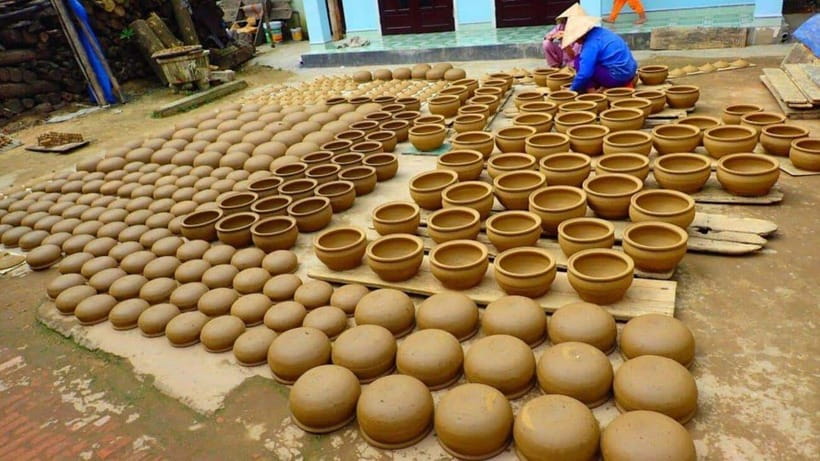
After the class, you have time to wander. This is where Thanh Ha earns its charm. You’re not trapped in a schedule. You can just walk and watch daily craft life.
If you want a structured add-on, there are two named stops that fit well:
- Xuan My Communal House: a historic meeting-place vibe where you get a sense of how communities organized life
- Nam Dieu Temple: a calmer temple visit that pairs nicely with the slower pace of the village
You can also just stroll the quiet lanes and look at more pottery along the way. If it’s raining, this is still a good choice because it’s indoors/covered enough during the hands-on part, and then you can move around the village at your own speed.
Who this workshop is best for (and who should skip it)
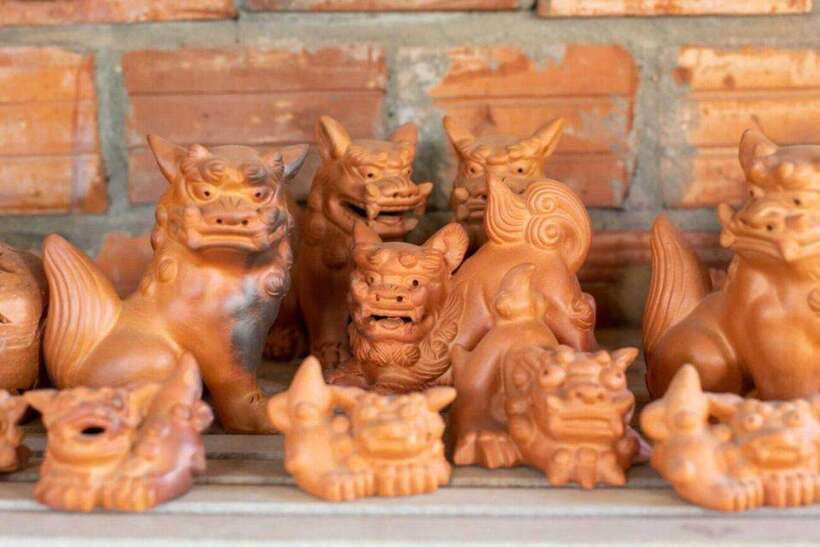
This is a great activity if you want something practical, not just sightseeing. It’s ideal for:
- Couples who want a shared activity that feels local
- Families with children (many people like the hands-on nature and the fact that kids can do it)
- Solo travelers who want a friendly, small-group experience
- Anyone who likes crafts and wants a souvenir with a story
It’s not a great fit if you’re:
- Using a wheelchair or have mobility impairments, since the setting is not set up for that
- Expecting a long, formal art class with glazing and firing techniques you can control yourself
Also, language isn’t a dealbreaker. English support exists, but craft teaching here is often more about demonstrations, simple directions, and hands-on coaching.
Logistics that matter: tickets, time, and what to pack
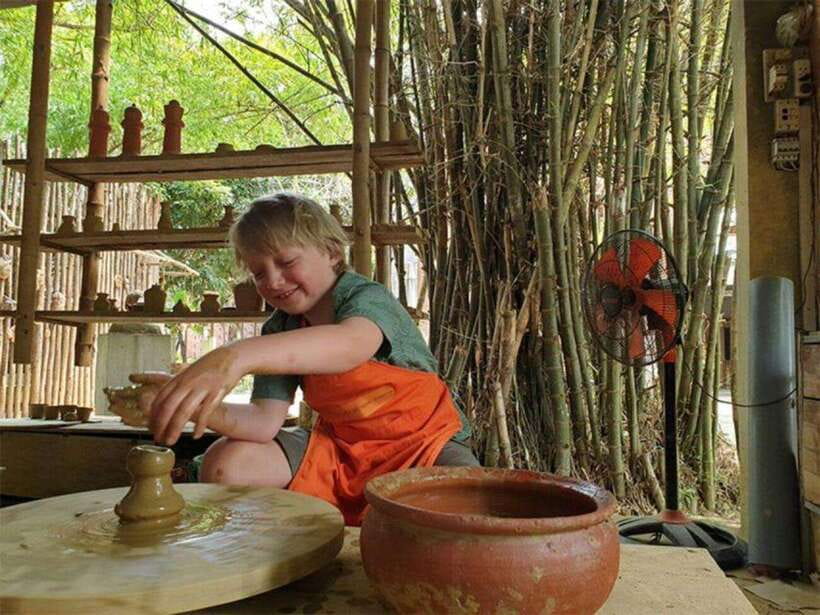
Here are the practical points that save you time and frustration.
- Entrance fee: 35,000 VND is separate from the workshop price. Plan on buying it at the ticket counter when you arrive.
- Time expectations: the making part is around 20 minutes, but painting and finishing can stretch the overall experience to roughly an hour in some sessions.
- Comfort: wear clothes you don’t mind getting a bit dusty.
- Photos: you’ll likely be tempted to photograph the process. Do it, but don’t block the instructor while they’re guiding you.
One more note: communication is limited, so don’t worry if you don’t catch every word. The important steps are shown with actions.
How to get the most out of your pottery souvenir
Your finished piece is your souvenir, so treat the workshop like you’re creating something you’ll actually want to use or display.
A few tips that help:
- Take your time during shaping. If you rush, it can crack or lose form.
- When painting, focus on clean lines and a simple pattern if you’re not confident.
- Ask the instructor to clarify which piece you’ll end up taking home and when it’s handled for firing.
- If you want extra items, decide early. Once you’re mid-process, it’s harder to switch gears.
If you’re the type who enjoys a skill-building challenge, this workshop delivers. Clay resists you at first, then suddenly it starts obeying your hands.
Should you book Thanh Ha Pottery Village?
Yes, I’d book it if you want a low-cost, hands-on craft experience in Hoi An that feels genuinely local. The value is strong because you’re not paying only for a show—you’re paying to make, decorate, and take home your own work. The small-group feel and the patient instruction (even with limited English) make it a very safe bet.
Skip it if you’re looking for a professional ceramics course, advanced glazing instruction, or a long guided tour with lots of historical depth. This is a short, friendly workshop plus village wandering. If that matches your mood, you’ll be glad you went.
FAQ
What’s included in the Thanh Ha pottery workshop?
You get a local instructor, the pottery-making experience (about 20 minutes), a little gift, and a pottery souvenir made by you to take home.
Is the Thanh Ha Village entrance fee included in the $8 price?
No. The village entry ticket is separate (35,000 VND) and you must buy it at the ticket counter.
How long does the activity take?
The workshop duration is listed as about 30 minutes, with the hands-on pottery-making time around 20 minutes. You can also extend time to finish your product if you want.
Do I need any prior pottery experience?
No. The workshop is designed for all skill levels, and you’ll be guided through the steps.
Will I be able to paint my pottery?
Yes. Painting and decorating are part of the experience, and you’ll take your decorated piece home.
Where does the experience meet?
The meeting point is at Nguyen Sau Pottery Workshop, near Terra Cotta Homestay and Hostel.
Is it suitable for people using wheelchairs?
No. It’s not suitable for mobility impairments or wheelchair users.