REVIEW · DUYEN HAI NAM TRUNG
Da Nang: Traditional Cooking Class with meal in Local Family
Book on GetYourGuide →Operated by Thao Nguyen Travel Company · Bookable on GetYourGuide
Cooking in a local kitchen changes your whole trip. This Da Nang class is a warm, casual evening where you learn by doing, then sit down to eat what you made. It’s built for travelers who want more than a quick taste of Vietnamese food.
What I like most is the hands-on format: you prep dishes yourself, not just watch. I also like that the meal feels like a local family moment, with a simple, practical approach to recipes you can repeat at home.
One consideration: it’s not suitable for people with mobility impairments, and there’s no hotel pickup—so you’ll want to get yourself to the meeting point smoothly.
In This Review
- Key things I think you should care about
- A family kitchen in Da Nang beats another city-night plan
- Meeting Rose and settling in with welcome drinks
- Hands-on Vietnamese cooking: spring rolls and beef noodles
- Fried spring rolls (what you’ll master)
- Beef noodles (where flavor-building clicks)
- Unlimited passion juice to keep you moving
- The lesson style that makes it feel easy
- Sitting down for the meal you cooked
- Getting recipes to repeat the magic at home
- Price and value: is $32 worth it?
- Who should book this class (and who should skip it)
- Should you book Danang Happy Cooking Class?
- FAQ
- What dishes are included in the cooking class?
- How long is the experience?
- Is the class taught in English?
- How big is the group?
- Are vegetarian or vegan options available?
- Where is the meeting point?
- Is hotel pickup and drop-off included?
- Do children get charged?
- Is there an extra charge for public holidays?
- Is the experience suitable for people with mobility impairments?
Key things I think you should care about
- Hands-on cooking: you actively make two classic dishes, not just assemble components
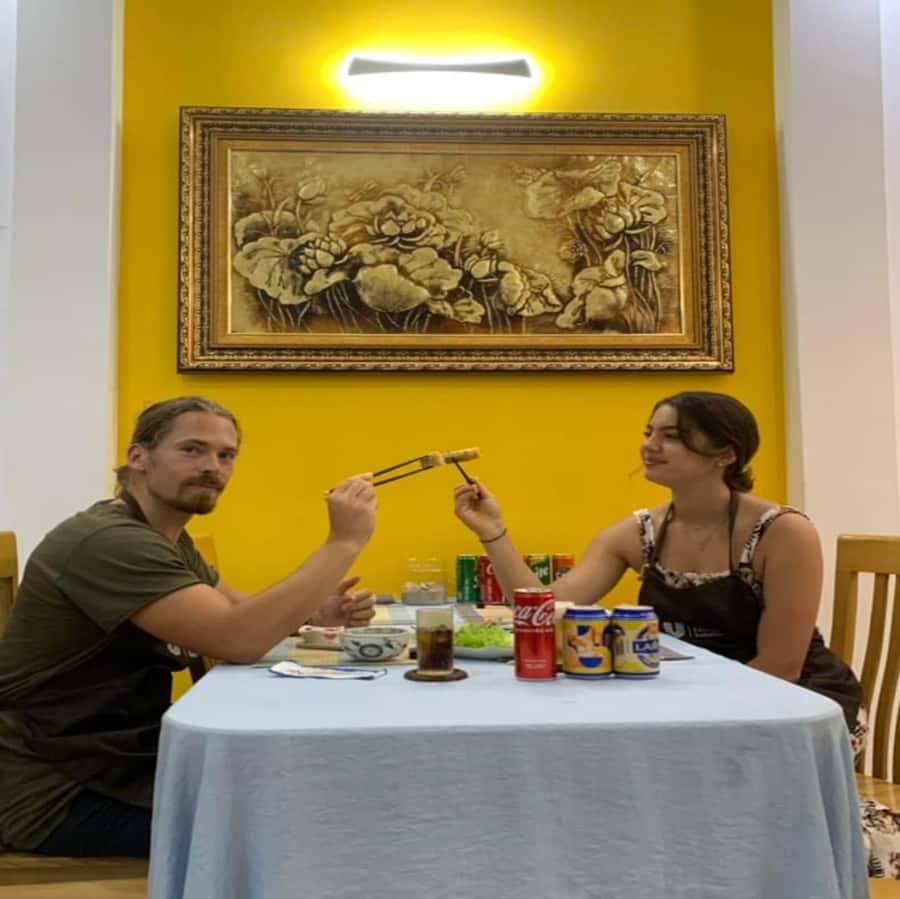
- A local-family meal: you eat what you cook, in the setting where everyday cooking happens
- Unlimited passion juice: included throughout the experience
- Recipes to take home: you leave with instructions so you can cook again for friends
- Small group size: limited to 10 participants, which keeps the lesson practical
- Menu with flexibility: vegetarian/vegan options are available if you request them, and ingredients may shift with availability
A family kitchen in Da Nang beats another city-night plan
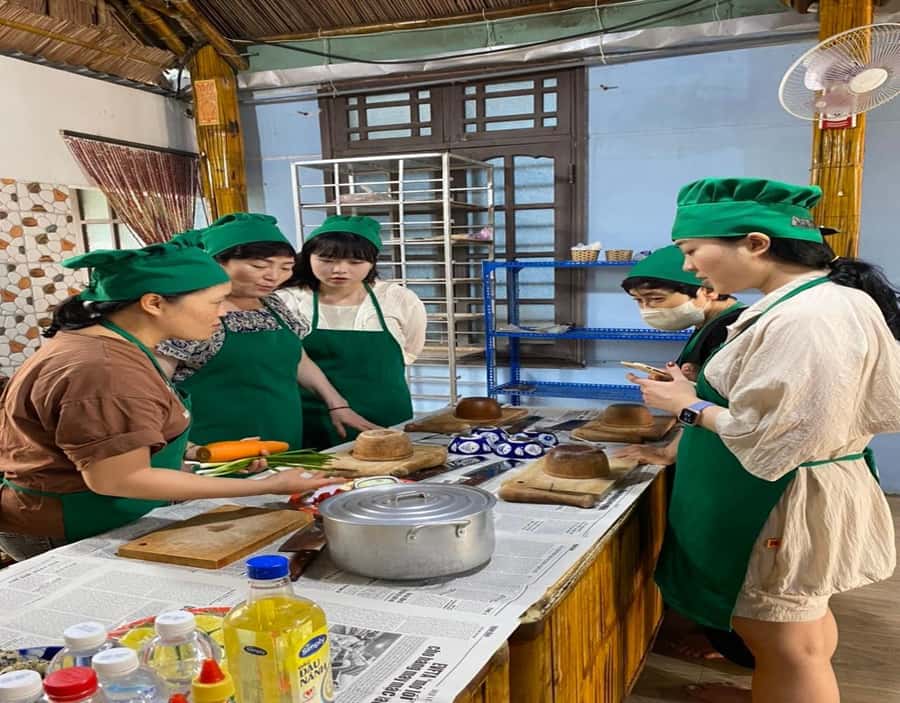
If you’re in Da Nang and thinking about your evenings, a cooking class can be the most direct way to connect with daily life here. This one works because it’s not staged like a show. You join the kitchen flow, learn the moves, and taste the results right away.
The setting matters. A local-family kitchen turns cooking into something normal and lived-in, not a performance for tourists. That makes the lesson easier to absorb too—because you’re learning inside the rhythm of how Vietnamese home meals are actually put together.
You’ll be cooking with an English-speaking main chef, and the class is designed to be hands-on from start to finish. The tone is casual and friendly, so you don’t need to be a confident cook to keep up.
You can also read our reviews of more cooking classes in Duyen Hai Nam Trung
Meeting Rose and settling in with welcome drinks
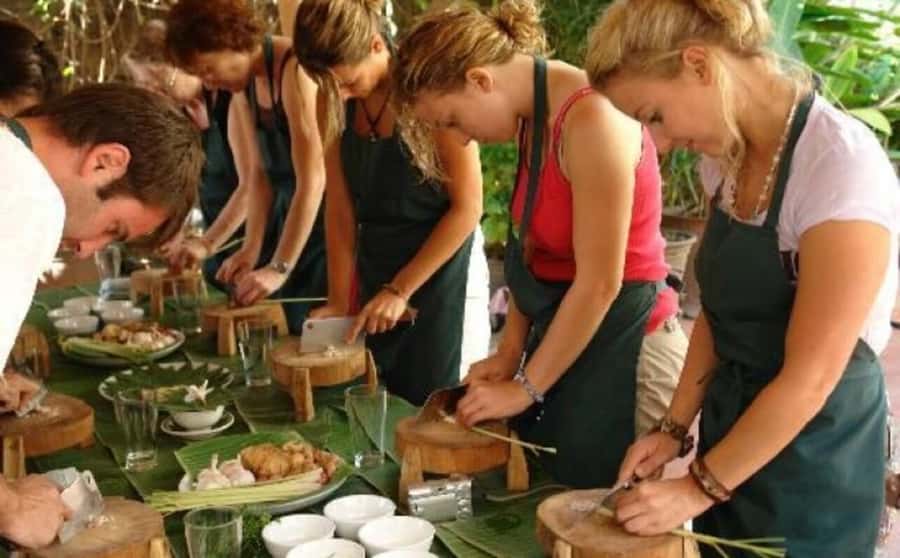
Your evening begins at 279 Mai Đăng Chơn Street, Đà Nẵng, Viet Nam. Since there’s no hotel pickup, I’d plan to arrive a bit early and take a quick walk around the area so you feel oriented when you meet the chef.
In the kitchen, the first phase is about getting you comfortable. You’ll have welcome drinks, and then you’ll meet the chef who guides the lesson. One name you may hear from this experience is Rose, who’s described as talented and kind, with instructions that are easy to follow. That matters because a good cooking class doesn’t just give recipes—it translates technique into something you can repeat without guessing.
Because the group is small (up to 10 participants), you’re less likely to feel rushed. In practice, it means the chef can keep an eye on what’s happening at each station and adjust if someone needs a little extra guidance.
Hands-on Vietnamese cooking: spring rolls and beef noodles
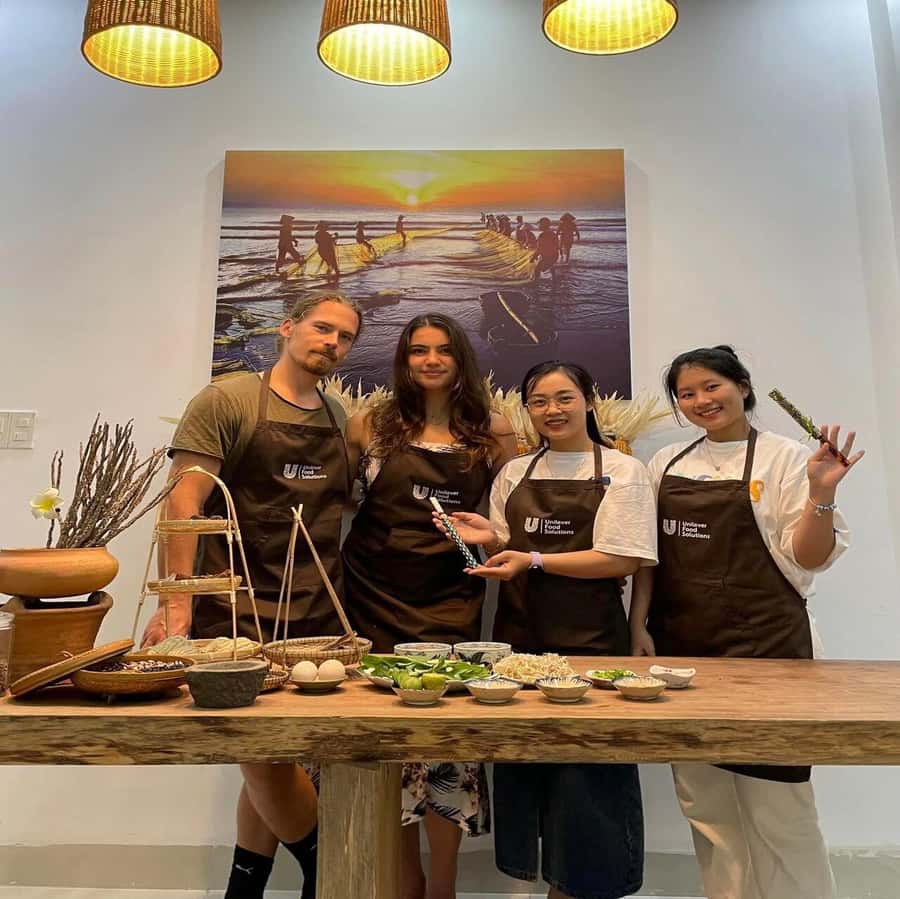
This class is built around two dishes and one drink, which is a smart choice for a 150-minute evening. You get enough time to actually learn the steps, but not so much cooking that you burn out.
Fried spring rolls (what you’ll master)
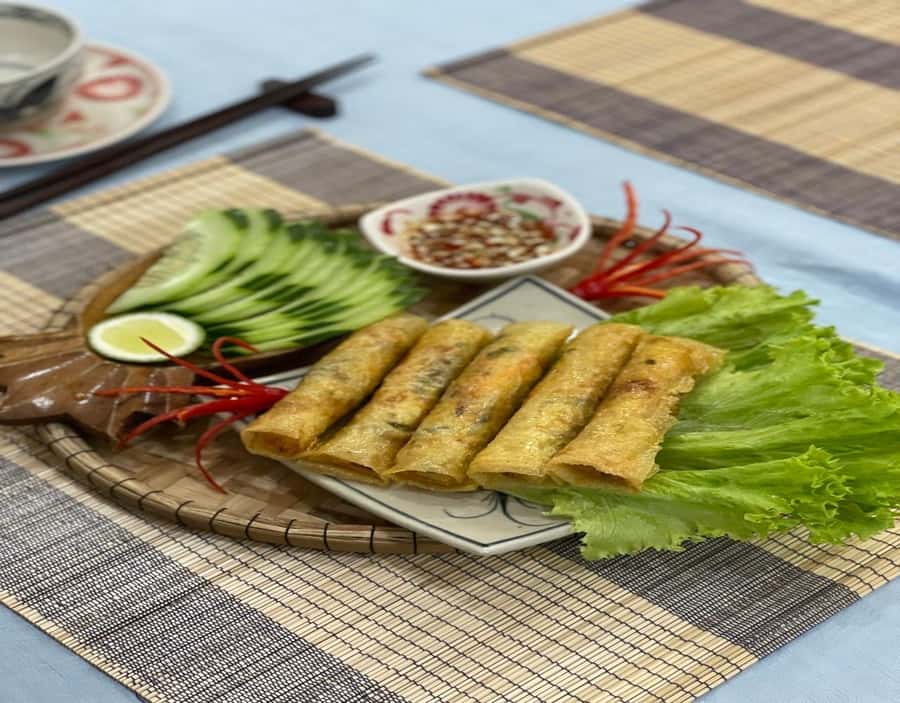
You’ll start with Fried Spring Roll, one of those Vietnamese dishes that looks simple but takes the right timing and handling to do well. In a hands-on class, you’re not just learning ingredients—you’re learning process.
What I like about this dish for learners is that it gives quick feedback. If your filling is balanced, if your wrapping is tight, if the frying is on point, you’ll feel it right away. And since spring rolls are often the first dish people try to make at home, it’s a practical skill to take with you.
Beef noodles (where flavor-building clicks)
Next up is Beef Noodles, another classic that teaches more than cooking steps. You’re learning how Vietnamese home flavor comes together—how balance matters, how texture matters, and how the final taste depends on small choices made earlier in the process.
If you want one dish that will impress friends at home, noodles are the one. You can plate them simply and still look like you know what you’re doing. A good class also helps you understand what to aim for so you can adjust flavors later, depending on what you can find at your local market.




Unlimited passion juice to keep you moving
Between cooking steps, you’ll have unlimited passion juice. This is more than a nice extra. It helps keep the pace comfortable while you work with your hands, and it makes the whole experience feel like an evening meal, not a timed workshop.
The lesson style that makes it feel easy
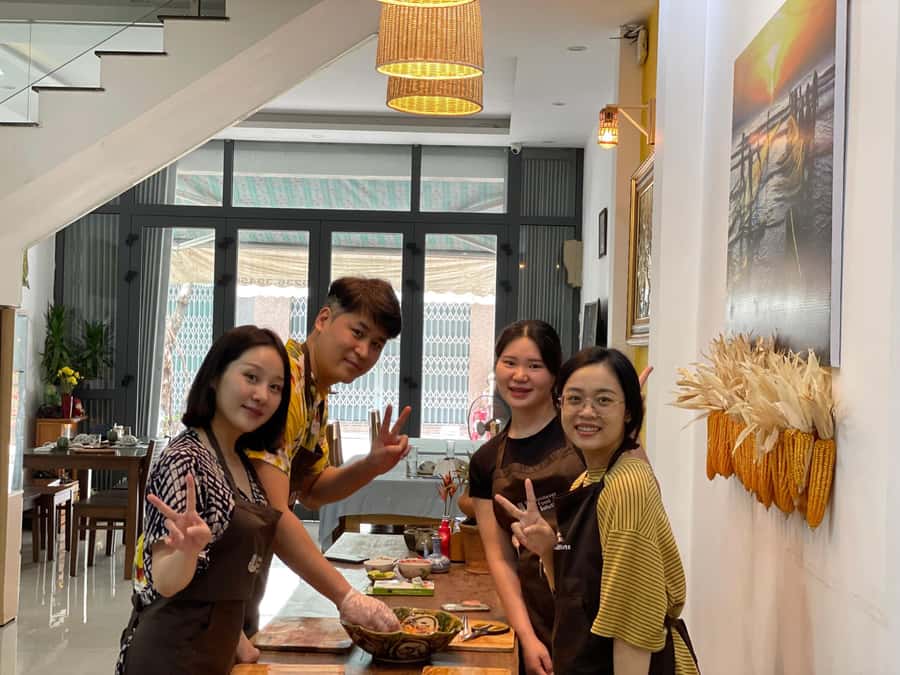
A lot of cooking classes fail because they either move too fast or teach like a textbook. This one is hands-on, with instructions in English, and it’s paced for real people who are trying something new.
From the way the class is described, the chef’s approach is orderly and clear. That’s especially important when you’re learning frying and rolling—two tasks where small technique differences matter. When instructions are simple to follow, you can focus on doing, not translating.
Also, because you’re cooking in a small group, you’re less likely to feel lost. I’d expect to spend meaningful time at each station, working through steps that actually connect to the finished meal.
Sitting down for the meal you cooked
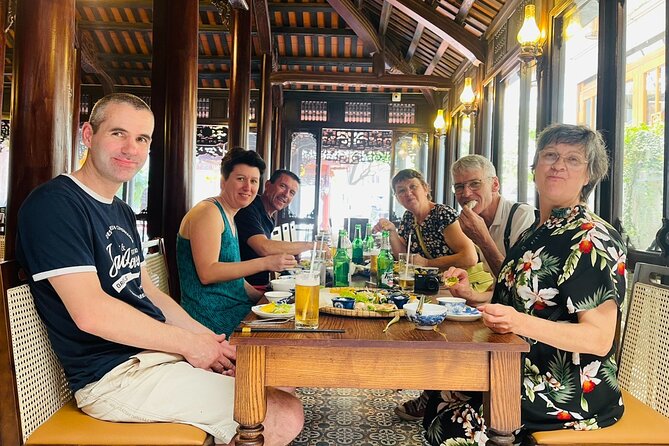
After you cook, you’ll sit down to enjoy the meal featuring the dishes you prepared. This is one of the best parts because you’re not guessing whether it worked—you taste it immediately and learn from the result.
This class also emphasizes the local-family feel. The best comment you can take from it is that the meal isn’t treated like a tourist moment. It’s treated like dinner. That’s what makes the experience feel different from many “cooking shows” where the food is an afterthought.
If you’re the type who likes to eat slowly and talk, this part will land well. You’re already invested, because you made the food. That changes how you taste—suddenly you can notice what you did, what you need to adjust next time, and what parts of Vietnamese cooking you can realistically copy.
Getting recipes to repeat the magic at home
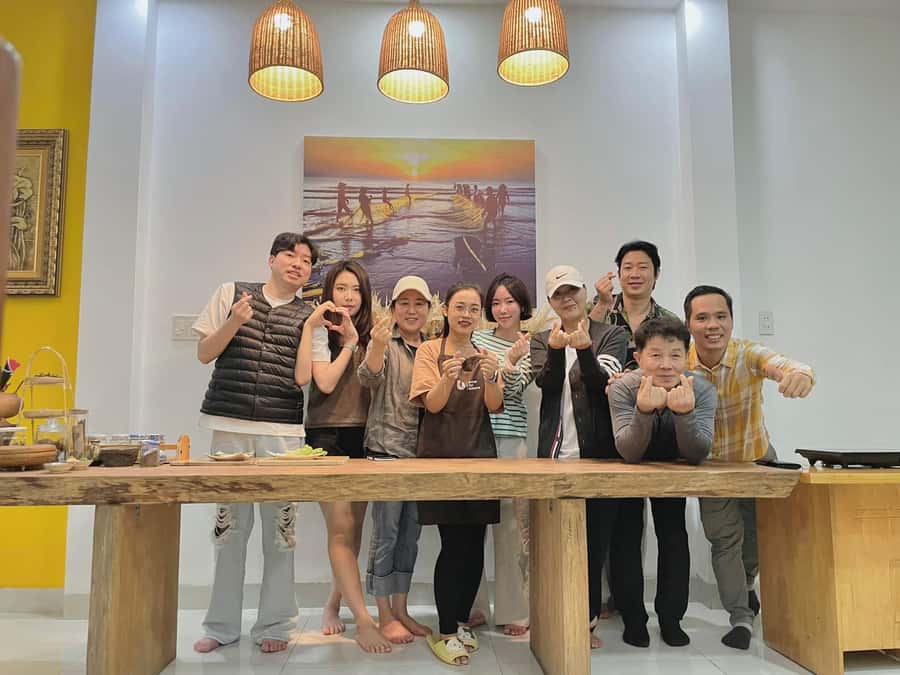
The experience doesn’t end when the meal ends. You’ll get recipes so you can recreate what you cooked later.
Why this matters: most travelers leave cooking classes remembering flavors but not steps. A recipe pack gives you a map for the next attempt, and it helps you avoid the classic problem of cooking by memory—especially with spring rolls and noodle dishes where texture and seasoning balance matter.
If you’re cooking for friends at home, this is the real value. It turns a good night out into a skill you can keep using. You’ll also be able to fine-tune based on ingredients you can source locally, instead of trying to match everything exactly.
Price and value: is $32 worth it?
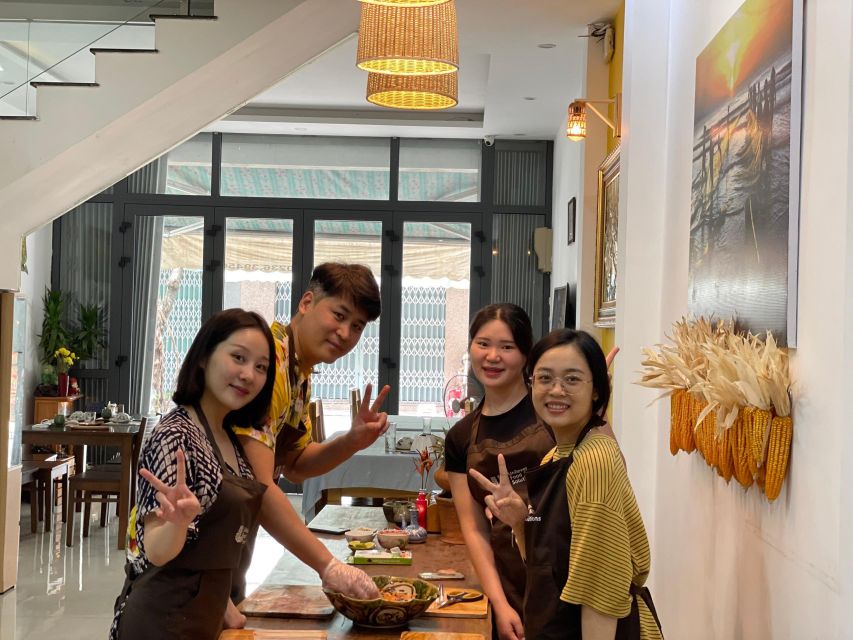
At $32 per person for 150 minutes, this sits in a mid-range price zone for cooking classes in Vietnam. The question isn’t just whether it’s “cheap” or “expensive.” It’s whether what you get matches the cost.
Here’s what you’re paying for:
- Two dishes you cook yourself (not just one)
- Ingredient work that’s detailed enough to make the finished meal enjoyable
- Unlimited passion juice
- Meal included
- English instruction
- A small group setting (up to 10)
- Recipes you take home
Now consider what isn’t included:
- No hotel pickup or drop-off, so you’ll cover your own transport to the meeting point
- Personal expenses not mentioned
Is it pricey for what you cook? That concern shows up in one review. But the strongest argument for value is the combination of hands-on cooking + meal + recipes in a local-family environment. If you want a quick, casual food taste, you could probably find cheaper. If you want an experience that teaches you to cook and then lets you eat the result, this price can make sense.
There’s also a possible extra cost to be aware of: on Vietnamese public holidays, there’s an additional 150,000 VND per person paid in cash for booking. If your trip lands on one of those days, budget for it.
Who should book this class (and who should skip it)
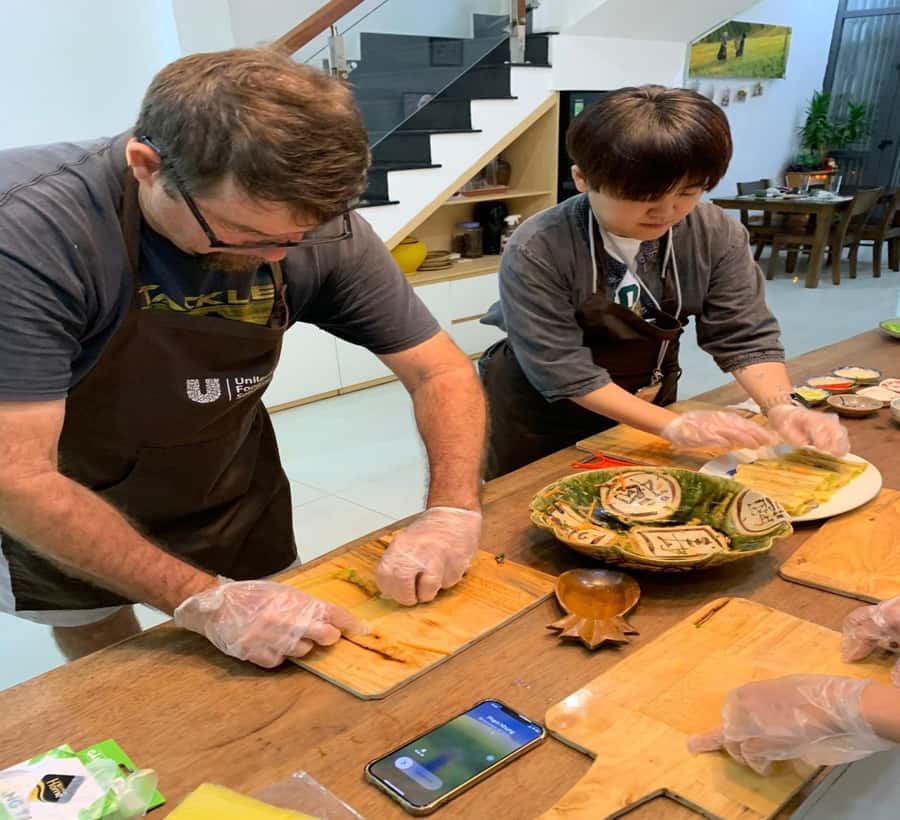
This class is a great fit if:
- You want an evening plan that feels more local than another restaurant run
- You like learning by doing and want recipes you can actually repeat
- You’re interested in classic Vietnamese comfort dishes like spring rolls and beef noodles
- You’d appreciate a small-group setting and clear English guidance
It may not be the best fit if:
- You need mobility-friendly access, since it’s not suitable for people with mobility impairments
- You strongly prefer hotel pickup and a fully scheduled, door-to-door experience (there’s no pickup here)
If you’re traveling solo, it can still work well because the group is small and the setting is casual. If you’re traveling with friends, it’s fun to compare what you did and help each other improve your technique next time.
Should you book Danang Happy Cooking Class?
I’d book this if you want your Da Nang trip to include a real, practical cooking experience—hands-on, friendly, and finished with a meal you made. The strongest reasons to choose it are the local-family feel, the clear instruction style, and the fact that you leave with recipes instead of just photos.
If you’re budget-tight or you hate the idea of finding your own way to a meeting point, you might feel the price more strongly. But if you’re looking for value in skills and a calmer, less touristy dinner experience, this one is a smart choice.
FAQ
What dishes are included in the cooking class?
You’ll cook fried spring rolls and beef noodles, and you’ll also have unlimited passion juice as part of the experience.
How long is the experience?
The duration is 150 minutes.
Is the class taught in English?
Yes. There is an English-speaking main chef.
How big is the group?
The group is limited to a small group of up to 10 participants.
Are vegetarian or vegan options available?
Yes. Vegetarian/Vegan menu is available upon request.
Where is the meeting point?
The meeting point is 279 Mai Đăng Chơn Street, Đà Nẵng, Viet Nam.
Is hotel pickup and drop-off included?
No. Hotel pickup and drop-off are not included.
Do children get charged?
Children under 4 are free of charge and do not join the cooking, but they can share the meal with parents.
Is there an extra charge for public holidays?
Yes. There is an extra-charged 150,000 VND per person paid in cash for Vietnamese public holidays.
Is the experience suitable for people with mobility impairments?
No. It is not suitable for people with mobility impairments.