REVIEW · HO CHI MINH CITY
Cu Chi Tunnels and Mekong Delta 1 Day Tour from Ho Chi Minh City
Book on Viator →Operated by GTrip Vietnam Tours · Bookable on Viator
Two Vietnam worlds in one exhausting day. You’ll start at the Cu Chi Tunnels—tight, tense, and educational—then shift to river calm in the Mekong Delta with boats and canal rides.
I really like that this tour runs with private, guide-led attention instead of a loose hop-on setup, so questions don’t get lost. I also like the practical touch of entry tickets included, which helps you get going faster once you arrive.
My favorite part is the contrast: the hands-on tunnel crawl and trap sights in the morning, then the slower Mekong rhythm with sampan and fruit-and-coconut stops in the afternoon. The main drawback to consider is the tunnel side: it’s described as tight and dark, so if you don’t do well with claustrophobic spaces, think twice.
In This Review
- Key highlights worth planning for
- A single-day plan that actually feels like two different movies
- Cu Chi Tunnels: living history with tight spaces and strong war context
- Getting more out of the tunnel time
- B52 bomb hole and wartime workshop stops that add texture
- Mekong Delta: the pace shift from tense tunnels to river calm
- Thoi Son Islet: fruit, honey bees, and music
- Sampan canals, coconut sweets, and rice paper-making
- What you eat and drink on a long day
- Price and value for a $125 private full-day tour
- Best fit: who will enjoy this day the most
- Quick practical tips before you go
- Should you book Cu Chi Tunnels and Mekong Delta in one day?
- FAQ
- How long is the Cu Chi Tunnels and Mekong Delta tour?
- What time does pickup happen?
- Is this tour private?
- What’s included in the price?
- What do I do on the Mekong Delta portion?
- What’s the main activity at Cu Chi?
- Are alcoholic drinks included?
- Are tips included for the guide and driver?
- What happens if the weather is bad?
Key highlights worth planning for
- Private guide time that keeps both war history and Mekong culture understandable
- Entrance fees handled so you spend more of the day at the sites, less at counters
- Tunnel experience including trap areas and a visit to a B52 bomb hole site
- Thoi Son Islet activities with fruit tasting, honey-bee process viewing, and local music
- Boat + sampan + tram loop that mixes scenery with hands-on small workshops
- Food rhythm: a wartime-flavored lunch period before the Mekong side leans lighter
A single-day plan that actually feels like two different movies
This is the kind of day trip that works because it doesn’t try to cram one theme all day. You do Cu Chi Tunnels first—real-world war survival details, including weapons and traps—then you move to the Mekong, where the pace changes and the scenery does the talking.
For you, the value is that the day is structured: you’re picked up early, travel time gets used, and you return to Ho Chi Minh City in the late afternoon. You’re not stuck waiting around, and you’re not guessing where to go next.
And yes, it’s a long stretch. Expect around 10–12 hours, including pickup, travel, and the full on-the-ground segments. It’s a great one-day option if you only have a day in town—but it’s also enough time that you’ll want comfortable shoes and a plan for sun and heat.
You can also read our reviews of more city tours in Ho Chi Minh City



Cu Chi Tunnels: living history with tight spaces and strong war context
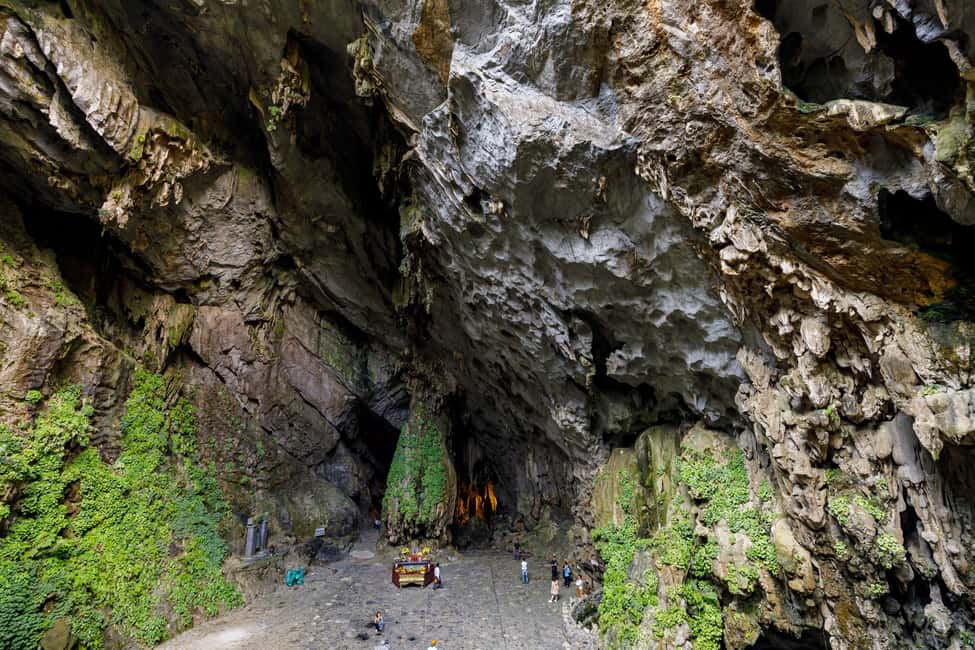
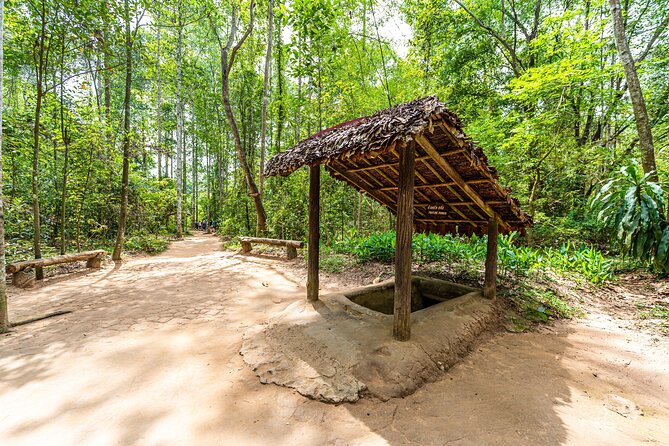
Cu Chi is about 60 kilometers from central Ho Chi Minh City, which makes it very doable as a morning anchor before the Mekong. At the gate area, you get a structured introduction to the people’s war story: weapons used during the conflict, how the tunnel system was built and used, and the logic behind the survival approach.
You’ll also watch a documentary about the tunnel system and the war period. That matters because it helps you connect the dots before you physically go in. You’re not just walking through a set of props; you’re learning why the layout mattered.
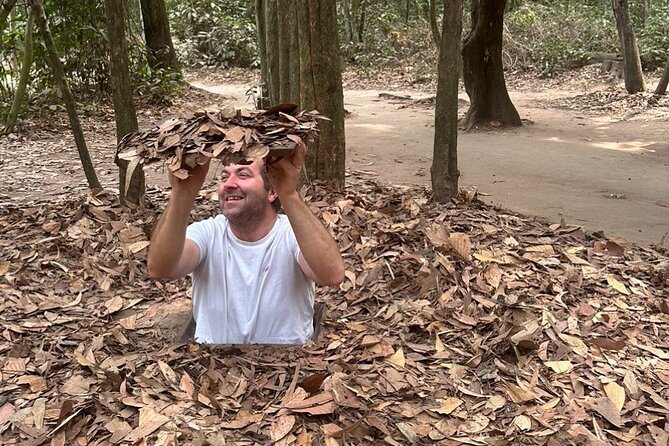
Once you shift from explanations to experiences, you’ll see and learn about deadly traps used by the VC, including how they worked. This section can feel intense. It’s not built to be cute or light. The goal is to show survival design, not to turn tragedy into a thrill ride.
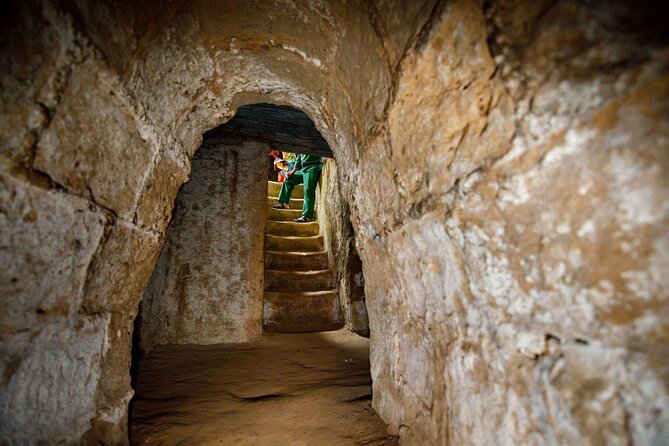
Then you get the big moment: you can go into the tunnels and experience what it’s like to move as a VC soldier would have. People describe it as tight and dark, and that aligns with what you should expect from a real underground passage. If you’re traveling with someone who hates cramped spaces, consider whether they’ll be comfortable watching from outside instead.
Getting more out of the tunnel time
To make this work well for you, arrive mentally ready. This isn’t a quick photo stop. Listen to the guide’s cues, keep moving carefully where instructed, and don’t rush. You’ll remember the stories far more if you slow your pace down just enough to take in the meaning of what you’re seeing.
B52 bomb hole and wartime workshop stops that add texture
After the main tunnel segment, you’ll also visit the B52 bomb hole area. It’s one of those sights that changes the scale of the story fast. You see the physical aftermath, and it makes the war context feel less abstract.
Then there are workshop areas that add texture beyond the tunnels. You’ll be introduced to a weapon workshop and a VC soldier combat sandals workshop. You’ll learn about the kind of everyday tool-making that helped people function under extreme conditions.
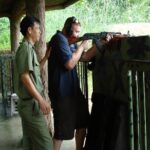
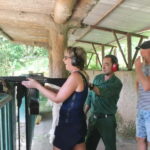
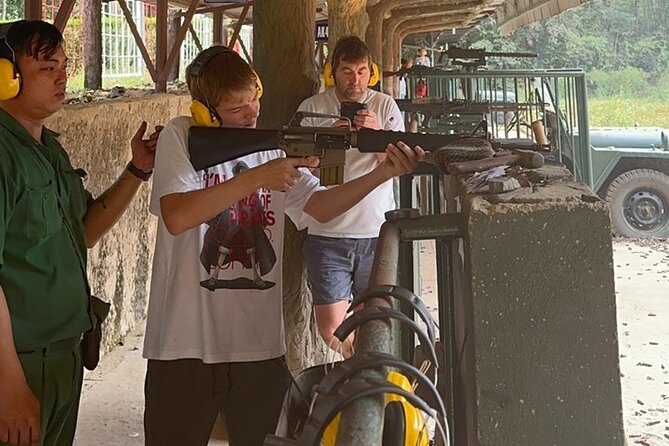
If you’re curious about hands-on demonstrations, some visitors note experiences like trying shooting an AK during the Cu Chi visit. That detail isn’t presented as a guaranteed included activity in the core plan you’re given, so treat it as something to ask your guide if it’s available on that day.
Bottom line: the Cu Chi portion isn’t only about war visuals. It’s about how people organized survival—from underground movement to improvised tools.
Mekong Delta: the pace shift from tense tunnels to river calm
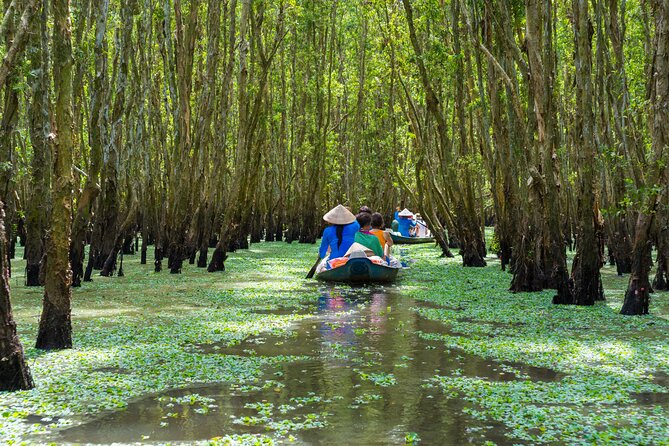
After Cu Chi, you head to the Mekong Delta, and the plan includes lunch at a local restaurant on the way. This is a good reset point for your body: you’ve been in heat, on the move, and dealing with an intense environment. A proper meal makes the afternoon much easier.
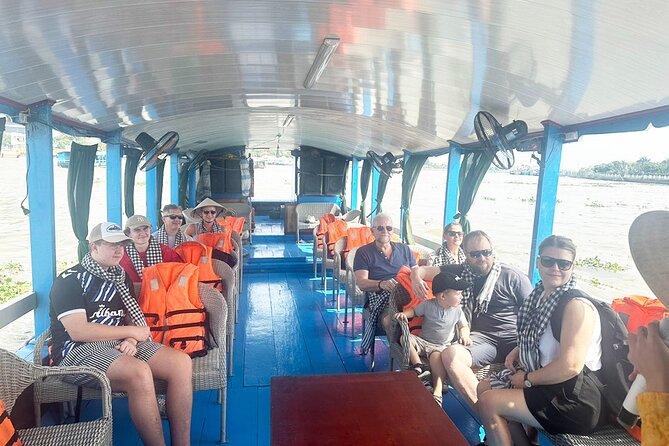
Then you board a boat to visit floating fishing villages along the Tien River. This gives you a different kind of perspective on life here—less about survival technology and more about how communities adapt to waterways.
A few more Ho Chi Minh City tours and experiences worth a look


Thoi Son Islet: fruit, honey bees, and music
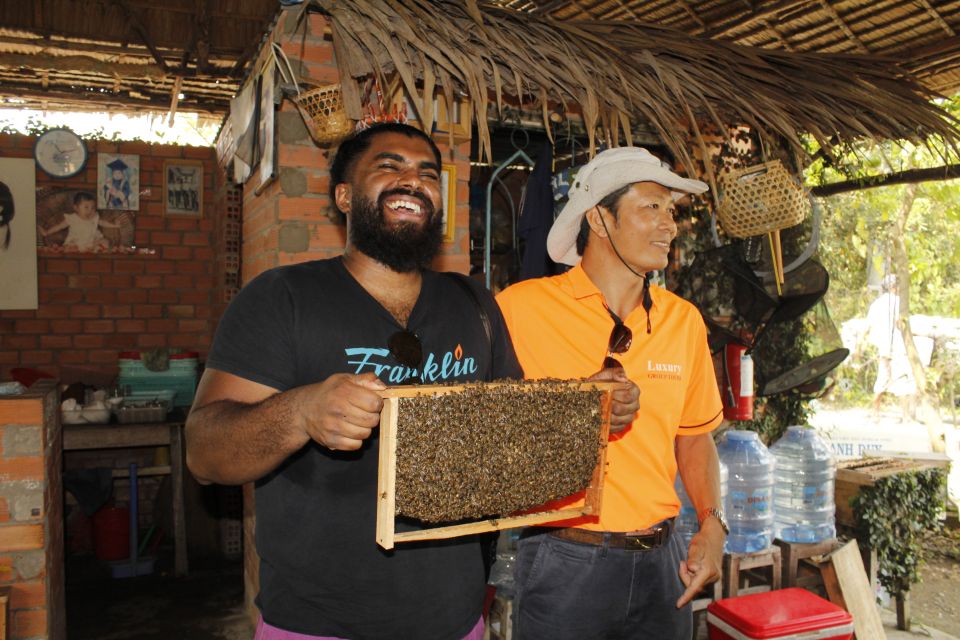
One of the more memorable parts of the Mekong segment is Thoi Son Islet (Lan Islet). Here, you can see the orchard setting and learn about the process of producing and gathering honey bees.
You can also harvest fruit directly from the garden at your own expense, which is a nice option if you like the idea of tasting what you see. The stop also includes a tram ride to Thoi Son village, where you may taste seasonal fruits and listen to Southern traditional music.
That mix—food, small culture moments, and listening time—helps you experience the Mekong as a living place rather than a postcard. You’re not just sitting on a boat staring out; you’re stepping into small rhythms of daily life.
Sampan canals, coconut sweets, and rice paper-making
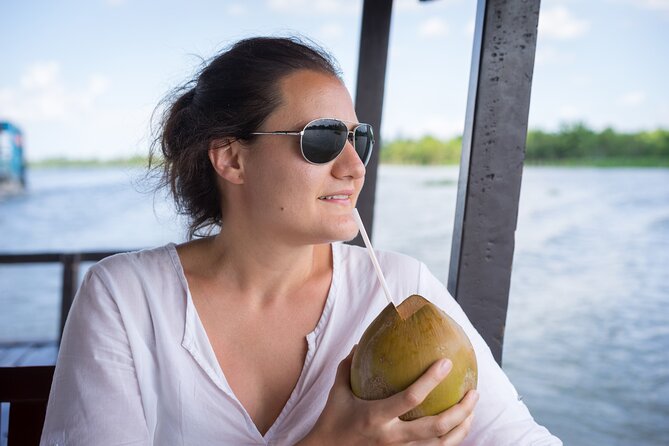
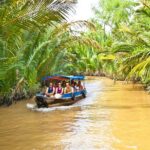
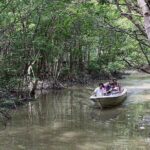
Next comes one of the most soothing parts of the day: you’ll row a sampan along a canal lined with two rows of water coconuts. This is where you feel the slow tempo of the Mekong. No engine noise becomes a real feature here.
You’ll also visit a facility that makes coconut sweets and rice paper. Even if you’re not a food-obsessed traveler, this kind of workshop matters because it connects agriculture to what you eat. It’s the practical story behind those tasty items you’ll see everywhere in Vietnam.
Some people really remember the day because of these small food connections. It’s the difference between a tour that shows places and a tour that shows how people live with what they grow.
Then you return to the boat, enjoy local coconut, and head back toward Ho Chi Minh City in the late afternoon.
What you eat and drink on a long day
This tour includes breakfast and one lunch, plus bottled water and a cold handkerchief. That matters more than you’d think on a hot day. The cold handkerchief is one of those simple perks that makes you feel human again.
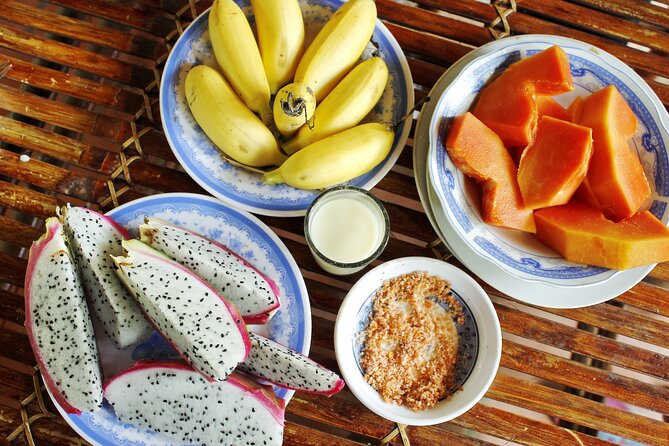
Coffee or tea and local coconut are included too. You’ll see the day’s food and drink pacing in two phases: first, a heavier wartime-leaning day feel during Cu Chi, then a lighter Mekong vibe with fruits, coconut, and slow canal time.
Lunch itself can be a highlight, especially if you like flavorful Vietnamese sauces and fish dishes. Expect a local restaurant meal as part of the schedule, not a fancy international buffet.
Price and value for a $125 private full-day tour
At $125 for roughly 10–12 hours, this is priced like a full-day private experience, not a casual group transfer. The value comes from what’s already included:
- Private transportation
- English-speaking guide
- Boat, sampan, and tram in the Thoi Son area
- Breakfast and lunch
- Bottled water, cold handkerchief, and coffee/tea
- Entrance fees for the stops
- Souvenir
If you tried to DIY this route, you’d likely spend time coordinating transport, sourcing tickets, and figuring out the river-side pieces. Here, you’re paying for time savings and a guide who ties everything together while you’re moving.
The trade-off is you should accept that it’s still a full day. You’re not building in much downtime. If you want a more relaxed pace, you might consider spreading things out across separate days in your itinerary.
Best fit: who will enjoy this day the most
This tour fits you best if you want both:
- War-era history you can physically understand (tunnel crawl and trap context), and
- Water-and-food culture in the Mekong with sampan rides and orchard village moments.
It’s also a strong fit if you like having an English-speaking guide and want undivided attention on a private format. If you’re the type who asks questions when something matters, you’ll likely get a lot out of this.
It’s less ideal if you hate underground spaces or struggle with dark, cramped environments. The tunnel section is the heart of the morning, so your comfort level there drives the whole experience.
Quick practical tips before you go
- Wear shoes you can trust. You’ll be walking a fair amount, then transitioning into tunnel conditions.
- Bring sunscreen and drink water steadily. You’ll have bottled water, but heat still wins if you ignore it.
- Pack a mindset for contrast. Cu Chi is serious. The Mekong is calmer. The emotional swing is part of the design.
- If you’re curious about any extra activities like shooting experiences, ask your guide on the day. Don’t assume it’s included in the base plan.
Should you book Cu Chi Tunnels and Mekong Delta in one day?
I’d book it if you want maximum Vietnam coverage from Ho Chi Minh City: war survival details in the morning, then a river afternoon with fruit, coconut, and canal rides. The tour’s structure, included entrance fees, and English-speaking private guide time make it feel efficient and genuinely informative.
I’d pause before booking if you know you won’t handle tight, dark spaces well. The Mekong half can be relaxing, but Cu Chi is non-negotiable in the itinerary. If you’re comfortable with that, this is a strong choice for a single-day window.
FAQ
How long is the Cu Chi Tunnels and Mekong Delta tour?
The full day runs about 10–12 hours, including pickup, travel time between destinations, and time at both stops.
What time does pickup happen?
Pickup from your hotel is scheduled for 07:30.
Is this tour private?
Yes. It’s a private tour/activity, so only your group participates.
What’s included in the price?
Included are private transportation, an English-speaking tour guide, boat/sampan/tram in Thoi Son Island, breakfast and one lunch, bottled water, cold handkerchief, coffee and/or tea, local coconut, a souvenir, and all entrance fees in the itinerary.
What do I do on the Mekong Delta portion?
You’ll take a boat to see floating fishing villages along the Tien River, then visit Thoi Son Islet and Thoi Son village, row a sampan through a canal lined with water coconuts, and visit a coconut sweets and rice paper-making facility.
What’s the main activity at Cu Chi?
You’ll visit Cu Chi Tunnels, including learning about the tunnel system, seeing wartime elements like traps and a B52 bomb hole, and then crawling through the tunnels as part of the experience.
Are alcoholic drinks included?
No. Alcoholic beverages are not included and would be ordered separately at meals.
Are tips included for the guide and driver?
No. Tips for the tour guide and driver are not included.
What happens if the weather is bad?
The experience requires good weather. If it’s canceled due to poor weather, you’ll be offered a different date or a full refund.