REVIEW · CENTRAL VIETNAM
Coffee & Culture Experience _From Farm to Cup by Elon Farm
Book on Viator →Operated by ELON FARMSTAY · Bookable on Viator
Coffee here starts on a real farm. I like that you can roast your own coffee after seeing how cherries turn into green beans, so it feels practical, not just scenic. The day also threads in culture stops at Thác Voi Elephant Waterfall and Linh An Pagoda, with a farmstay vibe through Elon Farmstay.
Another highlight I appreciate is the coffee-to-cup workflow: farming, harvesting, processing, milling, and roasting are explained step by step, with coffee and tea breaks built in. Jenny and her family bring that home-style welcome, and it makes the whole thing feel more human than staged.
Do note the hands-on harvesting is aimed at November to February for picking ripe cherries. If your trip falls outside that window, you should expect more emphasis on processing and roasting than on picking.
In This Review
- Key Highlights at Elon Farm’s Coffee & Culture Experience
- Farm-to-Cup in Central Vietnam: What Elon Farmstay Actually Shows
- Elon Farmstay Welcome, Meals, and the Small-Group Advantage
- Harvesting, Processing, Milling, and Roasting: Your Coffee Hands-On Path
- Farm visit and daily work
- Coffee harvesting (November to February)
- Processing: cherries to green beans
- Milling: setting up beans for roasting
- Roasting your own coffee
- Stop 1: Thác Voi Elephant Waterfall for a Nature Reset
- Stop 2: Linh An Pagoda for Local Calm
- Included Extras That Make the Day Feel Like a Stay
- Price and Value: What $33.57 Gets You Here
- Getting the Timing Right: Harvest Season and Weather
- Who This Coffee & Culture Day Suits Best
- Should You Book Elon Farm Coffee & Culture Experience?
- FAQ
- What is the duration of the experience?
- What coffee activities are included?
- When is coffee harvesting available?
- Where are the main sightseeing stops?
- What’s included in the price?
- How big is the group?
- Where do you meet, and where does the tour end?
- What happens if weather is bad or you need to cancel?
Key Highlights at Elon Farm’s Coffee & Culture Experience
- Roast your own coffee after learning how green beans become aromatic coffee
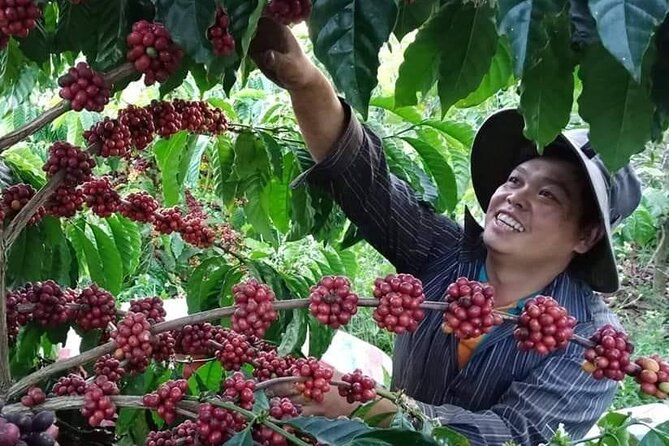
- Harvest-season cherry picking when ripe cherries are available (November to February)
- Full coffee process walkthrough from cherries to green beans to milling
- Two major stops: Thác Voi Elephant Waterfall and Linh An Pagoda
- Small group size with a maximum of 6 travelers for a more personal pace
- Farmstay meals and extras like bicycle time and a Vietnamese hat
Farm-to-Cup in Central Vietnam: What Elon Farmstay Actually Shows
This is a coffee farm day that’s built around the real journey, not just the final cup. You start by visiting the coffee farm and learning how local farmers cultivate the plants and work the land. Then the focus moves through the full chain: harvesting ripe cherries, processing them into green beans, milling them for roasting, and finally turning them into something you can taste.
What I like most is that the tour’s story matches how coffee really changes at each step. Coffee doesn’t become coffee all at once. It changes through small choices, like which cherries are selected and how the cherries are processed afterward. That’s where this experience earns its keep: you get enough of the process to understand why two cups of coffee can taste so different even when they come from the same general region.
And because this is hosted out of a family-run farmstay setting, the tone stays casual. You’re not treated like a spectator. You’re treated like someone who wants to know what you’re looking at and how it affects the cup.
You can also read our reviews of more tours and experiences in Central Vietnam.

Elon Farmstay Welcome, Meals, and the Small-Group Advantage
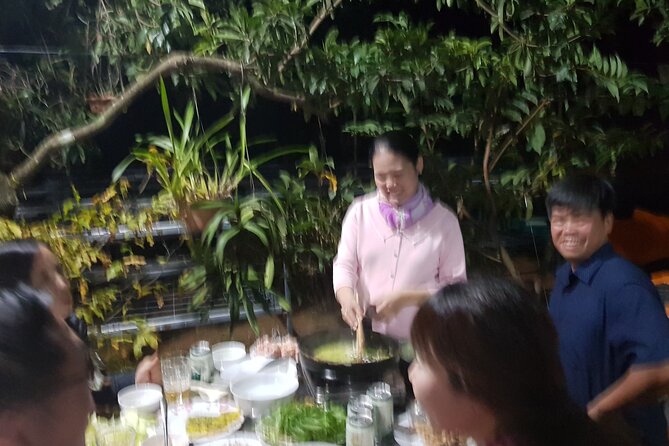
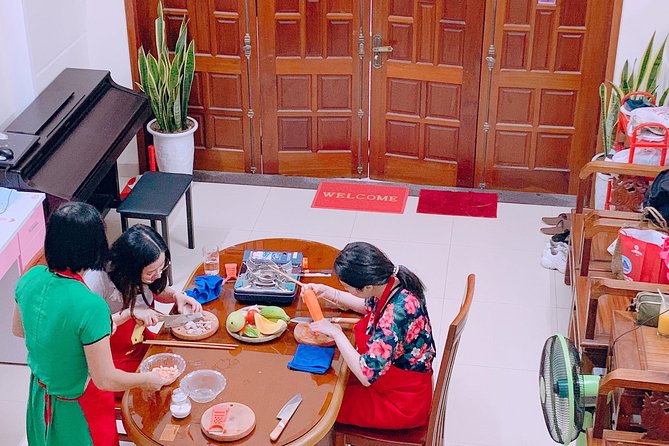
The meeting point is Elon Farmstay in Gia Lâm Commune (Quang Trung II Hamlet, Lâm Hà, Lâm Đồng). It’s not a huge “tour office” feel. It’s closer to arriving at a working home and getting pulled into the day.
This matters, because the group size is limited to a maximum of 6 travelers. When a tour is that small, you get a better rhythm. You can ask questions without feeling rushed, and you’re less likely to get separated into a fast-moving crowd.
The included meals are another big value signal. You get breakfast, lunch, and dinner, plus water, coffee, and tea. That’s not just convenience. It makes the schedule easier to enjoy, because you’re not constantly figuring out where to eat between stops. It also helps the experience feel like a real stay, not only a quick hop for photos.
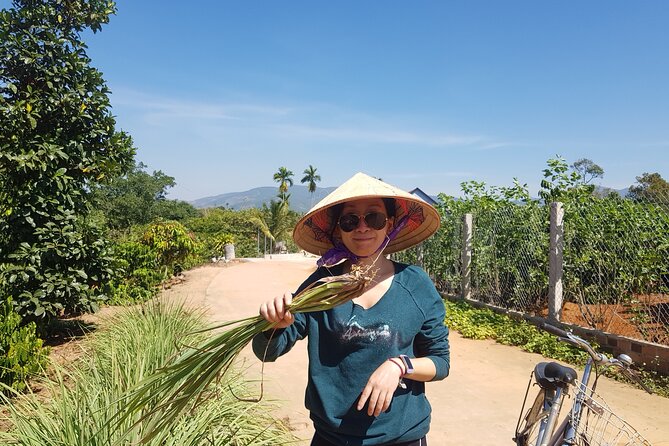
You’ll also get a bicycle and a Vietnamese hat included. The listing doesn’t spell out exactly how they’ll be used, but extras like this are a clue about the style of the day: hands-on, local, and designed to help you move around the property and blend in a bit.
One more practical note: the listing duration is listed as about 5 hours, but overnight stay is included as well. So treat this as a farm experience that can run longer than a simple half-day.
Harvesting, Processing, Milling, and Roasting: Your Coffee Hands-On Path
If you care about coffee, this is the part you’ll want to slow down for. Here’s what the experience is built around, and why each step is worth your attention.
Farm visit and daily work
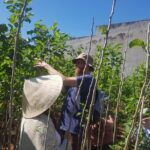
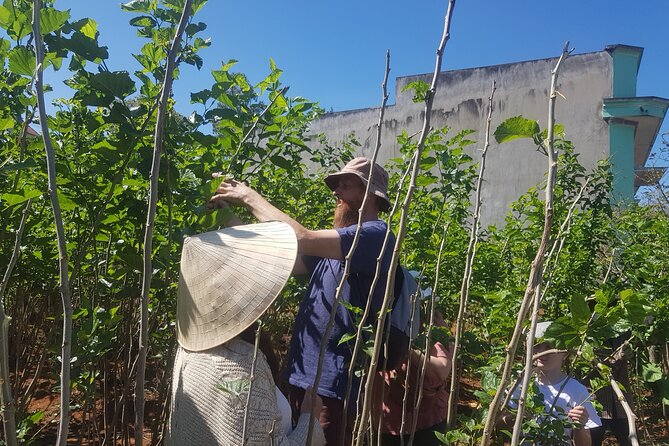
You begin with a farm visit to see how coffee plantations are cultivated. Even without technical jargon, you’ll start to connect what you see on the plants with the final cup. Farming is seasonal work, and coffee farmers plan their labor around what the crop needs.
Coffee harvesting (November to February)
During harvest season, you’ll visit the farm when it’s time to pick ripe coffee cherries. The timing matters because only cherries at the right stage will give good raw material for processing. The experience is clearly designed around that season, so if you travel outside November through February, plan for less emphasis on cherry picking and more on what happens after the harvest.
A few more Central Vietnam tours and experiences worth a look
Processing: cherries to green beans
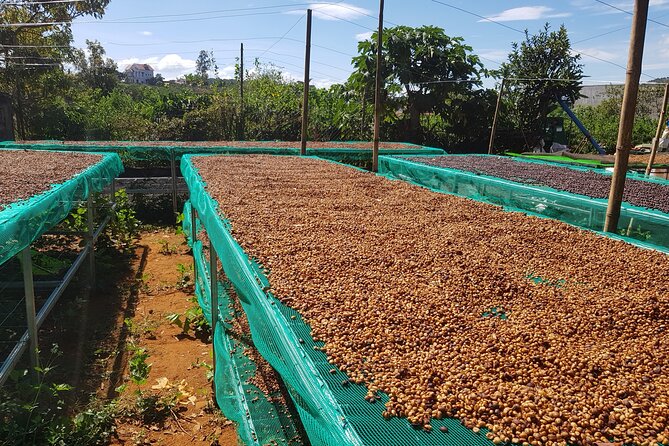
Next comes processing, where cherries turn into green beans. This is where coffee’s personality really begins to form. The way cherries are processed influences what you’ll taste later, because it affects fermentation, drying, and the final bean quality.
You’ll also learn about the steps that link processing to taste. Even if you don’t become a coffee scientist in one afternoon, you’ll leave with a clearer mental map: coffee flavor isn’t random. It’s built.
Milling: setting up beans for roasting
After processing, milling prepares the coffee for roasting. This stage is less glamorous than roasting, but it’s essential. If you want to understand the full farm-to-cup chain, milling is where you see how the beans get ready for the transformation that happens next.
Roasting your own coffee
Then you get to roast your own coffee. This is the hands-on payoff. Roasting is where aroma and flavor show up fast. Watching green beans change into aromatic coffee teaches you quickly why roast style matters and why people argue so much about it.
You also get a chance to see that roasting isn’t just a single setting. Different roasting styles can lead to different cup results. Even if you’re not picky about roast profiles right now, roasting your own batch turns you into an informed participant instead of a passive learner.
Stop 1: Thác Voi Elephant Waterfall for a Nature Reset
The itinerary includes Elephant Waterfall at Thác Voi as Stop 1. This is a good breather between coffee-heavy learning. After a farm day where you’re focused on process and detail, a waterfall stop changes the tempo. You get movement, fresh air, and a chance to shift from tasting and talking to simply taking in the scenery.
One practical reason this stop makes sense: it helps balance a tour that could otherwise feel like all instruction all the time. Coffee is sensory, but it can also be a lot of talking and watching. A waterfall stop turns the day into a mix of learning and exploring.
I’d also treat this as a weather-dependent segment. The experience requires good weather, and waterfalls are obviously more enjoyable when conditions cooperate. If rain changes plans, you’ll want to accept that the day’s pacing may adjust.
Stop 2: Linh An Pagoda for Local Calm
Stop 2 is Linh An Pagoda. This is where the tour adds a cultural layer that goes beyond coffee. Pagodas aren’t just landmarks here. They’re places tied to daily life and local faith, and a visit gives you context for the broader region you’re traveling through.
What I like about including a pagoda stop is that it gives you contrast. Coffee farms can feel busy with hands-on work and constant motion. A calm stop like a pagoda slows you down. You’re not only collecting sights; you’re collecting the mood of the area.
Even if you don’t know the names of religious details, you can still respect what you’re seeing by keeping your pace gentle and your attention focused. It’s the kind of stop that rewards quiet curiosity.
Included Extras That Make the Day Feel Like a Stay
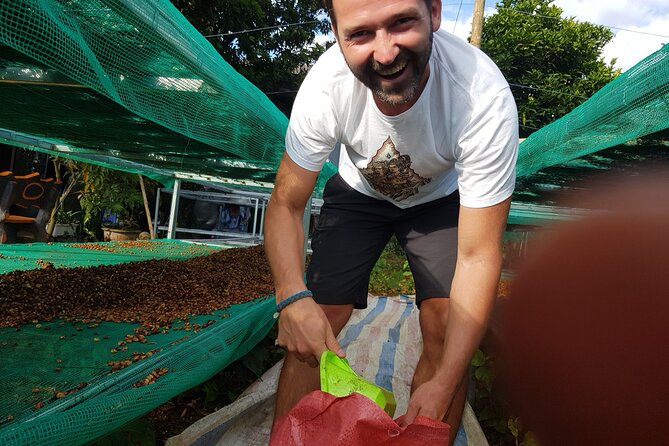
A lot of coffee tours stop after roasting. This one keeps going with the details that make it feel lived-in.
You get:
- Lunch, breakfast, and dinner, plus water, coffee, and tea
- Tickets for the included activities
- A bicycle and a Vietnamese hat included
- An overnight stay
That last item is the biggest clue that the experience aims for more than a quick thrill. Even if the coffee process is the headline, the meals and overnight stay make it feel like you’re joining farm life for a short stretch.
And the rating backs up the vibe. This has a 4.9 rating with strong recommendations, and one of the most praised aspects is the welcome from Jenny and her entire family. That kind of hospitality is often what makes a farm tour feel authentic, because you’re not just observing production—you’re being folded into the day’s real pace.
Price and Value: What $33.57 Gets You Here
At $33.57 per person, this isn’t expensive for a hands-on coffee experience that includes food, coffee and tea, tickets, and an overnight stay. The value gets even clearer when you look at what’s included versus what typically costs extra on similar tours.
Many tours charge separately for:
- transportation between farm and activity stops
- meals
- tastings or guided access
- entrance tickets
Here, you’re getting meals and coffee/tea included, plus tickets. The coffee work itself is also hands-on with roasting, which is usually the most memorable part of a coffee day and the part most people pay extra for.
One thing to keep in mind: bus tickets or a private car from Dalat city or Lien Khuong airport are not included. So if you’re using Dalat city as your base, your total trip cost might climb slightly when you add that transit.
Still, for the core experience, the price looks fair. You’re paying for education, access, and hospitality, not just a bus ride and a photo stop.
Getting the Timing Right: Harvest Season and Weather
Two variables can shape your day more than you’d expect: harvest season and weather.
- Harvest season runs from November to February for cherry picking. If you book outside that range, you should expect less of the pick-your-cherries moment and more focus on processing, milling, and roasting.
- The experience requires good weather. If conditions are poor, you’ll be offered a different date or a full refund.
So before booking, check your dates against the harvest season. If you want the full farm-to-cherry experience, target November–February. If you just want the full process and roasting, you can still feel good booking outside that window, but plan your expectations around cherry picking.
Who This Coffee & Culture Day Suits Best
This is a great match if you want more than coffee tasting. You’ll like it if you:
- care about where flavor comes from and how steps affect the cup
- prefer small-group attention over mass tourism
- enjoy a blend of farm learning plus a couple of local sightseeing stops
- want meals included, so the day feels easy to manage
It’s also a strong option for couples or solo travelers who like a quieter pace. With only up to 6 people, the day is naturally more conversational.
If you’re only interested in scenery and zero process, you might find the coffee steps a bit structured. But if you like understanding your food and drink, this tour plays directly to that interest.
Should You Book Elon Farm Coffee & Culture Experience?
I’d book it if you want an authentic farm-to-cup day that actually walks through the coffee chain, then gives you a taste of Central Vietnam beyond the farm with Thác Voi Elephant Waterfall and Linh An Pagoda.
The deciding factors for me are simple:
- If your dates line up with November to February, you’ll get the best version of the experience with cherry picking.
- If you care about hands-on learning, roasting your own coffee is a standout.
- If you value small groups and family-style hospitality, the Elon Farmstay setup fits that goal.
If your timing is outside harvest season, I’d still consider it, but I’d book with the mindset that you’re here for the processing and roasting story, not only for cherry picking.
FAQ
What is the duration of the experience?
The experience is listed at about 5 hours, but it also includes an overnight stay and multiple meals, so plan for a longer stretch than a quick half-day.
What coffee activities are included?
You’ll visit the coffee farm, learn about farming and harvesting during season, see processing into green beans, learn about milling, and you can roast your own coffee.
When is coffee harvesting available?
Coffee harvesting is described as part of the program during harvest season from November to February, when ripe cherries can be picked.
Where are the main sightseeing stops?
Besides the coffee farm activities, the itinerary includes Thác Voi Elephant Waterfall and Linh An Pagoda.
What’s included in the price?
The listed inclusions are lunch, breakfast, dinner, bicycle and a Vietnamese hat, overnight stay, tickets, water, coffee, and tea.
How big is the group?
There is a maximum of 6 travelers.
Where do you meet, and where does the tour end?
You meet at Elon Farmstay in Quang Trung II Hamlet, Gia Lâm Commune, Lâm Hà, Lâm Đồng, and it ends back at the meeting point.
What happens if weather is bad or you need to cancel?
The experience requires good weather. If it’s canceled due to poor weather, you’ll be offered a different date or a full refund. Free cancellation is available up to 24 hours in advance for a full refund.