REVIEW · DA LAT
Bike from Dalat to Nha Trang
Book on Viator →Operated by Phat Tire Ventures · Bookable on Viator
Two wheels, one long downhill. This Da Lat to Nha Trang bike day is built around big variety: pine-forest riding, a pass climb, then a long glide toward the coast, all with a support vehicle ready if you’re feeling it. I especially like the route design that gives you plenty of scenery without making the whole day one constant grind, plus the comfort factor of having an English-speaking team and vehicle help throughout.
I also like the practical way the day is paced. You start with a 45-minute transfer northeast of Dalat (33 km) into Bidoup Nui Ba National Park, then you get a 28 km downhill that’s described as uninterrupted—exactly the kind of payoff cyclists remember. One note of caution: the day still includes uphill stretches, and the riding after lunch rolls continuously, so you’ll want at least moderate fitness if you don’t want to fight the bike for hours.
With that said, if you come with realistic energy (and a good breakfast), this trip feels like one of the most efficient ways to link the two cities on the ground, not just by road.
In This Review
- Key highlights that make this ride worth your time
- The Da Lat to Nha Trang ride: a route that feels earned
- Start time, meeting point, and how the day avoids wasted time
- Into Bidoup Nui Ba: the calm part that sets up the big ride
- The pass climb and the 28 km downhill that drives the whole experience
- Lunch by the river: the break that actually resets you
- After lunch: villages, farms, and rolling hills that keep coming
- Support vehicle and included gear: the comfort safety net
- Price and value: what $107 covers and why it adds up
- Weather, fitness, and who should (or shouldn’t) pick this
- So, should you book the Dalat to Nha Trang bike ride?
- FAQ
- How long is the bike ride?
- What time does the tour start?
- Where do I meet in Da Lat?
- Is lunch included?
- What biking gear is provided?
- Is there support during the ride?
Key highlights that make this ride worth your time
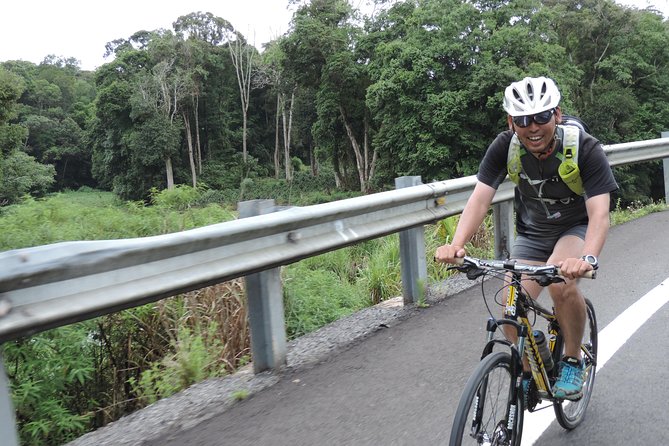
- 28 km uninterrupted downhill after a final short climb up to the pass
- Bidoup Nui Ba National Park scenery before you start really flying
- Support vehicle on standby for riders and to carry luggage/provisions
- Picnic-style lunch by the river after the descent
- Small group size (up to 12) for a more personal feel
- Bike gear included (bike, helmet, gloves) and water during the trip
The Da Lat to Nha Trang ride: a route that feels earned
If you’re traveling between Da Lat and Nha Trang anyway, this bike day offers something most transfers can’t: motion plus changing scenery. You’re not stuck on one type of road or one type of view. The day starts in the highlands, passes through rural countryside, then finishes with coastal-plane riding vibes.
What I like most is the payoff rhythm. You earn the top of the pass with that last climb, and then you get rewarded with a long downhill that’s designed as the main event. That matters because it reduces that common problem with long bike days where you feel like the hardest part never ends. Here, you get a clear highlight, then the remaining distance becomes more about enjoying the countryside than surviving the grade.
The other smart piece: a support vehicle changes the nature of the challenge. You’re cycling, not “on your own.” That doesn’t remove the need for basic stamina, but it turns the day from high-stakes fitness into a manageable adventure.
You can also read our reviews of more cycling tours in Da Lat
Start time, meeting point, and how the day avoids wasted time
This tour starts at 7:30 am, which is early enough to beat the day’s heat and keep the ride feeling fresh. You meet at 109 Nguyễn Văn Trỗi, Phường 2, Đà Lạt. From there, the team handles the first big step: getting you out of central Dalat and into the riding zone.
The day is built with two transfers in mind: the initial transfer of about 45 minutes / 33 km to the northeast, and then the return to Nha Trang at the end of the experience. The ride itself averages around 70 km, with an option to ride more or less, depending on how you feel.
Why that matters: bike tours can go wrong when they waste your energy at the start. Here, you get enough early structure that you’re not burning hours doing logistics before you’ve even touched the pedals.
Into Bidoup Nui Ba: the calm part that sets up the big ride
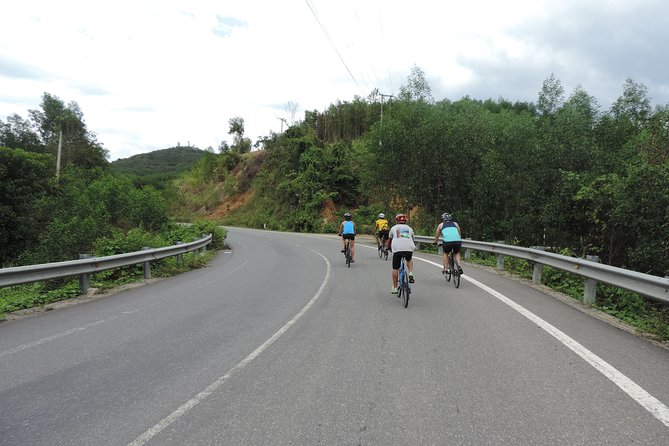
The first chunk is a 45-minute drive northeast of Dalat along a newer road and into the Bidoup Nui Ba area. This is where the tour earns its “scenic on two wheels” promise. Even before you ride, the transfer is part of the experience—because it positions you where the cycling actually makes sense.
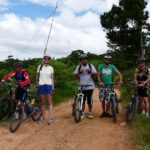
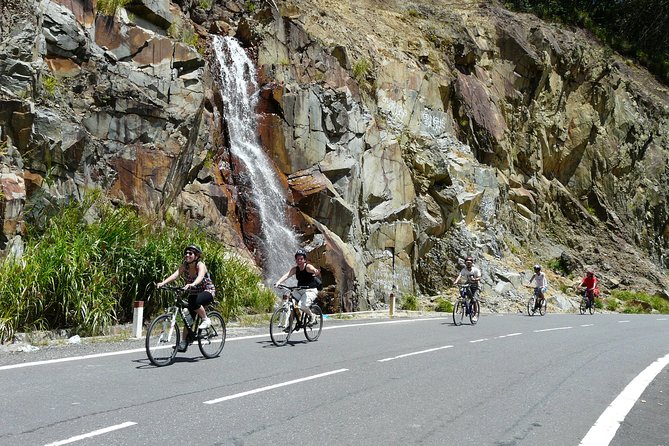
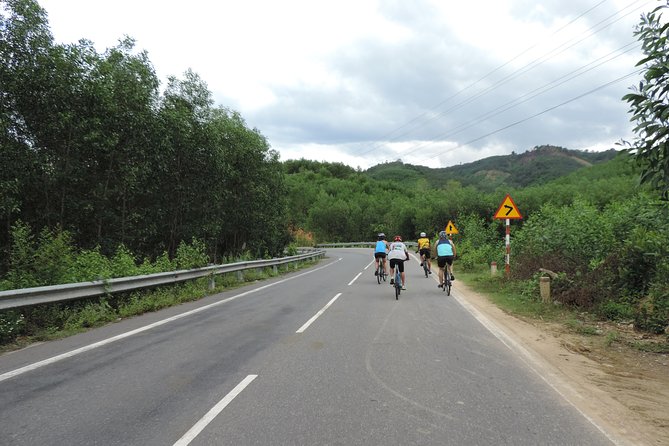
Once you’re on the bike, the first section moves through pine forests, rolling hills, and farm country. You’ll also catch views connected to Nui Ba Mountain. That mix—trees, farm fields, and mountain sightlines—helps you transition into biking without feeling thrown into a steep, hard start.
Practical note: if you’re prone to getting cold on early mornings, bring a light layer. The tour is starting early and you’re moving through higher areas before the ride warms you up. It’s not “one temperature all day.”
The pass climb and the 28 km downhill that drives the whole experience
There’s a simple formula here: final climb, then a long descent. After the early rolling section, there’s a final 3 km climb to reach the top of the pass. It’s short, but it’s the kind of effort that adds up if your legs aren’t used to hills. It’s also the section where the difference between comfortable biking and “working hard” becomes obvious.
Then comes the headline: a 28 km, uninterrupted downhill. This is the part you’ll remember because it’s long enough to feel like momentum rather than a quick thrill. The best downhill riding is about control and flow. With a support vehicle in the background, you can focus on steering, braking smartly, and enjoying the scenery instead of constantly worrying whether you’ll make it if you’re a little tired.
Drawback to plan around: long descents can be mentally exhausting even when the legs are resting. If you ride cautiously (which you should), you’ll still stay alert for the entire stretch. It’s not just speed—it’s attention.
Lunch by the river: the break that actually resets you
After you reach the bottom of the pass, you get a picnic-style lunch by the side of the river. The timing here is smart. You’ve finished the hard-to-moderate part of the day, then you pause before heading into the post-lunch riding.
A picnic setup matters for cyclists. You’re not sitting through a long restaurant meal that turns the day into a slow march afterward. Instead, you get a reset that keeps the momentum of the trip. You should plan to eat enough to power the next miles, but not so much that you feel weighed down.
If you’re the kind of rider who gets hungry quickly on the bike, you’ll like that the day includes water during the trip and that the support team is ready with provisions. In real-world terms, that means your energy management can be easier than on self-guided routes.



After lunch: villages, farms, and rolling hills that keep coming
Once lunch is done, the tone shifts from “big moment downhill” to “enjoy and manage the hills.” You’ll ride through small villages and farms, sampling everyday countryside life.
This part is described as pleasant, but it can be challenging because the hills roll continuously. That’s important. If you love the idea of a big downhill and then easy flat riding afterward, reality is a bit different. You’ll be traveling through a terrain that keeps asking a little from your legs.
The upside: because the hills are spread out, you’re not stuck in one brutal grade for ages. It’s more like repeated mini-efforts. With the support vehicle available, you can also adjust your rhythm without having to “push through” no matter what.
Also pay attention to your cadence. On rolling terrain, small changes in how you pedal can prevent that late-day leg burn that ruins the last stretch.
Support vehicle and included gear: the comfort safety net
This is not a bare-bones ride where you’re on your own if you hit trouble. The tour includes a support vehicle, and it’s used both for your safety and for practical logistics like moving luggage and provisions along the way.
You can use it at any time if you’re tired. That matters because fatigue is the main reason people regret long bike days. Having the option to hop off (even briefly) turns the experience into something more controlled.
The tour also includes the gear basics:
- Bike
- Helmet
- Gloves
- Water during the trip
In plain terms, you don’t have to waste a day hunting equipment or worrying whether the fit is right. You can focus on riding and seeing the route unfold.
One small consideration: you’ll still want to wear clothes suited for biking. The tour provides key gear, but it can’t replace good socks, breathable layers, and comfortable shorts. If you show up with random clothes from your hotel bag, you’ll feel it later.
Price and value: what $107 covers and why it adds up
At $107 for a 7 to 8 hour experience, this sits in the “reasonable” zone for a guided, supported ride rather than a DIY bike rental. The value comes from what’s bundled into that price:
- English-speaking guides
- Vehicle transfers as part of the program
- 1 picnic lunch
- Bike, helmet, gloves
- Water during the trip
- A return to Nha Trang with hotel drop-off, and transfer back to Dalat is included at no extra charge for those returning after the ride
So you’re not just paying for the bike. You’re paying for the structure: guidance, timing, lunch, and backup.
There’s one possible add-on to keep in mind. If your hotel is far from central Nha Trang, there may be an extra cost for the return transfer depending on distance. That’s not unusual for any tour that doesn’t know your exact location until day-of, but it’s worth planning for so you don’t get surprised.
If you compare this to renting a bike and trying to match a similar route alone, the support vehicle plus organized lunch is often the difference between a memorable day and a stressful one.
Weather, fitness, and who should (or shouldn’t) pick this
This tour requires good weather. If conditions aren’t right, you’ll be offered a different date or a full refund. That’s a big deal for safety on downhill sections and for keeping the countryside ride enjoyable.
Fitness-wise, the tour is recommended for moderate physical fitness. That likely means:
- You can handle repeated hill effort
- You’re comfortable staying active for about 7 to 8 hours
- You won’t be shocked by a short climb right before a long descent
Who it suits best:
- You want a guided ride between Dalat and Nha Trang, not just a road transfer
- You love the idea of a major downhill payoff
- You like countryside scenes, not only city stops
- You want a support vehicle so you can ride longer without fear
Who might skip it:
- If you hate hills and want mostly flat cycling, the continuous rolling section after lunch could wear you out
- If you’re unable to ride for long periods, even with support, you may feel too restricted by the terrain
So, should you book the Dalat to Nha Trang bike ride?
I think this is a smart choice if you want your travel days to feel like part of the adventure. The combination of Bidoup Nui Ba, a structured day, and that 28 km downhill makes it an experience you can’t easily recreate on your own.
You should book if you’re comfortable with moderate effort, you’re willing to pedal through rolling hills after lunch, and you like having a safety net (guides plus support vehicle). You might hesitate if your fitness is low or if you expect the day to be easy after the downhill—because the countryside section keeps moving and the hills keep rolling.
If you’re looking for value, the bundled gear, lunch, and transfers make the $107 feel practical rather than gimmicky. This is one of those tours where the planning is handled for you, and you get to focus on the ride.
FAQ
How long is the bike ride?
The experience runs about 7 to 8 hours total.
What time does the tour start?
It starts at 7:30 am.
Where do I meet in Da Lat?
You meet at 109 Nguyễn Văn Trỗi, Phường 2, Đà Lạt, Lâm Đồng, Vietnam.
Is lunch included?
Yes. You get a picnic-style lunch by the side of the river.
What biking gear is provided?
The tour includes the bike, helmet, and gloves.
Is there support during the ride?
Yes. There’s a support vehicle for safety and comfort, and it can be used at any time if you get tired. It also transports luggage and provisions.