REVIEW · HANOI
Vietnam War: Uncovering Hanoi’s Untold Stories
Book on GetYourGuide →Operated by ONETRIP WITH LOCAL TRAVEL CO., LTD · Bookable on GetYourGuide
Hanoi’s monuments have secrets you can walk to. This experience pairs Vietnam War history with what everyday life looked like when the country was divided. You’ll hear how people navigated politics, shortages, and survival across North and South Vietnam.
I especially like the conversation-style approach, where guides such as Kien or Dung keep the tone relaxed and answer questions as they come up. I also like the mix of stops, from market lanes in the Cho Gioi area to the Kham Thien B52 memorial and then the famous Hanoi Train Street for a calmer finish.
One drawback to consider: the stories are heavy, and you’re on your feet for about 3 hours (with a short taxi ride midway). If you have vertigo or epilepsy, this tour isn’t suitable, and rain can make the walking a bit slick.
In This Review
- Key things that make this Hanoi tour worth your time
- A 3-Hour Stroll Through Hanoi’s War-Shadow Alleys
- Where You Meet: Chua Vua Street and a Practical Start
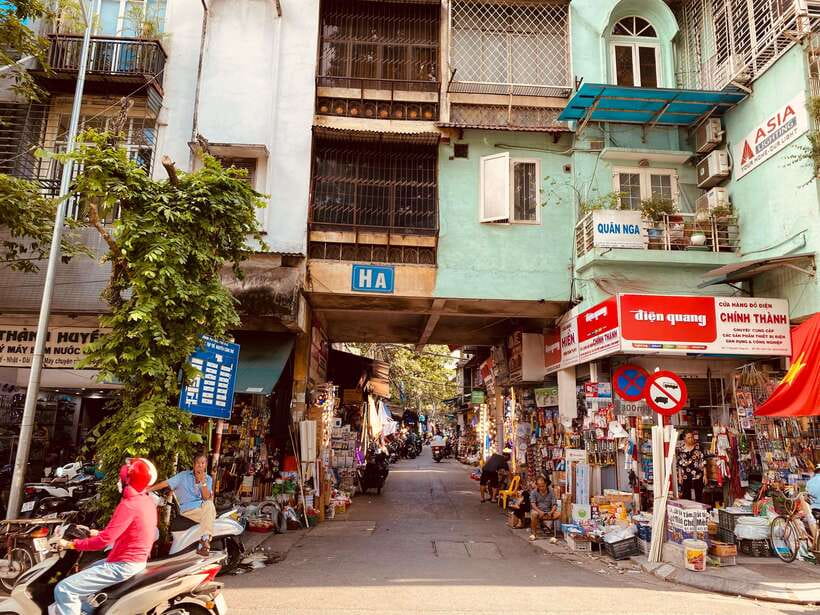
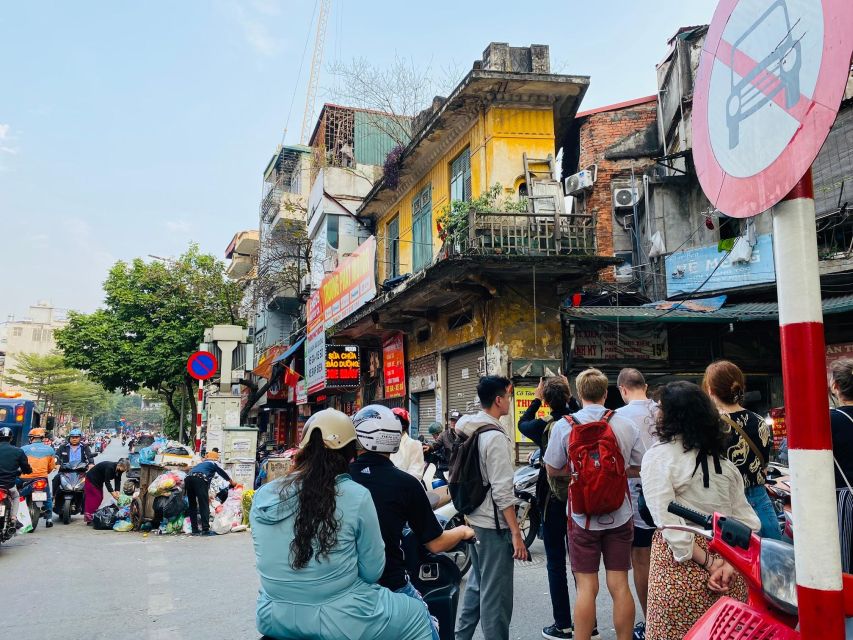
- Cho Gioi Area: Planned Economy Life, Told in Street-Level Detail
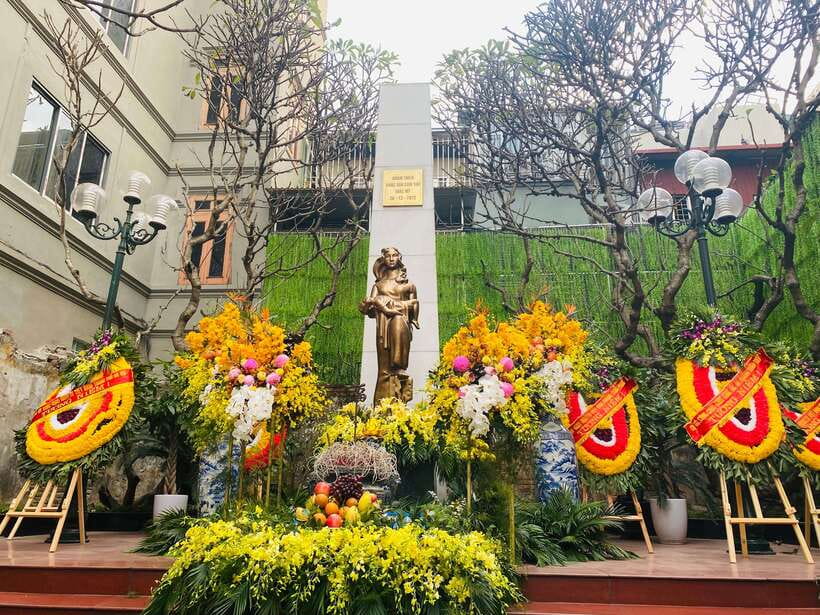
- Kham Thien B52 Memorial: A Pause for Real Remembrance
- Hanoi Train Street: Iconic Photos, But Not Just a Photo Stop
- How the Tour Feels: Stories, Questions, and a Local Guide’s Tone
- Price and Value: What $28 Buys in Real Terms
- Who Should Book This Tour (and Who Might Skip It)
- Practical Tips That Make the Day Easier
- Should You Book This Hanoi War-Stories Walk?
- FAQ
- How long is the Vietnam War: Uncovering Hanoi’s Untold Stories tour?
- Where do I meet the guide?
- What places will we visit?
- Is the tour rain or shine?
- What’s included in the price?
- What should I bring?
- Is it in English, and is it suitable for everyone?
Key things that make this Hanoi tour worth your time
- Cho Gioi, not postcard Hanoi: You’ll spend time in a neighborhood area that feels lived-in, not curated.
- Kham Thien B52 memorial: War history through a local lens, tied to the B-52 raids and their impact.
- Train Street with context: You get to see the iconic spot with explanation, not just photos.
- A planned-economy story, explained simply: You’ll learn how daily life worked under a centrally planned system.
- 20% goes to war-aftermath support: Your ticket helps Agent Orange/Dioxin victims and a children’s foundation in Hanoi.
A 3-Hour Stroll Through Hanoi’s War-Shadow Alleys
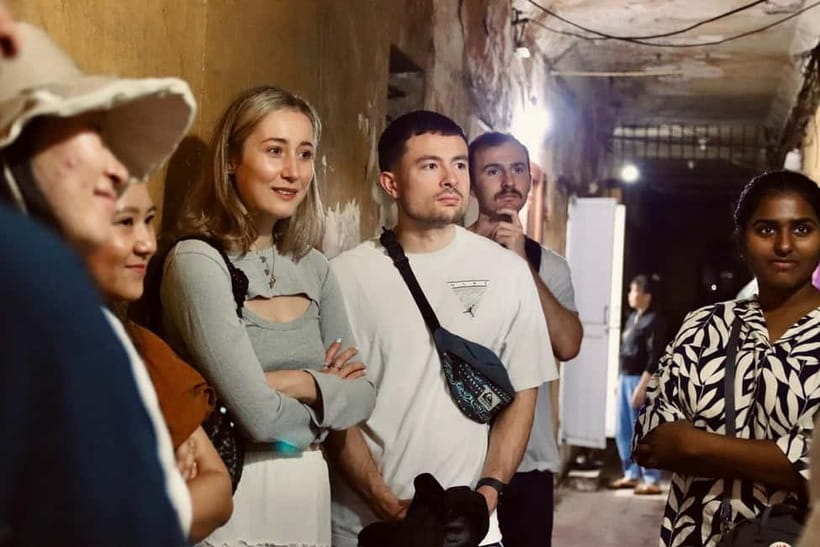
This tour is built for people who want more than monuments. I like that it treats the Vietnam War as something that shaped routines, housing, and relationships, not just battles and dates. The focus is the “dark side” of what you might see on major sites, with attention to ordinary people caught in the machinery of politics.
The headline theme is the division of Vietnam and what unification meant on the ground. You’re looking at two sides (North and South) and the messy reality between ideology and daily survival. And you’ll also understand why the timing mattered: unification landed at the edge of the Cold War’s global pressure.
The pace is also a selling point. Instead of a lecture, it’s more like a guided walk where stories come in layers as you move through streets and landmarks. If you like asking “why” and “how did that feel day-to-day,” this format keeps it moving without feeling rushed.
You can also read our reviews of more tours and experiences in Hanoi.

Where You Meet: Chua Vua Street and a Practical Start
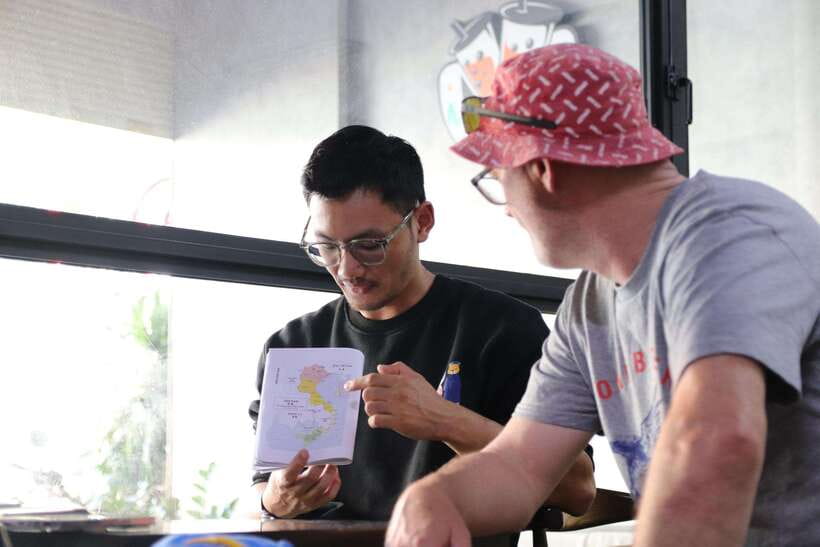
The meeting point is at 24B Chua Vua Street, about 2.5 km from Hoan Kiem Lake (or roughly 3.5 km from Hanoi Old Quarter). You’ll find it in front of a secondary school called Trường Tung học cơ sở Đoàn Kết, with a coffee shop and second-hand bicycle shops nearby.
That location matters more than it sounds. You’re not starting right in the middle of the most tourist-saturated streets, so you can ease into the neighborhood perspective quickly. It also makes the tour feel like Hanoi is still Hanoi, not a set you enter and exit.
Timing-wise, it’s set up as a 3-hour stroll. There’s a short taxi ride about halfway through, which helps you keep your energy for the most story-heavy parts of the walk.
Cho Gioi Area: Planned Economy Life, Told in Street-Level Detail
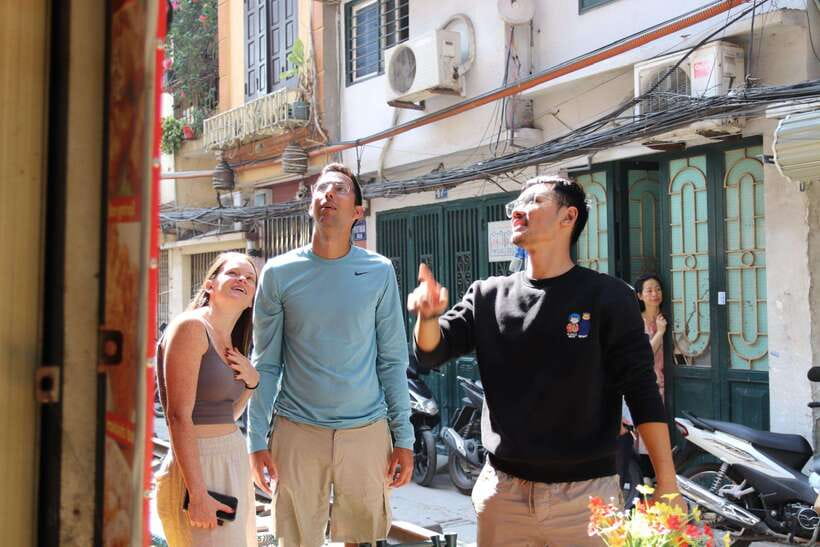
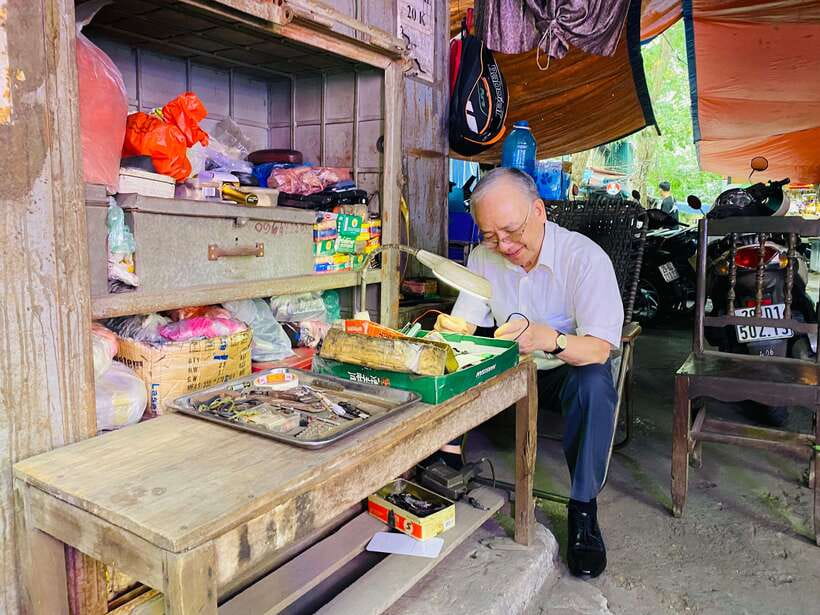
You begin with the Cho Gioi area, and that’s where the tour’s tone clicks into place. This stop is less about a single monument and more about how places function. Market-adjacent neighborhoods show you how people gathered, traded, waited, and improvised.
The big theme you’ll carry here is life under the planned economy. That phrase can sound abstract, but on the ground it translates into how goods moved, how routines were shaped, and how people adjusted when what they needed didn’t always match what was available. You also get a clearer sense of what “division” meant beyond politics—how it affected daily life, not just borders.
I like that the story doesn’t flatten everyone into one group. You’ll hear about the fate(s) of local people from both sides—North and South—so unification feels less like a clean headline and more like a lived turning point. It’s also a helpful way to understand why some urban patterns and local attitudes make sense today.
Possible drawback for this section: if you want only dramatic war artifacts, the market-lane storytelling can feel slower at first. But for a fuller picture of how war reshaped everyday life, this is the part that makes the later memorial stop land with more weight.
Kham Thien B52 Memorial: A Pause for Real Remembrance
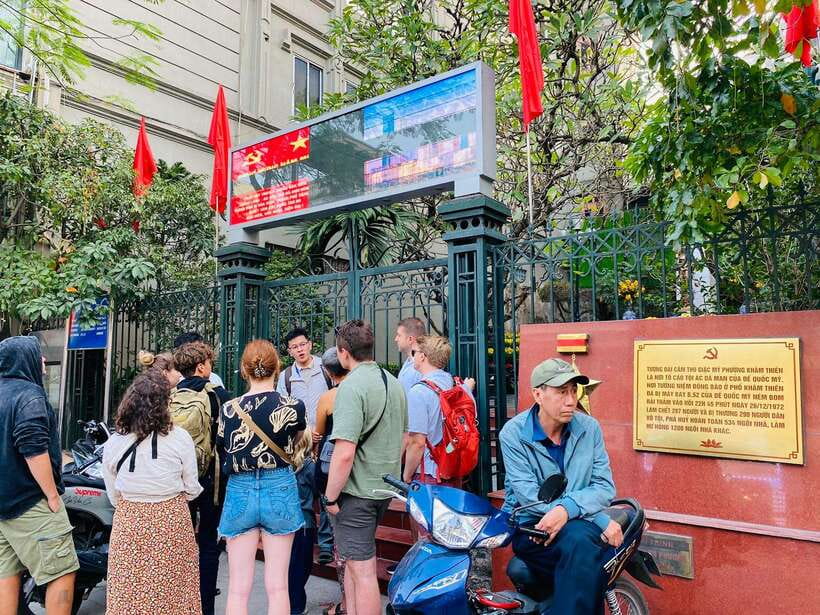
Then you reach the Kham Thiem B52 memorial, and the mood shifts. This is the stop that connects you directly to the B-52 raids. The memorial gives you a place to slow down and understand the consequences beyond the strategy.
What makes this part valuable is the way history is tied to people. It’s not just about aircraft and dates. You get context for why communities remember raids in the language they use—what was lost, what changed, and how survival shaped what came after.
If you’re the type who likes straight explanations, you’ll probably appreciate this one. The tour aims to keep details understandable while still honest. You don’t get to hide behind vague talking points; you see how the war collided with daily life.
Also, this stop works well as a bridge. After hearing about planned economy routines and neighborhood life, you’re better equipped to grasp what war did when it cut across normal systems—work, food, safety, and family life. In other words: you’re not just learning about the Vietnam War. You’re learning how it echoed into the present.
Hanoi Train Street: Iconic Photos, But Not Just a Photo Stop
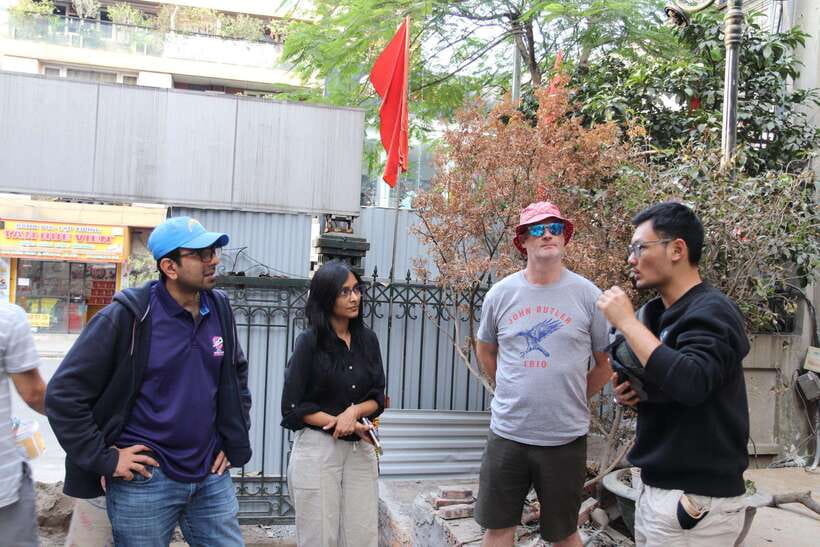
The tour ends with a visit to Hanoi Train Street. This is the section where you can get your pictures, yes. But you also get context so the stop doesn’t feel like a random “viral” stop with no meaning.
What you’ll likely appreciate is that you’re viewing the area with the war-era and post-war background already in your head. That changes how you interpret what you see: how people live alongside infrastructure, how neighborhoods evolve, and how the past keeps shaping the present even when the street looks ordinary at first glance.
Expect a more relaxed moment after the memorial. You’ll also have coffee or tea included, which is a simple but smart detail for a history walk. Some people also snack or sip something chilled nearby, and the vibe here is more about pacing yourself than taking in one intense stop after another.
The main consideration for this section: Train Street can be busy, and you’ll be on your feet in a dense area. If you don’t like crowds, plan to keep your expectations flexible and focus on the explanation, not the perfect photo.






How the Tour Feels: Stories, Questions, and a Local Guide’s Tone
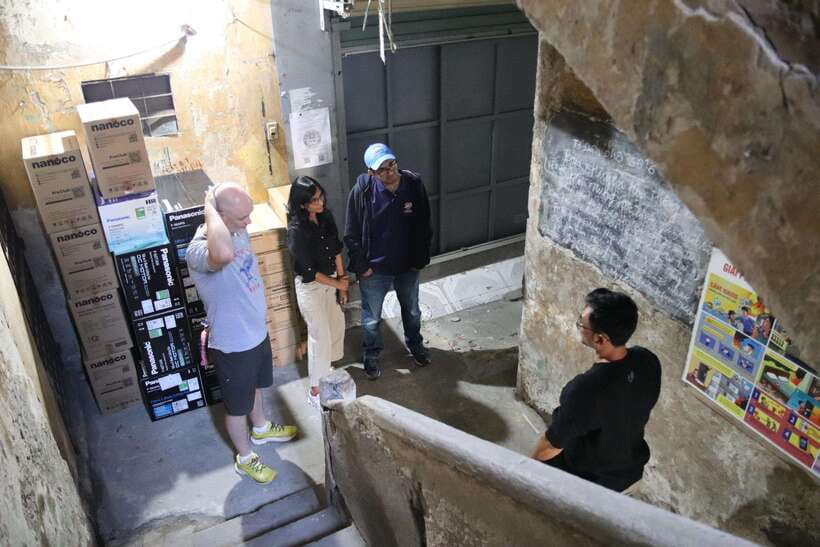
A key part of the value is the guide style. The experience is designed as a conversation, not a lecture, and that shows in how the information lands. You can ask questions, and the answers tend to connect back to the neighborhoods you’re standing in.
You’ll also notice how local storytelling can bring a different kind of clarity. Guides mentioned in English-language reviews include Kien and Dung, and their backgrounds help the tour feel more personal than scripted. Even if you’re not a history buff, the explanation stays grounded in real life.
I like that this doesn’t treat the Vietnam War as only a political event happening somewhere else. It treats it like something that entered housing, markets, and daily choices. That makes it easier to understand Vietnam today, even if your trip is short.
Price and Value: What $28 Buys in Real Terms
At $28 per person, the price is reasonable when you compare what’s included and what you’re actually getting. You get:
- A guided history walk with local stories of daily life during wartime
- Coffee or tea
- A short taxi ride halfway
- Visits to three specific areas: Cho Gioi, Kham Thien B52 memorial, and Hanoi Train Street
But the best value isn’t just the logistics. The tour also includes a strong social component. 20% of the profit is donated to the Vietnam Association for Victims of Agent Orange/Dioxin and the Blue Dragon Children’s Foundation in Hanoi. That means part of what you pay supports people dealing with the long after-effects of war, not only preservation of sites.
If you’re trying to choose one history-focused activity in Hanoi, this is a smart candidate. It covers modern history themes while keeping you moving through real neighborhoods, not just stopping at official photo points.
Who Should Book This Tour (and Who Might Skip It)
This tour is for you if you:
- Want Vietnam War history with street-level context
- Like understanding how ideology shaped daily routines under a planned economy
- Prefer a guide who talks through the story in a way you can ask questions about
- Enjoy off-the-beaten-path areas around Hanoi, not only the postcard core
It might be less ideal if you:
- Only want big, well-known monuments or battle sites
- Want a tour that stays light and upbeat (the subject matter is serious)
- Need to avoid walking for long stretches or can’t handle dense areas
Remember: it isn’t suitable for vertigo or epilepsy. Also, it runs rain or shine, so comfortable shoes matter more than usual.
Practical Tips That Make the Day Easier
Bring comfortable shoes and breathable clothing. The walking is steady enough that your feet will notice if you skimp here. Since it operates rain or shine, check the forecast one day before and pack an umbrella or raincoat if there’s rain in the forecast.
If you’re sensitive to heavy topics, give yourself a mental buffer. The tour is thoughtful, but it deals with real suffering and long-term impacts. Plan a calmer evening after, so you have time to process what you learned.
Finally, keep an open mind about what counts as a “war sight.” This experience uses neighborhoods, markets, and memorial space to show how war worked through daily life, not just through ruins.
Should You Book This Hanoi War-Stories Walk?
I’d book it if you want one of the best types of Hanoi experiences: a history walk that explains the present through the war’s long shadow. The combination of Cho Gioi, the Kham Thien B52 memorial, and the Train Street context makes the route feel meaningful, not random.
Book it early in your stay if possible, so you can use what you learn as a lens for the rest of Hanoi. If you’re the type who likes clear storytelling, ask questions, and prefers authentic neighborhood scenes, this tour is a strong fit. If you’re seeking only dramatic monuments and nothing else, you might find the neighborhood-life focus takes a bit of getting used to.
FAQ
How long is the Vietnam War: Uncovering Hanoi’s Untold Stories tour?
The stroll lasts about 3 hours, with a short taxi ride halfway through.
Where do I meet the guide?
Meet at 24B Chua Vua Street, in front of the secondary school Trường Tung học cơ sở Đoàn Kết. It’s about 2.5 km from Hoan Kiem Lake (or 3.5 km from Hanoi Old Quarter).
What places will we visit?
You’ll visit the Cho Gioi area, the Kham Thien B52 memorial, and Hanoi Train Street. The tour ends back at the meeting point.
Is the tour rain or shine?
Yes. It operates rain or shine, so check the forecast the day before and bring an umbrella or raincoat if needed.
What’s included in the price?
Included are stories of locals during the war, a tour guide, coffee or tea, and a short taxi ride.
What should I bring?
Bring comfortable shoes and breathable clothing.
Is it in English, and is it suitable for everyone?
The tour is in English. It is not suitable for people with vertigo or epilepsy.