REVIEW · HANOI
Vietnam in 15 Days | Explore Beaches, Cities, Culture, Adventure
Book on Viator →Operated by Authentic Adventures · Bookable on Viator
One sentence beats: this trip stacks highlights without feeling chaotic. You’ll move from Hanoi down to the Mekong Delta with guided visits to big-name sights, plus plenty of breathing room in the beach cities. I like that the schedule mixes culture days with calmer free-time days, so you don’t feel worn out after the boat trips.
My two favorite parts are the all-in-one setup and the small-group feel. You get private-room accommodation, an air-conditioned vehicle, a guide, domestic flights, and entry fees for included stops. You’ll also have support from the operator team (names like Tran and Hang come up for help and responsiveness), which matters when you’re juggling airports, transfers, and early mornings.
One drawback to consider: the pace is full, with early starts and multiple travel days. Also, the Halong Bay / Lan Ha experience depends on weather, so expect flexibility if conditions aren’t great.
In This Review
- Key points you’ll care about before you book
- Hanoi to Ninh Binh: pagodas, Ho Chi Minh sights, and cave country
- Halong Bay and Lan Ha: boat time, sunrise Tai Chi, and island views
- Da Nang and Ba Na Hills: Golden Bridge and the French Village in one shot
- Hoi An ancient town plus Cham Island: culture and a real break from the roads
- Nha Trang free days: beach recovery with choices for water and wellness
- Ho Chi Minh City essentials: Cathedral, Post Office, War Remnants, and Cu Chi
- Mekong Delta days from My Tho to Can Tho: boats, canals, coconut workshops, floating market
- Price and logistics: what your $1,490 buys (and what it doesn’t)
- Who should choose this Vietnam 15-day route?
- Should you book this 15-day Vietnam experience?
- FAQ
- How much does the Vietnam in 15 Days tour cost?
- Where does the tour start?
- How long is the tour?
- What time does the meeting start?
- Is pick-up included?
- How big is the group?
- Are domestic flights included?
- What meals are included?
- Are entrance fees included?
- What is not included in the price?
- FAQ
- Is the Halong Bay and Lan Ha Bay cruise weather-dependent?
- What is the cancellation rule if I book and then need to change plans?
Key points you’ll care about before you book

- Small group size (max 12 travelers): easier navigation, less waiting around.
- All-in package includes domestic flights and entrance fees: fewer add-ons at the last minute.
- Halong/Lan Ha cruise with active morning options: Tai Chi at sunrise is part of the experience.
- Da Nang to Ba Na Hills in one day: Golden Bridge and the French Village are built into the plan.
- Hoi An plus Cham Island: you get both old town time and a sea day.
- Cu Chi Tunnels and Mekong Delta markets: big Vietnam experiences, handled with guidance.
Hanoi to Ninh Binh: pagodas, Ho Chi Minh sights, and cave country
Your trip begins in Hanoi, with a pick-up from Noi Bai International Airport and a transfer to your accommodation. Then the focus is classic Hanoi: history, architecture, and museums, spread across a day that doesn’t feel like one long line of standing still.
A highlight is Trấn Quốc Pagoda, described as the oldest pagoda in Ha Noi, built in the 6th century. You’ll also visit the Ho Chi Minh complex, including the garden area and the houses where he lived and worked (1954 to 1969), plus One Pillar Pagoda. If you want a quick way to understand modern Vietnamese history, this is the shortcut the route takes.
Next comes Vietnam Museum of Ethnology, which is large and has both indoor and outdoor areas. It’s a strong choice for a first-timer because it gives you a framework for how Vietnam’s many ethnic communities live and think, instead of just skimming top attractions.
Later in the day, you’ll hit the Temple of Literature, Vietnam’s first university area (founded in the 11th century). The end of the Hanoi day leans scenic and walkable at Hoan Kiem Lake, with Ngoc Son Temple as the pairing. Even if you’re not a “temple person,” this stop is good for getting your bearings in the city.
Then you transition toward Ninh Binh, a smart move because it breaks up the urban intensity and sets you up for the “Vietnam caves and waterways” vibe. Bai Dinh Pagoda is a major stop here (it’s described as the biggest and most famous pagoda in the area), followed by Trang An Grottoes for that cave-and-water atmosphere. After lunch, the day finishes with Mua Cave (Dancing Cave). Expect a climb of almost 500 steps to the top of Lying Dragon Mountain, with panoramic views of the Tam Coc region. That hike is worth planning water for, because you’re doing real stairs, not just light sightseeing.
You can also read our reviews of more tours and experiences in Hanoi.



Halong Bay and Lan Ha: boat time, sunrise Tai Chi, and island views
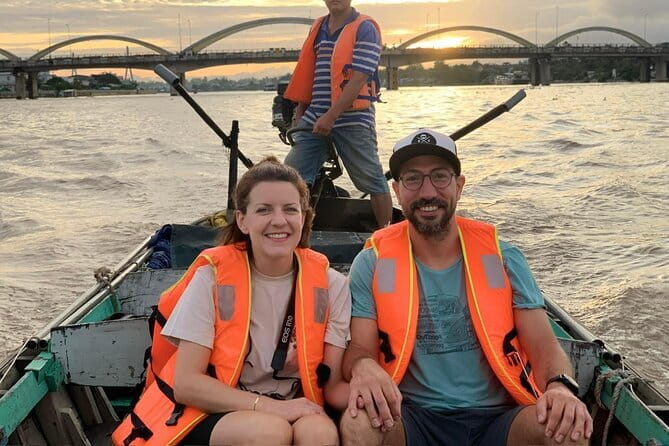
After Ninh Binh, the route moves you toward Ha Long Bay and then onto Lan Ha Bay by cruise boat. This is where the tour really cashes in on Vietnam’s most famous scenery, and it’s also the part that can make or break the trip if you dislike early mornings.
On the first boat day, you’ll board at Tuan Chau port, check in to your accommodation, and enjoy a welcome drink. There’s time for onboard relaxation, then later you shift into Lan Ha Bay, cruising through areas like Gia Luan, Thoi Quyt island, Ke Ga, and Finger. This matters because Lan Ha tends to feel less crowded than some other approaches to Ha Long, so you get more room to appreciate the scenery instead of constantly queueing.
That night is also built for flexibility. After dinner, you can choose things like squid fishing or simply relaxing at the restaurant, plus a movie option is mentioned. If you like having choices without planning, this is a win.
The next morning starts early: 6:15 wake-up, then Tai Chi on the sundeck, followed by sunrise watching. You get breakfast afterward and the morning view is part of the experience. This is beautiful if you enjoy quiet, but it’s not ideal if you want to sleep in and you hate morning alarms.
Practical note: the cruise experience requires good weather. If conditions aren’t ideal, the operator may shift plans or offer a different date or option, so build in patience.
Da Nang and Ba Na Hills: Golden Bridge and the French Village in one shot

From the bay, you fly to Da Nang (the schedule has you reaching the airport around 17:00). Once there, you jump straight into one of Vietnam’s most “wow on arrival” places: Ba Na Hills.
This day centers on Golden Bridge (Cầu Vàng)—the yellow bridge supported by two gigantic hands. It’s very photo-friendly, but it’s also a good example of Vietnam’s newer tourism development: big infrastructure, clear wayfinding, and a mix of modern design with a themed village vibe.
After that, you head into Sun World Ba Na Hills for lunch (buffet is included). The afternoon continues with the French Village, described as a medieval-style French replica with cobblestone streets and European-style architecture. Even if you’re not obsessed with theme parks, the altitude views and the “different Vietnam” feeling are the point here.
One consideration: Ba Na Hills is a full-day outing with travel time. If crowds or long lines bug you, show up ready to move at a steady pace, and don’t treat it like a slow stroll.
Hoi An ancient town plus Cham Island: culture and a real break from the roads
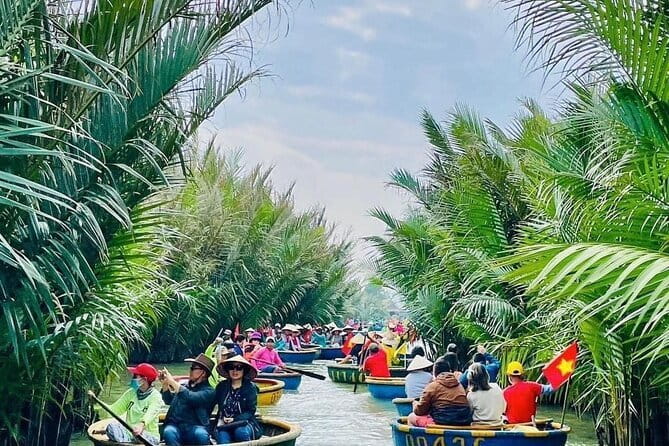
The route brings you to Hoi An after time in Cam Thanh’s Bay Mau Coconut Forest. You’ll be picked up in Da Nang and moved toward Cam Thanh, with a stop that may include Non Nuoc Stone Carving Village depending on time. This is a nice setup because it shifts you from city sightseeing into something more hands-on and grounded.
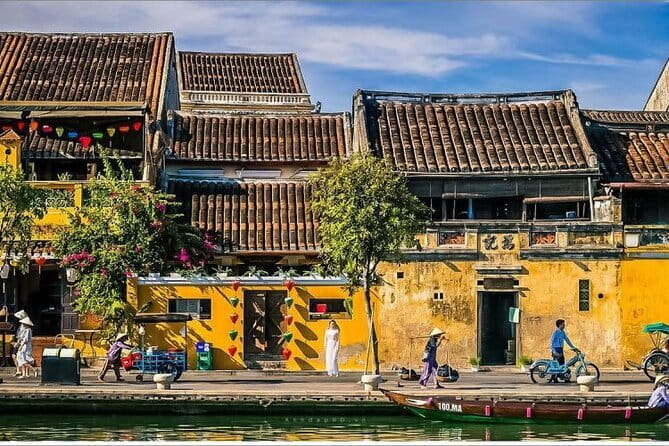
Then you spend time in Hoi An Ancient Town. The tour frames Hoi An as a major trading center in Southeast Asia during the 16th century, especially during the early western trader period. Once you’re there, you get that classic wandering format: walking streets, exploring at your own pace, and taking in the mix of old-town architecture without a strict minute-by-minute plan.
Next, Cham Island (Cu Lao Cham) is the big change of scenery. You travel from the mainland via Cua Dai port. This is one of the best “reset” days in the trip because you’re leaving land behind, even if it’s only for several hours. Once you’re back, you’ll return to your hotel area.
The schedule also builds in time for you to revisit Hoi An on your own in the morning before flying to Nha Trang. That free time is underrated. It lets you buy something you actually want, rather than grabbing souvenirs while the group is still moving.
Nha Trang free days: beach recovery with choices for water and wellness
After Hoi An, you fly to Nha Trang and check in. Then the plan shifts into a looser mode with leisure time. One day is described as open-choice: you can snorkel or dive among coral reefs (if you want the water time), hike nature trails (if you want movement without a tour), or spend time with wellness options like spa treatments and even a private plunge pool.
That flexibility is the real value here. Your earlier days include temples, boats, and long transfers. Nha Trang is where you can decide how much effort you want to spend, which makes it easier to keep energy up for the next big cultural cities.
Since the tour doesn’t force one single “must-do” activity in Nha Trang, it suits different travel styles—couples who want slow mornings, families who want an easy day, and active travelers who still want the option of water sports.



Ho Chi Minh City essentials: Cathedral, Post Office, War Remnants, and Cu Chi
Then you head to Ho Chi Minh City, where the tour flips back into guided sightseeing. You’ll visit the Saigon Notre Dame Cathedral, the Saigon Central Post Office, and the War Remnants Museum. These stops are a clear trio: architecture, civic life, and the heavy history behind the modern city.
The cathedral and post office are easy to appreciate even if you’re not a building-nerd. The post office stands out for its mix of neo-classical European design and Asian decorations, which gives you a visual reminder of how Vietnam’s cities have absorbed influences over time.
The War Remnants Museum is more intense. It’s described as transforming and challenging your understanding of the Vietnam War. If you’re sensitive to graphic content, consider how you want your day to feel and pace yourself.
After lunch, you go to Cu Chi Tunnels, a network of underground passages with a crucial wartime role. This kind of visit is best when you come ready to listen and connect the dots between what you see and what you’ve learned earlier in the trip.
Mekong Delta days from My Tho to Can Tho: boats, canals, coconut workshops, floating market

The Mekong Delta is where the tour becomes “slow variety,” meaning you still move, but the rhythm changes from city sightseeing to waterways and village life. You start with My Tho, including a boat journey along the Mekong River area (the exact segment is referenced, but not fully detailed). Then you continue to Ben Tre, famous for coconut groves.
In Ben Tre, you get a boat ride along narrow canals with coconut palms around you, plus visits to local workshops. This is one of the more practical cultural elements on the route because it’s tied to daily work and local production, not just monuments.
In the afternoon, you travel onward to Can Tho and check in. From there, the next morning includes the Cai Rang Floating Market. It’s described as one of the Mekong Delta’s most iconic and lively marketplaces, with water-borne activity that’s more than just a photo stop.
Then the schedule returns you to Ho Chi Minh City and gives you a bit of breathing room again. That matters because by the time you reach the end of the route, your brain needs recovery time after boats, tunnels, and museums.
Price and logistics: what your $1,490 buys (and what it doesn’t)

At $1,490 per person for about 15 days, this price can feel either high or reasonable depending on what you’re comparing it to. What makes it look good is that it includes a lot of the stuff that usually costs extra when you travel independently: domestic flights, a private room, air-conditioned vehicle, a tour guide, and entry fees for included sights.
The meal plan is also meaningful: breakfast (14), lunch (9), and dinner (2) are included. For your budget, that means fewer paid meals scattered across the map. It also reduces decision fatigue, which is real when the itinerary has early starts.
Two lines you should remember for budgeting: tips and alcoholic drinks/soft drinks/personal expenses are not included. So if you know you’ll buy coffee daily, want cocktails at night, or plan extra snacks, set aside some cash so you don’t feel surprised later.
Logistics-wise, the tour has pickup offered, uses a mobile ticket, and keeps groups small (max 12). That size is a big deal in Vietnam. Smaller groups mean less time waiting for late arrivals and more chances to ask questions without the guide juggling too many people.
Who should choose this Vietnam 15-day route?
This tour makes the most sense if you want a “best-of” Vietnam route without building it yourself. It’s a strong fit for first-time visitors, families, and travelers who like the comfort of having transport, hotels, and entrance fees handled.
It’s also a good match if you enjoy a mix: temples in the morning, boats mid-day, and calmer free time in beach cities like Nha Trang and during portions of Hoi An. That balance is what prevents the trip from feeling like a nonstop checklist.
If you’re the type who hates early starts and long travel days, you should think carefully. The cruise morning, plus multiple transfers and flights, means you won’t have a slow, minimalist pace.
Should you book this 15-day Vietnam experience?
If your goal is to see a wide range of Vietnam—North culture, Ha Long/Lan Ha nature, Central highlights like Ba Na Hills and Hoi An, then South history and Mekong markets—this is a solid package. The price looks fair because it bundles domestic flights, private-room lodging, guides, and entry fees.
Book it if you want a small-group, structured route with room to breathe. Don’t book it if you need a laid-back, sleep-in every day style of travel, because the schedule includes early mornings and multiple movement days.
FAQ
How much does the Vietnam in 15 Days tour cost?
The price is $1,490.00 per person.
Where does the tour start?
The tour starts in Hanoi, Vietnam.
How long is the tour?
It’s approximately 15 days.
What time does the meeting start?
The start time is listed as 7:00 am.
Is pick-up included?
Yes. Pickup is offered, including transfers from the airport to your accommodation at the beginning.
How big is the group?
The tour has a maximum of 12 travelers.
Are domestic flights included?
Yes. Domestic flight tickets are included in the package.
What meals are included?
Breakfast is included for 14 days, lunch for 9 days, and dinner for 2 days.
Are entrance fees included?
Yes. All entrance fees for the included sightseeing destinations are included.
What is not included in the price?
Tips, alcoholic drinks, soft drinks, and personal expenses are not included.
FAQ
Is the Halong Bay and Lan Ha Bay cruise weather-dependent?
Yes. The experience requires good weather, and if it’s canceled due to poor weather, you’ll be offered a different date or a full refund.
What is the cancellation rule if I book and then need to change plans?
You can cancel for a full refund if you cancel up to 24 hours in advance of the experience’s start time. If you cancel less than 24 hours before, the amount paid is not refunded.