REVIEW · NINH BINH
Tam Coc Cooking Class with Unique Experience
Book on GetYourGuide →Operated by Tam Coc Cooking Class · Bookable on GetYourGuide
The dish-picking part is half the fun. In this Tam Coc Cooking Class in Dong Bac, you choose from the chef’s options, cook three Vietnamese dishes, then sit down to eat what you made. I love the small-group feel (up to 14) and how patiently the team guides you step by step. One thing to consider: comfort can vary if the restaurant loses power or runs warm, so go in ready for possible candlelight-style service rather than a perfectly air-conditioned room.
You’ll likely choose either the morning class (9AM) or the afternoon class (2PM). Over about 3 to 3.5 hours, you’ll get welcome drinks, cooking ingredients, all food plus one soft drink, and a bonus Egg Coffee or Coconut coffee depending on what they offer that day.
In This Review
- Key highlights you should care about
- Where you meet: Hoang Cuisine in Tam Coc’s food-cooking orbit
- Choosing your dishes (before the heat of the wok)
- The 3-hour cooking rhythm: prep, cook, and taste as you go
- What you can cook: your menu choices, explained in plain terms
- Green mango salad (Nộm xoài xanh)
- Pho (Phở bò or Phở gà)
- Fried spring rolls (Nem rán Hà Nội)
- Fresh spring rolls (Phở cuốn Hà Nội)
- Fried fish (Chả cá Hà Nội)
- Fried pork (Bún chả Hà Nội)
- Stir-fried chicken with chilli / lemon grass / cashew (Gà xào xả ớt / hạt điều)
- Grilled beef with betel leaves (Bò cuốn lá lốt)
- Vietnamese pancake (Bánh Xèo)
- The meal you earn: welcome drinks, lunch/dinner, and soft drinks
- The certificate and recipes you take home (and actually use)
- Group size, English guidance, and what happens if conditions change
- Price and value: is $45 fair for 3 dishes plus a meal?
- Who should book this class in Tam Coc’s Dong Bac area
- Should you book? My straight advice
- FAQ
- FAQ
- How long is the Tam Coc Cooking Class?
- What time options are available?
- Do I cook all the dishes or just a few?
- What’s included in the price?
- Is there an English-speaking instructor or guide?
- Can the class handle dietary needs or vegetarian requests?
- Can I cancel and get a full refund?
Key highlights you should care about
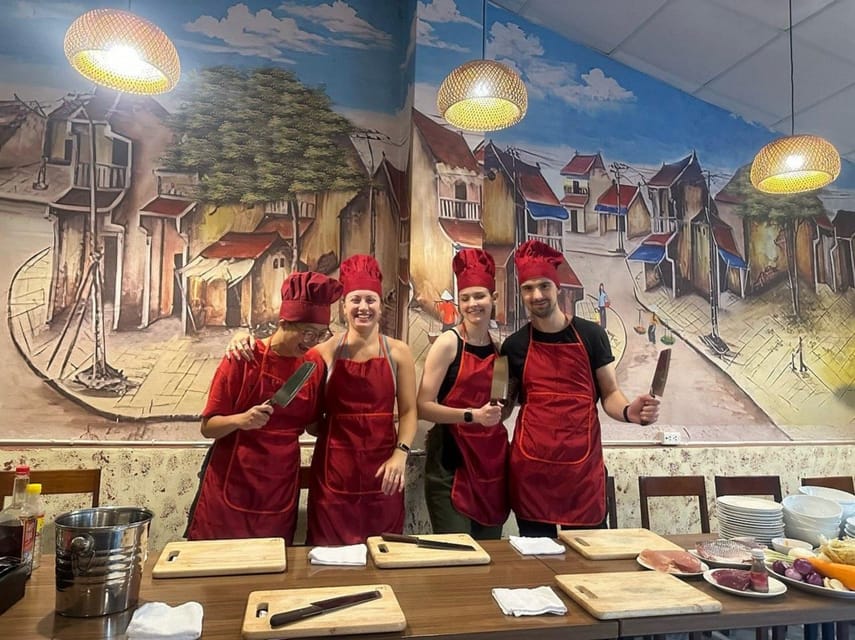
- Pick from 9 chef-suggested dishes and customize what you cook around your taste
- Cook 3 dishes in 3–3.5 hours, then enjoy a meal made by your own hands
- Chef certificate + detailed recipes after class so you can recreate the food later
- English-speaking guide with step-by-step instruction and help when you need it
- Max 14 people per group for more attention and less standing around
- Real-world flexibility if conditions change, the team keeps things friendly and moving
Where you meet: Hoang Cuisine in Tam Coc’s food-cooking orbit
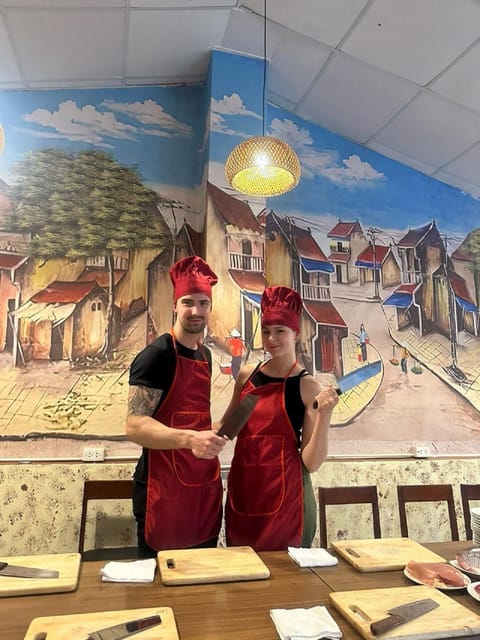
Your experience starts at a restaurant named Hoang Cuisine. The key practical move is simple: go inside and tell the staff you’re there for the cooking class. Then you’ll be guided into the kitchen area.
Why that matters: cooking classes work best when everyone is together and ready to start cutting, stirring, and tasting. Meeting at a real restaurant also helps you feel the local rhythm—this is less about a theater show and more about learning how Vietnamese cooks actually work.
If you’re planning around photos, bring your camera. That’s the one specific item they call out, and honestly, you’ll want to capture your dishes before they’re gone.
You can also read our reviews of more cooking classes in Ninh Binh
Choosing your dishes (before the heat of the wok)
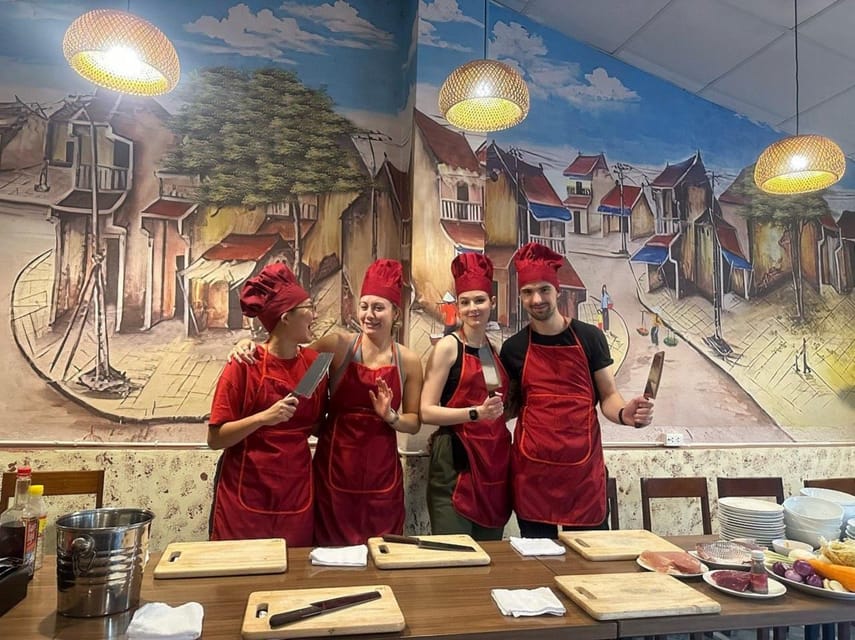
What makes this class feel personal is that you don’t just get assigned a menu. You meet up at the kitchen, then choose from 9 dishes suggested by the chef. That choice drives the whole lesson, because you’ll cook only three of those dishes during the class.
From the recommended list, you can often steer the experience toward what you already like. Here are the nine options they suggest for cooking classes:
- Green mango salad with or without shrimp (Nộm xoài xanh)
- Beef or chicken noodle soup (Phở bò / Phở gà)
- Fried Hanoi spring rolls (Nem rán Hà Nội)
- Fresh spring rolls Hanoi style (Phở cuốn Hà Nội)
- Hanoi traditional fried fish (Chả cá Hà Nội)
- Hanoi traditional fried pork (Bún chả Hà Nội)
- Stir-fried chicken with chilli, lemon grass, or cashew (Gà xào xả ớt / hạt điều)
- Grilled beef with betel leaves (Bò cuốn lá lốt)
- Vietnamese pancake (Bánh Xèo)
This is where you’ll get the most value if you match your choices to your comfort level. For example:
- If you want a dish that teaches a broad flavor foundation, pho or fresh spring rolls are great.
- If you want hands-on technique and crunch, consider nem rán or bánh xèo.
- If you’re curious about Hanoi-style specialties, the pork and fish options can be more memorable than the usual restaurant-only versions.
The 3-hour cooking rhythm: prep, cook, and taste as you go
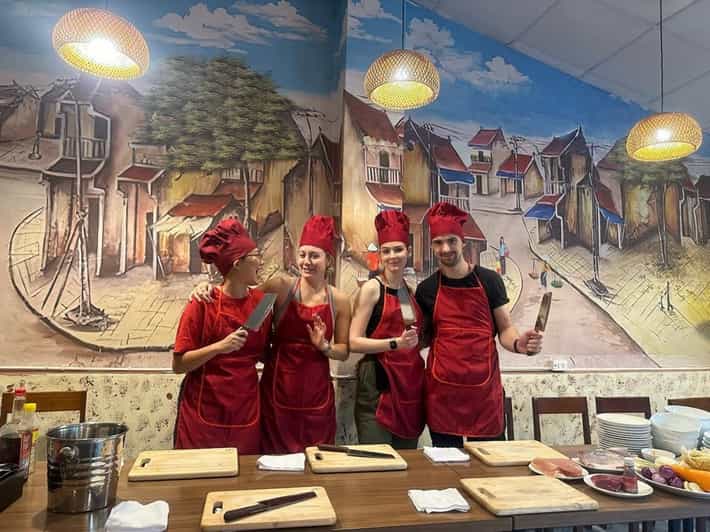
The core cooking time runs about 3 hours, and the total experience is typically 3 to 3.5 hours. You’ll start with the setup in the kitchen and then work through your three selected dishes.
While the exact order depends on the dishes you pick, the pattern is consistent:
- You learn the steps with an English-speaking guide.
- You do the cooking with the chef’s guidance.
- You eat the meal you made.
That last part is important. Many cooking classes teach you what to do but rush you out the door. Here, you get to sit down and actually enjoy the results. It makes the lesson stick.
One detail that stands out from real experiences: the chef and the owner (and the teaching team) tend to be thoughtful and patient when explaining steps in the recipe. That matters if you’re someone who learns best by doing, not just watching. It also helps if you’re not used to Vietnamese cooking tools or ingredient prep.
What you can cook: your menu choices, explained in plain terms
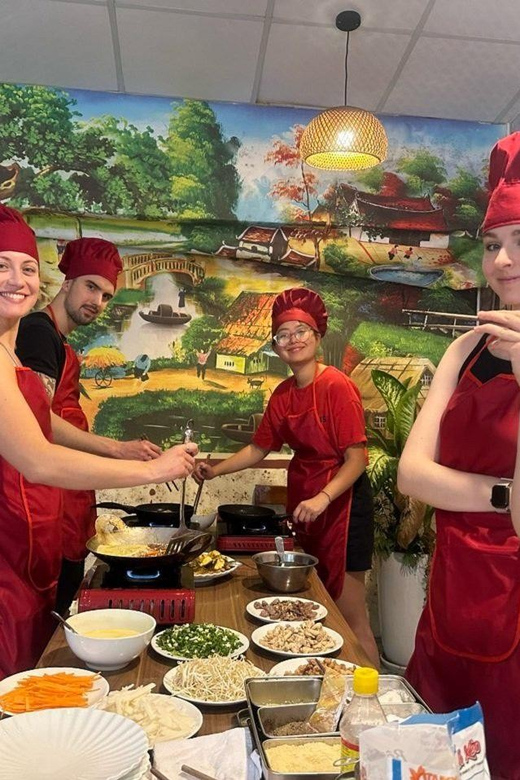
Since you only cook three dishes, it’s worth thinking about how your picks work as a set. A good combo often balances flavors and textures—sour, savory, crunchy, fresh, and hot.
Here’s what each dish generally teaches you, based on what these foods are known for:
Green mango salad (Nộm xoài xanh)
This is your bright, tangy dish. Expect sour-sweet balance and crunch. It’s also a good palate reset if you plan to cook something richer afterward.
A few more Ninh Binh tours and experiences worth a look
Pho (Phở bò or Phở gà)
Pho is comfort and structure: broth, noodles, herbs, and seasoning. Learning it in a class setting can help you understand how Vietnamese cooks think about depth without making it complicated.
Fried spring rolls (Nem rán Hà Nội)
This is your technique dish. The class choice here usually means you’ll handle filling and rolling, then focus on frying for the right texture. If you love crispy food, you’ll likely enjoy this one.
Fresh spring rolls (Phở cuốn Hà Nội)
Unlike fried rolls, fresh spring rolls emphasize assembly and freshness. You’ll likely learn how to manage herbs and ingredients so each bite tastes balanced, not heavy.
Fried fish (Chả cá Hà Nội)
Fish dishes often bring a different smell and flavor profile than beef or chicken. This option can be a fun way to expand beyond the usual “mainstream” Vietnamese menu.
Fried pork (Bún chả Hà Nội)
This one tends to feel hearty and satisfying. If you like grilled or fried pork flavors, choosing this dish can make the meal feel like a full-on Hanoi-style feast.
Stir-fried chicken with chilli / lemon grass / cashew (Gà xào xả ớt / hạt điều)
This is your aromatic, wok-friendly dish. You’ll likely work with fast heat and bold seasonings, plus the option to taste cashew notes or chili-lime style flavor.
Grilled beef with betel leaves (Bò cuốn lá lốt)
Betel leaves give a distinct herbal character. Choosing this dish is a good bet if you want something you don’t see in every Vietnamese restaurant.
Vietnamese pancake (Bánh Xèo)
Bánh xèo is a fun one to learn because it mixes savory batter technique with fillings. It also tends to be visually satisfying—part of the class “reward” even before you eat.
The meal you earn: welcome drinks, lunch/dinner, and soft drinks
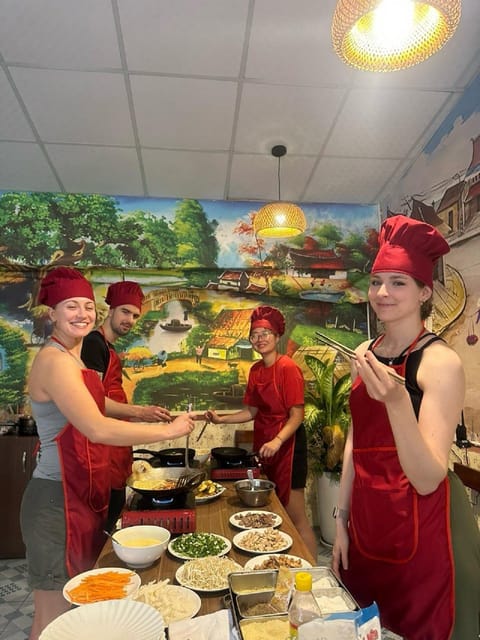
After you finish cooking, you’ll enjoy a meal right there. The class includes:
- All food (for the dishes you cooked)
- 1 soft drink
- Welcome drinks when you arrive
The timing tends to match the session:
- Morning class: you’ll likely finish in time for a lunchtime meal
- Afternoon class: you’ll likely finish with a dinnertime meal
So yes, you’re paying for a cooking lesson, but you’re also paying for a full meal experience. That’s a big part of the value.
There’s also a bonus: Egg Coffee or Coconut coffee. This is one of those additions that feels small on paper but adds a lot to how the class ends—because you get something Vietnamese and specific to pair with what you cooked.
The certificate and recipes you take home (and actually use)
This is one of the best “bring it home” perks of the class: you receive a certificate from the chef and you get detailed recipes after class.
If you’re the kind of person who has cooked dishes before but forgets measurements later, those written recipes are where the class keeps paying off. They make it easier to remake the dishes in your own kitchen without guessing.
I also like that the recipes aren’t generic. Since the chef teaches you the steps and you eat the results, you’re more likely to follow the recipe closely because you already understand what the dish is supposed to taste like.
Group size, English guidance, and what happens if conditions change
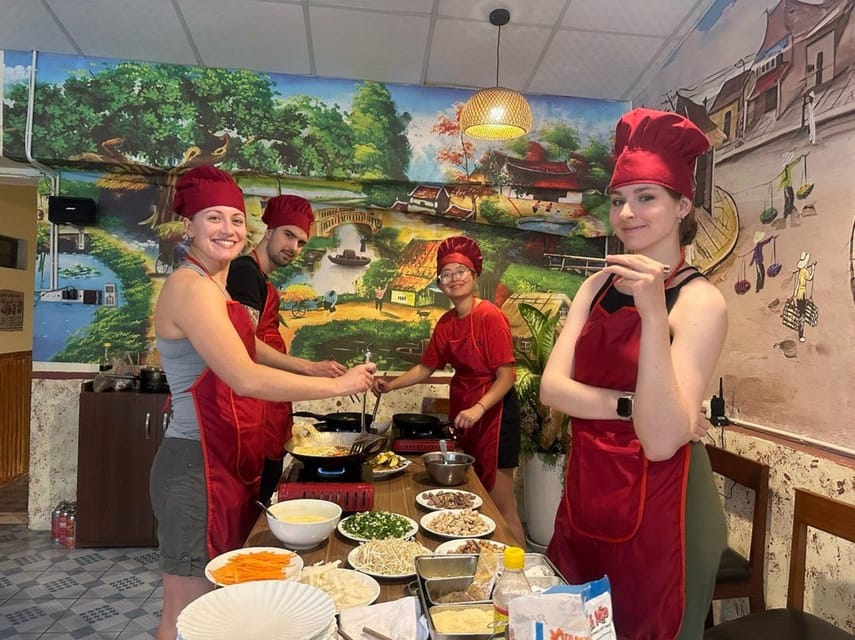
Your class runs as either a group or private experience. Group size is capped at maximum 14 people. That’s a sweet spot: big enough that you’re social, small enough that you’re not ignored.
You’ll have an English-speaking guide, and the teaching style seems to focus on explaining steps clearly (including a lot of patience when people need it). From real experiences of the class, I’d expect the team to stay calm and supportive even if things go wrong.
One real-world example from past sessions: there can be a candlelight version if the restaurant area loses power. In at least one case, that happened during a visit when it was hot, meaning there wasn’t air conditioning. The important takeaway for you: don’t assume comfort will be perfect, but do assume the staff will keep the mood positive and the teaching going.
Practical tip: if you’re sensitive to heat, plan for it. Bring water when allowed and dress for warmth.
Price and value: is $45 fair for 3 dishes plus a meal?
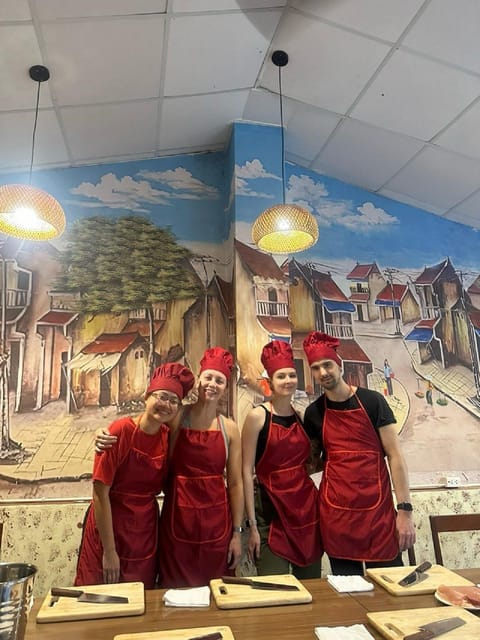
The price is $45 per person, with duration about 3 to 3.5 hours. To judge value, look at what’s included rather than the sticker price.
Included items:
- Welcome drinks
- All food (for the dishes you cook)
- 1 soft drink
- All necessary ingredients
- English-speaking guide
- Chef certificate
- Detailed recipes after class
- Bonus Egg Coffee or Coconut coffee
Also consider the class structure: you cook three dishes, not just one appetizer, and you eat them afterward. That turns the experience into a hands-on meal lesson, not a snack demo.
For most people, $45 is fair here because you’re leaving with:
- practical cooking skills you can repeat,
- written recipes for accuracy,
- a meal you didn’t have to find elsewhere,
- and a simple keepsake (the certificate).
If you were to recreate all of it on your own at home, buying ingredients and taking the time to learn would likely cost more than $45. The class compresses that learning curve into a short, social format.
Who should book this class in Tam Coc’s Dong Bac area
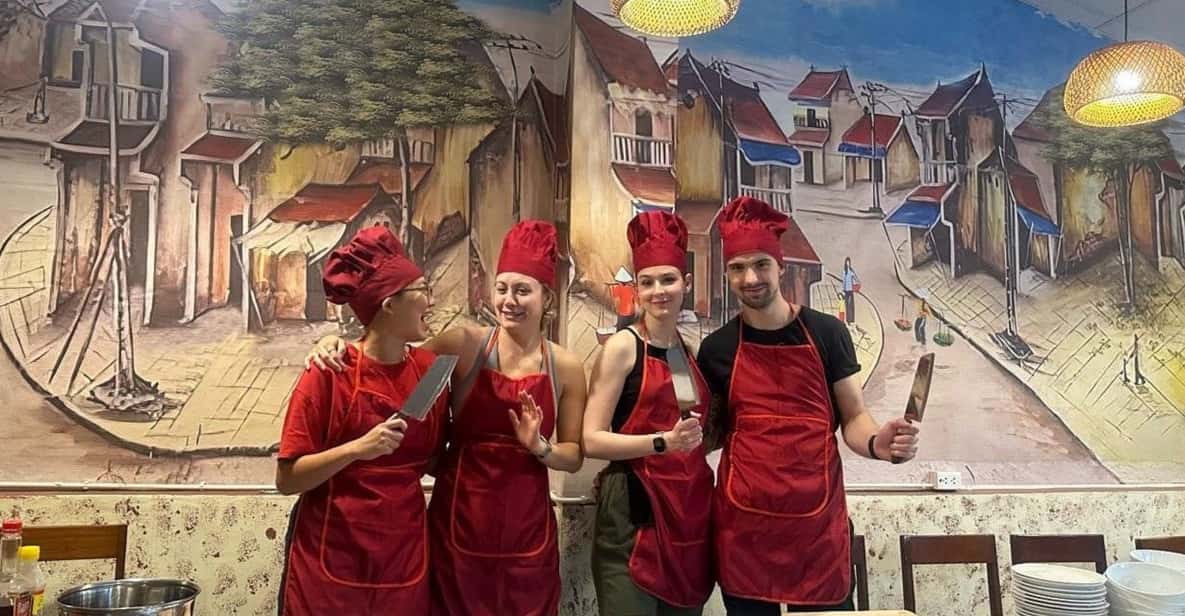
This cooking class is a strong match if you:
- want Vietnamese food learning with clear guidance in English,
- like the idea of choosing what you cook,
- want a class that ends with a real shared meal,
- prefer smaller groups (max 14),
- enjoy Hanoi-style dishes like pho, spring rolls, and bun chả.
It may be less ideal if you:
- hate warm indoor conditions,
- expect high-end comfort like reliable air conditioning all the time,
- need a fully guaranteed environment with no surprises.
It’s also generally family-friendly for kids, with a specific policy:
- Children under 4: free of charge
- Ages 4–6: 50% adult rate
- Ages 7–9: 75% adult rate
- Age 10 and up: charged as adults
- Not suitable for babies under 1 year
If you have dietary needs, send special requests before departure date. That’s the best way to make sure your menu and ingredients work with your needs.
Should you book? My straight advice
Yes, I think you should book this Tam Coc Cooking Class if you want a hands-on Vietnamese food experience that feels practical, not performative. The biggest wins are the combo of small group size, English instruction, and the fact you leave with detailed recipes plus a chef certificate. You also get a full meal setup, welcome drinks, and the bonus Egg Coffee or Coconut coffee, which makes the experience feel complete.
Book it especially if you’re the type who likes to understand how flavors are built, not just order a dish and move on. If you’re heat-sensitive, go in with realistic expectations and consider that some sessions may run in candlelight when power conditions aren’t ideal.
FAQ
FAQ
How long is the Tam Coc Cooking Class?
The class runs about 3 to 3.5 hours, depending on the session time.
What time options are available?
You can choose a morning class or an afternoon class. The listed start times are 9AM and 2PM, with availability confirming exact scheduling.
Do I cook all the dishes or just a few?
You choose from 9 chef-suggested dishes, and you cook 3 dishes during the class.
What’s included in the price?
It includes welcome drinks, the necessary ingredients, all food with 1 soft drink, a chef certificate, detailed recipes after class, and an English-speaking guide. Egg Coffee or Coconut coffee is listed as a bonus.
Is there an English-speaking instructor or guide?
Yes, the instructor/guide is listed as English.
Can the class handle dietary needs or vegetarian requests?
Special request for dietary or vegetarian needs should be sent before your departure date.
Can I cancel and get a full refund?
Free cancellation is available up to 24 hours in advance for a full refund.