REVIEW · HANOI
Sapa Trekking 2 Days 1 Night From Hanoi With Local Guide
Book on Viator →Operated by Hanoi Green Travel · Bookable on Viator
Sapa hits fast, even before the hiking starts. This 2 days / 1 night trip from Hanoi pairs a sleeper bus ride with guided village walks, so you get views, culture, and real time with ethnic communities. I really like how the tour builds in time to meet local guides such as Ku and Cat, who focus on explaining daily life rather than just pointing at scenery. The main thing to weigh is that this is not a flat stroll, and the schedule is long on both days.
What I like most is the balance: you’re not only doing rice-terrace trekking, you’re also visiting villages like Cat Cat for an on-the-ground look at Black H’mong life. I also like the small-group approach (up to 15 people), which makes it easier to ask questions and keep the pace steady with an English-speaking guide. If you’re the type who hates early starts or packing light while hiking downhill, you’ll want to plan carefully for foot comfort and stamina.
In This Review
- Key things that make this Sapa trek tick
- From Hanoi to Sapa, the trip starts with a fast morning plan
- Day 1: Cat Cat Village and the French-era power plant by the waterfall
- Sapa night plan: dinner and free time in town
- Day 2: The big trekking day through Muong Hoa rice terraces
- Trek to Muong Hoa Valley
- Village-to-village trail: Y Linh Ho and Lao Chai
- Lunch and the Ta Van piece
- Timing and return to Hanoi: expect a late finish
- Price and value: what you get for $85 per person
- Guides matter here: Ku, Cat, and Vu set the tone
- What to pack and how to handle the moderate workout
- Who this Sapa trek suits best
- Should you book this Sapa Trekking 2 Days 1 Night?
- FAQ
- What time does the tour pickup start?
- How many people are in the group?
- What trekking distances are included?
- Is the guide English speaking?
- Is accommodation included?
- What’s not included in the price?
Key things that make this Sapa trek tick
- Local guides with strong English: Guides like Ku and Cat are praised for knowledge and communication.
- Cat Cat Village walk: You’ll hike about 2.5 km to see the valley, waterfall area, and the power plant built during the French colonial period in 1925.
- A real Muong Hoa rice-terrace day: Trek about 9 km down to Muong Hoa Valley, with rice terraces as the constant backdrop.
- Three village loop in one day: Y Linh Ho, Lao Chai, and Ta Van (Dzay) are covered with different minority community rhythms.
- Overnight in hotel or homestay: You get at least one night on the ground in Sapa rather than rushing through.
- A moderate-fitness requirement: Distances add up to around 12 km total trekking across Day 2, plus the downhill segments.
From Hanoi to Sapa, the trip starts with a fast morning plan
Most Sapa trips fail at the start. This one helps you get going early with a 6:30 am hotel pickup in the Hanoi Old Quarter area. Then comes the sleeper bus to Sapa, which is doing more than just transport. It’s meant to save you daytime hours so you can reach Sapa with time to eat, check in, and start village sightseeing the same day.
The bus ride is part of the experience, but it’s also where your comfort matters. You’ll want to bring a layer (cooler mountain air can surprise you even if Hanoi feels warm). For motion comfort, pack what you’d normally want for a long overnight or early morning ride: water, tissues, and something for your feet if you’ll be sitting for hours.
One practical upside: this is a small-group style tour (max 15). That tends to feel calmer than the big “everyone-to-everything” batches, especially when you’re moving through pickup points and meeting times.
You can also read our reviews of more guided tours in Hanoi



Day 1: Cat Cat Village and the French-era power plant by the waterfall
Day 1 is built around one main village stop, and it’s a good choice for first contact. After you arrive in Sapa town around 1:00 pm, you meet your guide at the bus station, head to a hotel, and get lunch. By mid-afternoon, you’re ready to head out to Cat Cat Village.
Cat Cat sits near the foot of Fansipan Peak, and the walking route drops you down into a deep valley area. The tour has you taking about 2.5 km of trekking over roughly 2 hours. That’s enough walking to feel you’re out in the mountains, but not so much that it turns the first day into a full grind.
Here’s what makes this stop more than a quick photo stop:
- You’ll see a waterfall area and the power plant built by the French in 1925.
- There’s a performance time where boys and girls from the village share something cultural, with about 40 minutes set aside.
You also get a clear pacing structure: drive out, walk down, take in the key sights, then head back to Sapa town by early evening. It’s one of the better designs for travelers who want culture without needing an aggressive first-day hike.
Potential drawback: Day 1 is still long. You’re waking early in Hanoi, riding a long way, arriving, eating, hiking, and then rolling into dinner time. If you’re someone who needs a full rest day before any trekking, you might feel a bit rushed.
Sapa night plan: dinner and free time in town

You’ll have dinner back in Sapa, then free time to wander the town. This matters because Sapa can feel atmospheric after a trekking day. Even if you don’t do much, you’ll likely appreciate having a quiet evening rather than being immediately transferred into another packed schedule.
The tour includes overnight accommodation in either a hotel or homestay. Which one you get isn’t specified here, so the smart move is to ask your operator which option you’re booked into before you go. The homestay route can feel more local, but hotels can be easier if you want consistent comfort and a straightforward shower-and-sleep setup.
Either way, your goal tonight is simple: recharge your legs. If you’re serious about trekking Day 2, avoid anything that leaves you stiff or sore from an extra-long evening stroll.
Day 2: The big trekking day through Muong Hoa rice terraces
Day 2 is where the tour earns its reputation. After breakfast (you’ll have 7:00–8:00 am), you check out and prepare a light pack for trekking. This is the day with the most walking and the strongest pay-off in mountain views.
You’re looking at about 12 km of trekking total on this day, visiting three villages tied to two different minority groups. The itinerary divides the day into parts so you don’t feel like you’re just marching continuously without breaks.
Trek to Muong Hoa Valley
A big chunk starts with trekking down roughly 9 km to Muong Hoa Valley, described as one of the most beautiful valley areas in Sapa where local hill tribes work the rice field terraces. This stretch is all about rhythm: downhill walking, terrace views, and constant shifts in the terrain.
Downhill sounds easy until you try it with trekking shoes. Your knees feel it, especially if you step too fast. Your best friend here is pacing. Don’t sprint just because other people are moving. Controlled steps keep you moving longer and help you avoid the “Day 2 legs are done” feeling.
You can also read our reviews of more evening experiences in Hanoi





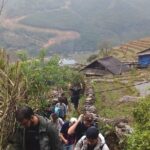
Village-to-village trail: Y Linh Ho and Lao Chai
After that, you continue with trekking downhill through Y Linh Ho and Lao Chai for about 3.5 hours, reaching a spot for a rest stop where the terraces of an ethnic minority group are visible.
The value of this section is that you’re not only seeing terraces, you’re walking trails between communities. You get a better sense of how daily life fits into elevation changes, fields, and pathways.
Lunch and the Ta Van piece
Lunch comes around 12:30 pm at a local restaurant. Then you continue trekking along the bottom of the valley to Ta Van village, home to the Dzay people, with time to experience their way of life while staying in a local family’s cottage.
That “stay-in” element can be the heart of the trip, because it shifts you from tourist sightseeing to simple human context. Even if you don’t speak the language, daily routines are visible: how people prepare food, how families set up spaces, and how the village fits into the slopes.
Practical note: you’ll go from trekking to a village cottage setting. Pack accordingly. If you have sensitive skin, consider bringing a small personal towel or wet wipes so you don’t end up uncomfortable after a wet or sweaty walk.
Timing and return to Hanoi: expect a late finish
After your Ta Van experience, the schedule moves quickly. A bus transfer returns you to the hotel area around 2:30 pm, and luggage is prepared for the ride back. You’ll then be transferred to the bus station about 3:30 pm and arrive in Hanoi around 9:30 pm.
So the full experience is a long day on both ends:
- Day 1: early departure, arrive Sapa midday, hike Cat Cat, overnight in Sapa.
- Day 2: breakfast early, major trekking and village time, late return to Hanoi.
That can be a good thing if you want your trip to feel efficient. It can be annoying if you hate late-night logistics.
Price and value: what you get for $85 per person
At $85 per person, the value here is largely in what’s bundled. This price includes:
- an English-speaking guide
- air-conditioned vehicle
- all fees and taxes
- pickup offered and mobile ticket
- overnight accommodation in Sapa
- meals on the itinerary (lunch on Day 1, dinner on Day 1, breakfast Day 2, lunch Day 2 are built into the day flow)
You’re also getting a sleeper bus between Hanoi and Sapa and a guided trekking program that hits multiple villages instead of one point-and-snap stop.
Compared with “just a taxi and a map” style trips, this is often the better deal if you want the route structure and guidance. Compared with ultra-luxury tours, it’s obviously simpler. But the target here is real walking and real village time at a price that doesn’t feel like you’re paying only for transportation.
The smart buyer move: make sure you’re comfortable with the trekking distances before you focus on cost. If you’re already a moderate hiker, the $85 is easier to justify.
Guides matter here: Ku, Cat, and Vu set the tone
The tour’s biggest strength shows up repeatedly in guide feedback. Local guides such as Ku and Cat are praised for being more than interpreters. They explain what you’re seeing, keep things moving at a workable pace, and help you understand how people live, not just what they wear.
A guide like Vu is described as kind and helpful, with strong local knowledge about where to eat and how the land and people connect. That local “know-how” is practical during trekking: it changes what you pay attention to, where breaks feel right, and how comfortable you feel in small village settings.
If you care about culture and want context while walking, you’re in the right place. A trekking tour without a good guide can feel like you’re just passing through. With the guides here, it’s more like a guided walk through systems and stories.
What to pack and how to handle the moderate workout
You need moderate physical fitness for this itinerary. That doesn’t mean you have to be an athlete, but you should be ready for:
- downhill trekking segments
- longer hours of walking on Day 2
- a light pack requirement on trekking day
Pack for comfort first:
- sturdy trekking shoes with good grip
- a water bottle (refill options depend on the day, so plan on carrying what you need)
- a light rain layer (Sapa weather can change fast)
- sun protection, even when it feels cooler
- a small layer for evenings, since mountain nights can feel sharper
Also, practice “shoe comfort over style.” This is a trip where sore feet can ruin the last third of Day 2.
Who this Sapa trek suits best
This tour fits best if you:
- want two days in Sapa without overplanning
- like village visits as much as you like views
- are comfortable with moderate hiking distances and downhill walking
- prefer a small group feel (max 15)
- value guides who explain local culture clearly in English
It may not be the best match if you:
- want a low-walking, mostly scenic car trip
- have knee issues or fear downhill pain
- hate early mornings and late returns
Should you book this Sapa Trekking 2 Days 1 Night?
I’d book it if your main goal is to experience Sapa in a structured way: Cat Cat on Day 1 and Muong Hoa rice terraces plus Ta Van on Day 2, with a guide who actually knows what you’re looking at. The price is reasonable for a package that includes transportation, overnight stay, meals, and guiding.
I’d skip it if you want a more relaxed itinerary or if your fitness is closer to “easy sightseeing only.” The trek is the point here, and the schedule is built around that.
If you do book, send a quick question before you go about your overnight stay type (hotel versus homestay) and make sure you’re ready for downhill trekking. Do that, and you’ll get a two-day Sapa story you’ll remember for the right reasons.
FAQ
What time does the tour pickup start?
Pickup starts at 6:30 am from the Hanoi Old Quarter area.
How many people are in the group?
The tour has a maximum group size of 15 travelers.
What trekking distances are included?
On Day 1, trekking to Cat Cat Village is about 2.5 km (around 2 hours). On Day 2, the total trekking is about 12 km, including roughly 9 km down to Muong Hoa Valley and additional downhill trekking through Y Linh Ho and Lao Chai.
Is the guide English speaking?
Yes, the tour includes an English speaking guide.
Is accommodation included?
Yes. The tour includes overnight accommodation in Sapa (either a hotel or homestay).
What’s not included in the price?
The tour does not include alcoholic drinks and does not include private transportation.