REVIEW · HANOI
Sapa – Ha Giang Loop Tour 5 days 4 nights
Book on Viator →Operated by Ha Giang Loop Trip · Bookable on Viator
Five days, two mountain regions, one smooth ride. This tour is interesting because it links the famous Ha Giang loop views with quieter Sapa village days, all run by a small team where guides like Thang or Hoc keep things organized. I love the small group size (max 10), which means you’re not stuck shouting over a busload of strangers, and I love how the ride experience centers on friendly, competent riders—names like Huy, Vinh, Tuyen, Hung Anh, and Thong show up in the team that gets singled out. One drawback to plan for: the days start early and you’ll spend a lot of time traveling between regions, and drinks and personal expenses aren’t included.
You also get real value in the basics. Pickup and drop-off from the Hanoi Old Quarter happen by a new comfortable bus or limousine car, and the package includes all meals and accommodation, so you’re mostly paying for experiences rather than constant add-ons. You’ll even get a mobile ticket, which keeps the first day from turning into a paperwork scavenger hunt.
Finally, the schedule depends on conditions. The tour notes it requires good weather, and if it can’t run, you’ll be offered another date or a full refund. If you’re flexible with timing and you don’t mind starting with an early bus, you’re in the right frame of mind.
In This Review
- Key highlights you’ll feel fast
- Value and what your $299 actually buys
- Day 1: Hanoi Old Quarter to Ha Giang, then the calm of Du Gia
- Day 2: Nho Que River and Ma Pi Leng Pass, plus Dong Van culture at night
- Day 3: Quan Ba Heaven Gate and the move from Ha Giang base to Sapa
- Day 4: Muong Hoa Valley villages—Y Linh Ho, Lao Chai, Ta Van
- Day 5: Sunrise coffee, the trek to Giang Ta Chai waterfall, then Su Pan
- The rider team and small-group feel (what people are really paying for)
- Meals, accommodation, and the comfort of not planning food
- Best-fit traveler: who this tour suits
- Should you book the Sapa – Ha Giang Loop 5D/4N?
- FAQ
- How long is the Sapa – Ha Giang Loop Tour?
- What is the price per person?
- Where does pickup and drop-off happen in Hanoi?
- How many people are in the group?
- Are meals included?
- Is accommodation included?
- Is a mobile ticket included?
- What happens if the weather isn’t good?
Key highlights you’ll feel fast
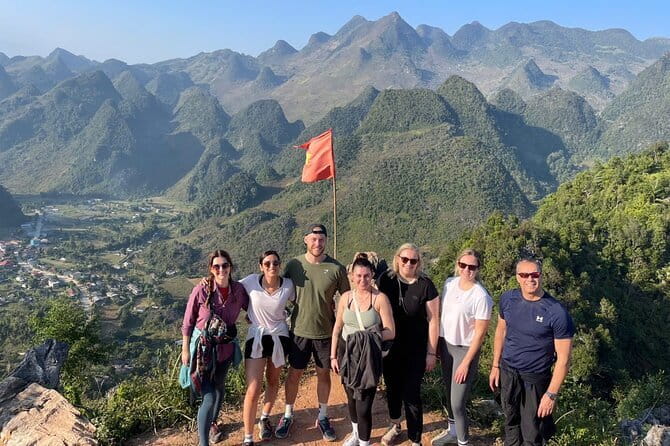
- Small group (6–10 max), so conversations and viewpoint stops feel personal, not rushed
- Hanoi Old Quarter pickup by new comfortable limousine/bus, with return on the back end
- Ha Giang focus: Du Gia, Nho Que River, Ma Pi Leng Pass, Dong Van evening stroll
- Sapa village days: Y Linh Ho, Lao Chai, Ta Van, plus a trek to Giang Ta Chai waterfall
- Meals + accommodation included across 4 nights, which is a big part of the value
Value and what your $299 actually buys
At $299 per person for 5 days and 4 nights, I’d judge this as a “pay for logistics so you can pay attention” kind of deal. You’re getting Hanoi pickup/drop-off, accommodation, and all meals—breakfast 4 times, lunch 5 times, dinner 3 times—so you don’t have to build your day around where to eat. That alone can erase a lot of budgeting stress in northern Vietnam.
Your money also buys the team structure. This tour caps at 10 people, which usually means quicker decisions at stops and less waiting around. And on the Ha Giang side, the experience is built around the riders’ ability to handle roads and keep your day moving, with multiple riders praised by name like Thang, Huy, and Hung Anh.
One thing to keep in mind: drinks and personal expenses are not included. That’s normal for Vietnam tours, but it matters if you’re the type who always buys bottled water, juices, or snacks. I’d budget a little pocket cash for that, plus anything extra you want to purchase at markets or homestays.
A few more Hanoi tours and experiences worth a look


Day 1: Hanoi Old Quarter to Ha Giang, then the calm of Du Gia
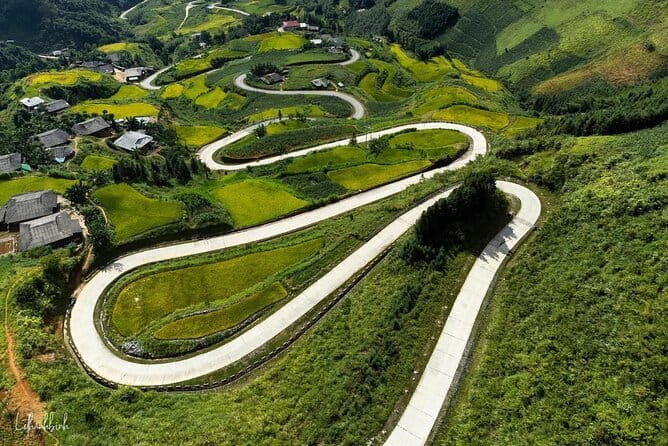
You start early, with a 06:30 pickup from the Hanoi Old Quarter. The ride is by luxury limousine bus, and arriving around lunchtime in Ha Giang gives you enough time to stretch, meet your guide, and eat before the first real sightseeing moments.
Once you’re settled in Ha Giang city, the vibe shifts from big-city motion to mountain pacing. A highlight on this first stretch is the stop at Du Gia, a quieter village that many people skip on shorter loop trips. What I like about choosing a longer loop here is that you get at least one day where the goal isn’t only big vistas—it’s also unhurried scenery and a slower feel.
Du Gia is described as a peaceful, unspoiled place. For you, that translates to: fewer crowds, more time to take photos, and a chance to watch daily life without feeling like you’re on a nonstop conveyor belt of stops.
Practical consideration: after a long bus day, your legs might feel a bit stiff. I’d plan on comfortable shoes and keep your expectations simple—today is about arriving, settling, and easing into the region.
Day 2: Nho Que River and Ma Pi Leng Pass, plus Dong Van culture at night
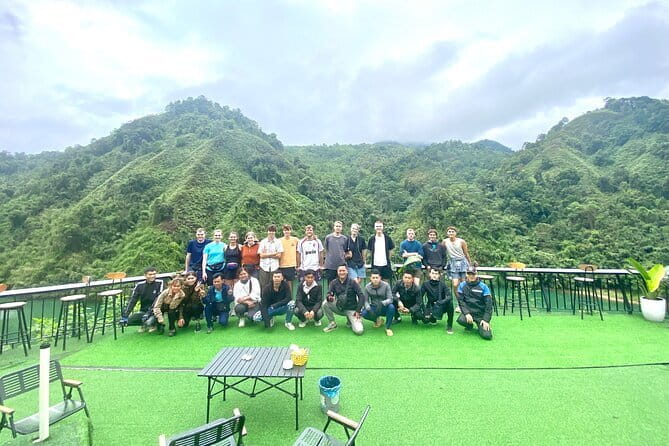
Day 2 is where Ha Giang starts doing its magic. You begin with the Nho Que River, and this one is explicitly listed as having an admission ticket included. It’s the kind of stop where the payoff is the color and the way the river threads through the terrain—easy to enjoy, even if you’re not the super-hiker type.
Then you move to Ma Pi Leng Pass, one of the most impressive mountain passes in Vietnam at around 1,500 meters. This is the stop people talk about because the viewpoint rhythm is built into the day: you don’t just pass by the pass; you actually stop and take it in.
After the driving and viewpoints, the day cools down in Dong Van. You’ll walk Dong Van Ancient Town in the evening and enjoy traditional music, with time to exchange culture with locals, including the Hmong community.
What I like here is the balance. You get big road-and-view thrills in the day, then a human-scale evening activity that feels more like wandering than checking boxes. If you enjoy small-city atmosphere, this night walk is a good reason to pick the 5-day version rather than a faster cut.
Possible drawback: mountain roads can be tiring, even when you’re not driving. Bring a mindset of comfort—your job is to show up and enjoy, not to rush the day.
Day 3: Quan Ba Heaven Gate and the move from Ha Giang base to Sapa
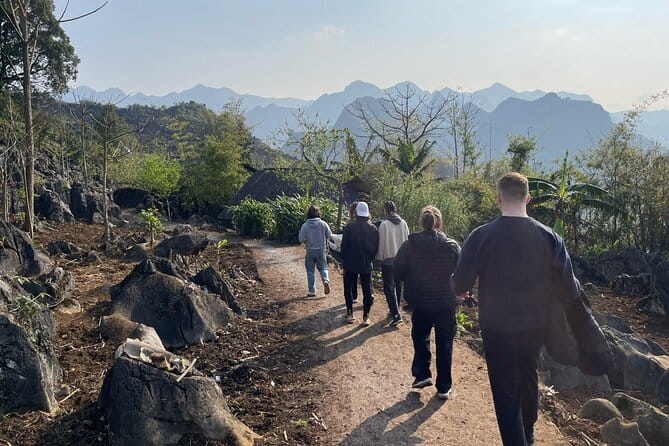
Day 3 includes Quan Ba Heaven Gate—a well-known viewpoint along Highway 4C, at about 1,500 meters. The schedule keeps this stop short and sweet (about 30 minutes on the day), which is smart. When a place is famous, you want to see it, take photos, and then not waste the rest of the day stuck under the pressure of peak time.
You’ll also do the Dinh Vua Meo (Hmong King Palace) earlier in the sequence on the 3rd day, with its admission ticket listed as included. This is the kind of stop that adds context. It helps you understand that these villages and passes aren’t just scenic postcards; there’s a cultural and historical backbone that shaped the region.
Then comes the pivot: you’re back in Ha Giang city around 4pm and take a bus to Sapa at 6pm, arriving for an overnight stay in Sapa town. This timing matters for you. It prevents the day from feeling like a total day of motion on motion—there’s a clear handoff point where you switch from “Ha Giang loop day” to “Sapa base day.”
Tip for Sapa: plan for cooler air and pack layers. Even without perfect weather, the mountains can feel brisk, especially after an evening drive.
Day 4: Muong Hoa Valley villages—Y Linh Ho, Lao Chai, Ta Van
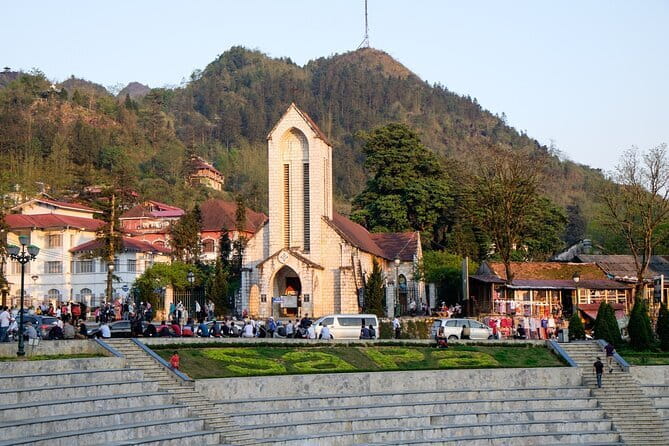
Sapa days are built for walking and village views. You start with Y Linh Ho (about 7 km southwest of Sapa) and then move through Lao Chai (around 7–8 km from Sapa town). These are ethnic villages in the Muong Hoa Valley area, and the day is set up for gradual immersion through daily-life scenery and terraced-agriculture views.
Next is Ta Van Village, also within the Muong Hoa Valley. Ta Van is presented as a popular place for understanding the region’s different ethnic communities, and it’s the kind of stop where you can slow down and actually talk, not just photograph.
I like this day structure because it avoids the “one big view then gone” feeling. Instead, you’re collecting small scenes: homes, paths, fields, and everyday movement. For you, it’s a better match if you want Sapa to feel like a real place rather than only a viewpoint circuit.
One drawback to consider: village days mean time on uneven paths. Even if the walks aren’t described as intense, you’ll feel it in your feet by the end of the day. Sturdy, grippy shoes matter.


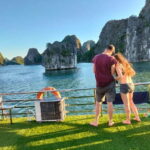

Day 5: Sunrise coffee, the trek to Giang Ta Chai waterfall, then Su Pan
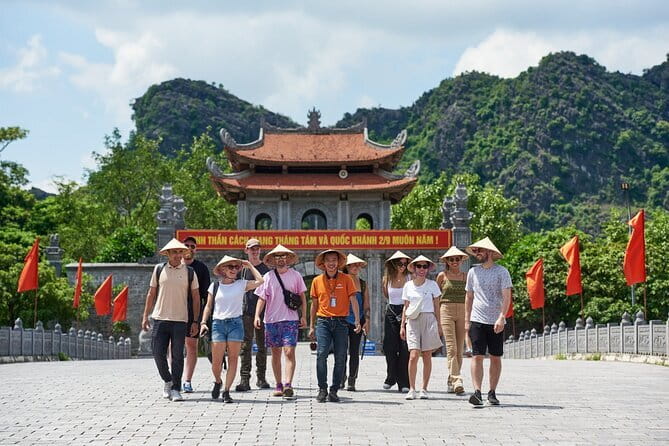
Your final morning starts with a quieter touch—sunrise coffee—before you get moving. The day centers on a trek through bamboo forests toward Giang Ta Chai waterfall. You’ll cross a rattan suspension bridge and continue into an area described as an entrance before the waterfall portion.
This is the part of the tour that feels most active, but still approachable. It’s not framed as a hardcore hike; it’s a walk-with-a-purpose, tied directly to the waterfall experience. If you like gentle adventure and you want the trip to end with something more than a bus ride, this is a strong closing act.
After the waterfall trek, you head to Su Pan. The schedule describes Su Pan as a mountainous commune about 17 km from Sapa town. This final village stop helps round out the trip so you’re not leaving Sapa right after the most famous viewpoints.
A practical thought: sunrise mornings can be chilly. Even if the trek itself warms you up, you’ll want a light layer you can put on quickly.
The rider team and small-group feel (what people are really paying for)
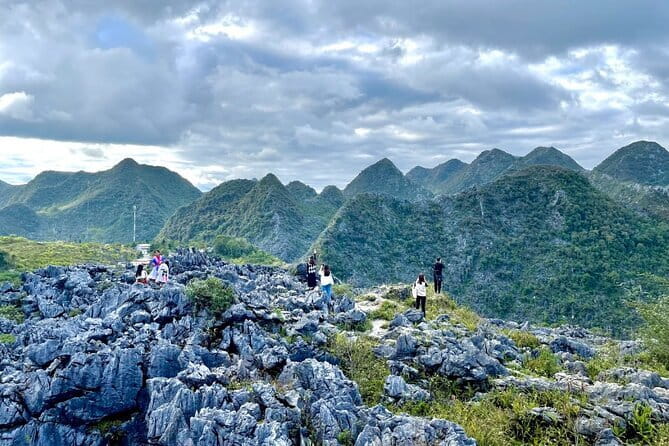
A major theme in the experience is the team. Multiple riders and guides are praised by name—Hoc, Thang, Tuyen, Huy, Vinh, Hung Anh, and Thong come up again and again in the most enthusiastic feedback. That’s not just nice to hear. It usually means two things: the driving is taken seriously, and the day’s rhythm is managed well.
In a loop tour, your comfort depends on logistics you don’t see. Who decides when to stop, where to pause, how to pace the day, and how to handle small issues matters more than the brochure. With a maximum group size of 10, your guide has room to respond to what your group needs—questions, photo stops, or simply knowing when to speed up.
I’d also look at the guide-led cultural moments as part of the value. The evening stroll in Dong Van and the cultural exchange with Hmong locals are specifically written into the flow, which suggests you’ll spend time interacting rather than racing from stop to stop.
Meals, accommodation, and the comfort of not planning food

You’re covered on the food side: breakfast (4), lunch (5), and dinner (3) are included. That matters because this region can be hard to navigate day-to-day if you’re traveling independently, especially when you’re moving between provinces and different village areas.
The tour also includes accommodation for 4 nights. Homestay-style stays are commonly part of the loop experience, and the feedback points to the homestays along the way as a highlight—places where you meet local people and share the day’s energy rather than just sleeping in a hotel room and calling it a win.
One thing to remember: meals include big parts of your day, but drinks aren’t included. I like having included meals because it helps me keep my schedule steady. I just plan ahead for water and any extras I want to buy.
Best-fit traveler: who this tour suits
This is a great fit if you:
- Want Ha Giang Loop + Sapa villages in one package without building logistics yourself
- Prefer small-group travel with room to talk and move at a human pace
- Like a mix of big viewpoints (Ma Pi Leng Pass, Heaven Gate) and village days (Y Linh Ho, Lao Chai, Ta Van)
- Enjoy a bit of active time on the last day with the bamboo forest trek to Giang Ta Chai
It may be less ideal if you:
- Want a super relaxed trip with minimal travel time between towns
- Are extremely sensitive to early mornings and long road days
- Expect all costs to be included, since drinks and personal expenses are extra
Should you book the Sapa – Ha Giang Loop 5D/4N?
I’d book this tour if you want a structured, good-value route that hits the big Ha Giang hits and then gives you meaningful Sapa village time. The biggest reasons to say yes are the small group cap, the included meals and accommodation, and the fact that the experience centers on a rider/guide team that’s repeatedly praised by name.
If you’re the type who needs every hour to be flexible, you might find the early starts and scheduled handoffs (Ha Giang base to Sapa base) feel tight. But if you’re comfortable with a plan and you’re excited for northern Vietnam’s mix of passes, rivers, and village life, this is the kind of trip that tends to leave you with more memories than checkmarks.
FAQ
How long is the Sapa – Ha Giang Loop Tour?
It runs for 5 days and 4 nights.
What is the price per person?
The price listed is $299.00 per person.
Where does pickup and drop-off happen in Hanoi?
Pickup and drop-off are offered in the Hanoi Old Quarter.
How many people are in the group?
The tour keeps the group to a maximum of 10 travelers.
Are meals included?
Yes. Breakfast is included 4 times, lunch 5 times, and dinner 3 times.
Is accommodation included?
Yes, accommodation is included for the duration of the tour (4 nights).
Is a mobile ticket included?
Yes, the tour includes a mobile ticket.
What happens if the weather isn’t good?
The tour requires good weather. If it’s canceled due to poor weather, you’ll be offered a different date or a full refund.