REVIEW · HO CHI MINH CITY
Ho Chi Minh City: Guided Private Tour by Open Air Jeep
Book on GetYourGuide →Operated by Private Jeep Tours Saigon · Bookable on GetYourGuide
Saigon moves fast, but this open-air jeep tour keeps it fun and focused. You get a tight route through the historic center on a morning or afternoon departure, with stops at the Reunification Palace, the War Remnants Museum, and Ben Thanh Market. Two things I really like are the local stories your private guide tells along the way, and the fact that drinks and entrance fees are included. One drawback to consider: if you’re expecting a perfectly restored vintage war jeep, this ride is more practical than museum-perfect.
What makes this experience worth your time is the balance of big-ticket landmarks and everyday street life. You’ll see the sights people photograph, but you’ll also travel down central boulevards and back streets with a driver who knows how to handle traffic. For me, that combination is the point: you come away with context, not just checkmarks.
One more note before you go: the tour is 4 hours, so the pace is efficient. You’ll cover multiple stops, and you may not get long, quiet hangs at every site—though the private format helps you adjust timing.
In This Review
- Key highlights worth your attention
- Riding Saigon in an open-air jeep (and what that really feels like)
- Reunification Palace: the Fall of Saigon, told where it happened
- War Remnants Museum: where artifacts do the talking
- Notre-Dame Cathedral and the Old Post Office: Saigon’s French-era bones
- Dong Khoi and Nguyen Hue: the city in motion between landmarks
- Ben Thanh Market: bargaining help, local rhythm, and a reality check
- Drinks onboard and the private-group pace (4 hours works)
- Price and value: what $79 includes (and why it matters)
- Who this tour is best for (and who should choose differently)
- Should you book this open-air jeep tour?
- FAQ
- What are the main stops on the Ho Chi Minh City open-air jeep tour?
- How long is the tour?
- Is this tour private?
- Where does pickup happen?
- Are drinks included?
- What language is the guide?
- Does the price include entrance fees?
Key highlights worth your attention
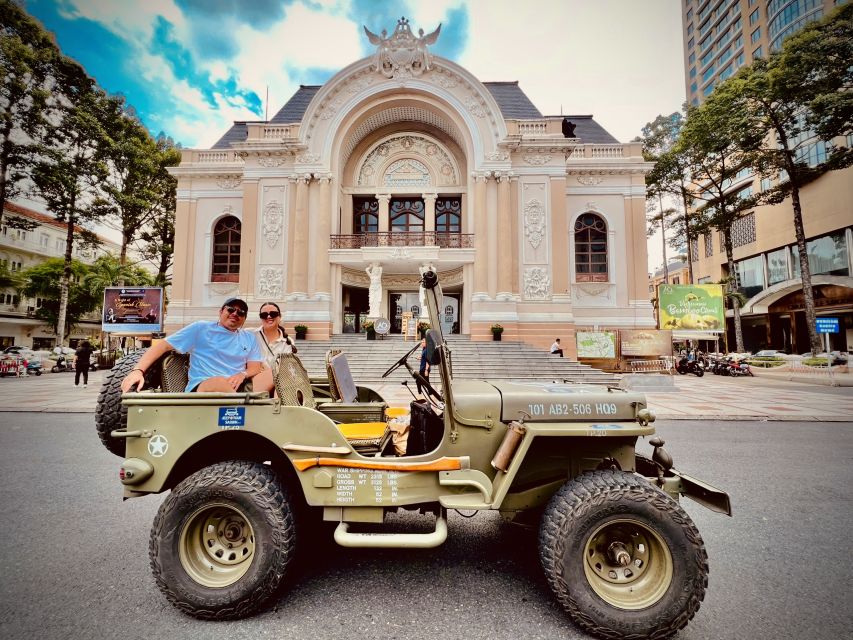
- Open-air jeep comfort for warm weather with a better feel for the city than a closed bus
- Private guide stories that connect the Fall of Saigon to what you see at the palace and museum
- Reunification Palace where the war’s final chapter becomes real and visual
- War Remnants Museum with weapons, photos, documents, and other relics
- Central streets plus backstreet travel, including Dong Khoi and Nguyen Hue
- Ben Thanh Market barter help, plus a heads-up if you dislike persistent sellers
Riding Saigon in an open-air jeep (and what that really feels like)
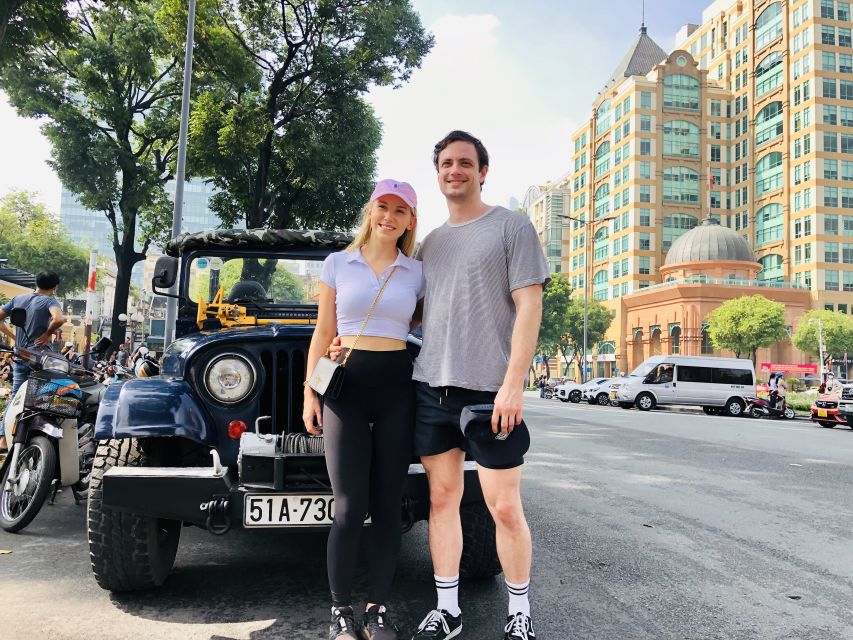
This tour’s main trick is transportation. Instead of hopping between sites in separate rides, you roll through the city in an open-air jeep, which gives you a more direct sense of place. You feel the breeze, you see street life up close, and you spot details you’d miss from behind glass windows.
The jeep comes with drinks onboard. In the feedback I saw, people especially appreciated the water and beers during the ride. That small perk matters in Ho Chi Minh City, where the sun and heat can catch you off guard.
Practical note: this is not sold as a pristine, perfectly “authentic” antique vehicle. Some visitors mention the jeep isn’t a 1940 original and that the vehicle may not look brand new. Still, it does the job—and the open-air setup is the real benefit.
Pickup and drop-off are included in District 1, 3, and 4, which keeps your first and last hour from feeling like dead time. Since it’s private, you also have more flexibility to make small timing tweaks without waiting for a group that doesn’t match your pace.
You can also read our reviews of more guided tours in Ho Chi Minh City


Reunification Palace: the Fall of Saigon, told where it happened

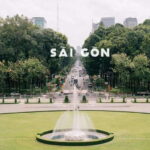
The Reunification Palace is the tour’s anchor stop, and it’s also the one that can hit hardest. Your guide explains the story of the Fall of Saigon and what this place represented at the time. The palace is not just a building—you’re viewing a turning point in Vietnam’s modern history.
A detail that people remember is the moment associated with a North Vietnamese Army tank crashing through the gates. Even if you’ve heard the broad outline before, standing there changes how the event lands. Your guide’s job is to slow it down and connect the facts to the physical space.
Why this stop is valuable: big history here isn’t abstract. You’ll be walking through a site tied to a specific “before and after,” and your guide helps you understand what changed and why it mattered.
Possible drawback: the theme is heavy. If you prefer purely light sightseeing, you may find the tone intense. In that case, I’d still go—just plan how you want to emotionally pace the rest of your half day.
War Remnants Museum: where artifacts do the talking
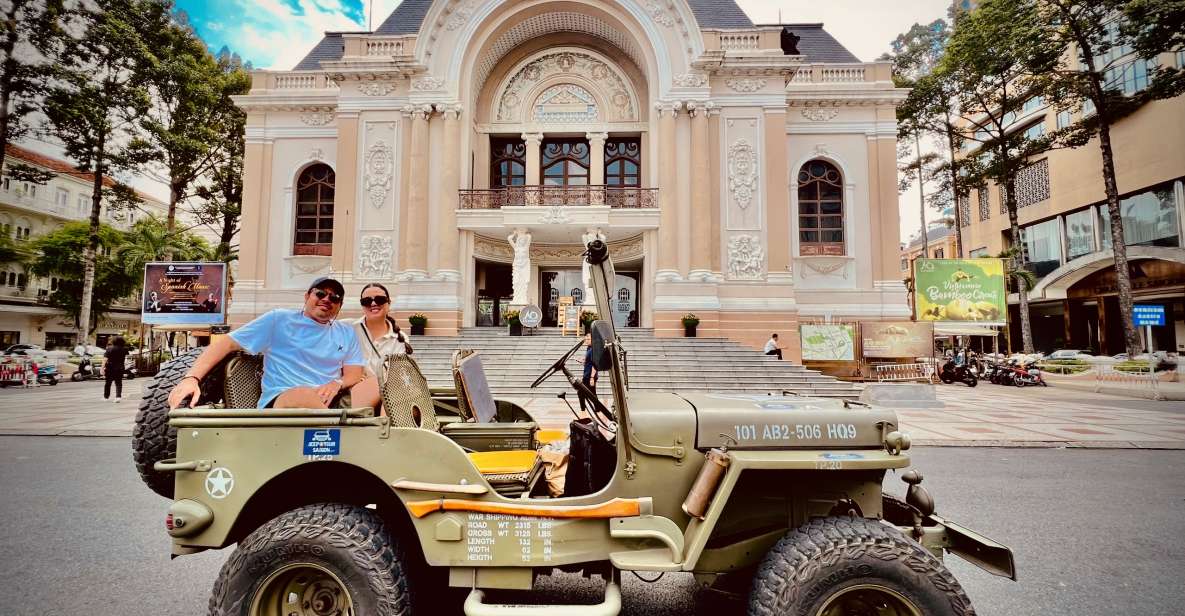
After the palace, the War Remnants Museum keeps the war narrative grounded. This isn’t a museum that relies only on captions. Expect weapons, photos, documents, and other relics that tell the story of Vietnam’s wars.
I like pairing the palace with this museum because they complement each other. The palace helps you grasp the moment and the political shift. The museum then fills in the human and material realities—what the war looked like beyond the headlines.
One practical point: this is an easy stop to overdo if you’re sensitive to graphic or emotionally intense content. If you’re the type who gets overwhelmed in museums, tell your guide and use the private format to control breaks or pacing. That’s one of the hidden advantages of doing this privately instead of on a fixed group schedule.
Notre-Dame Cathedral and the Old Post Office: Saigon’s French-era bones
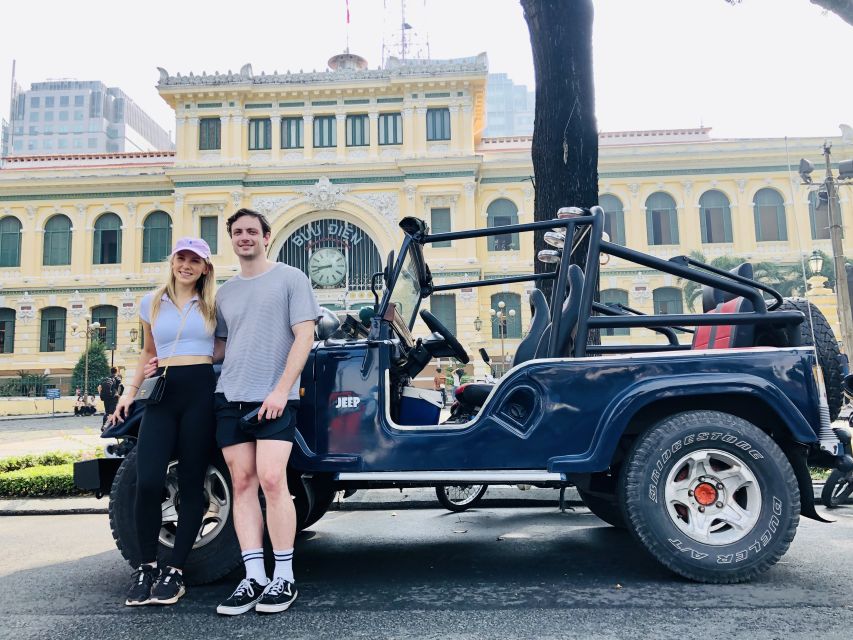
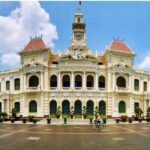
Next up is architecture, and it gives your brain a breather. Your route includes the Notre-Dame Cathedral and the Old Post Office, which help show what Saigon looked like during earlier colonial-era influences.
Even if you don’t care much about architecture, these stops are useful because they show how history stacks in one city. The war story is central here, but the city’s physical look also carries older layers. Seeing the cathedral and post office in the same half day helps you connect those layers.
A small expectation-setting detail: one visitor noted scaffolding around the cathedral and said they skipped it. You might run into construction or visibility limits depending on the day. It’s still worth seeing the area, but don’t assume you’ll get a perfect photo angle from every direction.
If you’re the kind of traveler who likes photos, look for perspectives from the surrounding streets rather than only front-on views. Your guide can often point out better angles while you’re already moving.
Dong Khoi and Nguyen Hue: the city in motion between landmarks

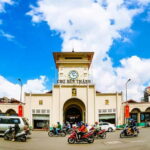
The tour doesn’t just teleport between big sites. You’ll also travel down central streets such as Dong Khoi and Nguyen Hue. That matters because these roads help you understand how the city functions today, not just how it looked long ago.
Why this segment is more than a transportation stretch: it gives you a sense of scale and rhythm. The guide’s commentary turns the drive into a kind of moving orientation map—how neighborhoods relate, where the energy concentrates, and how the historic core connects to everyday life.
I also like this part because it breaks up the heavier stops. Palace and museum can feel like a one-two punch. A drive through major streets provides contrast, and you often pick up useful street-level tips along the way.
You can also read our reviews of more city tours in Ho Chi Minh City





Ben Thanh Market: bargaining help, local rhythm, and a reality check
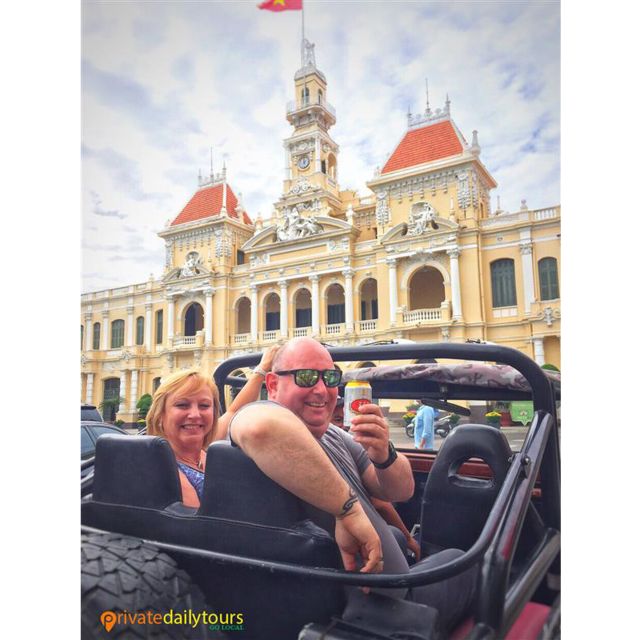
The final big “life in the city” stop is Ben Thanh Market. This is where the tour gets hands-on. Your guide can help you barter for goods, so you’re not stuck decoding prices or playing guessing games on your own.
This market experience is worth it if you want more than photos. You’ll see everyday products, feel the energy of a working market, and learn how locals negotiate and shop. For a lot of visitors, this is the piece that turns a history tour into a lived-city tour.
But here’s the consideration: if you strongly dislike persistent sellers, you may feel pressure during the market part. One piece of advice I’d take from the experience I read is simple: if you know you can’t handle lots of insistence, ask your guide how much market time is best for you—or consider skipping or shortening it if the option exists on the day. Because it’s private, you’re less locked in than you would be on a group tour.
A practical tip: bring small bills and coins if you have them, and keep your purchases focused. It’s easier to enjoy the bargaining process when you’re not making big impulse decisions in a busy place.
Drinks onboard and the private-group pace (4 hours works)
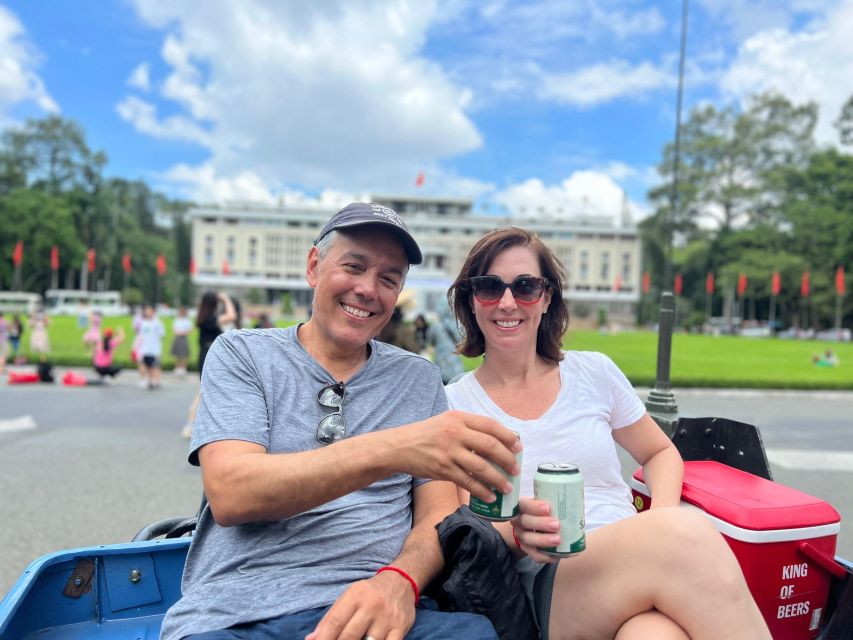
This is a 4-hour tour, offered in a morning or afternoon departure. That duration is a sweet spot: long enough to hit major landmarks and still feel like you had a day, not long enough to burn out.
The private group format is also a real value. You’re not just paying for exclusivity—you’re paying for adaptability. Visitors talk about guides being flexible with itinerary preferences, and that flexibility is especially useful in a city where traffic and timing can shift.
One thing you should know: the tour is “enough time to see a lot” rather than “slow travel.” If you love wandering and lingering, you’ll probably want to add independent time after the tour. Still, for an efficient first contact with Ho Chi Minh City, this is a strong plan.
Also, expect a mix of indoor sites (palace, museum, cathedral/areas) and outdoor walking. Wear breathable clothes and plan for sun. If rain shows up, the jeep experience is still manageable because there’s mention of a tent roof option.
Price and value: what $79 includes (and why it matters)
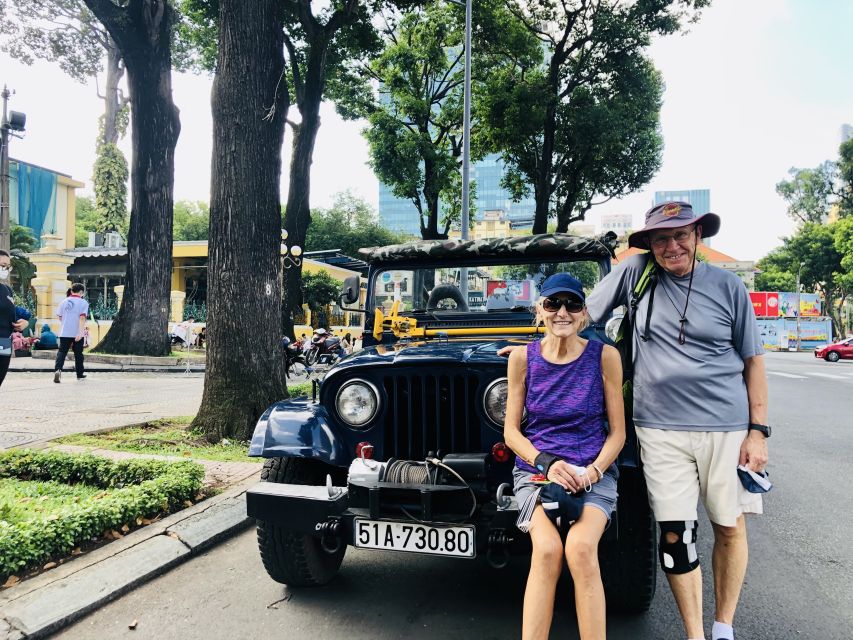
At $79 per person for a half-day, the value isn’t only the jeep ride. The price includes transportation by open-air jeep, pickup and drop-off in Districts 1, 3, and 4, a private English-speaking guide, drinks onboard, and all entrance fees.
That matters because entrance fees and local transit can quietly add up. Here, you’re buying one package that connects logistics to access. You spend your energy on the sights instead of figuring out tickets, routes, and changing plans mid-day.
Compared with a do-it-yourself approach, you also save time. Getting between Reunification Palace, the museum, central landmarks, and Ben Thanh while also navigating traffic is a headache. The private driver plus guided commentary turns that time into learning and sightseeing.
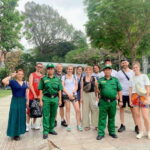
The other value piece is how guides shape the experience. Multiple guides were described as friendly, funny, and willing to accommodate preferences—people like Ken, Hua, Hoa, Hao, Law, and Kent came up as names in the tour experience. That variety suggests you’re not just getting a script. You’re getting a person who knows how to tell the city’s story in a way that stays understandable.
Who this tour is best for (and who should choose differently)
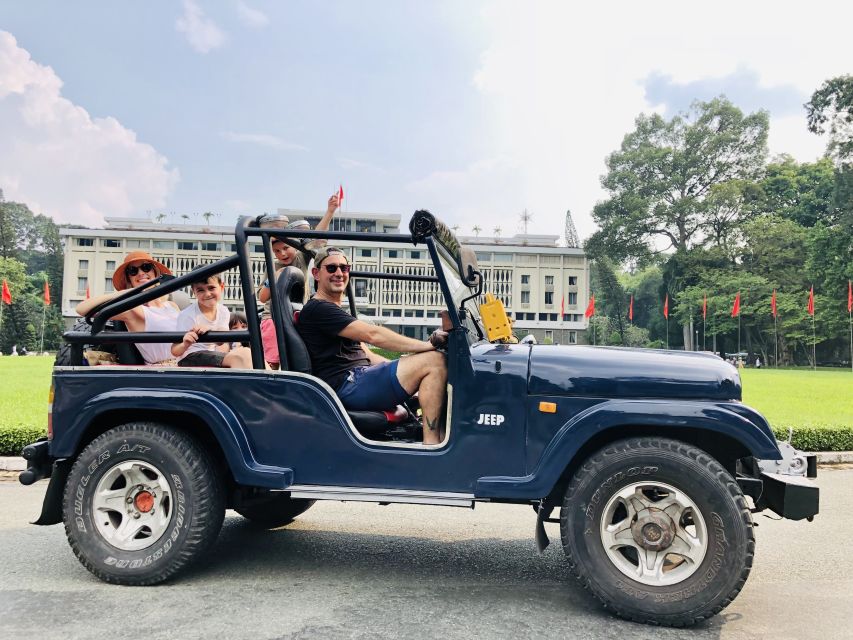
This tour is a great fit if you want your first half day in Ho Chi Minh City to feel organized and meaningful. It also works well for history-minded travelers who still want street-life texture—cathedral architecture, central boulevards, and a real market stop included.
It’s also a solid choice if you’re traveling with someone who gets tired of long museum days. The route alternates between heavier historical content and lighter city scenery.
If you want lots of quiet time, you might find the pace brisk. If you hate bargaining pressure, you might want to limit or skip Ben Thanh. And if you’re looking for a carefully restored vintage jeep experience, set expectations: it’s more about comfort and views than authenticity as a showpiece.
Should you book this open-air jeep tour?
I’d book it if you’re doing Ho Chi Minh City for the first time and you want a fast, guided way to connect the city’s big historical moments to how it looks and feels today. The included entrance fees, drinks, and pickup make it easier to say yes without playing logistics games.
I’d think twice only if you’re very sensitive to war-related exhibits, dislike any market-style sales pressure, or you need a slow, wandering schedule. For everyone else, this is a practical, memorable half-day plan—especially if you enjoy the feeling of moving through a city rather than following a rigid checklist.
FAQ
What are the main stops on the Ho Chi Minh City open-air jeep tour?
The tour includes the Reunification Palace, War Remnants Museum, Notre-Dame Cathedral, Old Post Office, central streets like Dong Khoi and Nguyen Hue, and Ben Thanh Market.
How long is the tour?
It runs for 4 hours.
Is this tour private?
Yes. It’s a private group with a private guide and driver.
Where does pickup happen?
Pickup is offered from Districts 1, 3, and 4, with pickup and drop-off included.
Are drinks included?
Yes. Drinks are included onboard.
What language is the guide?
The live tour guide is English.
Does the price include entrance fees?
Yes. Entrance fees are included.