REVIEW · VUNG TAU
Ho Chi Minh City – 3 Day Meditation & Monastic life experience
Book on Viator →Operated by The Bodhi Journey · Bookable on Viator
Waking to a temple bell changes your pace. This 3-day meditation and monastic-life experience at Thiền Tôn Phật Quang near Vung Tau is built around learning the right way to meditate, practicing Buddhist teachings, and living alongside monks and nuns. I like how structured it feels without being stiff, and I especially liked the chance to see daily monastic routine up close.
Two things I genuinely liked: the guided meditation practice (with chanting and Qigong/martial arts on the schedule), and the hands-on volunteer work that turns mindfulness into action. One helpful detail from my read of the experience: Hung Nguyen is called out as a patient guide who can clarify what you’re doing and why, even when your Buddhism basics are rusty.
One thing to consider before you book: mornings on days 2 and 3 start with a 4:00 bell wake-up, and meditation can be intense if you’re not used to long, quiet practice. If you like late mornings and lots of talking, this may feel like a hard reset.
In This Review
- Key Takeaways Before You Go
- Where This Monastery Experience Fits in Your Vietnam Plan
- The Big Picture: What “Monastic Life” Really Means Here
- Day 1: Welcome, Vegetarian Lunch, Then Mindfulness in Action
- Day 1 drawback to watch for
- Day 2: 4:00 Bell Wake-Up, Chanting, and Qigong/Martial Art
- What I think makes Day 2 valuable
- Day 2 challenge to consider
- Day 3: Repeat the Morning Practice, Then Head Back
- The real purpose of the last day
- Meditation, Chanting, and Qigong: What You’ll Learn (and How It Helps)
- Monks, Nuns, and the Welcome Factor
- Food, Drinks, and the “Grateful Meal” Rhythm
- Practical note
- Price and Logistics: Value Is Solid, Transport Is the Catch
- My practical take
- Who This Is Best For (and Who Might Struggle)
- Tips to Make the Most of It
- Should You Book This Monastery Meditation Experience?
- FAQ
- How long is the Ho Chi Minh City 3 Day Meditation & Monastic life experience?
- What time does the program start on day 1?
- Where is the meeting point?
- What’s included in the price?
- Is transportation included?
- Do days 2 and 3 start early?
- Is there a free cancellation option?
Key Takeaways Before You Go
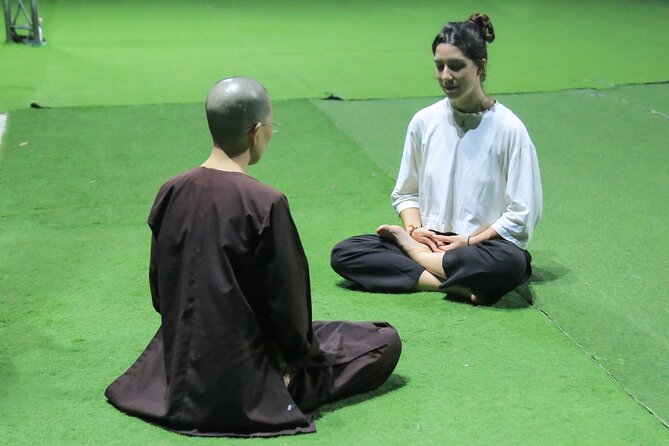
- Early temple routine: a 4:00 great bell wake-up on days 2 and 3, then meditation, chanting, and Qigong/martial art.
- Meditation instruction tied to doctrine: learning the correct method of meditation and Buddhist teachings, not just sitting quietly.
- Volunteer work for “blessings”: you’ll do practical tasks that support the pagoda routine and your own practice.
- Grateful meal rituals: vegetarian lunch is clearly part of the schedule, with meals framed as practice.
- Support when you have questions: Hung Nguyen is mentioned as an on-the-ground guide who helps explain things patiently.
- Large-cap but you may still feel personal: the program lists up to 1,000 participants, yet people describe feeling truly welcomed in a calm setting.
Where This Monastery Experience Fits in Your Vietnam Plan
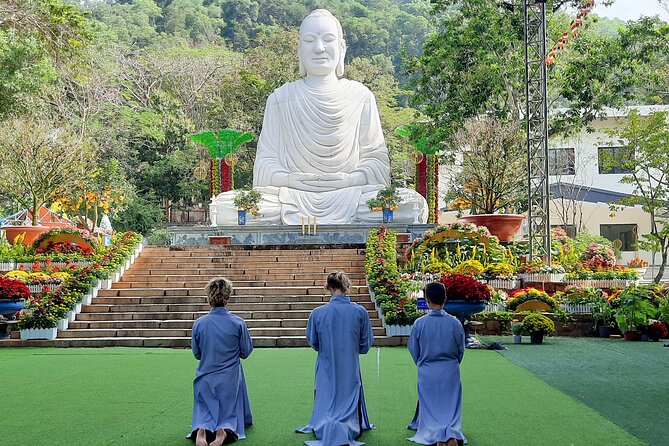
This experience is based in Vung Tau (meeting at Thiền Tôn Phật Quang), and it runs for about 3 days. The big idea is simple: you trade city noise for a pagoda schedule where meditation, chanting, and daily monastic tasks all run on the same clock.
Even though many people associate meditation trips with silence and self-study, this one is more “learn-by-doing.” You’re not just told concepts—you practice the routine, and you help with work that supports the community. That balance makes it easier to understand what monastic life actually looks like day to day, not just what it sounds like in a brochure.
If you’re using Ho Chi Minh City as your base, note the program ends back at the meeting point with a return to Ho Chi Minh City listed on day 3.
You can also read our reviews of more city tours in Vung Tau

The Big Picture: What “Monastic Life” Really Means Here
Monastic life can sound like a movie version: solemn, mysterious, and slow. In practice, what you’ll feel is routine. The pagoda schedule is the main teacher—when the bell rings, you follow. When it’s time to chant, you join. When it’s time for volunteer work, you switch from thinking to doing.
This program also emphasizes Buddhist doctrine alongside mindfulness training. The itinerary repeatedly pairs a structured meditation block with other elements—chanting and Qigong/martial art in the early mornings, plus volunteer work and hands-on tasks later. That mix matters because meditation isn’t presented as only a technique; it’s treated like a whole-life practice that includes gratitude and compassion.
You’ll also see how meals can be more than fuel. The schedule calls out a “grateful meal,” and lunch is vegetarian. That’s not just food logistics; it’s part of the rhythm of gratitude the program is trying to teach.
Day 1: Welcome, Vegetarian Lunch, Then Mindfulness in Action
Day 1 starts at 10:00 with welcome and check-in at Thiền Tôn Phật Quang. That start time is helpful if you’re arriving earlier that day, and it gives you a calmer onboarding than programs that start at dawn.
Around 11:00, you’ll have a grateful meal with vegetarian lunch. This is your first clue that the day is built around practice, not sightseeing. Instead of scrambling to find something to eat, you step into the routine.
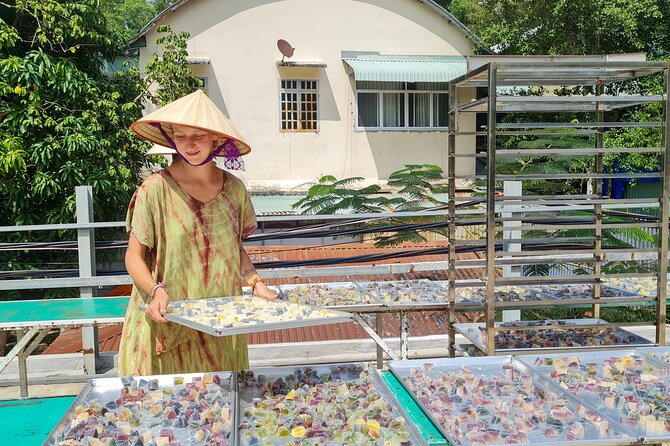
After lunch, the schedule moves into an “Enlightening Mindful Odyssey” meditation session at 14:00. Then you’ll shift into countless blessing/volunteer work. The program specifically mentions learning practical tasks such as making cakes, tea, tofu, and cooking. Even if you think you only came for meditation, this is where the experience starts to click: you calm your mind, then you use your hands and attention to do something useful.
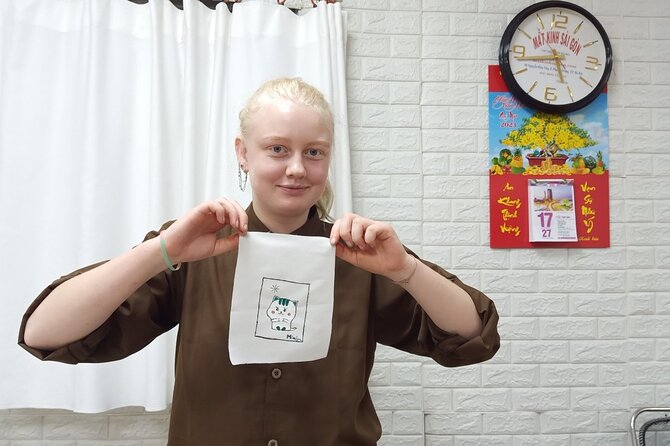
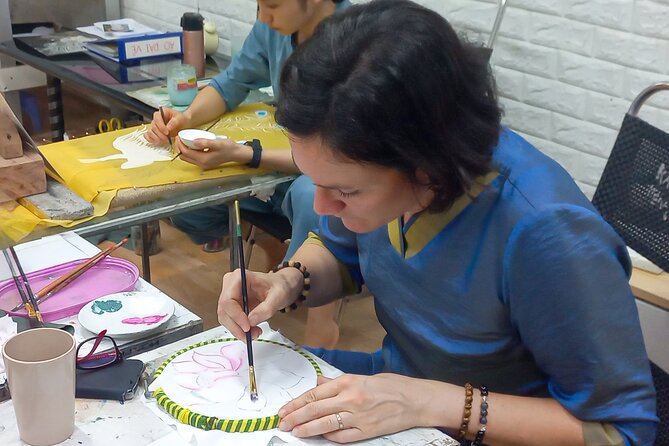
One detail that’s only partially visible in the schedule text, but fits the overall pattern: you may also have additional craft or preparation tasks (the itinerary text begins to list something like painting). Plan for hands-on work in general, and don’t treat this as a passive retreat.
Day 1 drawback to watch for
Day 1 is still a full day, so don’t schedule long, exhausting travel the night before. You’ll get more from this if your body isn’t already running on low battery.
Day 2: 4:00 Bell Wake-Up, Chanting, and Qigong/Martial Art
Day 2 is the true “reset” day.
You wake up with the great bell at 4:00, then it’s 4:30 meditation and 5:30 chanting. After that, 6:30 Qigong/ martial art shows up on the program. This part is easy to underestimate if you expect meditation-only. But pairing seated practice with gentle movement can make the whole experience feel more physical and more grounded.
Breakfast comes at 7:00. Then you’re back to volunteer work at 8:00. The afternoon continues with another meditation session as part of the “Enlightening Mindful Odyssey” at 14:00. By this point, you’re starting to understand how the day’s structure links attention, speech (chanting), and body (Qigong/martial art).
The mid-day again includes a grateful meal and vegetarian lunch at 11:00. It’s a pattern you can rely on.
What I think makes Day 2 valuable
This day forces consistency. Meditation is hard when it’s only an occasional activity. Here, it’s scheduled like breathing—early, repeated, and supported by chanting and community routine.
Also, the schedule is very clear. If you like knowing what’s coming next, you’ll find comfort in this.
Day 2 challenge to consider
If you’re not used to waking early, your mind may resist. Go to bed early on night 1. And if you get sleepy during meditation, treat that as part of training rather than failure.
Day 3: Repeat the Morning Practice, Then Head Back
Day 3 follows the same monastic rhythm in the morning:
- 4:00 great bell wake-up
- 4:30 meditation
- 5:30 chanting
- 6:30 Qigong/martial art
- 7:00 breakfast
- 8:00 volunteer work
Then at 11:00, you’ll have another grateful meal and vegetarian lunch. The program shows meditation again at 14:00 and then a wrap-up, with return to Ho Chi Minh City listed at 13:00.
That timing text is a little confusing in the source (the day 3 segment shows a return time earlier than the 14:00 entry). What you can do is stay flexible and assume the final departure timing is confirmed by the provider on the ground. Practically speaking, don’t plan a separate activity right at the departure time—you need cushion.
The real purpose of the last day
This is where the practice stops feeling like a tour and starts feeling like a habit you can take with you. Even if you don’t suddenly become a meditation monk, you’ll likely notice your attention changing—because you’ve been training it repeatedly in the same setting.
Meditation, Chanting, and Qigong: What You’ll Learn (and How It Helps)
The program says it teaches the correct method of meditation and the profound Buddhist doctrines. It also includes chanting and Qigong/martial art as part of the daily practice.
Here’s why that combination matters for you:
- Meditation technique helps you stop guessing. If you’ve tried meditating alone, you know how easy it is to do it wrong without realizing.
- Chanting gives structure to breath and focus. Even if you don’t understand every word, the rhythm can pull you out of mental noise.
- Qigong/martial art adds control and body awareness. Instead of treating mindfulness like only a chair activity, you learn it as attention in motion.
One review note that stands out: for someone who doesn’t meditate often, doing meditation three times a day for about an hour can be a challenge. That’s a useful expectation-setting detail. You should treat this as training, not a casual sit.
Monks, Nuns, and the Welcome Factor
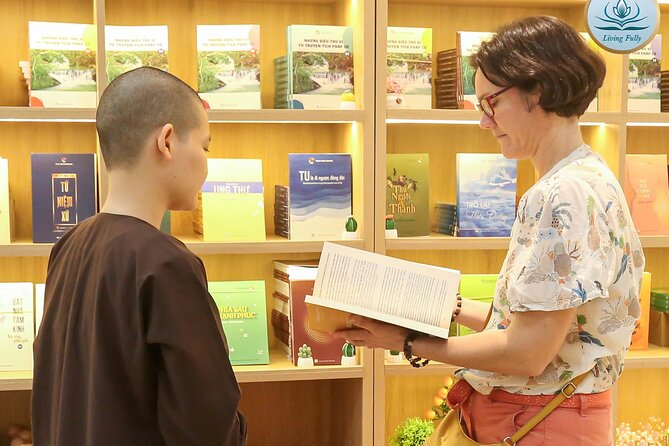
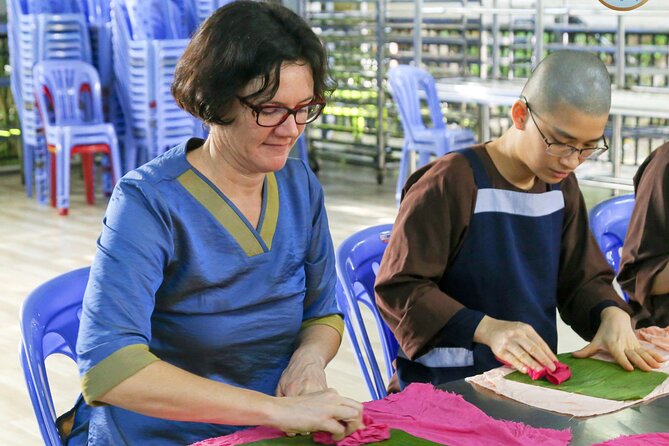
You’ll live alongside monks and nuns as part of the experience. That matters because it removes the tourist layer. You’re not just visiting a pagoda; you’re participating in the environment that shapes their routine.
Multiple parts of the feedback you provided highlight the same thing: the atmosphere can feel gentle, kind, and sincerely welcoming. People mention feeling supported even with limited English and being able to talk with a monk directly and get patient answers.
One name worth saving here: Hung Nguyen is specifically called out as an excellent guide who helps clarify things. If your biggest worry is not understanding what you’re supposed to do, this is the kind of program element that can make or break the experience.
Food, Drinks, and the “Grateful Meal” Rhythm
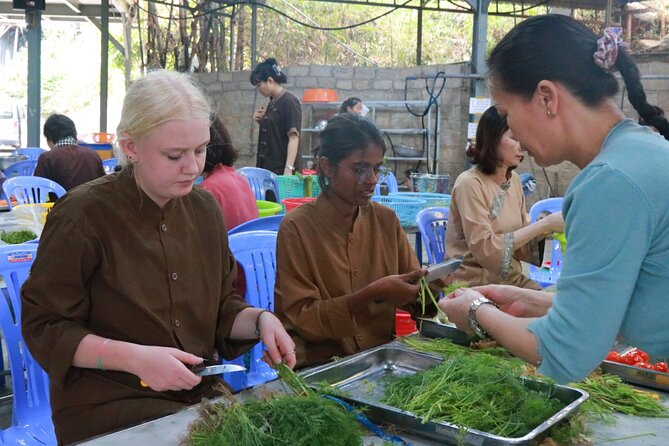
Meals are a major part of why this feels real. The program includes food and drinks, plus 2 breakfasts, 3 lunches, and 2 dinners. Lunch is explicitly vegetarian, and “grateful meal” framing suggests meals are practiced, not rushed.
For a lot of people, that’s a hidden benefit. When you don’t have to decide where to eat, you can stay in the training mindset. Also, vegetarian meals during a spiritual routine often make it easier to feel that you’re participating respectfully.
Practical note
Because transport isn’t included, you’ll want to avoid eating expensive, heavy food before starting. Let the included meals keep your schedule stable.
Price and Logistics: Value Is Solid, Transport Is the Catch
At $85 per person for about 3 days, with multiple meals and meditation/monastic instruction included, this is decent value—especially because you’re getting structure, guidance, and day-by-day practice time rather than just entry to a site.
The big “gotcha” is right in the fine print: transport is not included. You’ll still need to handle how you get to and from the meeting point area near Thiền Tôn Phật Quang.
The good news: it’s listed as near public transportation, so you may have options depending on where you’re staying.
Also:
- You’ll use a mobile ticket.
- You should receive confirmation at booking.
- The program lists a maximum of 1,000 participants. That doesn’t mean it will feel crowded, but it tells you this is a real operation with a wide capacity.
My practical take
If you’re local to the Vung Tau area or can reach the meeting point without stress, the price-to-value ratio feels fair. If you’re far out and need complicated transfers, the true cost will creep up.
Who This Is Best For (and Who Might Struggle)
This fits best if you want:
- Real practice time, not just a cultural visit
- A day-to-day structure where meditation is taught and repeated
- A chance to learn about Buddhism through doctrine, ritual, and daily routine
- A supportive learning environment with guidance (Hung Nguyen is mentioned)
It may be less ideal if you:
- Hate early starts (4:00 bell wake-up on days 2 and 3)
- Are looking for lots of leisure, sleeping in, or free-form exploration
- Need a quiet, self-paced retreat. This is schedule-driven and community-focused.
Tips to Make the Most of It
Based on how the schedule and expectations line up, here’s how to set yourself up.
- Sleep early on the first night. Your brain will thank you at 4:00.
- Bring patience for intensity. The meditation practice can feel demanding if you’re new.
- Use the guide. If you have questions, ask. Hung Nguyen is specifically mentioned as patient and helpful.
- Expect vegetarian meals and ritual pacing. Don’t treat food like a side quest—treat it like part of the day.
- Pack for hands-on work. The program includes tasks like making cakes, tea, tofu, and cooking. You may get involved more than you expect.
Should You Book This Monastery Meditation Experience?
I’d tell you to book this if you want a real, structured meditation training experience and you’re curious about monastic life beyond photos. The biggest strengths are the repeated guided practice, the chanting and Qigong/martial art that broaden what meditation feels like, and the fact that you’ll also do volunteer work that turns learning into action.
I’d pause if early mornings will wreck you, or if you’re expecting a relaxed vacation pace. This is more like training—calm, focused, and very schedule-led.
If you’re ready to trade a bit of comfort for clarity, the welcome and support described in the experience can make it feel not just educational, but genuinely humane.
FAQ
How long is the Ho Chi Minh City 3 Day Meditation & Monastic life experience?
It’s listed as 3 days (approx.).
What time does the program start on day 1?
The start time is 10:00 am.
Where is the meeting point?
Start point is Thiền Tôn Phật Quang, núi Dinh, thôn Chu Hải, Phú Mỹ, Bà Rịa – Vũng Tàu, Vietnam.
What’s included in the price?
The experience includes food and drinks, plus dinner (2), breakfast (2), and lunch (3). Admission tickets are included.
Is transportation included?
No. Transport is listed as not included.
Do days 2 and 3 start early?
Yes. The schedule shows a great bell wake-up at 4:00 on day 2 and day 3.
Is there a free cancellation option?
Yes. You can cancel up to 24 hours in advance for a full refund.