REVIEW · HANOI
Highlights of Vietnam, Cambodia and Laos Tour – 17 Days
Book on Viator →Operated by Crossing Vietnam Tour · Bookable on Viator
Few places pack three countries so tightly.
This 17-day route strings together Hanoi’s Old Quarter, an overnight Halong Bay boat stay, temple cities like Angkor, and the calmer rhythm of Luang Prabang, all with English-speaking guidance and entrance fees handled for you. I like how the tour leans into real context too, not just photos: war-era memory sites show up alongside the pretty UNESCO stops, which makes the trip feel grounded and worth your time.
Two things I especially like: the logistics are tidy (pickup is offered and you’ll use a mobile ticket), and the group stays small—up to 15 people—so you don’t get stuck in a giant shuffle at every stop. One drawback to plan for: a trip like this moves across long distances, and a few days center on heavy history, so if you prefer only “light and scenic,” you’ll want to mentally pace those moments.
In This Review
- Key Things You’ll Notice Right Away
- Hanoi’s Old Quarter and Ho Chi Minh’s Mausoleum: The trip’s tone-setting duo
- Halong Bay overnight boat: worth it, if you like time on the water
- Da Nang to Hoi An: central Vietnam’s mix of beach time and heritage streets
- My Son Sanctuary and Hue: two layers of “temple country” history
- Saigon beyond the skyline: Cu Chi tunnels and the Vietnam War context
- Mekong Delta by boat and the floating markets: local life, not just scenery
- Siem Reap and Angkor: the most famous temples plus the harder history
- Angkor Wat, at the right pace
- Luang Prabang: slower pace, river caves, and royal-era storytelling
- Price and Logistics: what $2,600 really buys you, and where to double-check
- Who should take this tour (and who might want a different pace)
- Should you book this Highlights of Vietnam, Cambodia and Laos tour?
- FAQ
- How long is the tour?
- What’s included in the price?
- Are pickup and tickets included?
- What group size is this tour?
- Where is the meeting point and start time listed?
- What is the cancellation window?
Key Things You’ll Notice Right Away
- Small group size (up to 15) keeps the pace realistic and the guide’s attention more useful.
- English-speaking tour guides mean you can actually follow the stories behind each site.
- Entrance fees are included during tours, so you’re not constantly paying at the door.
- Halong Bay overnight boat stay turns a famous stop into a full experience.
- War-history stops are part of the itinerary, with Cu Chi tunnels and landmine education in Cambodia.
- 3-star hotels and a cruise make the basics predictable for a multi-country route.
Hanoi’s Old Quarter and Ho Chi Minh’s Mausoleum: The trip’s tone-setting duo
Hanoi starts with atmosphere, not just landmarks. The Old Quarter is built for wandering: tight streets with old-school trade names, architecture that still feels lived-in, and a sense that the city’s “soul” is right there on the pavement. If you like arriving in a place and immediately getting your bearings—this works. You can walk in any direction, and the scenery doesn’t collapse into bland “tour zone” sameness.
Then you get the other side of Vietnam’s story with the Ho Chi Minh Mausoleum complex. It’s a respectful, historically important stop that many first-time visitors treat like a must-do in Hanoi. What I appreciate is that it’s not presented like a checkbox. The setting matters: you come away with a clearer sense of who Ho Chi Minh was and why he still matters in Vietnam’s national narrative.
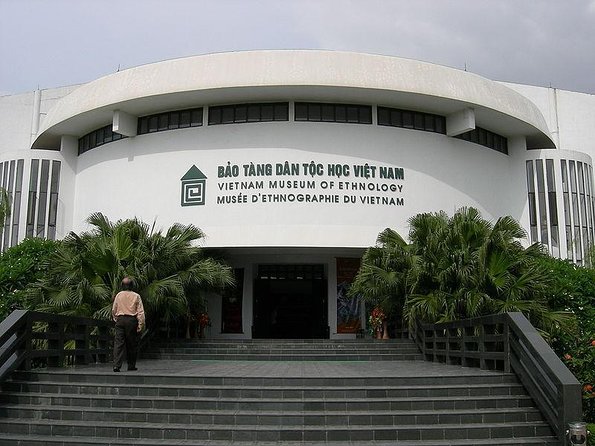
One more smart add-on here is the Vietnam Museum of Ethnology. It’s a useful correction to the common “single-culture postcard” view of Southeast Asia. You get downtime too—green space and a slower pace—so the first days don’t feel only like marching from one indoor sight to the next.
You can also read our reviews of more tours and experiences in Hanoi.



Halong Bay overnight boat: worth it, if you like time on the water
Halong Bay is one of those places where expectations run ahead of reality. Yes, the limestone islands look cinematic. But what makes the overnight stay valuable is that it changes the experience from a day trip into a rhythm: you’re on the water long enough to see the area soften as light shifts.
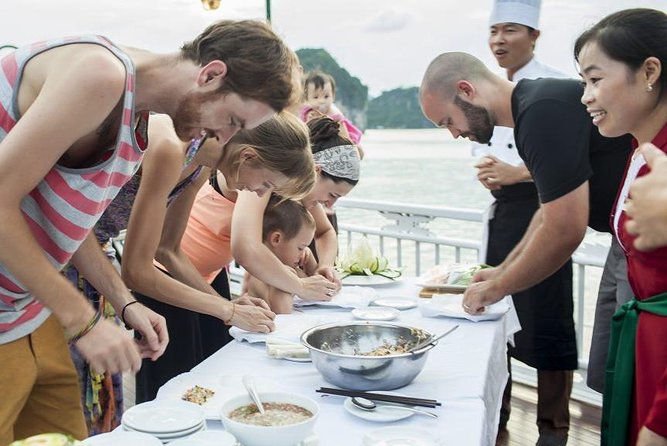
This tour gives you that setup with a full-day Halong Bay segment (the schedule calls for an 8-hour day with admission included) and an overnight boat component. In practical terms, that means you’re not just traveling out, snapping photos, and returning exhausted. You’re actually spending time in the bay itself—where the biodiversity and surreal rock formations do the talking.
If you get seasick easily, this is a place where you should think ahead. The tour materials don’t spell out the boat type or sea conditions, so you’ll want to come prepared the way you would for any time on open water. Also, pack light: the overnight style often means you’re living out of a small bag.
Da Nang to Hoi An: central Vietnam’s mix of beach time and heritage streets
After Hanoi, the route swings south to central Vietnam. In Da Nang, the highlight listed is the Da Nang Cathedral area, but the “why stay here” logic is beach access and good positioning for day trips. The focus is on nearby coastline options like Lang Co Beach and My Khe Beach—both described as clean, bright, and easy to pair with sightseeing days.
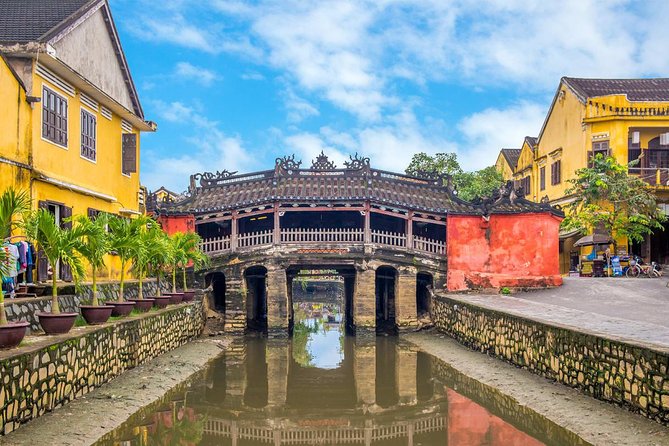
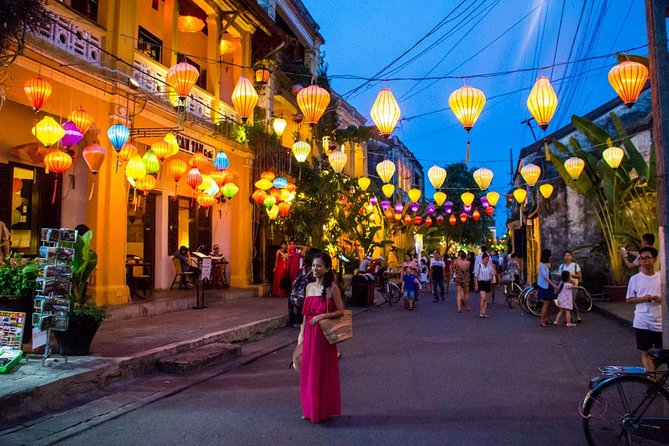
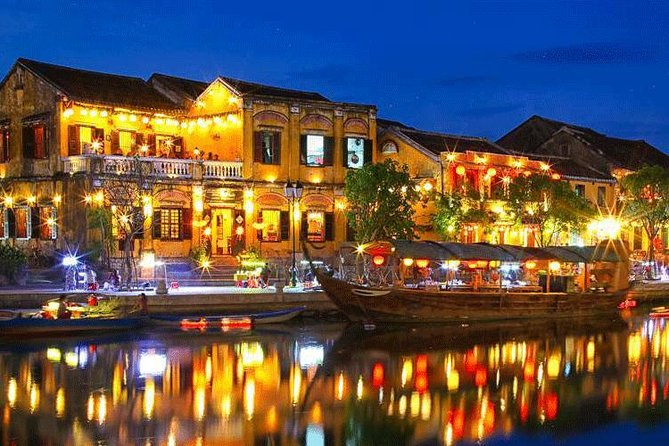
That sets you up for Hoi An Ancient Town, which is honestly one of Vietnam’s best “slow down” cities. Hoi An feels like a living museum: old houses, old trade architecture, a bridge with Japanese influence, Chinese temples, pagodas, and the sense of canals still shaping daily life. What works especially well on a tour is timing—Hoi An at night is where the lantern-lit streets turn from historic to emotional.
The schedule gives you a dedicated block of time (3 hours, with admission included), which is long enough to wander without feeling trapped in a short guided loop. I also like that Hoi An’s night atmosphere is built around the town itself, not a separate entertainment circuit.
My Son Sanctuary and Hue: two layers of “temple country” history
From Hoi An, you head toward My Son Sanctuary—a former political center and royal burial ground of the Champa culture. The details matter here: you’re looking at more than a collection of ruins. The structures were built with red brick and sandstone, and the centerpiece figures in the religious story linked to Shiva and the protector role for Champa kings.
The history is also painful. My Son suffered from war damage and bombing during the Vietnam conflict. That’s not a reason to skip it—it’s a reason to see it with open eyes. If you’re the type who likes understanding why heritage sites look the way they do, this stop gives you that.
Next up is Huế, built around the Perfume River and the legacy of the Nguyễn Dynasty. The city is described as story-rich—imperial capital energy mixed with leafy streets, mossy pagodas, and markets. What you’ll likely feel (even in a limited time window) is that Huế moves at a different speed than Hanoi or the beach towns. Even if you’re only there for about 2 hours, the layout and the river give you a sense of scale.
Saigon beyond the skyline: Cu Chi tunnels and the Vietnam War context

In the itinerary, Saigon (Ho Chi Minh City) is treated as more than a modern business hub. It’s a city shaped by Khmer roots, Vietnamese takeover, and later French colonial planning, which shows up in architecture and broad boulevards. You also get reminders of the war’s peak and the 1975 shift—context that makes later war sites less random.
Then comes Cu Chi Tunnels, one of the most direct places to understand what “war in the ground” meant. You get a 3-hour block with admission included. This stop is compelling because it’s physical—there’s a sense of how people lived, moved, and survived underground. It’s also emotionally heavy. If you’re sensitive to war-related content, I’d suggest going in with a plan to pace yourself during explanations rather than rushing through exhibits.



Mekong Delta by boat and the floating markets: local life, not just scenery
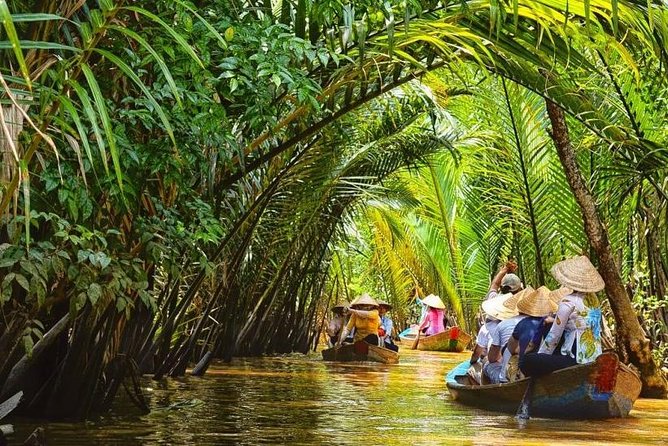
After the urban and tunnel history, the route shifts to the Mekong Delta—and that’s where the trip gets a more breathable pace. The day includes sampan cruising and stops connected to four islands named Dragon, Unicorn, Phoenix, and Tortoise. Unicorn Island is specifically described as a place to walk village paths, consider orchards, and enjoy tropical fruits and folk music performed by locals.
I like that the focus isn’t only on boats. You also get land time—fruit plantation visits and village paths—which helps the day feel like you’re seeing daily life rather than only drifting past it.
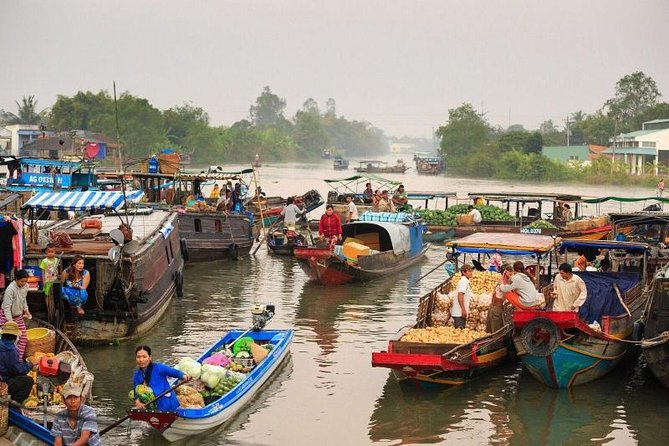
The next Mekong segment adds a market angle: Cai Be Floating Market and a look at how people trade across waterways. The itinerary says you take breakfast and then enjoy boat exploration and then reach Cai Rang Floating Market, described as the most vibrant floating market in the area. In practice, the value here is your guide helping you interpret what you’re seeing so it doesn’t become just a blur of boats.
Siem Reap and Angkor: the most famous temples plus the harder history
Then you land in Siem Reap, a city that feels friendly and travel-oriented while still acting as a gateway to the Khmer Empire ruins. The key draw is the Angkor Archaeological Park, with Angkor Wat among the best-known structures, and the tour gives you that essential anchoring moment.
Before Angkor Wat, the itinerary includes Banteay Srei—a smaller temple with standout craftsmanship. The description highlights the pink sandstone and the way carvings survive because of the rock’s durability. It’s a nice rhythm shift: you’re not only traveling to the biggest-name temples; you’re also seeing the type of details that make Khmer architecture so impressive.
A very important stop comes with the Landmine Museum, connected to Mr. Aki Ra, a former child soldier associated with the Khmer Rouge and later work trained by the United Nations to detonate landmines. That education focus is not “extra.” It changes how you look at Cambodia’s landscapes and history. You’ll come away with a clearer understanding of why the region’s recovery matters, and why heritage and safety can’t be separated.
Angkor Wat, at the right pace
Angkor Wat is described as a huge temple complex over 400 acres, originally Hindu and later Buddhist. You get the core story: it’s often called the largest religious monument in the world, and its “temple city” meaning ties to its political and religious role under Suryavarman II.
A 2-hour guided window is short for Angkor Wat, but it’s a practical way to get oriented. For me, the key is using that time to understand the layout and symbolism—because once you grasp what you’re looking at, returning later (even on your own) becomes much easier.
Luang Prabang: slower pace, river caves, and royal-era storytelling
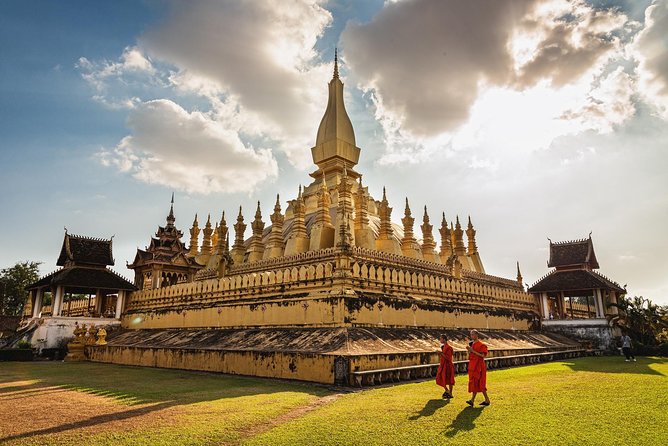
The trip ends in Luang Prabang, which the tour frames as capital of the first Lao kingdom (Lan Xang) and named for the revered Pha Bang Buddha image brought during the golden age. The city has that “slow city” feel built in: it’s historic, religious, and scenic without needing to manufacture attention for tourists.
The stop list includes Pak Ou Caves, located along the Mekong River north of town. You’ll learn how “Pak Ou” refers to caves at the estuary of the Ou River and that there are two main cave areas (Tam Ting and Tam Pum). Tam Ting is known for the cave of a thousand Buddha statues, and the materials even give a statue count estimate across the two caves, including the wooden statues painted red or black. This is the kind of sight where a good explanation changes everything—you can move through without feeling lost.
Finally, you get the Royal Palace Museum (Haw Kham). The tour describes the palace’s 1904 construction with Lao traditional and French style blended together, and the fact that it became a national museum after the 1975 revolution. It’s also presented as a place where each item “tells a story,” which fits well with a day that’s more about interpretation than scenic walking.
Price and Logistics: what $2,600 really buys you, and where to double-check
At about $2,600 per person for roughly 17 days across Vietnam, Cambodia, and Laos, the value case is strongest if you like having the big pieces handled. This tour includes English-speaking guides, all entrance fees during the tours, and 3-star hotels and cruise. It also includes dinner, plus many breakfasts and lunches listed in the package.
Where the money can feel less “all-in” is flights. The details say international flights to Cambodia and Laos are not included, and domestic flights in Vietnam are also not included. That means your final cost may rise if you’re not already set with air travel.
Also double-check your start point. The tour summary says Hanoi, but the meeting point details list Luang Prabang International Airport with a 10:00 am start time. That mismatch is worth clarifying before you book, so you don’t end up trying to solve the first-day puzzle after you land.
Who should take this tour (and who might want a different pace)
This is a strong fit if you want a well-guided high-coverage introduction to three countries: big-name temples, UNESCO-caliber landscapes, and the war-era context that shaped much of the region. The small group size helps here, and the included entrance fees and meals mean you’re not constantly breaking your day for paperwork and payments.
It’s also a good fit for first-timers who want the “classic hits” without doing the planning grind. If you’re the type who loves history but also needs scenic breaks, this route tries to balance both.
I’d reconsider if you’re traveling with very small kids, need lots of downtime every day, or dislike heavy content. The itinerary includes war-related sites (Cu Chi and the landmine education stop), and those days may require extra emotional bandwidth.
Should you book this Highlights of Vietnam, Cambodia and Laos tour?
If you want an efficient, guide-led tour that connects Hanoi, Halong Bay, central Vietnam, Saigon and the Mekong, then Angkor, and finishes in Luang Prabang, this is a solid option. The value comes from the structure: small group, entrance fees included, and time-saving logistics like pickup and mobile tickets.
I’d book if you can handle travel days and you’re open to learning the region’s harder chapters, not just collecting stamps. If you want only peaceful sightseeing and zero war history, you may feel the emotional mix is too strong.
If you do book, do one thing: confirm your first-day meeting point and start time clearly, since the provided details show Hanoi in the overview but list Luang Prabang airport for the start. That one check can save a lot of stress.
FAQ
How long is the tour?
The tour is listed as approximately 17 days.
What’s included in the price?
The package includes dinner, English-speaking tour guides, 3-star hotels and cruise, all entrance fees during the tours, and breakfasts (16) and lunches (10). It does not include meals and services outside what’s listed in the itinerary.
Are pickup and tickets included?
Pickup is offered, and the tour provides mobile tickets.
What group size is this tour?
The maximum group size is 15 travelers.
Where is the meeting point and start time listed?
The meeting point is Luang Prabang International Airport (W529+C97, Phetsarat Rd, Luang Prabang, Laos), with a start time of 10:00 am.
What is the cancellation window?
You can cancel up to 6 days in advance of the experience for a full refund.