REVIEW · HANOI
Hanoi: Old Quarter and French Quarter Walking Food Tour
Book on GetYourGuide →Operated by Fantastic Vietnam Tours · Bookable on GetYourGuide
Train Street gets painfully close.
This 3-hour Hanoi food walk threads together Old Quarter streets, French Quarter landmarks, and a memorable stop at Train Street. I like that you’re not just eating; you’re also picking up how the city is laid out and why certain neighborhoods feel different. One thing to keep in mind: the Train Street moment can shift based on the train schedule and local rules, so the timing isn’t something you can fully control.
I also love the practical format: multiple food tastings in a small group limited to 6, with an English-speaking guide who keeps things moving and answers questions. You’ll likely try classics like pho, bun cha, and banh mi, plus bites such as rice rolls, and you get entrance fees taken care of. The main drawback is that it’s not designed for everyone, since it isn’t suitable for wheelchair users and it’s not a good match if you have food allergies.
In This Review
- Key things you’ll notice on this Hanoi food tour
- Why this Hanoi food walk fits your schedule (and your appetite)
- Meeting at 25 Hang Be and getting a smooth start
- Old Quarter streets: where the city’s routines shape the food
- The 75-minute tasting block: how to eat smart, not just eat lots
- French Quarter sightseeing: colonial buildings, big streets, and clear context
- Train Street finale: a close-up moment with a drink in hand
- Price and value: what you get for $31 and what to budget extra
- Who should book this Hanoi Old Quarter and French Quarter tour
- Should you book it? My decision guide
- FAQ
- How long is the walking food tour in Hanoi?
- Where do I meet the guide if I’m not staying near the Old Quarter?
- What food tastings are included?
- Is a drink included at Train Street?
- Are vegetarian options available?
- Does the Train Street visit always happen?
- Is there an extra charge during Lunar New Year?
- Who is this tour not suitable for?
Key things you’ll notice on this Hanoi food tour
- Old Quarter + French Quarter in one walk: two distinct parts of Hanoi, explained as you go
- 75 minutes of food tasting: enough time to really compare flavors without feeling rushed
- Street-to-restaurant mix: you may eat at both stalls and sit-down spots depending on what’s open
- Landmarks that add context: stops tied to real stories, from classic French-era sights to local legends
- Train Street with a drink: a set finale where you watch the train pass close enough to feel it
Why this Hanoi food walk fits your schedule (and your appetite)
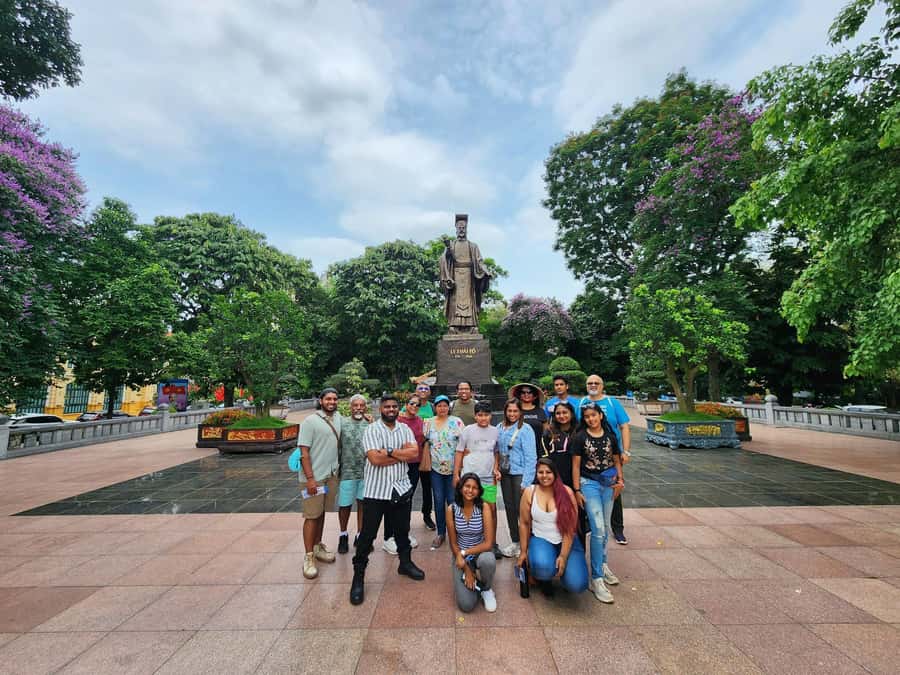
At $31 for 3 hours, this is priced like a “starter experience” more than a full-day food tour. And that’s exactly how it works best: you get oriented fast, then you can spend the rest of your trip chasing your own favorites (or going back for a second round).
The pacing is light-to-moderate walking, with a built-in block of tastings and a cool payoff at the end. Small groups matter here. When you’re limited to 6 people, you can actually hear your guide and ask questions without feeling like you’re in a moving cafeteria line.
The value isn’t just the food. It’s the way the tour connects food to place. You’re not only learning what to eat; you’re learning why you’re eating it in that neighborhood, at that moment, with those textures and spices. If you like the idea of “Hanoi by street level,” this format tends to click.
You can also read our reviews of more walking tours in Hanoi



Meeting at 25 Hang Be and getting a smooth start
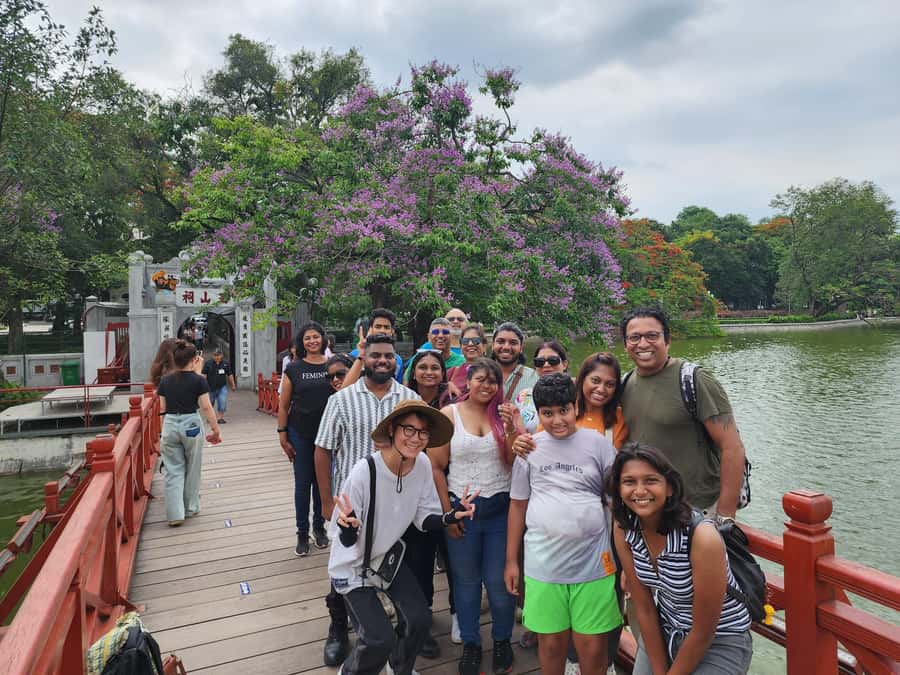
Most tours like this can start one of two ways: either pickup near the Old Quarter area (if you’re staying close enough) or a meet-up at the office on 25 Hang Be street (Little Hanoi Restaurant). Either way, the goal is simple: get you in the right lane quickly before the city noise swallows your plans.
You’ll want comfortable walking shoes or sandals. The streets can be uneven, and you’re on your feet for the full tour length. Also plan for Hanoi weather. Bring a hat and sunscreen for sun, and have an umbrella or raincoat ready if the sky changes its mind.
One more detail that helps: the guide is English-speaking and focused on keeping the group together. In tours like this, you may meet guides such as Paul, Ivan, Greg, Louis, Bao, or Le—and several of them come across as more than just food coordinators. They’re happy to answer questions about daily life and explain what you’re seeing beyond the postcard.
Old Quarter streets: where the city’s routines shape the food
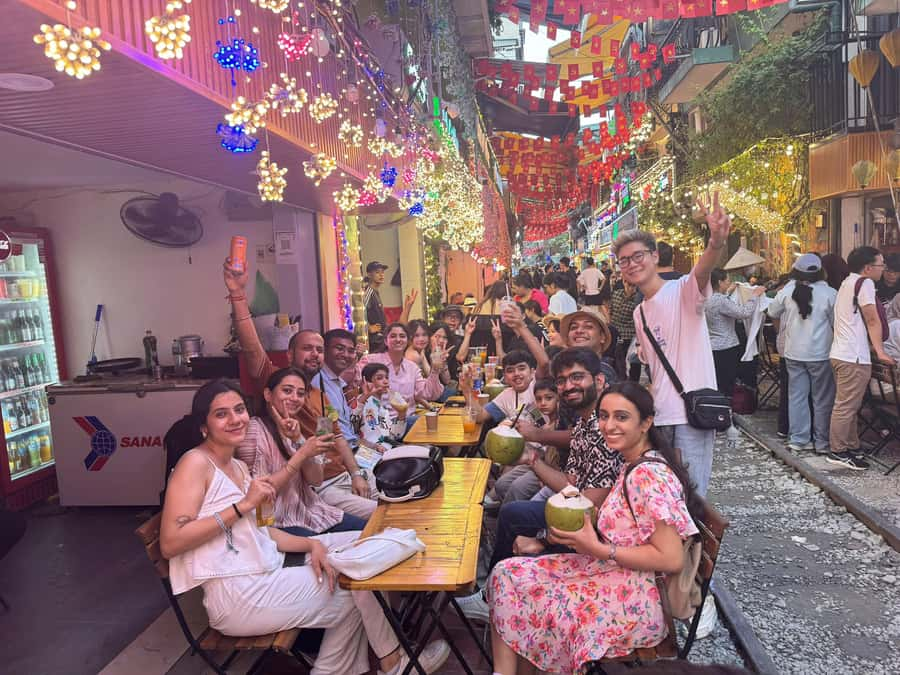
The Old Quarter is where Hanoi feels most “in motion.” You’ll walk narrow streets and see how everyday shops and street activity shape what people eat and when. This is one reason the Old Quarter portion is worth doing on day one: it helps you decode the city layout so later you don’t feel lost.
Expect to hear stories connected to specific spots and architecture. Guides on this route often point out major landmarks along the way, including the state bank building, the Hanoi Opera House, and other French-influenced icons that sit in the middle of older neighborhood life. That mix is part of what makes Hanoi different from other Vietnamese cities: older and newer influences overlap more than you might expect.
If you’re the type who likes “why this exists,” pay attention during the walk. A good guide connects the dots between streets, businesses, and traditions. It’s also where you get a sense of local food culture as a daily rhythm, not a one-time performance.
The 75-minute tasting block: how to eat smart, not just eat lots
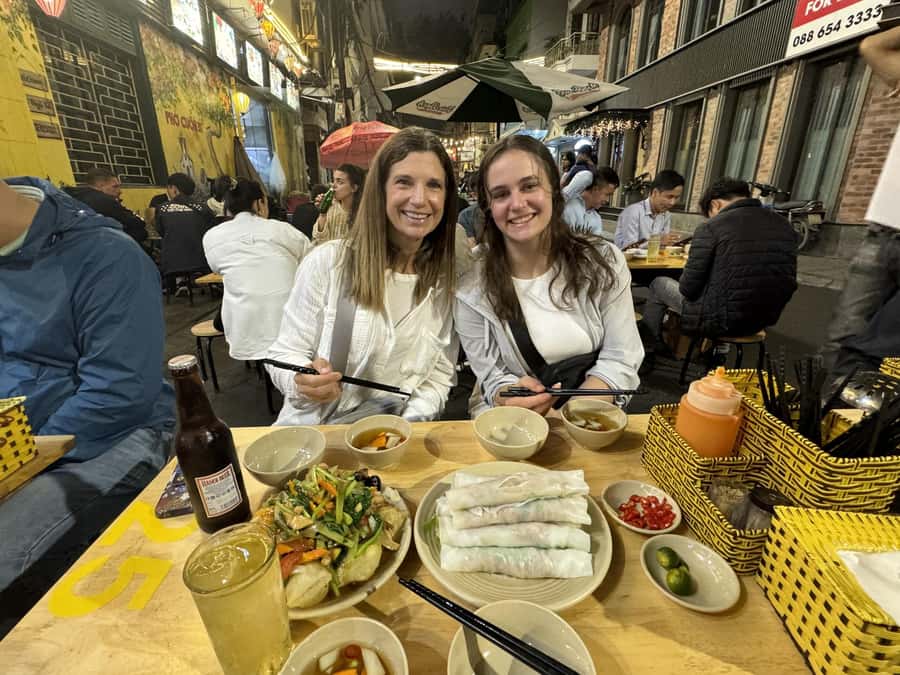
The tour’s centerpiece is a 75-minute food tasting section at local eateries. This is long enough to get variety, but short enough that you don’t feel like you’re committed to a heavy meal for hours.
You may taste classics like:
- pho (comfort bowl, usually easy to recognize and compare)
- bun cha (grilled pork with noodles and herbs)
- banh mi (crispy bread, savory fillings)
- rice rolls (often lighter, great for texture contrast)
A key point: this isn’t always one “fancy restaurant parade.” The tour style mixes selected street food stalls and more sit-down options. On some days, that balance may lean a bit more restaurant-heavy, depending on what’s open. There’s also a reality check: during major holiday periods, planned places can close, and the guide will swap in alternatives so you still eat well.
Here’s how to make this part work for you: pace yourself. If you get one richer bite, follow it with something lighter. And don’t be shy about asking what you’re tasting. When the guide explains what makes a dish Hanoi-specific, it turns a snack stop into a mini lesson you can use later when you order on your own.
Vegetarian options are available if you notify in advance. If you have allergies, though, be cautious: the tour isn’t listed as suitable for people with food allergies, so you’ll likely need a different plan.
French Quarter sightseeing: colonial buildings, big streets, and clear context

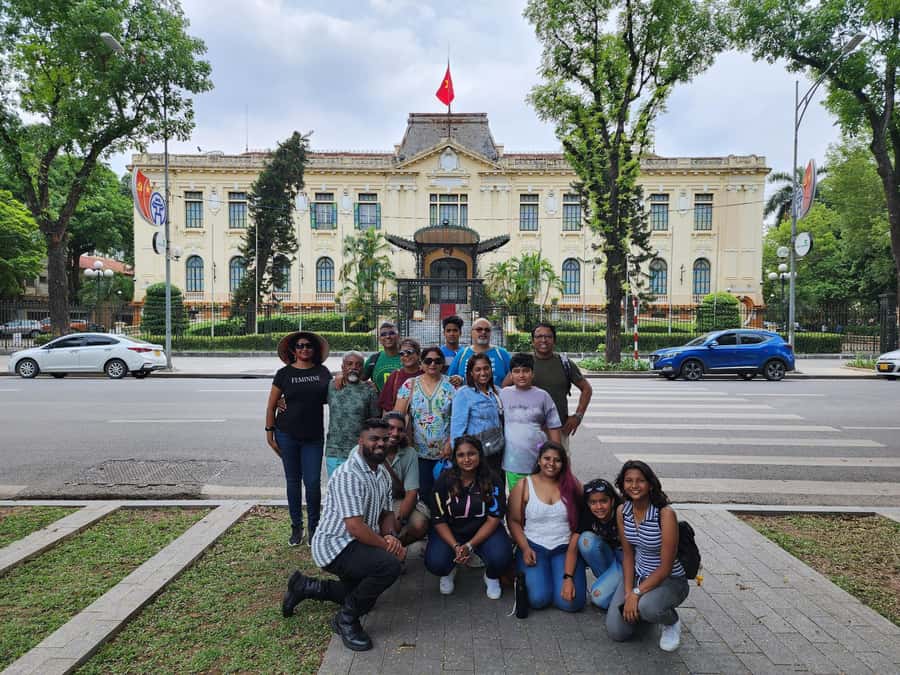
After the Old Quarter’s tight lanes, the French Quarter offers contrast. You’ll move into wider boulevards and colonial-era buildings, with landmarks that feel more formal and open. It’s a good change of scenery when your feet have already logged some miles.
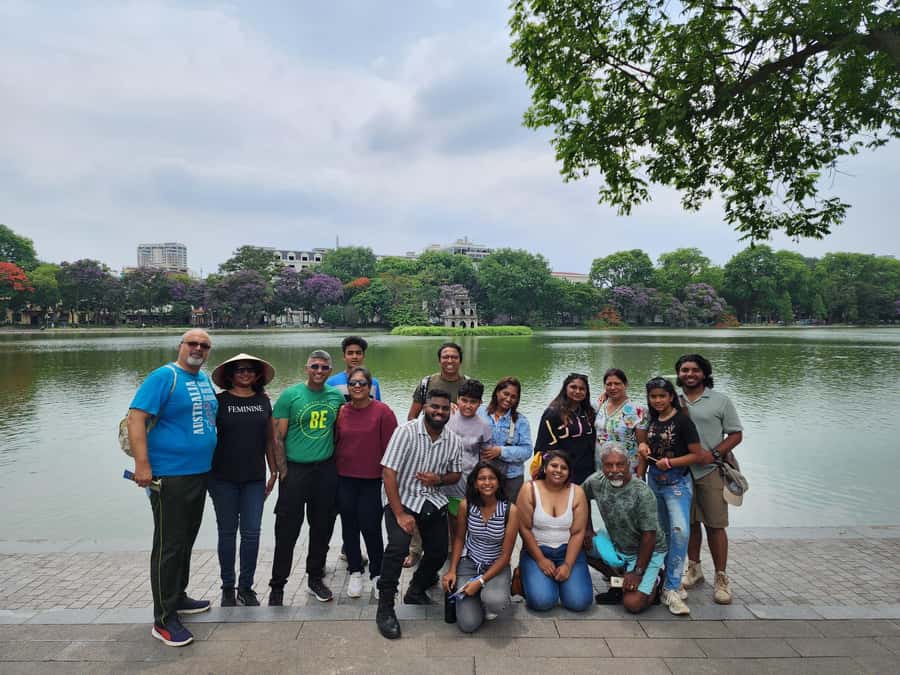
This portion is also where those history connections start to feel practical. You’ll see sights like Sword Lake (often discussed with the Turtle legend), craft-related stops, and major French-era religious architecture such as Saint Joseph’s Cathedral. If you’ve ever looked at photos and wondered what’s what, this is the part that helps you put names to shapes.
Think of the French Quarter as the tour’s “orientation chapter.” You’re seeing where Hanoi’s French colonial imprint shows up in public space, and you’re learning how that fits next to older neighborhood life. If you enjoy architecture and want a guided walking version of a self-tour, you’ll probably like this segment.
You can also read our reviews of more food & drink experiences in Hanoi


Train Street finale: a close-up moment with a drink in hand
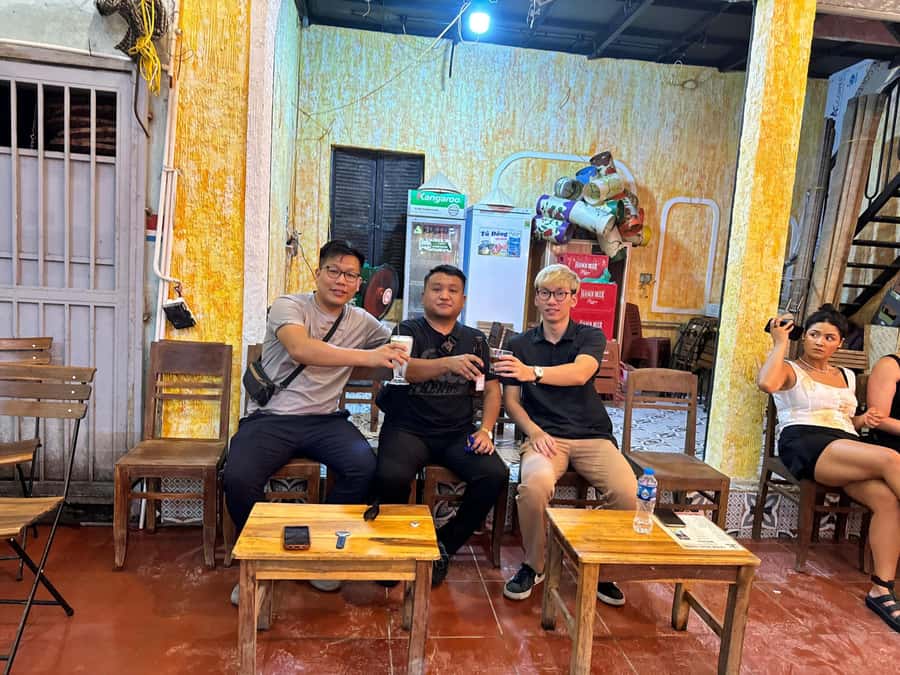
The tour ends at Hanoi Train Street, with around 1 hour of sightseeing. This is the moment people remember: the train passes incredibly close, and you can watch it with a clear view from the street-level vantage your guide helps you find.
You also get one drink here, which is a nice touch after walking and eating. It turns the finale from just a photo stop into a relaxed break where you can chat with your guide and compare notes.
Two practical cautions:
- The visit depends on train schedule and local regulations, so don’t plan other tight activities right after.
- If the plan changes, your guide will adjust. The tour is designed to keep you in the flow rather than leaving you waiting.
When you’re at Train Street, keep your expectations realistic. You’re not there for a long museum-style experience. You’re there for the timing. Stand where the guide directs, watch for the train, then enjoy the small conversations around you while the street settles again.
Price and value: what you get for $31 and what to budget extra
For $31 per person, you’re paying for more than food. The package includes:
- a professional English-speaking guide
- multiple tastings at local eateries
- one drink at Train Street
- all entrance fees
That’s why it doesn’t feel wildly overpriced, even if it’s not the cheapest option. You’re buying structure, translation, and access to food stops you might not pick confidently on your own.
What’s not included is also straightforward: additional food and drinks beyond the tastings and the one included drink. So if you’re someone who eats as soon as you finish something, bring a little extra cash or card so you can keep going after the tour.
One specific pricing wrinkle: during Lunar New Year holiday dates (February 17–20), an additional 50% surcharge applies. If you’re traveling at that time, check your final total before you lock it in.
Who should book this Hanoi Old Quarter and French Quarter tour
This tour fits best if you want:
- a first-time Hanoi overview that still includes real eating
- a guide who can explain what you’re looking at, not just hand you menus
- a mix of street food and more formal stops
- an end point with a memorable, photo-worthy moment
It’s not suitable for children under 5, wheelchair users, and people with food allergies. If you fall into one of those groups, you’ll want to look for a different style of tour that matches your needs.
If you’re a solo traveler, it can be great because the group is small and the guide is engaged. If you’re traveling as a couple or with friends, it works well too: everyone gets enough food variety to share comparisons.
Should you book it? My decision guide
Book this tour if you’re craving an efficient, guided way to learn Hanoi’s two big personalities: Old Quarter street life and French Quarter landmark space. I like it most as a day-one or mid-trip reset, because it helps you order smarter later and saves you from guessing where to eat.
Skip it if you have strict allergy needs, mobility constraints, or a preference for only street stalls over any restaurant-style tasting. Also, if you hate schedule uncertainty, remember that Train Street is subject to train timing and local rules, so the exact flow may shift.
If you want a solid mix of history, neighborhoods, and Vietnamese flavors in just 3 hours, this is a strong value bet for Hanoi.
FAQ
How long is the walking food tour in Hanoi?
The tour lasts 3 hours.
Where do I meet the guide if I’m not staying near the Old Quarter?
You’ll meet at the office at 25 Hang Be street (Little Hanoi Restaurant), which is the listed starting point at 25 P. Hàng Bè.
What food tastings are included?
The tour includes multiple food tastings at local eateries. Sample dishes mentioned include pho, bun cha, banh mi, and items like rice rolls.
Is a drink included at Train Street?
Yes. The tour includes one drink at Train Street.
Are vegetarian options available?
Yes, vegetarian options are available. You should notify the operator in advance if you need a vegetarian meal.
Does the Train Street visit always happen?
It’s subject to the train schedule and local regulations, so the timing and even the visit details can change.
Is there an extra charge during Lunar New Year?
Yes. There’s an additional 50% surcharge during February 17, 18, and 19 and 20.
Who is this tour not suitable for?
It’s not suitable for children under 5, wheelchair users, and people with food allergies. Pets and smoking are also not allowed.