REVIEW · HANOI
Hanoi: Master the Art of 4-6 Signature Vietnameses Coffees
Book on GetYourGuide →Operated by PhotheSoul · Bookable on GetYourGuide
Vietnamese coffee starts at home, not cafés. I love the small groups and how you’re not just watching—you’re making the cups. The lived-in local space and ceramic tools make the whole thing feel like you walked into a neighbor’s morning.
The hands-on part is also the main consideration: in 1–2 hours you’ll taste several bold styles, so plan for a caffeine hit. If you’re avoiding strong coffee or don’t want to try eggs or coconut, just go in with that in mind and adjust as you taste.
In This Review
- Key things that make this coffee workshop special
- Coffee Class in the Old Quarter’s Real-Life Home
- Your Six Cups: What Black, Brown, Egg, White, Coconut, and Salted Teach You
- Hands-On Brewing: Grinder, Phin Filter, Whisking, and Taste Adjustments
- Why Vietnamese Coffee Hits Different: Bitterness, Strength, and Foam
- Egg Coffee and the Silver White Move: Texture You Can Feel
- Coconut and Salted Coffee: Dessert Energy Without Guesswork
- Ingredients That Aren’t Pre-Made: Eggs, Milk, Coconut, and Ceramic Tools
- Price and Value for $22: What You Really Get in 1–2 Hours
- Best Time to Go and Who Should Book This Workshop
- Should You Book This Hanoi Vietnamese Coffee Workshop?
- FAQ
- How many Vietnamese coffees will we make?
- What’s included besides the coffee?
- Is this workshop in a cafe or in a local home?
- Where do we meet in Hanoi?
- How much does it cost and how long does it take?
- What languages are offered?
- Can I cancel and pay later?
Key things that make this coffee workshop special
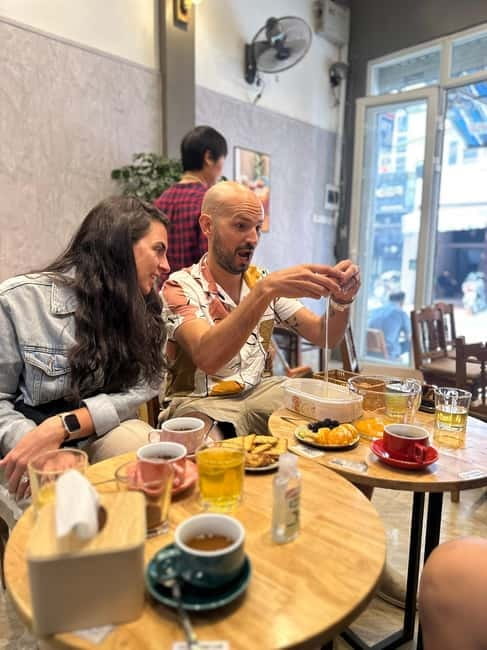
- 4–6 signature Vietnamese coffees in one session: you’ll grind, brew, whisk, taste, and adjust each drink.
- Local-led, Old Quarter rooted instruction: guides grew up around Hanoi coffee and share the why behind each style.
- Personalized sweetness and strength: the goal is your taste, not some fixed recipe.
- Fresh, daily ingredients and no shortcuts: eggs, milk, coconut, and carefully selected Vietnamese coffee.
- Practical home techniques that don’t need fancy gear: you’ll learn how locals balance bitterness and control strength.
- Small details that keep it human: everyday sounds outside, quiet moments inside, and subtle surprises as you go.
Coffee Class in the Old Quarter’s Real-Life Home
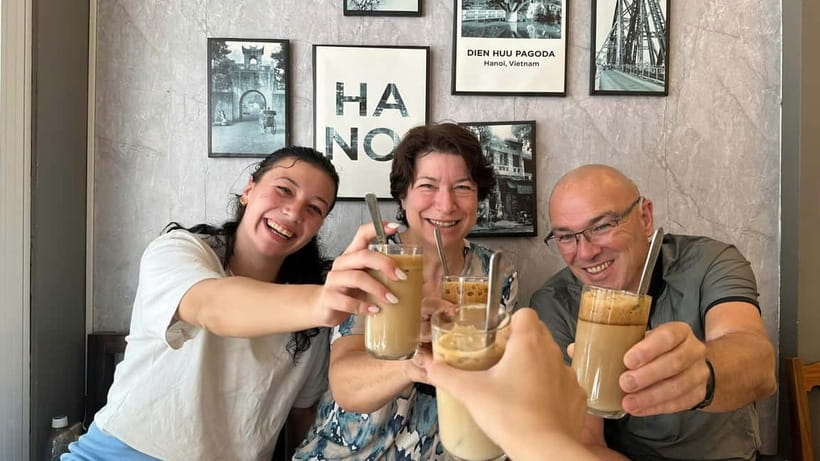
This workshop doesn’t feel like a showroom. You walk off the street and into a local home where you can hear life happening beyond the door—voices drifting outside, hands moving between brews, and coffee slowly warming the room as you settle in.
I like that it’s built around a real place people actually use, not a staged “experience space.” You handle ceramic tools from pottery villages, and you see (and taste) what fresh ingredients do when nothing is pre-made or artificial. That matters because Vietnamese coffee is not delicate. It’s bold, textured, and often built for robust flavor, so the setting helps you understand what you’re drinking.
Also, the group stays small—limited to 10 participants—so you get guidance without feeling lost in the crowd. And because the setting has air conditioning plus clean restrooms, it stays comfortable even when Hanoi weather feels warm or humid.
You can also read our reviews of more tours and experiences in Hanoi.



Your Six Cups: What Black, Brown, Egg, White, Coconut, and Salted Teach You
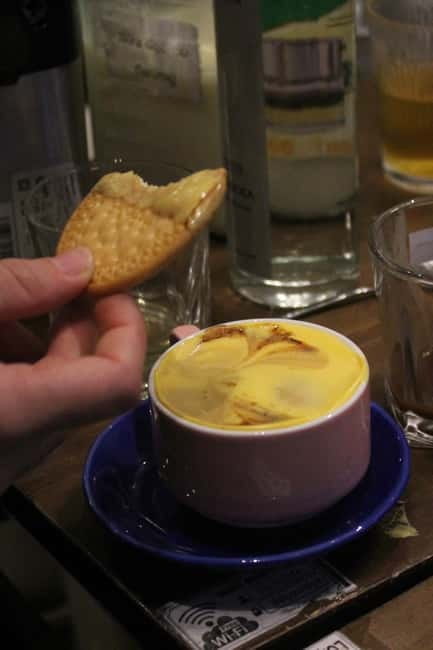
You’ll make 4–6 iconic Vietnamese coffees during the class, and each one teaches a different lever you can control later at home. You won’t just memorize recipes; you’ll taste how changes in strength, balance, and texture shift the final drink.
Here’s the useful part: the names aren’t just marketing. They point to flavor goals. You’ll compare:
- Black: a direct look at the coffee’s core bite and how bitterness can be managed.
- Brown: a darker, warmer profile that helps you understand sweetness and depth choices.
- Egg: the texture lesson—what happens when you add a foamy egg-style component and whisk it until it holds.
- White (silver): a creamy, lighter-feeling style that shows how foam and milk/lighter additions change your perception of strength.
- Coconut: a smooth, aromatic direction—people often find it turns coffee from “sharp” into “round.”
- Salted coffee: the sweet-salty concept that helps highlight flavor instead of just adding sugar.
Many coffee classes stop at drinkmaking. This one pushes further: you’ll learn how locals taste, adjust, and enjoy Vietnamese coffee, not only how to run a brewing process.
If you’re the type who loves tweaking drinks at home, you’ll feel in charge. If you’re someone who only likes mild coffee, you can still participate, but I’d ask yourself whether you want to taste several bold styles in a row.
Hands-On Brewing: Grinder, Phin Filter, Whisking, and Taste Adjustments
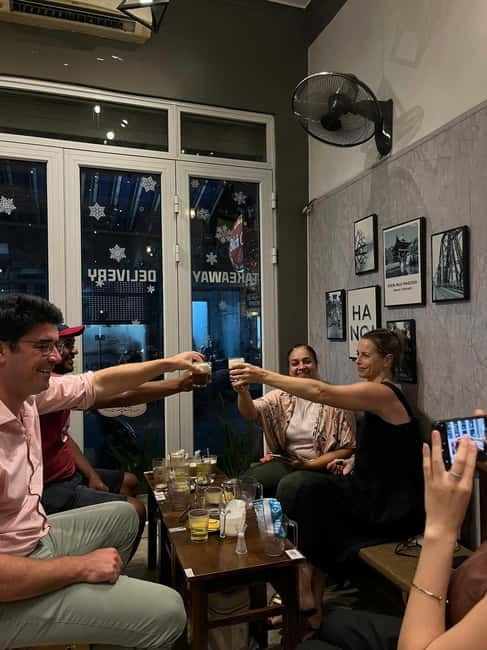
Every cup is fully hands-on. You grind the coffee, brew using Vietnamese methods, whisk where needed, and then you taste and adjust. The class structure is practical: you’ll learn steps that make sense, then you’ll repeat them with guidance until you can do them without guessing.
A big theme is control. You’ll get tips on how to balance bitterness and strength, and you’ll learn how to make it taste better at home without needing fancy equipment. That’s not a throwaway line. In practice, the workshop keeps returning to questions like:
- Is the coffee coming out too sharp, too weak, or just right?
- Are you adjusting sweetness before you decide it’s good?
- Does the foam/texture feel like it should, or is it separating?
You’ll also get recipes—so it’s not just “watch and hope.” Many participants leave with instructions they can follow later, and at least some hosts share a take-home guide or local map of the Old Quarter for coffee and food spots. That’s handy if you want to keep the learning going after class.
Why Vietnamese Coffee Hits Different: Bitterness, Strength, and Foam
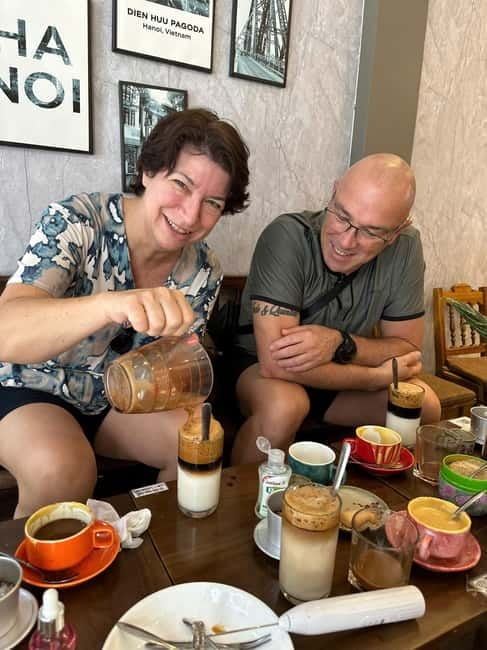
Vietnamese coffee often uses robust, deep flavors and heavy texture. The result can feel intense if you’re used to lighter, thinner coffees. This workshop helps you make sense of that intensity instead of treating it like a mystery.
You’ll learn how locals manage bitterness so it doesn’t overwhelm. Instead of just adding more sweetness blindly, you’ll understand where bitterness comes from and how small changes can shift the final cup. You also learn how to control strength—meaning how to dial the coffee’s punch without destroying the balance.
The foam/texture side matters too. Egg coffee and white/silver styles are not just about taste; they’re about feel. You’ll whisk components to reach the right consistency, then compare the drink’s mouthfeel. Once you’ve felt the difference, you’ll stop thinking of these drinks as “sweet coffee” and start thinking of them as coffee styles with structure.
And here’s a small pro-tip: pace your tasting. In 1–2 hours you’ll drink multiple versions of coffee, so your palate can get fatigued. Your instructor can guide your adjustments, but you’ll get more out of the class if you take small sips and let each cup reset your senses.
Egg Coffee and the Silver White Move: Texture You Can Feel
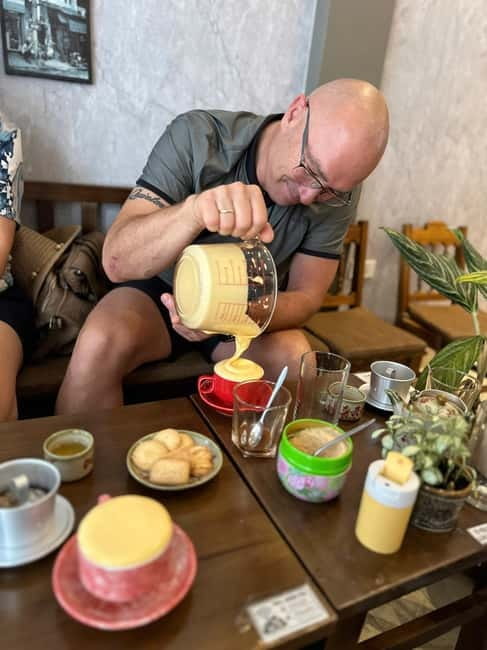
Egg coffee is one of the most talked-about Vietnamese styles for a reason. It’s not only coffee; it’s coffee plus a foamy, spoonable top that changes everything about how the drink lands in your mouth.
During the workshop, you’ll work through the egg coffee process hands-on. That means you’re not just tasting at the end—you’re involved in the step that creates the foam. You’ll whisk and pay attention to how it thickens, then taste the difference after everything settles.
The same theme shows up with White (silver). Instead of being just “lighter,” it’s a lesson in how foam and milk/creamy elements shift your perception of strength. What felt harsh in black can feel smoother once the drink has the right texture.
The payoff is confidence. After you’ve made these, you’ll know what to aim for even if you’re using different home tools. And because the workshop explains easy substitutes, you’re not stuck if you don’t have identical equipment.



Coconut and Salted Coffee: Dessert Energy Without Guesswork
If you like coffee that tastes like a treat, coconut and salted coffee are where you’ll feel it.
Coconut coffee tends to land as rich and smooth, with a little sweetness and a gentle aroma that rounds off coffee’s edge. When you make it yourself, you’ll learn how to keep the coffee present instead of letting it disappear under flavor.
Salted coffee teaches a different skill. It’s not about dumping in salt. It’s about creating contrast so the coffee flavor pops. Even if you don’t become a salted-coffee person for life, understanding how salt changes flavor perception is a great home-brewing trick.
Both styles also benefit from the personalization part of the class. You can ask for sweeter, bolder, or stronger according to your taste—while still keeping the spirit of the original Vietnamese style.
Ingredients That Aren’t Pre-Made: Eggs, Milk, Coconut, and Ceramic Tools
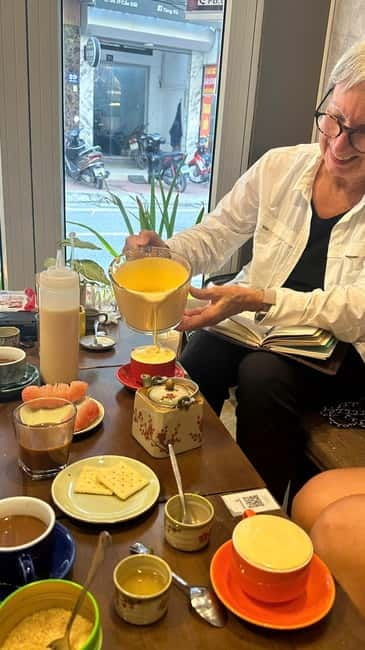
One of the best things here is the focus on what’s fresh. Ingredients are prepared daily, and you’ll work with eggs, milk, and coconut as part of the coffee styles. There’s nothing artificial or pre-made in the process.
That freshness shows in two ways. First, the foam and creamy components behave differently when ingredients are handled properly. Second, your taste buds can tell when flavor is built from real ingredients versus flavoring that’s been sitting around.
You’ll also use ceramic tools made by local pottery villages, which sounds like a small detail until you use them. The tools help slow you down just enough to do each step carefully, and the ritual reinforces the technique.
And yes, there are comfort extras that make the experience easier: air conditioning, clean restrooms, dishwasher and sterilized utensils, plus a pet-friendly garden space. If you’re bringing family, childcare service is available too.
Price and Value for $22: What You Really Get in 1–2 Hours
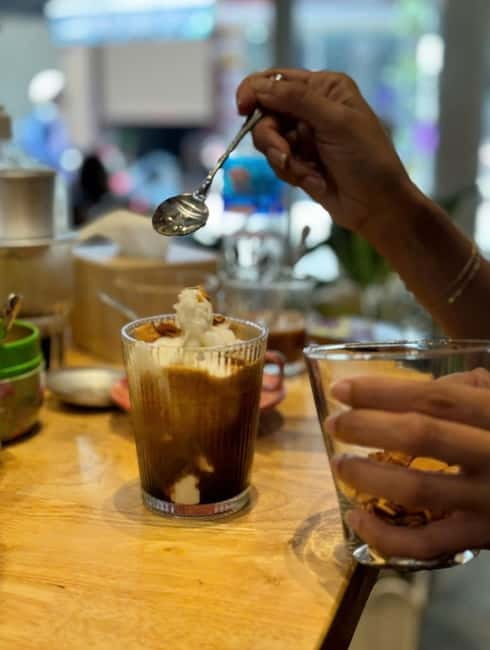
At $22 per person for 1–2 hours, the value is strongest when you’re the kind of person who wants more than a single drink. You’re not paying for a tasting flight where you sit back. You’re paying for hands-on practice plus recipes you can repeat later.
What makes it feel worth it:
- You make multiple coffee styles (4–6), not one.
- You grind, brew, whisk, taste, and adjust—so you learn technique, not only flavor.
- You get full recipes and practical guidance for making coffee taste better at home.
- You also get a photographer (the instructor), so you’re not trying to remember every step in the moment.
The small group size also protects the value. Limited to 10 participants, it’s easier to get help when your brew feels off or when you’re unsure about sweetness and strength.
If you’re only interested in buying one coffee and moving on, there are cheaper options around the Old Quarter. But if you want a new skill you can use for years, this class earns its price.
Best Time to Go and Who Should Book This Workshop

I’d book this if you meet two conditions: you love coffee enough to taste several styles, and you enjoy learning through doing. People who like cooking classes usually click with this because the process is similar—prep, steps, tasting, and tweaks.
It’s also a good fit if you’re visiting Hanoi for the first time and want a grounded, local way to understand coffee culture. The hosts are born and raised in Hanoi’s Old Quarter and learned from grandparents, street cafés, chefs, and years of tasting and experimenting. That comes through in the stories you hear during the work—morning routines, old café habits, and how Vietnamese coffee developed into what you see today.
If you’re sensitive to caffeine, schedule it with care. You’ll drink a lot in a short window. You can ask for adjustments, but I still suggest planning a slower day afterward and having water ready.
Language is another practical point. The instructor team speaks Vietnamese and English, so you won’t feel stuck if your Vietnamese is limited. You might have guides with names like Jade, Eddie, Daisy, Jessica, Zoey, Mint, Tyler, or Ngoc, and the common thread in their teaching is clear step-by-step support and patience.
Should You Book This Hanoi Vietnamese Coffee Workshop?
Book it if you want a hands-on way to learn Vietnamese coffee styles and actually take skills home. The standout value is the combination of small group attention and the fact that you practice each coffee type—black, brown, egg, white (silver), coconut, and salted—then learn how to adjust bitterness and strength based on taste.
Skip or choose something lighter if you strongly dislike coffee intensity, or if egg-based or coconut-based drinks would be a dealbreaker for you. Also, consider going earlier in your day if you’re caffeine-sensitive, since the workshop is designed around tasting multiple cups.
If your goal is to experience Hanoi through daily life, not just landmarks, this is one of the best ways to do it: you drink, you make, you learn the why, and you leave with recipes you can use again.
FAQ
How many Vietnamese coffees will we make?
You’ll learn and make 4–6 signature Vietnamese coffees during the 1–2 hour experience.
What’s included besides the coffee?
Besides the coffees, the price includes teas. You also get full recipes and more.
Is this workshop in a cafe or in a local home?
It’s designed around a lived-in local space where you walk off the street and into a real home setting.
Where do we meet in Hanoi?
You meet at a cozy café hidden in a peaceful corner of Hanoi’s Old Quarter, near the Hanoi Opera House, the Red River, Vinh Tuy Bridge, and the French Quarter.
How much does it cost and how long does it take?
The price is $22 per person, and the experience lasts 1–2 hours.
What languages are offered?
The instructor speaks Vietnamese and English.
Can I cancel and pay later?
Yes. You can reserve now and pay later, and you can cancel up to 24 hours in advance for a full refund.