REVIEW · HANOI
Hanoi: Instagram-Worthy Tour of City’s Most Scenic Spots
Book on GetYourGuide →Operated by Crossing Vietnam Tour · Bookable on GetYourGuide
Hanoi looks good from every angle. This 3-hour, photo-focused tour strings together the city’s most recognizable scenes, from St. Joseph’s Cathedral to Train Street, with an English-speaking guide who helps you get shots that actually look like you planned them. I like that the route is efficient without feeling like a race, and I like how the guide turns each stop into a quick cultural lesson instead of a checklist.
You’ll get real structure for your photos too: your guide helps with posing, angles, and timing so your camera roll doesn’t end up as a blur of landmarks you walked past. One possible drawback: the pace is fast by design, and with rain or schedule changes, some stops may feel more rushed than you’d like.
In This Review
- Key moments to expect
- 3 Hours In Hanoi: How the Photo-First Format Works
- Old Quarter Start: St. Joseph’s Cathedral and Hanoi’s First Photo Hit
- Opera House, August Revolution Square, and Sword Lake’s Mirror Views
- Ceramic Mosaic Mural and Long Bien Bridge: Color and Grit in One Block
- West Lake and Tran Quoc Pagoda: A Calmer Backdrop for Strong Photos
- Ho Chi Minh Complex and One Pillar Pagoda: Sacred Sites on a Short Timeline
- Train Street Coffee Stops: The Hanoi Scene That Feels Like a Film
- Price and Value: Why This Costs About $34 for a 3-Hour Sprint
- What to Bring (and Wear) for Better Pictures in Hanoi
- Who Should Book This Hanoi Instagram-Worthy Route
- A Quick Reality Check: Pace, Time, and Expectations
- Should You Book This Tour?
- FAQ
- How long is the Hanoi tour?
- Is hotel pickup included?
- What does the tour cost?
- Do I need to pay entrance fees?
- Are food and drinks included?
- How do I get around during the tour?
- Can I choose a car instead of a motorbike?
- What language is the guide?
- What should I bring for the tour?
- Is the tour suitable for wheelchair users or mobility impairments?
- What if weather cancels the tour?
Key moments to expect
- St. Joseph’s Cathedral + Old Quarter streets to start with big, photogenic architecture and classic Hanoi vibe
- French-era Hanoi Big Opera House and the reflective calm of Sword Lake
- Temple of Jade Mountain framed against the lake for standout “postcard-meets-reality” shots
- Ceramic Mosaic Mural and Long Bien Bridge for color, texture, and that gritty, cinematic look
- West Lake + Tran Quoc Pagoda for a more peaceful, temple-and-water backdrop
- Train Street coffee stops for the most unusual photo stop in the itinerary
3 Hours In Hanoi: How the Photo-First Format Works
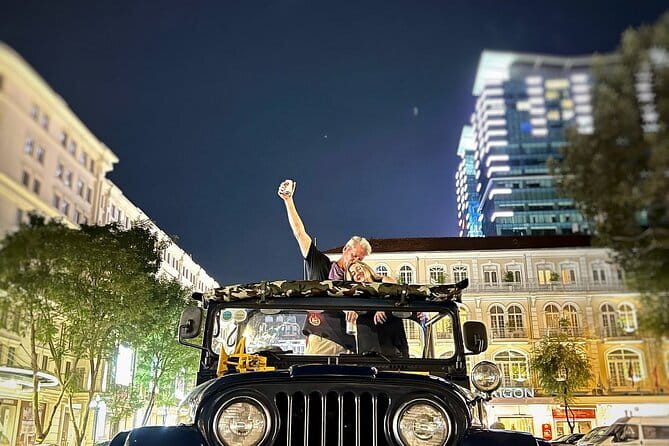
This is a short tour, so you’ll be moving through multiple neighborhoods without long waiting. The plan is built around the idea that you want iconic photos but also want context, so you’re not stuck reading signs you can’t quite understand.
Transportation is either motorbike or car, depending on the day and your situation. If you weigh over 80 kg, the tour recommends choosing the car, which makes sense for comfort over uneven streets.
Most people book for the same reason: you’ll cover a lot of major sights in a compact time window, and your guide is actively involved in getting photos right. Guides from the tour team have been praised for having an eye for lighting and angles, including photographers like Tom (Bach), Ruby, Harley, Duc, Lucy, and Tyler.
You can also read our reviews of more city tours in Hanoi
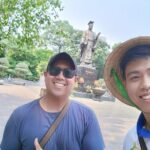
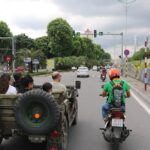
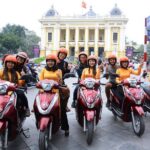
Old Quarter Start: St. Joseph’s Cathedral and Hanoi’s First Photo Hit
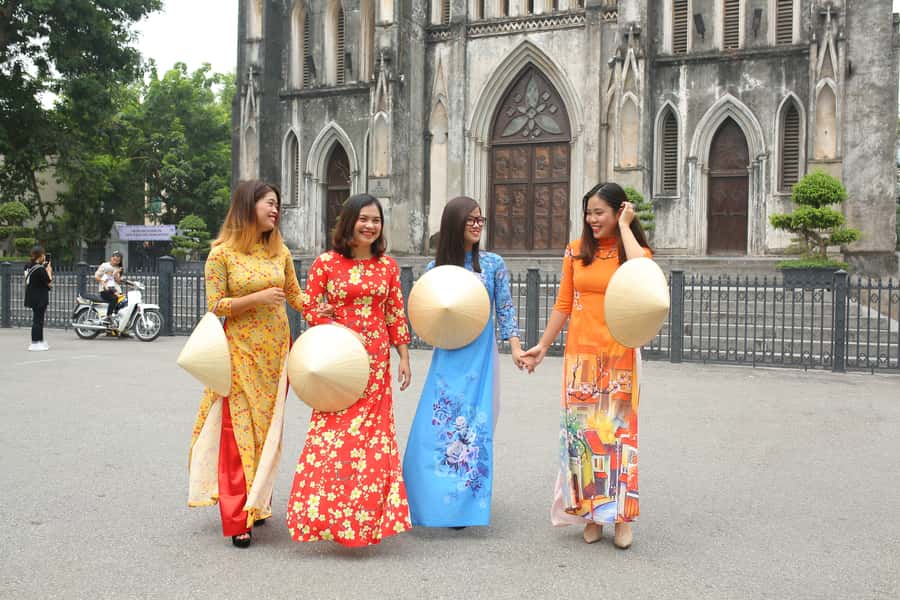
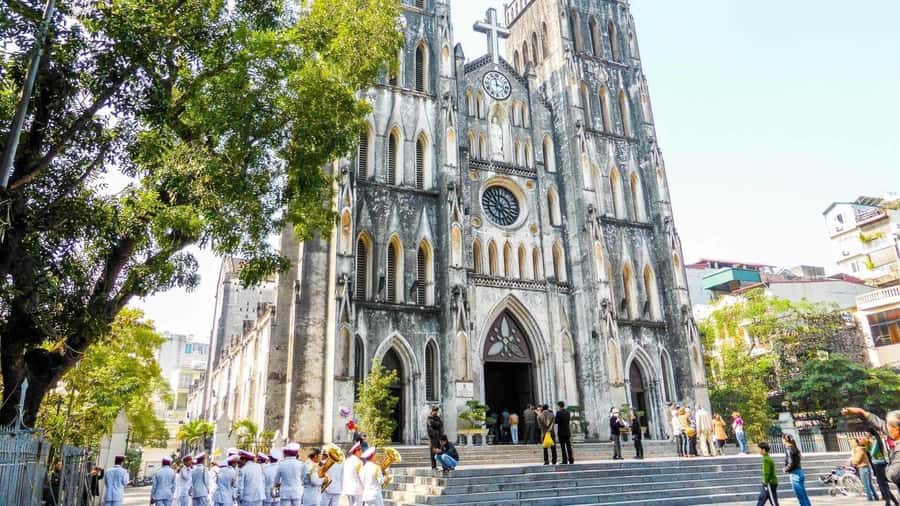
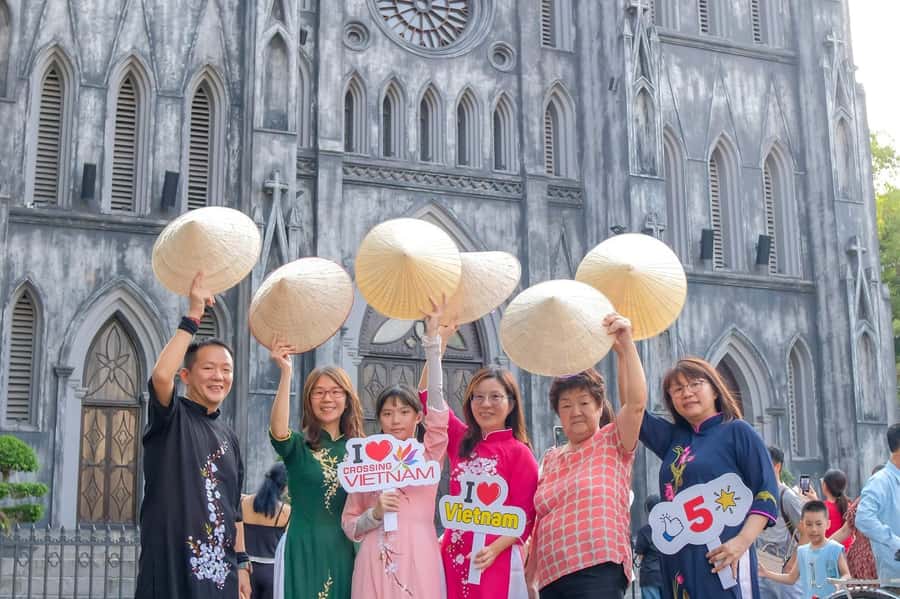
You begin at St. Joseph’s Cathedral, a strong anchor for both photos and orientation. The guide helps you pose from angles that highlight the façade and the surrounding streets, which is especially helpful when you’re trying to understand Hanoi’s layout quickly.
After that, you’ll walk through central Old Quarter areas, where the mix of narrow streets and everyday life gives you a different look than the big monuments. This part matters because it sets your visual theme for the rest of the day: not just “I saw it,” but “I can frame it.”
Next comes Hanoi House Cafe, described as having ancient features around you. Even if you don’t order anything, the setting gives you a change of texture from pure street-and-temple scenes, which helps your photos feel varied instead of repetitive.
Opera House, August Revolution Square, and Sword Lake’s Mirror Views
Your next major stop is the Hanoi Big Opera House, built by the French and located near August Revolution Square. The timing here is useful: it’s the kind of architecture that photographs well when the sky and street activity are balanced, and your guide helps you pick good angles rather than standing in one spot hoping for light.
From there, you head to Sword Lake and the Temple of Jade Mountain. This area is a classic Hanoi pairing: the lake gives you reflections and softer backgrounds, while the temple provides the subject that makes your image feel complete.
What you’ll appreciate is that your guide isn’t just pointing at the landmark. Many guides on this tour have been praised for explaining the cultural meaning of what you’re seeing in simple, engaging ways, which helps you slow down for a minute even though the itinerary keeps moving.
Ceramic Mosaic Mural and Long Bien Bridge: Color and Grit in One Block
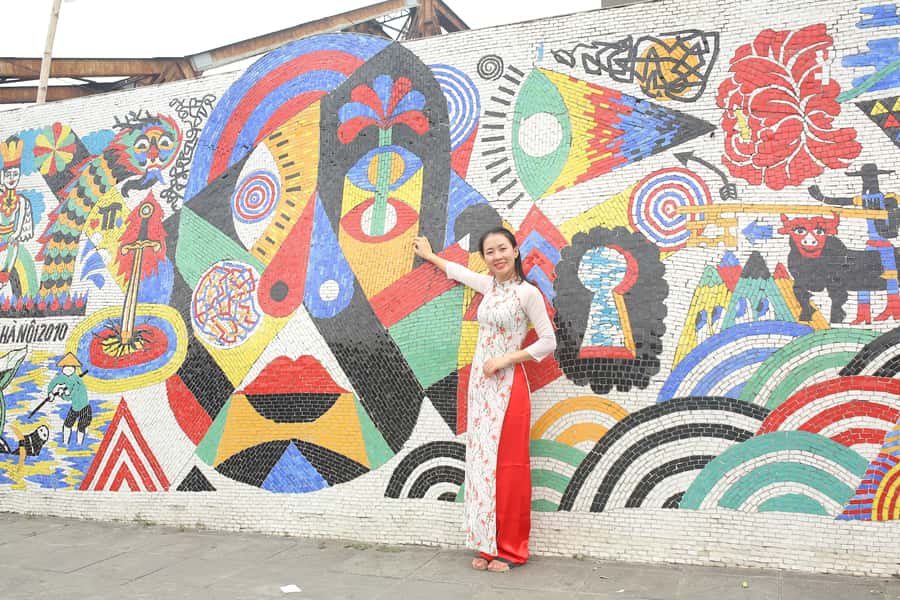
Then comes the Ceramic Mosaic Mural, described as the longest and most colorful street built to celebrate 1,000 years of Hanoi civilization. This is where you’ll likely notice the tour’s “photo problem-solving” style: long walls can be tricky, but the guide helps you position yourself so the pattern reads clearly in a photo.
Right after, you go to Long Bien Bridge, valued for its old, rustic beauty. Bridges can look flat in photos if you shoot from the wrong spot, so again, the guide’s eye matters. This is the part of the day that tends to make your photos look less like typical sightseeing and more like Hanoi lived-in atmosphere.
A realistic note: because you’re on a tight route, you may not get unlimited time at each photo location. If you’re the kind of person who loves lingering, plan to treat this stop as “capture the best version” rather than a slow photoshoot.
West Lake and Tran Quoc Pagoda: A Calmer Backdrop for Strong Photos
Next is West Lake, paired with Tran Quoc Pagoda, described as the oldest Buddhist temple connected to the lake. West Lake works as a visual reset: after the busier architectural shots, the water gives you breathing room and a cleaner background.
This stop is valuable because it changes the mood of your Hanoi story. You’ll shift from French-era stone and busy streets into a temple-and-lake scene that looks peaceful even when the city around it is moving.
If you like photos with layers—foreground, midground, and background—this is a good place to aim for that. A lake horizon plus a temple silhouette often makes composition feel natural, and the guide typically helps you time shots so the scene looks sharp rather than washed out.

Ho Chi Minh Complex and One Pillar Pagoda: Sacred Sites on a Short Timeline
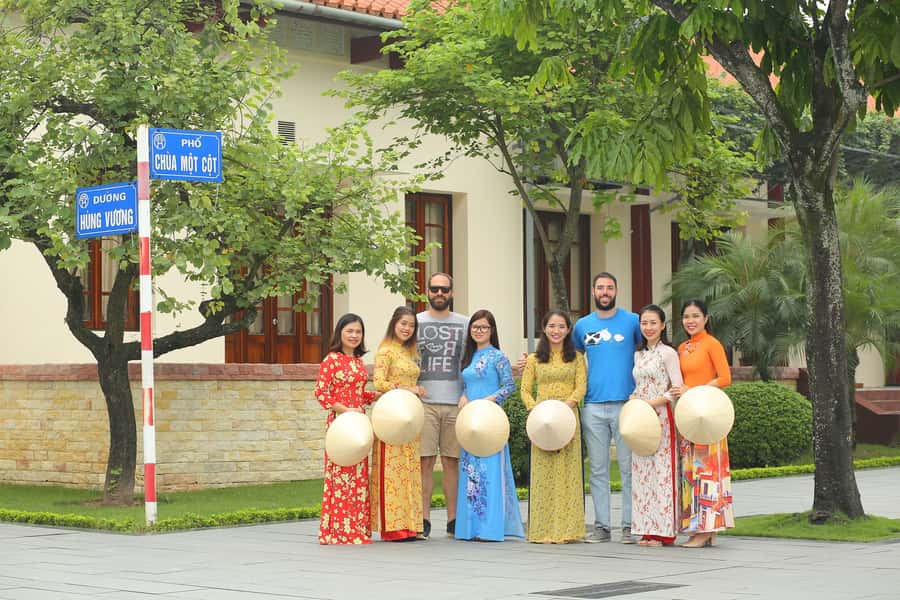
You’ll pass by the Ho Chi Minh Complex, including the noble, sacred mausoleum, plus the One Pillar Pagoda. These aren’t “just photo backdrops,” so keep your expectations aligned: you’re visiting meaningful places, and the tone here is more respectful than the street-photo sections.
Also remember that entrance fees are not included, so if any site requires payment or additional entry steps, you’ll need to handle that on your own. It’s not a dealbreaker, but it does affect total cost if you plan to go in rather than only photograph from nearby.
This is the kind of stop where a guide’s context helps. When you understand what you’re looking at, you can photograph with intention instead of treating it like another quick stop.
Train Street Coffee Stops: The Hanoi Scene That Feels Like a Film
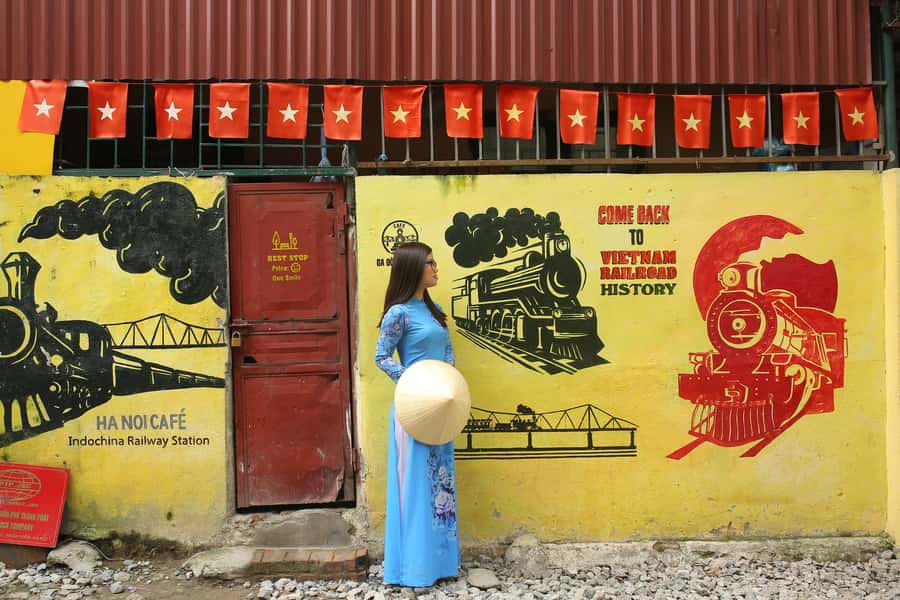
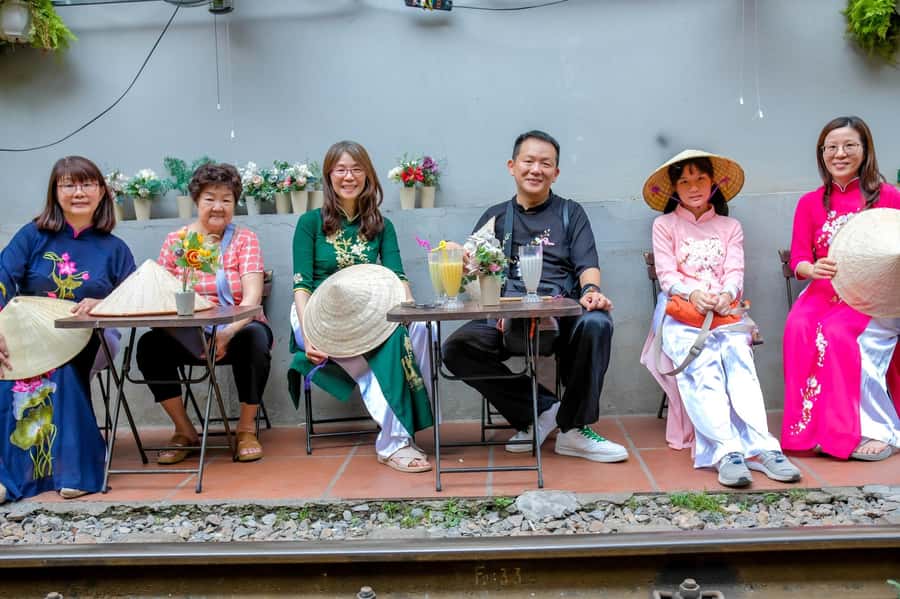
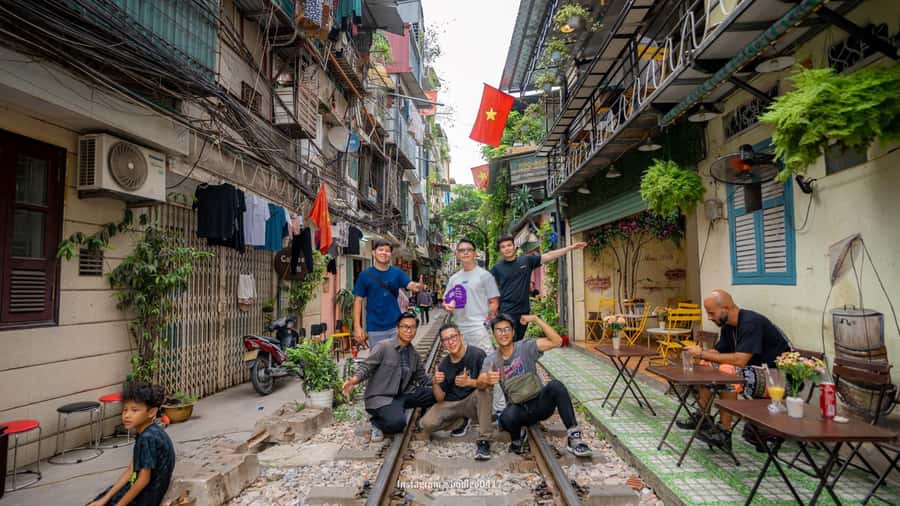
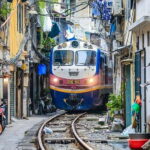
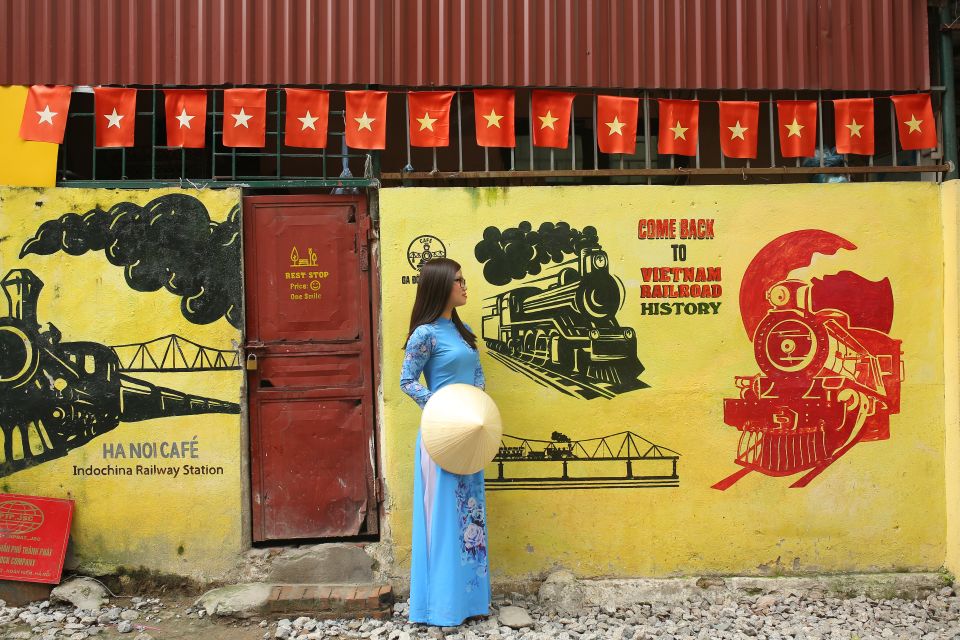
The final stop is Train Street, with the train track and coffee shops along both sides. This is one of those places where photos are easy to take but harder to make look right—your angle and timing are everything because the setup is unusual.
You’ll want to be ready to shoot quickly. This isn’t a quiet museum moment; it’s a live, everyday street where the environment can change fast. The guide helps you position so you get the iconic shot without turning your whole day into one long wait.
And yes, the coffee-shop setting is part of the charm. If you want a drink, treat it as an extra cost, since food and drinks are not included in the tour price.
Price and Value: Why This Costs About $34 for a 3-Hour Sprint
At $34 per person for about 3 hours, you’re paying for three things: transportation, a guide, and guided photo support. For a route that covers major sights spread across the city, that combination is the real value.
If you tried to do this on your own, you’d spend time figuring out how to move efficiently and where to stop for the best angles. Here, your guide does that work, plus many guides have earned praise for being friendly, adaptable, and genuinely good at photography composition.
That said, you should also budget for the extras you’re not paying for in the ticket:
- Entrance fees (not included)
- Food and drinks (not included)
If your goal is a highlights sampler with photos that look intentional, this price tends to feel fair. If your goal is deep, slow sightseeing at fewer locations, you might feel the short duration more than you’d like.
What to Bring (and Wear) for Better Pictures in Hanoi
At minimum, bring comfortable shoes, a camera if you use one, and a charged smartphone. You’ll be walking and turning your body often for photos, so footwear matters more than you think.
For the best results, the tour recommends wearing traditional dress. Even if you don’t rent anything fancy, this tip is about color harmony and photo impact: Hanoi’s landmarks photograph especially well when you add a local visual thread.
If you’re worried about comfort on the ride, the tour also recommends car transport for people over 80 kg. That’s a practical detail that can make a big difference during a short, active day.
Weather can change the plan. The tour notes that stops may change or close due to things like weather or holidays, and you’ll get the best possible photos under the conditions.
Who Should Book This Hanoi Instagram-Worthy Route
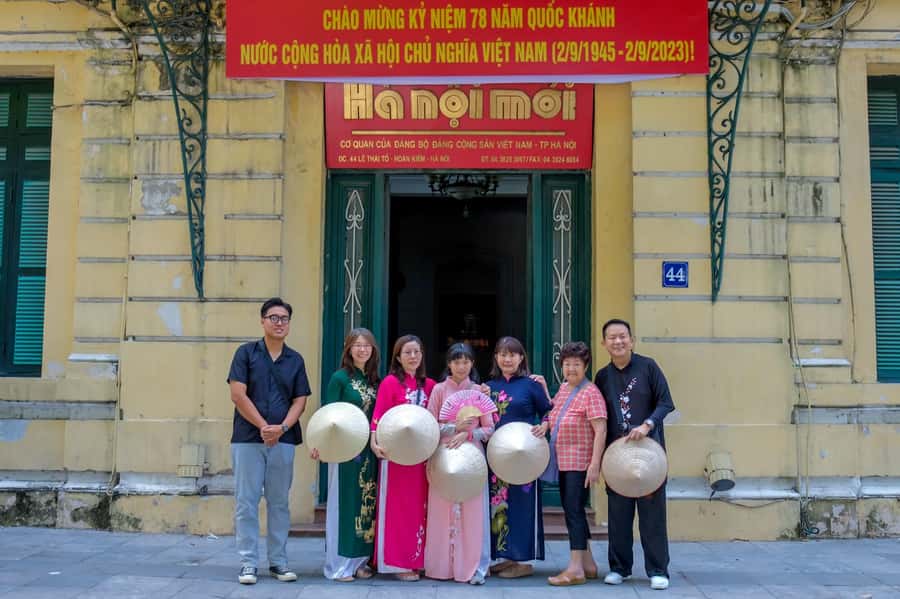
This tour is ideal if you:
- Have limited time in Hanoi and want iconic sights without extra planning
- Like your sightseeing with a clear photo goal and a guide who helps with angles
- Want quick cultural explanations while still moving efficiently
It also fits well if you’re traveling solo. Several guides on this tour have been praised for making people feel comfortable while guiding them through busy streets, which matters on a city like Hanoi.
On the other hand, it’s not suitable for people with mobility impairments or wheelchair users. Since the tour involves motorbike/car options and walking between stops, it’s better to choose a different format that matches your mobility needs.
A Quick Reality Check: Pace, Time, and Expectations
The itinerary is built for speed. That’s what makes it work for photos in only 3 hours, but it also explains why someone might feel it was shorter than expected if they assumed extra time at each stop.
If you care about spending long periods at a single place, you’ll likely want a longer or more flexible tour. If you care about hitting the major scenes and leaving with photos you’re proud to post, this one is designed for exactly that.
Should You Book This Tour?
If you’re staying in or near the Old Quarter, have a tight schedule, and want a guided “best angles” approach, I think this tour is a smart purchase. The price is reasonable for what you get—transport, a guide, and deliberate photo help across iconic locations.
Book it if you want your first Hanoi day to feel organized and visually rewarding. Skip it if you need slow pacing, deep time at fewer sites, or mobility support.
FAQ
How long is the Hanoi tour?
It lasts 3 hours, with starting times depending on availability.
Is hotel pickup included?
Yes. Pickup is included for hotels around the Old Quarter in the Hoàn Kiếm district. If your hotel is outside the pickup zone, you go to No.47 Hàng Bông street at the Crossing Vietnam Tour Booking Office.
What does the tour cost?
The price is $34 per person.
Do I need to pay entrance fees?
Entrance fees are not included, so you may need to pay on-site depending on the locations.
Are food and drinks included?
No. Food and drinks are not included.
How do I get around during the tour?
Transportation is provided by motorbike or car, based on the plan and conditions.
Can I choose a car instead of a motorbike?
The tour recommends choosing the car if you weigh more than 80 kg.
What language is the guide?
The live guide speaks English and Vietnamese.
What should I bring for the tour?
Bring comfortable shoes, a camera (if you use one), and a charged smartphone.
Is the tour suitable for wheelchair users or mobility impairments?
No. It is not suitable for people with mobility impairments or wheelchair users.
What if weather cancels the tour?
If the tour gets canceled due to weather, you’ll be offered the option to reschedule or get a full refund.