REVIEW · QUANG PHU CAU
Hanoi Incense Village Tour & Traditional Crafts All Included
Book on GetYourGuide →Operated by Hanoi Explore Travel · Bookable on GetYourGuide
A craft day around Hanoi beats a random shopping loop. You’ll see incense making and conical hat work up close, with visits tied to real family workshops outside the city. This tour also mixes in lacquer artistry and hands-on moments on the full-day version, so you’re not just watching from the sidelines. One thing to consider: it’s set up to show you products as you go, so expect lots of gentle shopping pressure.
I especially like how clearly the experience is explained. In particular, guide Rachel (with Russel) is reported as kind, caring, and strong in English, which matters when you want to follow each step of how things are made. Another standout is the mix of small-scale village work and a bigger production view at the main incense factory. The possible drawback is that incense and hat stops naturally lead to sales talks—plan to enjoy the craft, but keep your wallet mindset ready.
In This Review
- Key Highlights You’ll Actually Care About
- A Crafts-First Day Around Hanoi
- Half-Day Tour: Conical Hats and Incense in One Solid Block
- Half-day reality check
- Full-Day Tour: Lacquer Art, Home Lunch, and Your Own Nón Lá
- Quang Phu Cau Incense Village: Dyes, Workshops, and a Real Factory
- Chuong Village: Nón Lá in Motion, Not Just on a Stand
- Ha Thai Village and Lacquer: Slow Craft, Strong Skill
- Train Street Timing: Optional, and Best as a Shortcut
- Lunch and Included Comforts That Keep the Day Moving
- Price and Value: Why Around $35 Can Make Sense
- Who This Tour Suits Best (and Who Should Think Twice)
- Quick, Practical Tips to Get the Most Out of It
- Should You Book This Hanoi Incense and Crafts Tour?
- FAQ
- FAQ
- What’s the price of the Hanoi Incense Village Tour?
- Where does the tour start and end in Hanoi?
- Is the tour offered in English?
- What’s included on the half-day tour?
- What’s included on the full-day tour?
- Do I get to make or paint a conical hat?
- Is lunch included?
- Is Train Street part of the half-day tour?
- Are entrances and transport covered?
- Are there extra costs besides the $35?
Key Highlights You’ll Actually Care About
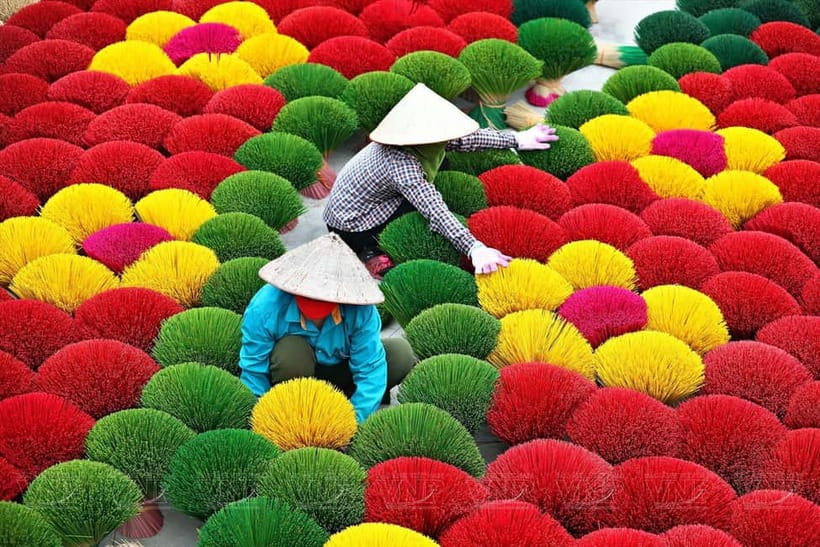
- Quang Phu Cau incense steps, from small family production to the town’s largest factory
- 300+ years of nón lá know-how in Chuong Village, including how the work happens day to day
- Hanoi lacquer painting experience in Ha Thai Village (full-day option) with an artisan you can talk to
- Lunch in a local home on the full-day tour, plus optional cooking participation
- A practical factory-shopping stop, where you can buy souvenirs where they’re made
A Crafts-First Day Around Hanoi
This is the kind of tour that helps you understand why northern Vietnam does certain things so well. You’re not just being shown a finished product. You’re seeing how materials get prepared, how color gets applied, and how artisans keep their process consistent over years.
For me, the biggest value is the structure: village visits let you see tradition and small-scale work, then the factory visit shows what changes when production gets larger. That contrast helps you make sense of the incense and hats you’ll see later in Hanoi shops.
The day also moves at a comfortable pace. You get hotel pickup and drop-off from the Old Quarter area by bus, plus an English-speaking guide who stays with you through the key handoffs.
You can also read our reviews of more tours and experiences in Quang Phu Cau.

Half-Day Tour: Conical Hats and Incense in One Solid Block
If you only have a few hours, the half-day version is a smart pick. You start with pickup from the Old Quarter around 12:00–12:30, then you head out for a quick stop in Chuong Village before moving to incense.
In Chuong, you arrive around 13:30 for a short visit centered on conical hat making. You’ll meet a local artisan and watch the traditional process of crafting nón lá, a practice that’s been passed down for over 300 years. This stop is brief on purpose, but it’s enough to give you the “what you’re looking at” understanding before incense takes over the rest of the day.
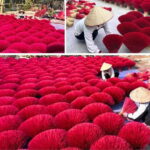
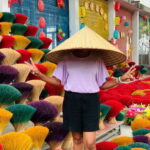
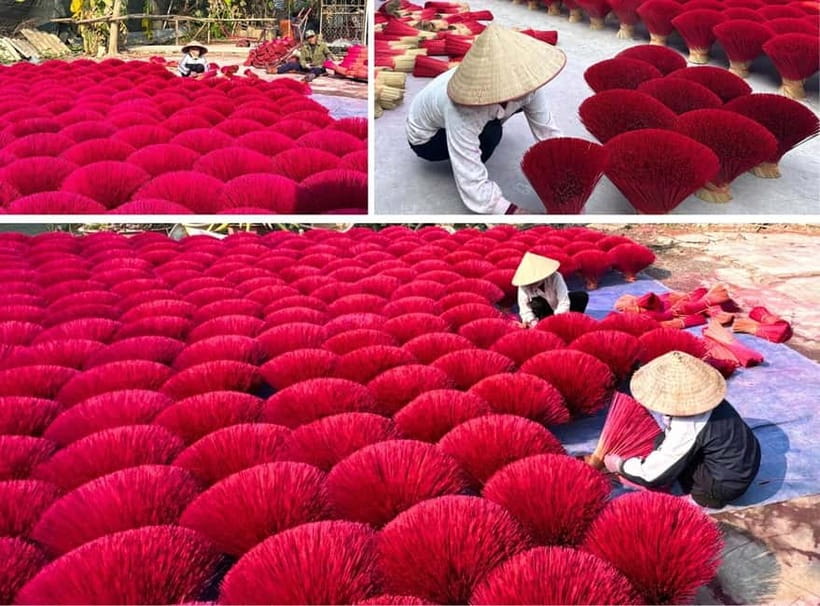
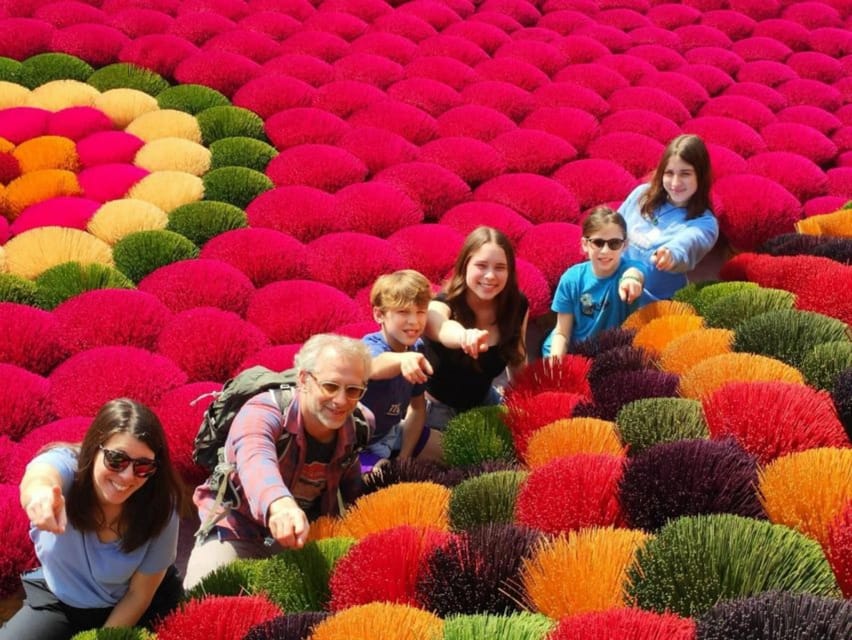
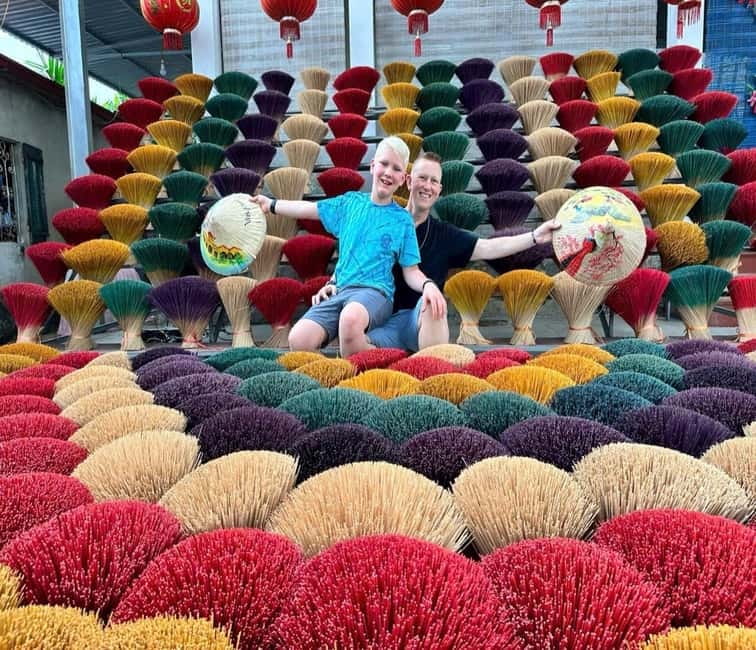
Next, you go to Quang Phu Cau incense village around 14:00, where you can wander through the village center and learn how families create incense on a smaller scale. You then get a focused photo moment around dyeing incense sticks at a workshop, including those vivid bundles that make incense craft look almost like art supply.
Around 15:20, the tour shifts gears to the largest incense factory in town. Here you get the full chain of production, and you also see how daily work supports output—useful if you’ve ever wondered whether incense is made like a hobby or like a real factory job.
You return to Hanoi around 16:00, with an optional stop at Train Street. After that, you finish with hotel drop-off in the Old Quarter area around 17:00.
Half-day reality check
It’s fast. If you want time to slow down for photos, ask questions, and browse without rushing, the full-day option is easier.
Full-Day Tour: Lacquer Art, Home Lunch, and Your Own Nón Lá
The full-day version is where the tour feels most complete. You start earlier with pickup at 7:45–8:15 from the Old Quarter, then the day builds from artistry into production.
At about 9:30, you visit Ha Thai Village to meet a skilled lacquer painting artisan in his creative space. Lacquer work is slow and detail-driven, so this part is less about speed and more about process and patience. If you like crafts that look simple from far away, but clearly take skill up close, this will land well.
Around 10:50, you head to Chuong Village, famous for conical hats made through a 300-year-old tradition. You may hear stories from an old veteran about the Vietnam War or connect with artisans and learn about their daily life. The availability of these interactions can vary, but the core craft visit stays the focus.
Then comes the part I think you’ll remember: home hospitality. Mid-morning you join a female artisan in her home. You’ll have a homemade lunch, and if you want, you can participate in a small cooking class to learn countryside cuisine secrets. This isn’t just a meal—it’s how you see village life as something lived, not just displayed.
After lunch, you can paint your own nón lá (or you can watch an artisan craft the hats if you’d rather skip the hands-on part). Either way, you leave with a tangible connection to the tradition.
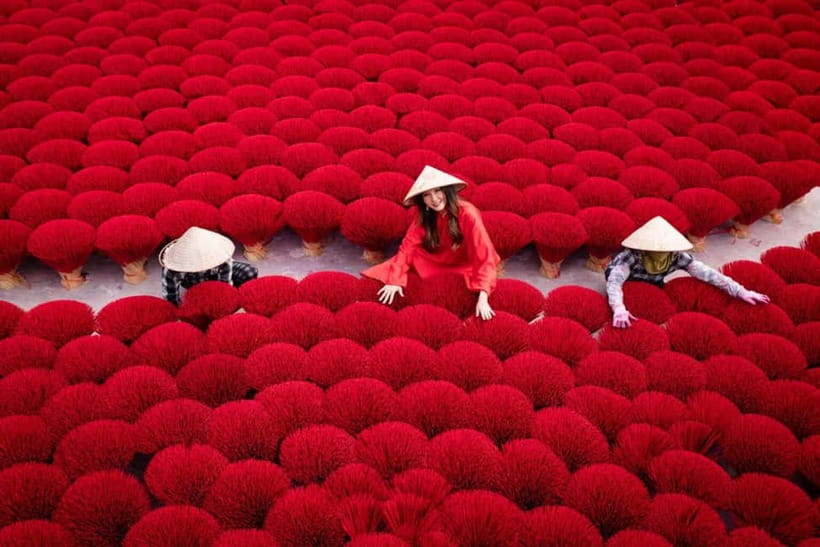
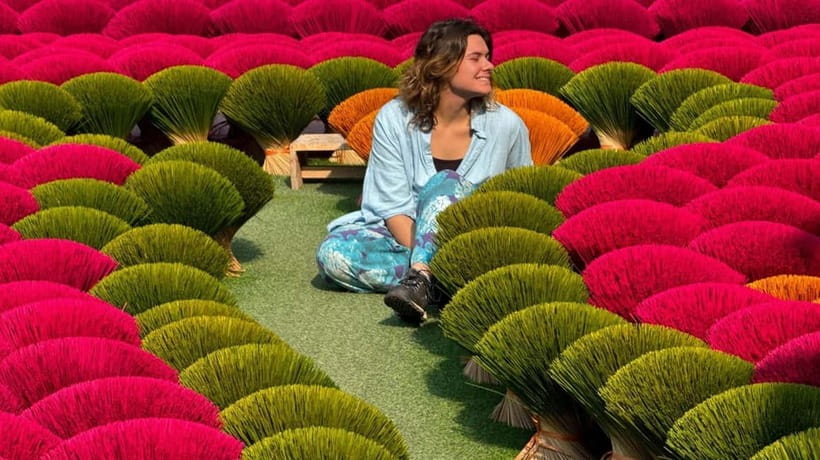
At 13:30, you move to Quang Phu Cau again for incense. You’ll stroll the village center, visit historic houses, interact with local craftsmen, and get photo-worthy time at the dyeing yard.
Finally, around 15:00, you finish with the same kind of in-depth view at the town’s largest incense factory, including steps from scratch and time to shop for souvenirs made on-site. You wrap up by around 17:00 with Old Quarter hotel drop-off.
Quang Phu Cau Incense Village: Dyes, Workshops, and a Real Factory
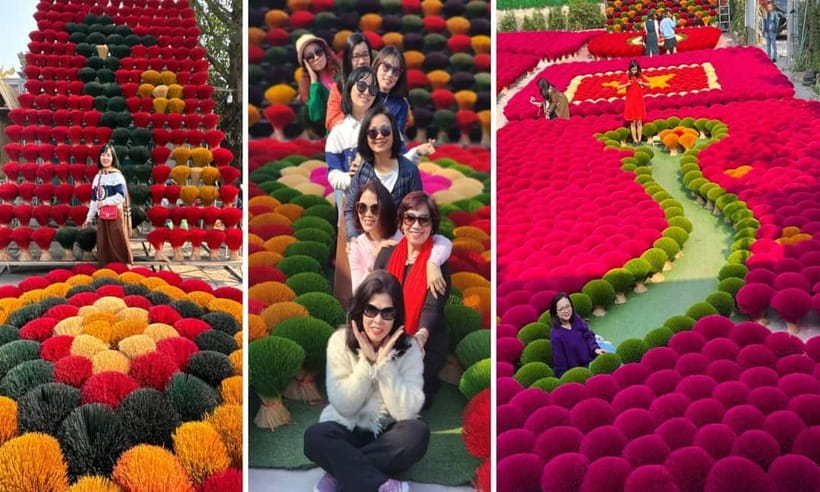
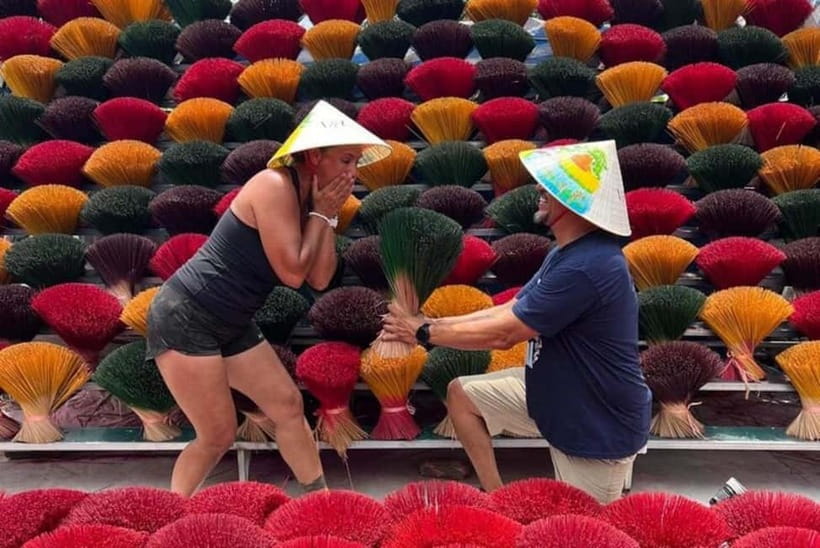
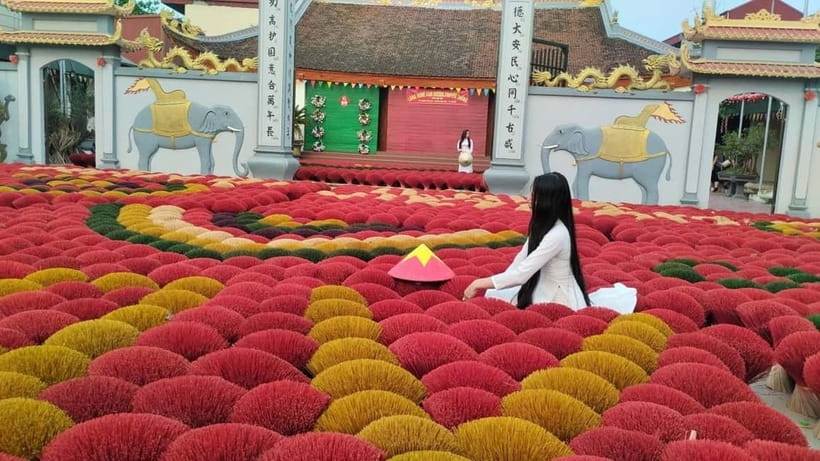
Quang Phu Cau is the centerpiece if you’re genuinely interested in incense craft. You’ll spend time at both ends of production: smaller village work where families create incense, then larger factory work where everything is organized for consistent output.
A nice detail is that you’re not just led through rooms with explanations. You see the dyeing process and the vibrant incense bundles. Those moments are both visual and practical: dyeing affects color, sticks, and the look of finished incense, so it’s worth paying attention even if you don’t buy anything.
At the incense factory, you get the “from scratch” production story. You learn how incense is meticulously crafted and you get insight into the daily rhythm of rural workers who support the process. It’s also where your shopping stops being random. If you do buy incense souvenirs, you can connect what you’re seeing to where it’s made.
A practical tip: if you care about what you’re bringing home, ask the guide which items are best as gifts versus what’s more for personal use. The factory area tends to have more options, and you’ll get better decision-making while the process is fresh in your head.
Chuong Village: Nón Lá in Motion, Not Just on a Stand
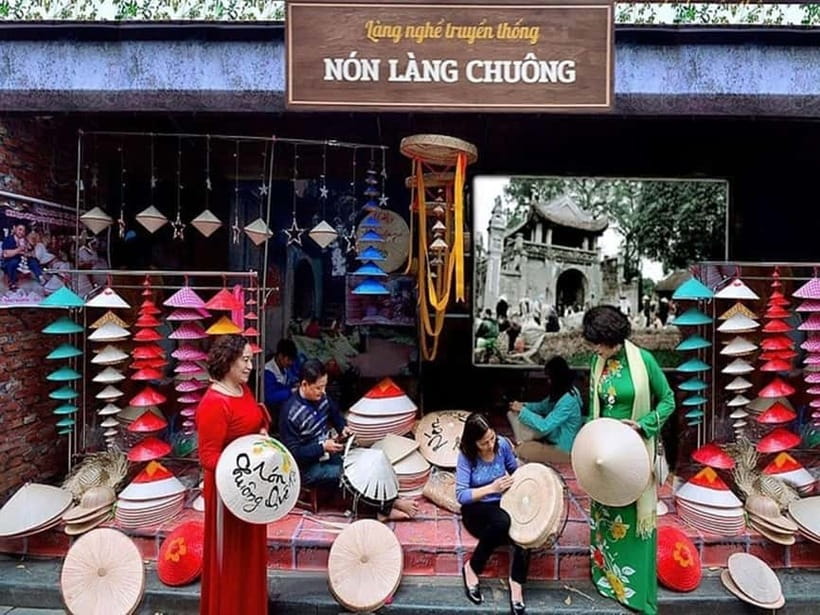
Chuong Village is built around the iconic conical hat. What makes this stop valuable is that you don’t just see hats as souvenirs—you see how they get made and why certain steps matter.
Even on the half-day version, you’ll meet an artisan and observe the traditional process, including the kind of hand work that takes time to learn. On the full-day version, you go deeper: you’re more likely to talk with artisans about daily life, and you may hear war-era stories from an old veteran (depending on availability).
The added full-day option to paint your own nón lá changes the experience in a good way. It turns “I watched someone else do it” into “I actually touched the tradition.” You still have the choice to watch instead, so this isn’t forced.
Ha Thai Village and Lacquer: Slow Craft, Strong Skill
The lacquer painting visit is a good contrast to incense and hats. Incense is made in stages and production flows can be more direct. Lacquer work is more about finish, layer, and control.
In Ha Thai Village, you meet a lacquer painting artisan and visit his creative space. You’ll get context for how artisans keep their methods alive and how skill gets built over time. If you like crafts where the final result can look deceptively easy, this part helps you respect the effort behind it.
What you should know: the tour includes a lacquer-related experience, but a lacquer piece for painting purpose only is not included. That means if you want the item you paint to be part of what you take home, you should expect an extra purchase decision.
Train Street Timing: Optional, and Best as a Shortcut
The half-day tour includes Train Street as optional. On a schedule like this, it functions like a fast add-on rather than the main event. If you already know you want iconic photos, you can use the timing and treat it like a quick viewpoint stop before the ride back.
If you’d rather keep the day focused on crafts, you can skip it and relax on the bus. That choice is useful because the craft stops are where the tour delivers its strongest value.
Lunch and Included Comforts That Keep the Day Moving
For the full-day tour, home-cooked lunch is included, prepared during the visit in a local home. This is one of the best ways to avoid the “tour-food” feeling you sometimes get on city day trips. You also have an optional chance to join a small cooking class, which is a practical way to learn countryside flavor without pretending it’s a restaurant meal.
The tour also includes:
- One water bottle per person
- Entrance fees for what’s in the plan
- English-speaking guide
- Pickup and drop-off in Hanoi Old Quarter area by comfortable bus
On the full-day version, you also get one conical hat per person, which helps turn the day into something you can carry home.
And yes, it’s normal that you’ll encounter opportunities to buy items at multiple craft stops. The key is to treat shopping as optional and curiosity-driven, not as a test you have to pass.
Price and Value: Why Around $35 Can Make Sense
At $35 per person, this tour lands in a budget-friendly zone for a half- to full-day craft experience that includes guidance, transportation from the Old Quarter, entrance fees, and (full-day) lunch plus a hat.
What makes the price feel fair is the combination:
- You’re not paying just for transport. You’re paying for guided access to multiple craft areas.
- Entrance fees are covered, so you avoid surprise costs at each stop.
- The full-day option adds tangible extras like lunch and the conical hat.
The only real cost you should plan for is optional shopping and personal drinks. Also, tips for the guide and driver aren’t included, so if you feel the service is good (and many people do), set aside a little extra.
Who This Tour Suits Best (and Who Should Think Twice)
This tour fits you if:
- you like seeing how things are made, not just hearing stories about them
- you enjoy crafts where process matters (incense and hats especially)
- you want an easy day out from Hanoi with English guide support
- you’d appreciate a full-day format that includes a home lunch and some hands-on time
It might be less ideal if:
- you hate any kind of sales talk during sightseeing. There can be persistent product prompting because the stops are connected to workshops and factories.
- you want only quiet, low-pressure cultural viewing. This is culture plus production, so conversation often shifts toward what’s available.
A good strategy: decide in advance whether you want to buy incense, a lacquer piece, a hat upgrade, or nothing at all. When you have that mindset, the shopping moments become easier to handle.
Quick, Practical Tips to Get the Most Out of It
- Bring a camera you can use quickly. Dyeing-yard visuals are time-sensitive and you’ll want photos while you’re there.
- Wear comfortable shoes. Village paths and workshop spaces can mean uneven ground.
- If you want the most learning, ask the guide what you’re seeing at each step, especially around incense dyeing and how factory work differs from village work.
- If you plan to paint or buy lacquer items, treat it as a decision point, not an afterthought.
Should You Book This Hanoi Incense and Crafts Tour?
If you’re in Hanoi and want something more meaningful than a museum day, I’d recommend booking—especially if you choose the full-day option. The day has a strong flow: conical hats, incense craft, lacquer artistry, and a home lunch that adds real local texture. You’re getting context, not just souvenirs.
Pick the half-day option only if your schedule is tight and you still want the main incense story plus a taste of nón lá craft. Either way, go in curious, and decide early how you want to handle shopping pressure. With the right expectations, this feels like a hands-on way to understand northern Vietnamese craft traditions.
FAQ
FAQ
What’s the price of the Hanoi Incense Village Tour?
The tour is priced at $35 per person.
Where does the tour start and end in Hanoi?
It includes pickup and drop-off at your hotel in the Hanoi Old Quarter area.
Is the tour offered in English?
Yes. The tour uses an English-speaking guide.
What’s included on the half-day tour?
The half-day tour includes pickup/drop-off, an English-speaking guide, entrance fees in the plan, and a water bottle per person. Train Street is optional.
What’s included on the full-day tour?
The full-day tour includes pickup/drop-off, an English-speaking guide, home-cooked lunch, entrance fees in the plan, one water bottle per person, and one conical hat per person.
Do I get to make or paint a conical hat?
On the full-day option, you can paint your own nón lá (conical hat). If you prefer, you may watch the artisan craft the hats instead.
Is lunch included?
Yes, lunch is included on the full-day tour as a home-cooked meal.
Is Train Street part of the half-day tour?
Train Street is included as an optional stop on the half-day tour.
Are entrances and transport covered?
Yes. Entrance fees in the plan and hotel pickup/drop-off by comfortable bus are included.
Are there extra costs besides the $35?
Other drinks, personal expenses, and appreciation/tips for the guide and driver are not included. Also, a lacquer piece for painting purposes is not included.