REVIEW · HANOI
Hanoi Food on Foot: Walking Tour of Hanoi Old Quarter
Book on Viator →Operated by Charming Vietnam Travel · Bookable on Viator
Hanoi at night tastes like a story. This 3-hour Old Quarter food walk turns the maze of the 36 Old Streets into a practical route for eating your way through Hanoi’s culinary culture. You’ll sample Vietnamese dishes and dessert while stopping for drinks at local cafés and bars, all with a guide who points out what you’re actually tasting and why it matters.
I especially like that the tour includes an authentic meal plus dessert and builds in drinks like juice, beer, coffee, or tea. I also like the way it’s set up around the Old Quarter’s historic trades, so the food doesn’t feel random—you get context as you move from street to street.
One thing to watch: the pace can feel fast. In one case, a group size was bigger than expected, and another group found it hard for a senior to keep up, so if you’re slow-moving, plan accordingly and tell your guide up front.
In This Review
- Key things I’d plan around
- Old Quarter After Dark: How the 36 Old Streets Work as a Food Route
- Price and Value: What $25 Buys in Hanoi’s Eating Economy
- Where You Start on Lo Su Street (and Why 6 pm Helps)
- The 3-Hour Route: From Street Trades to Eat-as-You-Go Bites
- Stop energy: the Old Quarter streets themselves
- The trade streets and the hawkers around the market perimeter
- Eating stops: meal, dessert, and drinks along the way
- What You’ll Eat: Northern Flavors, Local Ingredients, and Dessert Stops
- Guide Impact: When a Great Host Turns Food Into a Memory
- Group Size, Pace, and Real-Life Comfort
- Who Should Book This Hanoi Food on Foot Tour?
- Should You Book Hanoi Food on Foot?
- FAQ
- What is the duration of the Hanoi Old Quarter walking food tour?
- How much does the tour cost?
- Where do I meet the guide?
- What time does the tour start?
- What’s included in the price?
- Can the tour accommodate seafood and allergies?
- How big are the groups?
- Is there free cancellation?
- Is the tour suitable for most people?
Key things I’d plan around
- Old Quarter streets after dark: weekends/evenings are more pedestrian-friendly, with food stalls and bia hoi-style vibes.
- Built-in stops for drinks: you’re not just eating; you’re also sampling local café and bar culture.
- Historic trade streets: blacksmith, silver, paper, silk, jewelers—then street hawkers selling fruits, spices, and more.
- English-speaking guide with food context: you’ll hear ingredient and history notes tied to northern Vietnamese dishes.
- Smaller group size (up to 10): great for attention, but confirm the day’s headcount if you’re picky about crowd levels.
Old Quarter After Dark: How the 36 Old Streets Work as a Food Route
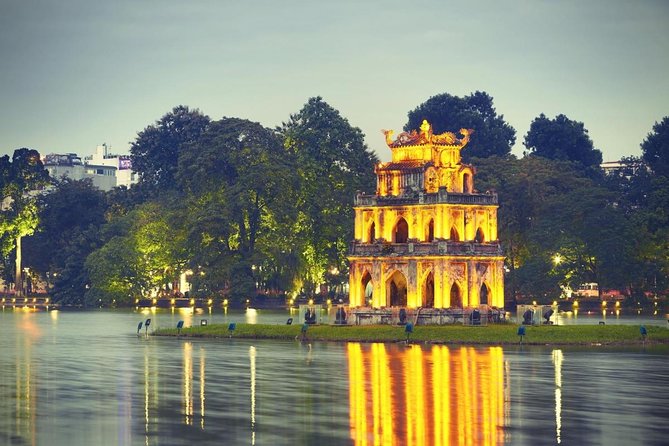
The Old Quarter is famous for its street names tied to old trades. That sounds like trivia until you’re walking it at night with your mouth open. The streets feel less like a museum and more like a living kitchen, especially in the evening when the area gets more human-foot traffic and the food scene ramps up.
This tour is designed for that exact time of day. Starting around 6:00 pm, you get the Old Quarter in its “people actually eat here” mood, not just daytime sightseeing. You also avoid the worst of the heat and harsh mid-day glare, which makes a walking tour feel more like a stroll and less like a workout.
You’ll also get a practical advantage: the Old Quarter can be confusing on your own. This route puts food stops in the middle of the walk, so you’re not forced to hunt for good places or keep guessing what’s worth trying.
You can also read our reviews of more walking tours in Hanoi

Price and Value: What $25 Buys in Hanoi’s Eating Economy
$25 sounds simple, but the value comes from what’s included. The tour includes an English-speaking guide, an authentic Vietnamese meal, dessert, and drinks like juice, beer, coffee, or tea. That matters because in Hanoi, the cost of food adds up quickly when you’re hopping around trying to “get a little of everything.”
Think of it like this: you’re paying for convenience, selection, and guidance. Without a tour, you might still eat well in the Old Quarter—but you’d likely spend time second-guessing where to go, and you’d miss the cultural context that helps you understand what you’re tasting.
Two small notes on spending:
- Extra shopping is not included (so keep a little buffer if you see spices or snacks you want).
- Additional drinks beyond what’s covered are not included, so pace yourself if you’re planning to try beer.
Where You Start on Lo Su Street (and Why 6 pm Helps)
The meeting point is at 31 Lo Su, Hoan Kiem, right in the center of the Old Quarter area. That’s convenient because you’re already in the core of where most people want to be once they land: near the Hoan Kiem zone, close enough to walk into the busy lanes fast.
Starting at 6:00 pm is a sweet spot. You’re still early enough that lots of places are ready to serve, but late enough that the street-food energy is up. It also helps you avoid the midday rhythm where some shops are quiet or closed and you end up with dead ends.
One more practical tip: wear shoes you can walk in comfortably for a few hours. The Old Quarter is made for feet and scooters, not for people in delicate footwear.
The 3-Hour Route: From Street Trades to Eat-as-You-Go Bites
Even though the tour time is just about 3 hours, the structure feels like multiple mini experiences. You’re moving through the Old Quarter’s themed streets and learning how those streets connect to what people traditionally ate and bought.
Stop energy: the Old Quarter streets themselves
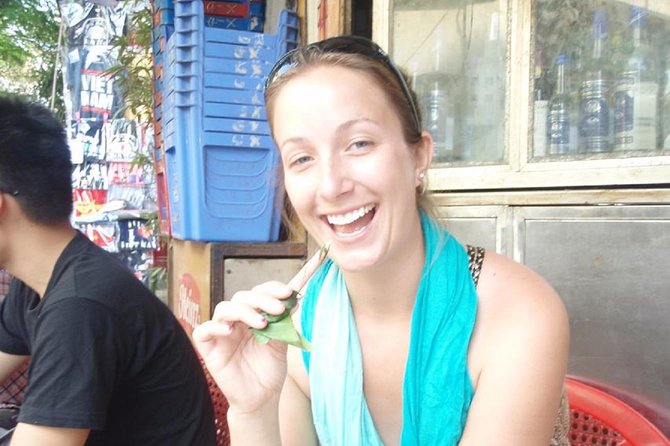
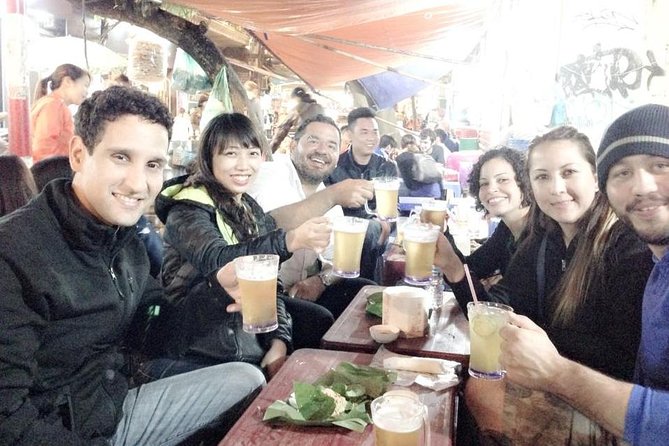
Right away, you’re guided through the reality of the area: it’s relatively pedestrian-friendly compared to other parts of Vietnam, and on weekends/evenings you’ll often see streets closed off from motorised traffic. That shift changes the vibe from “drive-through lanes” to “walk-around food streets,” with stalls and bia hoi-style bar culture.
This matters because it’s the difference between eating in a place versus eating while watching the city happen around you.
You can also read our reviews of more food & drink experiences in Hanoi


The trade streets and the hawkers around the market perimeter
Your guide meets you in the Hoan Kiem district in the evening, then you set off through the Old Quarter’s historic trades. You may pass areas tied to blacksmiths, silver shops, paper shops, headstone makers, silk traders, and jewelers. The point isn’t just to memorize names—it’s to understand how neighborhoods formed around what people produced and sold.
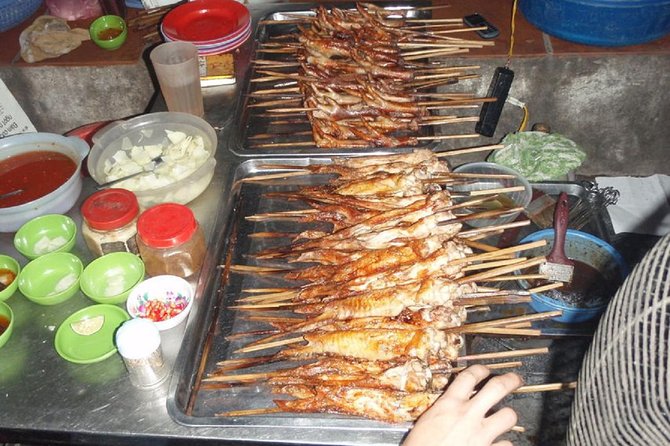
You’ll also see street hawkers and stalls close to market activity, with a wide range of items that can include live seafood, exotic fruits, and spices. That’s useful context if you later want to shop smarter, because you start to recognize what’s local and what’s just tourist-friendly packaging.
Eating stops: meal, dessert, and drinks along the way
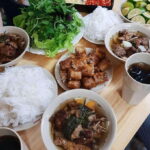
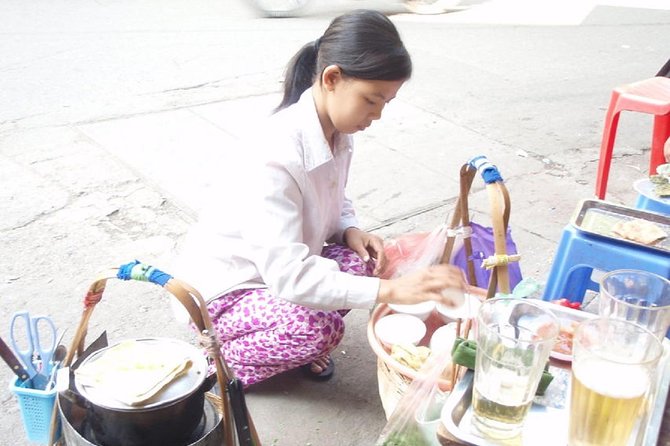
The tour is built around eating as you go. You’ll sample authentic Vietnamese dishes and dessert, with juice, beer, coffee, or tea served at local cafés and bars. A real bonus here is that the drinks are part of the plan, not an afterthought.
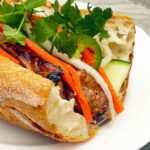
One useful expectation-setting detail from past experiences: some groups have reported that the first course was bánh mì, the Vietnamese baguette. Since bánh mì is French-inspired in spirit, that fits the tour’s theme of pairing Vietnamese staples with historical influences. Later dishes can include things like chicken-based plates, depending on the day.
What You’ll Eat: Northern Flavors, Local Ingredients, and Dessert Stops
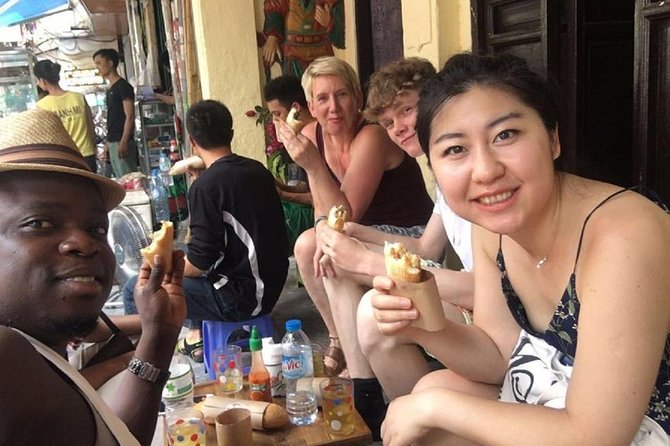
You won’t leave hungry, and you also won’t be stuck with only one category of food. The guide is there to explain not just what you’re eating, but the ingredients and background behind popular northern dishes. That’s a big deal in Hanoi, where tastes can differ from southern Vietnam and where sauces, herbs, and cooking styles matter.
Here’s the practical way to think about your plate:
- Expect Vietnamese comfort foods rather than tiny “lab samples.”
- Expect seasonal fruit to show up in some form.
- Expect a dessert stop that’s meant to balance the meal.
- Expect drinks that reflect local café and bar life—again, often including beer (and also tea or coffee for calmer evenings).
If you want seafood, you should tell the guide in advance. The tour notes that if you want seafood, the guide can organize it, and if you have allergies, you should inform them ahead of time so arrangements can be made.
That’s the kind of detail that keeps a food tour from being stressful. If you know what you can and can’t eat, you’ll enjoy the whole walk more.
Guide Impact: When a Great Host Turns Food Into a Memory
This tour is only as good as the person guiding your bites. The standout theme in past feedback is that the guides can really make the experience feel smooth and fun, not chaotic.
Names that have come up for praise include Ryan, Mia, Long, Lisa, and Michael. The common thread: guides who are attentive, quick to move the group along, and able to connect what you’re eating to the broader Hanoi food story. One person highlighted Ryan as a highlight for being sweet and knowledgeable and for getting the group around fast. Another credited Mia with friendly help and good variety. Long was praised for turning the tour into a truly enjoyable food crawl.
So yes, you’ll learn about ingredients and history—but the bigger value is that a good guide helps you order mentally. You stop guessing and start tasting with understanding.
Group Size, Pace, and Real-Life Comfort
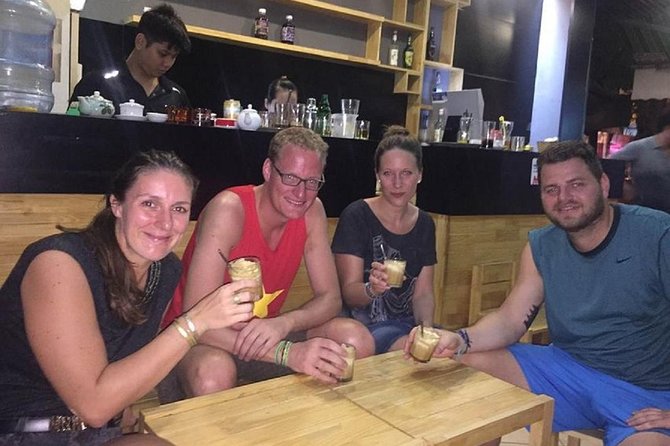
The tour is advertised as having a maximum of 10 travelers, which is a sweet size for a walking food tour. Smaller groups get better attention, and you spend less time waiting in the middle of the street for everyone to catch up.
That said, one past experience mentioned a much larger group feeling disorganized, and another pointed out pace issues for a senior who couldn’t keep up. Those two comments are your reminder to choose your expectations wisely.
If you’re:
- moving a bit slowly,
- traveling with someone elderly,
- or easily distracted by crowds,
then speak up early. Tell your guide you’d like a slower rhythm or extra time between stops. A good guide can usually adjust without breaking the tour flow.
Also, bring a little water and plan to walk. This is not a sit-and-eat cruise. It’s a “walk, eat, learn” format.
Who Should Book This Hanoi Food on Foot Tour?
This tour fits best if you want:
- a first-night or first-days in Hanoi experience that gets you oriented fast,
- a structured way to try a range of Vietnamese dishes, dessert, and drinks,
- and a guide-led route through the Old Quarter that helps you avoid random guessing.
It’s also a smart pick if you like food travel that’s more than just eating. The craft-trade street context and the ingredient explanations help the food land with meaning.
If you hate walking, or if you need long breaks every 20 minutes, you might want a more low-key food option instead. But if you can handle a couple hours of moving through the Old Quarter streets, you’ll likely have a great time.
Should You Book Hanoi Food on Foot?
I’d book it if you’re planning to spend time in the Old Quarter anyway and you want your food choices to feel guided rather than accidental. The combination of meal + dessert + drinks for $25, plus an English-speaking guide, is the core reason it works.
I’d hesitate only if you’re very sensitive to pace or crowding. If that’s you, message ahead about dietary needs and mention that you prefer a comfortable walking speed. When the guide can manage the group well, this tour becomes one of the most practical ways to kick off Hanoi with actual local flavors.
FAQ
What is the duration of the Hanoi Old Quarter walking food tour?
It runs for about 3 hours in the evening.
How much does the tour cost?
The price is $25.00 per person.
Where do I meet the guide?
Meet at 31 Lo Su, Hoan Kiem, Hanoi, in the center of the Old Quarter area.
What time does the tour start?
The start time listed is 6:00 pm.
What’s included in the price?
You get an English-speaking guide, an authentic Vietnamese meal, dessert, and drinks (juice, beer, coffee, or tea). Additional drinks are not included.
Can the tour accommodate seafood and allergies?
Yes. If you’d like seafood, inform the guide in advance so they can organize it. If you have allergies, tell them in advance for best arrangement.
How big are the groups?
The tour has a maximum of 10 travelers.
Is there free cancellation?
Yes. You can cancel for a full refund up to 24 hours before the experience starts.
Is the tour suitable for most people?
The listing notes that most travelers can participate, but it’s still a walking tour, so you should plan for movement around the Old Quarter streets.