REVIEW · HANOI
Hanoi: Cook 2–5 Vietnamese Dishes With Traditional Tea Ceremony
Book on Viator →Operated by Rose Kitchen Cooking Class · Bookable on Viator
Two dishes, one big tea lesson in Hanoi. At Rose Kitchen Cooking Class, you get hands-on cooking in a tucked-away garden villa and a traditional tea ceremony that puts Vietnamese tea in context with your meal. I love how the whole session is guided step by step by English-fluent cultural storytellers, including instructors like Alex and chefs like Tung. The one drawback: in the join-in format you cook two signature dishes, while the private option is where you can cook five.
A big part of the appeal is the pace. You’re not watching from the sidelines—you’re chopping, assembling, and learning why the flavors work together. You also stay comfortable with air-conditioned space, plus unlimited mineral water during the class.
Finally, I like that this experience ties food to impact. Your booking supports monthly charity meals for cancer patients, education programs for disadvantaged children in remote regions, and sustainable employment for ethnic minority women working as butlers.
In This Review
- Key Things I’d Book This For
- A Quiet Garden Villa Kitchen in Ba Đình
- What You Cook: Join-In Two Dishes vs Private Five
- Join-in sessions
- Private bookings
- The Welcome Start: Herbal Drink, Water, and a Clear Plan
- Ingredient Learning in Real Life (Not Just Recipes)
- Step-by-Step Cooking With Cultural Storytellers
- What the Menu Feels Like: Classic Dishes, Proper Techniques
- The Vietnamese Tea Ceremony: Stories and Meaning, After You Cook
- Eco-Friendly By Design: Stainless Steel and No Plastic
- Your $29 Value: Food, Time, and Impact
- Logistics That Make It Easier Than You’d Think
- Who This Works Best For
- Should You Book Rose Kitchen Cooking Class?
- FAQ
- FAQ
- How long is the Hanoi cooking class and tea ceremony?
- What dishes will I cook?
- Where does the experience take place?
- Is the tea ceremony included?
- Do I need to bring utensils or ingredients?
- What drinks and water are provided?
- Do I eat a full meal, or just snacks?
- Is there air-conditioned comfort during the class?
- Does my booking support community programs?
- What is the cancellation policy?
Key Things I’d Book This For
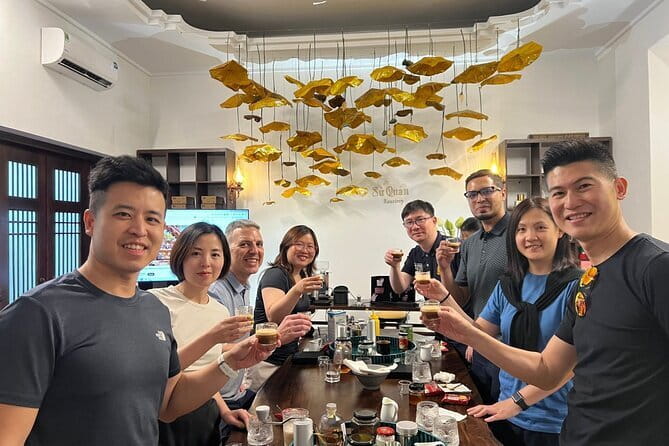
- Garden villa setting in Ba Đình: a calm, non-chaotic place to cook and eat in Hanoi
- Pick your dish count: join-in is 2 signature dishes; private is 5 with your group
- Tea ceremony with cultural stories: you connect the tea to what you just cooked
- Step-by-step English guidance: cultural storytellers (and table support from butlers) keep you moving
- Eco-friendly and practical: stainless-steel containers and canvas bags, with no plastic
- Food plus community impact: your payment supports real local programs
A Quiet Garden Villa Kitchen in Ba Đình
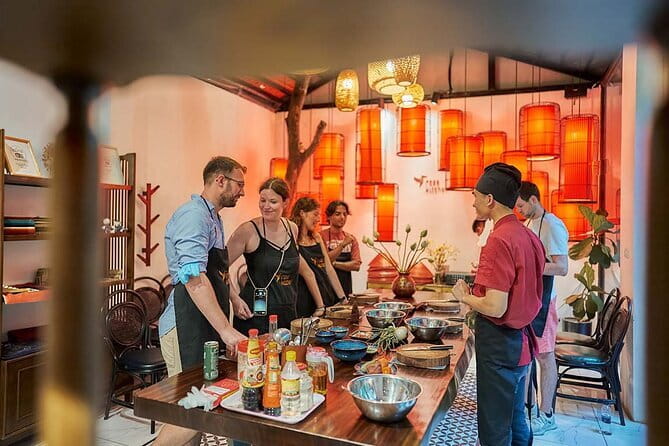
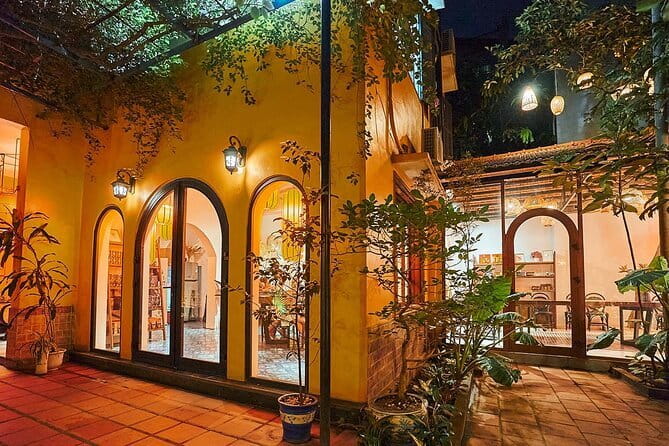
Rose Kitchen Cooking Class happens in a hidden garden villa, which matters more than it sounds. Hanoi can feel loud and busy, and here you get a calmer rhythm: arrive, settle in, and focus on cooking rather than dodging scooters.
The atmosphere is also part of why this class works for different people. If you want a relaxed evening with food and stories, the setting supports that. If you’re traveling solo, it still feels friendly because the class is structured around hands-on tasks and guidance.
You’ll meet at the Rose Kitchen Cooking Class location: 7/32, Ngh. 173/75 Đ. Hoàng Hoa Thám, Ngọc Hồ, Ba Đình, Hà Nội 10000, Vietnam, and the experience ends back at the same meeting point.
You can also read our reviews of more tours and experiences in Hanoi.


What You Cook: Join-In Two Dishes vs Private Five
This is the key choice you’ll make before you show up: the dish count.
Join-in sessions
If you book the standard join-in experience, you’ll cook two signature Vietnamese dishes alongside other people. This is a good option when you want the experience without committing to a full private class.
Private bookings
Private bookings are built for people who want more variety and time. You cook five signature dishes with your group, which usually means more techniques, more tasting opportunities, and more time to ask questions at each step.
My practical advice: if you’re the type who studies menus and wants to come home with a bigger menu memory, go private. If you just want a confident introduction to Vietnamese cooking and a proper meal, join-in is usually the sweet spot.
The Welcome Start: Herbal Drink, Water, and a Clear Plan
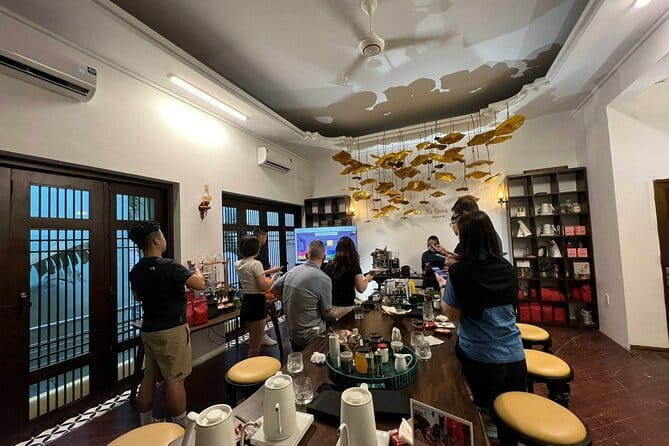
The session starts with a complimentary herbal welcome drink, plus unlimited mineral water throughout. These little details matter on a 4-hour schedule. Tea or herbal drinks set the mood, and the water keeps you from turning the cooking part into a dehydration headache.
You’ll also find air-conditioned comfort at the class location. Even if you’re used to Hanoi heat, cooking can make you sweat—so it’s a relief not to fight the weather while chopping and frying.
Then comes the real “what happens next” part: step-by-step guidance from English-fluent cultural storytellers, and personalized support from a dedicated butler. That combo is helpful if you’re new to Vietnamese ingredients or just want someone to translate the why behind the how.


Ingredient Learning in Real Life (Not Just Recipes)
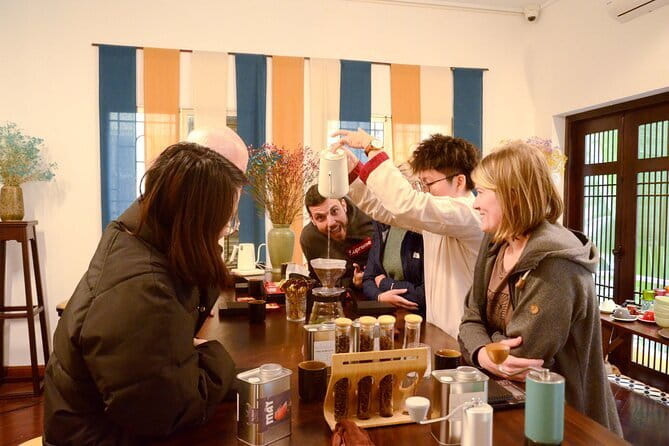
A big part of the experience is learning Vietnamese cooking in context, not as a worksheet. In practice, that means you’re selecting and working with ingredients in a way that connects flavor, technique, and culture.
Some sessions include a local market stop where you choose ingredients for what you’ll cook. Even if your exact flow differs slightly by time slot, the goal stays the same: you leave knowing what key ingredients are and how they behave in real cooking.
If you’re the type who likes to shop like a cook, this structure is gold. It also helps you later when you try to recreate flavors at home—because you understand what each ingredient is doing.
Step-by-Step Cooking With Cultural Storytellers
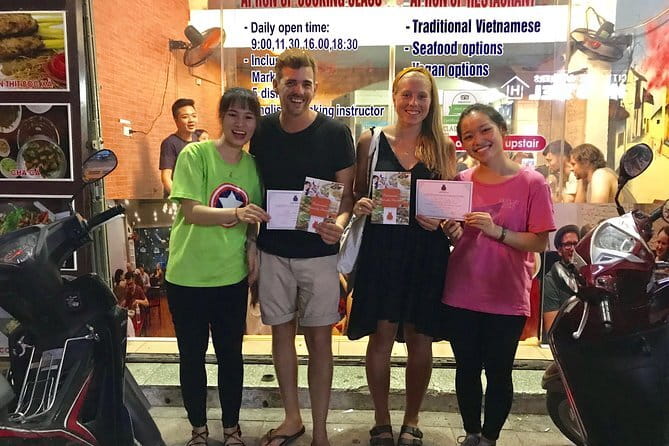
This isn’t a watch-and-guess class. You get hands-on cooking, fully interactive, with guidance throughout.
What makes it work is the storytelling approach. Instead of just saying add this, it’s more like: this ingredient shows up here for a reason, and this technique fits Vietnamese tastes. The class also includes cultural explanations linked to the dishes you make.
In past sessions, guides like Alex have led groups with a friendly, organized style. Chefs such as Tung have been described as informative and entertaining. Table support can come from hosts and butlers with strong English skills—names you might run into include Aroma, Chloe, or Linh.
The practical takeaway: you can ask questions and get answers that make sense, even if you’re nervous in a kitchen. And yes, you might even pick up a couple of Vietnamese words along the way.
What the Menu Feels Like: Classic Dishes, Proper Techniques
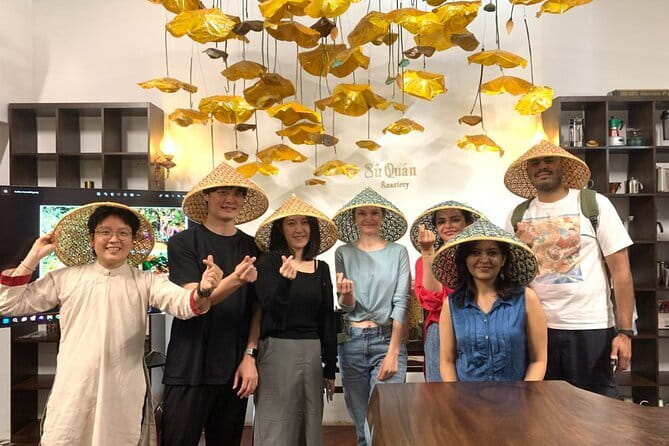
You won’t leave eating “small bites.” The class is designed as a full meal experience.
Depending on your time slot, you’ll have breakfast, lunch, or dinner as part of the session. That’s a big value point because you’re getting both the cooking lesson and the actual meal outcome.
You’ll also learn techniques tied to common Vietnamese dishes. For example, spring rolls show up in this kind of class training, including practical instruction on prep and assembly. That kind of hands-on detail is what turns the experience from entertainment into a skill you can reuse.
Keep expectations realistic: you’re cooking dishes you choose, but the class time is still limited. So you’ll focus on the right essentials—how to prep, cook, and plate—rather than trying to cook everything Vietnamese in 4 hours.
The Vietnamese Tea Ceremony: Stories and Meaning, After You Cook
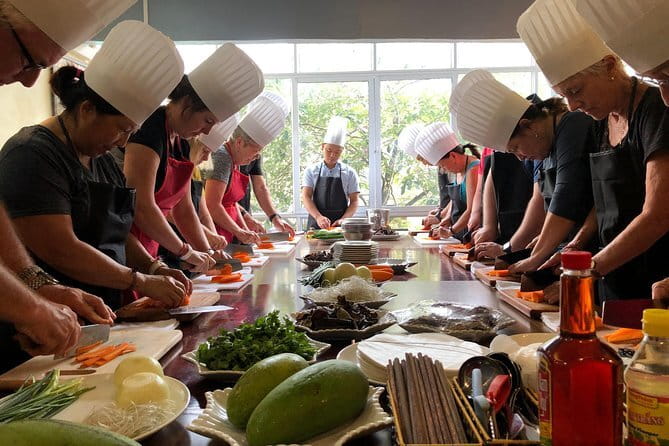
After the cooking part, the session shifts into a traditional Vietnamese Tea Ceremony.
This is where the class becomes more than a cooking workshop. You relax after the kitchen work and learn the cultural significance of tea in Vietnamese life. You also connect the tea to what you made—so it doesn’t feel like an extra add-on. It’s more like a finishing chapter.
In practice, think of it as a calm reset: sit, sip, and absorb the meaning behind the drink. You’ll hear stories that explain how tea fits with daily meals and social life. It’s also a nice way to slow down before you head back into Hanoi.
Eco-Friendly By Design: Stainless Steel and No Plastic
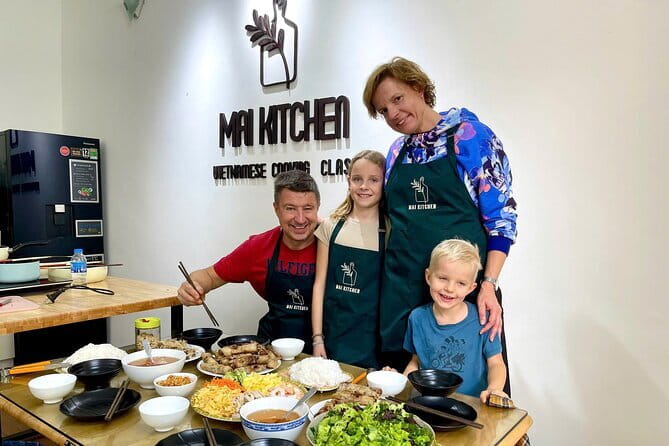
One of the easiest ways to tell a class is serious is how it handles the “stuff.” Here, the setup is eco-friendly, using stainless-steel containers and canvas bags, with no plastic.
That matters for two reasons:
- It reduces waste during a session built around repeated handling of ingredients.
- It also tends to feel more “real-world practical.” You cook with sturdy tools and learn processes you can replicate.
It’s a detail you’ll appreciate more at the end, when you realize you didn’t just leave with a pile of disposable packaging.
Your $29 Value: Food, Time, and Impact
The price is $29.00 per person for about 4 hours. At that cost, you’re not just paying for a recipe card.
You’re getting:
- guidance step by step in English
- unlimited mineral water
- a full meal (breakfast/lunch/dinner depending on slot)
- kitchen tools and brewing tools provided
- a tea ceremony with cultural context
- free luggage storage so you don’t travel like a pack mule
Then there’s the impact side, which is part of the value proposition here. Your booking supports:
- monthly charity meals for cancer patients
- educational programs for disadvantaged children in remote regions
- sustainable employment for ethnic minority women who work as butlers
So yes, it costs money, but the structure makes it feel purposeful. You’re paying for a real experience, not just a consumable.
Logistics That Make It Easier Than You’d Think
This experience is designed to be straightforward.
- The class is near public transportation, so you’re not stuck planning a complicated taxi route.
- You’ll get a mobile ticket.
- The session has a maximum capacity of 100 travelers, which sounds big, but the class is still run as an organized cooking experience rather than a free-for-all.
- The experience ends back at the meeting point, so you don’t have to plan extra steps after you eat.
One small consideration: your own pace depends on the session format. Join-in sessions are designed around group cooking with time shared among tasks. Private bookings are where you typically get more direct attention and a wider dish range.
Who This Works Best For
This cooking class is a solid match if you:
- want a hands-on Hanoi cooking class that ends with a proper sit-down meal
- enjoy culture that connects to food, not culture as a separate museum stop
- like guided explanations in English and appreciate patient table support
- want an eco-friendlier approach (stainless steel and canvas, no plastic)
- care about where your money goes, since it supports community programs
It’s also a good choice for families. One parent brought a 5-year-old and noted it felt safe for her to participate. That doesn’t mean every family situation will be identical, but the overall structure feels designed for real people—not only adults.
If you’re the type who hates group energy or you need a totally silent, solo-focused activity, a private booking may fit better.
Should You Book Rose Kitchen Cooking Class?
I’d book it if you want a meaningful way to eat well in Hanoi that combines skills, stories, and an actual meal. The dish choice system (2 vs 5), the tea ceremony, and the step-by-step English guidance make this easier than many “cooking classes” that turn out to be more like brief demonstrations.
Skip it or consider a different format if you specifically want a big menu of Vietnamese dishes in one go. In the join-in option, you only cook two signature dishes. If variety is your top goal, go private.
Best decision checklist:
- Choose join-in if you want a taste of Hanoi cooking plus tea in ~4 hours.
- Choose private if you want more dishes and more hands-on time.
- Come hungry, and plan to eat the meal you cook.
FAQ
FAQ
How long is the Hanoi cooking class and tea ceremony?
The experience lasts about 4 hours (approx.).
What dishes will I cook?
In a join-in session, you cook 2 signature Vietnamese dishes. In a private booking, you cook 5 signature dishes with your group, and you choose what you prepare.
Where does the experience take place?
It takes place at Rose Kitchen Cooking Class in a hidden garden villa in Hanoi. The meeting point is at 7/32, Ngh. 173/75 Đ. Hoàng Hoa Thám, Ngọc Hồ, Ba Đình, Hà Nội 10000, Vietnam, and the activity ends back at the meeting point.
Is the tea ceremony included?
Yes. After cooking, you enjoy a traditional Vietnamese Tea Ceremony and learn the cultural stories behind the tea and how it connects to the dishes.
Do I need to bring utensils or ingredients?
No. All ingredients and cooking/brewing tools are provided, and you just bring your curiosity.
What drinks and water are provided?
You get a complimentary herbal welcome drink at arrival, and unlimited mineral water throughout the session.
Do I eat a full meal, or just snacks?
You enjoy a full meal: breakfast, lunch, or dinner depending on your time slot.
Is there air-conditioned comfort during the class?
Yes, the class is described as having air-conditioned comfort.
Does my booking support community programs?
Yes. Your booking supports monthly charity meals for cancer patients, educational programs for disadvantaged children in remote regions, and sustainable employment for ethnic minority women working as butlers.
What is the cancellation policy?
You can cancel for free up to 24 hours in advance for a full refund. If you cancel less than 24 hours before the start time, the amount paid is not refunded.