REVIEW · HANOI
Hanoi 4.5-Hour Vespa Tour city tour
Book on GetYourGuide →Operated by hanoi vespa tours · Bookable on GetYourGuide
Scooters turn Hanoi into an open-air museum. On this 4.5-hour vintage Vespa tour, you’ll weave through backstreets where locals actually live, not just pass by from a bus window. It’s built for street-level views: Old Quarter lanes, major landmarks, and the kind of stops you’d never string together on your own.
What I like most is how the route mixes big sights with everyday life. You get the classic photo moments—like Long Bien Bridge—plus the close-up, human-scale scenes around Train Street and narrow housing near the rails. I also love that the English guide focus stays practical and story-driven, with names like Sunny, Quan, and Alex standing out for making riders feel safe and informed.
One drawback to consider: this is an active scooter day with short walks and lots of street time. If you’re sensitive to traffic flow, or you want a slower, fully seated tour, it may feel a bit intense at times.
In This Review
- Key things you will remember
- Why a vintage Vespa tour feels like the real Hanoi
- Price and time: is $85 worth it for 4.5 hours?
- From Old Quarter lanes to the Opera House photo stop
- Riding into Train Street life: inches from the rails
- Ho Chi Minh Mausoleum viewpoint: government bodies in context
- West Lake, Truc Bach Lake, and the best panoramic sightlines
- War memory at B52 Lake and a heavier moment in a fast city
- Pagodas, temples, and the peaceful breaks between streets
- Flower farm season stops and Hanoi’s dragon tails symbol
- Egg coffee and lunch: food breaks that actually sit in the day
- Long Bien Bridge: the river-life viewpoint that closes the loop
- Safety, comfort, and what to pack for a scooter day
- Who this tour suits best (and who should skip it)
- Should you book this Hanoi Vespa tour?
- FAQ
- FAQ
- How long is the Hanoi Vespa tour?
- What time does pickup happen?
- What is included in the $85 price?
- Does the tour include Train Street and Long Bien Bridge?
- Is lunch and egg coffee included?
- What should I bring?
- Is it wheelchair accessible, and can I cancel for free?
Key things you will remember
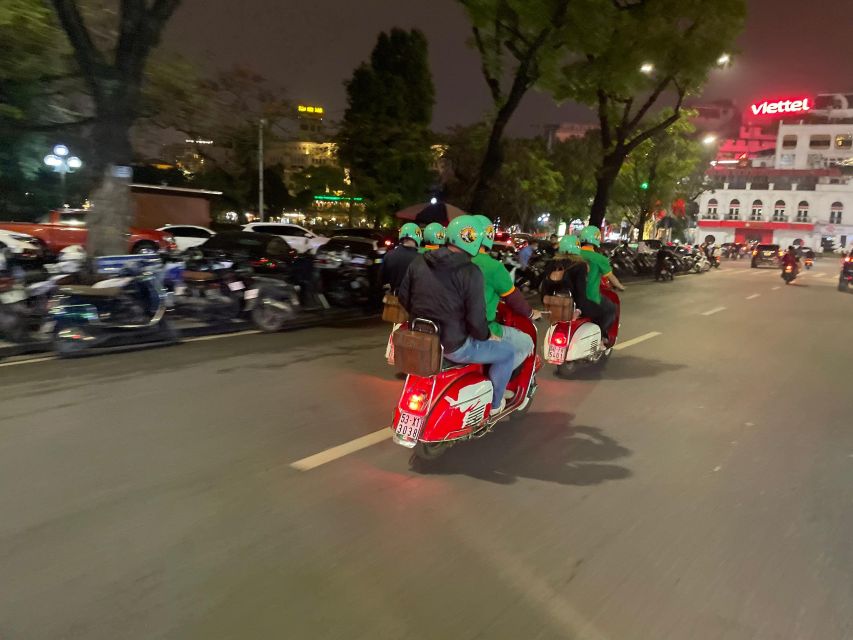
- Vintage Vespa riding through Old Quarter backstreets instead of staying in main roads
- Train Street views where daily life happens just centimeters from the tracks
- West Lake loop with panoramic sightlines and upper-class neighborhood views
- B52 crash site area at B52 Lake (in Huu Hiep Lake region) for a sobering Vietnam War stop
- Truc Bach Lake and McCain memorial area tied to a specific historical event
- Long Bien Bridge plus river-life perspective under the bridge
Why a vintage Vespa tour feels like the real Hanoi

Hanoi can be overwhelming on foot, and it can feel flat from a bus. A Vespa tour solves both problems by getting you quickly from place to place while still moving through the city at street speed. You’re not just observing Hanoi; you’re traveling like a local would.
This specific ride also does a smart job of covering different “Hanoi moods” in one afternoon or morning. You start in the Old Quarter area, then shift toward French Quarter-style landmarks, government-area viewpoints, and the calmer rhythms around West Lake. After that, it reaches out beyond the center for bridge views and the Red River feel.
And yes, the vintage Vespa part matters. It gives the day a classic, photo-friendly character without turning the tour into a gimmick. With professional riders behind the handlebars, the experience leans toward guided sightseeing rather than you trying to figure out scooters on your own.
You can also read our reviews of more city tours in Hanoi


Price and time: is $85 worth it for 4.5 hours?
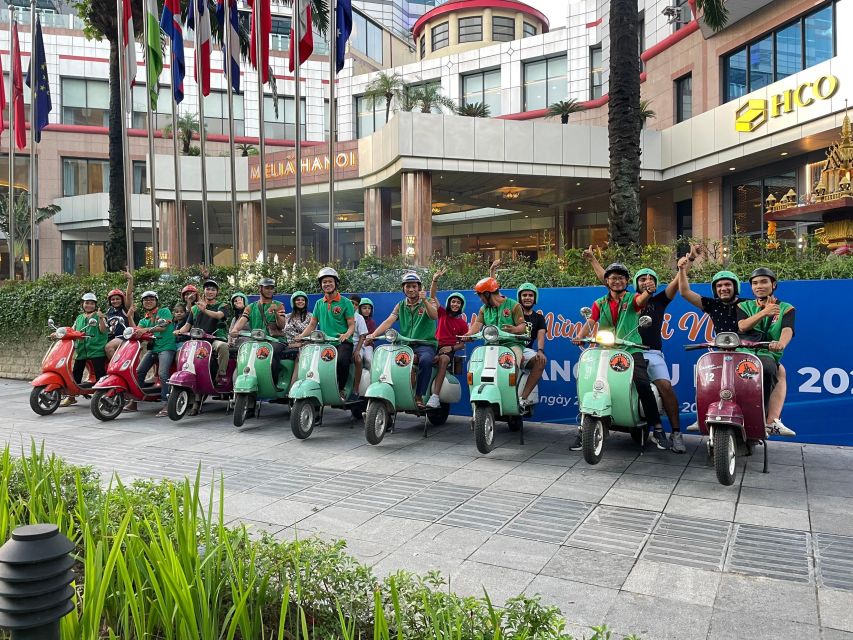
At $85 per person for about 4.5 hours, the value hinges on two things: how much ground you cover and what you get built in. This tour includes an English-speaking guide, vintage Vespa transportation with professional drivers, fuel, entrance fees, water, lunch at a traditional Vietnamese spot, and egg coffee. That’s a lot bundled in for a city that adds up fast once you start paying for transit, meals, and tickets separately.
Timing is also clear. Pickup is set for the Old Quarter, with a morning start at 8:00 am and an afternoon start at 12:00 pm (you’ll want to check available start times for your exact day). For a first visit, that timing is ideal: you get a full sweep of major highlights without burning your whole day.
If your itinerary is already packed, this is a strong “orientation tour.” You’ll leave with bearings, plus a few emotional anchors (like the war-era stops) that make later museum visits make more sense.
From Old Quarter lanes to the Opera House photo stop
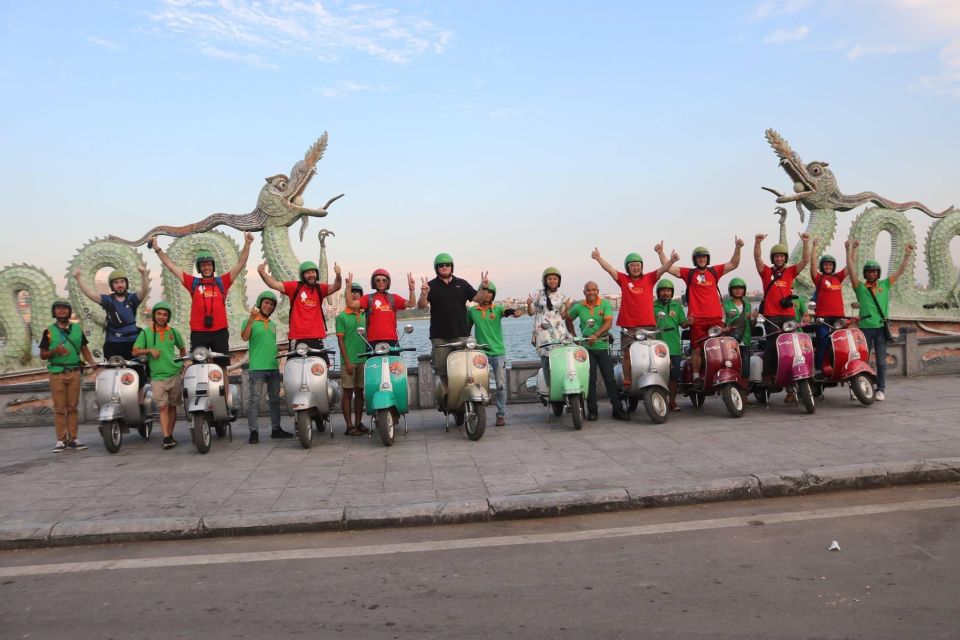
You’ll begin in the Old Quarter, where the day’s pace makes sense. The tour starts with a guided look and photo time in the Old Quarter zone, then moves onward toward landmarks with a French Quarter vibe. Expect the drive to focus on backstreet threading—where the city feels layered, messy, and real.
One key moment is the Hanoi Opera House photo stop. It’s not treated as a quick glance; you get time for guided sightseeing and photos. That matters because the Opera House is one of those places that looks impressive, but you’ll appreciate more once you understand what you’re seeing and why it’s there.
This early portion works best if you like watching how Hanoi changes from street to street. In a short time, you’ll go from tight Old Quarter lanes to broader landmark surroundings and viewpoints that feel more formal. It’s a smooth shift that keeps you from feeling like you’re just moving past the city.
Riding into Train Street life: inches from the rails
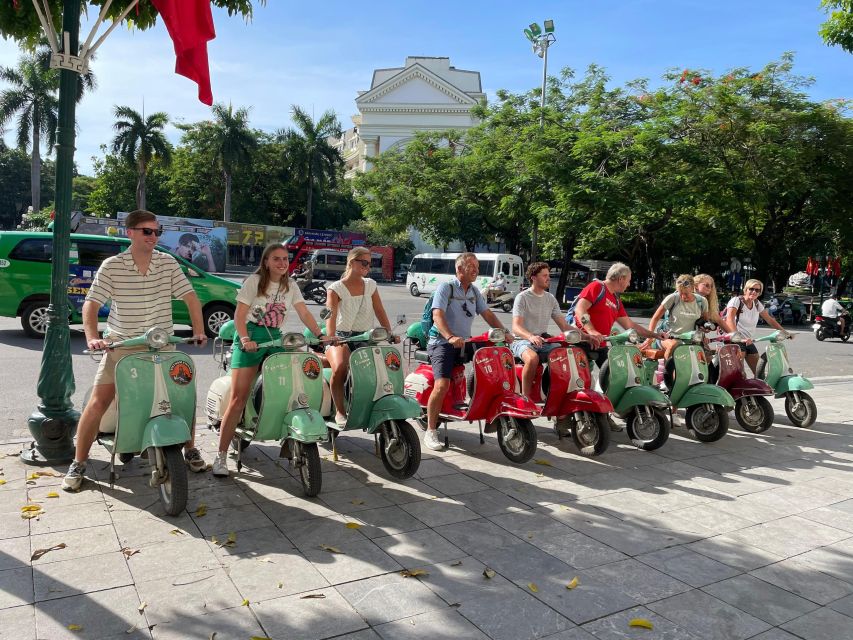
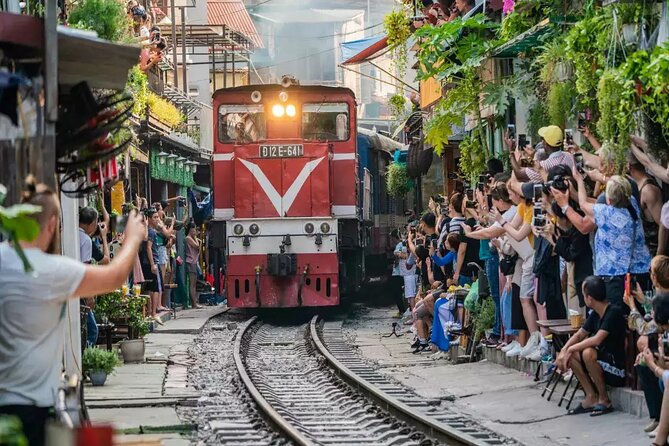
One of the most talked-about parts of this tour plan is the stop for the Railway Train Tracks area, including Train Street views. The key idea isn’t just spotting a landmark. It’s seeing how locals work and live so close to active rail lines—inside tall, narrow housing that sits almost right beside the tracks.
This is the kind of place where a bus can’t help much. From a scooter, your viewing angles and timing feel more flexible, and your guide can explain what you’re seeing in a way that connects daily life to the infrastructure around it.
Keep your expectations grounded. You’re not going to spend all day here; the visit is structured into the route. But even with limited time, the visual impact can stick with you. It’s one of those moments that instantly changes how you understand the city’s layout and rhythms.
Ho Chi Minh Mausoleum viewpoint: government bodies in context
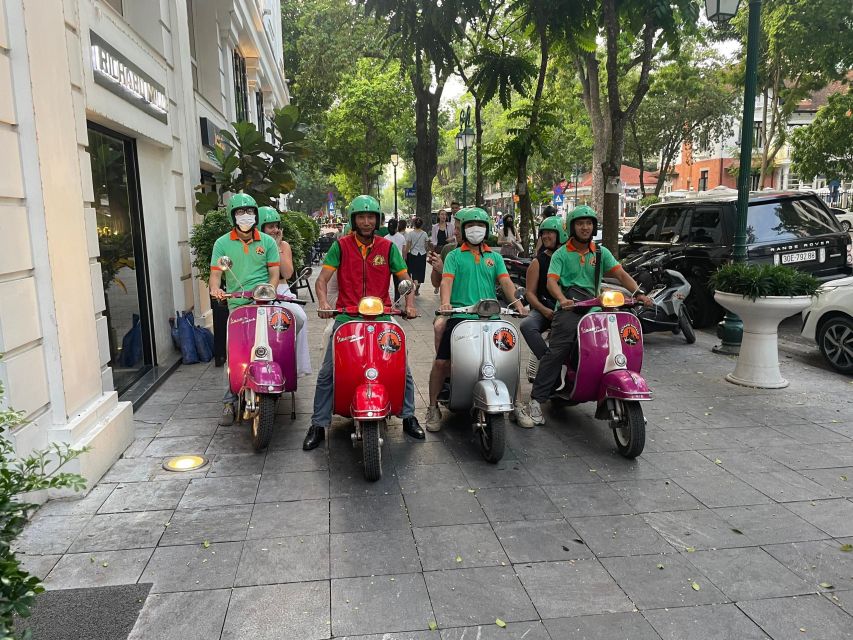
After the rail-area segment, the ride continues toward the Ho Chi Minh Mausoleum area. You don’t just get the drive-by version. There’s a stop at a viewpoint where you can see the broader governmental zone—President Place, Parliament House, and other state buildings—and your guide shares stories about Hanoi then and now.
This part is valuable because it gives you context. Hanoi isn’t only lakes, pagodas, and old streets. It also operates as the political core of Vietnam, with major symbols and carefully planned spaces. When you later see government buildings from different angles, you’ll have a better mental map.
A practical tip for this stop: treat it like a quick orientation moment. Take your photos, listen for the story, then move on. Sitting too long won’t make the city go slower, but the guide’s explanation will make the architecture feel less random.
A few more Hanoi tours and experiences worth a look





West Lake, Truc Bach Lake, and the best panoramic sightlines
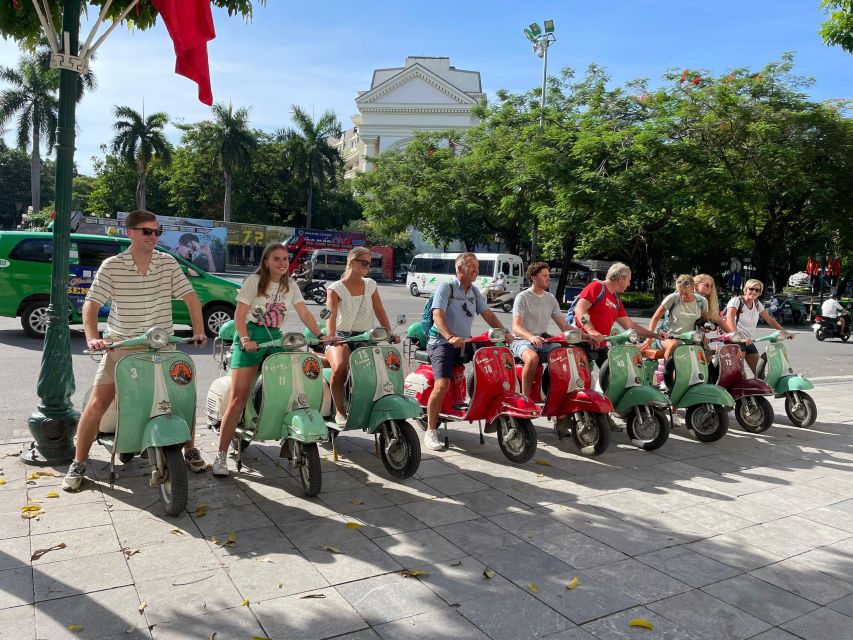
The day’s scenery shift really kicks in around West Lake. You’ll have guided sightseeing and time to walk—about an hour in the itinerary details—so this isn’t just a roadside stop. West Lake is one of Hanoi’s big scenic anchors, and the tour uses it well: you get both waterfront atmosphere and viewpoint angles over the city.
One of the best aspects of the West Lake portion is that you’re shown different “views of Hanoi,” not one. The route includes passing spots for panoramic sightlines from the West Lake side, plus guided stops that help you notice how neighborhoods and housing types look in this part of town.
Then you head to Truc Bach Lake. Here, the tour ties the landscape to a specific story with the John McCain Monument and the area associated with where he was shot down. Even if you only know the name from news headlines, having a guide connect it to the place helps you understand why this memorial exists where it does.
If you want the most photo-friendly stretch, aim your camera during your stops and at the lake-side viewpoints, not during the fastest scooter transitions.
War memory at B52 Lake and a heavier moment in a fast city

Not every stop in Hanoi is meant to feel light. The tour includes a visit in the area around B52 Lake, connected to the 1972 bombing raids of Hanoi. The plan specifically references the site as a crash-related reminder, which makes it a poignant part of the route.
This is worth taking seriously. Even if you’re on a half-day schedule, don’t treat this as just another photo stop. A good guide narration is the difference between a vague landmark and an understanding you carry with you.
Balance matters here: this is one of the few portions of the day that may feel emotionally weighty. If you know you prefer cheerful sightseeing only, you can still do it, but consider how you want your Hanoi story to feel.
Pagodas, temples, and the peaceful breaks between streets

After the lake and viewpoint stops, the tour includes Tran Quoc Pagoda and later Phu Tay Ho and Van Nien pagoda. These aren’t dropped-in quick photos. You get guided sightseeing and walking time, so you can notice architecture and take in what makes each place distinct.
Tran Quoc Pagoda is a classic Hanoi stop that fits naturally into the river-lake sightseeing rhythm. It’s also a good breather point—somewhere to pause after scooter stretches and let the day slow down.
Phu Tay Ho is another well-known temple stop tied to lake surroundings. Then Van Nien Pagoda gets special attention because it’s described as one of the oldest, built in 1010 by King Ly Cong Uan. Dates and founders help. They turn “old building” into a story with a start and a reason.
If you enjoy places where daily life meets tradition—vendors nearby, people praying, quiet corners—this portion adds the calm you need to make the faster segments feel worth it.
Flower farm season stops and Hanoi’s dragon tails symbol
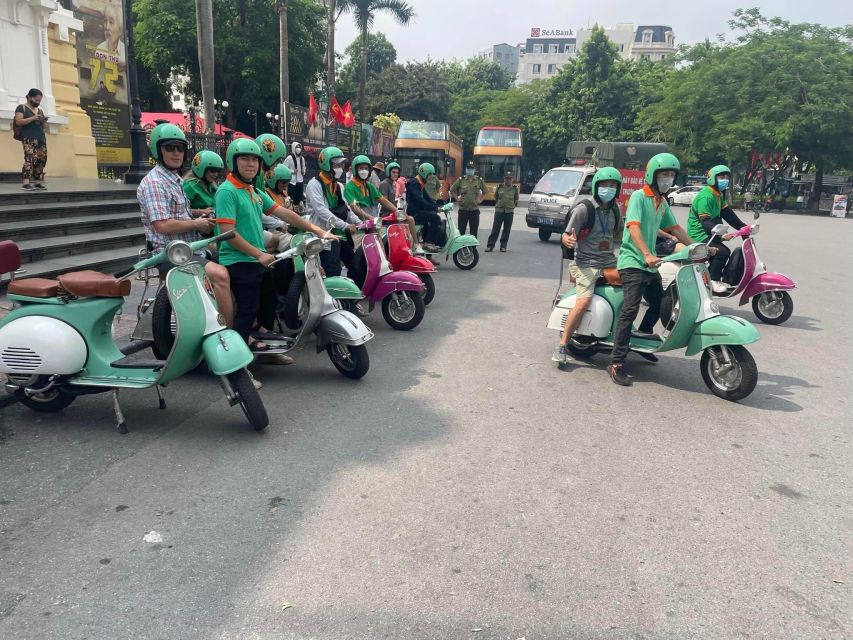
One of the most fun parts of the itinerary is that it includes a lakeside area with a flower farm, with seasonal variety in mind. In summer, you might see lotus flowers; in winter, the plan references different types of flowers. That kind of seasonal swap is a real perk, especially if you’re visiting outside peak tourist timing.
Next to the flower area, you’ll reach a stop featuring two dragon tails built in 2010 as a symbol of Hanoi. The tour uses it as another short pause where the guide can tie meaning to design. These are the moments that make a scooter tour feel like more than a checklist.
Even if you skip the photo moment, keep an eye out with the guide’s explanation in mind. It’s the small symbolic stuff that often makes your photos look more meaningful later.
Egg coffee and lunch: food breaks that actually sit in the day
This tour takes care of two big needs: lunch and coffee. You’ll have lunch at a traditional Vietnamese food restaurant, and you’ll also enjoy Vietnamese coffee, with the option to taste egg coffee, a famous Hanoi specialty.
The lunch inclusion is a real value point. Hanoi’s meal options can range from casual street snacks to full sit-down dinners, and costs add up quickly. Having lunch planned inside the tour protects your time, too. You won’t spend your ride day hunting for something nearby while the best scooter window passes.
Egg coffee is the kind of “try it once” experience that’s best done when you’re already at a comfortable stopping point. If you’re caffeine-sensitive, just sip and enjoy the novelty—this is a fun end-of-route treat, not a life choice.
Long Bien Bridge: the river-life viewpoint that closes the loop
The last major sightseeing hit is Long Bien Bridge, a structure built over a hundred years ago over the Red River. The tour also highlights the bridge as something more than a landmark: it provides shelter for locals living on boats underneath.
You get photo stops and guided sightseeing, plus a walk portion (listed as 30 minutes). This is a great final chapter because it ties together what you’ve been seeing all day: movement, daily life, and Hanoi’s relationship with water.
In a good half-day, you want contrast. Old Quarter streets earlier, lakes and temples mid-route, then the long river connection at the end. This gives your brain a satisfying “full city” feel before you head back.
Safety, comfort, and what to pack for a scooter day
One reason this tour earns such strong marks in typical experiences is rider confidence and how safe it feels when you’re not driving. In the guide stories people share—names like Sunny, Quan, and Alex show up—safety and clear cultural explanations are recurring themes. When the rider is calm and the guide keeps things organized, the scooter itself stops being stressful and turns into the best part of the day.
Still, you should plan for movement. You’ll have several guided walking segments: Old Quarter and Opera House time are shorter, while West Lake and Long Bien Bridge include more walking. Comfortable shoes matter.
Bring a camera (or phone with a solid lens case) and expect lots of photo opportunities: Opera House angles, lake panoramas, temple architecture, and bridge views. Also, even though water is included, pace your drinking. Street days can trick you into forgetting water until you’re tired.
Who this tour suits best (and who should skip it)
This is ideal if you want a first-time Hanoi orientation with real street scenes. I think you’ll love it if you enjoy motion, photo-heavy travel, and guides who connect places to stories.
It’s also a good match if you like history but want it shown where it lives in the city. Train Street, the B52-related site, and the memorial area are not just facts; they’re tied to specific locations you can stand in.
Skip it or consider a different style if you hate close-to-traffic riding, need a fully seated pace, or get uncomfortable with uneven sidewalk sections during walks.
If you’re traveling with mixed preferences, this tour can be a compromise. The itinerary has landmark structure, but it keeps the city-life texture you usually miss on standard tours.
Should you book this Hanoi Vespa tour?
Book it if you want the fastest way to understand Hanoi’s layout: Old Quarter energy, French Quarter landmark moments, West Lake views, pagoda breaks, and Long Bien’s river-life perspective—all in about half a day. The $85 price feels more fair when you look at what’s bundled: guide, transportation, entrance fees, water, lunch, and egg coffee.
Don’t book it blindly if you dislike scooter-style travel or you’re looking for a slow, quiet, fully accessible experience. Also, one stop in the plan is clearly tied to war memory, so decide in advance how you want your day to feel.
FAQ
FAQ
How long is the Hanoi Vespa tour?
The tour duration is 4.5 hours. Starting times depend on availability.
What time does pickup happen?
There are two start options: 8:00 am for the morning tour and 12:00 pm for the afternoon tour. Pickup is included from your hotel in the Old Quarter area, and you should wait in the lobby about 10 minutes before pickup.
What is included in the $85 price?
Included are an English-speaking guide, vintage Vespa transportation, professional Vespa riders and fuel, water, all entrance fees, lunch at a traditional Vietnamese food restaurant, and egg coffee.
Does the tour include Train Street and Long Bien Bridge?
Yes. The route includes a stop to view the railway train tracks / Train Street area and it also goes to Long Bien Bridge near the Red River.
Is lunch and egg coffee included?
Yes. You’ll have lunch at a traditional Vietnamese restaurant and get Vietnamese coffee, with the chance to try egg coffee in Hanoi.
What should I bring?
Bring comfortable shoes and a camera.
Is it wheelchair accessible, and can I cancel for free?
The information provided includes wheelchair accessibility in one place, but it also states not suitable for wheelchair users in another. If this matters for you, ask the operator before booking. For cancellations, it states you can cancel up to 24 hours in advance for a full refund.